|
From Lawn to Landscape
One of the most popular topics on Broomfield's horticulture helpline this season has been replacing lawns with more water-wise landscapes. After a hot, dry summer that made even water-wise plantings challenging to establish, cooler fall temperatures offer a better opportunity to start a xeriscape project and give new plants time to establish before next summer.
A lawn conversion doesn’t have to mean removing all of your grass or completing a huge project all at once. You can keep lawn where you use it and replace other areas with native grasses, flowering perennials, shrubs, ground covers, and other plants suited to Colorado’s climate. Use the guidance and resources below to navigate the most common questions.
Start with what you need your yard to do
Before removing your lawn, think about how you actually use the space. Do you need an area for kids or pets to play, a place to gather, or simply a green space to enjoy? Design your landscape around its intended use and site conditions, which may mean replacing some lawn while keeping other areas as turf.
There is more than one way to remove a lawn
If you decide to convert an area, you can remove sod mechanically, dig it out, or use methods such as sheet mulching or solarization to suppress existing vegetation. The best approach depends on the size of the area, the existing lawn, your timeline, and what you plan to put there next.
City and County of Broomfield residents can apply to receive free grass removal for up to 454 square feet (a $1,250 value) or complimentary Garden In A Box kits (up to 400 sq. ft.). While 2026 applications are closed, it’s never too early to start making a plan. Join the 2027 interest list now to take advantage of this first-come, first-served benefit.
Timing matters—especially this year
This summer’s heat and drought have made establishing new plants particularly challenging, and CSU Extension has been encouraging people to hold off on large new plantings when conditions are too hot and dry. That doesn’t mean you have to put your project on hold. Summer can be a good time to begin removing grass, while fall can be a great time to establish new plants. Keep in mind that grass should not be removed until you have a plan for planting the area.
Try a lower-water grass
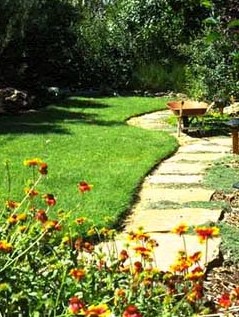
Xeriscaping doesn’t have to mean eliminating every patch of grass. If you need a durable play or gathering space, consider keeping turf where it serves a purpose and reducing it elsewhere. If you enjoy the look of a lawn area but don’t need high-traffic durability, consider lower-water grasses like buffalograss and blue grama.
Xeriscape, not zero-scape
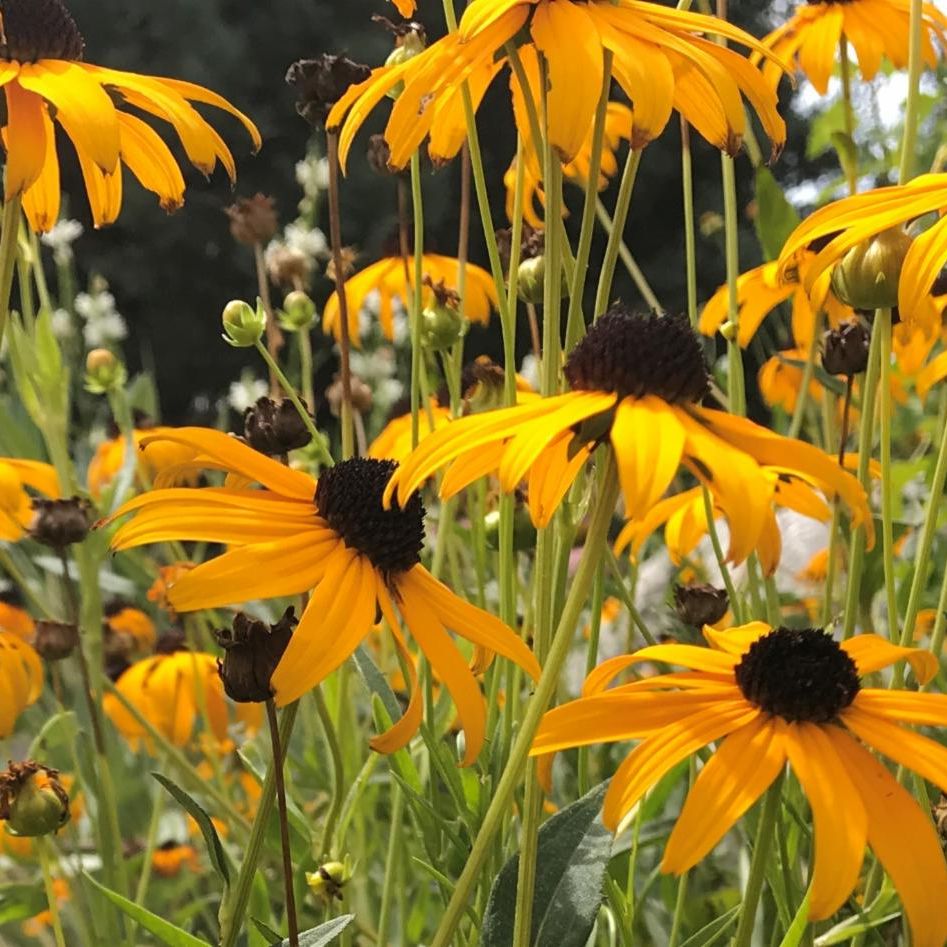
A xeriscape is a living landscape, not a yard covered in rock. Flowering perennials, shrubs, trees, ornamental grasses, and ground covers can add color, habitat, seasonal interest, and beauty while using less water than traditional turf. Replacing lawn with a thoughtful mix of plants creates a landscape that supports pollinators and other wildlife and changes with the seasons. Choose plants suited to your site and Colorado’s climate, and use mulch or rock where it makes sense—not as a substitute for every plant.
Start small and learn as you go
A landscape conversion doesn’t have to happen in one weekend—or even one year. Converting one section at a time gives you an opportunity to see what works on your property, learn how much maintenance different plants require, and adjust your plans before taking on the next area. For many households, a gradual transition may be more manageable and more successful than trying to transform the entire yard at once.
A water-wise yard can still be a community space
There’s no single “right” landscape for every household or neighborhood. A water-wise yard might be a small native planting, a reduced turf area, a garden filled with flowering perennials, or a combination of lawn and xeric plants designed around how a family uses its space. The goal is to create landscapes that work for our community—beautiful, useful, and better matched to the water and climate we have.
|