Brown v. Board of Education: The Decision That Redefined Learning in America
Education is not only a pathway to opportunity—it is a cornerstone of democracy. Few events illustrate this more powerfully than the Supreme Court’s decision in Brown v. Board of Education, which challenged the very foundation of educational inequality and set the stage for decades of progress and ongoing dialogue about equity in our schools.
Brown v. Board of Education was a landmark 1954 U.S. Supreme Court case that fundamentally reshaped the American education system. The case consolidated five separate lawsuits from Kansas, South Carolina, Virginia, Delaware, and the District of Columbia, all challenging the constitutionality of racial segregation in public schools.
Led by Thurgood Marshall and the NAACP Legal Defense Fund, the plaintiffs argued that the doctrine of “separate but equal,” established by the 1896 Plessy v. Ferguson decision, violated the Equal Protection Clause of the 14th Amendment.
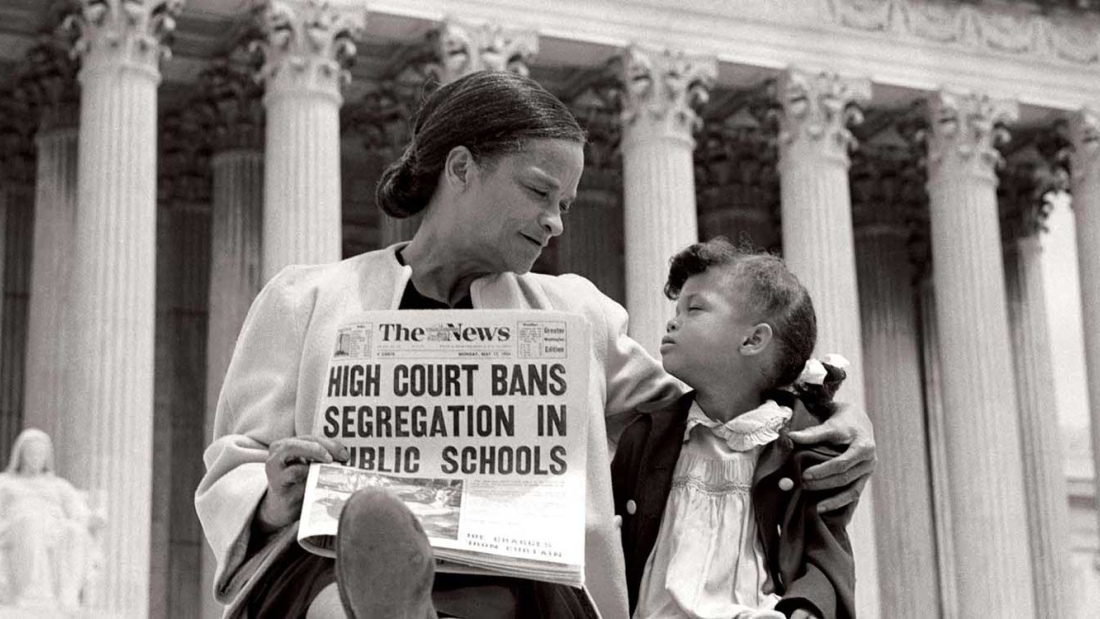
On May 17, 1954, the Supreme Court unanimously ruled in favor of the plaintiffs, declaring that “separate educational facilities are inherently unequal.” This decision effectively overturned Plessy v. Ferguson in the context of public education and set the stage for nationwide desegregation.
While the ruling was a monumental legal victory, its immediate effects were mixed. The Court’s follow-up decision in 1955 (Brown II) instructed schools to desegregate “with all deliberate speed,” a phrase that allowed for delays and resistance—especially in the South. Many districts resisted integration for years, sometimes decades, requiring further court orders and federal intervention.
Brown v. Board established a powerful legal foundation for challenging discrimination, not only in education but in other areas of public life. It inspired later rulings and legislation, including the Civil Rights Act of 1964.
The decision energized civil rights activists, helping to propel the movement forward in the 1950s and 1960s. It demonstrated that the federal judiciary could be a powerful ally in dismantling institutionalized racism.
In the decades following Brown, school districts slowly moved toward integration, which in some cases led to better funding, improved facilities, and access to more experienced teachers for minority students.
The ruling continues to influence debates about educational equity today. Issues such as school zoning, funding disparities, and de facto segregation caused by housing patterns still draw upon the principles established in Brown.
Despite the legal end of segregation, racial and socioeconomic disparities persist in American schools. Many districts remain segregated in practice due to residential patterns, economic inequality, and policy decisions.
More than 70 years later, Brown v. Board of Education remains a cornerstone in the fight for educational equity. It affirmed that access to quality education is a constitutional right, setting a standard that continues to guide discussions on fairness, inclusion, and opportunity in American schools.
The conversation sparked by Brown v. Board of Education is far from over. As we look to the next 250 years of democracy, the questions of who has access to quality education, how schools can serve diverse communities, and how policy can uphold equity remain at the forefront. GlobalMindED’s 2026 Conference, taking place June 9–11 in Denver, will explore these critical questions through sessions that connect history to the future. We aim to inspire leaders, educators, and innovators to shape an education system that strengthens democracy for generations to come.
|