Brownfields Buzz
Your hub for brownfields spotlights, tools, events, news, and more!
April 2026
| | |
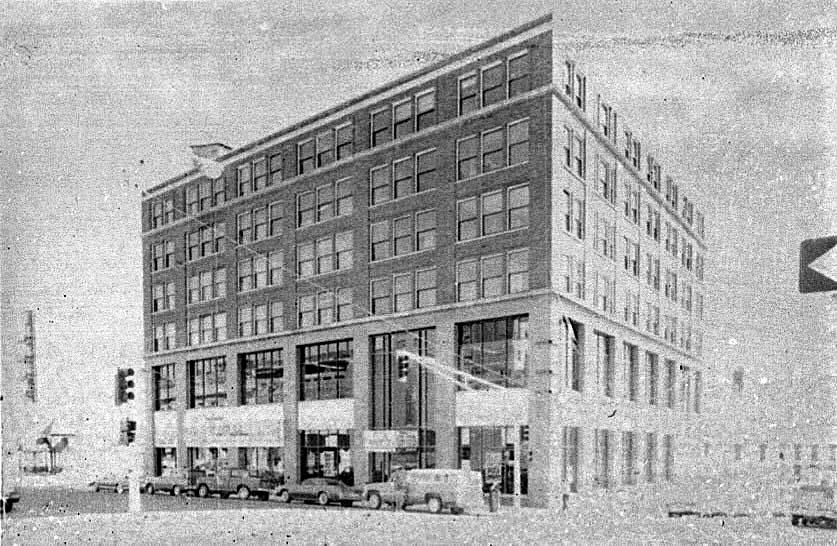
A Historic Landmark Moves Closer to Reuse in Butte, Montana | | Phoenix Building. Source: Montana State Historic Preservation Office. Creator: Mary Murphy; Date: 1984. | | |
Cleanup is underway at the historic Phoenix Building in Uptown Butte, Montana, marking an exciting step toward bringing the upper floors of the building back into use.
Built in the early 1900s and located within the Uptown Butte National Historic Landmark District, the six-story building has remained partially underutilized for years due to environmental hazards and interior damage. While the lower levels have continued to support local artists and business owners, the building's top four floors have been largely vacant and underutilized for nearly forty years.
KSU TAB, through its partner Adaapta, prepared a resource roadmap identifying funding sources to support cleanup and redevelopment of the building’s upper floors for housing and short-term or overnight accommodations. The report also included market research on the area’s hospitality sector, helping inform how those uses could fit into a broader mixed-use vision.
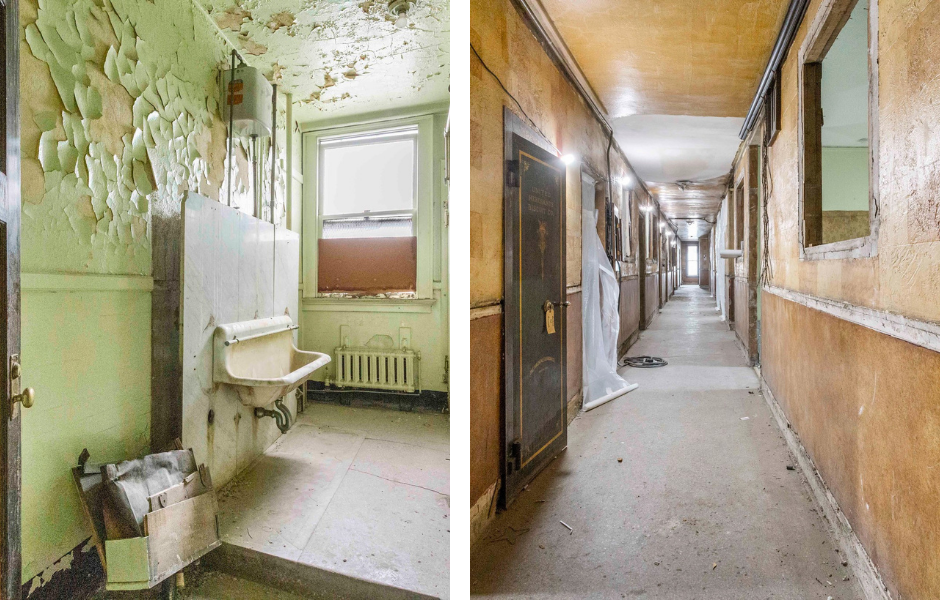
| Image Source: Custom Construction and Headwaters RC&D Facebook. | |
Through an EPA Brownfields Cleanup effort led by Headwaters RC&D, project partners are currently working to remove hazardous materials and stabilize the structure. This work is focused on improving safety and addressing conditions that have restricted occupancy.
These investments are already translating into outcomes. The next phase will deliver 15 units of low-income housing on the third floor, with longer term plans for 69 units of overnight and short-term accommodations on floors 4–6. An adjacent 20,000 square-foot warehouse is also being evaluated for conversion into a community art studio and education space with a green roof, supported by potential additional DEQ Brownfields assessment and planning.
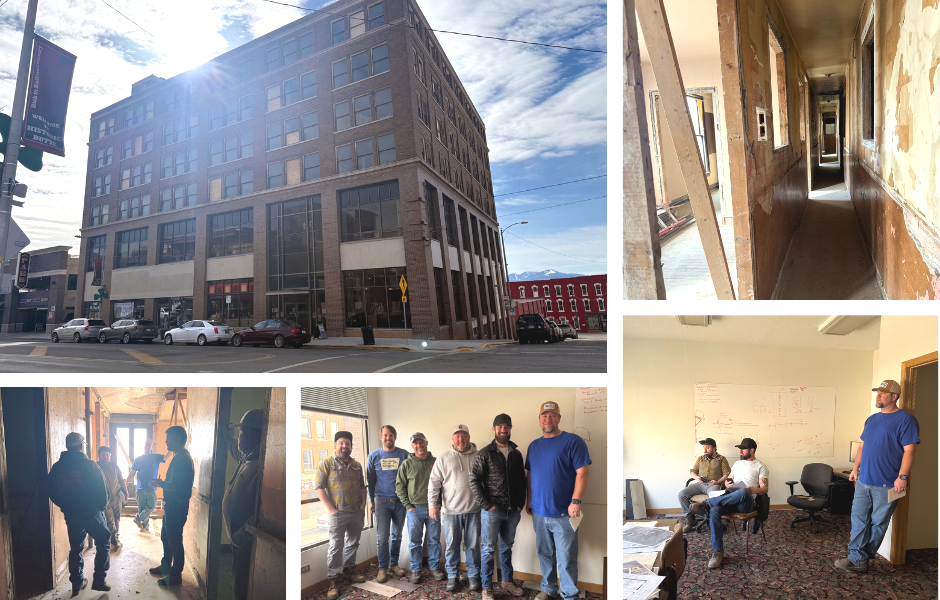
As work progresses, the project is helping position the Phoenix Building for expanded use and reinvestment within Uptown Butte, all while maintaining its original historic charm.
| Image Source: Headwaters RC&D Facebook. | If interested in learning more about this project, you can view the full Community Involvement Report on the Headwaters RC&D website. |
|
PEER: Simplifying Early-Stage Site Research
| | |
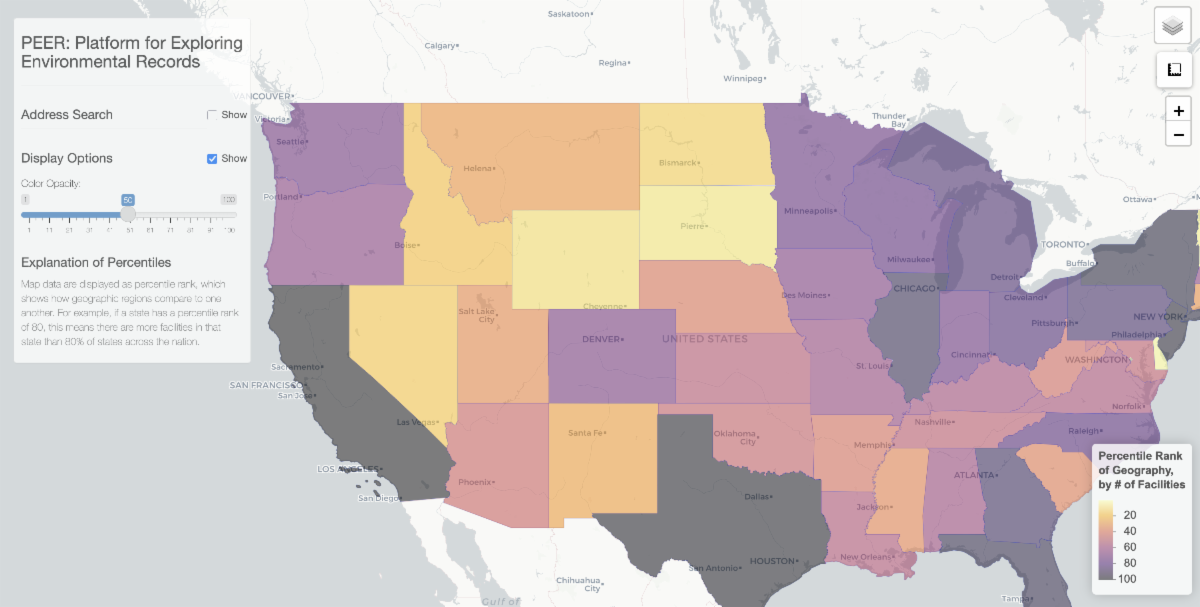
Early-stage site research can be time-consuming, especially when environmental data is scattered across multiple sources. PEER (Platform for Exploring Environmental Records) brings that information together in one place, helping communities quickly assess potential brownfield sites.
PEER compiles publicly available environmental records and generates a Revitalization Risk Rating (RRR), giving users a clearer picture of site conditions before investing significant time or resources. Whether you're identifying priority sites, preparing for assessment, or supporting grant applications, PEER helps streamline the process.
Why it’s useful:
- Consolidates environmental data into a single, searchable platform
- Provides a high-level risk snapshot through the RRR
- Supports early decision-making and site prioritization
- Best for: Early-stage site identification and screening
| | Webinar | Learn How to Craft a Compelling Application for EPA's Brownfields Job Training Program | | Tuesday, May 5th 2:30 p.m. ET | | |
The Brownfields Job Training (BFJT) grant program provides funding to eligible organizations to develop training programs that prepare unemployed and underemployed residents for careers in environmental cleanup, hazardous waste management, and sustainable land reuse—supporting broader community development and revitalization.
This webinar will provide a comprehensive overview of how to develop a competitive BFJT grant application.
Hear directly from successful grantees as they share how they built effective job training programs, established strong community partnerships, and placed graduates in full-time, sustainable careers. We’ll also cover best practices for identifying community need, forming partnerships, crafting a compelling application, and designing a curriculum tailored to brownfields redevelopment.
| | |
In 2026, Grow America and ICMA will host a new, no-cost, in-person training series for EPA Revolving Loan Fund (RLF) grantees nationwide. Hosted in four different regions, this hands-on workshop series brings the Brownfields RLF teams together for focused learning, practical exercises, and peer-to-peer exchange. Each of these workshops will take place over a day and a half and will provide attendees with core knowledge on working effectively with developers, project pipeline development, underwriting approaches, and RLF process and policies.
Series Details:
-
Louisville, Kentucky RLF Workshop: April 21-22, 2026 @ The Seelbach Hilton (Completed)
- Portland, Maine RLF Workshop: May 28-29, 2026 @ Holiday Inn Portland – By the Bay
- New Orleans, Louisiana RLF Workshop: October 6-7, 2026 @ The Intercontinental New Orleans
- Clark County, Nevada RLF Workshop: December 8-9, 2026 @ AC Hotel Symphony Park Las Vegas
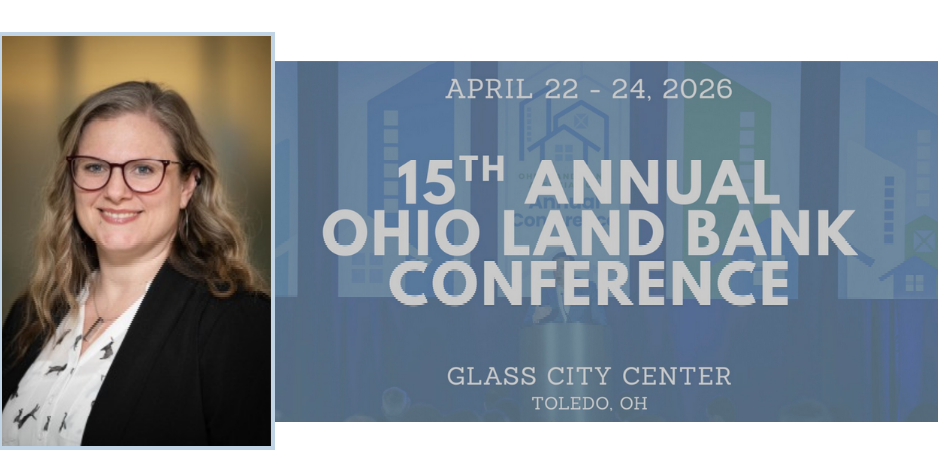
| | KSU TAB at the Ohio Land Bank Conference | | Right image source: Ohiolandbanks.org | |
Two members of the KSU TAB team—Roxanne Anderson, Regional Director for EPA Region 5, and Hannah Craig, Event Coordinator—recently traveled to Toledo, Ohio to attend the 15th Annual Ohio Land Bank Conference along with other practitioners, partners, and policymakers working to support community revitalization.
While at the conference, Roxanne presented “Using Community Narratives to Drive Brownfield Redevelopment,” which explored how community voices and lived experiences can help inform redevelopment strategies and support more effective, locally aligned outcomes.
|
| |
Mobile Field Tours:
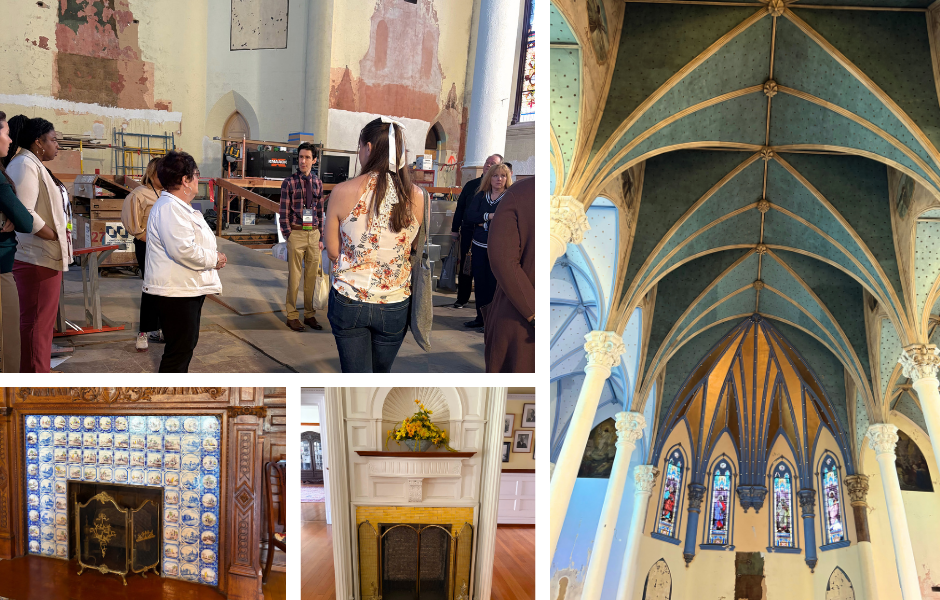
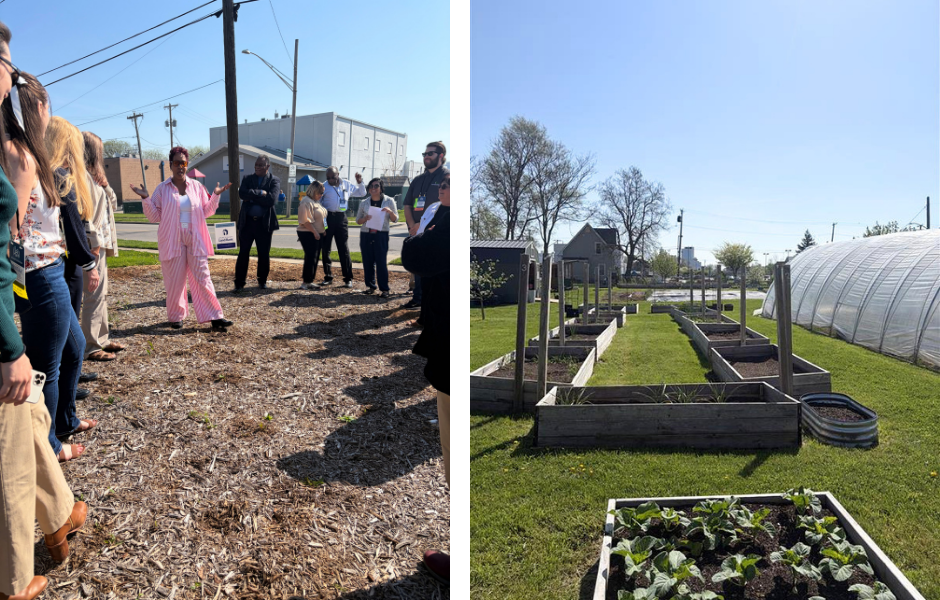
In addition to conference sessions, Roxanne and Hannah participated in mobile field tours that highlighted land bank efforts across Toledo. The “Welcome to Toledo” tour included visits to a historic Libbey family home near the Toledo Museum of Art, the University of Toledo campus, and the Sophia Quintero Arts & Cultural Center, where vacant land and an existing structure have been transformed into a multi-use space with an active urban garden.
A second tour, “Transforming Neighborhoods,” offered a closer look at areas where the Lucas County Land Bank has supported neighborhood improvements, from cleaning up vacant lots and maintaining green spaces to assisting homeowners with repairs that improve property conditions.
The tour also included visits to Tatum Park, an urban farm and community green space operated by Urban Wholistics, and St. Anthony’s Church, which is being redeveloped into a multi-use community center.
|
| How Much Do You Know About EPA’s Brownfields Job Training Program? | | To support communities exploring this opportunity, we’ve compiled a set of resources to help you get started: | |
Be sure to follow us on LinkedIn to keep up with the latest brownfields news and opportunities! | | |
|
Follow your KSU TAB Team on LinkedIn and Facebook!
Visit our website at www.ksutab.org.
| | | | | |