Building Dialog and Library From Scratch


Dialog for Building Library


Modern library projects should start with a dialog about the research collections. They help us understand what is needed, what is possible and where we are going. So, what if an institution picks a platform and licenses a few databases? How will the community use what it bought?


Doing it backwards guarantees a mismatch between what the library service offers and what its users need.


Certainly, the modern library includes a number of software products (e.g. catalog, databases, access, eprint, AI, etc.).


Like any information service, it must be planned around the community it serves, the work the patrons do, and the challenges the educational institutions pedagogy requires.


Research planners who understand the following challenges can design and modernize their library.

Knowledge Management Framework


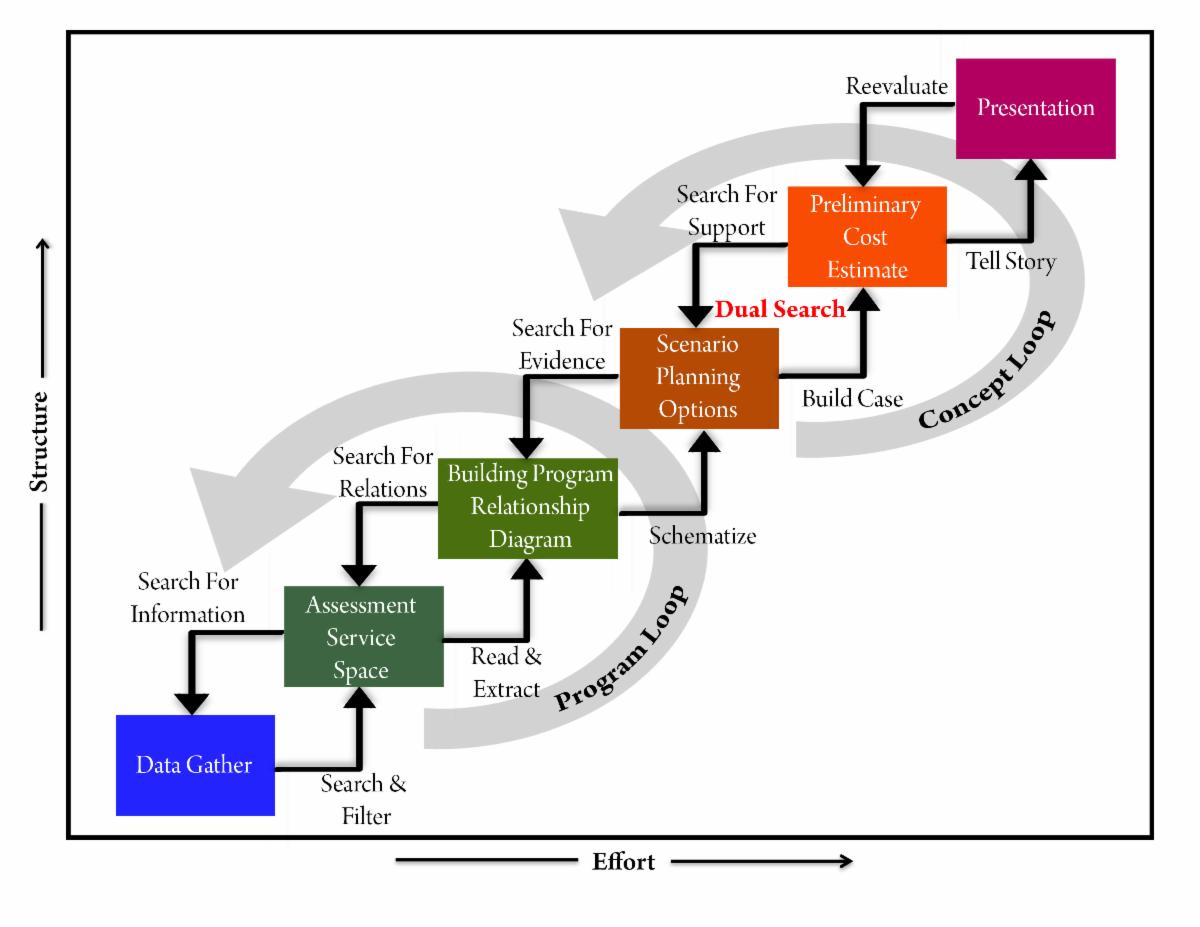
Our knowledge management framework for building the modern library from the ground up rests on two foundations. The first is structured sets of planning questions and analysis about current resources, user challenges, and gaps in coverage.


The second is collection service development (including Library Apps, SaaS, CMS, AI, etc.), which here means specific, disciplined tools for analysis.


Take a look at our library web site app: Click on the button below to see what is possible.

Service Planning as Inquiry


The library service plan is only as good as the experience behind it. Most institutions lack knowledge of how a library works and what is possible today (e.g. Hermes, Gbrain, Obsidian, Claude code, etc). They lack shared interpretation of collections resources and the vast opportunity of research tools.


Researchers, students, librarians, and administrators each see the collection and research tools from where they experience it. Often this is on their phone as well as their desktop. Indeed, each type of user assumes their view is the whole picture, which is why you need a collection development plan.

Change Handbook

Tthe change handbook by P. Holman and Tom Devane says that dialogue belongs at the center of planning. Glenna Gerard and Linda Ellinor developed dialogue as a practice through their work at The Dialogue Group. It is an adaptable method of modern research and investigation. Dialogue doesn't try to win an argument or reach a quick decision. Its purpose is to bring hidden assumptions to the surface. 


The process helps people work together.


For library planning, the difference is shown in the outcomes. We find that new library development yields understanding, and understanding is the only reliable foundation for library service. Our library experience starts with dialogue. Here, we reflect what the institution actually needs.


Facebook  Web