Honoring Black History and the
History of the Harm Reduction Movement
Black history happens every day. It is part of the fabric of the United States and offers teachings we can continue to build futures upon. In our current political climate that seeks to erase the real experiences of many people, highlighting Black history and Black history month is a necessity.
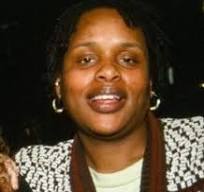
HRTC would like to honor the legacy of Black leadership in the harm reduction movement by highlighting the work of Imani Woods. Imani Woods was a community builder and advocate, a leader in the Black and harm reduction communities, and struggled with harm reduction before becoming one of its fiercest supporters. In her seminal article “Bringing Harm Reduction to the Black Community: There’s a Fire in My House and You’re Telling Me to Rearrange My Furniture," she noted that many Black people struggled with harm reduction services because of the sustained legacy of white supremacy in public health.
Imani Woods introduced me to harm reduction and the inclusive principles that define it. I thank her for her teaching, her fighting, and the support her legacy gives me and the work of HRTC.
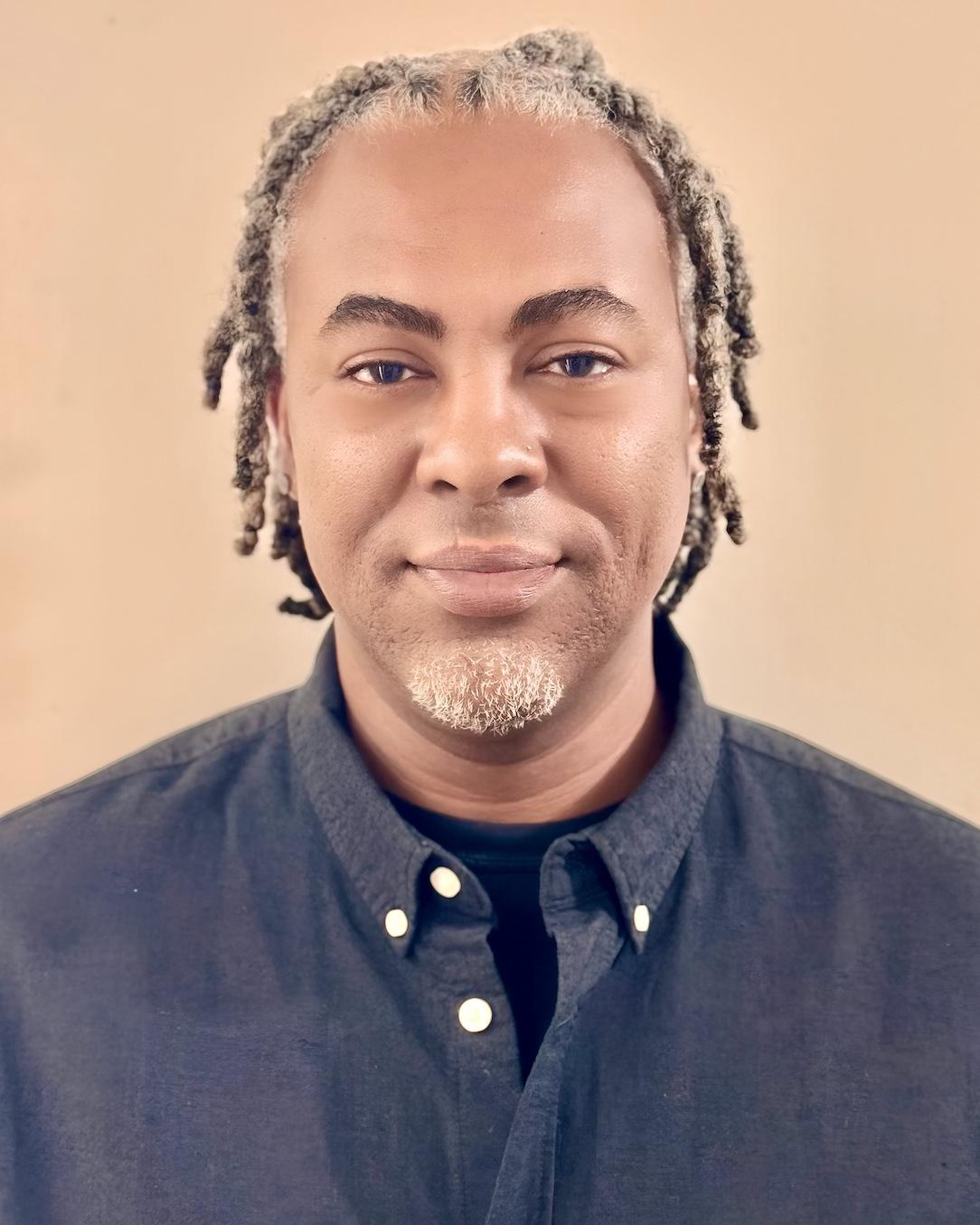
-Anna Berg, LCSW Clinical Program Manager
| | Building Rapport—the Harm Reduction Therapy Way | | |
Anna Berg, LCSW, Clinical Program Director
Nathan Kamps-Hughes, LCSW, Merlin & MBH Program Manager
There’s a saying amongst social workers, therapists and helper-types that goes something like this: “What is the goal of an initial session with a client?” Answer: “To have a second session!” Quippy and yet quickly gets at the heart of how clinical services work: in order to proceed with any care, care planning or treatment delivery, providers must establish an interpersonal connection that is positive or helpful enough to allow the person to trust you, or your work setting, enough to come again.
| | | |
In the mental health disciplines (psychology, psychiatry, clinical social work, marriage and family therapy, professional counseling, etc.) we call this process developing clinical or client rapport. In traditional community based mental health care settings the development of rapport is often facilitated during an initial intake session. Something a person has called and requested, then gone ahead and scheduled, waited and then shown up for, and completed the entire required intake process so the intake clinician can assign them what the clinician determines is the appropriate level of care that is available. Often this will be with a different clinician who will work to establish rapport with the client. Sometimes a screening or insurance eligibility appointment is also required.
While this model works for many people, it often excludes vulnerable people in need of connection, care and treatment. People suffering with symptoms of complex trauma where a relationship was used to harm, with severe mental health needs who also use drugs, with significant medical or other psychosocial needs, many of whom have experienced discrimination and marginalization from social connections and services much of their lives, have great difficulty accessing mental health care through this traditional model. For example, it can be hard to remember and keep an appointment set a month away when you aren’t sure where you will sleep each night. And people may leave an intake experience more distressed than when they arrived when well-intentioned clinicians ask painful questions such as, “Have you ever experienced sexual violence?” These experiences can leave people hesitant to engage in mental health or substance use treatment services for some time, if ever, again. As one HRTC therapy client put it earlier this week, “The clinics, the hospitals and stuff, they’ve institutionalized fear in me.” Oftentimes neighbors, providers, politicians and media blame the struggling person for the after-effects of these experiences by describing someone as “a drug user who doesn’t want services”, or as “service-resistant”—with the common subtext that someone “doesn’t want to get better and is making others’ lives harder on purpose.”
Harm Reduction Therapy (HRT) was created as a direct response to the mental health needs of people who use drugs and for whom traditional models of substance use treatment were not working. The foundation of HRT is deliberate investment in the development of paced, clinical rapport with each client. Practicing HRT in community mental health settings further requires that clinicians and program structures build capacity to not just invite in, but welcome, people with multiple, complex needs without any prerequisites and begin building rapport from the moment of first contact.
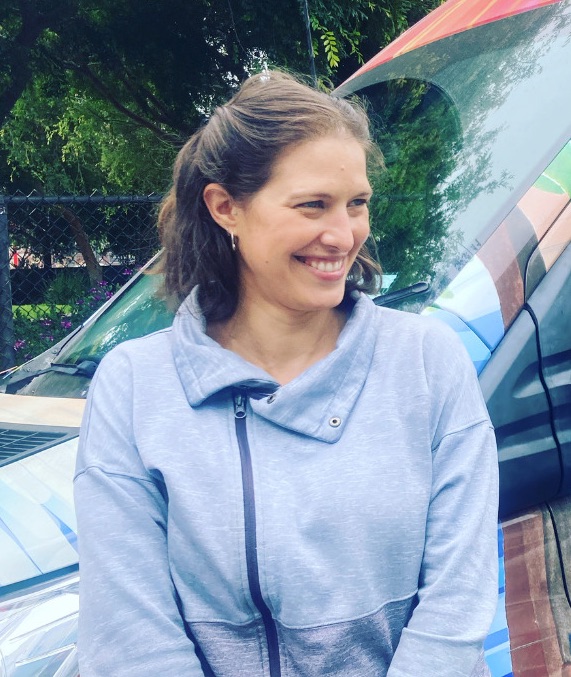
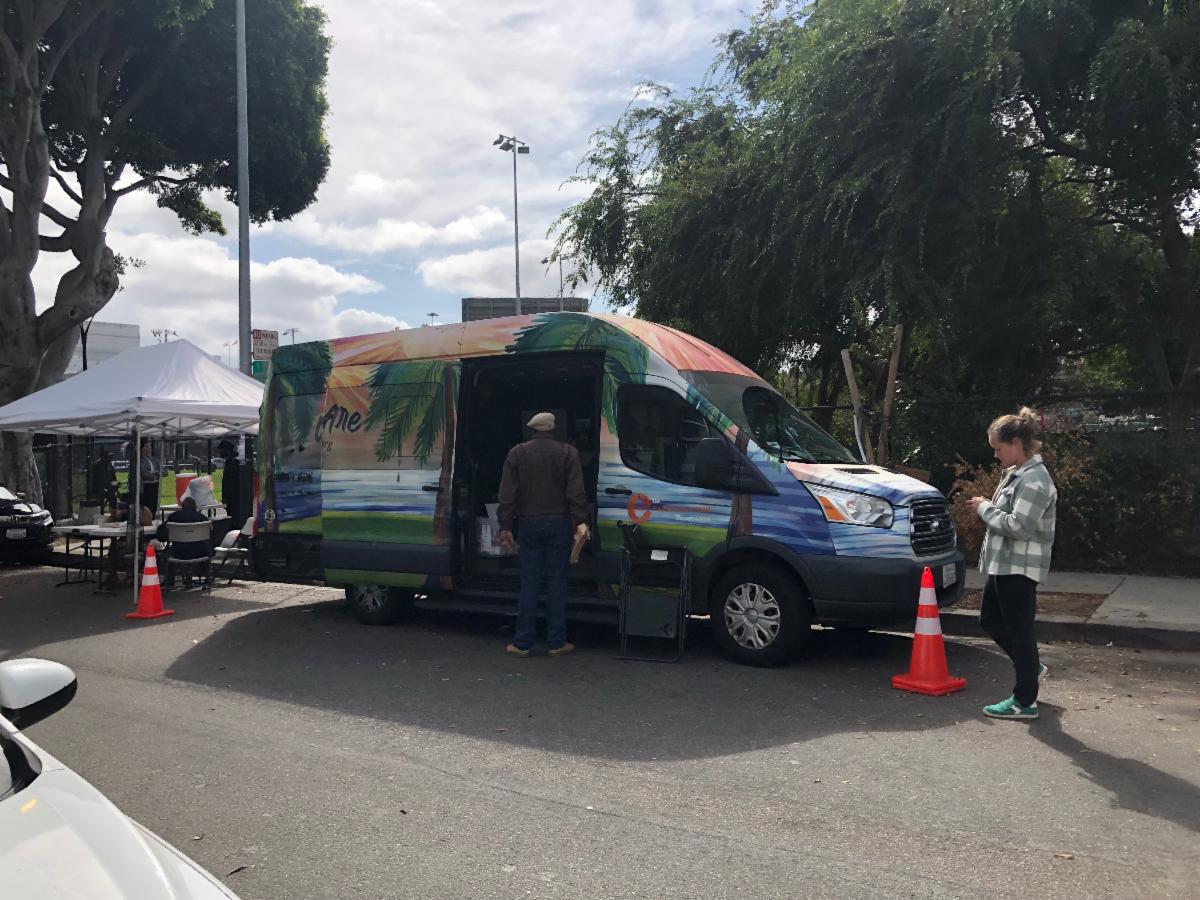
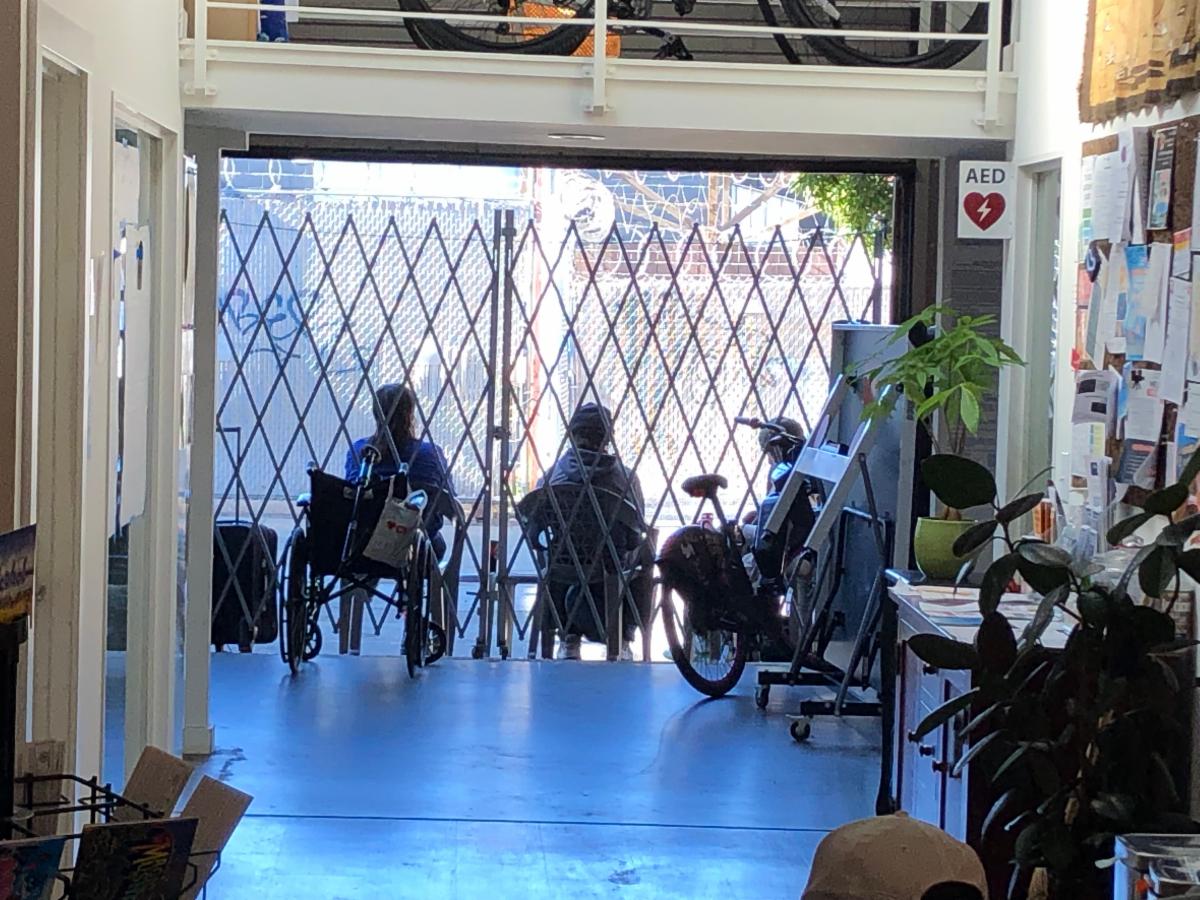
| | Clinician Irina Alexander texts her clients that the van has arrived at HRTC's Folsom Mobile Pop-Up site. | | HRTC Therapist, Crow Lopez, sits outside Merlin, engaging people during our drop-in service times. | | |
HRTC does this by deliberately creating therapeutic spaces designed to meet people where they are–physically, spiritually, emotionally, psychologically and psychically. We welcome all, regardless of an individual’s motivation to change or if someone exhibits behaviors that are challenging for others to be around. HRTC ensures our treatment sites offer friendly faces, beverages and food, comfortable places to sit and multiple ways for people to connect to a therapist (privately, in groups, in casual community discussions or around a coffee pot). We offer on-demand therapy and treatment connections without requiring a scheduled intake or insurance and invite people not only into a treatment relationship, but into experiences of belonging, community and care.
By offering welcoming, hospitable, low-pressure treatment environments we facilitate multiple opportunities for clinicians to build rapport with some of our community’s least connected, most shunned, lovely and complex people. Inviting people in, and back, is what good service provision, good community mental health and good psychotherapy is all about. Welcoming people in (inside, into community, into a treatment relationship) is the foundation of HRT and all of HRTC’s work; it is what allows us to mitigate some of the traumatic historical transference that a client may be holding with regards to past experiences in mental health or substance use treatment. By hosting our clinics on sidewalks, alleys, and navigation centers, rain or shine, by bringing our treatment to locations where our clients live, socialize, and hang out, we are effectively eliminating a significant obstacle to engaging in treatment—the treatment system itself.
| | |
Groundhogs’ Day is in February…and March and April?
A Brief State of the Agency
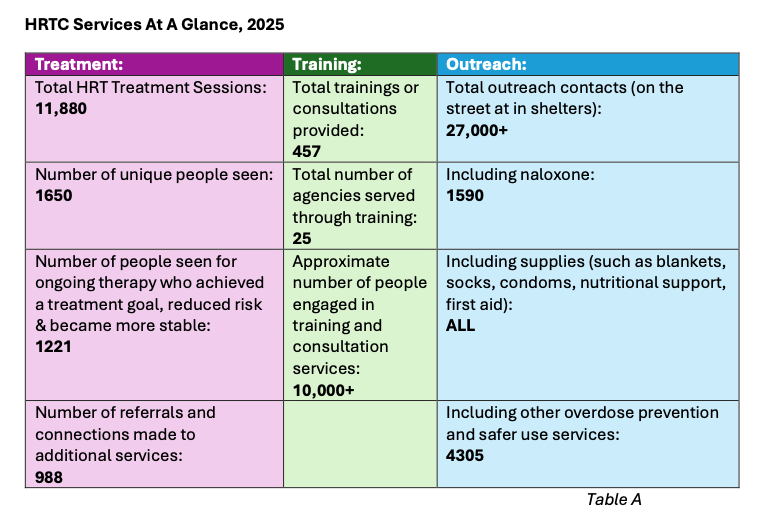
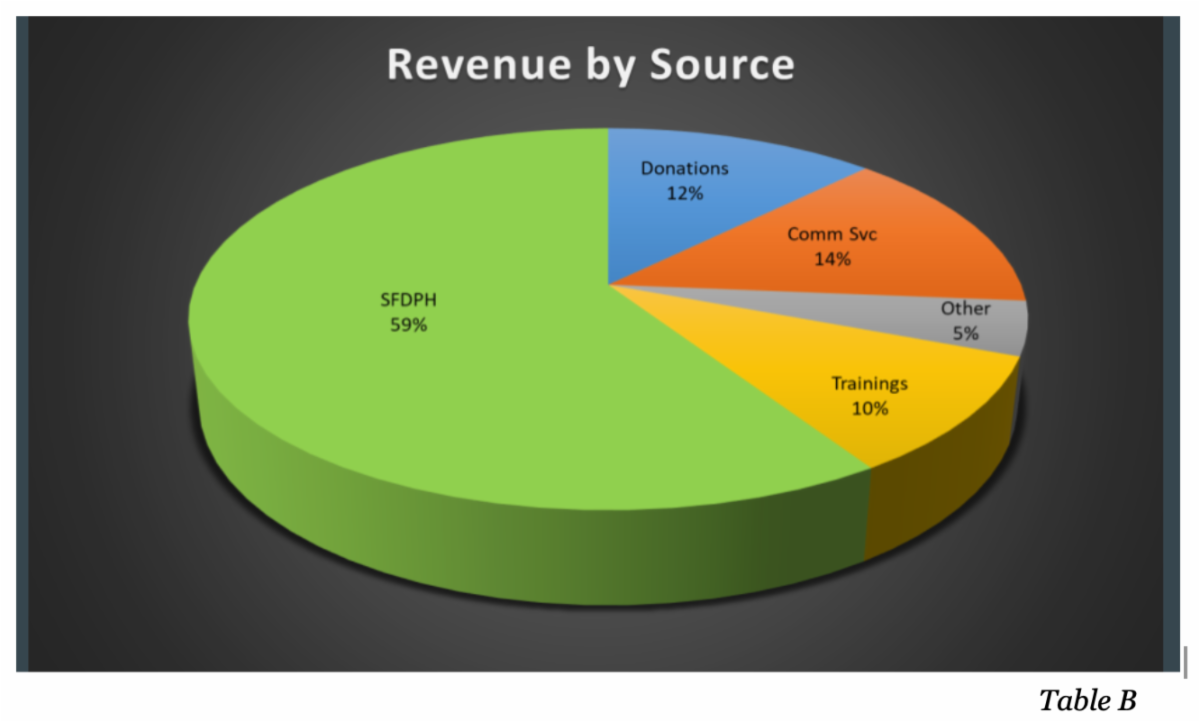
| | Groundhogs’ Day continues here at HRTC, which has made writing an update on the State of the Agency harder than usual. While we continue to provide low-barrier, high-quality, innovative, free and integrated treatment services [see Table A], we are entering 2026 needing to navigate many of the same challenges with which we welcomed 2025. Politics continue to lead public health policy away from life-saving harm reduction and low-threshold services towards disproven carceral approaches. Facts are less relevant than rhetoric and rhetoric is torching the definition of harm reduction and what it means to deliver quality care. Instead of educating people that harm reduction is a process for meeting people’s real and multiple needs with kindness and options, media and public opinion erroneously label harm reduction as enabling drug use. Additionally, we see local and state policy focused on street conditions and not the real needs (and investments in solutions!) of people who are struggling with accessing housing, income and healthcare. And when people don’t get the care they need, whole neighborhoods or communities are also harmed. In this climate, HRTC is experiencing increased demands for crisis assessment and de-escalation work–clinical time we previously would have directed to treatment or care linkages. For example, when our service community experiences disruption amidst forced movement or disconnection from needed services (such as housing and Medi-Cal eligibility), we see increased mental health symptoms such as problematic drug use and suicidality. And messaging from our largest funder, the San Francisco Department of Public Health [see Table B], indicates that HRTC, along with other community-based organizations, will increasingly be asked to do more without increased resources. | | |
Certainly, all this means we have work to do! These times require HRTC to hold fast to our mission and do right by our people. We need to be pragmatic and proactive while simultaneously regrounding in the nimble, creative and grassroots origins of harm reduction. Guided by our community-driven strategic plan, our 2026 agency goals will focus on building organizational strength, achieving financial stability and expanding our programmatic reach by practically adjusting our services so we can continue to be where people most in need of our services are, even as that may change with political tides. By investing in varied and robust program sites, our training and consultation services as well as better telling the story of harm reduction psychotherapy in community mental health, we aim to not only provide, but facilitate, quality services to help individuals change their lives on their terms.
- HRTC Directors Team
| | Thank You Supporters & Volunteers!! | | |
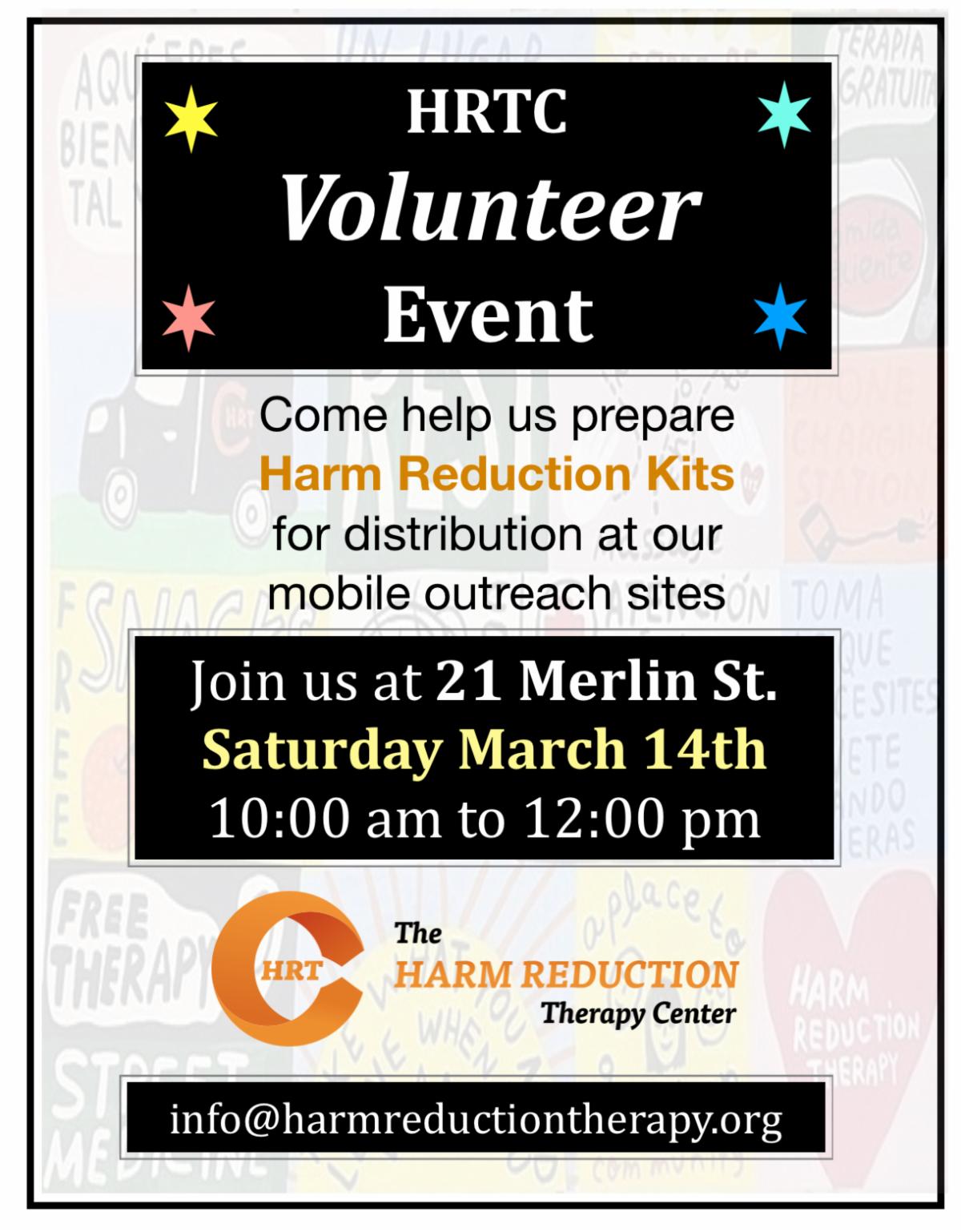
We thank all our supporters and volunteers who assist us in continuing to do our work. Our donors strengthen our ability to attend to our clients’ basic needs and keep our utility bills manageable! In September, Keith & Prisca Geeslin funded us to offer expanded services out of our Merlin St. drop-in mental health treatment center and we welcomed new staff Jesse Zelisko and Katie Bouche as a result, bringing our team to a total of 21–all of us committed to the mental health needs of people who use drugs. Our 52 volunteers provided ongoing community support and inspiration to our team not only at our quarterly volunteer events, but also during our homemade holiday cookie distribution campaign, offering a personal touch and gentle reminder to our folks that they matter. Thank you!!
| | Service Spotlight: De-escalation Training | | |
Maurice Byrd, LMFT, Clinical Training Director
HRTC began offering de-escalation training about 20 years ago, in response to partner requests for more information and techniques on how to best assist people experiencing crisis using the frameworks of harm reduction therapy and trauma-informed care. While all of HRTC’s trainings are rooted in these principles, as well as the national principles of harm reduction, it has become an area of expertise for HRTC to introduce providers to the individual, program, community and systems-based approaches to effective crisis de-escalation and this training has quickly become the number one training requested by organizations across the United States. The training does not just focus on how to negotiate, manage, intervene, and deescalate a chaotic situation and people that are dysregulated, it also focuses on what the service provider brings to the table and how to start the healing process after an escalated situation has occurred in order to avoid burnout potential and the buildup of vicarious trauma. Effective de-escalation requires interventions before a crisis situation, during the event as well as after.
HRTC offers many additional trainings, such as: Drug Use and Young People, Abstinence is Part of Harm Reduction, Drugs 101, Dual Diagnosis Treatment, Trauma-Informed Care, Vicarious Traumatization, and our second most popular training, Harm Reduction 101: The Spirit of Harm Reduction. Training is tailored to the needs of each organization or program and is often followed with regular monthly clinical consultation/supervision to help service providers truly toil, engage, and integrate the material and concepts. Rooted in research, science and hope, our training and consultation services support participants in engaging non-judgmentally while using a defiantly hospitable approach that is dedicated to treating everyone with dignity and respect.
There has been an emerging debate whether we should continue to use the term “Harm Reduction”. I will continue to use it, and I understand the choices that people are making or being forced to make to not use the term. It is not important whether the term is still used or not. What is important is that we are interested in keeping people as healthy as possible, safe as possible, and alive. That is what I am most interested in.
For more information on HRTC’s training program, please visit our website, www.harmreductiontherapy.org.
| | What We’re Reading & Watching: | | | | |