Here is a second set of highlights from the Building Systems for Student Success conference, the first national conversation about the cutting edge science, practice, and policy of integrated student support. These focus on the growing momentum to leverage what we are learning from science and implementation into practice and policy at scale. Thank you again to all of our presenters and participants for a substantive and engaging day!
|
|
The Leading Edge:
Integrated Student Support Policymaking
|
|
|
|
Paul Reville
, Professor at the Harvard Graduate School of Education and former Secretary of Education for Massachusetts, moderated the policymaking panel and illuminated issues of funding and coalition building as well as the opportunity for state policy to disseminate effective practices for systems of integrated student support.
|
|
|
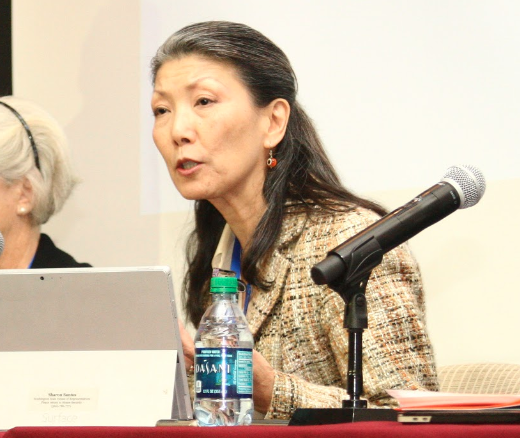
Representative Sharon Tomiko Santos
of Washington passed the first-in-the-nation integrated student support legislation. It emphasized the importance of building state protocols that intentionally focus on progressing from "theory to implementation to outcomes." Her work in Washington was developed through the lenses of equity, narrowing opportunity gaps, and family engagement.
|
|
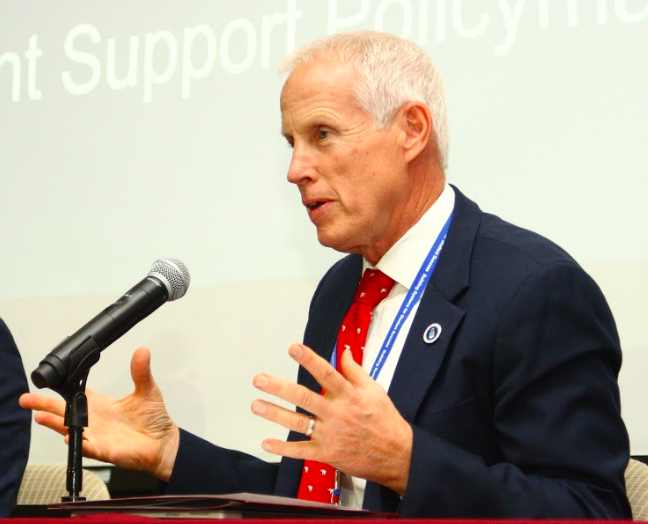
Representative Robert Behning
of Indiana discussed the importance of return on investment for models of integrated student support. Investing in high quality implementation models, he asserts, will allow districts and schools to address a comprehensive set of student needs early on, and realize improved outcomes, less dependence on welfare, and decreased incarceration over time.
|
|
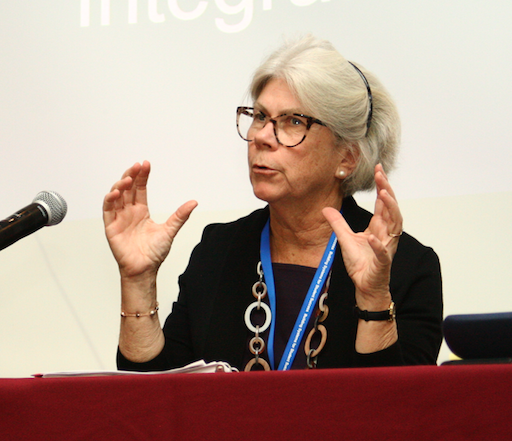
Representative Alice Peisch
of Massachusetts emphasized the necessity of convincing educators and policymakers of the benefits of systems of integrated student support and their costs. She also urged consideration of costs, and whether they are borne by school districts or others. Further, she noted that superintendents who emphasize the need for nonacademic supports in their school districts have the potential to sway legislators.
|
|
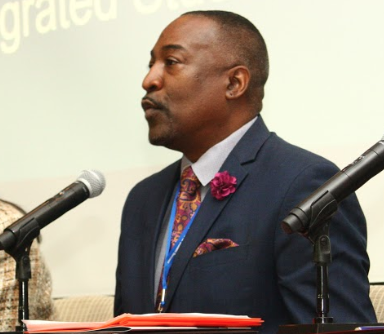
Representative Tyrone Thompson
of
Nevada asserted "We know our students are not achieving to their potential, so let's stop having that conversation." Instead, he pointed to Nevada's integrated student support legislation that shifts the focus to
how
we are going to integrate school- and community-based resources in a way that effectively meets students' unique needs and transform academic outcomes.
|
|
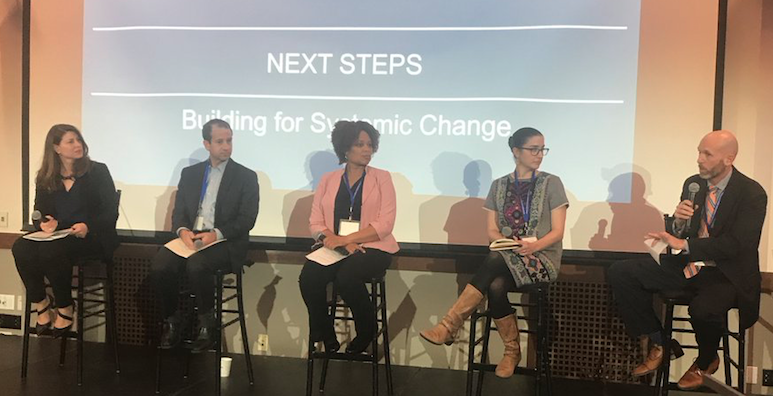
Next Steps: Building for Systemic Change
|
|
Pictured from left to right: Joan Wasser Gish, Jonathan Zaff, Tiffany Miller, Julia Freeland Fisher, Chad D'Entremont
|
|
Joan Wasser Gish
, Director of Strategic Initiatives at our Center, moderated a discussion on the growing national momentum for integrated student support.
|
|
Jonathan Zaff
, Executive Director of Boston University's Center for Promise, discussed the importance of examining more implementation models deeply to determine what is and is not working, and then consider how to close knowledge gaps through research and evaluation. Look for the new #EverySchoolHealthy campaign focused on strategies for supporting the whole child.
Tiffany Miller
,
Vice President of Government Relations at Communities In Schools (CIS), emphasized the power of relationships between students, site coordinators and school staff to draw attention to diverse voices and elicit policy level change. CIS will be supporting local advocacy for state policies that advance integrated student support.
|
|
Chad D'Entremont, Executive Director of the Rennie Center, stressed the need to change educational practices as a whole by being aware of context, tailoring supports to the individual student, school, and community, and setting tangible goals for this work. He highlighted a new partnership (below) that will empower districts to build customized systems of integrated student support.
Julia Freeland Fisher,
Director of Education Research at the Christensen Institute, discussed the implications of integrated student supports for school design. Research and theory suggests that resources cannot simply be co-located; they must be integrated at the level of the child and into the functioning of the school to make a difference.
|
|
Implementation
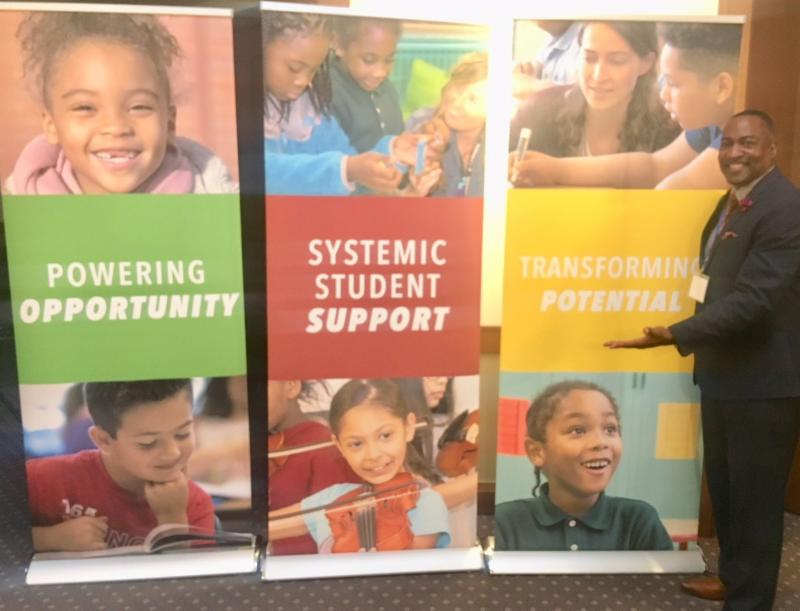
: Together, the Center for Optimized Student Support and the Rennie Center are partnering with the Massachusetts Department of Elementary and Secondary Education to help districts design and implement their own systems for integrated support. The initiative, referred to as the Systemic Student Support (S3) Academy, will include comprehensive training allowing communities with different needs to build their own customized infrastructure for success, as a part of efforts to foster safe and supportive schools.
Policy
: Already seven states are engaged in policymaking to advance evidence-based integrated student support approaches. Look for new policy briefs and toolkits to be released in 2019! They will be designed to help state and municipal policymakers to advance evidence-based integration of education with social services, youth development, health and mental resources for children and families.
|
|
We want to know your thoughts on the conference
here!
Stay in touch @PoweringOpp and on LinkedIn!
|
|
|
|
|
|
|