|
Warm greetings from GAATW International Secretariat!
We hope that 2023 has begun well for you.
We all know now that COVID-19, like many other viruses, is going to stay with us. It is still mutating so there is a need to be careful. Many people are still struggling with long COVID. The pandemic and the war in Ukraine have also impacted economies and costs of living have increased globally. Unemployment is now a reality for many. Educational institutions, especially public schools which cater to children from working class families, are trying to cope with the aftermath of long periods of school closures. Thankfully, some states have taken the welcome step of strengthening social protection measures. Some are continuing to provide the supports that began during the pandemic. We do hope that such measures will continue, and more states will step up their support to the people most in need.
This year, the GAATW International Secretariat will focus on completing some of the activities that were delayed due to the pandemic. Our researches on socio-economic inclusion and reintegration of women migrants and trafficked persons have been completed. This year, we have planned a number of national and international advocacy initiatives on this theme in collaboration with our partners. The work with women workers will continue too. We also plan to hold thematic consultations with members and partners in various regions. Efforts to strengthen our team will continue as well. We will keep you updated about upcoming events via social media as well as this e-bulletin.
As always, we welcome your feedback and inputs for future issues at borislav@gaatw.org.
| |
|
International Advocacy Update
We prepared a brief update on several upcoming international advocacy opportunities:
- Call for inputs by the UN Special Rapporteur on the human rights of migrants for a report on expanding and diversifying regularisation mechanisms and programmes to enhance the protection of the human rights of migrants
- 43rd session of the Universal Period Review working group
- 76th session of the UN Committee against Torture
- 67th session of the Commission on the Status of Women
Read the update here.
| |
News from the GAATW International Secretariat | |
|
Campaign on women's work and social protections
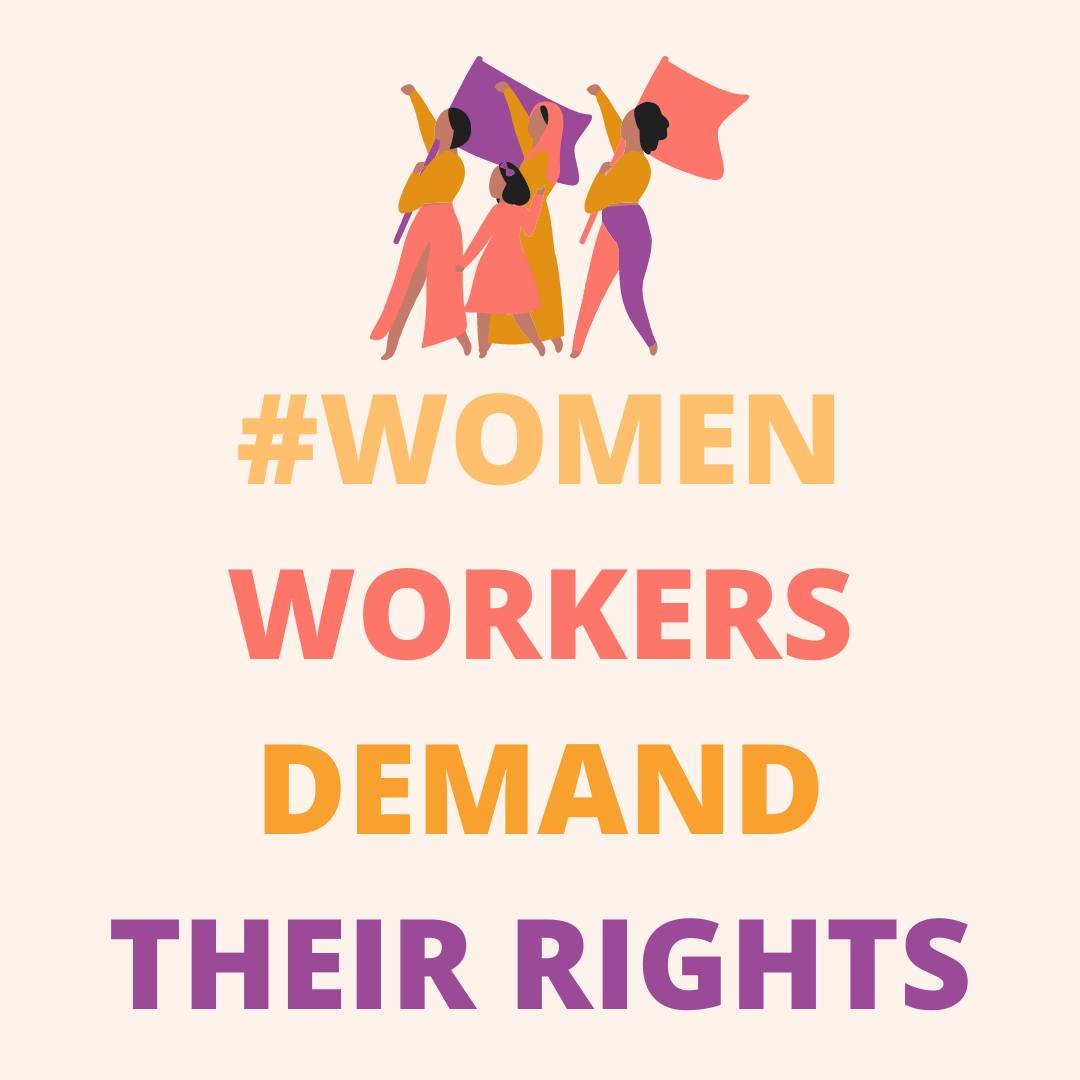
#WomenWorkersDemandTheirRights is an initiative to highlight the value of women’s work in society and to campaign for access of migrant workers to social security at home and abroad. It was launched in August 2022 by GAATW partners from Nepal, Bangladesh, India and Sri Lanka. The campaign grew out of a recent Feminist Participatory Action Research (FPAR) project carried out by GAATW members and partners on the issue of sustainable reintegration of women migrant workers. The research highlighted the challenges faced by many women migrant workers in the region upon their return.
Since August, the partners in Bangladesh, India, Nepal and Sri Lanka have been carrying out a variety of public actions and activities under the banner of the campaign, culminating in activities during the 16 Days of Activism Against Gender-Based Violence (25 November to 10 December). On 18 December International Migrants Day, the campaign highlighted the themes of promoting women migrant workers’ respect and dignity, and the need to better support them with adequate social security programmes upon their return. Read more here.
| |
|
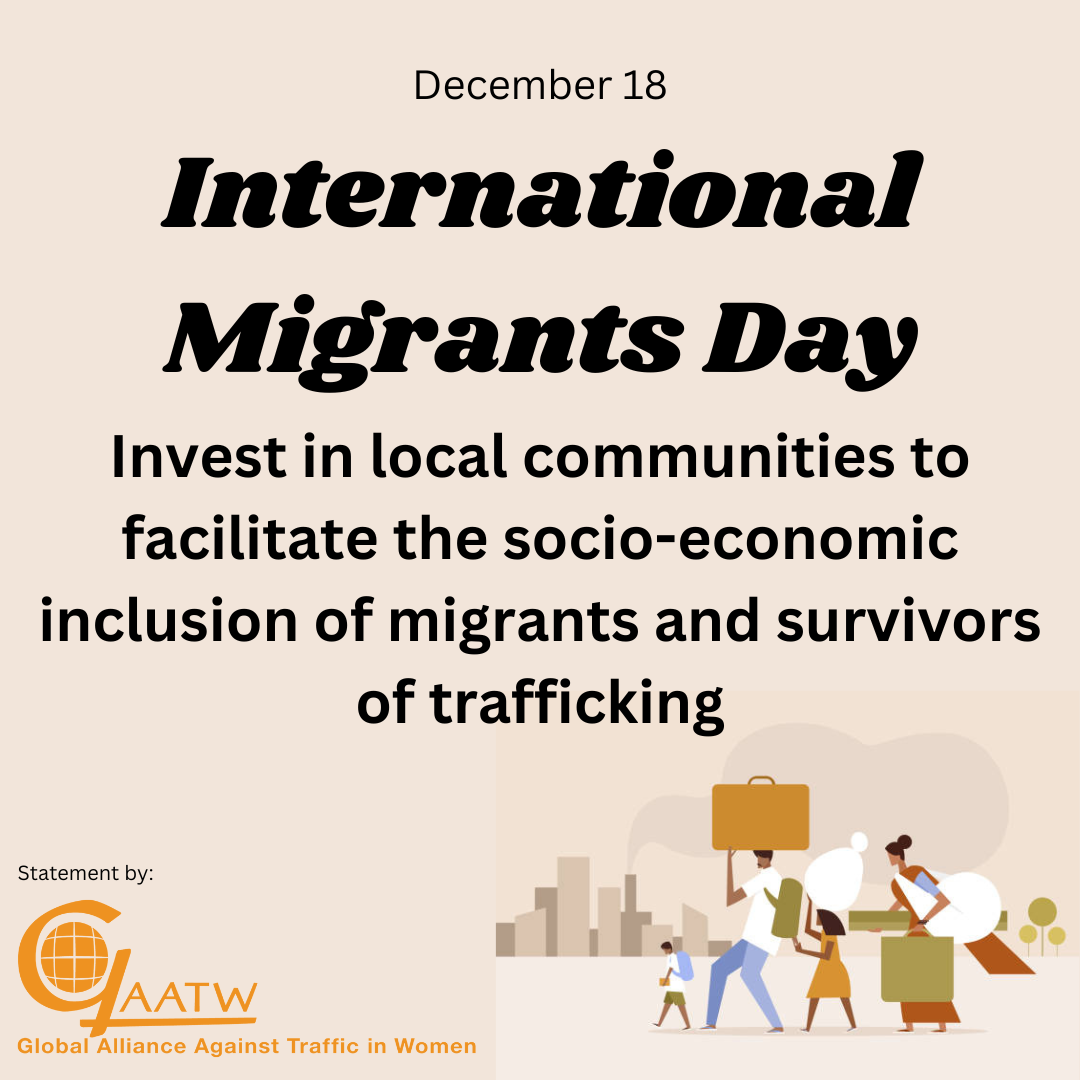
Invest in local communities to facilitate the socio-economic inclusion of migrants and survivors of trafficking
On 18 December, International Migrants Day, GAATW called on governments, local authorities, and civil society to invest in local communities to facilitate the socioeconomic inclusion of migrants and survivors of trafficking and prevent their exploitation and abuse. Over the past two years, GAATW, together with members and partners, conducted one of the largest pieces of global research in our history. We spoke with a total of 970 migrants and survivors of trafficking (953 women and 17 men) in 18 countries across Europe, Asia, and the Americas. Our aim was to learn more about their experiences with socioeconomic inclusion in the destination country or upon return to the country of origin. Our research demonstrates that family and community play an important role in shaping migrant and trafficked women’s experiences of socioeconomic inclusion. Read our statement here.
| |
|
New learning initiative: Voice and participation of impacted communities
The Learning Journey on Voice and Participation is a new initiative of GAATW with eight partner organisations in eight countries: MAP Foundation (Thailand), the Asia Pacific Mission for Migrants (APMM) (Hong Kong), Serve the People Association (SPA) (island of Taiwan), and Tenaganita (Malaysia), The Committee for the Civil Rights of Prostitutes (CDCP ApS) (Italy), Mission for Intervention and Sensitization against Trafficking (MIST) (France), Southeast and East Asian Centre (SEEAC) (United Kingdom) and Melissa: Network of Migrant Women (Greece). Our aim will be to explore how civil society organisations involve the communities they work with in their work and what meaningful inclusion and participation of impacted communities means.
For years, GAATW has been raising the question of accountability in the anti-trafficking field: not only the accountability of duty bearers to protect the rights of people on the move but also the accountability of NGOs towards trafficked persons and other groups considered vulnerable to trafficking, such as migrant workers. In the current neoliberal context where donors place disproportionate emphasis on measurements, activities, outputs, and ‘innovative’ solutions at the expense of meaningful consultation, reflection, and learning with the target groups, the issue of accountability needs to be brought in again.
With this new initiative, we aim to pause and reflect on how we understand and practice ‘voice’ and ‘participation’ and with whom. In 2022, we organised two sets of online sessions. The first was focused on organisational introductions and the second - on sharing manifestations of ‘voice’ and ‘participation’. In 2023, our eight partners will embark on collaborative projects with the communities they work with – migrants, sex workers, and survivors of trafficking. These projects range from research on ‘everyday’ experiences of working as migrants, skills training for expanding outreach by using social media, tailor-made leadership training, learning about migrant rights and redressals, organisational ethics of membership and advocacy, and pathways to build solidarity amongst migrant community members. Throughout the year, partners will share their experiences and learnings with each other and with the GAATW Secretariat. We’ll be documenting and sharing these learnings and we hope that they will also be useful to other NGO colleagues who would like to ensure their work is grounded in the needs of their target groups. We will also try to draw out some principles that may be useful to funders who are interested in participatory grantmaking. For more details you can write to srishty@gaatw.org
| |
|
Call for papers: 'Armed Conflicts: Migration, Trafficking, and Labour Markets'
Anti-Trafficking Review calls for papers for a Special Issue themed ‘Armed Conflicts: Migration, Trafficking, and Labour Markets’.
There is a variety of situations that may lead to a Highly Violent and Militarised Context (HVMC): international wars, internal armed conflicts, territorial struggles involving the state, the presence of drug cartels and other forms of organised crime are perhaps the most common.
In most HVMCs, both the military and different combinations of non-state armed actors (such as guerrilla organisations, paramilitary groups, or criminal gangs) victimise society with dire consequences for the civilian population. These contexts often generate forced migration, sexual violence, and other human rights violations, leading to increased risks of human trafficking and exploitation.
This Special Issue of Anti-Trafficking Review will aim to analyse the dynamics of migration, trafficking, labour markets, and trade that occur in these contexts, with a focus on two problematics: on the one hand, how HVMCs impact migration, human trafficking, and labour markets. On the other hand, how the civilian population is involved and survives in these contexts.
Deadline for submissions: 1 June 2023. See the full call for papers here.
| |
|
Protecting Asian migrants in Europe
On World Day for Decent Work, 7 October, GAATW, together with La Strada International and Freedom Collaborative, co-organised a webinar titled ‘Protecting Asian Migrants in Europe’. The webinar shared recent research, which showed that many Asian workers end up in low-paid jobs in Europe, where they are not properly protected against serious forms of exploitation and become at risk to human trafficking or forced labour. The speakers observed that there is little awareness in Europe about the specific needs and situation of Asian migrants and the migrants themselves are often not aware of their rights and do not recognise themselves as right holders. It was observed that while EU member states comply with EU legislation, in practice, the access to support and justice are often lacking, with many not receiving any of the crucially needed support.
At the webinar, La Strada International presented their new report Protecting Asian trafficking victims in Europe: In Focus- Czech Republic, Poland and Romania. The report sheds light on the difficulties in the application of the legal definition of human trafficking, where many Asian migrants in exploitative situations are never identified as victims or potential victims. GAATW contributed by sharing preliminary findings from our own research among Southeast Asian women who migrated or were trafficked to Europe. The webinar recording can be viewed here.
| |
News from GAATW Member Organisations | |
|
Meet Our Members
‘Meet our Members’ is a new initiative to highlight the work of GAATW members. We interview member organisations about their history, context, current programmes and activities, challenges and successes. We are publishing a new interview every Thursday. The most recent interviews include:
Removing the shackles that make migrant workers’ lives in Singapore miserable (Transient Workers Count Too, Singapore)
Punitiveness is not a solution: Supporting migrant and trafficked women in Spain and around the world (Fundacion Serra Schönthal, Spain)
Co-creating knowledge with migrant workers in the UK (FLEX, UK)
Comprehensive programmes for women and children victims of domestic violence, sexual violence, and trafficking in Moldova (La Strada, Moldova)
Mitigating human trafficking in New York City (Safe Horizon’s Anti-Trafficking Programme, USA)
Towards a sexually-liberated world: advocating for human rights for people in the sex trades in USA (Sex Workers Project, USA)
Upholding gender justice and human rights through legal assistance (Legal Resource Center for Gender Justice and Human Rights, Indonesia)
Raising awareness and support for the rights of refugees in Turkey (Human Resource Development Foundation, Turkey)
Justice for survivors of trafficking in Serbia (ASTRA, Serbia)
Fighting for trafficked, disappeared, and missing Peruvians (CHS Alternativo, Peru)
| |
|
Impact of Russia’s war in Ukraine on human trafficking in Germany
In December, KOK published a new report, Trafficking in Human Beings and Exploitation in the Context of the Ukraine War - An Investigation from the Perspective of Specialised Counselling Centres on the Situation in Germany. Since Russia’s invasion of Ukraine in February 2022, an estimated 7.8 million people have fled to other countries in Europe. Individuals fleeing war are at high risk of becoming targets of crime. The mental stress associated with war, the uncertainties of accommodation, employment and the future make them more vulnerable. To better understand the situation in Germany from the perspective of anti-trafficking service providers, KOK prepared this report on the basis of information received from specialised counselling centres. The report highlights the measures established in Germany to raise awareness and prevent trafficking, which need to be continued in the long run. The current needs of the specialised counselling centres are also identified. The report puts forward a list of measures than need to be taken to respond to the flow of refugees.
| |
|
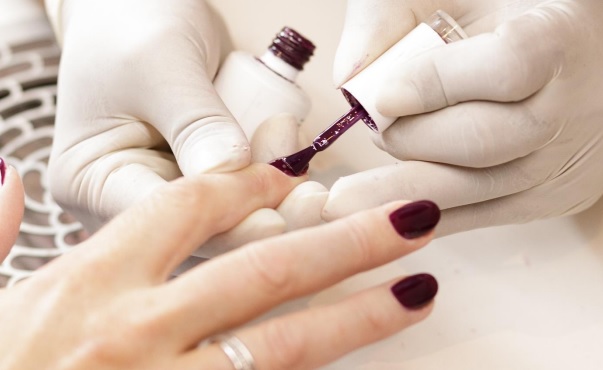
Working conditions in nail salons in Switzerland
In November, FIZ published a new report, Sparkling nails, precarious circumstances. Working conditions in the nail industry in Switzerland and the risk of human trafficking for labour exploitation. The study came across a few cases of human trafficking for exploitation of labour in Swiss nail salons, but not on a large scale as found in other European countries such as the UK, Germany and Belgium. The potential victims were mostly of Vietnamese origin and neighbouring countries such as Thailand, Cambodia, Philippines, and China. It was found that the reason people from this region migrate is not only because of the poor socioeconomic situation, but also climate change and the destruction of natural resources.
The nail salon industry is weakly regulated in Switzerland as compared to other industries. There are also very little unionisation efforts. The report looks into the legal situation in the country, the media narratives, the roots of exploitation and concludes with a range of recommendations for the industry, the media and the government with regard to labour rights, migration and victim protection. You can read an executive summary of the report in English here, and the full report in German here.
| |
|
Detection of forced labour in Peru
In 2022, CHS Alternativo conducted 37 regional meetings, workshops and talks for over 2,000 people, including union leaders, workers and officials, to increase their capacity to identify, prevent, and prosecute forced labour. The problem of forced labour had become especially acute during the COVID-19 pandemic, which had exacerbated labour violations such as long working hours, increased workloads, and threats of dismissal, especially in sectors considered essential, such as food production and pharmacies, as well as among domestic workers. In addition, forced labour is increasingly linked to illicit drug trafficking that affects indigenous populations near the border with Colombia.
The participants recognised that the lack of knowledge of what constitutes forced labour means that many workers, trade union representatives, and government officials are unaware of the situation of abuse they are experiencing or witnessing. Therefore, they welcomed the fact that CHS Alternativo carries out these trainings. ‘Spaces like this help a lot, they give us knowledge, and we are committed to sharing them with our colleagues in regions and in the media,’ said one of the attendees.
| |
|
Creating a safe and fair UK immigration policy for workers
A new briefing paper by FLEX details how UK’s immigration policy can create an environment that aids labour exploitation and abuse, and prevent people facing or at risk of exploitation from seeking assistance from the authorities. It outlines the key risks linked to recent immigration policy decisions in the UK and the actions that should be taken to address them in order to ensure that workers are protected and treated fairly. The report elaborates how aspects of the immigration policy such as the temporary migration schemes can directly lead to labour abuse. In addition to the impact of tight visa restrictions and high immigration costs, another factor is the introduction of changes to immigration policy and new routes without sufficient scrutiny.
Furthermore, other related policies such as lack of access to social security and poorly regulated labour markets also compound the vulnerabilities of migrants.
| |
|
Report on universal health coverage for migrants in Bangladesh
Many migrant workers face issues related to health in countries of transit and destination due to their precarious legal status, language and cultural differences, institutional discrimination and restricted use of health services. Migrant workers are one of the most vulnerable populations when it comes to accessing health services and at risk of severe health problems. In Bangladesh, more than 400,000 people leave the country for work every year and thousands return after being exposed to various diseases and physical ailments. A significant number of Bangladeshi migrants in the destination countries also suffer from diseases ranging from physical pain and weakness or eye and ear problems, to serious ones like heart disease, liver, lung and kidney problem, Hepatitis B, HIV and cancer. However, in most cases, absence of proper health insurance leaves them without treatment or medicines. Bangladeshi women migrant workers, especially domestic workers, face additional vulnerabilities because of their work conditions and risk of sexual abuse.
OKUP’s new report explores the aspect of Universal Health Care policies in Bangladesh with special focus on migrant workers’ health rights. It also identifies important actions for addressing their health issues. Recommendations include introducing a specific policy on migrant workers’ health rights and reform the existing policies; taking the universal and equitable access to healthcare for migrant workers as one of the key indicators of the government’s UHC monitoring tools; developing a comprehensive training module on health; undertaking special health services in the public hospitals for the returnee migrant workers, especially the critically sick migrants and their family members, and more. You can read the full report here.
| |
|
European sex workers congress
European Sex Workers’ Rights Alliance (ESWA) conducted its first Congress in October 2022, and at the concluding ceremony 15 organisations came together to launch of the European Coalition on Sex Workers’ Rights and Inclusion. The members of the coalition are leading civil society networks and human rights organisations with long experience and expertise in human rights, sexual and reproductive health and rights, HIV, harm reduction, LGBTIQ rights, digital rights, anti-trafficking, migration, racial justice and criminal justice. The coalition holds that criminalisation is not the solution, and it is only by adopting a human rights approach, decriminalising sex work, and including sex workers and sex worker rights defenders in decision-making that sex workers can be protected. Read here the full statement by the coalition.
ESWA's First Congress also saw the launch of second Community Report: Sex Work & Racism: The Impact of Structural Racism on Racialised Sex Workers in Europe and Central Asia. Structural racism results in discrimination against sex workers from racialised communities which hinders equal opportunities and treatment. Racialised sex workers who are LGBTIQ, undocumented migrants, poor, and/or work on the street face multiple oppressive forces and systems. The briefing paper looks at the impact of structural racism among these sections in Europe and Central Asia in the areas of housing, health, labour, law enforcement, and accessing justice; how racialised sex workers resist this racism, and gives conclusions and recommendations to address the issue of structural racism at European, national, and individual levels.
| |
|
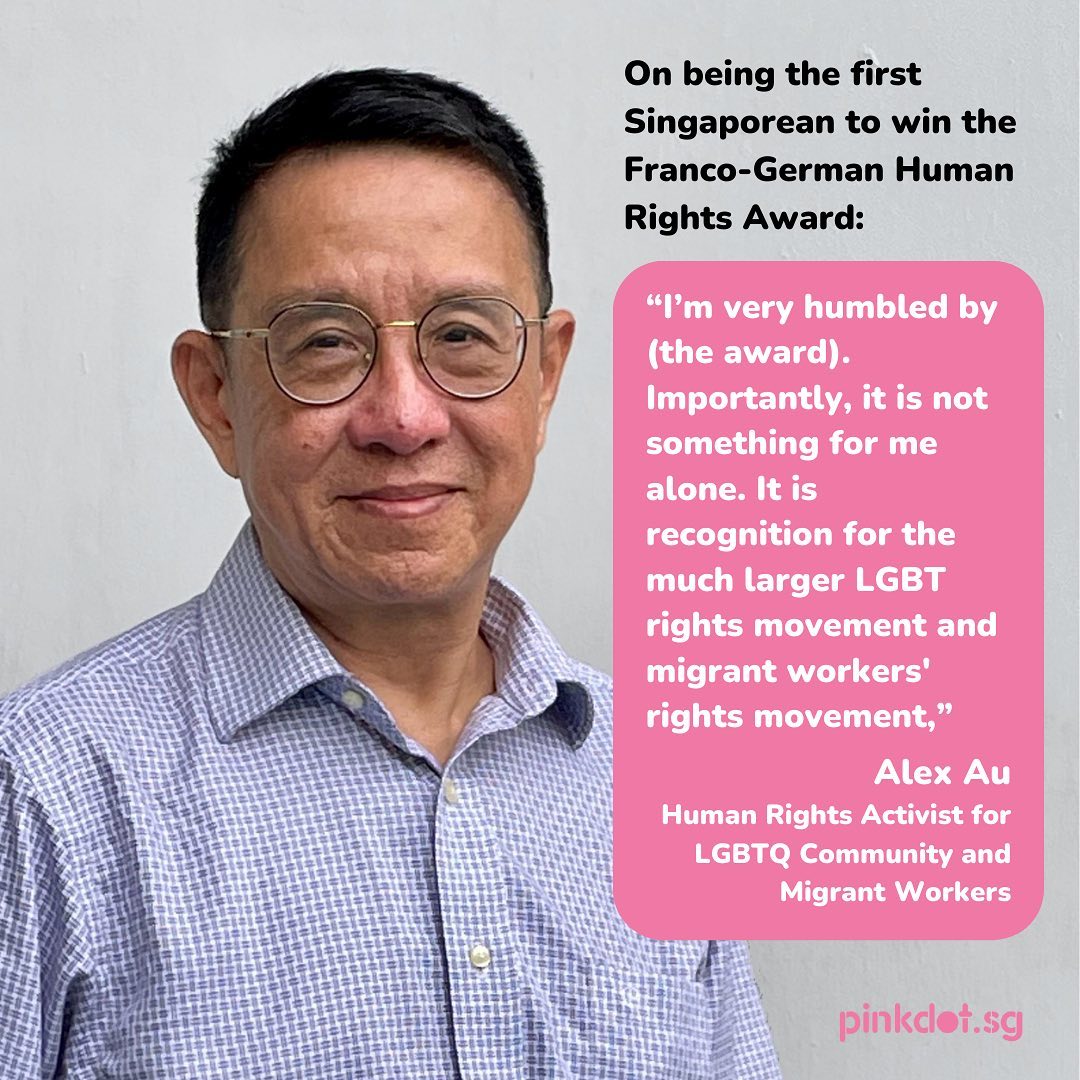
TWC2 Vice President awarded for human rights work
In January 2023, Alex Au, vice-president of Transient Workers Count Too (TWC2), Singapore was awarded the Franco-German Human Rights and Rule of Law Award. The award recognises Alex’s important work in Singapore advocating for the rights of migrant workers and the LGBT community for the last three decades. Singapore is home to nearly a million low-wage migrant workers, who face many issues such as lack of compliance with health and safety regulations by employers, discrimination, and debt. TWC2’s work focuses on raising awareness and helping workers, along with advocating for specific policies that will bring a long-term change in the situation of migrant workers. The award is a recognition of Alex’s and TWC2’s longstanding work in creating a more inclusive Singapore.
| |
|
Criminalising the knowing use of services provided by victims of trafficking in the EU
La Strada International published a new policy paper that aims to understand the practical impact of criminalising the ‘knowing use’ of products or services provided by victims of human trafficking. In 2023, negotiations will take place for the revision of the EU Trafficking Directive, which was pushed by groups who advocate for a binding provision on criminalising the ‘knowing use’. Currently, article 18(4) of the Directive only recommends that states consider criminalising the ‘knowing use of services provided by trafficked persons’. While two-thirds of EU Member States have already introduced this provision in national legislation, there are only a few prosecutions and even fewer convictions across the EU.
LSI conducted the small-scale assessment, based on interviews with 19 experts from ten EU countries, as there is very limited information available on the possible impact and side effects of the provision, especially in the context of trafficking for all forms of exploitation. Based on the study, La Strada International concludes that there is currently no proven positive impact of this provision. The interviewees instead expressed concerns regarding the harmful side effects for victims and precarious workers including sex workers, including the increased vulnerability and stigmatisation, risks of secondary victimisation and erosion of trafficked persons’ rights.
| |
|
SWAN Vancouver celebrates twentieth anniversary
In 2022, SWAN celebrated its twentieth anniversary. At the end of September, SWAN organised a karaoke party for the women who access their services. On 1 October, they held an appreciation event for their former staff, board, and volunteers. This was followed by SWAN’s 2022 annual general meeting. The AGM was opened with a blessing by Elder Ruth Alfred of ‘Namgis First Nation. Attendees also heard reflections from SWAN’s former Board Chair, Dr Julie Ham, their current Programs Director, Alison Clancey, and Ben Milne, representing his family foundation who is one of SWAN’s generous funders.
Read SWAN’s reflection of the past twenty years here.
| |
|
Human trafficking in Serbia
In December, ASTRA presented the findings of its report ‘Human trafficking in Serbia: Overview of the situation in the context of the 21st century’.. It sought to create an understanding of complex forms of human trafficking and analysing the level of recognition and perceptions of the risks of human trafficking among the general population in Serbia and especially the most vulnerable groups. The study found that the recognition of risks and different forms of human trafficking and different kinds of abuse was lower among youth, Roma, and women, which increased their vulnerability to falling pretty to traffickers. The report also brought to light the conditions of labour exploitation and abuse that are common such as very long working hours, non-payment of wages or extremely low wages and forced domestic labour. The full report can be found here
ASTRA also launched a mobile app called Safe At Work, which intends to provide information and protection about human trafficking for the purpose of labour exploitation. The application is available in Serbian and English and can be downloaded here.
| |
|
Missing, Presumed Trafficked: Towards non-binary understandings of ‘wayward’ youth in Jamaica
Jacqueline Sanchez Taylor and Julia O'Connell Davidson
Boys and LGBTQ youth, especially those who go missing from home, have recently started to appear in mainstream anti-trafficking discourse as a group of children who are peculiarly vulnerable to human trafficking. This paper reports findings from research with Jamaicans who experienced various forms of violence and exploitation as children. Our data is consistent with the claim that boys and LGBTQ Jamaicans are amongst those who experience forms of violence and exploitation that policy makers often discuss under the heading ‘sex trafficking’. However, the same data also challenges the conceptual binaries used to frame assumptions about ‘sex trafficking’ as a significant threat to Jamaican youth and informs assumptions about missing children as victims of trafficking. In this way, the paper provides empirical support for criticisms of the turn towards including boys and LGBTQ youth as victims of ‘sex trafficking’, and of dominant discourse on ‘child trafficking’ more generally.
‘We wanted workers, but human beings came’: Human rights and temporary labour migration programmes in and from Asia and the Pacific
OHCHR
This new study explores the consequences of Temporary Labour Migration Programmes (TLMPs) for the human rights of migrant workers and their families. Recognising the well-documented concerns about labour rights abuses in TLMPs, the study focuses on migrants’ experiences beyond the workplace, understanding migrants not just as workers but as human beings and rights-holders fully entitled to all human rights. Millions of migrant workers in and from the Asia-Pacific region take up fixed-term, low-wage work in sectors such as agriculture, construction, care work or the service industry, under these TLMPs. The study explores the parameters of these programmes through a human rights lens. It proposes that the countries of destination and origin should follow the guidance provided by international human rights and labour law and standards, in consultation with migrant workers and their families, to design and implement comprehensive labour migration pathways in and from Asia and the Pacific that offer human rights-based alternatives to TLMPs.
Global Wage Report 2022-23: The impact of inflation and covid-19 on wages and purchasing power
ILO
This report examines the evolution of real wages, giving a picture of wage trends globally and by region. It also includes evidence on how wages have evolved through the COVID-19 crisis and how the current inflationary context is biting into real wage growth in most regions in the world. The report shows that for the first time in the twenty-first century real wage growth has fallen to negative values.
The report also looks at changes in wage inequality and the gender pay gap to show how COVID-19 may have contributed to increasing income inequality in different regions of the world. The findings of the report can be used in policy discussions to evolve a human-centred recovery from the different ongoing crises.
IOM’s toolkit on return counselling of migrant children and their families, December 2022
IOM
The Return Counselling Toolkit is meant to be a capacity-building instrument to provide a coherent approach to return counselling, based on key migrant-centred principles while protecting migrants’ rights. Taking into account the specific needs and rights pertaining to children, this additional module on counselling children and families further complements the first five modules of the Return Counselling Toolkit. It elaborates the objectives and contents of this return counselling, including the principles of child safeguarding; the legal and policy framework that supports the rights of migrant children in international law and domestic law; specialised guidance to differences between return counselling for accompanied, unaccompanied and separated children; and the aspects of a right-based approach. The module is addressed to a wide range of stakeholders and professionals involved in the direct provision of return counselling assistance and return processes at various levels and stages.
Policy briefing on Nepali women at risk from misguided anti-trafficking strategies
Institute of Development Studies
This paper looks specifically at women workers in the hospitality, entertainment, and wellness industries in Nepal. It points out that labelling the industry as ‘Adult Entertainment Sector’ has led to stigmatisation and harassment of the workers. Labour intermediaries are also often stigmatised as brokers or traffickers, but they are seen by workers in this sector as playing a useful role of finding them jobs. Many women wish to continue working but face sexual harassment, exploitation and gendered pay gaps and health impacts due to the pressure to consume alcohol to attract customers. Women are stuck with few options for safe employment in Nepal or foreign labour migration. The paper provides recommendations to the government, donors and NGOs including avoiding the use of term ‘Adult Entertainment Sector’; supporting the easy registration and monitoring of these businesses and social protection; putting an end to Nepal’s policies which restrict women’s mobility and right to work in the name of anti-trafficking; and more.
‘Countering gender-based violence and harassment is a workers’ movement’: Lessons from worker-led initiatives
ReAct Asia
This report looks at case studies of worker-led initiatives in fighting for violence-free workplaces. It underlines the need for companies to recognise the importance of ‘bottom-up’ action against GBVH, as it has a correlation with overall productivity within supply chains. As recommended by international organisations such as ILO and UN Women among others, greater consultation with workers and action in line with women workers’ experiences, ideas and suggestions and their inputs are critical to developing the mechanisms to resolve longstanding GBVH issues.
The report outlines the value of social dialogue, specifically freedom of association, collective bargaining, and Safe Circles and how these successful case studies from workers movements can be explored in different geographies and contexts.
ASEAN Do No Harm Guide for Frontline Responders
ASEAN-ACT
Frontline responders play a key role in combatting trafficking and supporting victims. They are often the first contact point for victims during the identification process. They also support the protection, health, shelter and long-term recovery and rehabilitation needs of survivors. Frontline responders and support persons play an important role in upholding the rights of victims of trafficking. The ASEAN Do No Harm Guide for Frontline Responders is intended to be a practical resource for first responders in trafficking cases and to minimise the risk of harm at all stages of victim protection and assistance.
The guide is available in English, Bahasa Indonesia, Burmese, Khmer, Lao, Thai and Vietnamese. You can also see a short video explaining the purpose and contents of the guide.
| | | | |