|
Greetings!
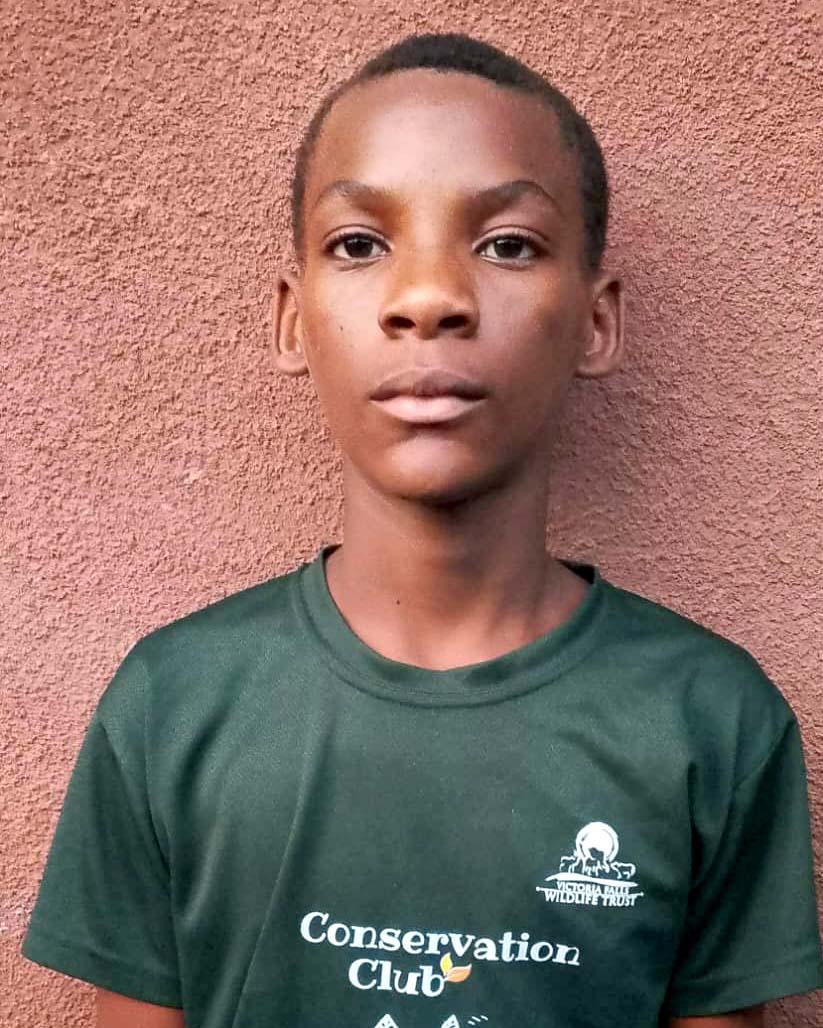
In September it was International Vulture Awareness Day, and we asked some of our Conservation Club learners what they would say to people who think vultures are ugly, frightening or unimportant. A young man called Ravindor gave this answer:
“We don’t need you to think they’re cute; we need you to know we can’t live without them.” Ravindor, VFWT Conservation Club
Lasting conservation depends on people understanding the natural world and having the knowledge, tools and opportunities to act. Answers like this are why we invest in conservation education. They are evidence of that vital spark of knowledge that comes before tools and opportunity can help create change.
In the rural communities in which we work, people know their backyards better than we do. They already have deep understanding of their natural environment – and deep generational knowledge of their landscape dynamics. But they may not be able to afford the tools or have access to the opportunities that can spark deep long-term change.
Our field teams work from one conviction: wildlife is only protected when the people living alongside it are part of the solution. It is the thread running through everything else we do.
That means good science, community participation and practical management working together – from anti-poaching and human-wildlife conflict mitigation to preventing the spread of zoonotic diseases. A learner who understands why vultures matter has grasped what our teams see in the field every day: when people have the knowledge and means to live alongside wildlife, the results show.
Thank you for helping us get results.
| | |
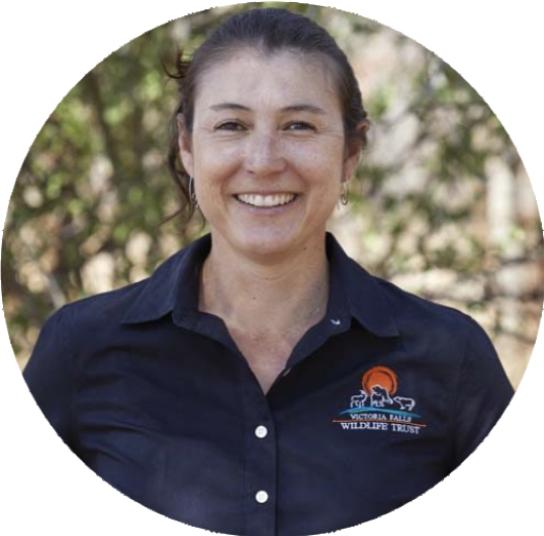
Jessica Dawson
Executive Director
| | |
Community Livelihoods
From Better Herding to Better Markets: Chikandakubi Cattle Fair
| | |
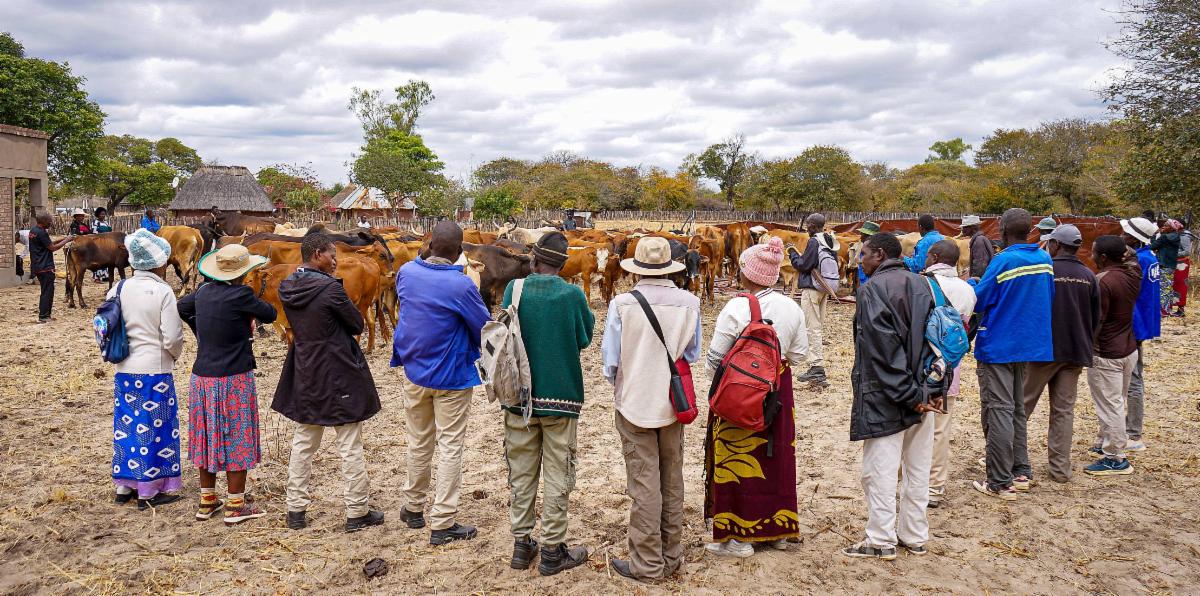
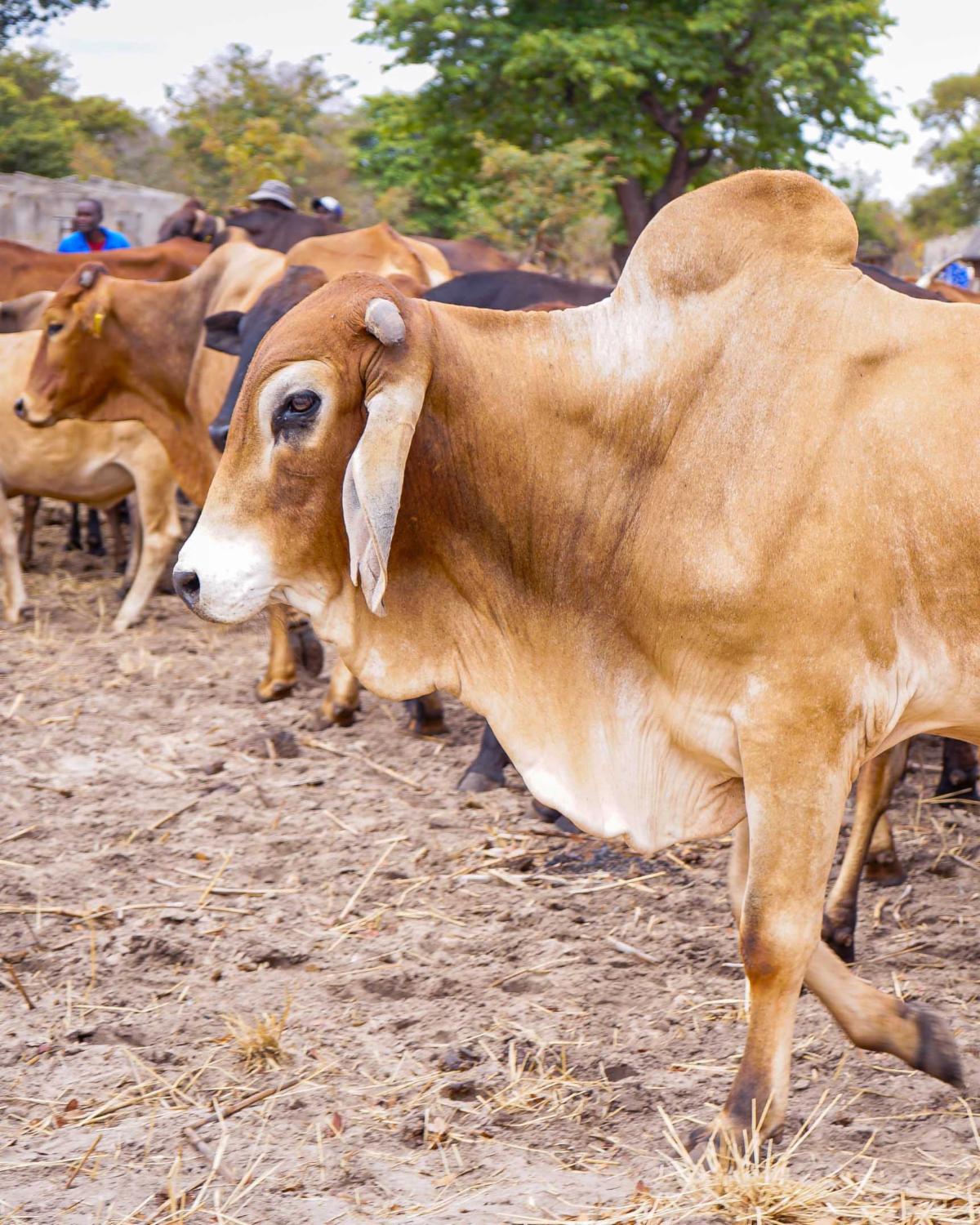
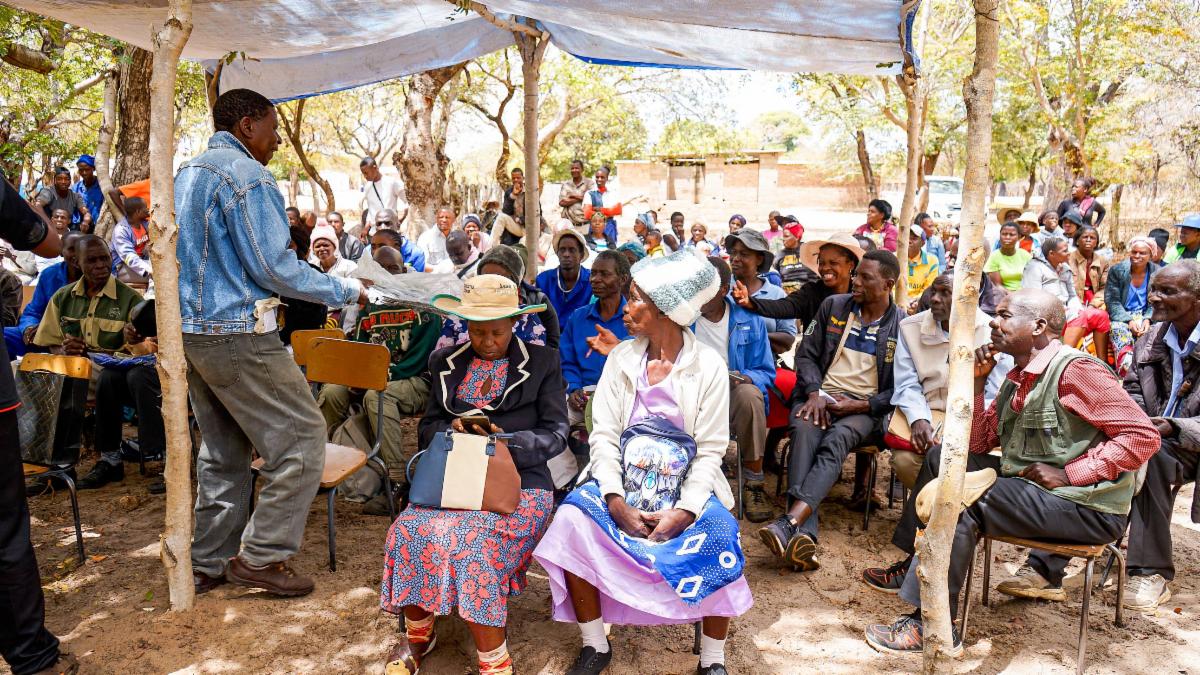
VFWT’s October Community Cattle Fair in Chikandakubi Ward brought together 122 participants, with 12 farmers from three villages exhibiting approximately 150 cattle alongside other agricultural produce. The fair connected livestock owners with potential buyers from Victoria Falls and Hwange West, offering farmers an opportunity to showcase their herds and explore higher-value markets. Although no cattle were sold on the day, the buyer praised the quality and quantity of livestock on display.
The fair also highlighted the practical benefits of VFWT’s Herding for Health (H4H) initiative, which supports improved livestock management across a programme covering 2,410 cattle. Awards recognised farmers and community leaders putting these practices into action, including the best-performing boma in the ward. A standout moment was Doris Mukandla’s first-place award for producing hay bales, applying skills gained through H4H training the previous year. Her achievement demonstrated how practical knowledge can help farmers produce supplementary feed for their livestock, strengthening the link between training, better herd management and more resilient livelihoods.
| | |
"It’s now easy for us when we want to sell cattle because now we have a buyer who knows us, who knows our cattle. We used to have buyers before but they were not professional because they would pay very little. We did not have value for our hard work, for the cattle."
Bernard Moyo, Farmer
| | | |
New Bomas, Big Welcomes: Upgraded Corrals Reach
Three New Wards
| | |
Thanks to the Global Grant Fund (Rotary Club), five new mobile bomas (corrals) have been delivered to farmers across three wards, replacing structures that had begun to fall apart. The practical benefits were noticed straight away. “This boma will take less time to set up as compared to this one that we have been using,” said a farmer from Boma 1. In Boma 12, members noticed their new boma was bigger, and one joked that it would fertilise the next farmer’s plot all at once, so it could be moved along to the next member sooner. Some farmers are already thinking bigger, suggesting the approach could work for goats and donkeys too.
More than an equipment upgrade, it was recognition of farmers’ sustained commitment to the mobile boma approach, and a boost to their livestock management practices.
| | Ever wondered how a mobile boma works? A boma (also known as a corral or kraal) is a livestock enclosure, and the mobile version moves from plot to plot, fertilising the land as the animals rest. Watch the video as local farmer Levi Ndebele of Chidobe Ward talks us through the latest arrivals. | | | |
Conservation Education
Vulture Conservation Takes Centre Stage on National Television
| | |
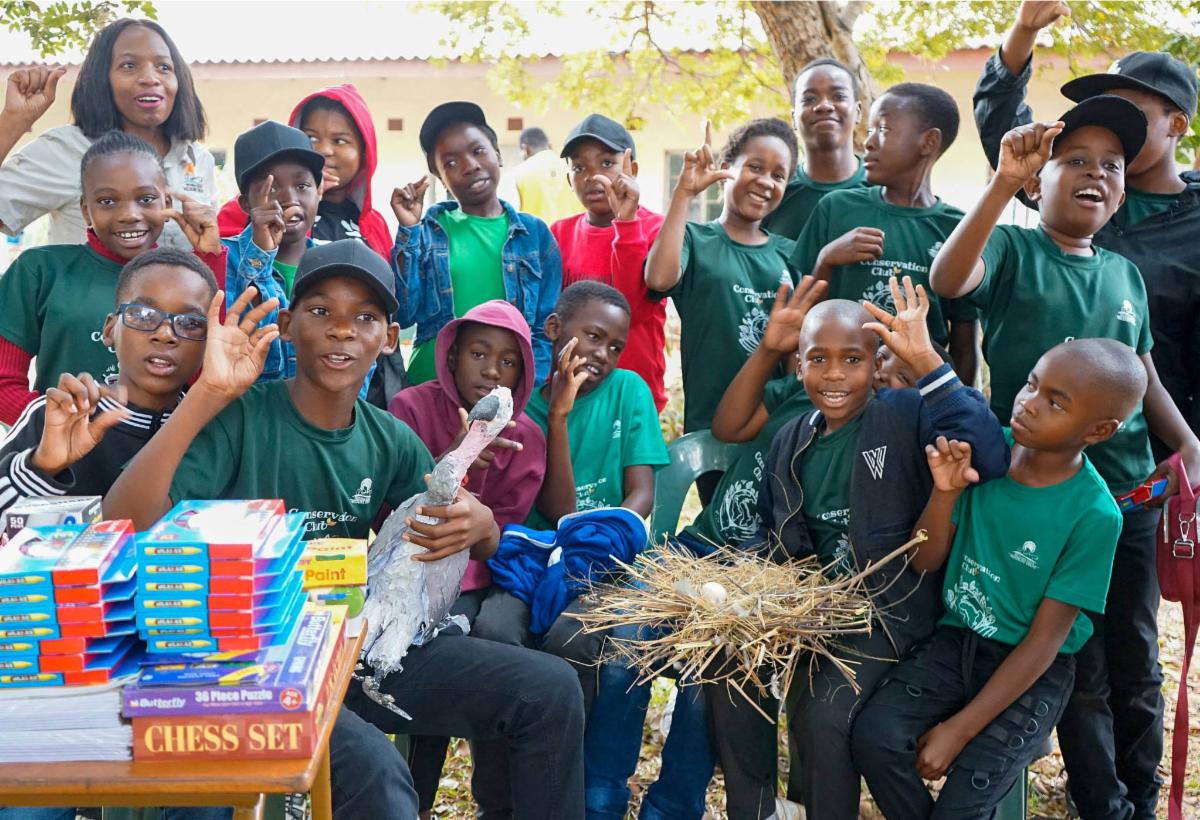
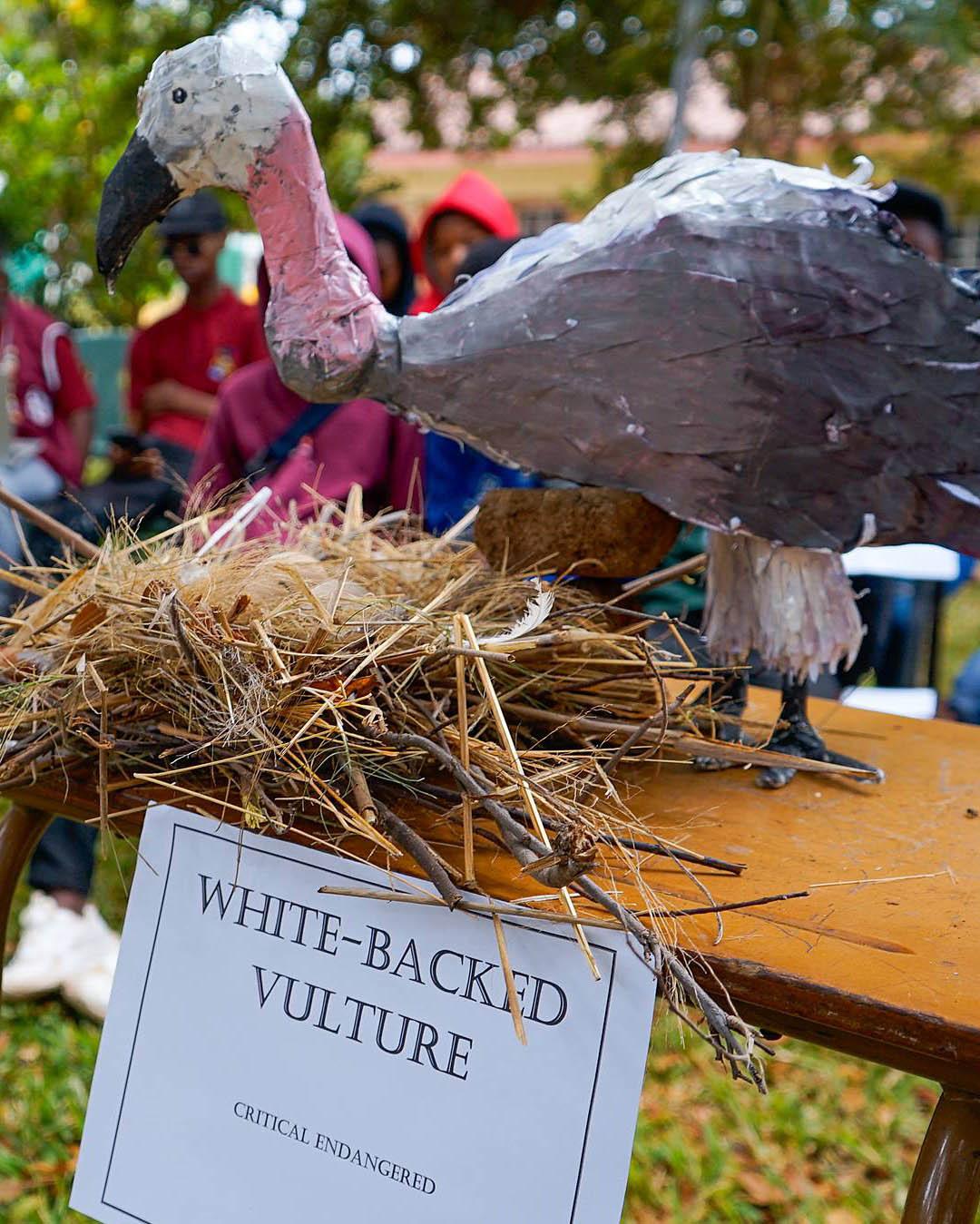
Above: Our VFWT Conservation Club team members took part in International Vulture Awareness Day and created an impressive white-backed vulture model and nest.
| | In September 60 learners gathered at Chamabondo Primary School to mark International Vulture Awareness Day, exploring why these often-misunderstood birds are vital to healthy ecosystems. Through interactive learning, discussions and creative activities, learners challenged myths — including the belief that vultures can predict the future — and discovered how their exceptional eyesight helps them locate animal carcasses. They also examined the threats facing vultures, from deliberate poisoning and habitat loss to harmful traditional beliefs. Two conservation clubs put their learning into practice by creating vulture models, while coverage by the Zimbabwe Broadcasting Corporation (ZBC) helped extend the conservation message beyond the school grounds. | | |
“They’re not dirty; they help stop disease. Their stomachs can destroy diseases found in dead animals. Without them, carcasses rot, water gets polluted, and stray dogs and disease increase. When vultures disappear, people get sicker.”
Ravindor, VFWT Conservation Club
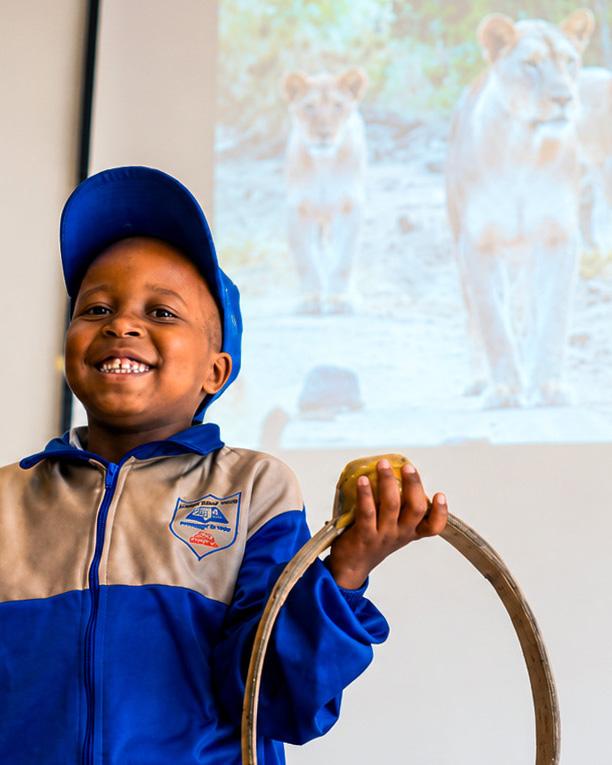
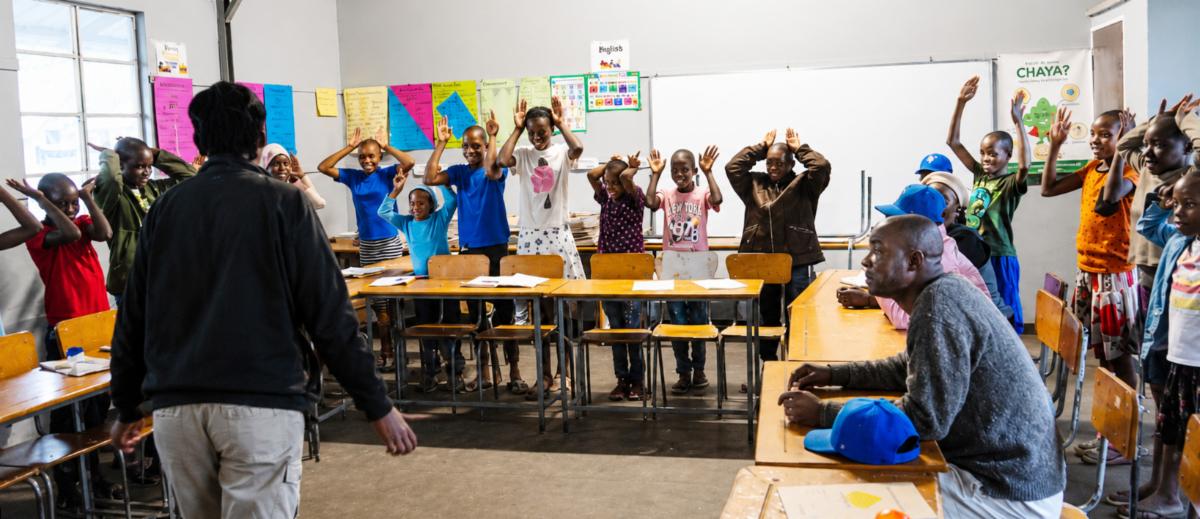
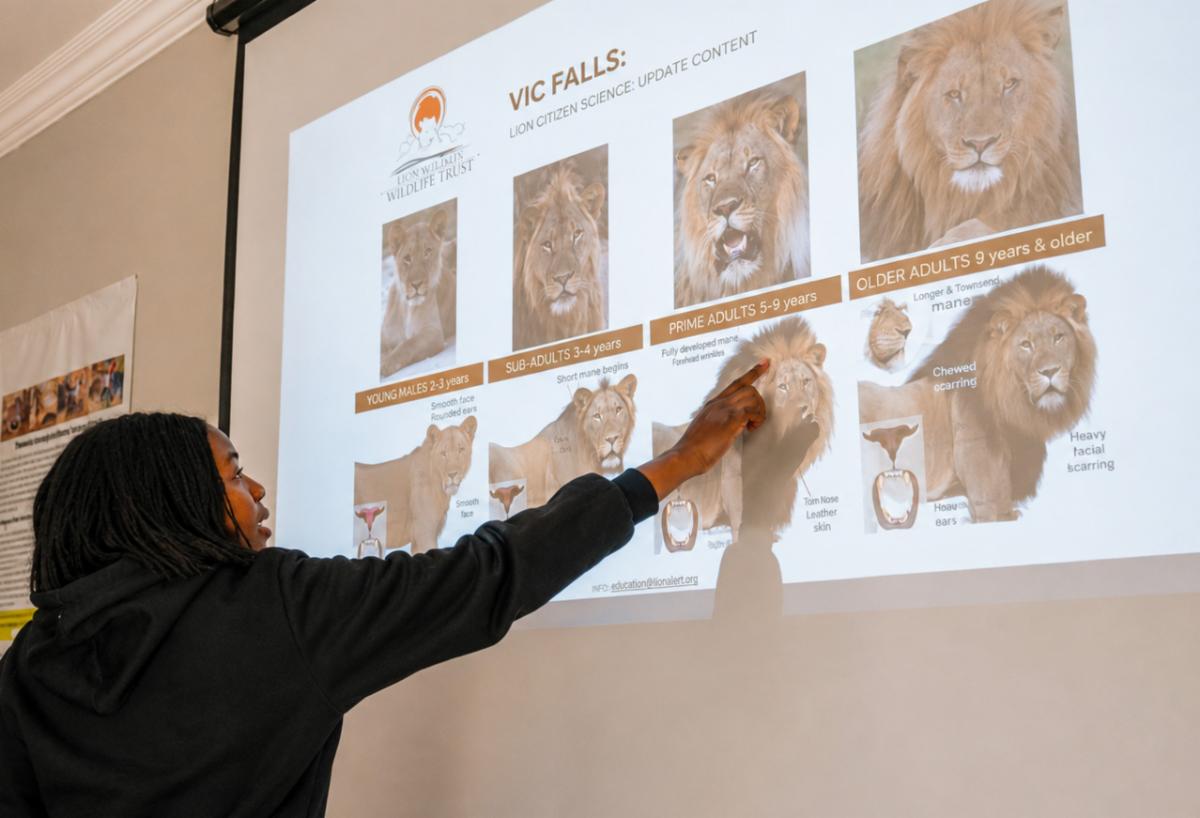
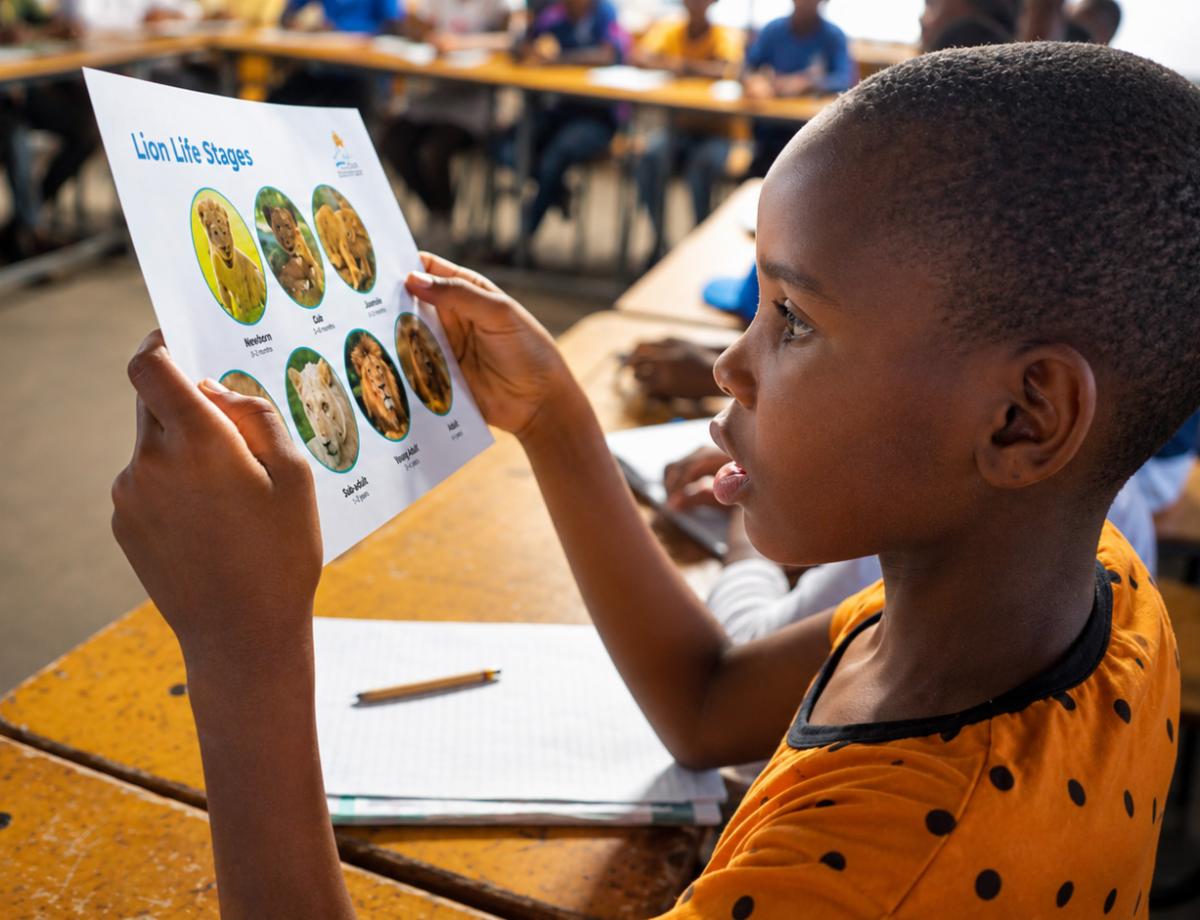
| | | | | We think these enthusiastic young learners from Siziphile Primary School in Lupane District deserve a special mention. They travelled more than five hours by bus for the chance to hold a lion collar and learn how to read a Lion ID booklet. In one visit, they moved from classroom learning to hands-on conservation, leaving with a little more knowledge about the wildlife they share their home with. We were delighted to host them! | | |
Wildlife Rescue & Conservation
A Month of Elephants
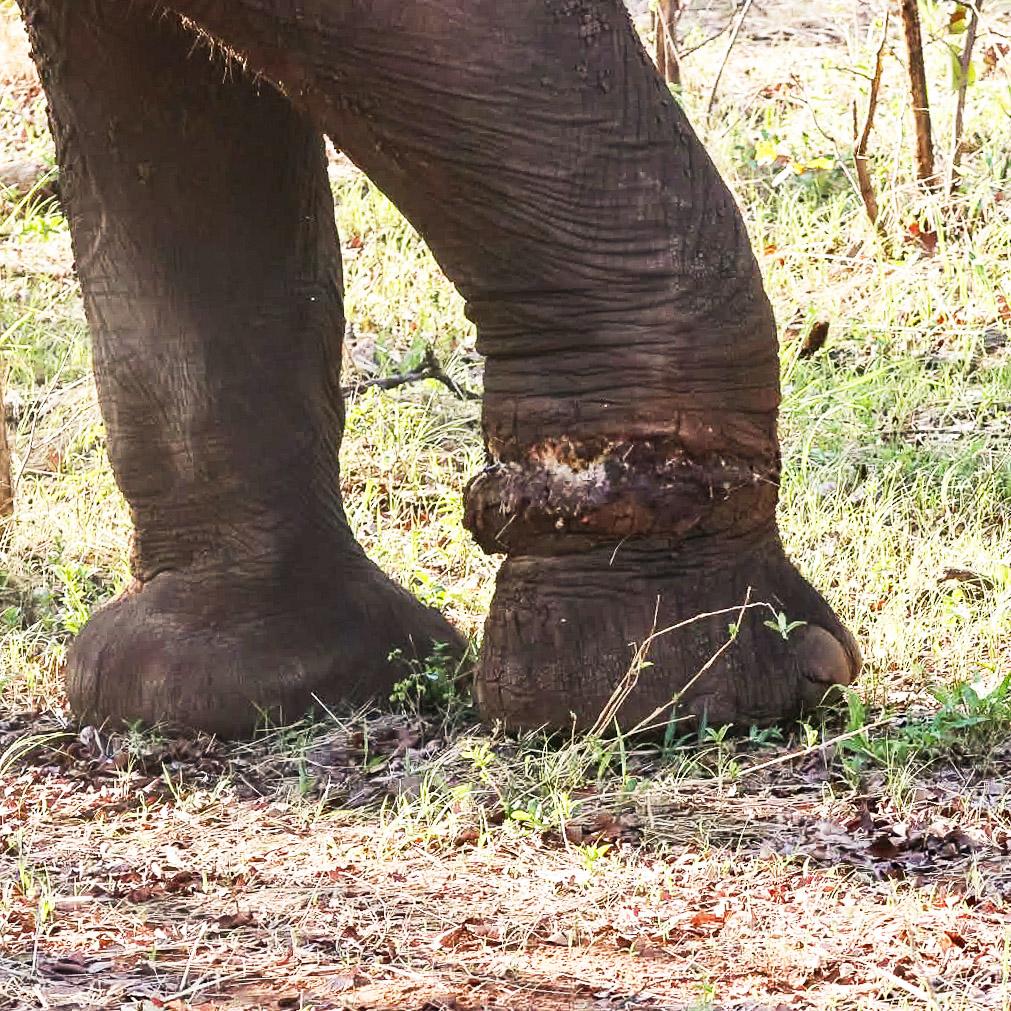
| | Above: This young bull was assisted by our team for the second time, with a snare removed from a different hind leg on each occasion. During the second intervention, we also treated the wound left by the first snare, sustained two months earlier. | | |
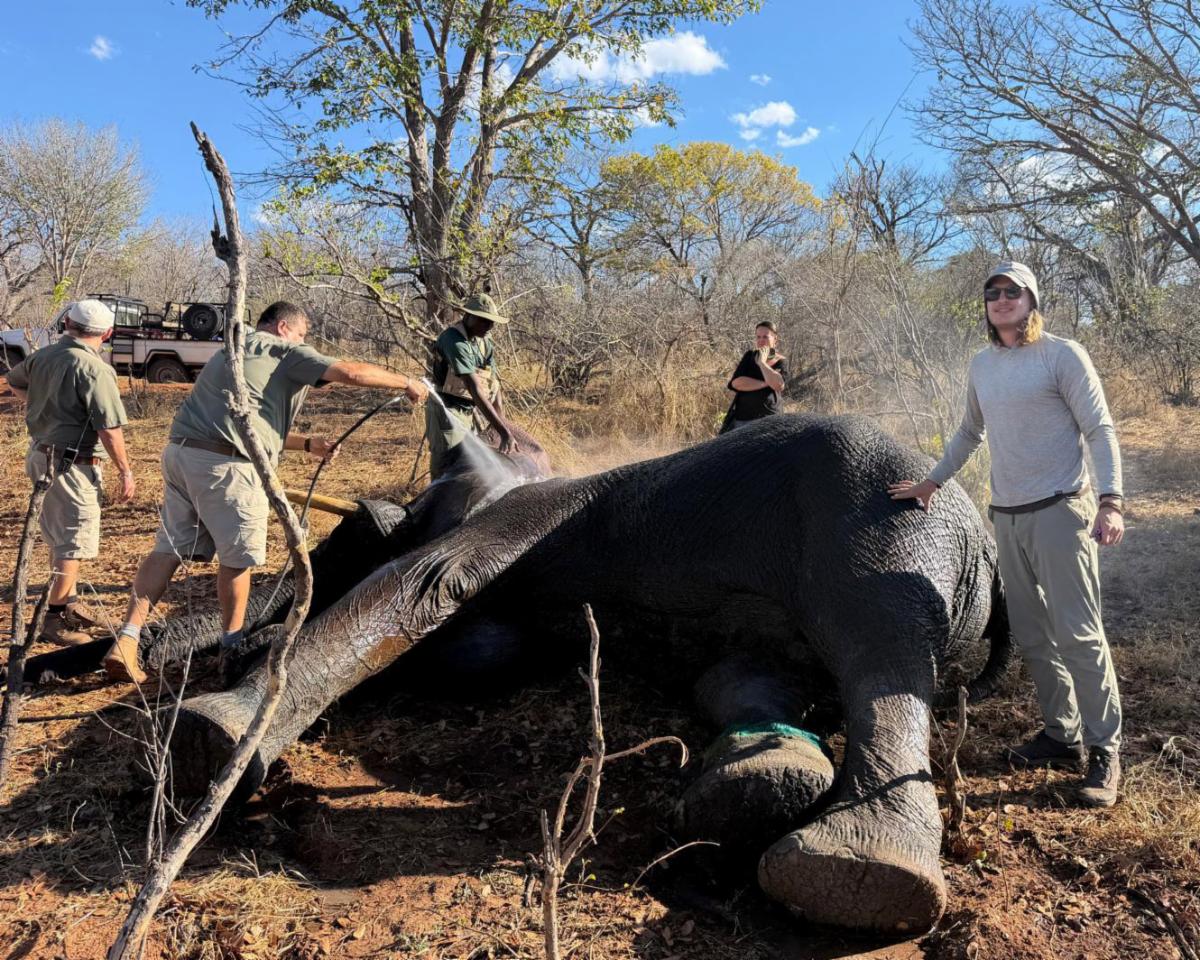
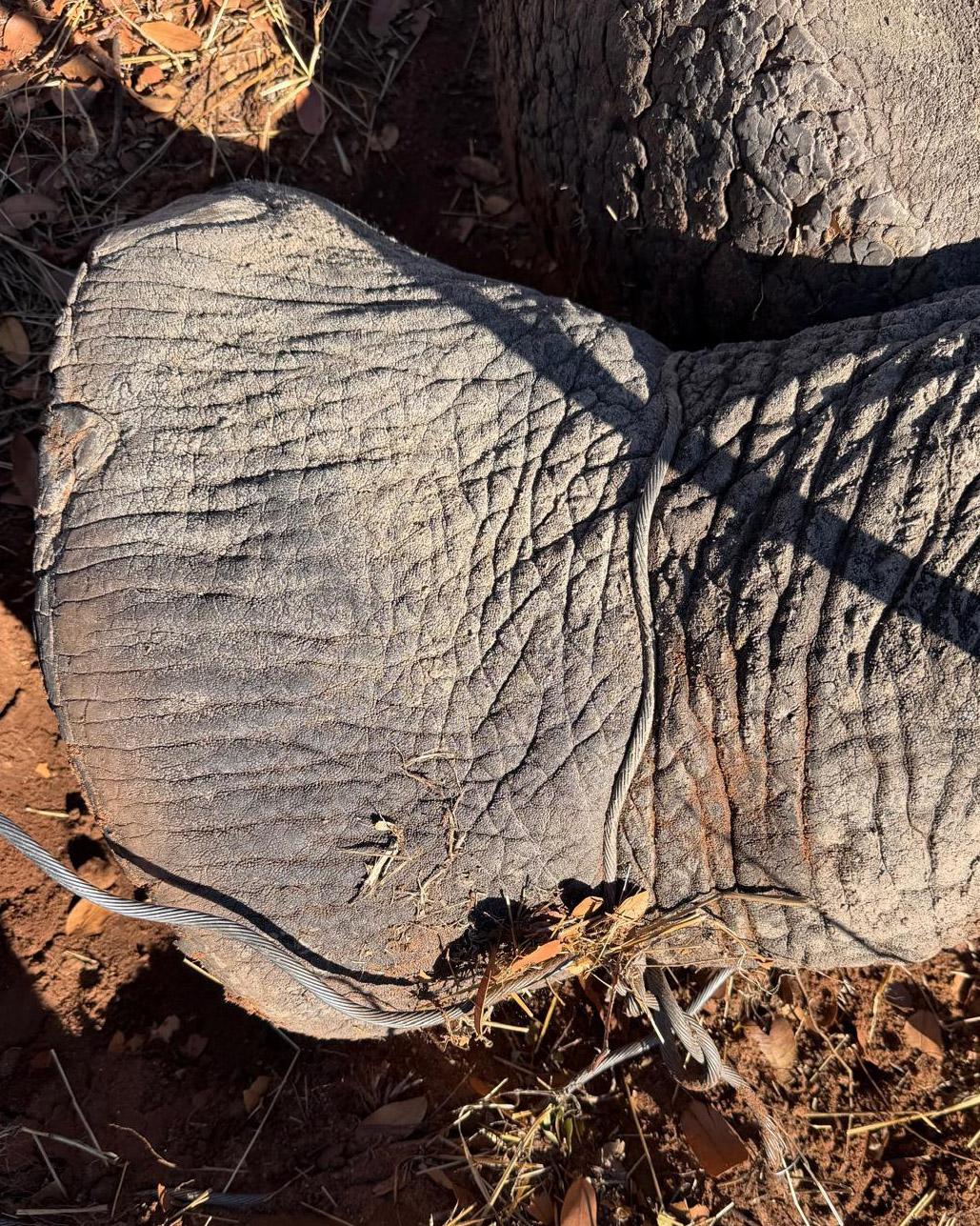
It was an elephant-centric month, with four elephants receiving assistance. Three had snares; the fourth was suspected of having one, but was found to have a dislocation instead, which we treated with anti-inflammatory medication.
One young bull from Matetsi Unit 7 was a repeat patient. We had previously removed a snare from his left hind foot; this time, it was his right. We also assisted a baby elephant with a snare around its ear.
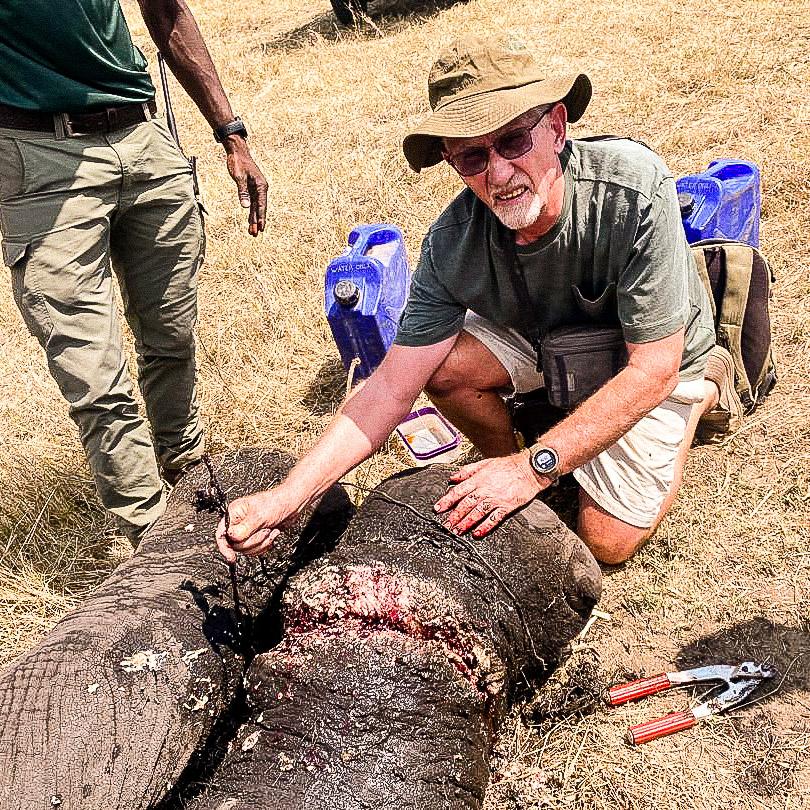
Lastly we helped an older bull with a deep snare on his right front leg. Our patients obviously don't check back in with us so we were lucky enough to get feedback and photo and video footage a week later showing his injured leg already looking so much better. For those comfortable viewing these images, we've included some examples below showing just how well an animal can recover after excellent work our teams and partners do to give them a chance to go on to live full, healthy lives.
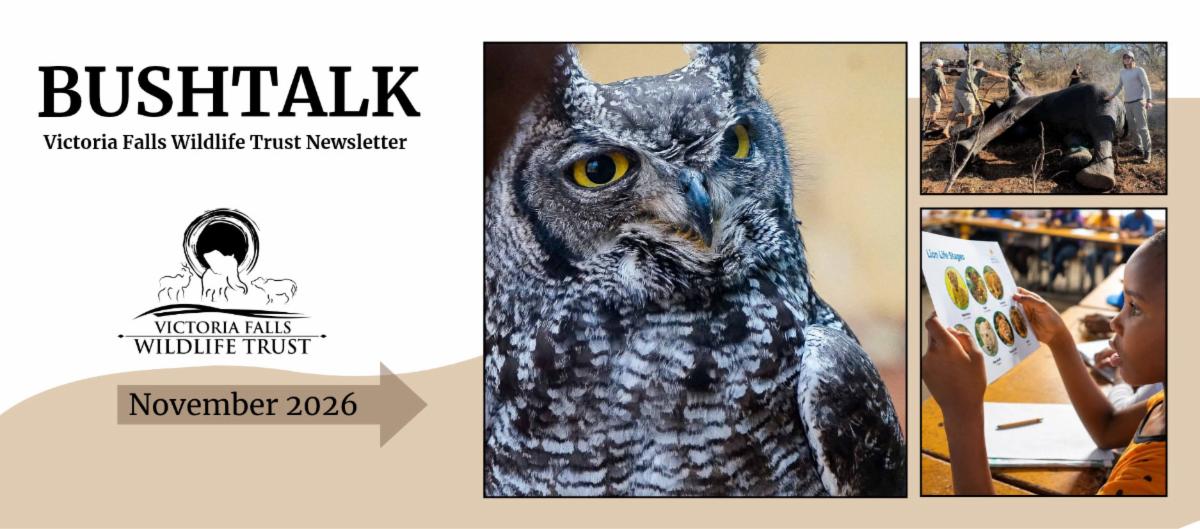
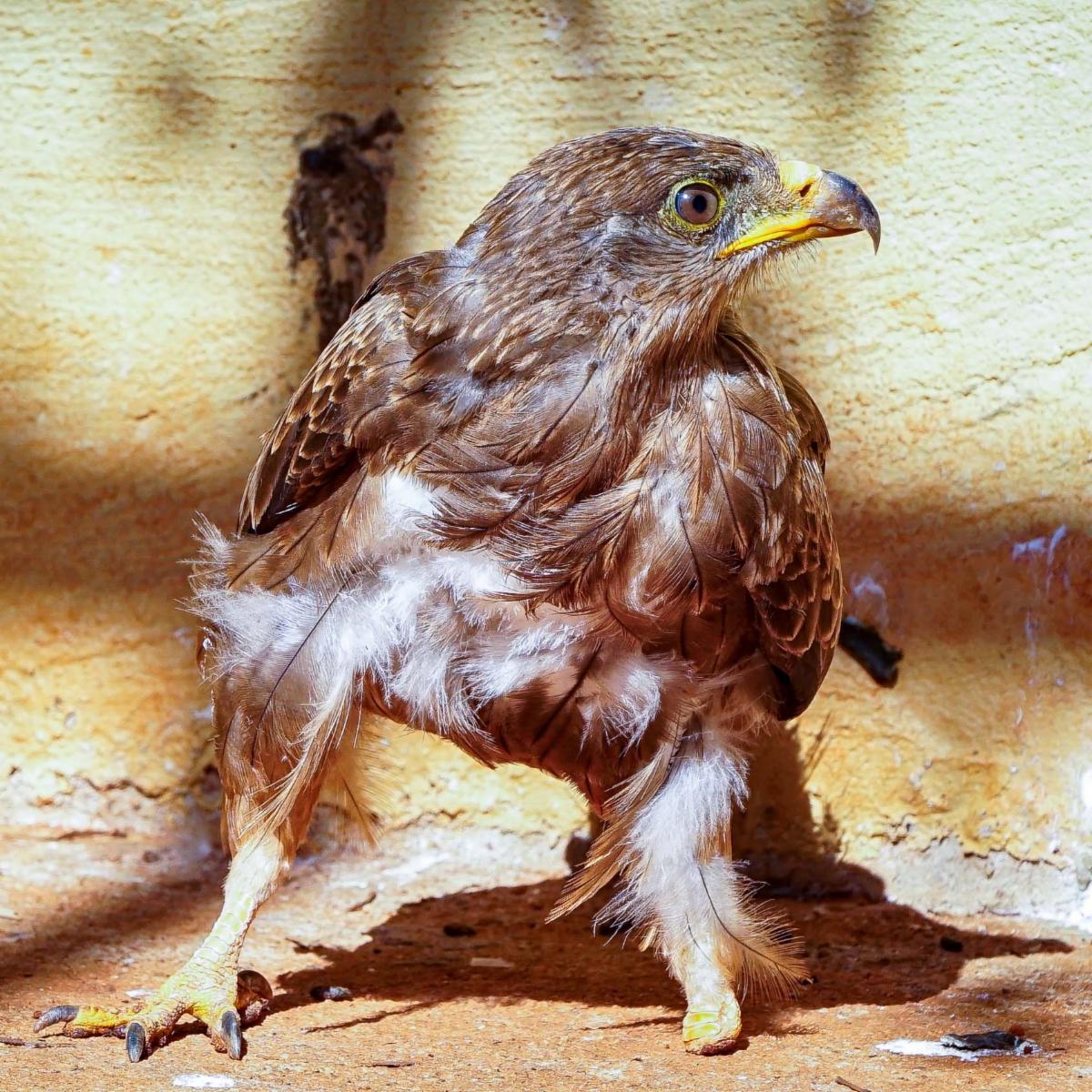
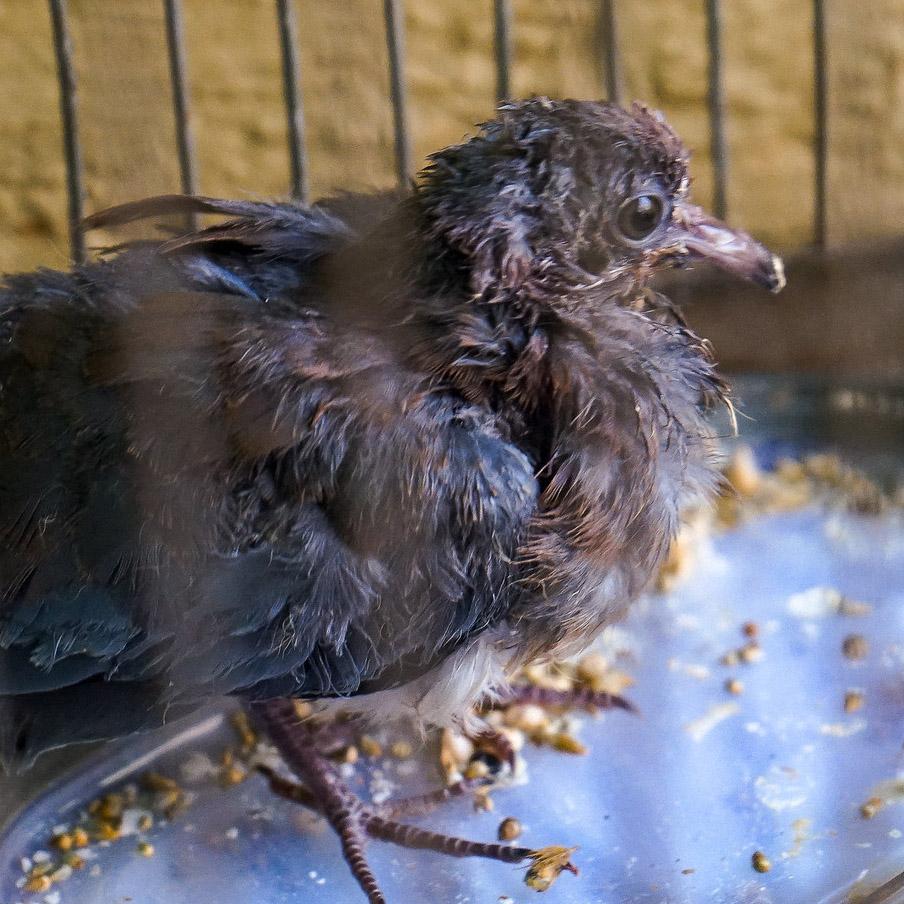
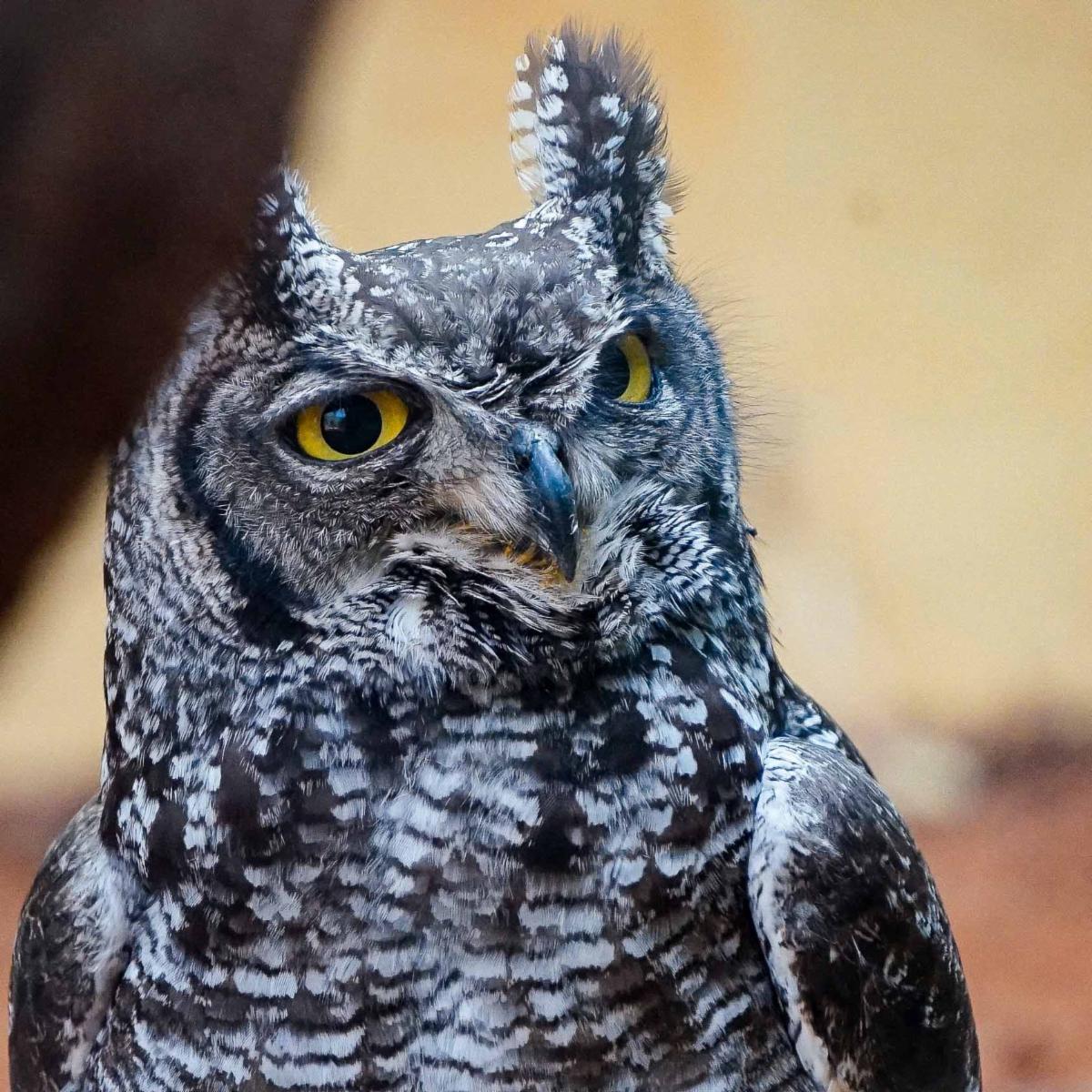
| | High Care Rehabilitation Centre | | It's been a relatively quiet period on the Rehab front, with two laughing doves and a yellow-billed kite joining as recent 'patients'. Meanwhile, our resident spotted eagle-owl is looking stronger by the day, and hopefully won't be a resident for much longer! | | |
Wildlife Disease
VFWT assists with Rabies and Distemper Vaccination Campaign
| | | | |
We recently partnered with the Department of Veterinary Services to deliver more than 2,000 rabies and 5-in-1 vaccinations (including protection against distemper and parvovirus) to dogs in human-wildlife interface areas in and around Hwange Rural District.
By protecting dogs, we help keep people and domestic animals safe, build population-level immunity and reduce the risk of domestic dogs transmitting rabies to wildlife.
| | |
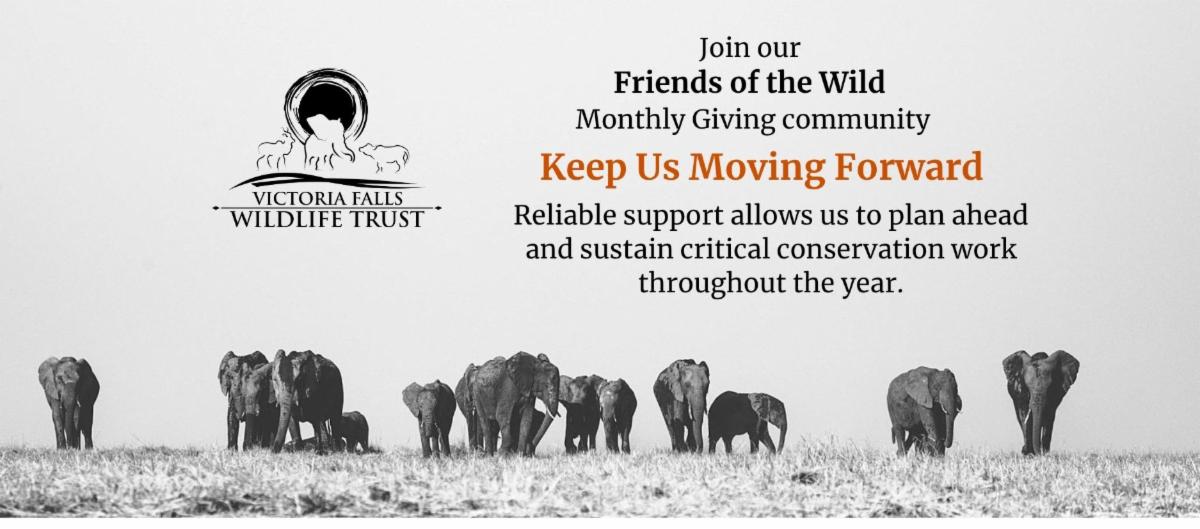
Become one of our
Friends of the Wild Monthly Giving Community
| | |
Your support helps keep this work moving forward. If you haven't yet donated this year and would like to support our conservation programmes, every contribution makes a difference.
You can also join our Friends of the Wild Monthly Giving Community with a recurring gift. Regular support gives us the certainty to plan ahead and respond where the need is greatest. To join, visit our donation page here and select "Recurring Donation" under "Type of Donation".
| | | | Thank you for reading our news! Remember to follow along on our social media channels for our most recent news from the field. | | |
VICTORIA FALLS WILDLIFE TRUST
PO Box 159, Victoria Falls, Zimbabwe | +263 782 799 006
PO Box 23183, San Diego, CA 92193 | +1 (216) 570-3403
9 The Clock Tower, Redlers Waterside, Dudbridge Rd., Stroud GL5 3LH, UK
+44 (0)74 76 227 684
www.vfwt.org | info@vicfallswildlifetrust.org
| | | | |