Mosquito Activity and Human Health Impacts | | |
Mosquitoes By the Numbers
Mosquito surveillance in Ohio plays a critical role in tracking species trends and monitoring potential disease risks. Through statewide collection efforts, thousands of samples were collected in 2025, revealing patterns in mosquito activity, species distribution, and hotspots for vector-borne concerns.
| | |
Throughout the 2025 mosquito surveillance season, 484,041 mosquitoes were submitted to the ODH ZDP Entomology Lab from 58 agencies (48 counties) for species identification and testing for West Nile virus (WNV), La Crosse virus (LACV), St. Louis encephalitis virus (SLEV), Jamestown Canyon virus (JCV), and Eastern equine encephalitis virus (EEEV).
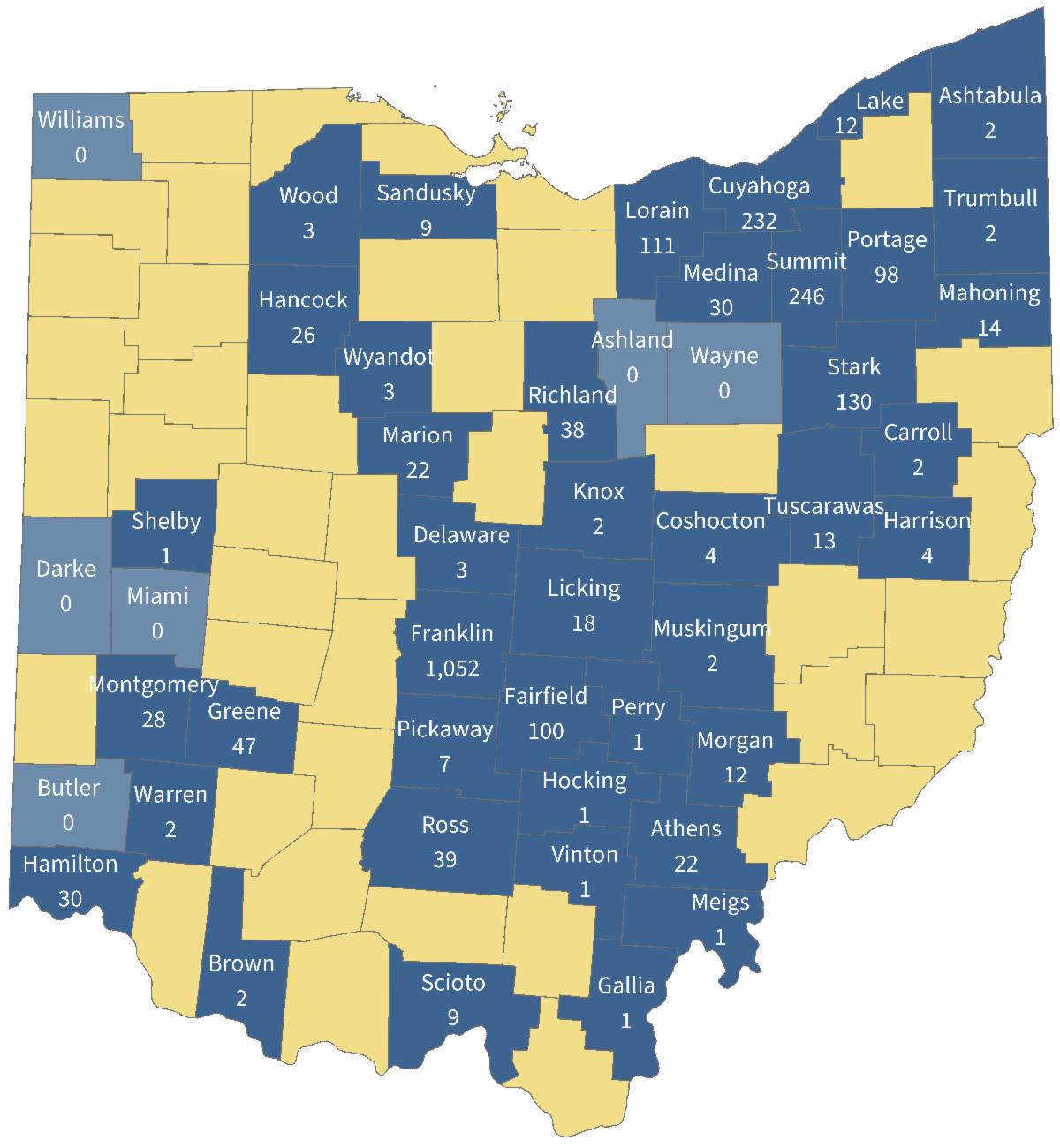
Of the 484,041 mosquitoes submitted, 403,235 were pooled into 12,180 samples and tested for WNV. There were 2,382 WNV positive pools reported in 2025 from 42 counties (darker blue). Among the counties that submitted mosquitoes, six reported no positive pools (lighter blue).
| | |
Distribution of Positive WNV Mosquito Pools
in Ohio by County*
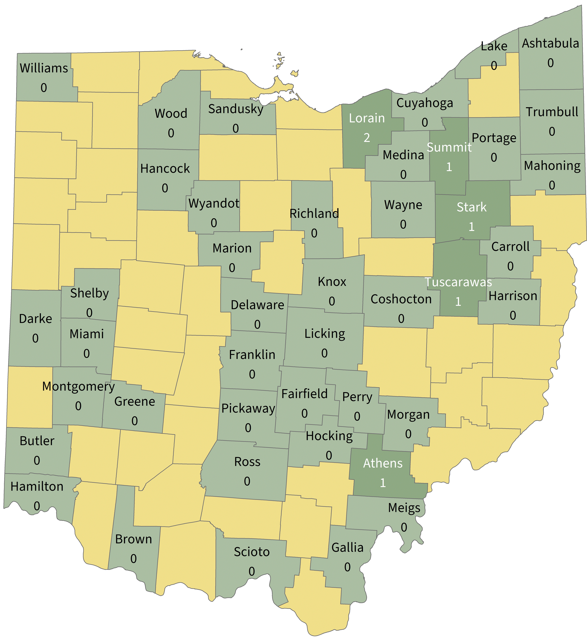
| | LACV Mosquito Pool Positivity by County – Ohio* | | |
ODH ZDP Entomology Lab also identified 3,394 eastern treehole mosquitoes (Aedes triseriatus), the primary vector for LACV transmission. Ohio reported six LACV positive pools from five counties (darker green). Among the counties that submitted mosquitoes, 39 reported no positive pools (lighter green).
None of the other arboviruses tested for (SLEV, JCV, EEEV) were detected in mosquitoes during the 2025 mosquito season.
Additional information regarding Ohio's 2025 mosquito surveillance can be found on ODH's
Vector-borne Disease Surveillance Update webpage.
*Data as of Mar. 25, 2026.
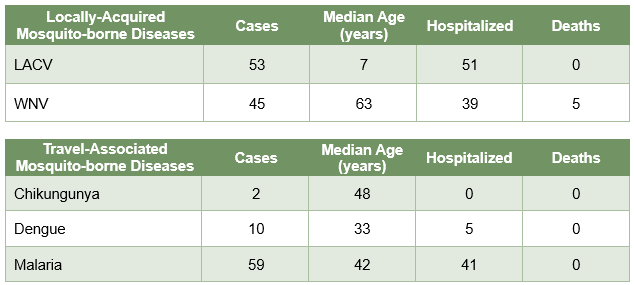
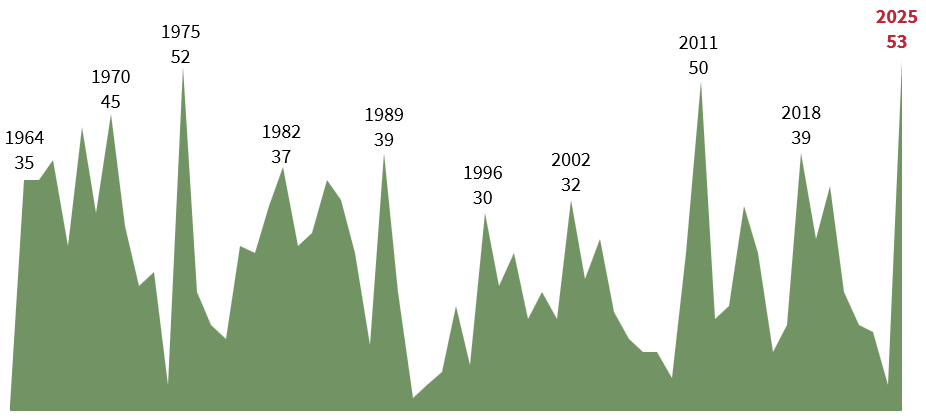
| | A Closer Look at 2025 Human Mosquito‑Borne Disease Cases | | In 2025, 53 LACV disease cases were reported, all but one in children less than 17 years of age. This is the highest number of cases reported in a single year since Ohio began tracking LACV disease. | | |
Tick by Tick: Ohio’s 2025 Collection Recap
Ohio’s tick population continues to grow, and 2025 was no exception. Through statewide surveillance efforts, ticks were collected from across the state to document species presence and geographic distribution.
This information is available on the ZDP website.
| | |
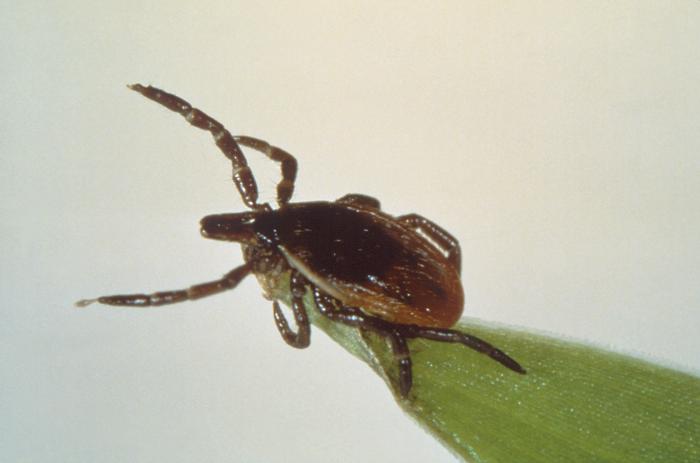
In 2025, the ODH ZDP Entomology Lab identified 2,018 blacklegged ticks (Ixodes scapularis) from 68 counties. This species is the primary vector of Borrelia burgdorferi, the pathogen that causes Lyme disease.
Blacklegged ticks can also transmit the pathogens that cause anaplasmosis, babesiosis, and Powassan virus.
| | |
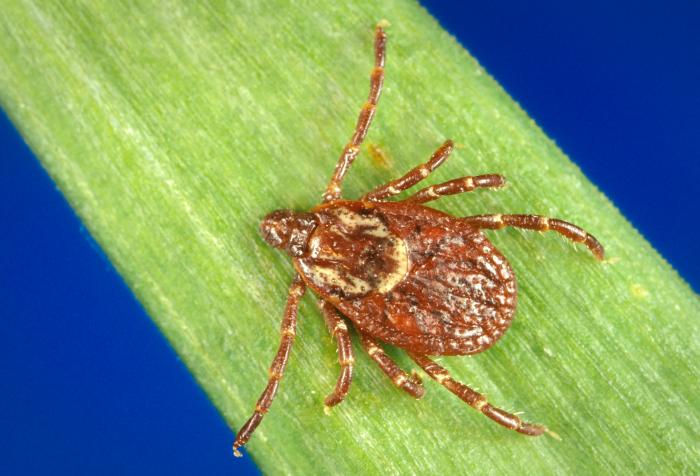
Additionally, 2,343 American dog ticks (Dermacentor variabilis) were identified in Ohio. These ticks can transmit the pathogens responsible for Rocky Mountain spotted fever and tularemia.
| |
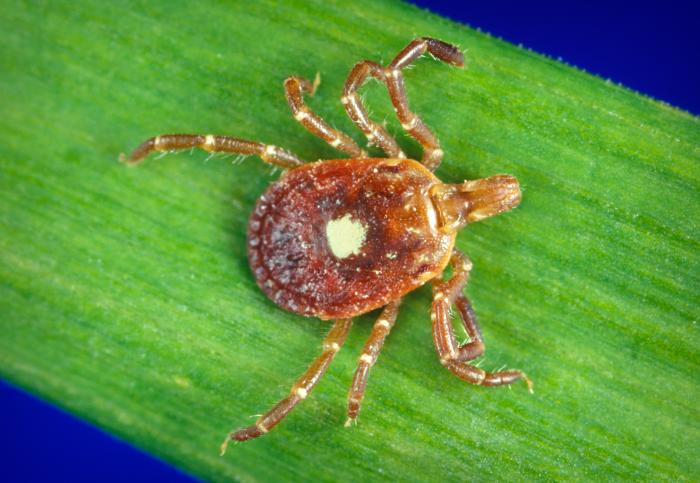
The lab also identified 16,410 lone star ticks (Amblyomma americanum). Over 15,000 were larvae collected during clustered “seed tick” events. Larvae do not transmit disease, though they can be a nuisance.
Adults and nymphs can transmit the pathogens that cause ehrlichiosis, tularemia, Heartland virus disease, and Bourbon virus disease. The bite of this tick is also associated with alpha-gal syndrome and Southern tick-associated rash illness.
| | |
*Data as of Mar. 25, 2026.
Image Sources: CDC Public Health Image Library.
| | |
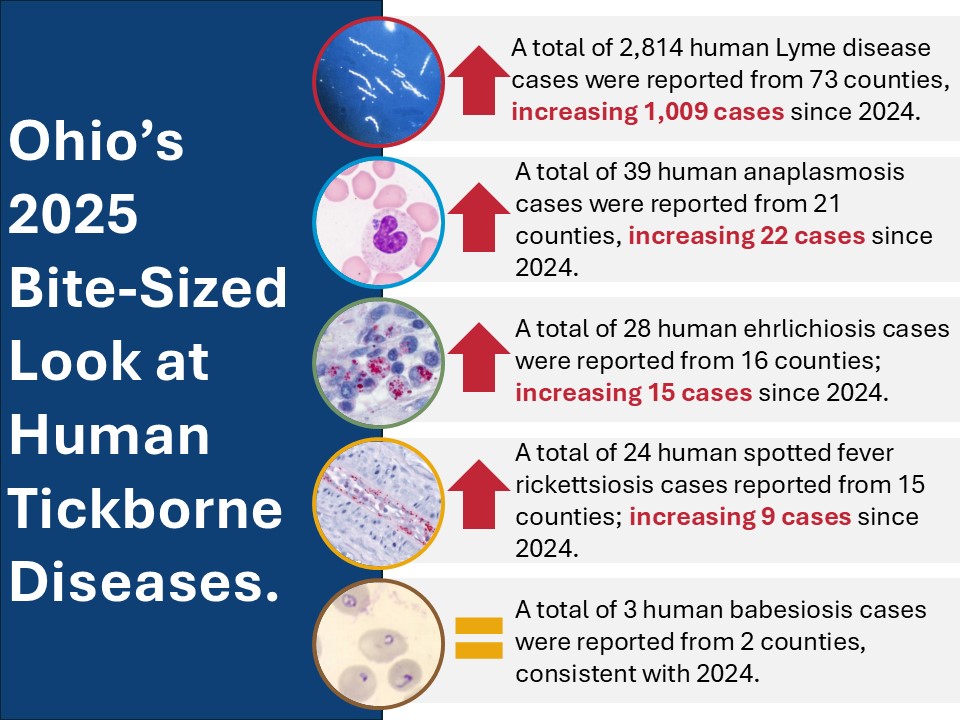
Ticks Were Active in 2025 and So Were the Diseases They Carry
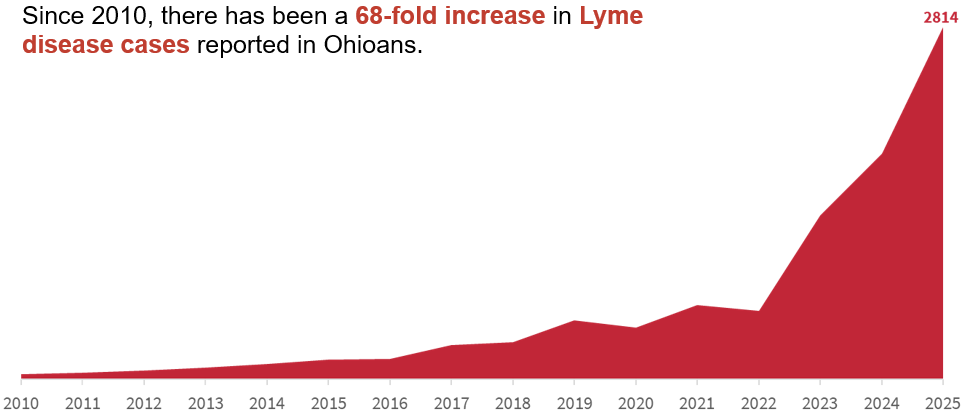
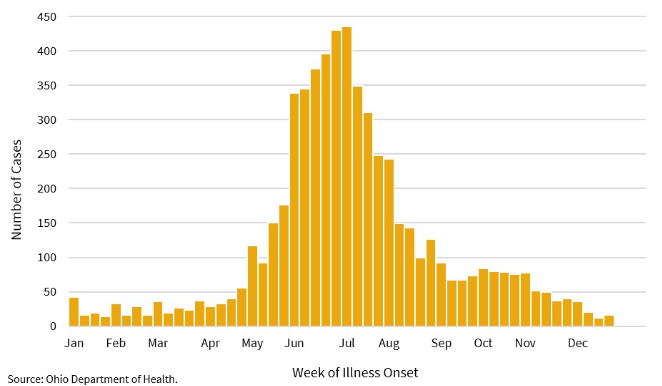
Lyme disease remains the most common vector-borne disease in Ohio.
| | As shown in the graph below, while risk is highest during the spring and summer when nymps are active, Lyme disease can be acquired throughout the entire year. | | Lyme Disease by Week of Illness Onset, Ohio, 2016 - 2025 | | |
Please note that the observed increase in reported cases of tickborne diseases may not only reflect true rises in incidence but also improvements and changes in surveillance and diagnosis.
Tickborne diseases continue to rise in Ohio, and the growing presence of multiple tick species means the risk of exposure is increasing. Ohioans can help reduce this risk by using EPA‑registered repellents, avoiding brushy or wooded areas, and checking for ticks after spending time outdoors. By taking these actions regularly, Ohioans can enjoy our great outdoors safely.
| | |
*Data as of Mar. 25, 2026.
Image Sources: CDC Public Health Image Library.
| | |
Notable Zoonoses: Inside the Numbers
As we close out the review of 2025 data, this section highlights Ohio’s zoonotic diseases not covered in the mosquito‑borne or tickborne or summaries. We invite readers to explore the data, share insights with partners, and help strengthen awareness and prevention efforts statewide by visiting the Summary of Infectious Diseases in Ohio dashboard.
| |
| |
Tularemia
In 2025, Ohio reported four cases of tularemia from four counties. Potential exposures included hiking and possible contact with wild rabbits.
| | | |
Leptospirosis
Ohio reported three leptospirosis cases in 2025, occurring in three counties. Potential exposures included camping and contact with wildlife.
| | | | |
| |
Q Fever
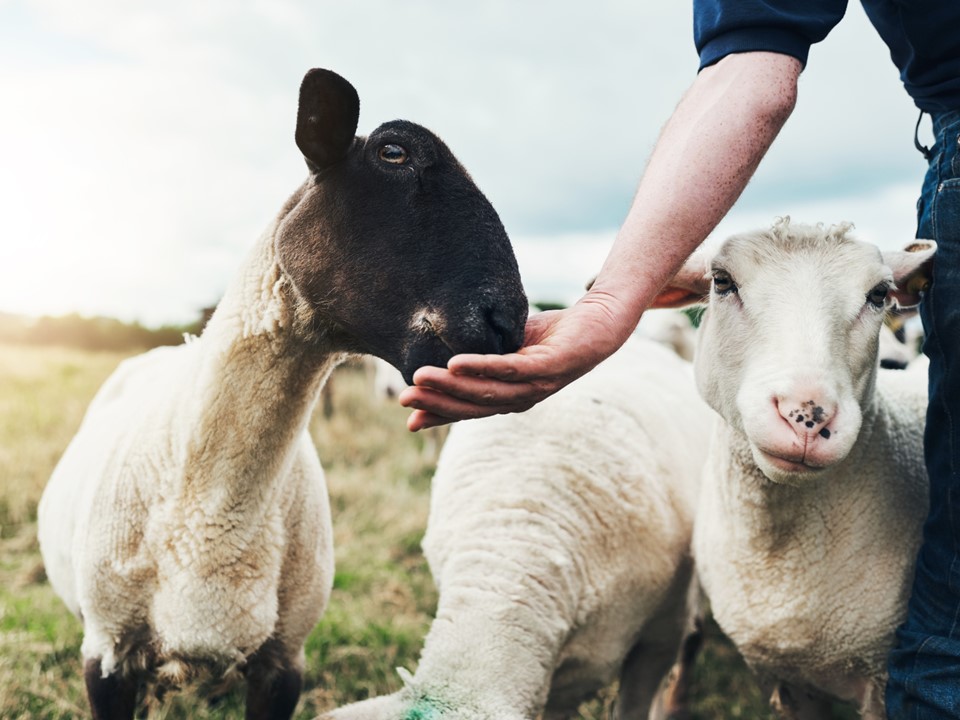
During 2025, two Q fever cases were identified in Ohio from two counties. Potential exposures included contact with sheep and cattle.
| | | | |
In addition to the diseases highlighted above, Ohio monitored several other zoonotic diseases in 2025, including brucellosis and hantavirus. While no confirmed cases of these diseases were reported in Ohio, several investigations were initiated in response to possible exposures and laboratory alerts. These timely surveillance activities help public health officials stay prepared, ensure rapid evaluation of any suspected cases, and ensure continued capacity to detect and respond to zoonotic threats in Ohio.
*Data as of Mar. 25, 2026.
Image Sources: Microsoft Stock Images.
| | |
Looking ahead, early season preparedness and consistent surveillance will be key to staying ahead of vector‑borne disease risks in 2026. Partners can take several practical steps now, including sharing pre‑season reminders on mosquito and tick prevention, coordinating early‑spring habitat clean‑ups, and encouraging prompt reporting when unusual mosquito activity, tick submissions, or suspected human cases arise. Offering clear guidance on when and how to report, and sharing examples of situations that should trigger early alerts, can help individuals know what actions they can take.
Partners can also boost participation in local surveillance efforts, distribute educational materials before peak season, and collaborate with community organizations that reach outdoor workers, schools, and recreation groups. These early, practical steps strengthen statewide readiness and improve our ability to detect and respond to vector‑borne threats throughout the year.
| | |
Contact Us
-------------------------------------------------
Ohio Department of Health
Zoonotic Disease Program
246 North High Street
Columbus, Ohio 43215
614-752-1029
Zoonoses@odh.ohio.gov
Visit the Zoonotic Disease Program Website:
odh.ohio.gov/zdp
| | | | | |