Bytes and Insights Logo
 

Learn21's Weekly EdTech Update

October 5, 2023

Welcome to

Bytes & Insights

Banning Technology, a Tale as Old as Time

From cell phones to tablets, social media to virtual learning, the introduction of new technology into classrooms is often met with resistance. While some educators view these advancements as invaluable tools for engagement and learning, others are quick to point out how they can disrupt the classroom or take attention away from core topics. This debate between traditionalists and enthusiasts is nothing new. Banning emerging technologies is a tale as old as time!


The first technology to cause a stir was the pencil. The technology of yesteryear that once faced its own share of resistance. It's hard to believe now, but this unassuming instrument of knowledge was once the edtech bad-boy of its time. When pencils first made their way to classrooms in the 19th century, they were seen as a threat to the established order of education. The argument? They made writing too easy! Hailed as the technological marvel of the era, the pencil was accused of promoting laziness and undermining the painstaking craftsmanship of handwriting. It’s pretty funny to think of a tool as mundane as a pencil stirring debates as heated as the ones we have today over iPads and Chromebooks. It took about 30 years before the pencil became commonplace in the classroom.


After recovering from the pencil saga, educators find themselves in the throes of another technological upheaval - the rise of AI. Similar to its technological ancestors, AI is being met with a mixture of awe and apprehension. Schools, in particular, are facing the question: to ban or not to ban AI technology? It seems, in many cases, that the scales are tipping towards the ban. Fear of AI’s overreach and concerns about data privacy have led to a new wave of tech prohibition. With any new technology it is important to do your due diligence and research vendor’s privacy policies. 


Despite the rising fears, not all educators are keen to show AI the exit just yet. There are teachers who are eager to harness the potential of AI to transform and enhance the learning experience. They argue that AI can provide a personalized learning environment, cater to the different learning speeds of students, and offer instant feedback on performance. These educators believe that AI has the potential to break the 'one-size-fits-all' model of education and pave the way for a more inclusive, learner-centric approach. AI is not here to overthrow teachers but rather to augment their abilities and free them from administrative tasks to focus on more meaningful student engagement. In essence, these educators are championing a symbiotic coexistence of AI and human educators - a future where technology is an ally, not an adversary. The question of whether to ban or embrace AI technology in schools is far from settled, but these educators are certainly making a compelling case for the latter.


Tips & Tricks

Control Center QR Code reader for the iPhone

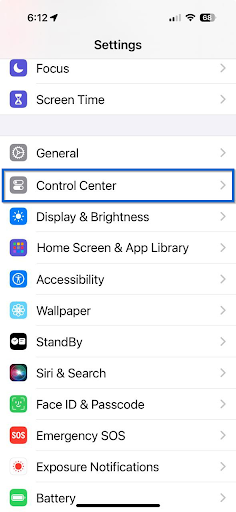
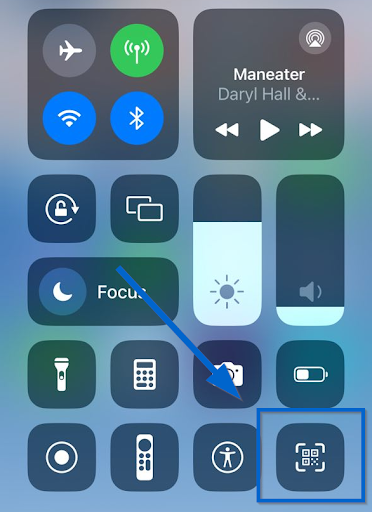
If you have an iPhone, you may already know you can open the camera and open a QR code from the image screen. While this technique is great, it sometimes takes a little bit of time for the phone to recognize that there is a QR code in the frame. To make this process easier you can access the built-in dedicated QR code reader from the Control Center.


To add the QR code reader, go to Settings > Control Center:

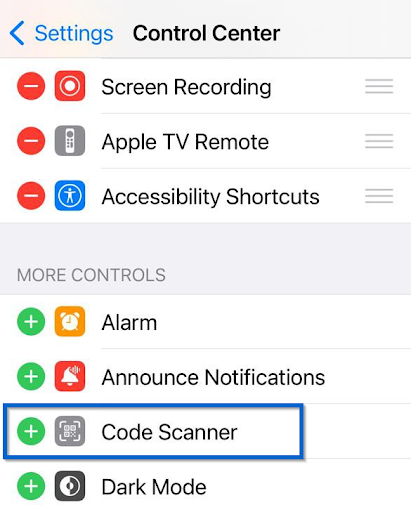
Scroll down to More Controls and look for Code Scanner:

When you find it, click the green + to add it to your Control Center. Now, whenever you see a QR code you want to scan, you can swipe down from the upper right to open the Control Center and then tap the Code Scanner icon:

Two settings I always change in Google Chrome

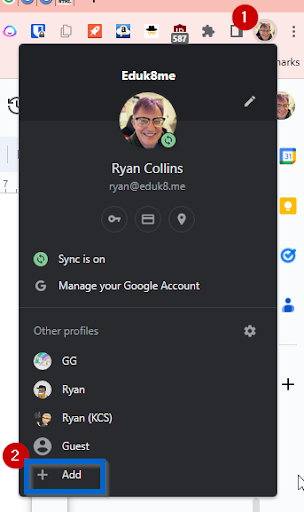
There are two settings that I always change in Google Chrome, one of them is a mystery why it isn't the default. The thing I do is turn on sync. I always sync Google Chrome with my Google account. You can sync your Google Chrome account when you launch Chrome for the first time or from the profile switcher:

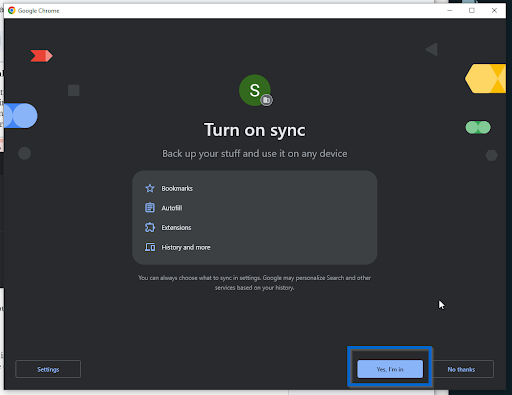
Click the sign in button, and as you go through the prompts, select Yes, I’m In:

The other setting I change on Chrome is telling Chrome what to do when I first open the application. You can tell Chrome to open a new window, continue where you left off, or open to a specific page. I recommend setting your start page to continue where you left off. To do this you will follow these steps: 


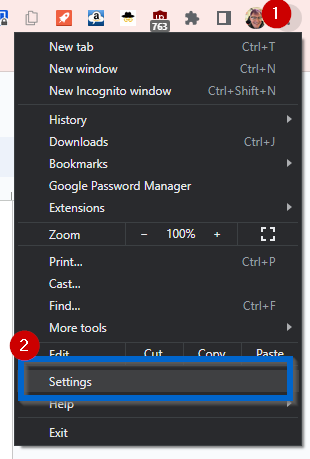
Click on the three dot menu and select Settings:

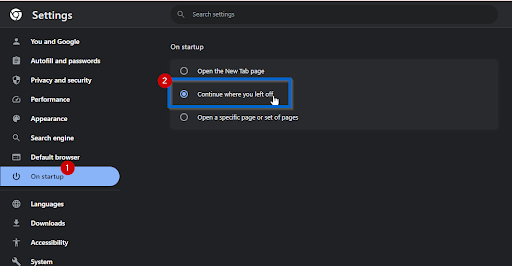
On the left side, find the On Startup option and click on it. 


Then on the right side select Continue where I left off:

With this setting you will always return to where you were with Chrome when you quit the app or restarted your computer.


I noticed a big resistance to restarting Chrome or the computer in the past. I realized that people didn't want to lose their open tabs and this setting solves that problem!

Learn21 Update

This year’s Ohio CoSN-ISTE Conference on November 8th and 9th at The Ohio State University features two standout keynote speakers: Todd Henry and Joseph South.


Todd Henry, an acclaimed author and speaker, is known as an "arms dealer for the creative revolution." He has authored six books, including The Accidental Creative and Die Empty. His podcast, The Accidental Creative, has garnered over fifteen million downloads, providing weekly tips on staying prolific, brilliant, and healthy. In his keynote address Todd Henry will explore unleashing one's best work every day by overcoming the “seven deadly sins" that hinder personal and organizational growth.


Joseph South, the Chief Innovation Officer at ISTE, is a national leader in educational technology and evidence-based learning transformation. His initiatives range from preparing educators for the AI-driven future to improving the quality of educational technology products in classrooms. Joseph's extensive experience includes serving as the director of the Office of Educational Technology at the U.S. Department of Education and providing consulting services in educational technology.


In his keynote, "Standing on the Shoulders of AI: Preparing Students to Thrive in an AI-infused World," Joseph South emphasizes the importance of preparing students to work alongside AI, rather than banning it from classrooms. This approach ensures that students can harness AI's power while preserving their unique human capabilities.


The Ohio CoSN-ISTE Conference promises to provide attendees with valuable insights from these distinguished speakers, shaping the future of education and creativity in our rapidly evolving world.


It isn’t too late to join the conference. Secure your spot to take advantage of these amazing learning opportunities! Registration is open until October 24th. Register early and refer a friend for an opportunity to win free registration for 2024.


We hope to see you there!

Extra Credit

To help us get one step closer, Skynet OpenAI has added the ability for ChatGPT to be able to see, hear, and speak. You will be able to carry on conversations and share images with ChatGPT. You can also circle parts of the image to tell ChatGPT where to direct its focus.


There are some conversations that I try to stay out of, teacher dress codes are one of them. However, this New York Times article on what we lose when we give up on dress codes was too good not to share. What I find interesting in debate is that people do judge a book by its cover, no matter what they say otherwise. For example, I've been stopped in Wal-Mart when I'm wearing a tie because people assume I'm a manager.


Work life balance is tricky, so how do you disconnect from work without feeling guilty? The article talks about many different ways you can separate work time from personal time. I'm a big fan of not bothering staff members outside of working hours by using the scheduled email feature of Gmail. If I think of something I want to ask, I can write out the email now and schedule to send it the next work day. There is also the importance of hobbies. I believe a lot of the strife in life could be solved if everyone had a hobby they loved. For me, it's retrocomputing and vintage video games. Have you found what you're passionate about? Pretty much nothing is off limits!

Bytes and Insights is written by Eduk8me’s Ryan Collins who writes about education and educational technology. He’s also the Director of Technology for Kenton City Schools in Ohio. Sign up for his Of Bits and Bytes newsletter at https://eduk8.me.


Learn21 Logo

www.learn21.org