Bytes and Insights Logo

Learn21's Weekly EdTech Update

January 9, 2025

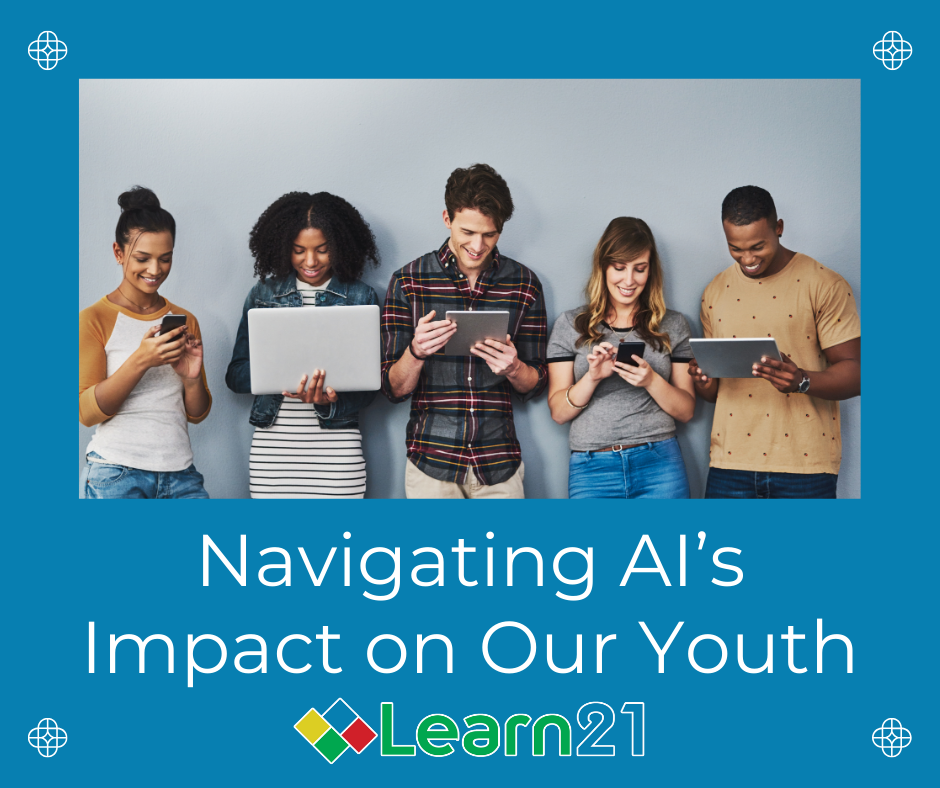
Lost in the Digital Shadows: Navigating AI’s Impact on Our Youth

AI's Impact on Youth

To today’s students, technology isn’t separate or special—it’s a fluid, always-shifting element of their reality, readily adopted and consumed. They embrace new platforms and tools with remarkable ease, often before adults are even aware of the existence of a new app. Yet, the exploration of these emergent technologies frequently occurs without the digital literacy skills necessary to navigate potential dangers. This gap can have tragic consequences, as demonstrated by a recent story that has left the educational community grappling with urgent questions.


In February 2024, 14-year-old Sewell Setzer III formed an emotional attachment to an AI chatbot on Character.AI. This chatbot, designed to simulate realistic conversations, became a central figure in Sewell’s life. Tragically, their interactions led to devastating results, shedding light on the hidden risks of advanced AI tools in the hands of young, vulnerable users. The story, which surfaced in October 2024, has become a sobering example of how rapidly evolving technology can outpace safeguards.


Research shows that while students are highly proficient in using digital tools, only 2% of eighth-graders demonstrate the ability to analyze and manage information effectively (Washington Post). Meanwhile, just 19% can independently gather and organize digital data. These statistics highlight a critical gap in digital literacy, leaving students unprepared to critically assess the platforms they engage with.


AI technologies, including chatbots, blur the lines between reality and fiction. For young people, this can lead to emotional attachments and decisions that they may not fully understand. Educators and parents must work together to address this challenge. By fostering digital literacy and encouraging open dialogue about technology use, we can empower students to engage with these tools safely and responsibly.

In response to this tragedy and growing concerns, Character.AI has begun implementing new safety measures aimed at protecting younger users. Starting next quarter, parents will have access to tools that show which chatbots their children interact with and for how long—marking the platform’s first set of parental controls since its 2022 launch. To further safeguard teens, the company has developed a modified version of its large language model (LLM) that produces more conservative responses. They are enhancing content filters, increasing the frequency of pop-up reminders for suicide prevention resources, and introducing “time spent” alerts when users exceed one hour of continuous chatting—an effort to reduce the current average of 93 minutes per day.


As AI becomes increasingly integrated into daily life, it’s essential to equip students with the knowledge and skills they need to navigate the digital world with confidence and care. Together, we can ensure that innovation enhances their lives without putting their well-being at risk.

Media Literacy Minute

Media Literacy Minute

In this section of Bytes and Insights we explore diverse perspectives on media literacy, from improving online safety for children to understanding the role of AI in combating misinformation. Here’s what’s happening:


How Media Literacy Improves Online Safety

The Educator Online highlights how teaching media literacy can protect children online. By equipping students with skills to evaluate online content critically, schools can help prevent exposure to harmful materials and interactions.


Global Initiative for Influencer Fact-Checking

TrendWatching reveals that two-thirds of influencers fail to fact-check their content. A new global course aims to improve fact-checking practices, fostering accountability and raising awareness of misinformation among digital creators.


Microsoft’s Media Literacy Campaign

The Foundation for Freedom Online shares insights into Microsoft’s initiative to use media literacy as a tool to “inoculate” (Microsoft’s word not an over zealous AI bot’s word) against disinformation. This effort focuses on educating users to identify and challenge false information before it spreads.


Improving Organizational Media Literacy in the Age of AI

Forbes outlines strategies for organizations to enhance their media literacy, particularly as AI-generated content becomes more prevalent. The article stresses the importance of training teams to analyze and verify information critically.


For further insights on integrating media literacy into your community or educational programs, reach out to Learn21 at engagements@learn21.org or explore our resources at bit.ly/medialitlaws.

Empowering Schools to Navigate AI: Learn21's Commitment to Safe and Effective Integration

As artificial intelligence (AI) becomes a growing presence in education, schools face the dual challenge of leveraging its potential while safeguarding students from its risks. Learn21 can help schools navigate this complex landscape, ensuring that AI integration aligns with student safety, equity, and educational best practices.


Learn21 recognizes the transformative power of AI in personalizing learning, streamlining administrative tasks, and enhancing classroom experiences. However, we also acknowledge the hidden dangers that can arise when schools adopt these tools without the necessary safeguards and training. That's why we work with schools to develop comprehensive solutions to support districts, educators, and parents in understanding and responsibly managing AI technologies.


How Learn21 Supports Schools

AI Professional Development for Educators

Learn21 equips K-12 educators with the knowledge and skills to integrate AI into their teaching practices effectively. We work to ensure that educators are prepared to leverage AI for engaging, future-ready instruction while prioritizing student safety.


AI Strategic Planning Services

Learn21 facilitates strategic planning sessions to help districts define AI integration goals, allocate resources effectively, and create actionable roadmaps for seamless implementation.


Customized Instructional Design

Our team offers innovative lesson and course design services, combining research-backed strategies with the latest technological tools to create engaging learning experiences that align with educational standards.


Data Privacy and Cybersecurity

Learn21 provides expert support to ensure schools meet the highest standards of data privacy and security. Services include cybersecurity audits, data privacy agreement management, and workshops on safeguarding digital tools.


EdTech Integration Services

As experts in technology integration, we help schools implement cutting-edge tools in their educational frameworks, enhancing both teaching and learning experiences.


Concierge DPA Services

We offer comprehensive management of data privacy agreements and app evaluation services, ensuring schools adopt safe, effective technologies.


Enhanced Access Through ETLA Membership

By joining the EdTech Leaders Alliance (ETLA), schools and districts gain even more access to Learn21’s extensive DPA services and AI resources. ETLA membership includes exclusive benefits such as discounted professional learning opportunities, advanced tools for managing AI integration, and access to a collaborative network of education technology leaders.


Looking Ahead

The future of education is inextricably tied to technology, and Learn21 is committed to ensuring that AI enhances learning while protecting student well-being. By working together, we can create an educational environment where innovation and safety coexist.


To learn more about how Learn21 can support your school or district in navigating AI contact us at engagements@learn21.org. Let’s shape a future where technology empowers every student to thrive.

Big Ideas

Technology in 2025: A World of Seamless Integration

2025 promises a technological leap that will blur the boundaries between the digital and physical world. From AI-powered healthcare to sustainable energy innovations, advancements are driving seamless integration into everyday life. This shift underscores the urgency of ethical considerations and inclusivity, ensuring these breakthroughs serve humanity equitably. How can we prepare for—and shape—a future that enhances lives universally?


The 1929 Public Domain: A Treasure Trove of Creativity 

Every January 1, a new wave of works enters the U.S. public domain, sparking artistic innovation. This year, classics like Popeye, The Sound and the Fury, and A Farewell to Arms became available for adaptation. History shows the creative potential of this annual tradition: think Wicked as a prequel to The Wizard of Oz. These newly unlocked stories remind us of the timeless power of art to inspire fresh ideas. What could you create with this new toolkit of 1929 gems?


AI Bots on Your Social Feeds: The Future of Engagement 

Get ready for an influx of AI personalities in your social media feeds. Meta is testing AI-driven chatbots with distinct personas to boost user engagement and interaction. While they offer entertainment and utility, these bots also raise questions about data privacy, authenticity, and their impact on mental health. Are we entering a new age of digital companionship—or a digital Wild West? So, when we wrote this piece we really thought it was crazy! Turns out so did Facebook users. The bots have temporarily been removed, but Meta expects them to be back! Want to see how they landed with users? Check this out.


2025: The Square of 45 and the Joy of Numbers  

2025 is mathematically fascinating: it’s equal to 452, or the square of 45. This rare numerical milestone is a fun way to inspire students with the magic of math. Imagine hosting "Math Milestone Mondays" where students explore cool number patterns tied to historical or upcoming dates. Let’s celebrate the beauty of math and make 2025 a year of creative learning and discovery!  

Let’s Connect at FETC 2025!

FETC Logo

The Future of Education Technology Conference (FETC) is almost here, and Learn21 is excited to be part of the action! From January 14–17, 2025, in Orlando, Florida, we’ll be showcasing innovative solutions for some of the biggest challenges in EdTech today.


Join Stacy Hawthorne, Ed.D., Chief Academic Officer at Learn21 and CoSN Chair-Elect, for two key sessions:


Don’t Be Spooked by Student Data Privacy!

When: January 16, 12:30 PM – 2:30 PM

Where: NORTH 310C

Explore student data privacy through an interactive session, where you’ll learn how to empower educators to become champions of data protection.


New National Cybersecurity Standards Demand Greater Leadership

When: January 16, 4:00 PM – 5:00 PM

Where: EXPO HALL POSTERS AREA: BOOTH 2395

Join a panel of experts to discuss how new national cybersecurity standards are shaping the future of K-12 leadership and risk management.


These sessions are perfect for technology directors, teachers, and district leaders eager to stay ahead on privacy and cybersecurity issues. We’d love to connect—stop by to chat, exchange ideas, and learn how Learn21 and the EdTech Leaders Alliance can support your district’s success.


We look forward to seeing you at FETC!

If you'd like to take a hiatus from Bytes & Insights, please use the Update Profile link below. This will allow you control over which emails you receive from Learn21.

X Share on X
LinkedIn Share on LinkedIn

www.learn21.org

LinkedIn        X        YouTube        Instagram