Learn21's Weekly EdTech Update
October 29, 2026
| |
ROI (Ripples of Impact) from the ETLA Conference
By Erica Shumaker
| | |
While attending the 2026 ETLA Conference I had the opportunity to facilitate a focus group for one of our Corporate Council members when a participant said their team is measuring ROI two ways this year: Return on Investment and Ripples of Impact. That idea stuck with me for the rest of the conference.
Most of the time, we track whether an investment paid off in dollars.
We check the budget, count the licenses, and weigh the cost against the result. All important things to do.
How often do we stop and think about the ripples our impact will make?
That is the real return on a conference like ETLA. We spend a few days learning from each other, then we head home to our districts and schools. A tech director tries a new approach with their team. An EdTech Coach shares a strategy with their building. A student gets an experience that wasn't possible last year. One idea, carried home, keeps moving outward.
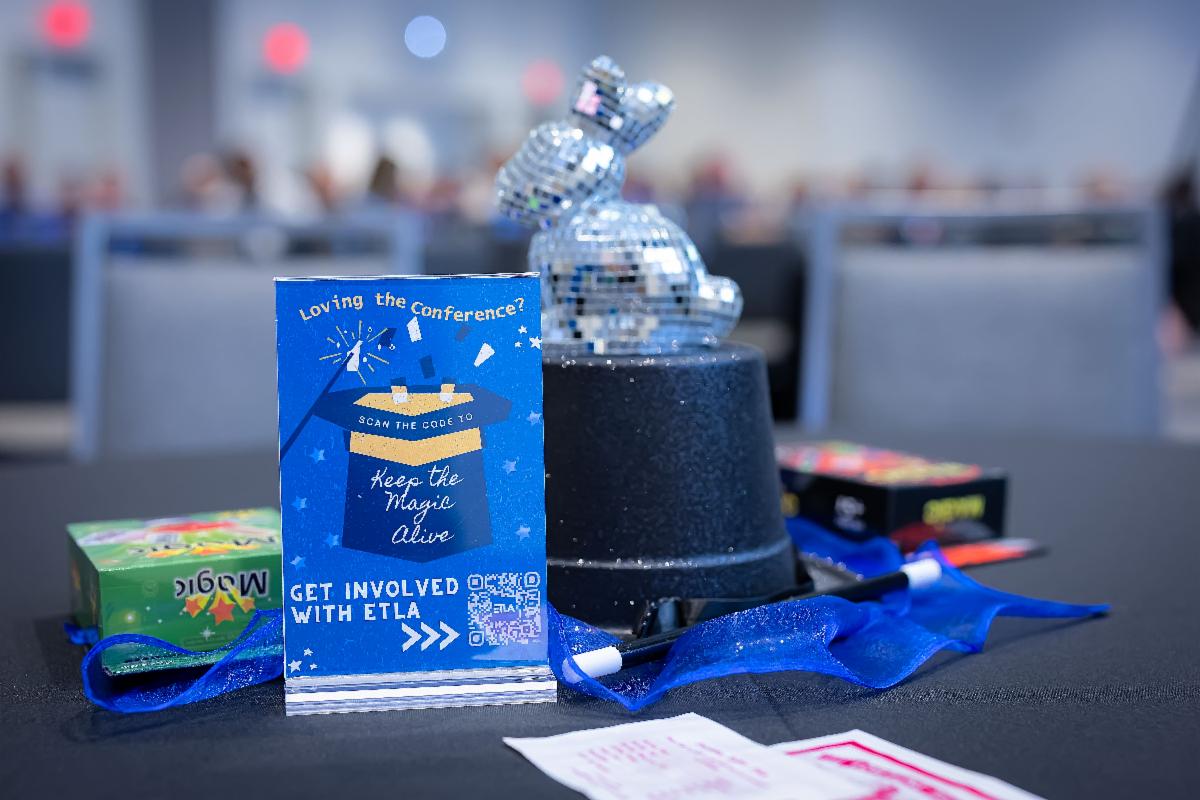
Our theme this year was Magic in Teamwork, and that is where the magic really happens. We don't leave it at the conference it is in what we do together once we're back in our schools and districts.
| |
Highlights from the Conference
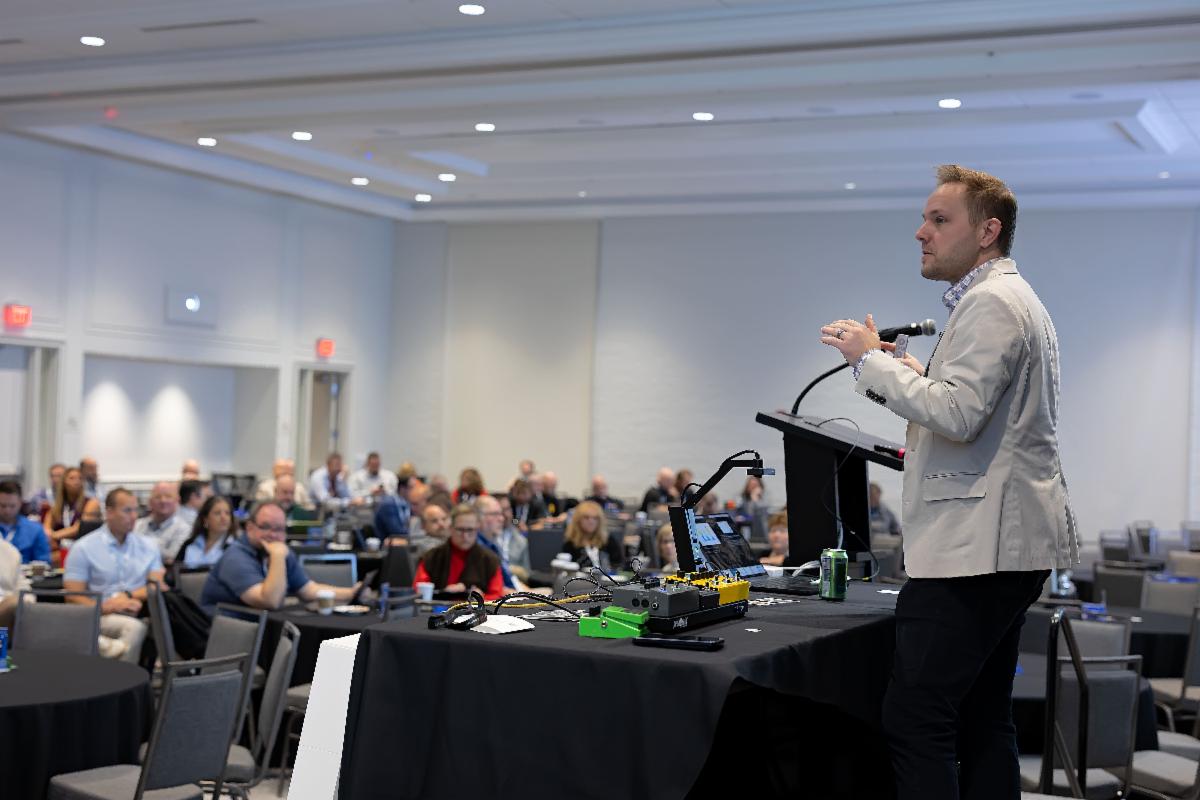
Brandon Langer's keynote gave us powerful illustrations you could see (and hear!) about using technology in education. His message on building initiatives that outlast the next trend, the next tool, and even the person who started them handed every leader in the room a method to take home.
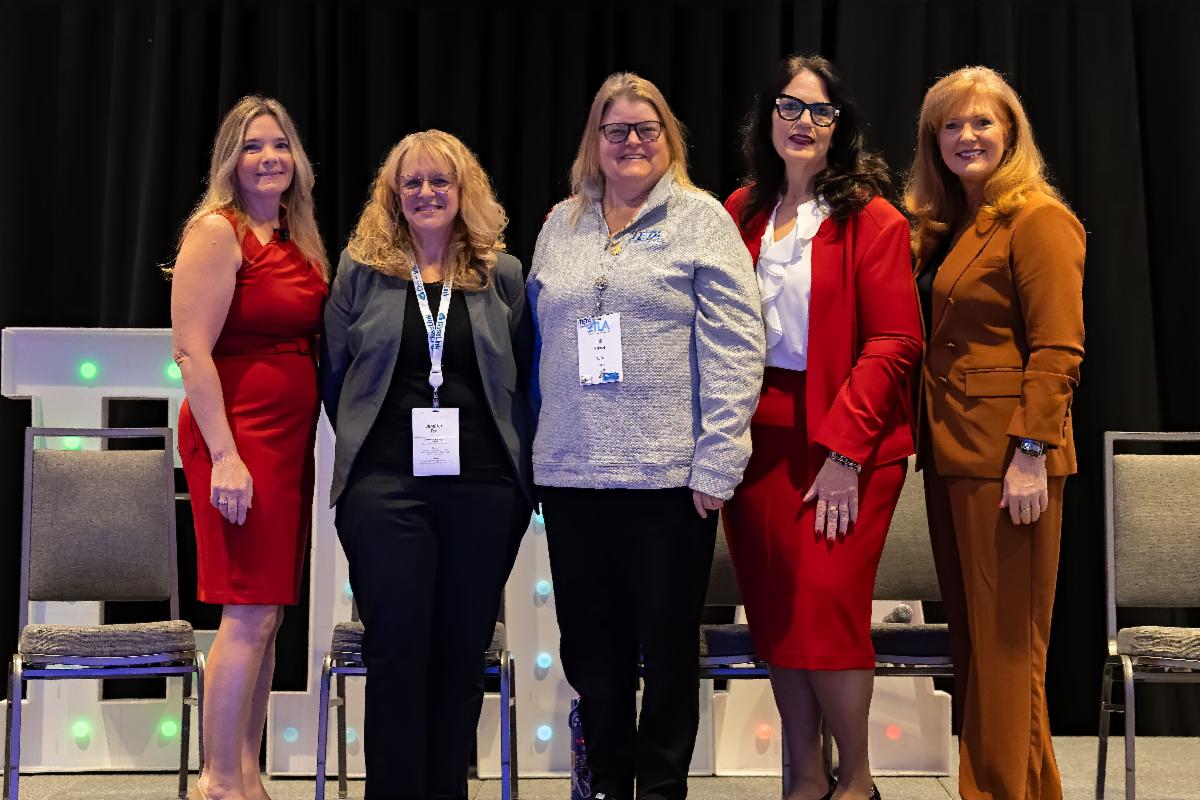
Dr. Stacy Hawthorne's panel, Purpose in Practice: Powerful EdTech at Every Level, showed how purposeful technology can positively impact student lives at the district, state, and national level. She was joined by:
-
Jennifer Fry, North Central Ohio Educational Service Center, bringing the district perspective
-
Dr. Amy Perry Delcorvo, NYSCATE, and Jill Pierce, TETA, on how statewide organizations help districts learn from one another
-
Jennifer Womble, FETC, sharing a national view of what's emerging across the country
And we can't forget Matthew Mays' incredible OH Talk to kick of Day Two of the conference. I laughed, I learned about pig racing in England, and I walked away excited to keep ETLA weird.
| |
Connections Were Forged
Teamwork starts with connection, and we saw it everywhere: watching two men named Brandon guitar it up, at mini golf, on the dance floor, and playing midway games in the vendor hall.
We love watching vendors and sponsors connect with attendees in the Vendor Hall and at our social events. Those conversations are where partnerships begin, and partnerships are how good ideas reach more students.
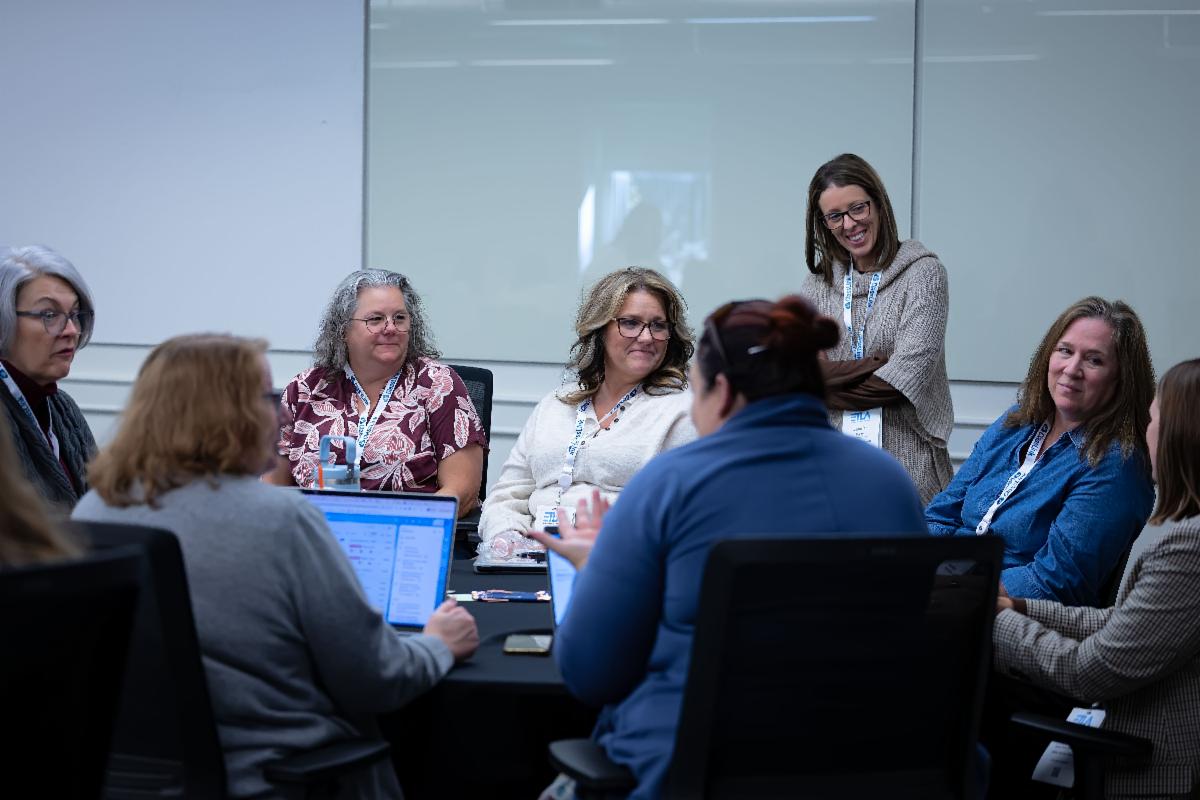
The Women in EdTech Community was a hit, and it will continue to grow. If you missed the launch, there's plenty of room to jump in!
The Emerging Technology Community has a new vision and a clear path forward. As AI and other new tools reshape our classrooms, this is the place to help shape what comes next.
You can reply to this email to let us know you are interested in joining these communities .
| |
A Shout-Out the Team that Brought the Magic
Bringing teams together was the heart of Magic in Teamwork, and our workshops did exactly that:
-
Evin Schwartz from Thinkering Collective shared his magic with us at the conference and conducted interviews with the ETLA community and brought opportunities for educators in Ohio.
-
CETL Workshop, led by Mike Daugherty of Chagrin Falls Exempted Village Schools, helped more educators join Ohio's growing group of CETLs.
-
EdTech Coaching Certificate, led by Tracee Keough of Forward Edge, equipped coaches to support the educators around them.
-
Design for All Workshop kicked off our new partnership with CAST.
-
Pre-Conference AI Workshop, hosted by Five Star Technology Solutions, gave 19 attendees an early start.
Every name on our attendee list is a ripple. A special thank-you to the teams who brought a crew:
Hilliard City Schools led the way with five attendees, followed by Field Local Schools with four.
Beavercreek City Schools, Bellbrook Sugarcreek Schools, Delaware City Schools, Dublin City Schools, ESC of Central Ohio, Lorain County JVS, New Albany-Plain Local Schools, North Fork Local Schools, and Olentangy Schools each brought three attendees!
And to the Sponsors who showed up in force, including ClassLink, Five Star Technology Solutions, PDQ, SysCloud, and CDW: thank you for being part of the magic.
| |
Get Ready to Rock the Boat in 2027
Mark your calendars and plan to get involved in next year's ETLA Conference. We'll post details in early 2027. When we do, your opportunity to present a session, find out what object we will disco next, and increase your impact on student lives will be calling you to come aboard!
A special thank you to Rebecca Coyle for the beautiful photos that captured the magic of the 2026 ETLA Conference!
| | |
Encourage Good Digital Citizenship and Critical Thinking This Media Literacy Week
Media Literacy Week is almost over, and educators and families are invited to think about what responsible digital citizenship looks like. This Mountain Lake PBS piece describes media literacy as the skills to analyze content, spot misinformation, evaluate sources and create media thoughtfully. It also points to free K-12 videos and lessons on fact-checking and responsible AI use.
Internet Safety for Kids in the Age of AI
AI is now built into the search tools, games, homework apps, and smart speakers kids use every day. That makes familiar risks like misinformation, impersonation and data collection faster and harder to spot. This Geisinger guide gives parents six practical steps. They include creating a family tech plan, approving apps together and teaching kids that images, videos and voices can be AI-generated.
Cybersecurity Month: AI, Deepfakes, and Digital Trust
AI has made phishing messages more convincing, and deepfakes and voice cloning mean a familiar face or voice can no longer be trusted on its own. This University of Maryland, Baltimore piece recommends three habits: pause, check unusual requests through a separate channel you already trust, and watch for pressure to act fast. They’re worth teaching students and families alike.
| |
From Guidelines to Practice: Training Staff and Building Family Trust Around AI
By Danni Tymitz
| | |
Last week in "Your AI Policy Is Finished. Now What?" we looked at the step that follows a board's AI policy vote: writing administrative guidelines that turn broad policy language into clear, day-to-day expectations. Even the clearest guidelines only work if the people around students understand them and believe in them.
Teachers, students, and families all sit somewhere on a wide spectrum of comfort with AI. Some are eager, some are wary, and many land in between. Bringing your guidelines to life means meeting each group where they are, starting with the staff who will put them into practice and the families who need to trust them.
Train Staff to Use AI and to Let Students Use It
Guidelines only work if teachers feel confident applying them. Your staff sits on the same spectrum as your students. Some teachers already use AI every day to plan lessons. Others have never opened a chatbot and feel uneasy about the whole idea.
Training needs to address two kinds of comfort: comfort using AI yourself, and comfort allowing students to use it. The second is often harder. A teacher can become a confident AI user and still feel nervous about opening the door for students.
A few strategies help:
- Start with teachers' own work. Let staff try AI for tasks they already do, such as drafting parent emails, differentiating a reading passage, or building a rubric. Early wins build confidence.
- Model student use in real lessons. Show what a well-designed AI-allowed assignment looks like, including the AI use level, the disclosure expectation, and how the teacher assesses the student's thinking.
- Practice the hard conversations. Role-play what to do when a teacher suspects misuse. Focus on learning conversations rather than gotcha moments, and remind staff that AI detectors are unreliable.
- Differentiate the training. Offer entry points for beginners and deeper sessions for early adopters. Let your confident users become building-level coaches.
- Make it ongoing. A single in-service day won't hold. Build in short check-ins, shared examples, and time in PLCs to revisit the guidelines as tools change.
When teachers see that the goal is better thinking, not less work, they're far more willing to let students in.
Earn Family and Community Trust
Families can't trust a plan they've never seen. Transparency is the foundation of your AI outreach, so share your approach early, clearly, and often.
Parents sit on the same spectrum as everyone else. Some will want their children using AI as much as possible to prepare for the workforce. Others will want it out of classrooms entirely. Most fall somewhere in the middle and simply want to understand what's happening. Expect pushback from both directions, and plan for it rather than reacting to it.
A solid outreach plan includes:
- A plain-language summary. Translate the policy and guidelines into a one-page overview for families. Explain what AI use looks like at each grade level and why.
- A public home for your plan. Post the policy, guidelines, approved tool list, and FAQ on your district website, and keep it current.
- Family learning nights. Invite parents to try the same activities students do. Seeing a well-designed AI assignment often eases fears faster than any letter home.
- Clear data privacy answers. Tell families which tools the district approved, what student data those tools collect, and how you protect it.
- A two-way channel. Offer surveys, listening sessions, or a dedicated email so families can ask questions and share concerns. Then show them how their feedback shaped the plan.
- Consistent messages from every building. Equip principals and teachers with talking points so families hear the same thing at the ballfield as they do in the newsletter.
When pushback comes, lead with shared goals. Nearly every parent wants the same thing you do: students who think critically, act honestly, and leave ready for what's next. Start there, and the conversation gets easier.
Your Next Steps
Your policy gave you the foundation. Now it's time to build on it. Use this checklist to keep the work moving:
- Form a guidelines team that includes teachers, students, families, and building leaders
- Hold a values conversation about the AI skills your graduates need
- Draft administrative guidelines for students, teachers, and administrators
- Adopt a shared AI use language across all buildings
- Build a tiered, ongoing professional learning plan for staff
- Publish a plain-language family summary and a public web page for your plan
- Host at least one family learning night this school year
- Set a review date to revisit the guidelines as tools change
The districts that thrive with AI won't be the ones with the longest policies. They'll be the ones that turn broad policy into clear, shared practice, and keep talking with their communities along the way.
| | Big Ideas: Tech to Lift your Mood | | |
The Birds Have Opinions, and Ladies, It’s You
Urban birds are more scared of women than men, and nobody knows why. Researchers had men and women, matched for height and clothing, walk straight toward birds in city parks across Czechia, France, Germany, Poland, and Spain. On average, the men got about a meter closer before the birds took off. The result held across all 37 species studied, from jumpy magpies to pigeons that barely move. The authors suspect the birds may be picking up on hair, gait, body shape, or scent. The pigeons declined to comment.
Your Evil Twin, But Make It Molecular
“Mirror life” doesn’t exist yet. Scientists are already building a way to detect it, which is the most responsible thing to happen in a horror plot ever. It would be built from mirror-image versions of the molecules all Earth life uses, and some experts worry it could slip past the natural defenses that protect people, animals, and plants. Researchers at Strathclyde and Durham propose spotting it with fluorescent probes and circularly polarized light, the same basic principle behind the 3D glasses you wore to that sequel nobody asked for. The team stresses that the threat is hypothetical and the method is a precaution, one they can test without ever creating a mirror organism.
Mark Your Calendar: The Apocalypse Is Friday the 13th
In 1960, the journal Science published a paper titled, no kidding, “Doomsday: Friday, 13 November, A.D. 2026.” Cybernetics professor Heinz von Foerster and two of his students argued that the human population would approach infinity on that date, leaving us not starved but “squeezed to death.” The awkward part is that the math was more accurate than most demographers’ projections through the 1970s and ’80s, until around 1993, when the real population started falling behind the forecast. The world’s birth rate today is just under half of what it was in 1960. Doomsday is canceled. Please return your bunker to the store with a receipt.
One fear has no explanation, one has a contingency plan, and one was canceled in 1993. Happy Halloween!
| | | | |