Each month we are highlighting Cradle to Career partners showcasing their dedication to our mission of preparing every child for success in school and life, ensuring the economic vitality of our community. | | |
|
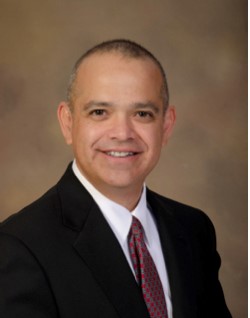
Dr. Lopez shares goals and changes in the world of STEM at the University of Arizona | |
|
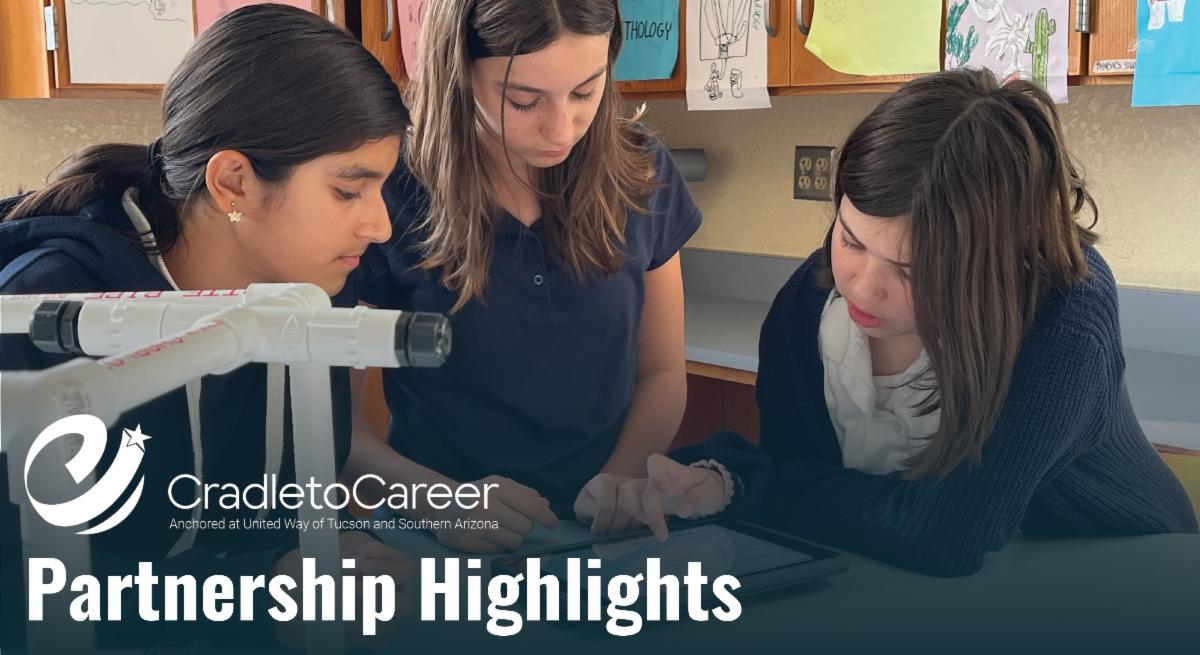
Tell us about instances in which you have ensured that institutions, organizations, and individuals contributing to the shared goal are coordinated (this could be communications, collaborative action network/workgroup meetings, etc.). Preparing the next generation of Science, Technology, Engineering, and Mathematics (STEM) professionals takes building strong collaborative partnerships. One such partnership is working closely with Miles Chandler, Program Manager, Cradle to Career Partnership, United Way of Tucson and Southern Arizona. Our 4-H STEM YOUniversity Cooperative Extension Program, at University of Arizona has shared our STEM curriculum and coordinated training workshops with Miles so he can in turn teach students at the Middle Schools and Boys and Girls Clubs he is collaborating with. The STEM curriculum focusses on the projects: Greenhouse Sustainable Energy Engineering Design and Underwater Robotics.
What examples can you share of different types of data (population-level, program-level, and individual-level data) being used to inform decisions that improve outcomes for youth and families? When we began to build our new 4-H STEM YOUniversity program over 8-years ago our focus was to address the challenges students face when learning math. The data of math achievement levels for all students regardless of ethnicity especially youth of color, underrepresented, and underserved students is below average. Understanding that math is a prerequisite for most STEM fields our STEM Team intentionally incorporates math concepts into our curriculum. At the program level, receiving feedback from participants, 4-H staff, and volunteers has been critical in meeting the needs of our communities implementing the STEM projects and building a strong statewide STEM program with the ability to grow. Our program is now available year-round, and curriculum is accessible to educators online. What is still needed are volunteers to help lead these projects.
What policy changes have been made to advance equitable outcomes and narrow disparity gaps for youth and families? Our STEM programing has advanced equitable outcomes and have narrowed the disparity gaps for youth and families by making available these STEM projects in each of the (15) Cooperative Extension County Offices and our (5) Federally Recognized Extension Programs (FRTEP) across the state. This was capable with the support of the 4-H Youth Foundation and grant funding that helped purchase STEM supplies for our STEM projects and support youth and staff to attend STEM conferences. Even with this vision and support what we still need are volunteers to help teach youth in their communities.
| |
|
This past month you might say that Cradle to Career (C2C) went on a listening tour. The C2C staff spent time traveling near and far to gather new perspectives and connect with other humanitarians across the country. On our pursuit for success in school and life for every child in our community it’s important that we learn what others are doing now, why some have hit roadblocks, and where our equitable visions can lead us. Miles Chandler, our Program Manager focusing on Empowering STEM Innovators, began the tour in our own backyard with attending MIT Solve’s 2024 Indigenous Innovators Summit.
“It is important to understand the indigenous landscape and what could be done in our community here,” Mile’s reflected. “The systems [we have in place] are not one’s indigenous people came up with. These systems are one’s they were thrusted and forced into, which led to things already starting out tense.” Speakers at the forum ranged from business owners to non-profits, and even politicians. Most notably in attendance was Heidi Todacheene, senior advisor to Deb Haaland, who serves as the Secretary of the Department of the Interior (DOI) for President Biden. Miles had the opportunity to partake in her Q and A discussion and learn more about the DOI’s plans for the future. Miles added, “From an equity lens we can learn how we can hear their voices better and innovate with them to help those communities.”
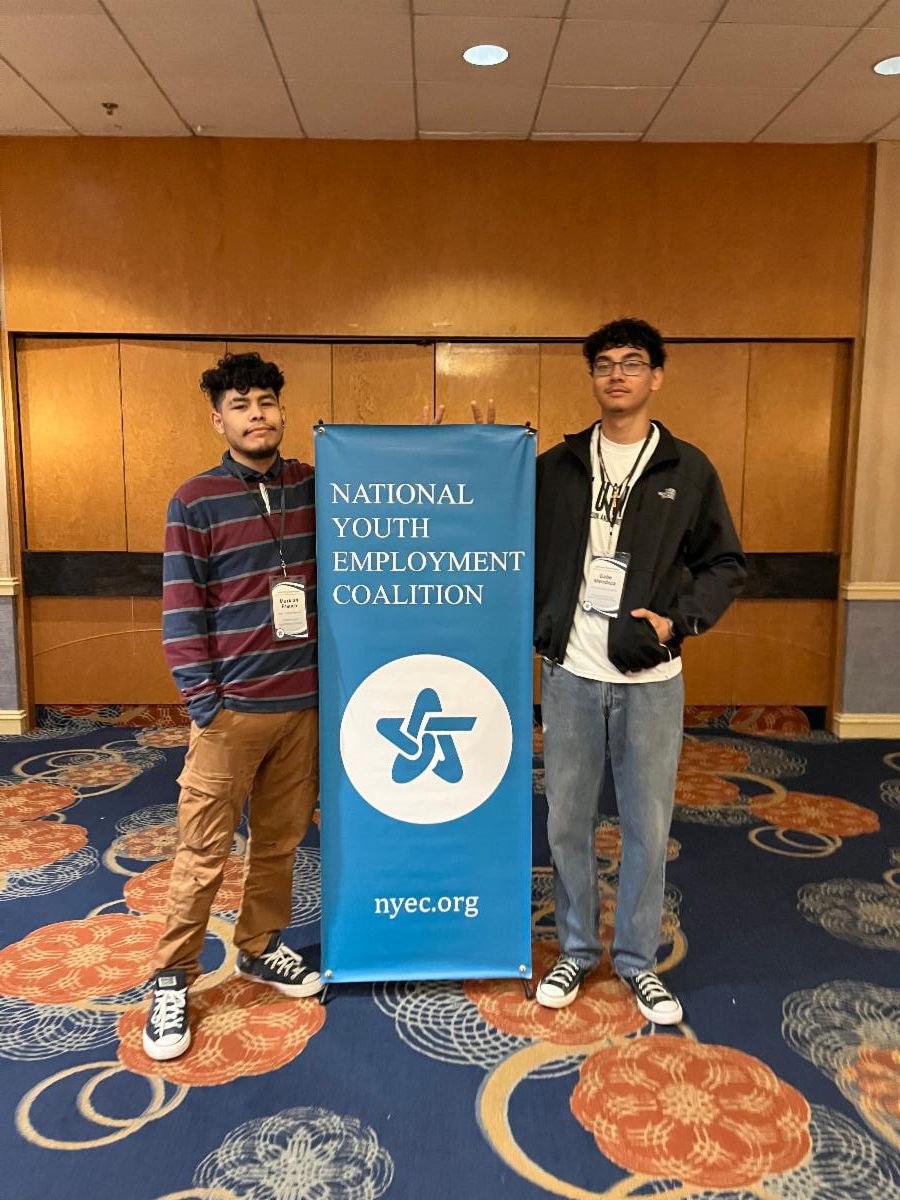
While Miles was able to learn from visiting Indigenous leaders while staying in our own backyard; our Thriving Futures staff decided to open doors for C2C in “The Gate City.” Gabe Mendoza and Paul Braden ventured to Atlanta to attend the 2024 National Youth Employment Coalition. This year’s conference theme being, ‘Together Towards Tomorrow: Pursuing Youth Prosperity.’ They attended lectures and workshops with youth leaders, practitioners, policymakers, and stakeholders from all over the nation. Where the topics focused on advancing the lives of opportunity youth and young adults; they got to find out what other communities are doing and offer advice to humanitarians that are experiencing obstacles we have already encountered.
“The most interesting part of the conference was hearing Chris Ward from The Skill Center in Tampa, Florida,” exclaimed Gabe. The Skill Center is a non-profit that focuses on creating academic success and developing leadership skills through the power of sports. “In the future I want to start my own non-profit, and now I found one that is already doing what I want to do,” he said. Although these communities we are learning about may have a different landscape than Tucson, it is evident that there is still a lot we can learn from them.
“It was important to go because it helped widen our lens. Tucson is very dense with non-profits, and we got to see how communities around the nation worked within this space,” Paul shared. “My biggest takeaway from the conference was the impact, importance, and power of storytelling. Which is something we are focusing on here, so it was great to see how others are doing it.” C2C is humbled that our staff came back energized and motivated from these opportunities and are excited to see they use their newfound knowledge to engage with Tucson.
These three are not the only ones learning on the road! Check out our Data Manager’s reflection from her recent escapade to the Helio’s Education Foundation in Phoenix where she explored how AI is being used to measure data in our Data Spotlight article below!
| |
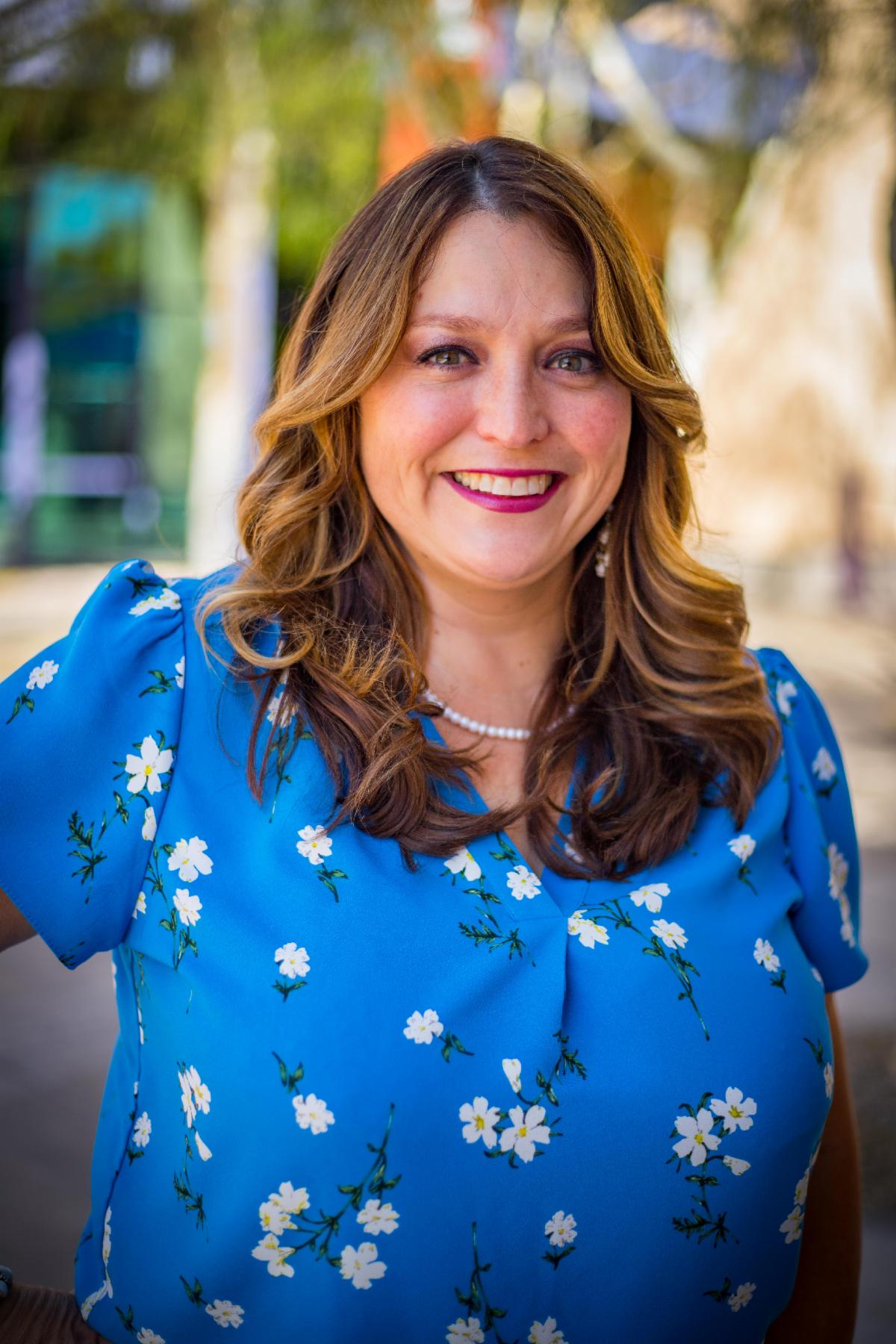
C2C backbone spotlight: AMBER SCHLAK | |
|
What is your title and role?
I hold the position of Program Director for C2C, where I guide the C2C team in creating System-Informed Programming tailored to community needs. Additionally, I supervise programming initiatives for Thriving Futures, Empowering STEM Innovators, and manage and run the Leaders in Literacy Program.
What previous work have you done in relation to this role?
Prior to joining C2C, I spent 21 years as an elementary teacher in the Tucson Unified School District. Holding a Master of Education degree in Early Childhood Education, along with reading endorsement and K-8 teaching certificate, I taught various grades from Kindergarten to 3rd grade. Throughout my career, I fulfilled roles such as English Language Teacher, Reading Specialist, and Inclusion Teacher. My extensive literacy expertise has allowed me to develop and grow the Leaders in Literacy Program over the last 3 years. Starting with 8 educators in 2 schools, the program has now grown to include 68 educators across 3 school districts.
What work are you currently doing with community partners?
I run the Leaders in Literacy Program that provides job-embedded professional development for Kindergarten to 3rd grade educators that is teacher-driven and data-informed to ensure students are reading proficiently by 3rd grade. Our program gives educators the skills, confidence and flexibility needed to meet the diverse educational and social emotional needs of students. I work with Marana Unified, Sahuarita Unified and Tucson Unified School District educators and staff. Furthermore, I develop and cultivate relationships with community stakeholders invested in improving educational outcomes in our 3 priority programming areas.
What are the benefits of your work for the community?
Being able to read by the end of 3rd grade is a crucial educational marker that puts students on a pathway to high school graduation, thereby preparing them to attend college and pursue a career. Reading is also the most common and greatest skill used in every job type across the United States. Yet currently, only 40% of 3rd graders in Pima County are reading at grade level (ADE, 2023). We address this low reading rate by working directly with educators and school districts to give them the opportunity to codevelop strategies and solutions to help these students.
| | |
|
|
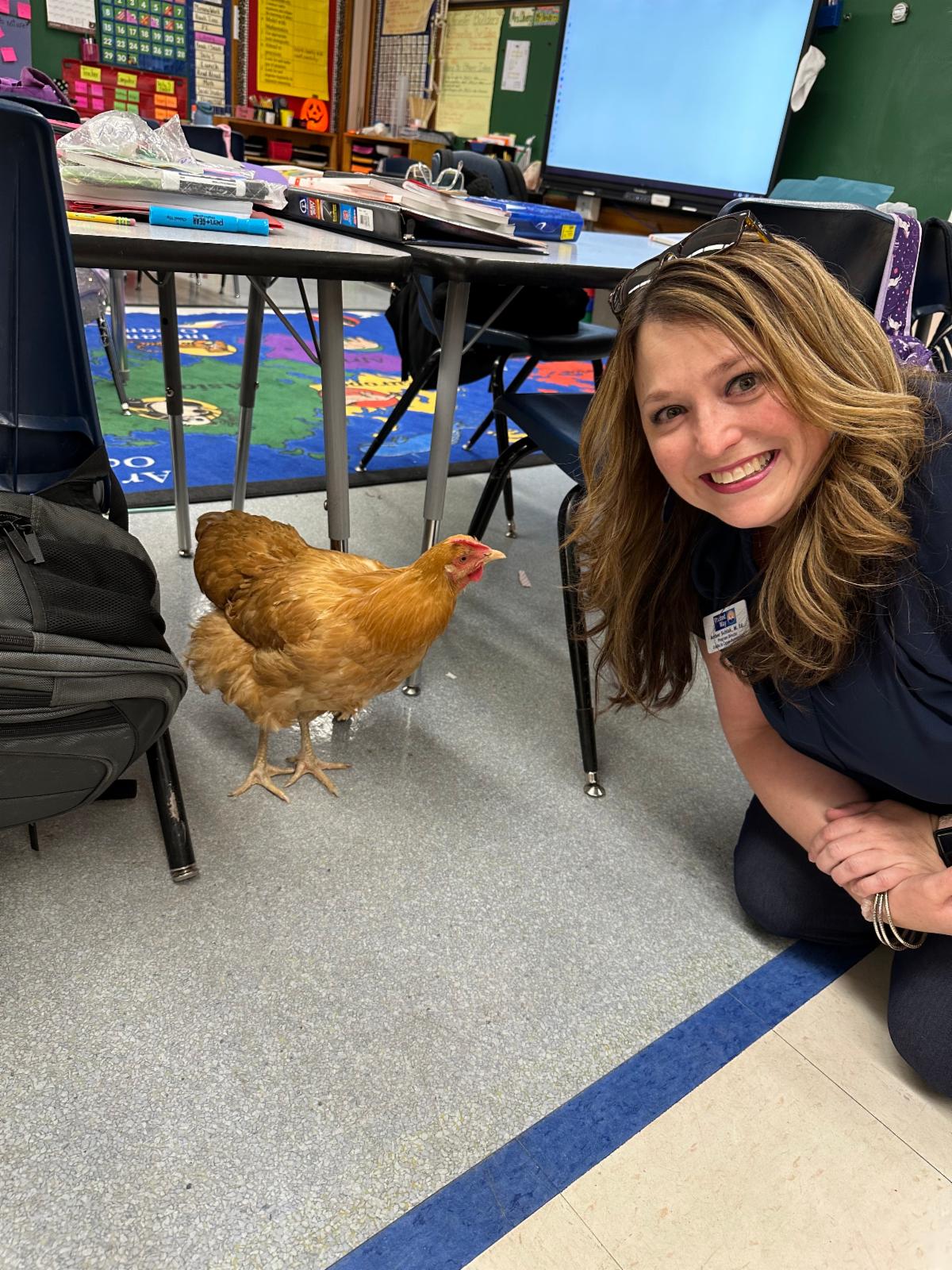
What’s with the chicken?
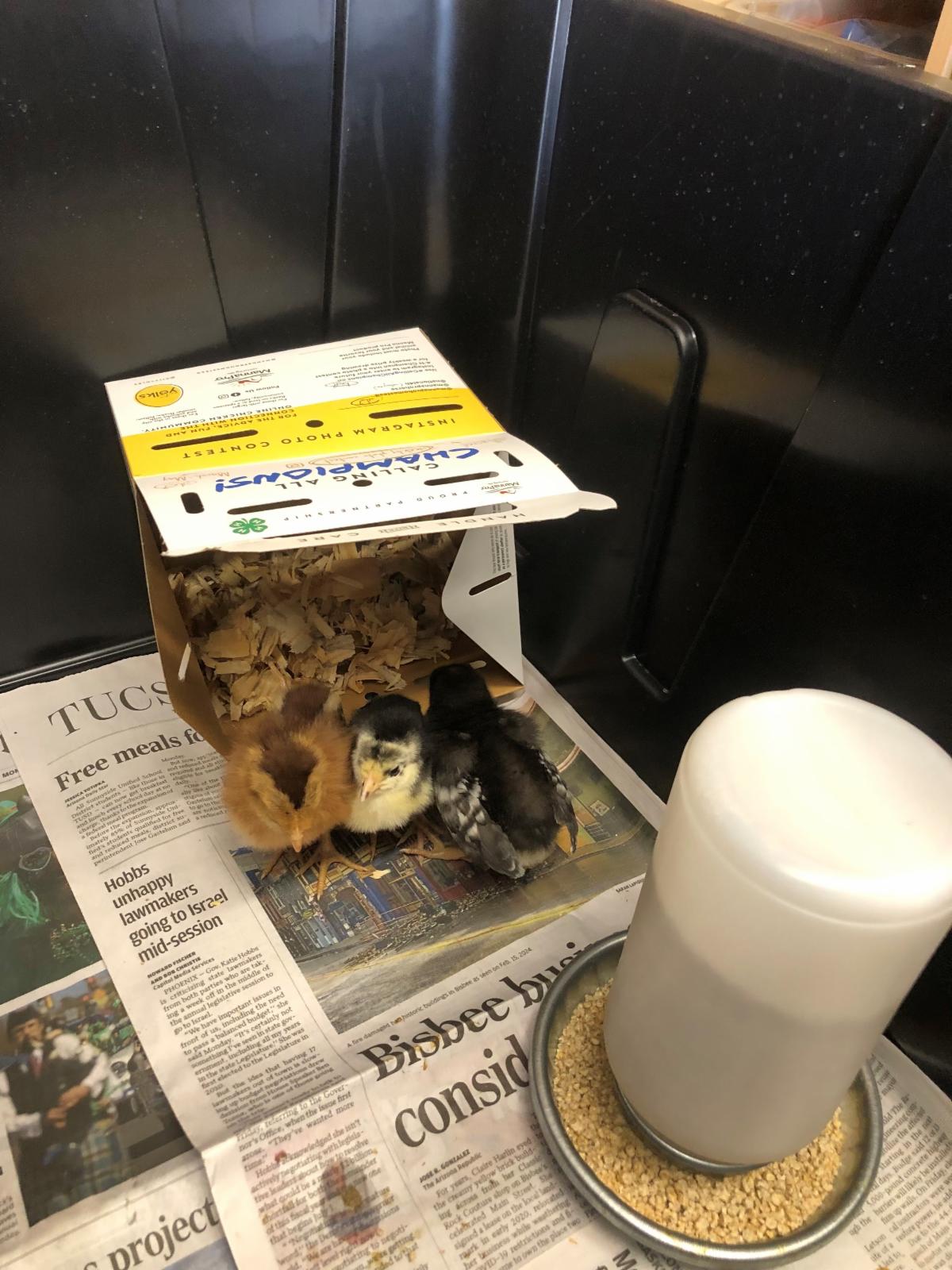
Peter Howell Elementary, a partner in the Leaders in Literacy Program, introduced gardening and chickens to enhance students' academic and social/emotional development. Lucy, the chicken, was hatched and has become a permanent classroom resident. She engages with students during the day, reading and interacting, and spends evenings with the custodian. Peter Howell Elementary also hired a specialist for the garden and chickens, added three new chicks, and built a new coop and enclosure. The best part is that 1 year old Lucy joins us for our C2C meetings and thrives in the spotlight!
| |
|
Convening for Data Science Education
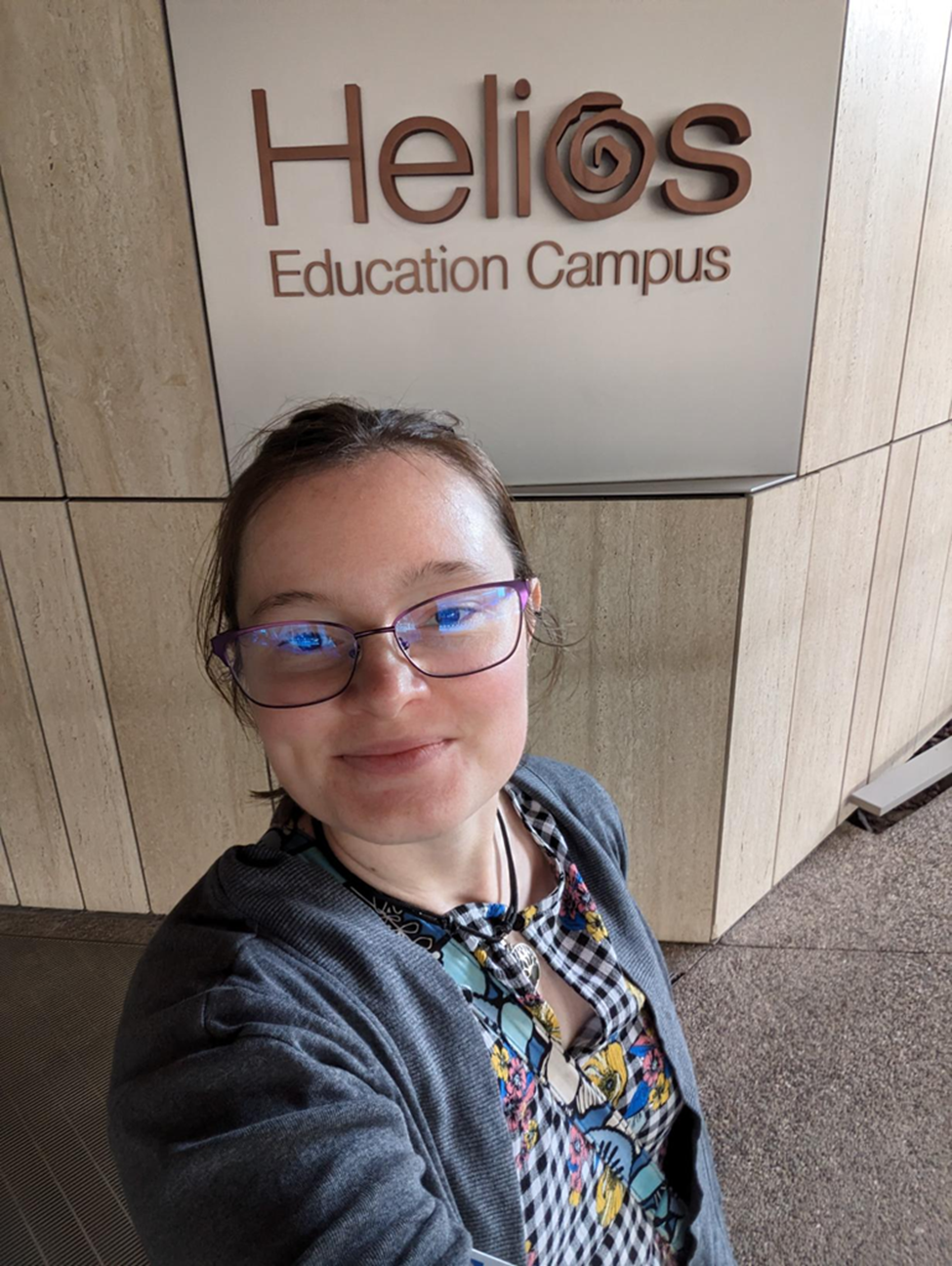
A conference in Phoenix brought fresh ideas and new connections to the data team. In late February, Laura Haferkamp, C2C’s Data Manager, had the privilege of participating in conversations around data science education across Arizona’s K12 and post-secondary institutions at the 2024 Data Science Convening hosted by the Helios Education Foundation.
As you likely know, the amount of data in existence keeps growing. Every day sees more publicly available data, from DNA analysis of newly discovered species to entire books. Even artificial intelligence (AI) is built off massive collections of data. As Dr. Deborah Hughes, Professor of Mathematics at the University of Arizona, stated at the conference, “AI doesn’t exactly ‘know’ anything. Instead, it uses a massive database of content pulled from numerous sources to create statistically probable sentences, images, and more according to user-provided prompts.”
The fact that AI only produces statistically probable content is important for us all to understand. This limits AI’s ability to create accurate arguments, unique ideas, or complicated explanations, since it does not actually understand anything. However, it also means AI can easily find trends and anomalies in massive amounts of data in mere seconds, allowing it to be an amazing tool for data analysis. It could also evaluate numerous academic articles to recommend the best-suited ones for research projects. However, there are clear drawbacks, since there is nothing to prevent websites from publishing AI-generated articles, complete with their own made-up data.
The duality of AI’s potential means understanding AI is now a fundamental tech literacy skill, both in the workplace and in education. The conference speakers generally hold that AI will allow workers to automate many of their tasks, but only a small fraction of jobs themselves. Being unable to use AI appropriately will likely become akin to being unable to send an email, but relying on it for the wrong things could lead to a wide range of inaccurate reports, poorly engineered products, and medical errors.
To help prepare today’s students for appropriate AI use, educators at all levels are looking into ways to teach students of all levels about the power, importance, and dangers of this growing technology, as well as the data science which fuels AI. If you would like to learn a bit more about this topic, or any of the other exciting directions STEM education may need to shift towards, check out the conference materials here: 2024 Data Science Convening.
| |
|
Measure What Matters Workshop – Understanding and Creating Data Visuals
Our next Measure What Matters Workshop in on April 10th here at the United Way Campus. Laura is excited to welcome you to the second run-through of this workshop to explore what graphs mean, what changes you can consider to improve a graph, and even how to decide on a graph type. If you would like to join us for this free workshop, or any of our future ones, you can sign up here: https://www.surveymonkey.com/r/WWBHZX9.
| |
|
Join Young Leaders United for their inaugural fundraising event in celebration of our next generation of community leaders on Friday, May 17th.
Toast to Tucson is not your traditional charity event--it's more of a mini festival with local artists and creators, delicious local food, great connections, and live music! We will also be presenting two awards during the event:
The Howard Stewart Emerging Philanthropist Award will recognize an up-and-coming leader who is dedicated to giving back, volunteering, and making a difference to drive positive change in our community.
The Rising Star Award & Scholarship will spotlight the resilience and determination of an Opportunity Youth who has overcome adversity to become an inspiration to their peers.
Nominations for both awards are open now, so please help us share or nominate a deserving candidate!
| |
Make a gift to the Cradle to Career Partnership and keep the work moving forward. | |
Cradle to Career Partnership | c2cpima.org | 520.903.9000 | | | | |