|
Written By: Dana Boole, President & CEO, CAHEC
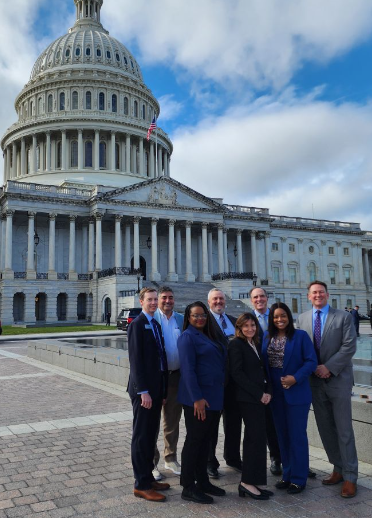
Advocacy is more than a cool photo op with a local representative at a groundbreaking or ribbon cutting. It’s a necessary part of what we do to further the impact and effectiveness of our organizations, industry, and the greater good.
When one considers the creation, evolution, and aspirations behind the LIHTC program, none of it, especially in the mid 1980s, would have occurred without the vision of individuals and groups who saw an affordable housing issue. The formation of Federal tax incentives has proven to be one of the best ideas to solve this ongoing problem, which privatizes the investment, development, and ownership of affordable housing. Fast forward nearly 40 years, and I believe our journey has met expectations. According to the ACTION Campaign, LIHTC has financed nearly four million homes for low-income families and individuals since 1986.
All said, and in my personal experience, there are three keys to how your engagement can foster impact:
Be active. One-on-one time with House and Senate members (including their legislative aides and regional directors) is critical to telling the story. They appreciate and particularly take note of subject matter experts who can share anecdotes of how current conditions and potential actions can affect their constituents. Establishing these relationships - whether at a property in their district or Washington DC offices - is imperative.
Make it ongoing. The best time to interact with legislators is when you don't have to ask. A chance to build rapport and discuss your organization, the marketplace, issues/opportunities, etc., will affirm your role as a subject matter expert. Consequently, when an issue arises, you have a far greater likelihood of reaching out and being greeted by your contact with a "hello, how can we help you" versus "I'm sorry, who are you?"
Collaboration. As the adage says, "there is strength in numbers." Reaching out to an industry/personal friend, trade group, or even me as to key contacts, questions on legislation, and issues/opportunities, is a meaningful way to share ideas and affirm whether or not you're going down the right path.
Advocacy shouldn't be viewed as something one does when they have free time. It's a tool for mitigating roadblocks, refining policy, and improving the lives of those we serve. We hope you'll join us in our efforts. Feel free to reach out if we can be of any assistance.
|