|
Collaborating for the Advancement of Interdisciplinary Research in Benign Urology
View as Webpage
| | ANNUAL CAIRIBU MEETING HIGHLIGHTS | | |
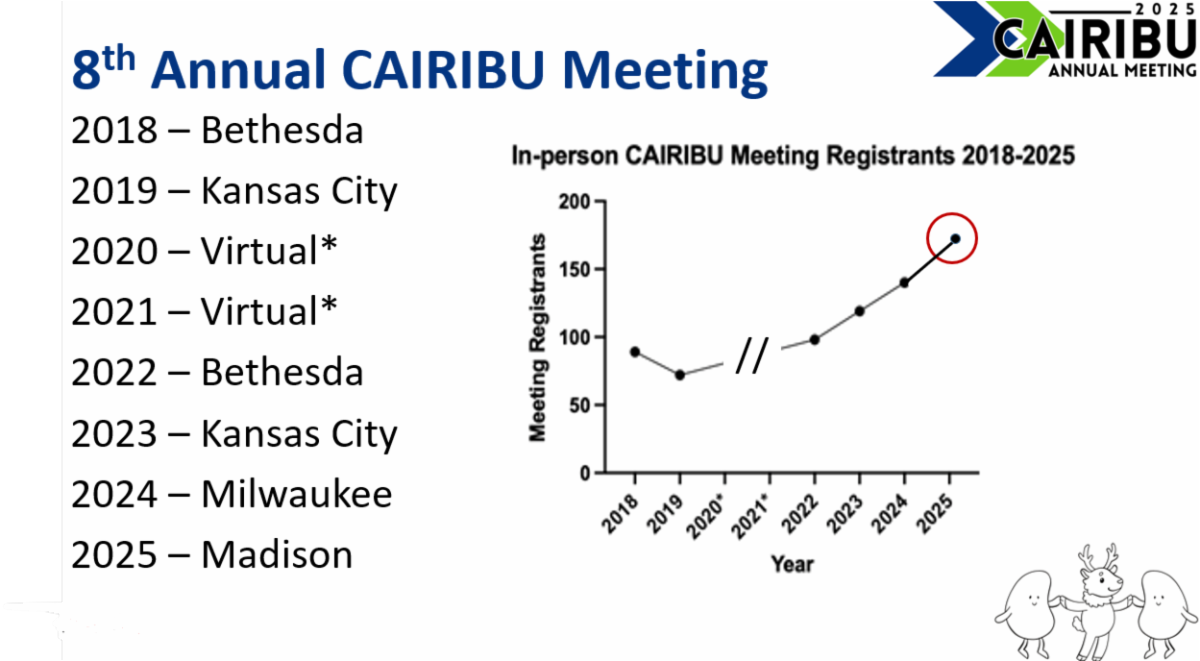
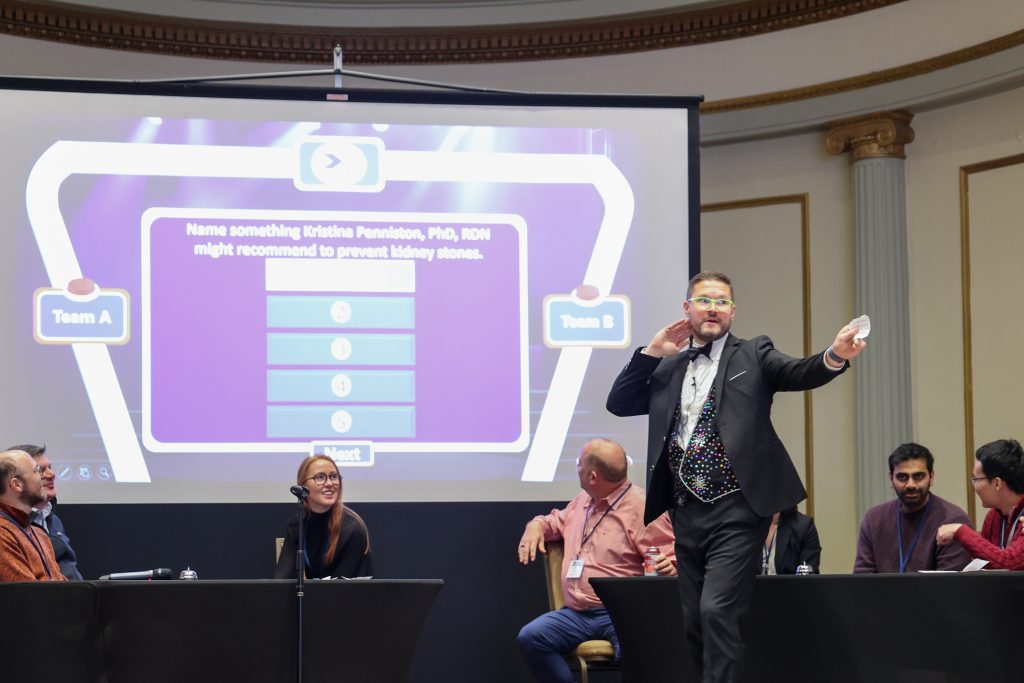
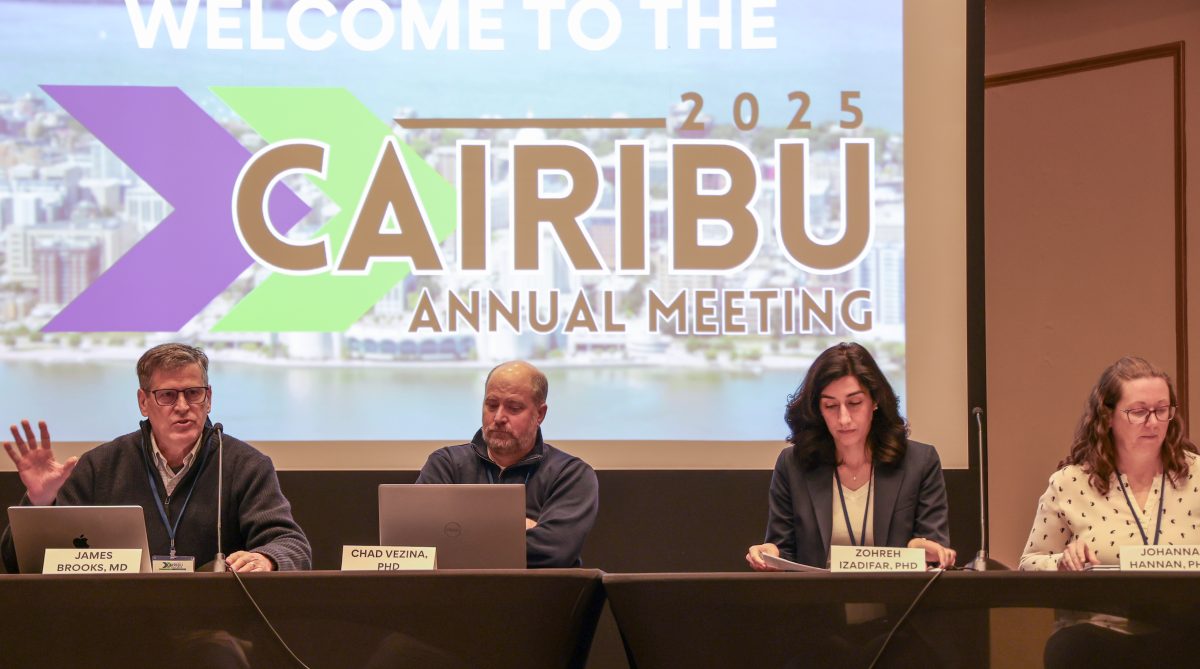
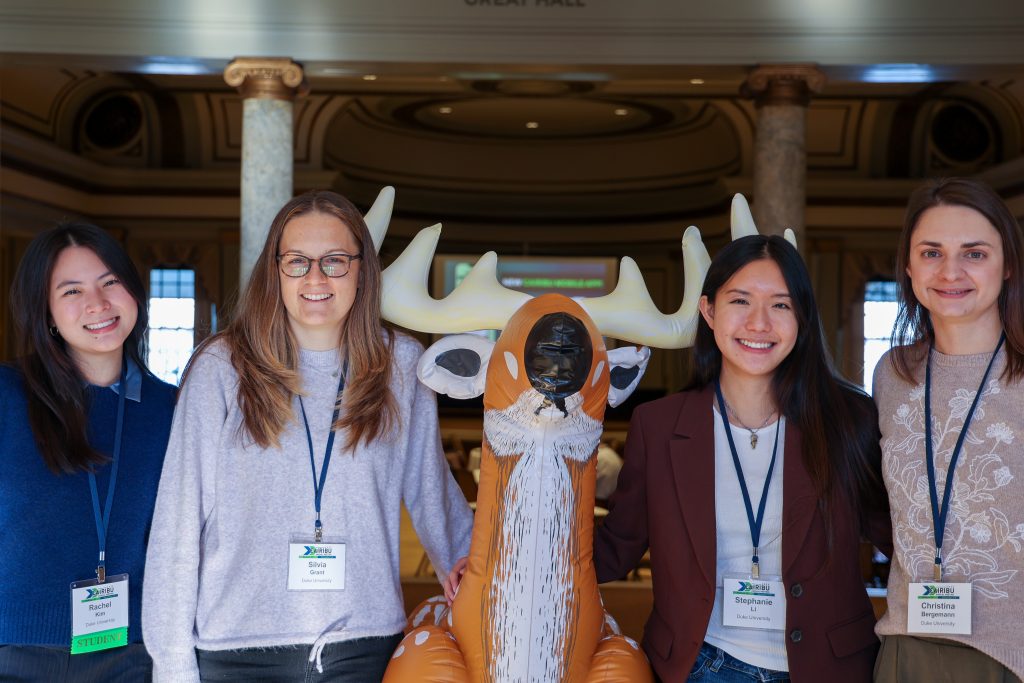
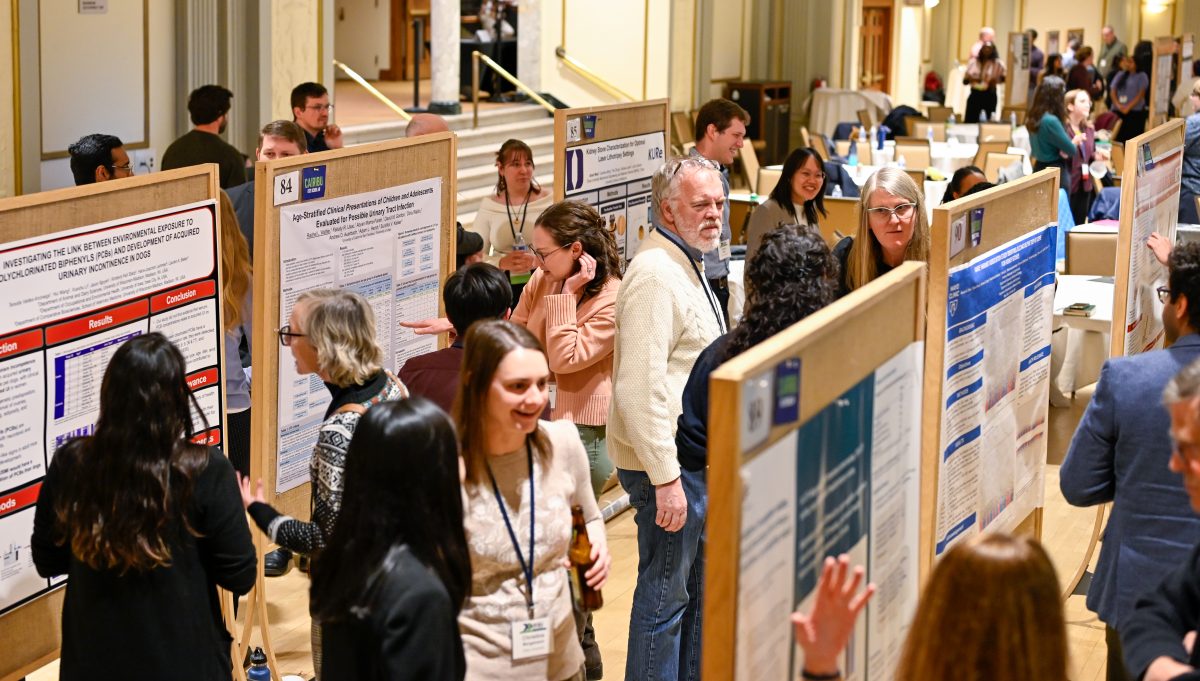
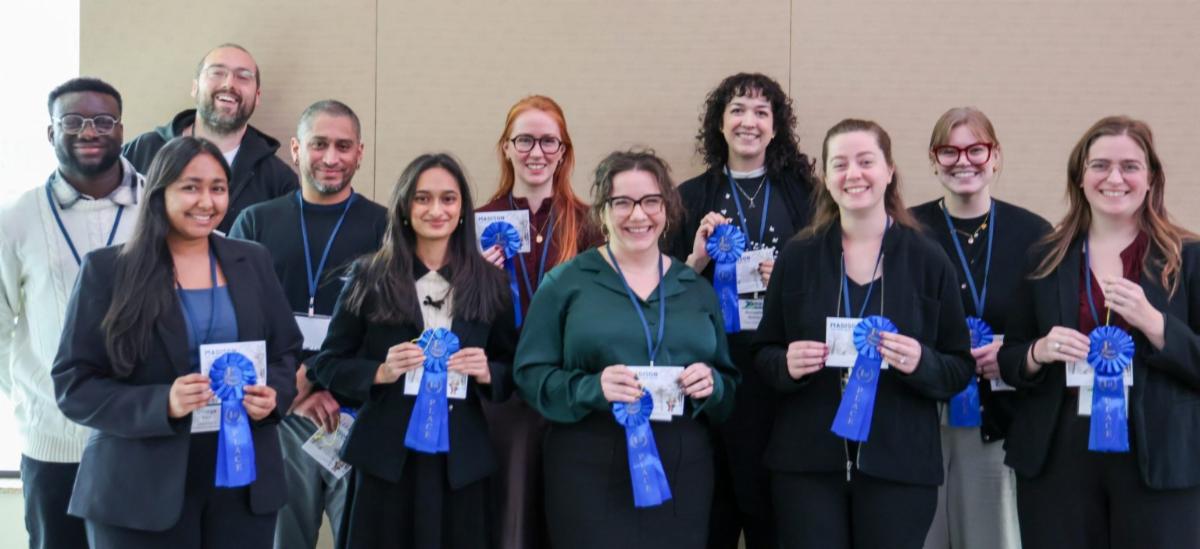
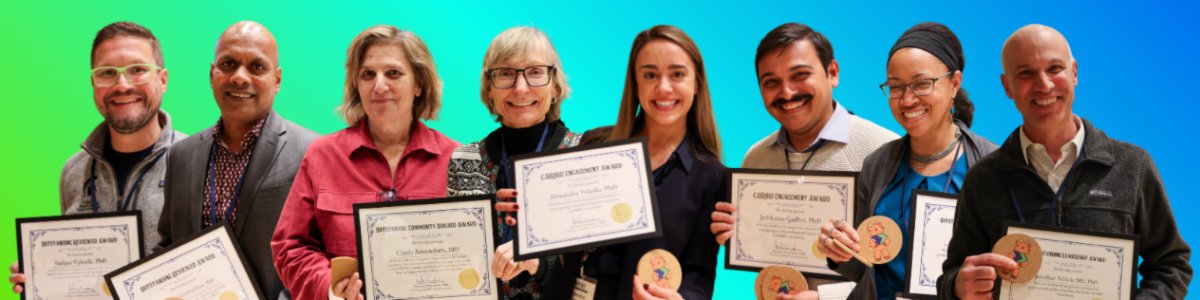
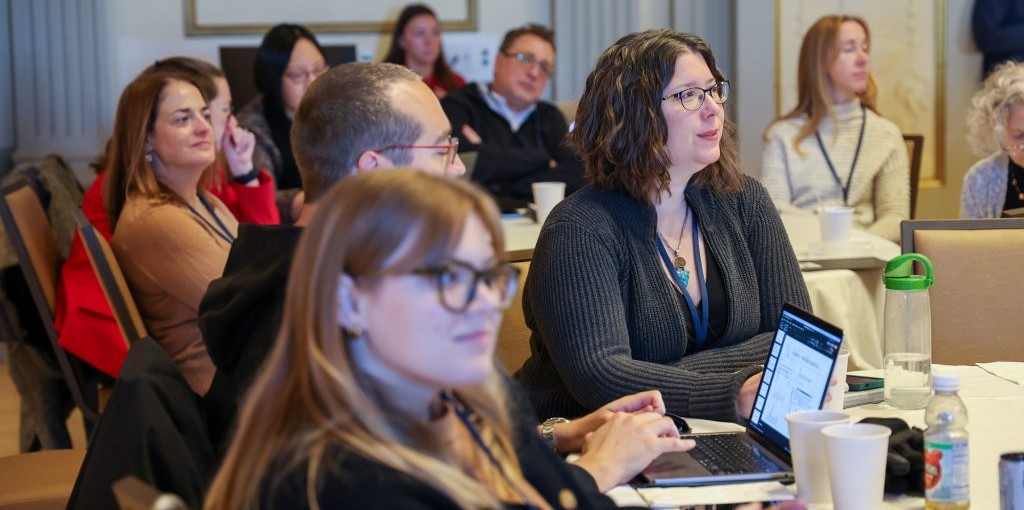
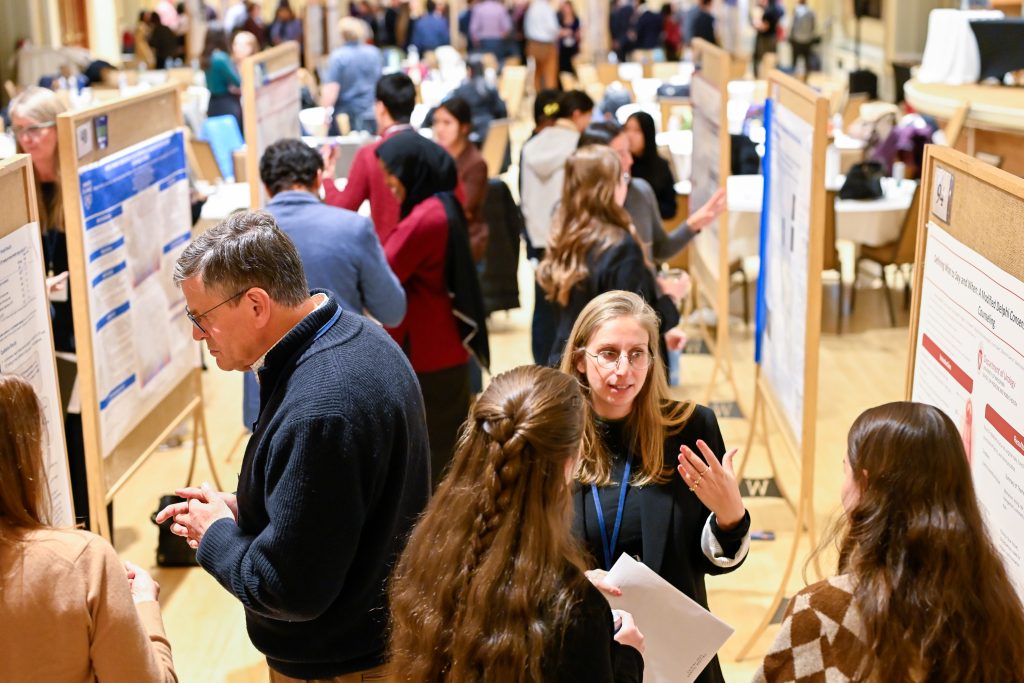
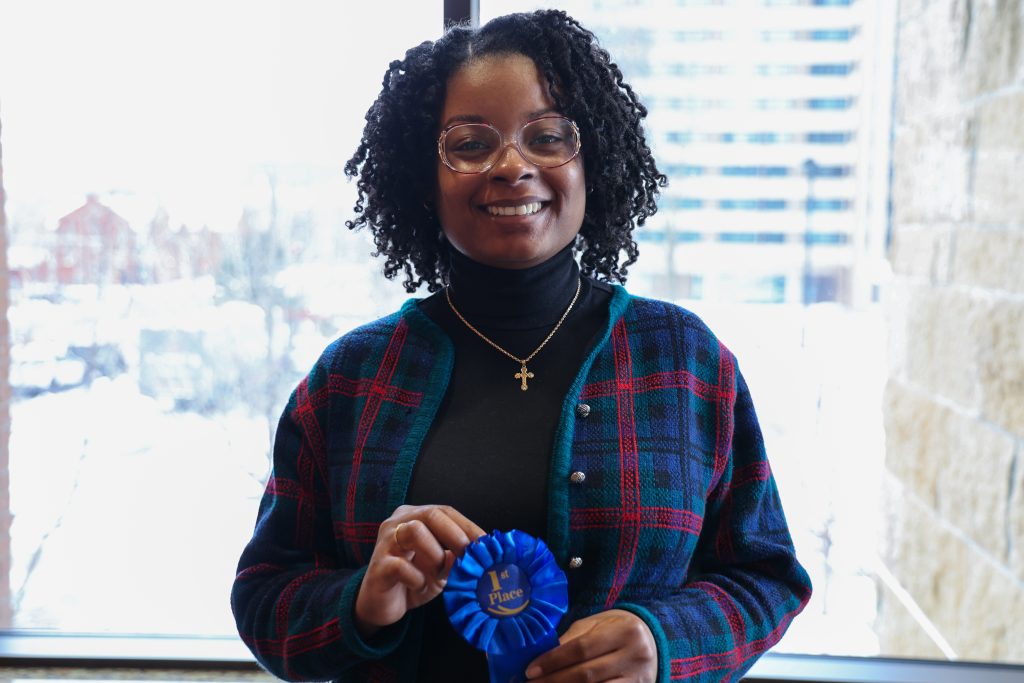
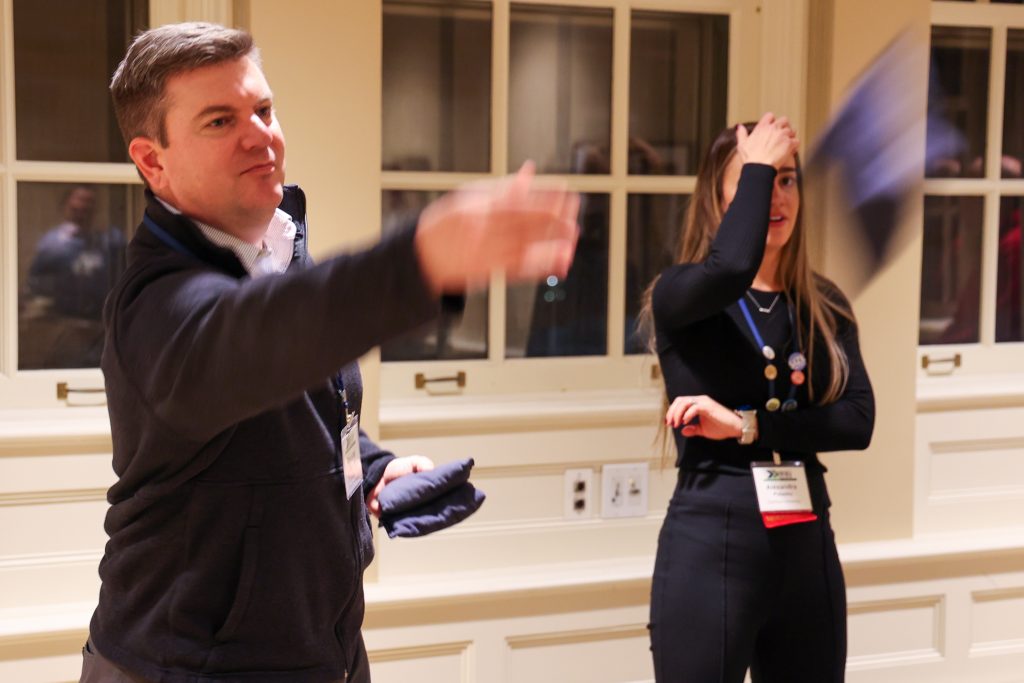
LARGEST-EVER CAIRIBU MEETING. Nearly 170 investigators and trainees from 40 unique institutions and organizations participated. Nearly 100 trainee and early-stage investigator abstracts were submitted and presented as posters or oral presentations. Fifteen "Best Abstract" and "Best Poster" awards were given. There were prizes for games - CAIRIBU Cornhole, CAIRIBU Family Feud, Pin the Pipette on the CAIRIBU Lab, Cutest CAIRIBU pet, and CAIRIBU Bingo - and awards for CAIRIBU Community leadership, engagement, and accomplishments.
| | |
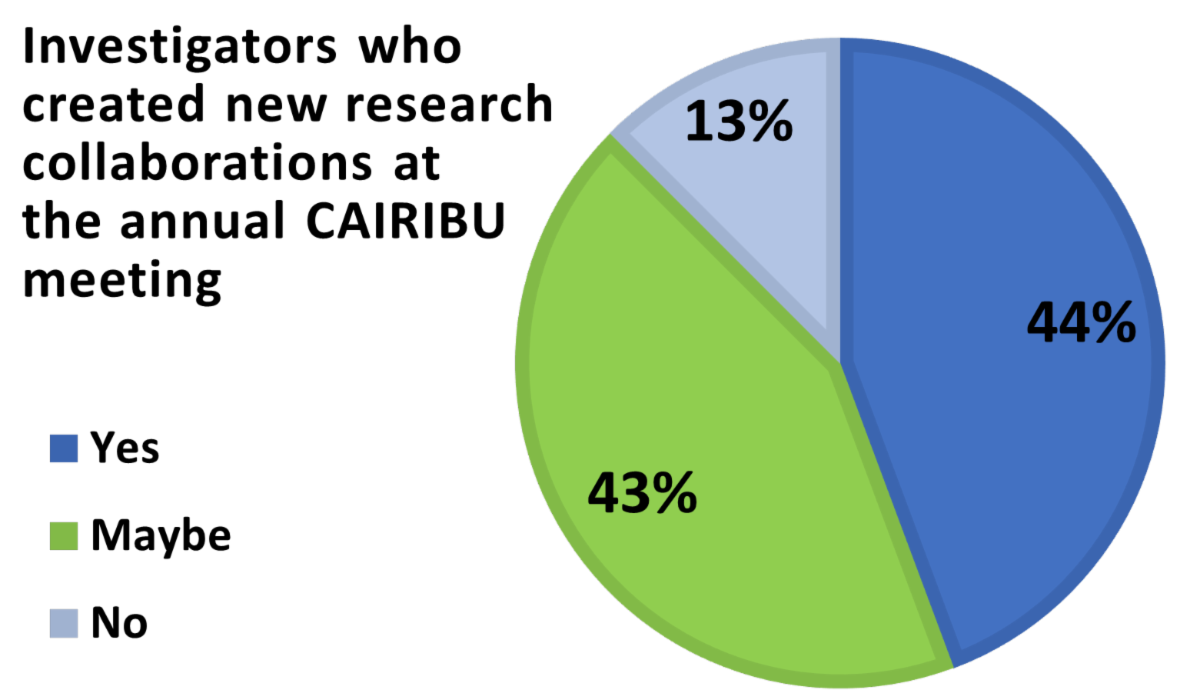
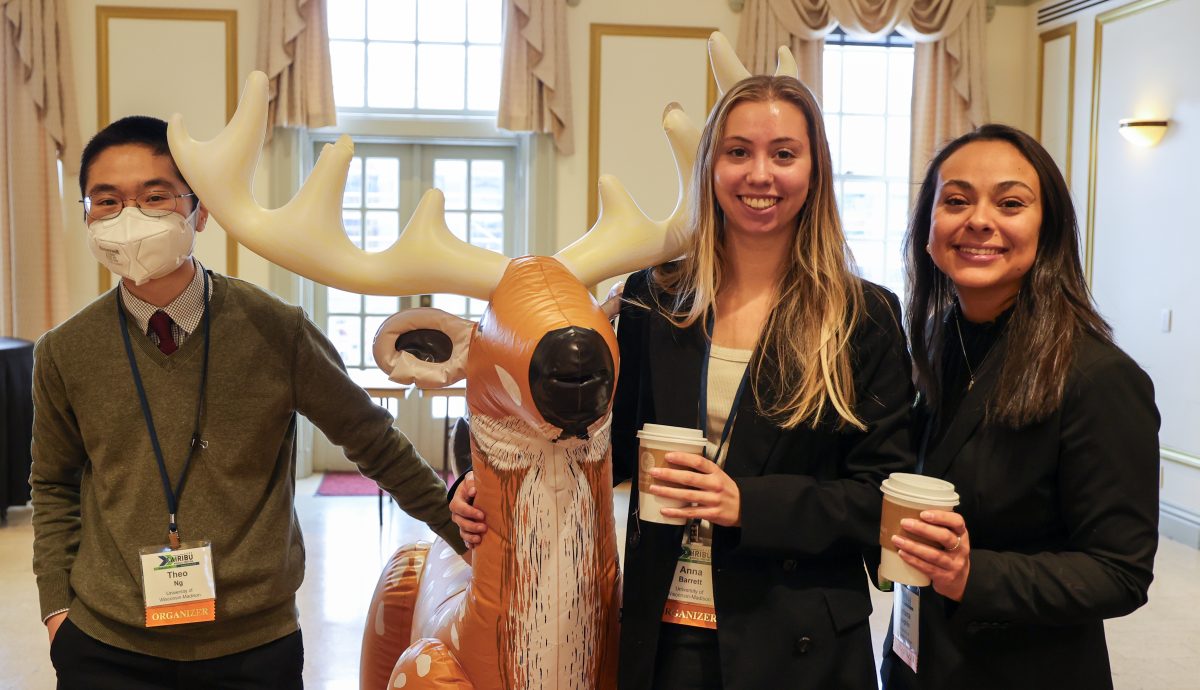
NETWORKING IS A HALLMARK OF CAIRIBU MEETINGS. Annual CAIRIBU meetings are a platform for discussing, creating, and developing new research collaborations. Nearly 90% of attendees - trainees and established investigators - reported leaving the meeting with a collaboration or the possibility of one to be developed in the future (see pie chart at left).
| | View and download from among hundreds of photos taken during the meeting | | Original urology-themed music played during the meeting include: Leaky Bladder Blues, Sharp Stones in the Dark, Rollin' Like a Stone, Endless Echos of Pelvic Pain, Foggy Prostate Breakdown, and more!!! Original lyrics and music were created by Kristina Penniston and generated with Mureka AI, 2025. | | |
Planning for the 2026 annual meeting is underway.
Contact CAIRIBU Interactions Core staff at CAIRIBU@urology.wisc.edu if you are interested in being part of the planning committee.
| | FORECASTED RFA FOR UROLOGY U54 O'BRIEN CENTERS | |
The National Institute of Diabetes and Digestive and Kidney Diseases (NIDDK) forecast anticipates announcing a Request for Applications (RFA) for the George M. O'Brien Urology Cooperative Research Centers Program in April 2026 with a 7/01/2026 application due date and projected start date of 2/01/2027. Total program funding is estimated to be $5.3 million. Up to 5 awards may be available. See forecast HERE.
NOTE that this is simply a forecast; NO announcement is yet made
| UPCOMING CAIRIBU COMMUNITY EVENTS | | |
CAIRIBU COMMUNITY K12 SCHOLAR SEMINARS
K12 Scholars from CAIRIBU-affiliated K12 Urologic Research (KURe) and K12 Urological Epidemiology (KUroEpi) Institutional Research Career Development Programs are showcased in this monthly series, which runs from January through June each year.
This year's CAIRIBU K12 Scholar Seminar Series host is Alexandra Polasko, PhD. Dr. Polasko is a postdoctoral researcher in the George M. O'Brien Urology Research Center at Stanford University (PI, James Brooks, MD) and a K12 Scholar in the Stanford University KURe Program (PIs, Joseph Liao, MD and James Brooks, MD). 2nd Thursdays of each month, 5:00 PM Eastern
The Vital Role of Health Literacy in Intervention Dissemination: Examples in Pediatric Urology
Vinaya Bhatia, MD (University of Wisconsin-Madison)
| | Prior K12 Seminar Series recordings are on the CAIRIBU YouTube page HERE | | |
CAIRIBU ARCTICS COMMUNITY FORUMS (Advancing the Research Capacity of Trainees and Investigators at early Career Stages)
Now entering its 6th annual series, the primary goal of CAIRIBU ARCTICS forums is to develop the research and professional skills of trainees and early-stage investigators. 2nd Wednesdays of each month, 1:00 PM Eastern
Preprints in Urology Research: To Publish or Not To Publish
Nicole De Nisco, PhD (University of Texas at Dallas)
Simon Hayward, PhD (Endeavor Health System)
| | Prior CAIRIBU ARCTICS Community forum recordings are HERE | | |
CAIRIBU UROBIOME RESEARCH INTEREST GROUP KNOWLEDGE EXCHANGES
Primary goal: Bridge knowledge gaps in urobiome and urinary tract infection research. Urobiome RIG meetings and knowledge exchanges began in 2021. Recordings of prior URIG knowledge exchanges are available on the CAIRIBU YouTube channel HERE.
| | |
In January, urobiome investigators will discuss knowledge gaps and critical research needs in urobiome science
WHEN: FRIDAY, JANUARY 16
TIME: 3:00 PM Eastern (2 PM Central | 12 PM Pacific)
ZOOM LINK: Available HERE
| | |
GRADUATE STUDENT SEMINARS
Primary goals: Provide graduate students with opportunities to describe their research, gain visibility in the field, and make connections. Each seminar features students from different urology research laboratories. Scheduled quarterly.
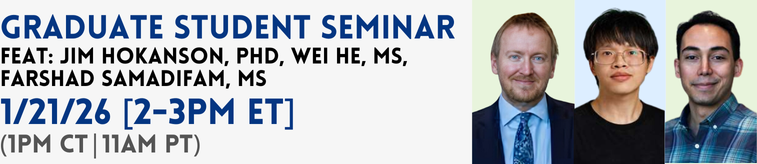
Pelvic Diagnostics and Therapeutics Graduate Students of Jim Hokanson, PhD at Medical College of Wisconsin
Wei He, MS & Farshad Samadifam, MS
| |
CAIRIBU URO-AGING RESEARCH INTEREST GROUP KNOWLEDGE EXCHANGES
Primary goal: Exchange knowledge and stimulate dialogue among a broad cross-section of scientists, clinicians, and clinician-scientists. Monthly discussions will foster interdisciplinary research collaborations to address critical questions related to aging in the lower urinary tract.
| |
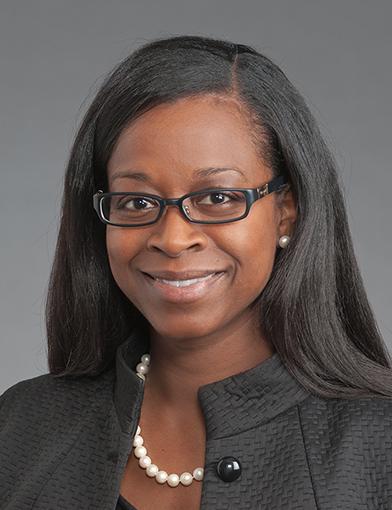
Candace Parker-Autry, MD Associate Professor of Urology, Wake Forest University School of Medicine (Winston-Salem)
Dr. Parker-Autry's research has been NIH funded and focuses on elevating our knowledge and treatment for the geriatric incontinence syndrome. A link to her publications is HERE.
WHEN: MONDAY, JANUARY 26
TIME: 3:00 PM Eastern (2 PM Central | 12 PM Pacific)
ZOOM LINK: Available HERE
| | |
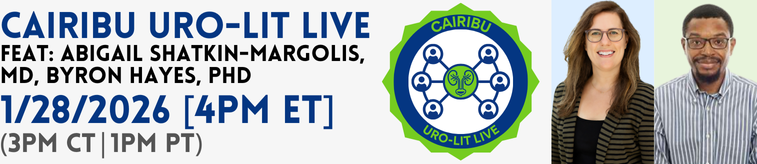
CAIRIBU URO-LIT LIVE DISCUSSIONS
Primary goal: Recognize investigators across the broader CAIRIBU research community who have recently published urology-related research, disseminate their findings, and foster new research ideas. Authors of 2-3 new papers each month will briefly outline their research, methods, results, and next steps. Topics will vary. Last Wednesdays of each month, 1:00 PM Eastern
Bladder Research: Therapy for OAB After Prolapse Surgery and Patient-Related Outcomes for IC/BPS
Abigail Shatkin-Margolis, MD (UC San Francisco)
Byron Hayes, PhD (Medical College of Wisconsin)
| | |
Links to the papers being discussed are available below:
| | NEW COLLABORATION & NETWORKING TOOL | | | |
CONNECT on the CAIRIBU Community Mobile Phone App
Download the app
The CAIRIBU Interactions Core introduces this brand new initiative as a mechanism for building community, conversation, and collaboration. Here's what the app can do:
- View list of CAIRIBU Community and other urology-related events
- Enable "push notifications" to get timely notices to join virtual events
- Link to and view recorded CAIRIBU Community presentations and seminars
- Open and read the monthly CAIRIBU Communique, quarterly CAIRIBU Compass (the CAIRIBU Community e-journal), and the quarterly CAIRIBU trainee newsletter
- Open and peruse the CAIRIBU website urology research funding table
- Link to latest CAIRIBU Community news and announcements
- Find investigators and communicate with potential investigators
- Initiate and participate in discussion threads of interest to you
| | | CAIRIBU JOURNAL AND TRAINEE NEWSLETTER | | |
NEW ISSUES COMING SOON
The CAIRIBU Compass is an online, non-refereed journal of and for the CAIRIBU Community. Primary goal is to support the broader urology research community and raise the visibility of urology research. Professional but informal, academic yet accessible, appropriate for works-in-progress and not-ready-for-prime-time research content. Commentaries and opinion pieces are also welcome.
The CAIRIBU Trainee Newsletter provides trainees valuable information, resources, and articles contributed by CAIRIBU leaders, established investigators, and NIDDK Program Officers. Trainees: submit your questions to be addressed in the "Ask a PI" and "Ask a Postdoc" columns. Submit by email to the CAIRIBU Interactions Core HERE.
| | BUILDING THE UROLOGY RESEARCH WORKFORCE PIPELINE | |
Are you an undergraduate student or recent post-bac looking for a urology research opportunity this summer?
The National Institute for Diabetes and Digestive and Kidney Diseases supports summer opportunities in urology and kidney research for undergraduate students. The programs below are active through the summer of 2026. Applications for all are now being accepted; deadlines vary from NOW through mid-February.
-
Summer Program for Undergraduate Urology Research (SPUUR): University of Wisconsin-Madison (PIs, Chad Vezina, PhD and Kristina Penniston, PhD, RD)
-
Nephrology and Urology Summer Undergraduate Research Fellowship (nuSURF): Mayo Clinic Rochester (PI, Michael Romero, PhD)
-
Harvard Summer Research Program in Kidney Medicine: Brigham and Young Women's Hospital (PI, Joseph Bonventre, MD, PhD)
-
Summer Undergraduate Program in Emory Renal Research (SUPERR): Emory University (PIs, Jeanie Park, PhD and Jason Cobb, MD)
-
Kidney, Urology, and Hematology Undergraduate Research Experience (KURE): University of Alabama at Birmingham (PI, Jennifer Pollock, PhD)
-
Tissue Engineering and Regenerative Medicine Undergraduate Research Addressing Challenges in Kidney and Urologic Diseases: Wake Forest University Health Sciences (PI, Emmanuel Opara, PhD)
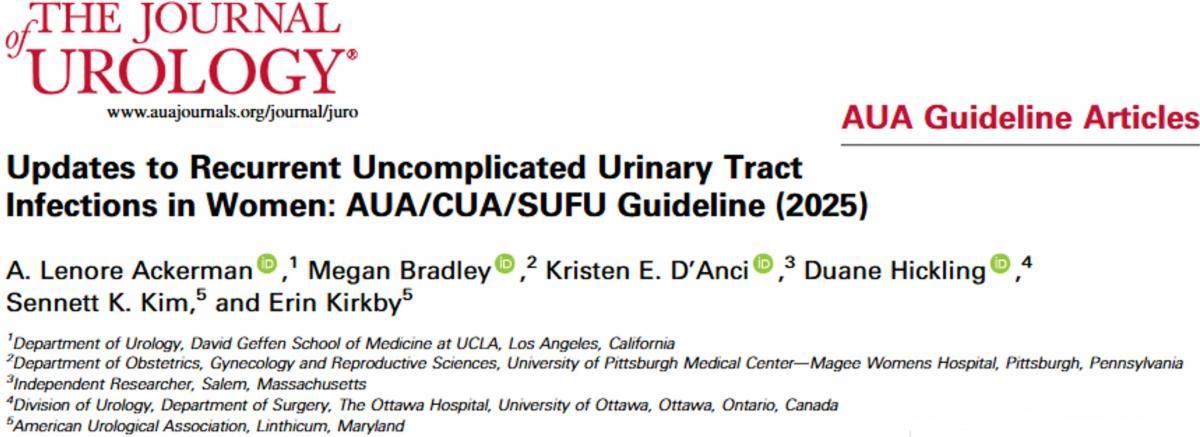
| | HIGH IMPACT OF UROBIOME RESEARCH | | American Urological Association guidelines are developed by clinical experts and scientists who review the best available evidence for diagnosis and treatment of urological diseases. The recent update to guidelines on uncomplicated recurrent urinary tract infections (rUTI) in women acknowledge the existence of the urobiome, noting that urine is not sterile under normal circumstances. The revised guidelines, first-authored by A. Lenore Ackerman, MD, PhD (UC Los Angeles) and published in The Journal of Urology, also note the inadequacy of the standard urine culture commonly used in the clinical setting. | | |
The new guidelines state that urine was previously consider to be sterile and that UTI was defined as "microbial infiltration of the otherwise sterile urinary tract." The new guidelines clarify:
"This evolution in understanding, acknowledging that a urinary bacteria are the rule and not the exception, has been made possible by the development of a number of sensitive culture-dependent and -independent techniques. Thus, in the strictest definition, all individuals are likely 'bacteriuric'. These commensal bacterial communities are generally symbiotic, supporting genitourinary immunity."
The updated guidelines go on to state that commensal bacterial communities may actually protect patients from symptomatic rUTI.
| | |
To adapt to the changing research funding landscape, the CAIRIBU Interactions Core recently expanded the search for urology research funding. The CAIRIBU website now features a broader array of announcements from federal agencies, professional societies, organizations, foundations, and industry.
- The CAIRIBU website funding announcements table is in development
-
Be part of a focus group to make it even more useful (see "Leadership Opportunities" below)
- A few upcoming research funding opportunities are below:
Exploratory/Developmental Research Project Grant; sponsor: National Institutes of Health (R21 basic experimental studies with humans required). PA-25-307: participating institutes include NIA, NICHD, NCCIH, NIMH, and others. 2-yr awards may not exceed $275,000. Standard NIH due dates for LOIs and applications apply.
Fellowship Awards in Neuroscience; sponsor: Klingenstein Philanthropies. Supports early-career clinical or basic science investigators. Areas of particular importance include neural systems (integrative function of the nervous system), translational research, and cellular and molecular neuroscience. Awards are $150,000/yr for 3 years. Applications due Feb 1 and Sept 15 each year.
Basic Research in Neurobiology Research Grants; sponsor: The Whitehall Foundation. Grants of up to 3 yrs for a maximum of $100,000/yr available to investigators with <$200,000/yr in extramural funding. Funding interests include invertebrate and vertebrate neurobiology, specifically of neural mechanisms in sensory, motor, and other complex functions of the whole organism as they relate to behavior. Standard LOI and application dates begin in January, April, and October of each year.
Biology of Aging Rapid Data Award; sponsor: Upstate NY Nathan Shock Center (NSC). Open to all investigators; supports acquisition of data to support grant applications or publications relevant to the biology of aging and to mechanisms that link aging to disease. Requires utilization of Upstate NY NSC Research Core services. Awards are $10,000; applications accepted on a rolling basis.
Aging Gene Discovery (AGeD) Collaborative Nathan Shock Center Pilot Award; sponsors: Oklahoma Nathan Shock Center, University of Washington Nathan Shock Center, and Jackson Laboratory Nathan Shock Center. Open to ESIs focusing on aging research or senior investigators initiating new research programs in aging/geroscience, particularly that aimed at identifying new genes and gene networks that control aging and age-associated disease. Awards range from $38,000 to $75,000. Deadline to apply is 2/15/26.
| | CAIRIBU LEADERSHIP OPPORTUNITIES | | |
(1) Plan the next CAIRIBU Community ARCTICS seminar series
CAIRIBU ARCTICS forums are planned BY and FOR trainees and early-stage investigators. There are generally 5-6 monthly forums each year beginning in January. Topics include career planning, grant writing, preparing research budgets, and writing CVs and biosketches. Upcoming forums in 2026:
- Preprints in urology research: What are preprints, and why use them? (Nicole De Nisco, PhD, UT Dallas)
- Grant writing tips and traps, expectations from reviewers' perspective (Aruna Sarma, PhD, MHA, University of Michigan)
- Writing specific aims statements: Gregory Tasian, MD, MSc, MSCE and Chad Vezina, PhD
- Transitioning from grad school to postdoc: Panel of current and former postdocs
- Interviewing for academic research positions: Panel of early-stage investigators in academia
Interested trainees and early-stage investigators >> Contact CAIRIBU Interactions Core staff at CAIRIBU@urology.wisc.edu
| |  | |
(2) Plan the next annual CAIRIBU meeting
The 9th annual CAIRIBU meeting will be in 2026. The meeting has grown significantly each year in impact and importance. The meeting embodies a culture of collaboration and learning. It inspires and stimulates discussion and networking that goes beyond the meeting itself.
If you are interested in being part of the committee to plan this meeting >> contact the CAIRIBU Interactions Core at CAIRIBU @urology.wisc.edu
_____________________________________
(3) Focus group to inform format for CAIRIBU website funding announcements
Help CAIRIBU Interactions Core staff design the best possible format in which to bring announcements to you about the availability of urology and urology-related research funding.
If you are interested in being part of a focus group >> contact the CAIRIBU Interactions Core at CAIRIBU @urology.wisc.edu
| | |
UROLOGY EVENTS
For all CAIRIBU Community events, as well as those from organizations and societies within the broader urology research community, check the CAIRIBU EVENTS LISTING on the CAIRIBU website
| | | Thurs., January 8, 2026 @ 4:00 pm Eastern (3 PM Central | 1 PM Pacific)
-
CAIRIBU Community Leaders (CCL) bi-monthly meeting. Leaders of CAIRIBU U54 Urology O'Brien Centers, CAIRIBU Interactions Core staff, and NIDDK Program Officers. (Zoom link by invite only)
| | Thurs., January 8, 2026 @ 5:00 pm Eastern (4 PM Central | 2 PM Pacific)
-
CAIRIBU K12 Scholar Seminar. Features Dr. Vinaya Bhatia from the UW-Madison K12 Urologic Research Career Development Program. Topic is health literacy in intervention dissemination in pediatric urology.
| | Wed., January 14, 2026 @ 1:00 pm Eastern (12 PM Central | 10 AM Pacific)
| | Fri., January 16, 2026 @ 3:00 pm Eastern (2 PM Central | 12 PM Pacific)
| | Wed., January 21, 2026 @ 2:00 pm Eastern (1 PM Central | 11 AM Pacific)
-
CAIRIBU Graduate Student Seminar. Highlighting graduate students' work and providing them with an opportunity to sharpen their presentation skills and get valuable feedback. This seminar features students of Jim Hokanson, PhD (Medical College of Wisconsin) and his students, Wei He, MS and Farshad Samadifam, MS.
| | Mon., January 26, 2026 @ 3:00 pm Eastern (2 PM Central | 12 PM Pacific)
| | Wed., January 28, 2026 @ 4:00 pm Eastern (3 PM Central | 1 PM Pacific)
| | Fri-Sat., January 30-31, 2026, Orlando, FL
| | Fri-Sat., January 30-31, 2026, Nashville, TN
-
Annual ROCK Society Meeting (Research on Calculus Kinetics)
- Starts @ 10:00 AM on Fri., Jan. 30 with a poster session
- Continues through 1/31/2026 with speakers, scientific sessions, networking, and more
| | | | | |
Kristina L. Penniston, PhD, RD
PI, CAIRIBU U24 Interactions Core
(U24-DK127726)
penn@urology.wisc.edu
Dept. of Urology, University of Wisconsin School of Medicine and Public Health, Madison, WI
| | |
George M. O'Brien (U54) Urology Cooperative Research Centers Program
- University of Wisconsin-Madison (2014-2019 and 2019-2024)
- Columbia University (2014-2019 and 2020-2025)
- Stanford University (2021-2026)
Multidisciplinary Urologic Research (KURe) Career Development Programs (K12)
- Duke University
- University of Wisconsin-Madison
- Stanford University
Urological Epidemiology (KUroEpi) Institutional Research Career Development Programs (K12)
- University of California San Francisco-Kaiser Permanente Northern California
- University of Michigan
-------------------------------------
Tracy Rankin, PhD, MPH, NIDDK KUH Deputy Director and Program Director, oversees CAIRIBU-affiliated K12 Institutional Career Development Programs
| | | |
FORWARD P20 Urology Centers
- Mayo Clinic Rochester (2022-2025)
- Duke University (2022-2025)
- Children's Hospital of Philadelphia (2024-2027)
- Endeavor Health System (2024-2027)
CAIRIBU Interactions Core (U24)
-
PI, Kristina Penniston, PhD, RD
-
Research Program Coordinator, Mariana Coughlin, MS
-
Website, Digital, and Organizational Management, Muen Wang, BS
-
Administrative Support, Theo Ng, BS
-
Research Intern, Anna Barrett, BS
-
Social Media, Isaac Yang, BS
-
Student researcher, Edison Chiu
-
Student researcher, Raffael Ho
----------------------------------
NIDDK Program Officers who oversee the CAIRIBU Interactions Core and the U54 Urology O'Brien Centers:
| | Links to websites for current CAIRIBU Centers and Programs are on the CAIRIBU website HERE | | |
Collaborating for the Advancement of Interdisciplinary Research in Benign Urology
CAIRIBU is a community of NIDDK-funded U54 and P20 Urology Centers and K12 Institutional Career Development Programs whose overarching objectives are to address gaps in knowledge related to epidemiology, etiology, development, progression, and expression of non-malignant urologic conditions and to train the next generation of leaders in urology research. The CAIRIBU Interactions Core is the central coordinating body for the CAIRIBU Community.
| | | | |