|
Collaborating for the Advancement of Interdisciplinary Research in Benign Urology
View as Webpage
| | |
This Independence Day, we celebrate freedom from urogenital diseases by standing up for research and advancing science
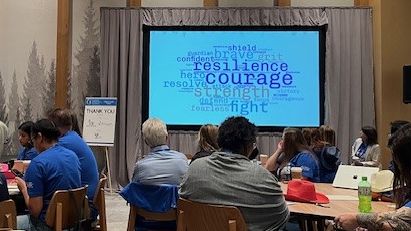
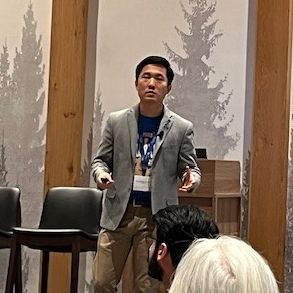
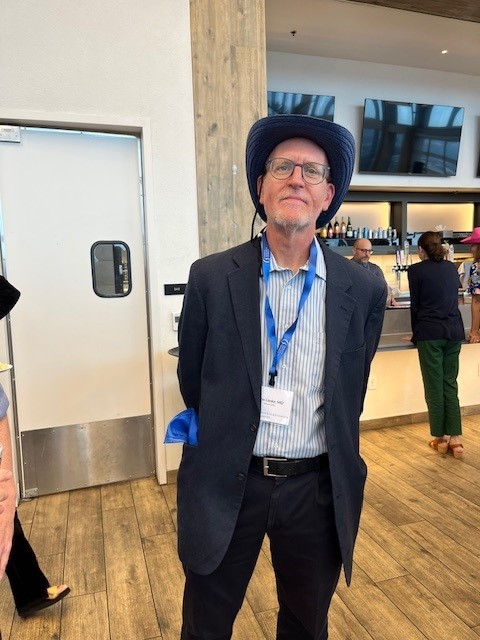
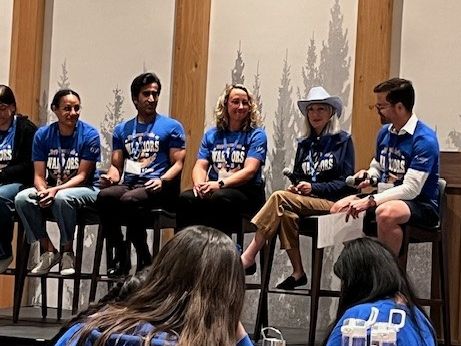
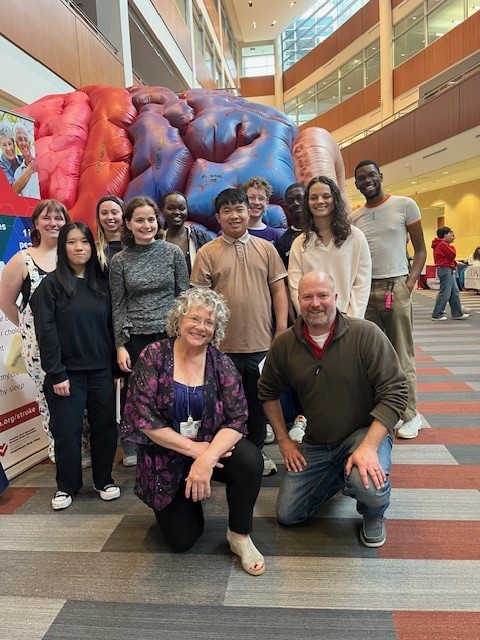
| | CAIRIBU LEADERS AT OHF SUMMIT | | |
Primary hyperoxaluria (PH) is an autosomal-recessive metabolic stone disease in which inherited enzyme defects cause an overproduction of oxalate in the liver. This then leads to hyperoxaluria and calcium oxalate (CaOx) stones. There are 3 types of PH: PH1, PH2, and PH3, each of which is caused by a different enzyme defect.
PH is frequently, though not always, diagnosed in children. Unfortunately, some individuals suffer from recurrent CaOx stone disease for decades before being diagnosed. Additionally, there is another form of hyperoxaluria and CaOx kidney stone disease that is not due to a genetic defect, enteric hyperoxaluria (EH). In EH, individuals form CaOx stones secondary to malabsorption in the digestive tract. The Oxalosis and Hyperoxaluria Foundation (OHF) is a patient advocacy organization that raises awareness of PH and EH diseases, promotes and supports research, creates community among patients and their caregivers, and advocates for research funding and the development of diagnostic and treatments at the national level. CAIRIBU leaders participated in the annual OHF Summit in Nashville, June 27-28.
| | |
The CAIRIBU Interactions Core brings you a trainee- and early-stage investigator-focused newsletter. Requested by CAIRIBU trainees, we are currently aiming for quarterly publication. But if popular, it will occur more frequently. Regular features will include:
... Ask a NIDDK Program Officer
... Ask a Postdoc
... Ask a PI
... Ask a Team Scientist
| | |
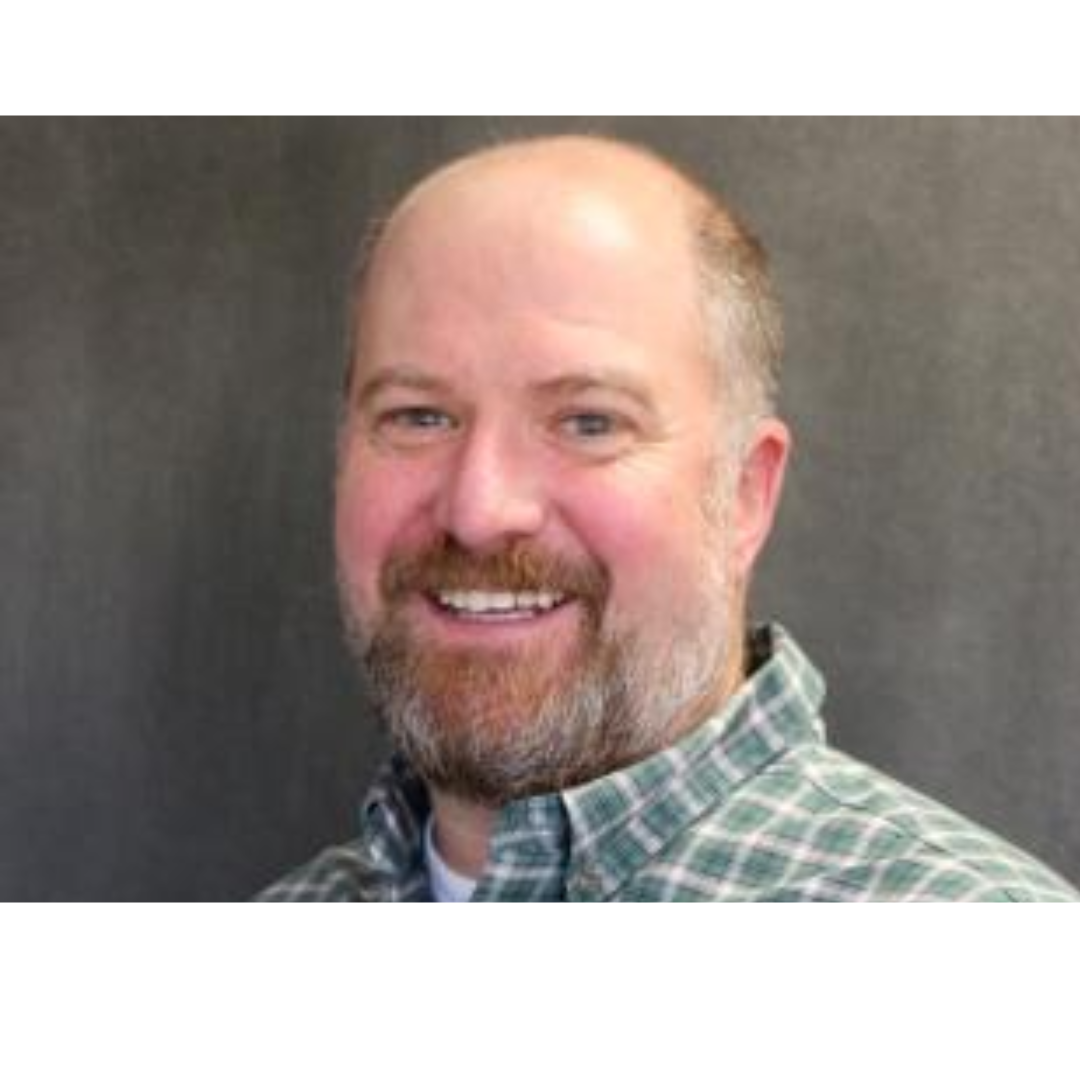
Chris Mullins, PhD
Program Director, Division of Kidney, Urologic, and Hematologic Diseases, National Institute of Diabetes and Digestive and Kidney Diseases
Dr. Mullins writes about the NIDDK's 75th anniversary. He provides a brief history of the accomplishments of the NIDDK Urology Research Program.
| | |
Hannah Ruetten, DVM, PhD
Posdoctoral fellow in Comparative Medicine, Wake Forest University
Hannah answers the question, "How do you manage work-life balance, especially with the uncertainty of postdoc life?" Want to ask the next "Ask a Postdoc" question??? Click below.
| | |
Chad Vezina, PhD
Professor and Chairman, Department of Comparative Biosciences, University of Wisconsin School of Veterinary Medicine
Chad answers the question, "Does a PI ever have to leave academia due to gaps in funding or grants?" Have a question? Click below.
| | |
Whitney Sweeney, PhD
Scientist, Team Science Core, University of Wisconsin-Madison Institute for Clinical and Translational Research
See Whitney's response to the question, "How can trainees participate and contribute effectively to a team? Want to ask her the next question? Go HERE.
| | | |
The CAIRIBU Compass is an online, non-refereed journal of and for the CAIRIBU Community. Primary goal is to support the broader urology research community and raise the visibility of urology research.
| | |
Professional but informal, academic yet accessible, appropriate for works-in-progress and not-ready-for-prime-time research content. Commentaries and opinion pieces are also welcome.
The July issue is available - click button above. Also available on the CAIRIBU website. Articles in this Compass include:
-
Synopsis of the Feb 2025 CAIRIBU Urobiome Research Interest Group knowledge exchange (featuring Kymora Scotland, PhD, MD and Jashkiran Gadhvi, PhD)
-
Abstracts presented by trainees and early-stage investigators at the April 2025 American Urological Association meeting (Matthew Grimes, MD; Marcela Ambrogi, PhD; Vinaya Bhatia, MD; and Golena Fernandez Moncaleano, MD)
-
Abstracts presented by Duke University K12 KURe Scholars at the April 2025 Duke University Multidisciplinary Benign Urology Research Symposium (Bin Ni, MD, PhD and Natasha Wilkins, PhD)
-
Metrics related to CAIRIBU Interactions Core impact and engagement over the past year (Mariana Coughlin, MS and Kristina Penniston, PhD)
=============================================================================
Check out the April 2025 issue of the CAIRIBU Compass HERE
=============================================================================
YOUR abstract, description of a sharable resource, commentary, or article could be featured in future issues; contact the CAIRIBU Interactions Core to find out more
| | |
Is there an app for that?
YES! The CAIRIBU Interactions Core brings you the CAIRIBU Community mobile phone app, currently in the beta testing stages. Once complete, the app will include easy access to upcoming events in the urology research community, links to meeting registration sites, links to CAIRIBU Community virtual events, and more. The app will also feature an "opt in" ability to push out timely notices as well as chat and messaging features.
APP TESTERS NEEDED. Will you be part of the app testing team???
Let us know by Monday, July 7 by emailing CAIRIBU@urology.wisc.edu. The first dozen volunteers will be accepted. After testing and modifications, we will boldly roll out the app to the entire CAIRIBU Community and beyond!
| | |
WHAT: 8th annual CAIRIBU meeting
WHEN: Wed-Fri, December 3-5
WHERE: University of Wisconsin-Madison
WHO: Collaborative-minded investigators
WHY: Advance urogenital disease research!
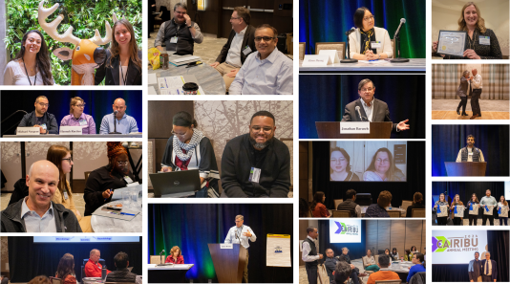
The CAIRIBU Community grew out of the NIDDK Urology Centers Research Program, consisting primarily of the George M. O'Brien Urology Cooperative Research Centers and K12 Urology Research Career Development Programs. The Urology P20 Centers later became part of the CAIRIBU Community. Annual meetings are organized by the CAIRIBU Interactions Core* and bring together CAIRIBU Community trainees and investigators as well as ALL collaborative-minded investigators engaged in urology and urogenital research. This is a fun and welcoming meeting. Hear from investigators involved in all kinds of urology research. Participate in structured and unstructured networking opportunities. Visit trainees' posters; last year >50 posters were presented!
*The Interactions Core, formally initiated in 2020 as a NIDDK-funded U24 cooperative
agreement, provides coordination, support for collaborative research, platforms
for knowledge exchange and networking, and mechanisms for communication.
| |
Details for the 2026 CAIRIBU Meeting:
-
Registration and lodging links will be ready by August 1 (meeting registration covers most all meals)
- CAIRIBU meeting begins Wednesday afternoon, goes all day Thursday, and concludes Friday afternoon
- The 5th annual CAIRIBU pre-meeting for trainees and ESIs is Wednesday morning
-
Abstracts accepted NOW through October 13 from trainees and early-stage investigators (ESIs as defined by NIH); go HERE to read the guidelines for abstract preparation and submission
-
CAIRIBU Interactions Core travel awards for trainees will be available
-
Go to the CAIRIBU website for information about the schedule and prior annual meetings
All collaborative-minded investigators and trainees interested in urogenital research are welcome and encouraged to participate!
| | TRAINING COURSE DEADLINE EXTENDED | | |
Application deadline now July 11, 2025
STILL TIME TO APPLY!
| | Up to 20 research scientists will be accepted to participate in this prestigious annual National Institute of Aging Training Course, Sept 8-12, 2025. This National Institute on Aging course (hosted by the Buck Institute for Research on Aging in Novato, CA) provides intense exposure to current concepts in aging research. Junior faculty, postdoctoral researchers, and advanced fellows with at least 2 years of postdoctoral experience in cell or molecular biology or a related field are encouraged to apply. Senior scientists wanting to learn more about aging research are also welcome to apply. For those selected, course registration and travel are covered by NIA funds. For more information, contact Dr. Pankaj Kapahi (PKapahi@buckiunstitute.org) or Dr. Malene Hansen (MHansen@buckinstitute.org). Click the button below to go directly to the course information website. | | |
Notice of Continued Eligibility for Career Development Awards
NOT-OD-25-115
NIH is granting a temporary exception to the NIH Grants Policy Statement Section 12.3.7 to allow individuals whose mentored career development awards prematurely ended on or after January 1, 2025 to be eligible to apply for a new mentored career development award, contingent on meeting all other eligibility requirements. This exception is effective immediately and will remain in effect until July 31, 2026. (Release date 5/28/2025)
Small Grant Program for NIDDK K01/K08/K23/K25 Recipients
PAR-25-091
This is a limited-competition program that provides NIDDK-supported K01, K08, K23, and K25 recipients the opportunity to apply for Small Grant (R03) support during the latter years of their K awards. Through this mechanism, the NIDDK seeks to enhance the capability of these award recipients to conduct research as they complete their transition to fully independent investigator status. The R03 grant mechanism supports pilot and feasibility studies; secondary analyses of existing data; small, self-contained research projects; development of research methodology; and development of new research technology. (Posted 1/10/2025)
Small R01s for Clinical Trials Targeting Diseases in the NIDDK Mission
PAS-23-086 (reissue)
This NOFO encourages submission of pilot and feasibility clinical trials conducted in humans that will lay the foundation for larger clinical trials related to the prevention and/or treatment of diseases and conditions within the mission of NIDDK. Small, short-term, proof-of-concept clinical trials to acquire preliminary data regarding the effects of the intervention as well as feasibility data related to recruitment and retention are supported. (Reissue date 3/31/2025)
Innovative Science Accelerator Program
ISAC Awards
Seed funding for exceptionally innovative, disruptive (high-risk/high-reward) research relevant to the Kidney, Urologic, and Hematologic Research Communities is available. Proposals should demonstrate potential to lead to groundbreaking or paradigm-shifting results that will change the field. Pilot and feasibility projects are NOT allowed. 3-page applications may request up to $100,000 (direct + indirect) for 1 year. Next submission deadline is 9/17/2025.
| | |
Quarterly, 3rd WEDNESDAYS
1:00 PM Eastern (12 PM Central | 10 AM Pacific)
2025 grad student seminar series schedule available HERE
| | |
Wednesday, July 16
Mariah Jensen-Wachspress & Samantha McGuire
Virginia Health Sciences at Old Dominion University
MENTOR: Petra Popovics, PhD (prior K12 Scholar, University of Wisconsin-Madison)
Dr. Popovics’ research focuses on molecular mechanisms of inflammation-induced pathological changes in the prostate using both animal and cellular models.
| | |
5th Annual Undergraduate Student Research Jamboree
Monday, July 28 | 1:00 PM Eastern
(12:00 PM Central | 10:00 AM Pacific)
SUPPORT AND ENCOURAGE THE GROWTH OF THE UROLOGY RESEARCH PIPELINE
| | |
UROLOGY EVENTS
For all CAIRIBU Community events, as well as those from organizations and societies within the broader urology research community, check the CAIRIBU EVENTS LISTING on the CAIRIBU website
| | | Thurs., July 10 | Meeting: Bi-monthly CAIRIBU Community Leaders meeting (OCL) | Virtual, 4:00 PM Eastern
(3 PM Central | 1 PM Pacific) | | Wed., July 16 | CAIRIBU Graduate Student Seminar: Mariah Jensen-Wachspress and Samantha McGuire (mentor, Petra Popovics, PhD) | Virtual, 2:00 PM Eastern
(1 PM Central | 11 AM Pacific) | | Fri., July 25 | Webinar: Society for Basic Urology Research summer trainee webinar. Trainee speakers will address bladder cancer and benign bladder diseases | Virtual, 3:00 PM Eastern
(2 PM Central | 12 PM Pacific) | | Mon., July 28 | CAIRIBU O'Brien Center and R25 Program Summer Student Research Jamboree: Featuring undergraduate students engaged in urology research at UW-Madison, Stanford University, and Columbia University | Virtual, 1:00 PM Eastern
(12 PM Central | 10 AM Pacific) | | | DID YOU MISS THE LAST K12 SCHOLAR SEMINAR? | | |
On June 26, Jennifer Yarger, PhD - K12 Scholar in the University of California San Francisco CAIRIBU KUroEpi Program - presented her research on the role of telehealth in improving access to care for urinary tract infections in young adulthood.
Click button below to access her recorded presentation.
| | | | |
Kristina L. Penniston, PhD, RD
PI, CAIRIBU U24 Interactions Core
(U24-DK127726)
penn@urology.wisc.edu
Dept. of Urology, University of Wisconsin School of Medicine and Public Health, Madison, WI
| | |
George M. O'Brien (U54) Urology Cooperative Research Centers Program
- University of Wisconsin-Madison (2014-2019 and 2019-2024)
- Columbia University (2014-2019 and 2020-2025)
- Stanford University (2021-2026)
Multidisciplinary Urologic Research (KURe) Career Development Programs (K12)
- Duke University
- University of Wisconsin-Madison
- Stanford University
Urological Epidemiology (KUroEpi) Institutional Research Career Development Programs (K12)
- University of California San Francisco-Kaiser Permanente Northern California
- University of Michigan
-------------------------------------------------------------
Tracy Rankin, PhD, MPH, NIDDK KUH Deputy Director and Program Director, oversees CAIRIBU-affiliated K12 Institutional Career Development Programs
| |  | |
FORWARD P20 Urology Centers
- Mayo Clinic Rochester (2022-2025)
- Duke University (2022-2025)
- Children's Hospital of Philadelphia (2024-2027)
- Endeavor Health (2024-2027)
CAIRIBU Interactions Core (U24)
-
PI, Kristina Penniston, PhD, RD
-
Research Program Coordinator, Mariana Coughlin, MS
-
Website, Digital, and Organizational Management, Muen Wang, BS
-
Research Intern, Anna Barrett, BS
-
Research Intern, Isaac Yang, BS
-
Student researcher, Edison Chiu
-
Summer research scholar, Malachi Clark, BS
-----------------------------------------------------------
NIDDK Program Officers who oversee the CAIRIBU Interactions Core and the U54 Urology O'Brien Centers:
| | Links to websites for current CAIRIBU Centers and Programs are on the CAIRIBU website HERE | |
Collaborating for the Advancement of Interdisciplinary Research in Benign Urology
CAIRIBU is a community of NIDDK-funded U54 and P20 Urology Centers and K12 Institutional Career Development Programs whose overarching objectives are to address gaps in knowledge related to epidemiology, etiology, development, progression, and expression of non-malignant urologic conditions and to train the next generation of leaders in urology research. The CAIRIBU Interactions Core is the central coordinating body for the CAIRIBU Community.
| | | | |