|
SACRAMENTO, CA — The California Department of Forestry and Fire Protection’s (CAL FIRE) Fire and Resource Assessment Program (FRAP) today announced the release of the latest edition of the California Forest and Rangeland Assessment, a comprehensive, science-based report that examines the health, trends, and resilience of the state’s forests and rangelands amid growing pressures from climate change, wildfire, and land-use change.
The new California Forest and Rangeland Assessment is available on the FRAP webpage. To ensure timely access to high-quality data while ongoing review and analysis continue, the Assessment will be released in batches. The final compiled report is expected to be released in Q2, 2027.
The Assessment brings together data for more than 50 indicators to show trends in wildfire severity, tree mortality, water resources, wildlife habitat, and climate parameters, as well as several other wildland related topics. Together, these data provide a comprehensive statewide snapshot of California’s natural landscapes and the challenges they face. The report is designed to help policymakers, land managers, and communities make informed decisions about protecting and restoring forests and rangelands now and into the future. Additionally, it illustrates where further research is needed.
“California’s forests and rangelands are essential to our way of life,” said CAL FIRE Director and Fire Chief Joe Tyler. “They provide clean air and water, support wildlife, store carbon, and help protect our communities from wildfire. This Assessment shows where conditions are changing—and where strategic action can make a real difference.”
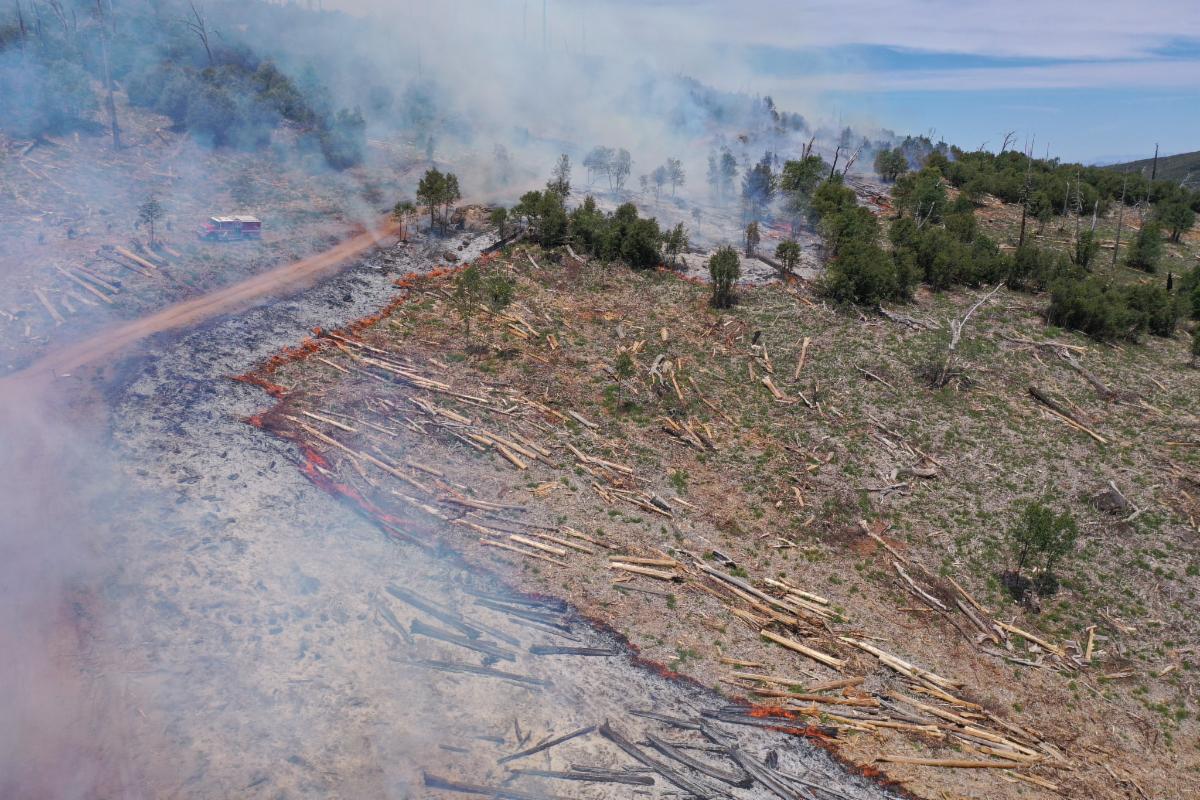
The report shows that many of California’s forests are overcrowded and stressed due to decades of fire suppression combined with a warming and drying climate. These conditions have contributed to larger, more severe wildfires, widespread tree mortality, and increasing risks to communities, watersheds, wildlife habitat, and air quality. Rangelands—covering nearly half of the state—also face mounting pressure from climate change, invasive species, wildfire, and development, even as they continue to provide critical ecosystem services such as carbon storage, water filtration, and support for rural economies. However, there is cause to be hopeful, as broad awareness, support, and efforts are being put towards improving forest and rangeland resilience.
|