Health and Wellness for Physicians
Issue #6 | 3/31/2021
Your BTMC Medical Executive Committee (MEC) chose to partner with 4Docs4Docs as a way to provide the medical staff with resources that focus on physician wellness. We realize that the past 12+ months have been extremely challenging for many of us both professionally and personally. We hope that you take a few minutes to review the email newsletters and click on some of the links that may interest you. I found that “finding your ikigai” really resonated with me. If you know a colleague that may benefit from these resources, please encourage them to open these newsletters as well. Thank you! 

Gail Bradley
BTMC Chief of Staff 
“Most people do not listen with the intent to understand; they listen with the intent to reply.” Stephen Covey, The 7 Habits of Highly Effective People: Powerful Lessons in Personal Change


Physician Well Being Alert
The art of listening is one of the most important skills in communicating effectively and creating meaningful relationships – in our work life and in our personal life.

Do you fall into the habit of half-listening, while doing other “more important” things?

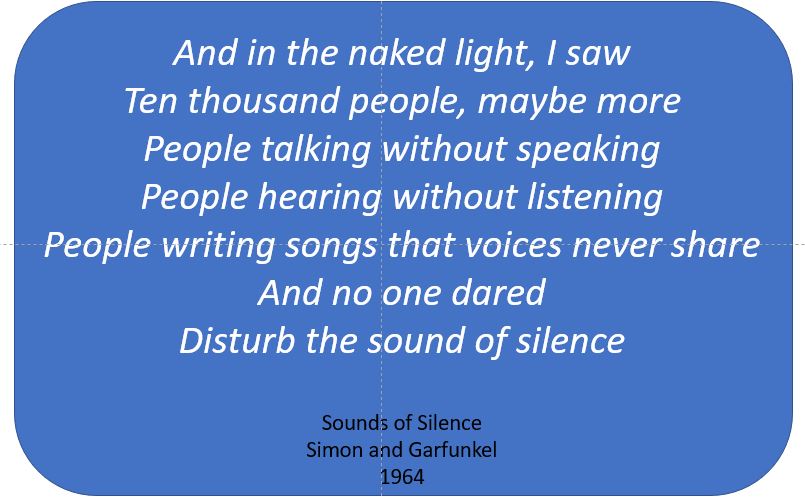
We often listen only for what we want to hear.

We often listen only with our ears, ignoring the tonality, emotion, and expression of what the person might be sharing.

The temptation in medicine is to immediately listen for details to build a strategy - to quickly find solutions. We get busy devising a plan for treatment or diagnosis and we guide the conversation toward what we think would be the best next step. We stop listening and start solving within seconds after a patient begins to speak. 

The average time in medicine that we listen before interrupting is 18 seconds!!!
When we listen with caring, valuable details and symptoms are more likely to be revealed and we hear things that might otherwise remain unknown.
 
Listening with attention is not only good for those around us – it’s good for us, too! Artful listening helps us step into our “best and most kind self” and contributes to our own fulfillment.


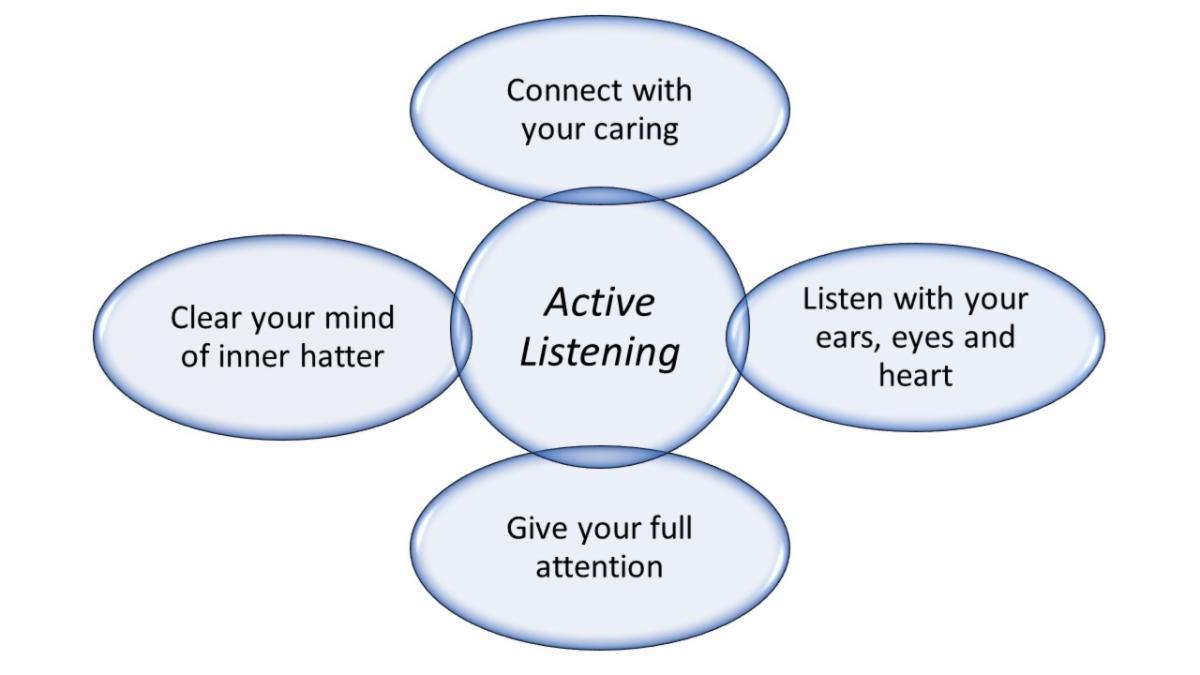
The good news is that listening with nothing else on our minds just takes paying attention and a little practice. A few tips for listening with attention are:

  • Connect with your caring. Remember you are speaking with another person who is doing the very best they can to communicate what is important to them.

  • Listen with your ears, eyes, and heart for content, tone, emotions and meaning.

  • Clear your mind of any inner chatter - thoughts of things you need to do or just did!

  • Give the other person the respect of your full attention and presence – and if you find yourself drifting off, just come back to the conversation.

Links for Additional Information
Did you enjoy this Newsletter?
Yes
No