 |
|
|
October 2019 Featured Member Agency
|
|
 Supportive Services, Inc. was the first "parental choice" Alternative Payment Program established in Fresno, California on November 5, 1976. The agency is contracted with the California Department of Education to provide subsidized child care to over 4,000 children whose parents reside in Fresno County. In addition, the agency has administered various child development contracts over the course of 43 years. Presently, we administer CAPP, C2AP, and C3AP contracts.
The agency provides assistance on a non-discriminatory basis extending equal treatment and access to services for children, parents and providers. The agency's ability to offer a maximum level of support is due to the longevity of our exceptional staff. Many employees have been with the agency a minimum of ten years; supporting the mission of CDE to offer 'continuity in services.' Our parents love to see familiar faces!
Supportive Services, Inc. has also had the pleasure of serving as the lead agency for the Fresno Area Child Development Consortium for 29 years. The agency offers a venue to collaborate with various community-based organizations including school districts, subsidized/non-subsidized providers, community colleges, universities, social service agencies and businesses to establish partnerships in meeting the diverse needs of the families of Fresno County.
Recently, Supportive Services, Inc. had the opportunity to host the end of the year luncheon for the Fresno Area Child Development Consortium in which Dr. Joseph Martinez was honored for his invaluable years of service to the Central Valley prior to his retirement in July 2019. It is hard to image that 43 years ago we began as a three-person operation with a goal to uplift the 80 children enrolled on our program; to now 30 staff and growing, and thousands of children in Fresno County thriving due to the funding and support of the CDE's APP programs.
------------------------------------
|

4th Annual Champions for Children Luncheon
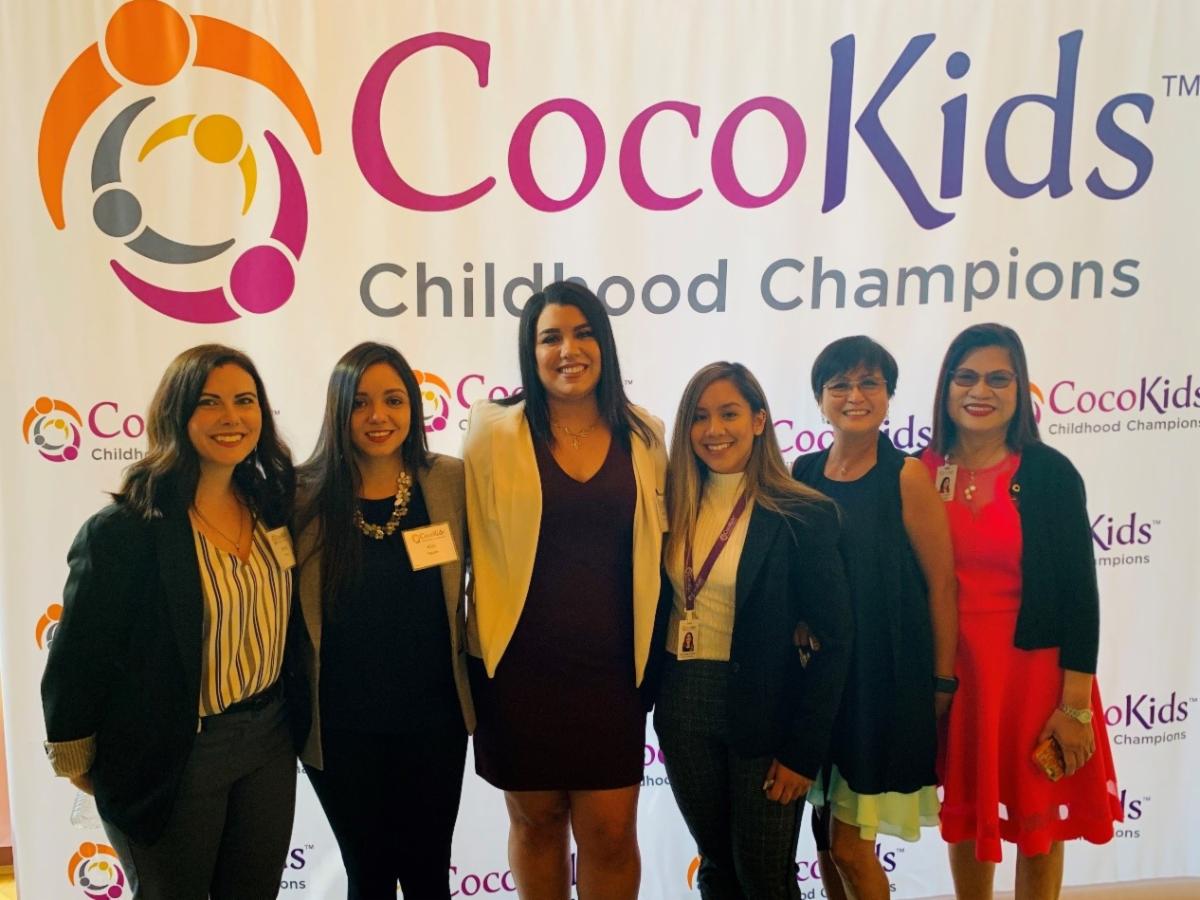
CocoKids celebrated 43 years of service to children and families across Contra Costa County at the 4th Annual Champions for Children Luncheon last September 19th.
With close to a hundred and fifty guests, CocoKids celebrated their work benefiting children and their families over the past year and thanked their many supporters and partners for their continued support of their mission which is to champion and advance quality childcare and early education. The luncheon featured keynote speaker Vicki Hoefle, who spoke about raising fearless, resilient, independent, and self-sufficient happy human beings. Other speakers included childcare provider Khulood Jamil, who shared her story on how CocoKids helped her navigate the challenging but very fulfilling field of child care over the past 20 years, and Superintendent of Public Instruction, Delaine Eastin, honorary chair of the event who highlighted the importance and impact of quality early childhood education on the East Bay community.
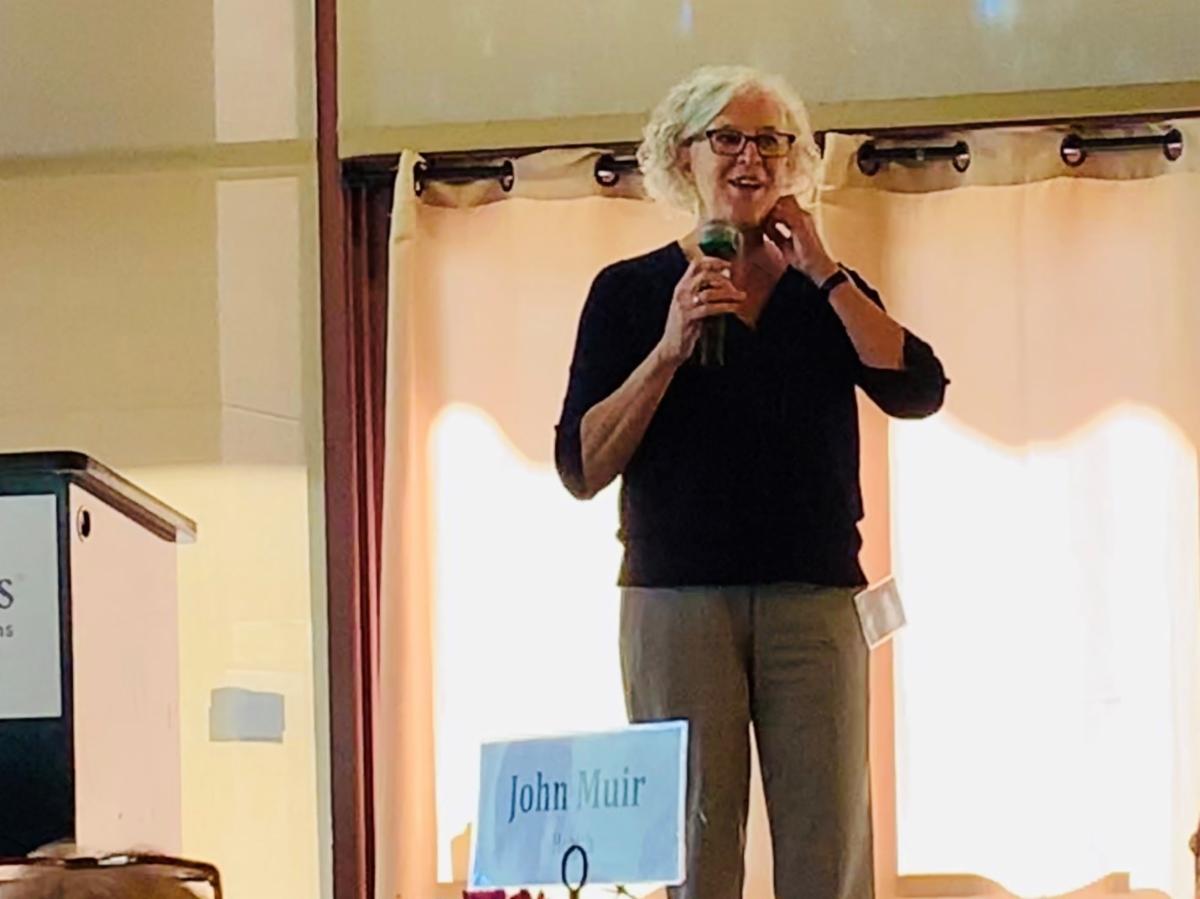
Pictured: Keynote Speaker Vicki Hoefle
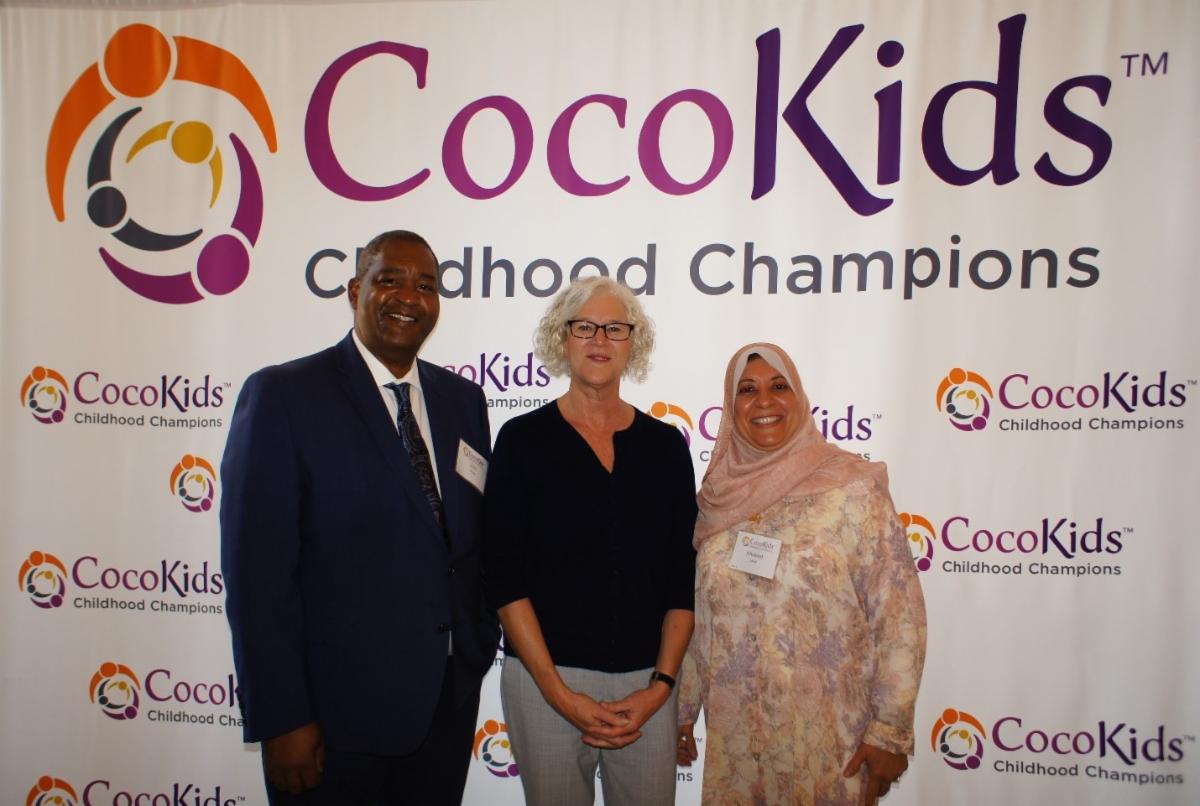
Pictured: John Jones (Executive Director of CocoKids), Vicki Hoefle (Keynote Speaker), & Khulood Jamil (Provider/Speaker)
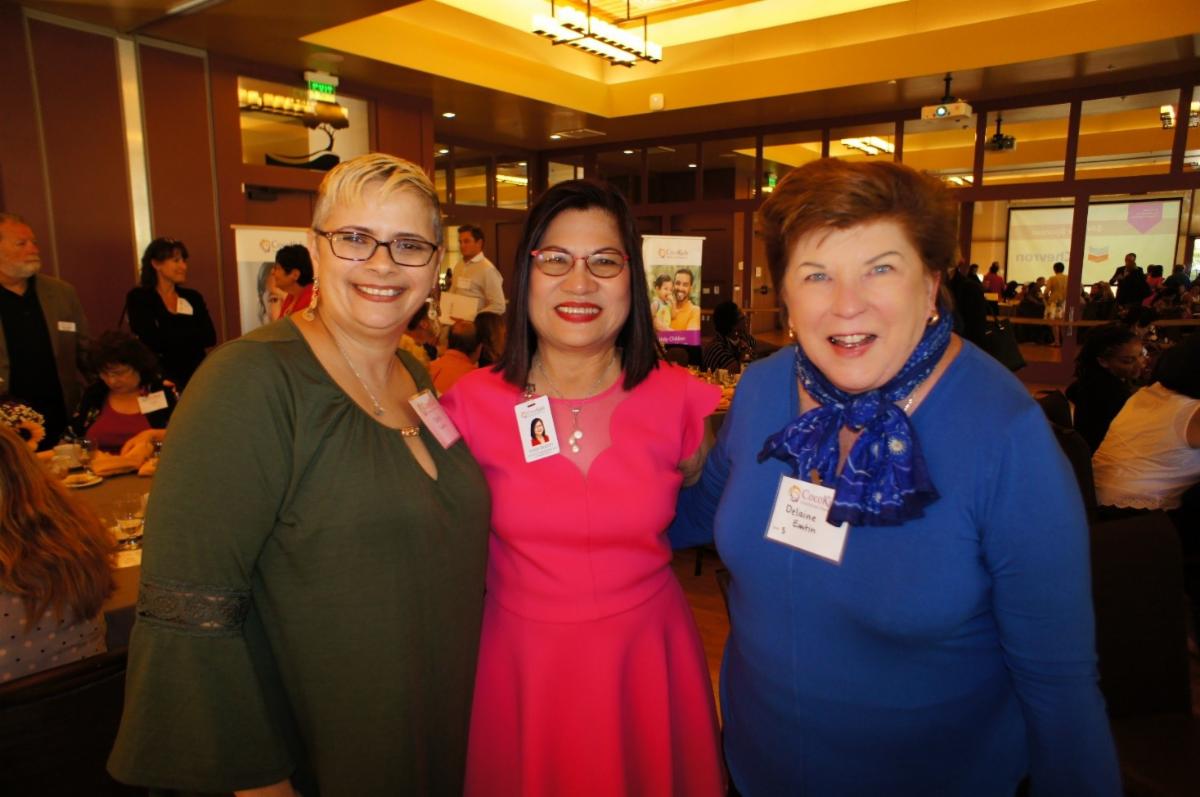
Pictured: Candy Duperroir (Resource & Referral Manager), Letty Quizon (Director of Development & Communications), Delaine Eastin (Honorary Event Chair)
Pictured: John Muir Health (Platinum Event Sponsor)
Pictured: John Muir Health (Platinum Event Sponsor)
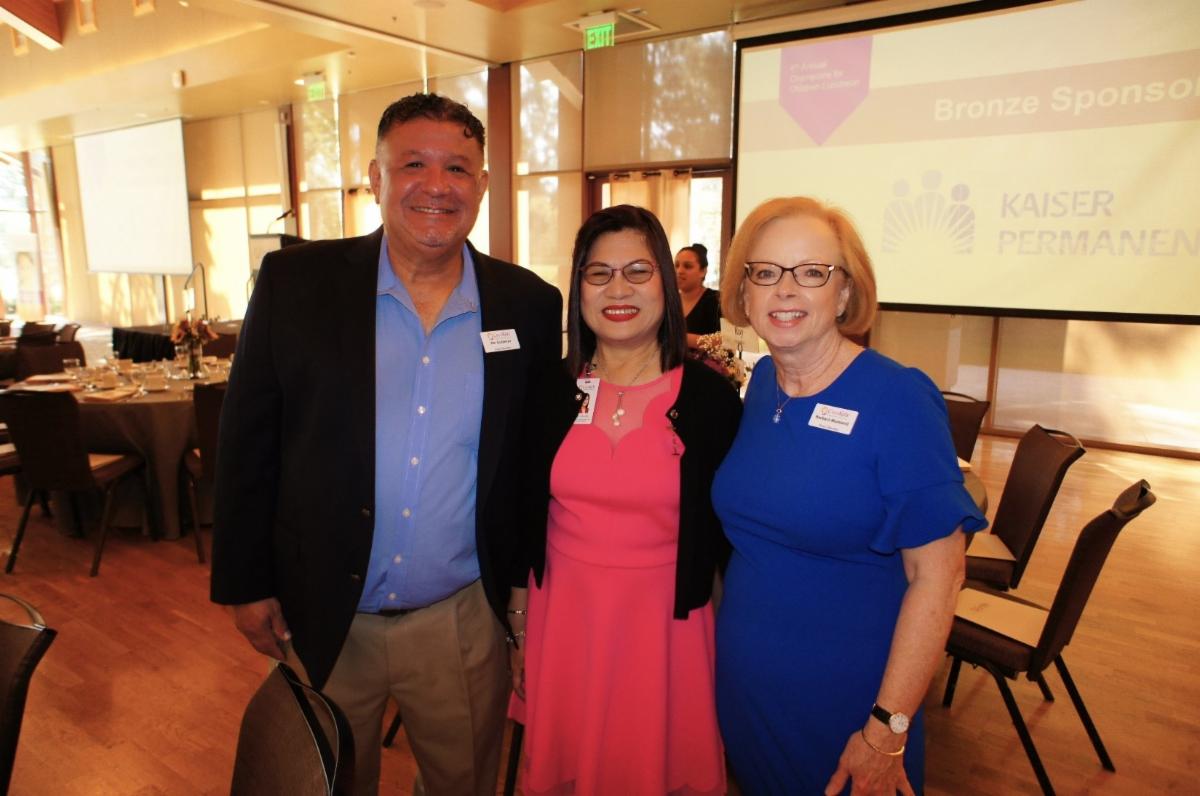
Pictured: Nicolas Gutierrez (Board Member), Letty Quizon (Director of Development & Communications), & Barbara Moreland (Board Member)
Pictured: CocoKids Event Staff
-----------------------------------------
Do you have success news to share with us?! We love to hear what our members are up to and where they're going! Submit your accomplishment(s) big OR small by emailing us!
|
|
|
CAPPA Member Only Benefits
|
|
CAPPA Member Benefits now available on the Members Only website:

|
Just added to the Member's only website:
|
|
|
CAPPA's
2018-19 Board of Directors
|
|
Rick Richardson
Child Development Associates
Karen Marlatt
Valley Oak Children's Services
Beth Chiaro
Child Care Resource Center
LaVera Smith
Supportive Services Fresno
Martin Castro
Mexican American Opportunity Foundation
Jeffrey Moreira
Crystal Stairs, Inc.
Public Policy Co-Chair
Phillip Warner
Children's Council San Francisco
Tina Barna
Choices for Children
Abby Shull
YMCA Childcare Resource Service
Leslie Reece
Family Resource & Referral of San Joaquin County
Jeanne Fridolfs
Napa County Office of Education
Mike Michelon
Siskiyou Child Care Council
Marco Jimenez
Central Valley Children's Services Network
Michelle Graham
Children's Resource & Referral of Santa Barbara County
Joie Owen
Glenn County Office of Education
Denyne Micheletti Colburn
CAPPA CEO
|
|
|
ELCD/CDE, DSS & CCLD Updates
|
|
October 14, 2019
15-day comment period has opened.
September 17, 2019
September 9, 2019
Fiscal Year 2019-20 Two-Day Fiscal Training for Center-Based Contractors.
Additional information regarding location details and how to sign up for these trainings will be forthcoming
|
|
|
Is Your Organization Hiring?
Post your job announcement here for thousands to see!
There is no charge for CAPPA members.
Non-members will be charged a fee of $75.
Please
email us
your posting!
Colusa County Office of Education
Solano Family and Children's Services
International Institute Los Angeles
Children's Council San Francisco
|
The CAPPA Board has made it a priority to support our field with a coordinated calendar to note upcoming statewide conferences, federal conferences of relevance, CDE and DSS stakeholder meetings and legislative and budget deadlines and hearings.
NOTE: If you would like to share your newsletter or items of interest with our field via the Monday morning e-Newsletter, then please
email us
a link. Please make sure that you have a link included to an online version or viewing.
|
|
|
Become a Monday
Morning
Update Partner!
|
|

Our Monday Morning Update supports our Early Learning & Child Care field with timely information about what is going on in California and nationally; as well as dates to be aware and upcoming events.
Our weekly (50 times per year) Monday morning distribution is to more than 4,000 federal and state local agencies, resource and referrals, contractors, legislators and their staffs', centers, parents, providers, state departments and advocates.
To help support the continuation of this resource and or advertise in the Monday Morning Update, click
HERE.
You can also make a donation to CAPPA and CAPPA Children's Foundation
The Children's Foundation is a non-profit organization (501(c)3), Taxpayer Identification Number is
03-0521444. Your generous donation is tax deductible.
|
|
|
|
|
October 13th was the final day for Govenor Newsom to act on legislation for the 2019 year. In his final action, the Governor vetoed many bills he noted that may have high cost pressures. Unfortunately, many of his final actions will put more burdens on working families and those struggling with homelessness and poverty. Below are the final outcomes of some high profile bills.
CHAPTERED
For all, while legislators are back in their districts, please make it a priority to educate them about your programs, families and children served, ideas for better delivery of services, etc.
While on recess, informational hearings may be scheduled throughout the state that may be of interest.
Monday, October 21, 2019
- ASM Higher Education Oversight Hearing (Medina, Chair) 1:30pm - State Capitol Rm 437
- CSU Quantitive Reasoning Admission Proposal
Wednesday, October 23, 2019:
- ASM Governmental Organization and Select Committee on the Nonprofit Sector Joint Hearing (Gray, Limon, Chairs) 10:00am - 12:00pm - Chapala Event Center
- The Role of Nonprofits in Emergency Preparedness
Thursday, October 24, 2019:
- SEN Select Committee on Social Determinants of CHildren's Well-Being (Mitchell, Chair) 10:00am - Holman United Methodist Church, Los Angeles
- Past, Present, and Future: Immigration in Los Angeles and California's Investments in Immigrant Children
Click here to see calendar of field events/interests and legislative hearings and deadlines. If you would like something added to the field calendar,
click here and submit details.
|
Profiled Bill
of the Week!
AB 819 - Assemblymember Mark Stone
Foster Care
Assemblymember Mark Stone (D-Scotts Valley) issued the following statement in response to Governor Newsom signing Assembly Bill 819:
"
I am so glad that Governor Newsom signed AB 819 so that we can continue our ongoing effort to reform California's congregate care system and improve outcomes for all foster youth. AB 819 makes clarifying changes to many of the processes within the foster care system and updates several code sections to conform with federal law so that we can continue to implement continuum of care reforms and create a system where every
child has a safe, comfortable, and supportive place to stay."
AB 819 adopts changes to further facilitate implementation of Continuum of Care Reform (CCR) specifically as it relates to flexibility for resource families, exclusions from resource family homes, financial resources available to tribally approved homes, the provision of intensive services foster care (ISFC), and the ability of group home staff to administer emergency injections, among others.
Assemblymember Mark Stone represents the 29th Assembly District, which includes
Boulder Creek, Carmel, Carmel Valley, Marina, Monterey, Prunedale, and Santa Cruz.
|
 Newsom's first rodeo: Newsom's first rodeo:
In year one, the governor bucks both Trump and Brown
Democratic Gov. Gavin Newsom signed and vetoed the year's
final batch of legislation Sunday night, making decisions that will shape California in ways big and small. His choices during his first year as governor largely reflect Newsom's progressive vision for the state. But they also offer a window into how he approaches his role as a leader - not only of California, but of the broader "resistance" movement opposed to Republican President Donald Trump.
Here are a few things Newsom revealed as he made his way through 1,042 bills the Legislature sent him this year.
|
|
|
CDE Information & Updates
|
|
 ELCD Welcomes Director Stephen Propheter
State Superintendent of Public Instruction Tony Thurmond is excited to announce that Stephen Propheter has been selected to be the new Director of the ELCD at the CDE starting on October 11, 2019.
After a competitive and extensive review process, and in partnership with the executive office and cross-branch hiring panel, Stephen was selected for his wealth of management knowledge and experience, innovative leadership approach, experience collaborating with sensitive workgroups, including the Governor's Office, and experience
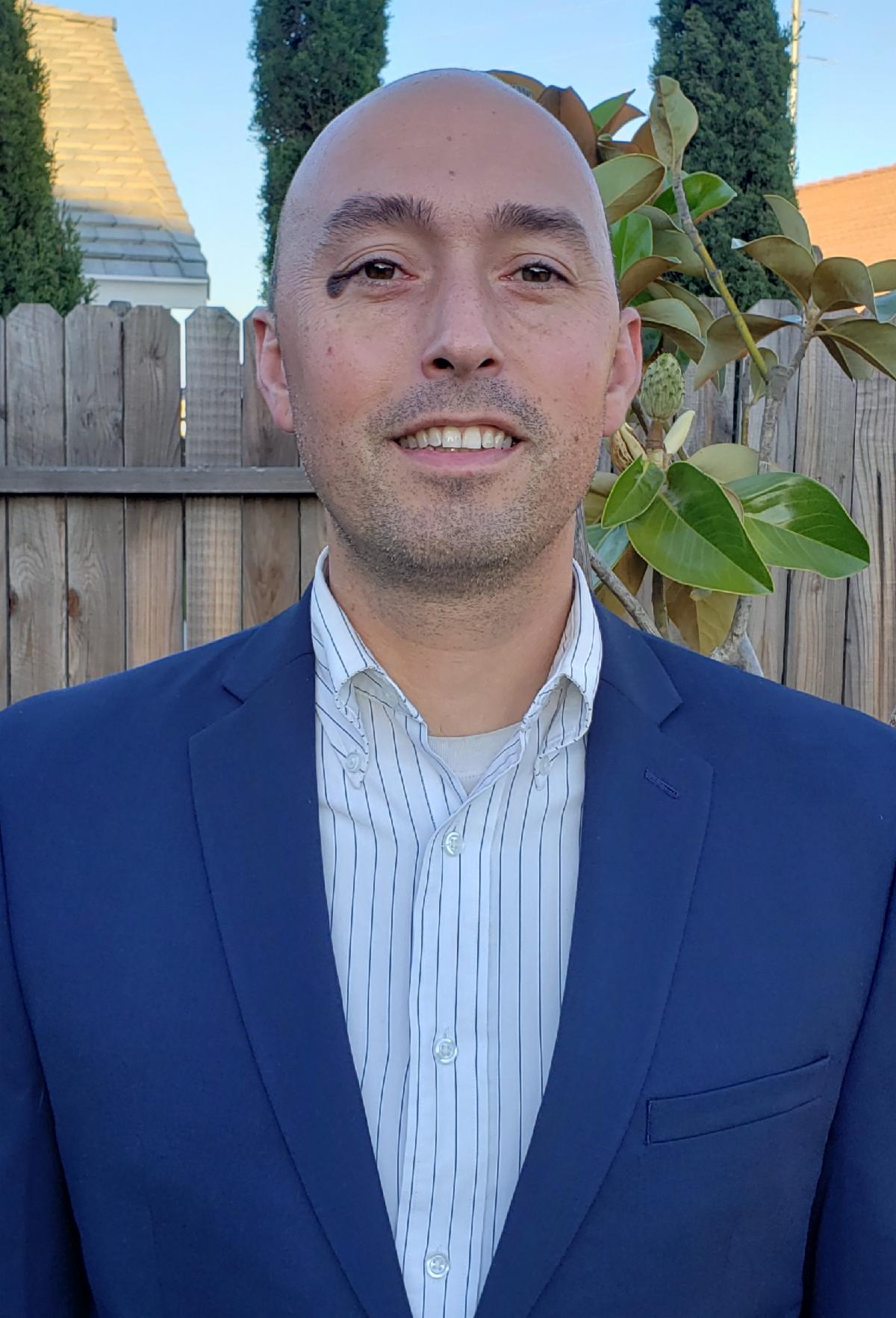 partnering with state agencies and statewide organizations on highly visible and sensitive policy items. His experience includes collaborating with stakeholders and external control agencies, including the Department of Finance, the Governor's Office, and the Legislative Analyst's Office. He also brings passion and extensive knowledge of early learning and care programs, policies, continuous improvement activities, systems work, and procedures of the state and of CDE.
Stephen joined the ELCD as the Associate Director in April 2019, overseeing the ELCD's monitoring and administrative operations. Stephen brings comprehensive experience in education with over 12 years working at the CDE, and in his current role as the Associate Director of the ELCD. As the ELCD Associate Director, he has provided leadership in the implementation of the ELCD Strategic Plan, including continuing to build on the division's work on equity and improving access to high quality early learning and care programs. Prior to joining the ELCD, Stephen served in a variety of capacities in the Child Development and Nutrition Fiscal Services unit in the Fiscal and Administrative Services Division, including budget and fiscal policy. Stephen brings to the ELCD a track record of building strong relationships with early learning and care stakeholders and contractors at the local and state level. Additionally, as a licensed family child care provider for several years, Stephen and his wife gained insight into some of the challenges and opportunities in operating California's mixed-delivery early learning and care programs.
As the new ELCD Director, Stephen will provide leadership to continue the division's work to improve access, partnering with other divisions in the Opportunities for All Branch to ensure California's youngest learners have the supports needed to succeed in school and life.
Please welcome Stephen into his new ELCD Director position!
|
Webinar Wednesday announcement from the Field Services Office
The ELCD Field Services Office will host a series of webinar titles called Webinar Wednesdays to provide technical assistance to
ELCD contractors. Below you will find the topic, date, time, and log-in information for each webinar. It is not necessary to pre-register for these webinars.
October 23, 2019, 9:00 a.m.
Fiscal Year 2019-20 Contract Monitoring Review (CMR) - Before, During, and After the Review for Center-Based Programs
CDE, ELCD contractors are required to conduct contract monitoring reviews to determine the contractor's compliance with applicable laws, regulations, and/or contractual provisions. This webinar will inform center-based contractors on the different types of program reviews, how to prepare for a review, and what occurs before, during, and after the review. Further, an overview of the Early Learning and Care 2019-20 Program Instrument will be provided. This webinar is recommended for program directors, program staff, executive officers, and board members who implement the following program types:
- General Child Care and Development (CCTR)
- Severely Disabled Program (CHAN)
- Migrant Child Care and Development Program (CMAP)
- California State Preschool Program (CSPP)
Please have the Early Learning and Care 2019-20 Program Instrument (PI) accessible. The PI document is available at
Event number: 667 248 970
Event password: 172822
Event registration/address for attendees:
__________
October 23, 2019, 1:00 p.m.
Fiscal Year 2019-20 Contract Monitoring Review (CMR) - Before, During and After the Review for Alternative Payment Programs
CDE, ELCD contractors are required to conduct contract monitoring reviews to determine the contractor's compliance with applicable laws, regulations, and/or contractual provisions. This webinar will inform alternative payment contractors on the different types of program reviews, how to prepare for a review, and what occurs before, during and after the review. Further, an overview of the Early Learning and Care 2019-20 Program Instrument will be provided. This webinar is recommended for program directors, program staff, executive officers, and board members who implement the following program types:
- CalWORKs Stage 2 (C2AP)
- CalWORKs Stage 3 (C3AP)
- Alternative Payment Program (CAPP)
- Family Child Care Home Education Networks (CFCC)
- Resource and Referral Program (CRRP)
Event number: 664 911 154
Event password: 172823
Event registration/address for attendees:
_________
October 30, 2019, 9:00 a.m.
Some Contract Requirements Center Based
This webinar will provide an overview on some contract requirements for center-based programs. Participants will also learn how to find program requirements and how to stay informed on the latest information from ELCD. This webinar is recommended for program directors, program staff, executive officers, and board members.
October 30, 2019, 1:00 p.m.
Some Contract requirements Alternative Payment Programs
This webinar will provide an overview on some contract requirements for alternative payment-based programs. Participants will also learn how to find program requirements and how to stay informed on the latest information from ELCD. This webinar is recommended for program directors, program staff, executive officers, and board members.
Event number: 663 700 783
Event password: 172825
Event registration/address for attendees:
|
12-Month Eligibility and CalWORKs Regulations
This notice is to inform interested parties that pursuant to the requirements of California Government Code Section 11346.4(a), the 12-Month Eligibility and CalWORKs Regulations have been posted to the CDE Proposed Rulemaking and Regulations web page at
Any interested person, or that person's authorized representative, may submit written comments relevant to the proposed regulatory action. Comments must be received by the Regulations Coordinator prior to or on
October 29, 2019. Instructions on how to submit public comments can be found on the CDE Proposed Rulemaking and Regulations web page listed above. All written comments received by CDE staff during the public comment period are subject to disclosure under the Public Records Act.
Guadalupe Romo-Zendejas
Administrator, ELCD
|
|
|
2020 Election Information
|
|
Information on Upcoming Initiatives
November 2020 Eligible Statewide Ballot Measures
1840. (17-0044, Amdt.#1)
Restricts Parole for Non-Violent Offenders. Authorizes Felony Sentences for Certain Offenses Currently Treated Only as Misdemeanors. Initiative Statute.
)
1851. (17-0055, Amdt.#1)
Requires Certain Commercial and Industrial Real Property to be Taxed Based on Fair-Market Value. Dedicates Portion of Any Increased Revenue to Education and Local Services. Initiative Constitutional Amendment.
1870 (19-0008A1) "INCREASES FUNDING FOR PUBLIC SCHOOLS, COMMUNITY COLLEGES, AND LOCAL GOVERNMENT SERVICES BY CHANGING TAX ASSESSMENT OF COMMERCIAL AND INDUSTRIAL PROPERTY. INITIATIVE CONSTITUTIONAL AMENDMENT."
Link to this initiatives page.
Attorney General Information: Initiative and Referendum Proposals Pending Review By Attorney General
Upcoming Senate, Assembly, and Presidential Elections:
|
 Largest School Bond In California History Will Be On March 2020 Ballot
California's March 2020 primary ballot will ask voters whether to approve the largest school bond in the state's history.
If approved, the $15 billion bond Gov. Gavin Newsom signed Monday would fund construction and modernization projects at all levels: preschools, K-12, community colleges and the UC and CSU systems.
It's the largest school construction bond in the state's history. And it's a sharp shift from former Gov. Jerry Brown, who sought to pay down bond debt and oppose or reduce new bonds for school, housing and water projects.
Brown declined to address this specific bond when asked about it
in a recent CapRadio interview. But he did point out that bond and pension debts must be paid before regular state spending - "come hell or high water."
|
|
|
2019-20 State Budget Update
|
|
 2019-20 State Budget Information
|
|
|
2019-20 Federal Budget Update
|
|
 House would fund child care for 300,000 more children - Senate proposes to cut 40,000 instead
The House and Senate have proposed investing dramatically different amounts into the Child Care and Development Block Grant (CCDBG). The House has proposed investing an additional $2.4 billion in the program while the Senate has proposed a $25 million increase. The House's proposal would provide an additional 301,000 children with child care assistance while the Senate's proposal would cause 40,500 children to lost child care subsidies because the $25 million increase is lower than inflation. This factsheet is our state-by-state analysis of the number of children served by these starkly different CCDBG investments.
|
 2020 Budget Proposal Would Underfund Health, Job Training, Education Programs
The Senate Appropriations Committee proposes to cut
2020 funding for the departments of Labor, Health and Human Services (HHS), and Education by
$2.7 billion below the 2019 level in inflation-adjusted terms, even though the President and Congress agreed this summer to increase overall non-defense discretionary (NDD) funding for 2020.
Moreover, the bill increases funding for the National Institutes of Health (NIH), so other priorities that the bill funds - including helping families afford child care and improve their children's opportunities, strengthening workers' skills, improving health and education, and administering Social Security - face a cut of nearly $4.3 billion after adjusting for inflation, which would worsen shortfalls in some areas that already face serious funding gaps. The House, which provided a larger share of its overall increased funding for NDD for 2020 to Labor-HHS-Education programs, offers a far better approach.
This cut, along with the bill's increase for NIH, means that it underfunds a wide range of programs that improve the quality of life for millions:
-
Child care and Head Start. The bill ignores the need for substantial additional investments in early learning, reducing the Child Care and Development Block Grant (CCDBG) and Head Start by nearly 2 percent ($104 million for CCDBG and $196 million for Head Start) relative to the 2019 level in inflation-adjusted terms. Child care should be an investment priority, especially because current funding falls
well short of need. Only about 1 in 6 children who qualified for child care assistance under federal eligibility rules in 2015 received it due to funding shortfalls, and in 2017 the program assisted 450,000 fewer children than in 2006.
- Family planning. The bill would cut funding for Title X family planning by over 2 percent, after adjusting for inflation. Coming on top of many previous years of cuts, it would leave Title X funding 25 percent below the 2010 level, after adjusting for inflation. Also, whereas the House-passed Labor-HHS-Education appropriations bill would block the Trump Administration from implementing its February 2019 regulations excluding many qualified safety net family planning clinics from Title X, the Senate bill doesn't address the issue. These regulations likely would significantly reduce access to essential family planning and other health care services for low-income women and men.
- K-12 education. The bill would cut funding for one of the largest federal sources of K-12 funding - Title I for disadvantaged students - by $388 million or more than 2 percent after adjusting for inflation. Education funding for students with disabilities under the Individuals with Disabilities Education Act would also face a cut in inflation-adjusted terms.
- Job training. The bill would continue the trend of underinvesting in job training by reducing funding for Workforce Innovation and Opportunity Act job training grants for states and localities by over 2 percent, after adjusting for inflation. The total cut since 2010 would grow to 22 percent in inflation-adjusted terms.
- Social Security Administration (SSA). The bill would cut SSA's operating budget by $270 million or more than 2 percent, after adjusting for inflation. SSA's operating budget fell by nearly 11 percent between 2010 and 2019 in inflation-adjusted terms, even as the number of beneficiaries grew by 17 percent. This disinvestment has forced the agency to close field offices, shorten office hours, and shrink its staff, undermining customer service as costs and workloads grow.
|
|
Regional Technical Assistance Trainings-Fall 2019

|
October 29, 2019- Weed (Siskiyou County)
Siskiyou Child Care Council
170 Boles Street
Weed, CA 96094
Hosted by Siskiyou Child Care Council
|
November 4, 2019- Los Angeles
Crystal Stairs
5110 W. Goldleaf Circle, Suite 150
Los Angeles, CA 90056
Hosted by Crystal Stairs, Inc.
|
November 13, 2019- Concord (Contra Costa County)
CocoKids
1035 Detroit Avenue, Suite 200
Concord, CA 94518
Hosted by CocoKids
|
November 18, 2019- Fresno
Central Valley Children's Services Network (CVCSN)
1911 N. Helm Ave
Fresno, CA 93727
Hosted by Central Valley Children's Services Network (CVCSN)
|
CAPPA member agencies, with the support of CAPPA & Children's Foundation, have put together a series of Informational and Networking Sessions that will be coming to a region near you!
This series will offer a variety of Hot topics for the field and ALL staff are encouraged to attend.
If you would like to add any topics to the agenda, please let us know!
Agenda:
Best Practices Session (10:00am-11:45am):
- Discussion on Unpredictable and Intermittent Income
- Review of Variable Work Schedules
- Review of Broadly Consistent
- Clarifications on Continuity of Care
- Conversation on 12-Month Regulations:
The 12-Month Eligibility Regulations are nearing the end of the comment period. The next draft of the regulations are anticipated to be out by these TAs.
Lunch (11:45am-12:15pm)
CAPPA Legislative Update (12:15pm-1:00pm)
During this portion of the agenda, we will discuss CAPPA's Legislative Proposals for 2020.
Peer-to-Peer Networking Session
(1:00pm-2:00pm):
This portion of the agenda will allow attendees to share their successful strategies, tools and ideas.

|
|
CAPPA Audit Training, in partnership with CDE
December 4, 2019
KVIE, Sacramento
9:30am-2:00pm
CAPPA, in partnership with the CDE Audits and Investigations Division, will be delivering a training for our field focused on auditing. There will be a training from CDE on auditing changes and requirements, as well as a training from a CPA on how agencies should be preparing and complying with the different requirements.
Agenda:
9:30am-12:00pm:
Presentation from CDE Audits and Investigations Division
The California Department of Education's Audits and Investigations Division will provide an overview of federal and state requirements that apply to agencies administering the child development programs including cost allowability, audits, and certified public accountant selection.
12:00pm-2:00pm:
Presentation from a CPA
How agencies should be preparing and complying with the different requirements. This portion of the training will cover audits and internal controls as applied to the contractors.
**Lunch will be included.**
|
Click here to add your logo to the growing list above.
|
 Full-day kindergarten, STEM seal, Laotian history are among Gov. Newsom's final vetoes
ith 1 in 5 school districts not providing full-day kindergarten, Assemblywoman Shirley Weber, D-San Diego, authored a bill to require them to offer that option. But on Sunday, Newsom vetoed
Assembly Bill 197, stating that he is already addressing one obstacle standing in the way of a full-time program: a shortage of classrooms.
This year's state budget included $300 million in one-time funding specifically for facilities construction to expand full-day kindergarten, he wrote in his
veto message. The bill would have required every public elementary school, including charter schools, to offer at least one kindergarten class that has the same number of hours as 1st grade, beginning in 2022-23. Schools would have been exempt if, for lack of additional space, they had to offer a part-day kindergarten class in the morning and one in the afternoon in the same classroom. Full-day kindergarten is any program lasting more than four hours.
"I think the governor made it very clear through his veto messages on a number of early learning infrastructure bills that he wants to be very careful and very methodical about moving forward," Erin Gabel, deputy director of external and governmental affairs at First 5 California, which supported the bill, said on Monday. "We will not take this as a no forever, but a no for now, to make sure that our schools and our classrooms are ready for full day kindergarten."
Advocates of early childhood education say that full-day kindergarten provides more time for activities like learning through play while relieving expensive child care costs that many parents face.
|
 The Fight Against Preschool Pushout
When the parents or caregivers
of young children start the San Bernardino County, California, CARE program, they are desperate.
One mother said she hadn't been able to go to the store in four years because of her 5-year-old son's challenging behaviors. A grandfather recalled that before his preschool-age grandson started classes, he wasn't yet verbal, but after the 10-week CARE program, he was able to hear the boy express love for his mother in words for the first time.
"If you visit CARE during the first week, the kids are off the hook," said Ron Powell, the former administrator of special education programs in San Bernardino County who helped design the program 11 years ago. "There's a lot of screaming, crying and kicking, all kinds of protest behaviors going on because they can't control their big feelings. And then you come back toward the end, they're walking in lines, they're sitting together and playing together and sharing things with one another. It's quite a transformation."
The CARE program is one the state's therapeutic preschools, designed to address the behavioral and educational issues often faced by many preschoolers in the state, often those who already have a sizeable history of trauma. In recent years, Powell's CARE program has spread to San Francisco, Solano and Fresno counties, part of an effort to extend a robust onramp to early childhood education to children who can fall through the cracks.
But therapeutic preschool environments are more than just a warm and fuzzy exercise in helping youngsters learn - they're also an important bulwark against what some call the preschool to prison pipeline. As California implements an ambitious effort to curb school suspensions and expulsions, schools across the state are exploring therapeutic preschool models like Powell's as a way to help children address significant behavioral issues and keep them prepared to succeed in the state's education system.
|

Ask any parent of young children about their biggest expenses and child care is likely at the top of their list. Up there with housing and other necessities, child care costs on average almost
$10,000 a year per child up to 4 years old. In states where child care is extremely expensive, like my home state of California, families often
piece together coverage from different sources to try to make something work within their budget.
But unlike other expensive services, many child care businesses are not thriving. In fact, a
recent report found that many child care workers cannot afford to make a living, even in California where care costs are high. In
only five states do child care workers make enough to meet living wage standards, according to the 2018 Early Childhood Workforce Index.
So, what gives? How is it that the cost of care can be so high and businesses can still struggle so much? At my company, we help match parents to day cares and preschools, as well as help bring child care providers online. We've gathered data on over 150,000 child care providers across the U.S. and are in a unique position to see the key inefficiencies underlying the current system.
Link to
full article.
|
On Wednesday, the Washington Center for Equitable Growth, a left-leaning policy group, published five papers based on data about various subsets of the 30,000 survey respondents who are part of the Shift Project.
Workers at all income levels are increasingly expected to be on call. At the high end,
it can lead to overwork. At the low end, it means getting work schedules
at the last minute, varying day to day, and not being guaranteed the number of hours that employees may need to support themselves. Software enables employers to call in more workers
when demand surges and save money on labor when demand is low.
Link to
full article.
|
As 'green wave' spreads, marijuana funds create new dilemmas for education leaders
As district leader's visit to the workplace of a potential business partner would usually be considered a wise move in the effort to attract future financial support for education initiatives - but not when the business owner grows cannabis for a living.
Diana Rigby, superintendent of the Carpinteria Unified School District in California,
drew criticism from members of the community last month when she and four principals in the district were photographed wearing hard hats in a greenhouse full of cannabis plants.
Glass House Farms - where the photo was taken - is part of the Cannabis Association for Responsible Producers, which offered to pay for a counselor from the Council on Alcoholism and Drug Abuse in Santa Barbara to work in the district's middle school. While some in the community argued accepting the donation was inappropriate, Graham Farrar, the company's CEO, said the gesture makes perfect sense in a state that has legalized adult recreational marijuana use. He called it a "g
ood example of community supporting community."
Ultimately, the board voted 4-1 to accept the donation, but the controversy is an example of how the clash between shifting regulations and longstanding beliefs is affecting many district leaders.
"Marijuana is a drug, and basic common sense tells me that drugs and children are a bad mix," Rogelio Delgado, the Carpinteria board member who voted against accepting the donation, wrote in a
letter to the editor. "Accepting these donations shows disturbing and unethical behavior on the part of district leadership."
Link to
full article.
|

California joined the small group of states that ban "lunch shaming," where kids are given alternative, often less appetizing, meals if their families are behind on cafeteria payments.
Gov. Gavin Newsom, a Democrat, signed the bill Saturday, which requires all children get the same meal, even if their family isn't up to date on their meal fees. The rule applies from kindergarten through 12th grade.
The bill was one of several newly-signed laws aimed at making the state's schools "inclusive, accepting and welcoming of all kids," Newsom said. On Twitter
TWTR, +1.21% he
added, "Lunch shaming is very real and has serious consequences for the well-being of our kids. No more in CA."
But that's a small bite at a bigger problem, according to one expert.
"No one should be taking a victory lap in the war against child hunger by banning the relatively rare practice that never should have been legal to begin with," said Joel Berg, CEO of Hunger Free America, a nonpartisan nonprofit that helps low-income families receive government benefits and advocates for hunger-ending public policies.
|
 California's education establishment continues to fail students and families California's education establishment continues to fail students and families
The recent release by the CA Department of Education of the 2018-19 statewide proficiency test scores reveals no surprises: we're still failing California's 6.2 million public school students.
The test, given to students in grades 3-8 and 11, sets basic levels of proficiency for what every child should know to be on track for college and career readiness.
Overall, English Language Arts test data reveal still only half of all students perform at grade level while approximately 60 percent of students are actually underwater in grade level in math. If those numbers are alarming, consider the state average only increased by 1% in both ELA and math, marking the second year in a row for that paltry, pathetic, anemic growth.
|
 Calif. Regulators Move to Reduce Lead in Drinking Water at Child Care Centers Calif. Regulators Move to Reduce Lead in Drinking Water at Child Care Centers
State regulators announced steps on Wednesday to reduce the risks of lead exposure faced by young children in day care facilities across California.
In a public hearing, the State Water Resources Board agreed to adopt a goal of reducing lead in centers' drinking water to no more than 1 part per billion, or ppb. The board's decision represents the toughest action in the country to date on this issue.
Members of the water board did not vote to approve the health-protective lead goal during the meeting but did instruct its staff to include it in the recommendations and protocols the board will send to the Department of Social Services, which oversees licensed child care facilities and will administer the lead testing program.
More than 700,000 California children are enrolled in state-certified child care centers, which are mostly housed in privately owned buildings. Since 2017,
state law has required lead testing of water in public schools and child care centers based in schools, but it does not cover privately run child care centers.
|
|
|
|