| |
|
News & Updates
April 2026 Edition, Issue 100
| | Welcome to another edition of the CARTA monthly updates. Read on to keep abreast with what is new. |
|
|
◘ Program News
◘ Partner News
◘ Fellows News
◘ Publications
◘ Opportunities
◘ Resources
| *Click on 'view entire email' should all content not be displayed in a single email* | | | | Small Action, Big Impact: Acknowledge CARTA in Your Research Outputs | | |
Every CARTA-supported publication is more than an individual achievement; it is evidence of collective investment in strengthening research capacity in Africa. For this reason, all fellows and graduates are required to acknowledge the Consortium for Advanced Research Training in Africa (CARTA) and its funders in any outputs arising from CARTA-supported work, including publications, presentations, reports, and relevant materials.
We appreciate the many fellows who include CARTA in their acknowledgments. To ensure full and consistent compliance, we take this opportunity to remind all fellows and graduates of this important requirement. Omission of the CARTA acknowledgment not only weakens visibility of the program’s impact but also affects our ability to demonstrate value to funders and secure future opportunities for current and future cohorts.
The official CARTA Acknowledgment Statement and Guidelines are available on the CARTA website (under resources). The Acknowledgment Statement is current as of April 29, 2026, and may be updated periodically to reflect changes in CARTA’s funding and requirements. Fellows and graduates are therefore advised to always refer to the website for the latest version before use.
| Transforming How Scientific Impact Is Tracked in Africa | |
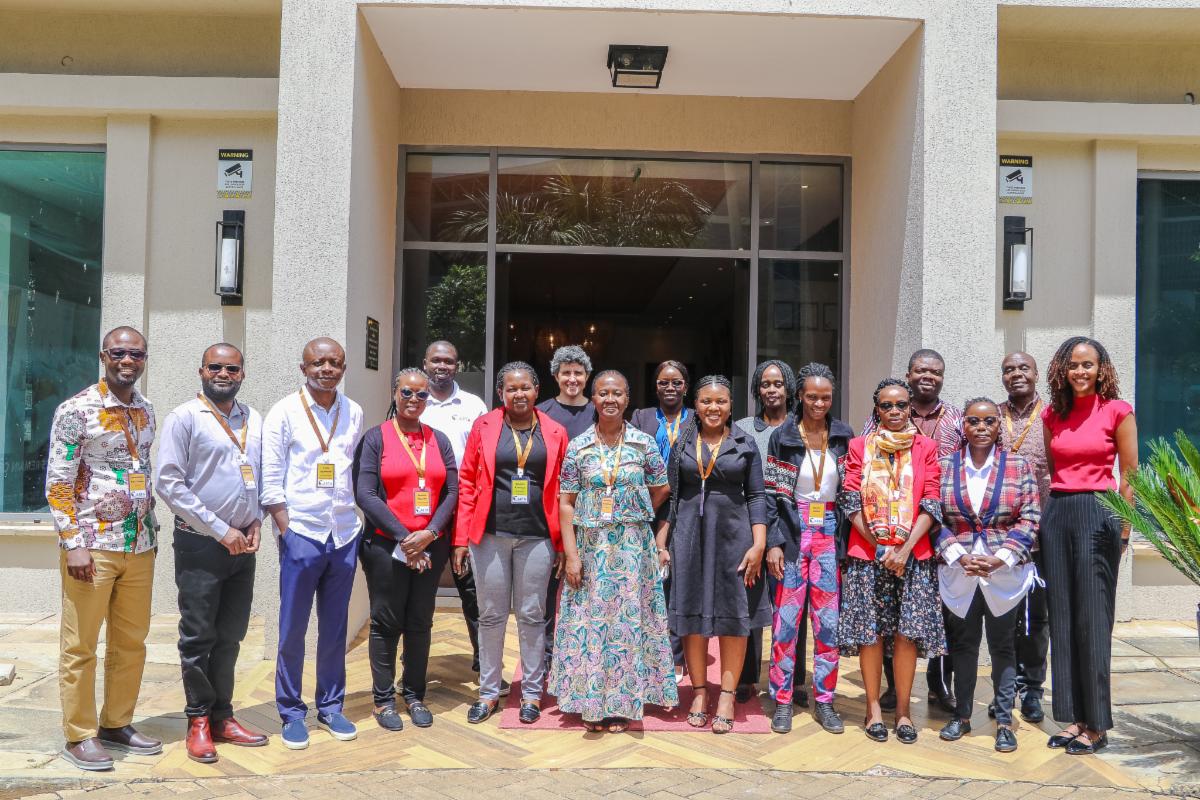
As one of five partner initiatives, CARTA convened a two-day workshop in Nairobi (April 15–16, 2026) to validate the Capacity Building and Scientific Impact Tracking System for Africa (CB-SITS Africa). The workshop brought together partners from the African Institute for Mathematical Sciences (AIMS), Building a New Generation of Academics in Africa (BANGA‐Africa), the African Research Universities Alliance (ARUA), and the Preparing Outstanding Social Science Investigators to Benefit Lives and Environments in Africa (POSSIBLE-Africa) initiative. Participants worked with real program data to test the platform, co-develop a shared evaluation framework, and explore a sustainable model for rollout.
CB-SITS Africa aims to transform how research capacity and scientific impact are tracked and evaluated across the continent through a robust, data-driven system. The platform enables institutions, researchers, and policymakers to assess progress, optimize funding allocation, and maximize societal impact.
| | The 21st CARTA Partners Forum | | |
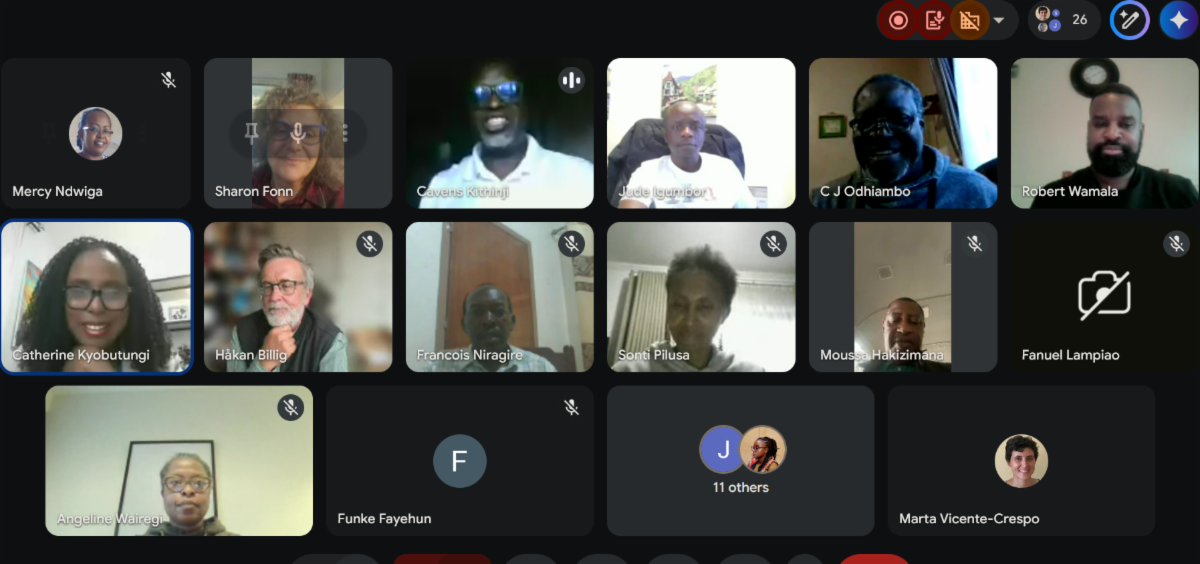
CARTA convened representatives from its African and non-African partner institutions for a Partners’ Forum virtually on April 22, 2026. The meeting reviewed updates from the CARTA Secretariat, including programmatic and financial performance, and explored priorities under the CARTA Strategic Plan 2026–2030, with particular focus on governance transitions and guidelines for associate membership.
Discussions also covered progress toward Good Financial Grant Practice (GFGP) certification among African partner institutions, alongside issues of financial reporting and accountability. The chairing structure of oversight bodies was considered, with a decision deferred for further review. Partners agreed on key next steps, including accelerating certification processes, strengthening financial accountability, refining management models, enhancing data systems, and deepening partner engagement to support effective implementation of the new strategy.
| CARTA Co-Director Catherine Kyobutungi Appointed to Global Health Governance Panel | | Catherine Kyobutungi, Co-Director of CARTA and Executive Director of the African Population and Health Research Center (APHRC), was appointed to a high-level global panel under the Accra Reset Initiative. Announced on April 3, 2026, the 18-member panel brings together leading policymakers, researchers, and global health experts from across continents to develop actionable proposals for reforming global health governance systems, with a focus on strengthening equity and elevating voices from the Global South. The appointment reflects the growing recognition of African leadership in global health decision-making and efforts to ensure more inclusive, evidence-informed governance structures. | | Strengthening Safeguarding and Digital Security | | |
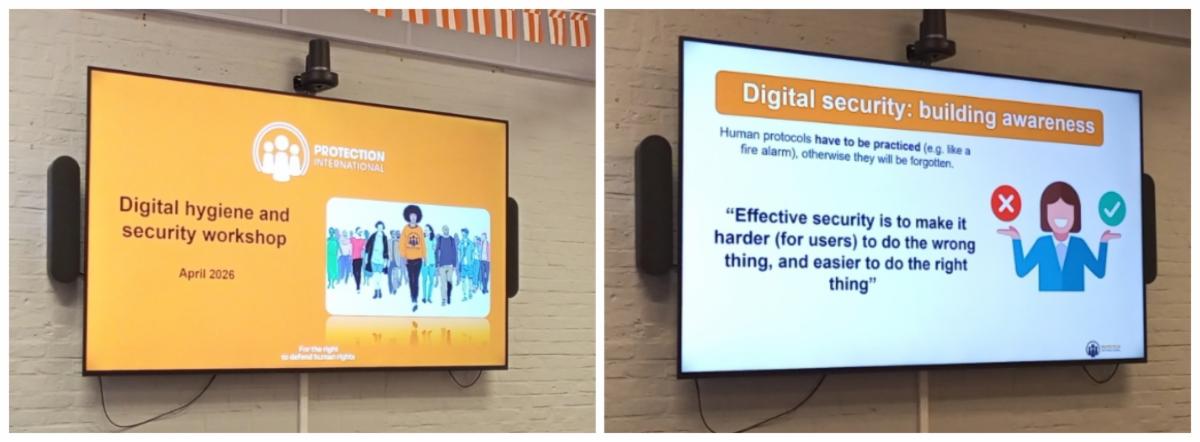
CARTA Program Manager Marta Vicente-Crespo participated in a Safeguarding and Security training funded by the Oak Foundation and delivered by Protection International on April 22–25, 2026, in Brussels. The session marked the final phase of a multi-part training series that has engaged core members of the African Population and Health Research Center (APHRC)’s safeguarding committee, including CARTA graduate and former focal person Beatrice Maina, in strengthening approaches to risk identification and assessment related to staff and researcher safeguarding.
The training focused on consolidating learning from previous sessions while deepening understanding of digital security, particularly safe data management practices, secure communication, and responsible use of social media. Through interactive engagements, participants assessed existing vulnerabilities, reflected on institutional practices, and advanced the development of a comprehensive safeguarding risk register. Next steps include finalizing the draft risk register for institutional review and adoption at APHRC, and subsequently sharing it with partners to foster dialogue, strengthen safeguarding practices across institutions, and encourage the exchange of good practices.
| CARTA at the PERKA II Stakeholder Convening | |
CARTA Program Coordinator Angeline Wairegi attended the Peer Learning for Emerging Researchers’ Knowledge and Advancement (PERKA) II Stakeholders Convening held in Accra, Ghana, from April 14 - 15, 2026. Supported by the Carnegie Corporation of New York and the National Research Foundation of South Africa (NRF), the convening brought together partners to co-create strategies to strengthen and sustain post-PhD support for Early Career Researchers (ECRs) across Africa. During the convening, PERKA II researchers shared findings from their study of CARTA’s post-PhD support and its impact across individual, institutional, and societal levels.
Now in its second phase, PERKA aims to deepen regional collaboration and engage African institutions and funders in taking ownership of postdoctoral support, a vision that aligns with CARTA’s goal of creating and sustaining African research-intensive universities that maintain a pipeline of high-quality, multidisciplinary ECRS in public and population health across sub-Saharan Africa.
| |
|
CARTA is committed to sharing its experiences and insights. Over the past few years, we have published several papers documenting key outcomes and lessons learned from our work. We look forward to producing more knowledge products as resources allow.
To explore our publications, visit our article list on Semantic Scholar
| | | | KUHeS Systems Certified at the Highest Level | | |
The Kamuzu University of Health Sciences (KUHeS), Malawi, has attained platinum-level Good Financial Grant Practice (GFGP) certification, a milestone that reflects the combined efforts and financial support provided through CARTA. GFGP is an internationally recognized standard that assesses the quality and reliability of an institution’s financial and grant management systems. Achieving platinum certification, the highest tier, signifies that KUHeS has demonstrated robust, well-established, and consistently applied systems that meet rigorous international standards. This reflects the institution’s commitment to strengthening research management and aligning with internationally recognized grant management standards.
| | Promotion and Appointment | |
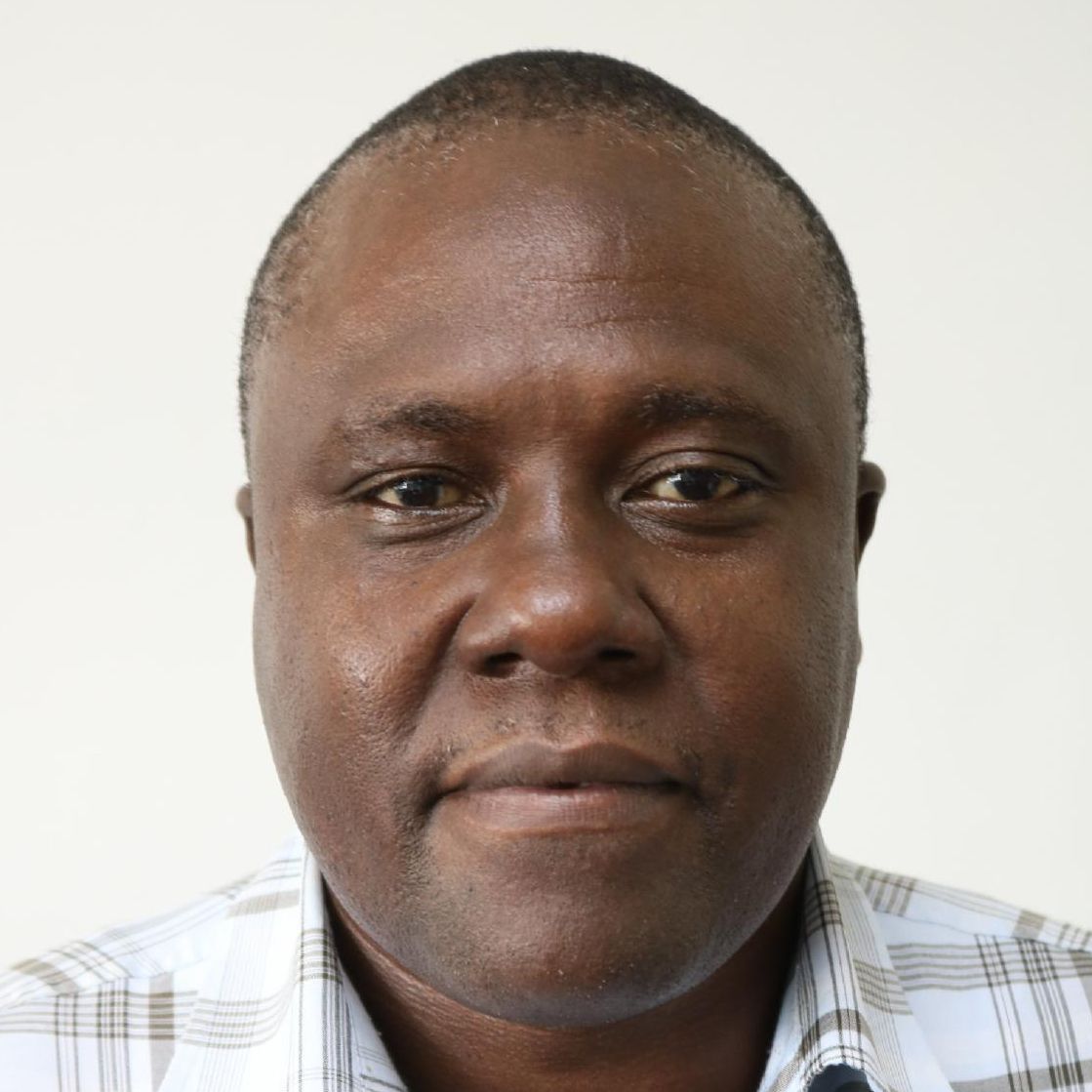
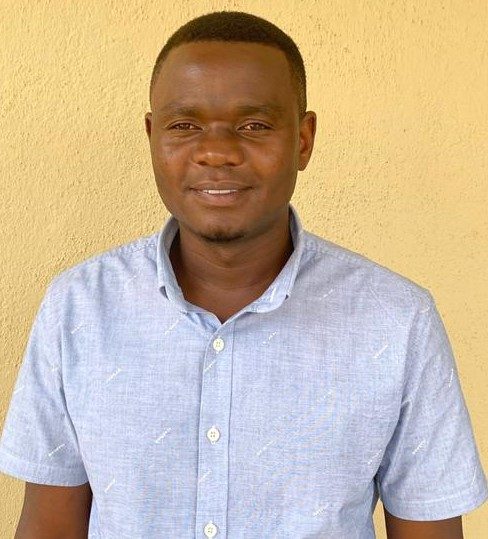
Enock Chisati, cohort 7, Kamuzu University of Health Sciences, was promoted to full fellow of the interRAI research network effective April 6, 2026. Until his promotion, Enock has been serving as an Associate Fellow of interRAI (International Ray Assessment Instruments), a collaborative network of researchers and practitioners in over 40 countries committed to improving care for persons who are disabled or medically complex.
| |
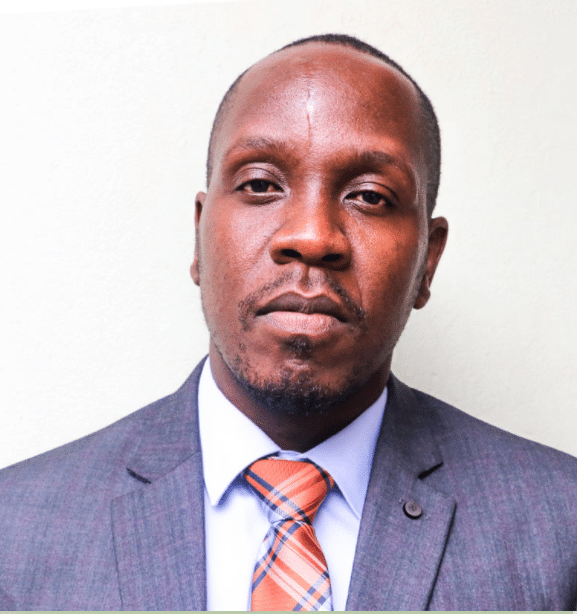
Apatsa Selemani, cohort 10, Kamuzu University of Health Sciences, was appointed Chief Executive Officer of the National Library Service effective April 1, 2026. In his role, he will provide strategic direction at the national level, focusing on improving literacy and expanding access to information for the general public.
| Early Career Researchers in Action | |
Eniola Cadmus, cohort 7, University of Ibadan, participated as a panelist at the World Health Summit (WHS) Regional Meeting held from April 27–29, 2026, at the United Nations Office at Nairobi (UNON). She contributed to the session “Equitable Financing Models for Gender and Youth Health Priorities”, under the theme of "Gender, Equity, Youth Leadership and Social Accountability". Drawing on her expertise in community medicine and ageing research, Eniola highlighted gender-related inequities in health financing, with a particular focus on the vulnerabilities faced by older women. She emphasized the importance of integrating gender- and age-responsive approaches into health financing models to ensure inclusive and equitable health systems.
| |
Beryl Maritim, cohort 10, KEMRI-Wellcome Trust, also participated in the World Health Summit Regional. She chaired the session “Strengthening Primary Healthcare Financing Through Country Learning: Insights from Kenya, Burkina Faso, Uganda, and Tanzania,” under the theme of Health Workforce, Financing, and System Building. In her role, Beryl guided discussions that brought together cross-country perspectives on primary healthcare financing, facilitating dialogue on practical lessons, shared challenges, and opportunities for strengthening sustainable and resilient health systems across the region.
| |
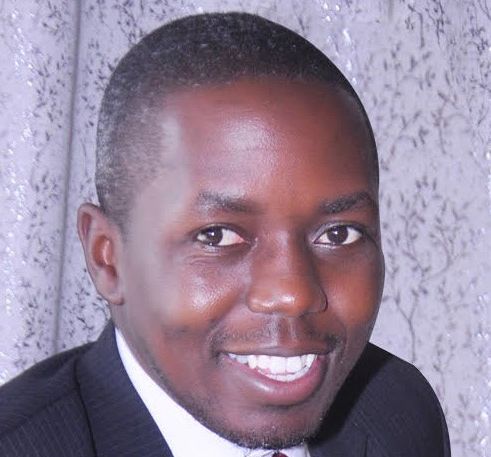
Stephen Wandera, cohort 2, Makerere University, was awarded the Atlantic Fellowship for Equity in Brain Health at the Global Brain Health Institute (GBHI) on March 23, 2026. The fellowship provides innovative training, networking, and support to emerging leaders to improve brain health and reduce the impact of dementia in their local communities and globally.
| |
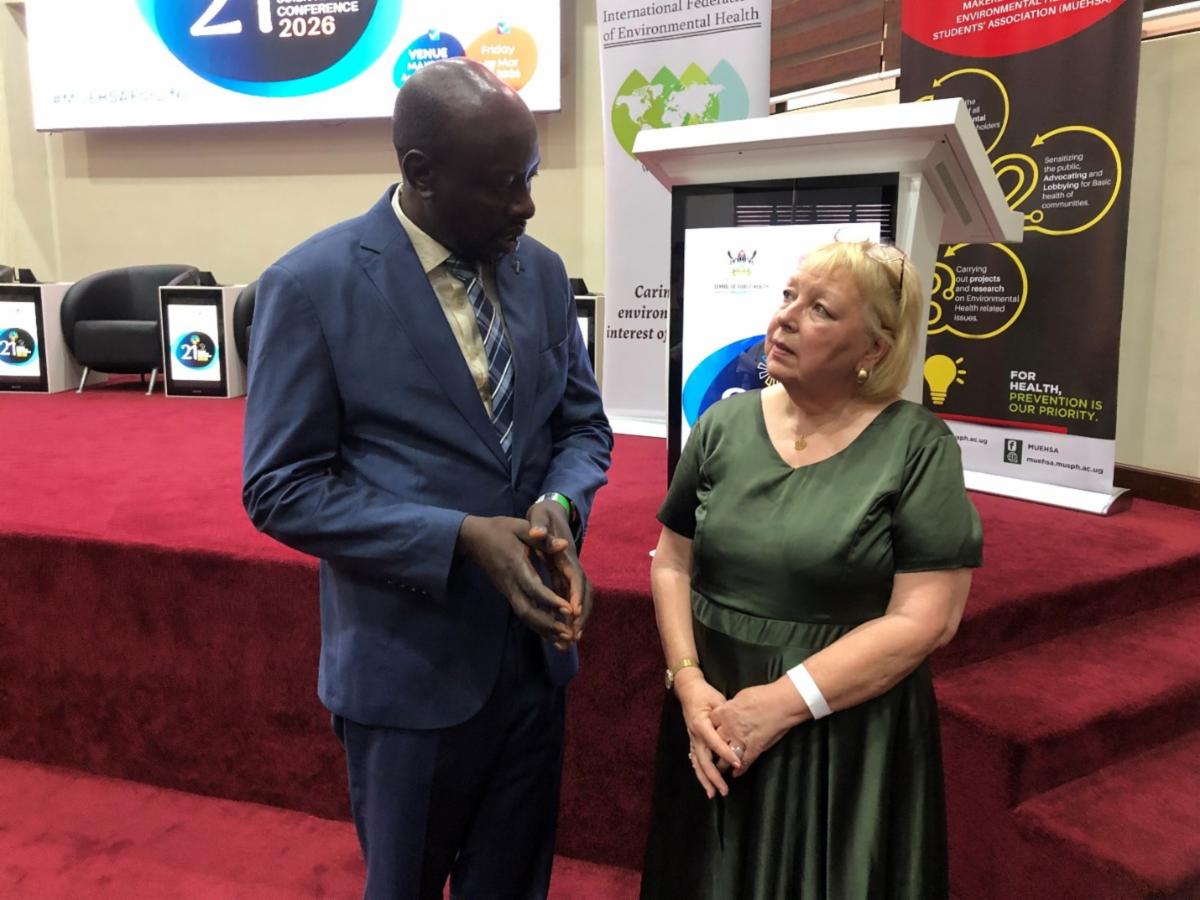
Celestin Banamwana, cohort 7, University of Rwanda, participated in the 21st MUEHSA Annual Scientific Conference themed “Equitable Partnerships for Environmental Health: A Pillar for Resilient Health Systems and Sustainable Development”. The conference took place on March 27, 2026, at Makerere University-School of Public Health, Kampala, Uganda. The forum convened students, academics, researchers, policymakers, practitioners, and development partners to explore collaborative, evidence-based approaches to addressing environmental health challenges and strengthening resilient health systems. During the conference, he shared his CARTA-supported postdoctoral research on antimicrobial resistance, which investigates the dynamics of Carbapenem-resistant pathogens in the hospital wards.
| |
Godwin Anywar cohort 6, Makerere University, delivered a series of talks in April 2026 focused on the responsible use of artificial intelligence in scholarly writing, engaging both faculty and graduate students across institutions. These included a session on “Scholarly Writing in the Age of AI: Opportunities, Risks, and Responsible Practice” delivered virtually at Kabale University on April 24, as well as a talk on “Responsible Use of Artificial Intelligence (AI) in Scholarly Writing: Enhancing Research Quality and Strategic Journal Selection” during an academic write-shop for the Department of Sociology and Anthropology on April 18. Earlier, on March 30, he contributed to a seminar series at Makerere University’s Department of Plant Sciences, Microbiology and Biotechnology, where he addressed similar themes, highlighting emerging opportunities and ethical considerations in integrating AI into research and academic publishing.
| | |
Every day in Uganda, about eight people die from drowning—most in preventable, overlooked circumstances that rarely make it into public health priorities or policy discussions. Yet behind these statistics is a growing body of work challenging this silence.
CARTA graduate Frederick Oporia is leading pioneering efforts to change how drowning is understood, tracked, and prevented—from building the first community-based drowning surveillance system in Africa to shaping Uganda’s national strategy and influencing global policy at the World Health Organization (WHO). His work is not only generating new evidence in a neglected field, but also turning that evidence into action that is already saving lives in high-risk communities.
| | |
Our Reads, Listen & Watch
this Month
| | |
African startups have attracted over $20 billion in funding—but can this capital transform largely informal economies? This piece explores whether the future lies in building resilient “camels” or strengthening existing small and medium-sized enterprises (SMEs).
Global Investors and Finance Ministers in Washington Decide the Future of Global Development and Investment
The article explains how Substack provides creators with tools to track performance, such as views, subscribers, engagement, and revenue, helping them understand audience growth and optimize their content strategy.
The Inside Track: the Pope, the Force and the Hope - Global Health Matters Podcast
In this episode of The Inside Track, Host Garry Aslanyan and recurring expert-pundits Catherine Kyobutungi and Ricardo Baptista Leite discuss planetary health—the idea that human health is inseparable from the health of the planet.
Webinar: Dementia in the African Region
This session delved into discussions on strengthening policy on integrated care and community support for older people, an area of growing public health importance across the continent. Passcode: 9*Sarv!P
| | |
Funding, Scholarships, and Global Opportunities
Check out the list from Opportunity Desk, a curated set of high‑impact opportunities for students, professionals, researchers, entrepreneurs, and change‑makers that are currently open with upcoming deadlines. Details
| |
Funding: Grants Focused on Intelligence
John Templeton Foundation invites applications for funding opportunities centered on advancing research and innovation in intelligence-related fields. These grants aim to support cutting-edge, multidisciplinary projects that explore emerging trends, technologies, and applications, contributing to knowledge generation and real-world impact. Details
| |
|
Fellowship: Africa CDC Public Health Emergency Management Program 2026 (Cohort III)
African public health professionals can now apply for the Africa CDC Public Health Emergency Management (PHEM) Fellowship, a 6-month funded residential training programme designed to strengthen Africa’s ability to detect and respond to public health emergencies. The fellowship equips professionals with advanced skills in public health emergency preparedness, outbreak response, and Public Health Emergency Operations Center (PHEOC) management. Details | Deadline: May 10, 2026
| |
Fellowship: AfOx Visiting Program
The AfOx visiting fellowship is designed to allow exceptional African researchers to build international networks and focus on a project of their choice in collaboration with Oxford-based scholars. Fellows will be affiliated with the University of Oxford for 12 months, including ten months of virtual engagement and a two month in-person visit to Oxford between April to June (trinity term). During the fellowship, AfOx fellows are associated with a department and a college within the university. To apply for a fellowship, all applicants must have an Oxford-based researcher named as their collaborator on their application. Details | Deadline: May 15, 2026
| | |
Fellowships: IAS Residential Fellowships
International AIDS Society (IAS) invites applications for its residential fellowships, offering researchers and practitioners the opportunity to engage in collaborative, interdisciplinary work while advancing leadership and expertise in global health and HIV research. The fellowships are designed to strengthen research capacity, foster innovation, and support knowledge exchange within a global network. Details | Deadline: May 15, 2026
| | |
Fellowships: Clinical Epidemiology and Data Science
The Global Health EDCTP3 program invites proposals to support early‑ and mid‑career African researchers through fellowships that build clinical research capacity, promote mentorship and mobility, and strengthen scientific leadership in sub‑Saharan Africa. Projects should foster sustainable career pathways, enhance expertise in clinical epidemiology and data science, and reinforce the region’s role as a hub for evidence‑based health policy. Details | Deadline: May 28, 2026
| |
Scholarship Program for Early-Career African Researchers
Coimbra Group Universities have been providing, since 2008, early-career researchers from universities in Sub-Saharan Africa with the opportunity to spend a short period (generally 1 to 3 months) at a Coimbra Group University to carry out part of their research there. The programme aims to support these scholars in continuing research related to their work at their home institution while fostering academic and research collaborations with scientists and institutions based in Europe. Female candidates are encouraged to apply under this scholarship programme and will be prioritised. Details | Deadline: July 31, 2026
| |
|
Call for Applications: AMR Surveillance Workshop, Rwanda 2026
The International Centre for Genetic Engineering and Biotechnology (ICGEB) invites applications for a One Health workshop on antimicrobial resistance (AMR) surveillance. The workshop will train scientists and public health professionals in molecular diagnostics, genomic analysis, and regional AMR monitoring. Details | Deadline: June 20, 2026
| |
Call for papers: A lifecycle perspective on the health and care workforce and labour market dynamics
Frontiers in health services invites researchers, practitioners, and policymakers to contribute to its research topic on “A Lifecycle Perspective on the Health and Care Workforce and Labour Market Dynamics.” This call seeks submissions that explore workforce challenges and opportunities across different life stages, with a focus on strengthening health systems, informing policy, and advancing evidence on workforce sustainability and equity. Contributors are encouraged to submit interdisciplinary research that addresses recruitment, retention, training, and the evolving dynamics shaping the global health and care workforce. Details | Deadline: September 30, 2026
| |
Call for Nominations: L’Oréal -UNESCO International Awards
The Fondation L’Oréal and UNESCO invite you to nominate eminent women scientists for the 2026 L’Oréal-UNESCO For Women in Science International Awards. The 2026 International Awards will honour five outstanding researchers in Life and Environmental Sciences, each working in one of the following regions: Africa and the Arab States; Asia and the Pacific; Europe; Latin America and the Caribbean; North America. The five laureates will be selected by an international jury for their exceptional contribution to scientific advancement and will be awarded during the International Awards Ceremony, to be held in June 2026 in Paris (date tbc). Each of the Laureates will receive €100,000. Details | Deadline: June 30, 2026
| |
Call for Observers: Wellcome Funding Advisory Committee
Are you a researcher planning to apply for a Wellcome grant in the next two years? Wellcome is offering researchers the opportunity to observe a Wellcome funding advisory committee and learn how grant applications are assessed. The opportunity is available to active researchers in any discipline linked to their Discovery Research remit, based in the UK, Republic of Ireland, or a low- or middle-income country (excluding India and China). Details | Deadline: May 11, 2026
| |
Call for Experts: WHO Guideline on Menstrual Health
The World Health Organization (WHO) invites experts to contribute to the development of its Guideline on Menstrual Health, providing a unique opportunity to shape global standards and evidence-based recommendations. Selected experts will support the synthesis of evidence and inform policy and programmatic responses aimed at improving menstrual health outcomes across diverse contexts. Details | Deadline: May 5, 2026
| |
Institute for Human Development International Conference
The AgaKhan University’s Institute for Human Development invites researchers (mid and early-career), practitioners, government, multinational agencies, persons with lived experience, civil society organisations, and funders to its annual conference themed Unlocking Human Potential for Optimal Development across the Lifespan: A decade of Evidence, Innovation, and Policy Impact. The conference aims to celebrate progress as well as foster dialogue, collaboration, and shared learning towards advancing human development. Details | Deadline: April 27, 2026
| |
REDCap Africa Symposium 2026
Registrations are open for the REDCap Africa Symposium focused on strengthening data systems, research management, and digital innovation across Africa. The symposium offers a platform for knowledge exchange, skills development, and collaboration in advancing data-driven research and health systems. Details
| | |
Access a wide range of opportunities related to the National Institute for Health and Care Research here:
latest-NIHR-funding-opportunities
Disclaimer:
The opportunities CARTA shares are mostly from external parties. Linking to an external site does not constitute endorsement by CARTA.
| | |
Webinar: How Africa can Address Domestic Health Research Funding Shortfalls
Africa contributes a meagre 2% to health knowledge generation. Its capacity to contribute more is constrained by the substantial domestic funding shortfalls for health research. Organized by the University of Witwatersrand, Steve Biko Center for Bioethics, Wellcome and Ethics Lab, this webinar features leaders from health research organizations in Africa to discuss the barriers to domestic health research funding and the actions taken (if any) to increase local health research funding. Participants-including the moderator and attendees-will engage in dialogue with invited speakers about the further actions that are needed to transform health research funding on a global scale. Register
Date: May 6, 2026
Time: 3:00 PM, SAST
| |
Mid-career Research Leadership and Team Development Landscape Report
This landscape report highlights a critical gap in research capacity strengthening: while many programmes target early-career researchers, structured support for mid-career researchers, who are transitioning into leadership and managing teams, remains limited and fragmented. Commissioned by Wellcome, the study underscores that effective research leadership goes beyond technical expertise, requiring competencies in team management, mentoring, collaboration, and research impact. It calls for more coordinated, practice-oriented leadership development that integrates real-world experience, institutional support, and continuous learning. Read more
| | |
US Government Global Health Agreements MOU Tracker
Sponsored by Kaiser Family Foundation (KFF), the tracker maps the rollout of bilateral health agreements under the US “America First Global Health Strategy.” It documents five-year (2026–2030) Memorandums of Understanding (MOUs) between the US and partner countries—many in Africa—designed to transition from traditional aid to co-financed partnerships, with governments expected to increase domestic health spending as external support tapers. Covering agreements collectively valued at over $20 billion, the tracker shows how financing responsibilities will shift over time and what this means for country ownership. It also surfaces emerging concerns around affordability, implementation capacity, and equity, making it a useful resource for tracking changes in the global health financing landscape. Explore
| |
Master the Essentials of Good Grant Practice
Strengthen your grants management skills through APHRC’s good grant practice offerings. These include eight self-paced modules in English and French delivered through APHRC’s Virtual Learning Academy (VLA), an expert-led webinar series, and an interactive community of practice to support continuous learning and peer exchange.
| |
Grantsmanship Resources
Build your grantsmanship skills through a comprehensive suite of resources offered by APHRC's Afrique Research Support Hub (ARSH). These include expert-led webinar series and self-paced courses covering discovery research, proposal development, budgeting, research ethics, and grant resubmissions, designed to support early- to mid-career researchers in strengthening competitive grant applications. Access the full range of resources:
| | WE WOULD LOVE TO HEAR FROM YOU | | |
To be featured in the next CARTA Monthly, share with us your news and updates
via email to cartacomms@cartafrica.org on or before May 20, 2026.
Submissions should include but are not limited to:
Upcoming events, meetings, story ideas, new collaborations, new trials/updates, upcoming and published papers, policy briefs, community engagement activities, scholarships, what you are reading, if you won a grant, attending or about an upcoming conference, a call for applications/funding/papers, etc.
| | | | |