| |
|
News & Updates
March 2026 Edition, Issue 99
| | Welcome to another edition of the CARTA monthly updates. Read on to keep abreast with what is new. |
|
|
◘ Program News
◘ Partner News
◘ Fellows News
◘ Publications
◘ Opportunities
◘ Resources
| *Click on 'view entire email' should all content not be displayed in a single email* | | | | CARTA Expands Africa’s Critical Mass of Researchers with Cohort 12 | | |
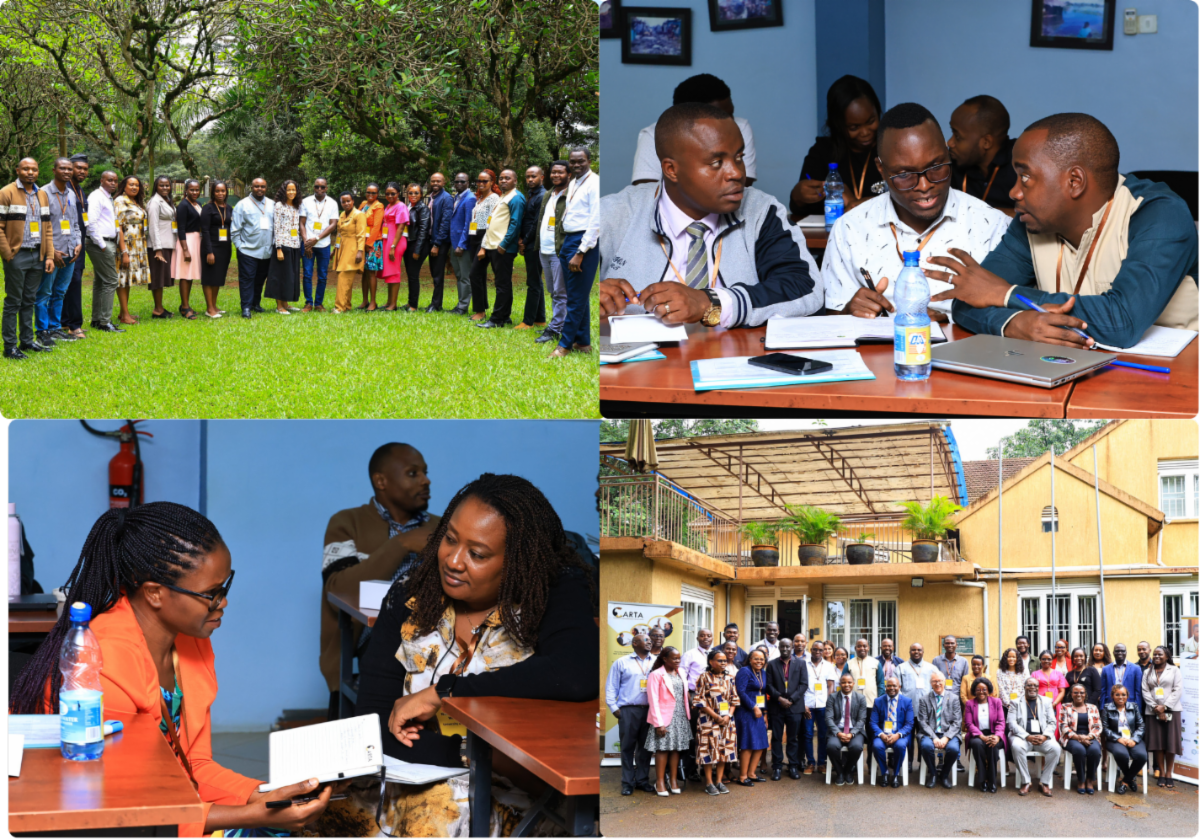
In March 2026, CARTA welcomed its twelfth cohort of PhD fellows marking another step in building a critical mass of research leaders on the African continent. Selected through a highly competitive process, the 22 early-career scholars are drawn from CARTA partner universities and research institutions across Africa. The fellows join a vibrant network committed to advancing research excellence and generating solutions to Africa’s pressing development challenges.
Cohort 12's PhD fellowship journey kicked off with the Joint Advanced Seminar 1 (JAS 1), CARTA’s flagship introductory seminar, held from March 2–20, 2026 at the Makerere University School of Public Health.
One of four sequential seminars, JAS 1 provides an intensive and collaborative learning environment for fellows to lay the foundation for their doctoral training. Through JAS 1, fellows engage in core areas such as research conceptualization, academic writing, and critical thinking, while beginning to refine their PhD research ideas. Beyond technical training, the seminar also serves as an important entry point into the CARTA community - connecting fellows with peers, mentors, and technical experts, many of whom are CARTA graduates. This intergenerational model continues to strengthen the program’s impact, as graduates play a key role in mentoring and shaping the next generation of African researchers.
In addition to the 22 selected fellows, two PhD students from the Prevention and Response to Emerging Viruses with Pandemic Potential in Africa Research Epsilon (PREPARE) Network participated in JAS 1 and will continue to participate in future CARTA training activities—including the subsequent JASes and grant writing workshops. PREPARE is an African-led initiative building resilient systems for vaccine research, development, and deployment across the continent, with sustainable capacity strengthening as a core pillar to equip early-career researchers with enhanced research skills.
Meet the CARTA fellows here
| |
|
CARTA is committed to sharing its experiences and insights. Over the past few years, we have published several papers documenting key outcomes and lessons learned from our work. We look forward to producing more knowledge products as resources allow.
To explore our publications, visit our article list on Semantic Scholar
| | | | Makerere Strengthens Research Dissemination and AI Innovation Capacity | | |
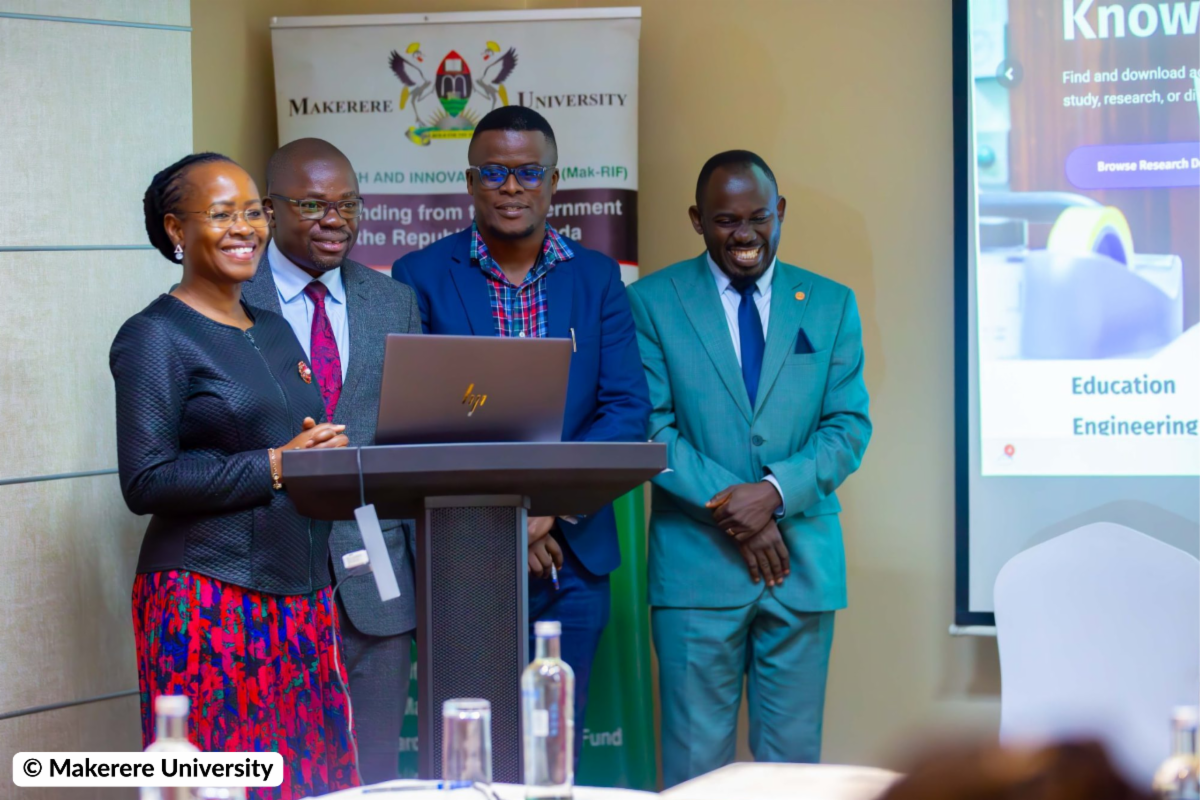
Makerere University has launched a knowledge‑sharing platform designed to bridge research, education, and community outreach with the goal of accelerating innovation and economic growth in Uganda. The platform, the result of research led by Prof. Edward Bbaale and funded through the Makerere University Research and Innovations Fund, aims to help researchers disseminate findings to relevant audiences, strengthen the link between academia and societal transformation, and align university research with national development priorities such as agriculture, science and technology, and enterprise development. The platform is publicly accessible.
Additionally, Makerere in partnership with the Research and Education Network for Uganda (RENU), commissioned a National AI Research Cloud to support advanced research and innovation. Launched in March 2026, the infrastructure provides high-performance computing and secure data storage to enable researchers to develop, test, and scale AI solutions, strengthening Uganda’s research ecosystem and digital transformation agenda.
Together, these initiatives position Makerere as a leader in advancing both the visibility and application of research and the infrastructure needed to support next-generation scientific innovation.
| APHRC Launches Mental Health Data Repository | |
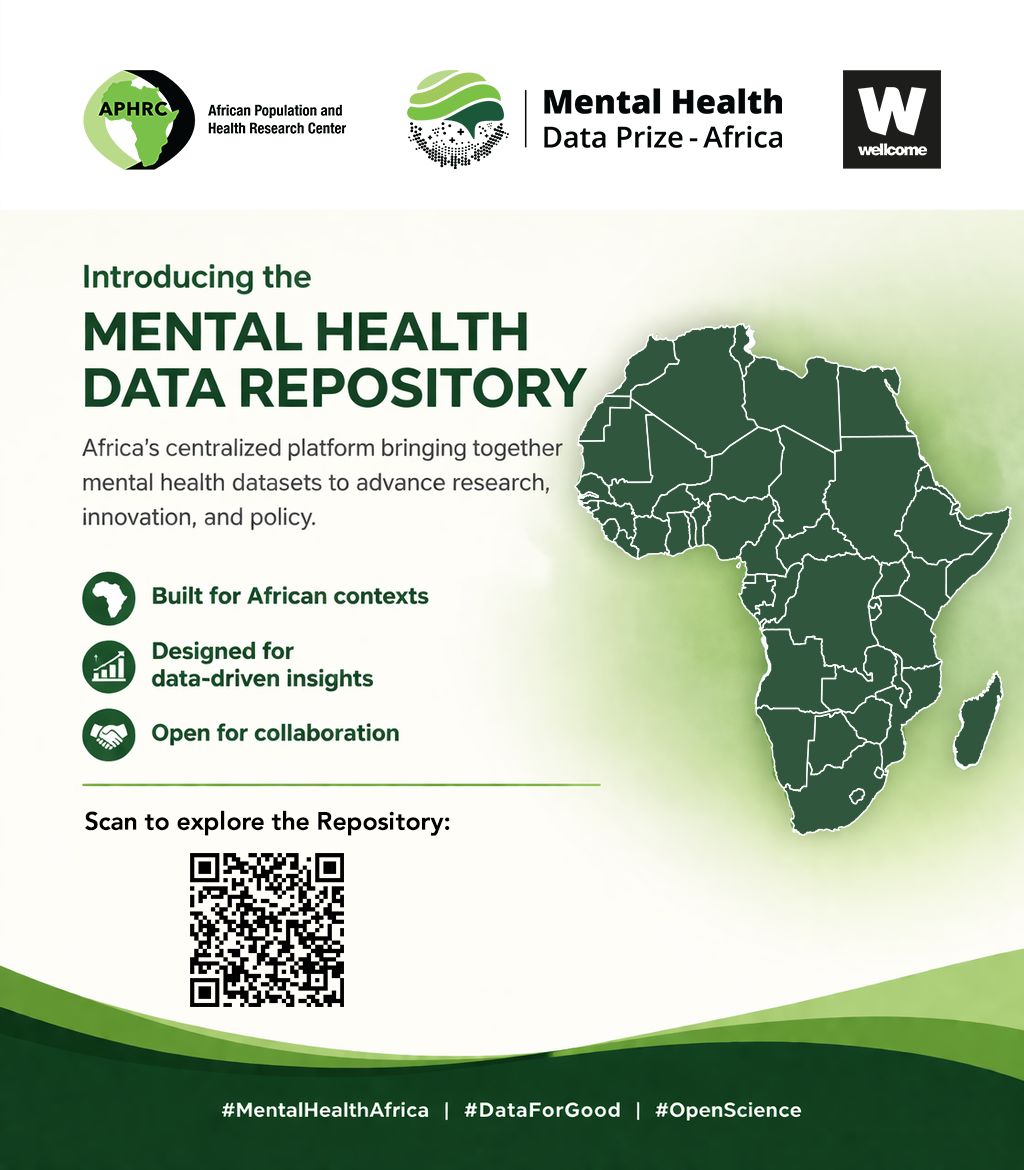
The African Population and Health Research Center (APHRC), in partnership with Wellcome, has launched a centralized Mental Health Metadata Repository, bringing together datasets on depression, anxiety, and psychosis to support research, innovation, and evidence-based policymaking across the continent.
Developed under the Mental Health Data Prize Africa (MHDPA) initiative, the platform enables researchers to access and analyse harmonised mental health data, strengthening the use of evidence in addressing mental health challenges in African contexts. It is designed to foster collaboration, enhance data-driven insights, and support the growing demand for high-quality research to inform policy and practice.
| Ifakara at the Forefront of Malaria Innovation | |
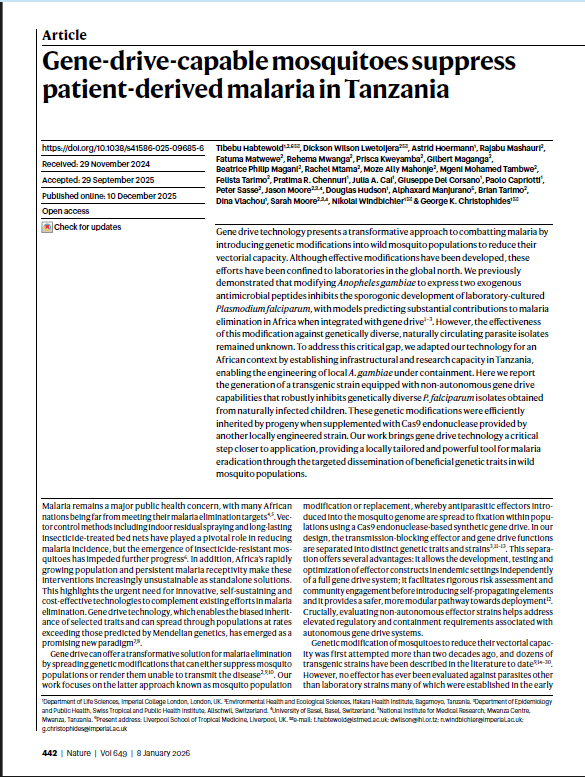
Ifakara Health Institute (IHI) continues to play a leading role in advancing innovative solutions against malaria and other mosquito-borne diseases. As co-authors of a groundbreaking study in Nature, IHI researchers contributed to the development of gene-drive–enabled mosquitoes capable of blocking malaria transmission from locally circulating parasite strains. The research was designed and implemented in Tanzania, highlighting the growing leadership of African institutions in developing cutting-edge, context-specific tools for disease control.
| | Early Career Researchers in Action | |
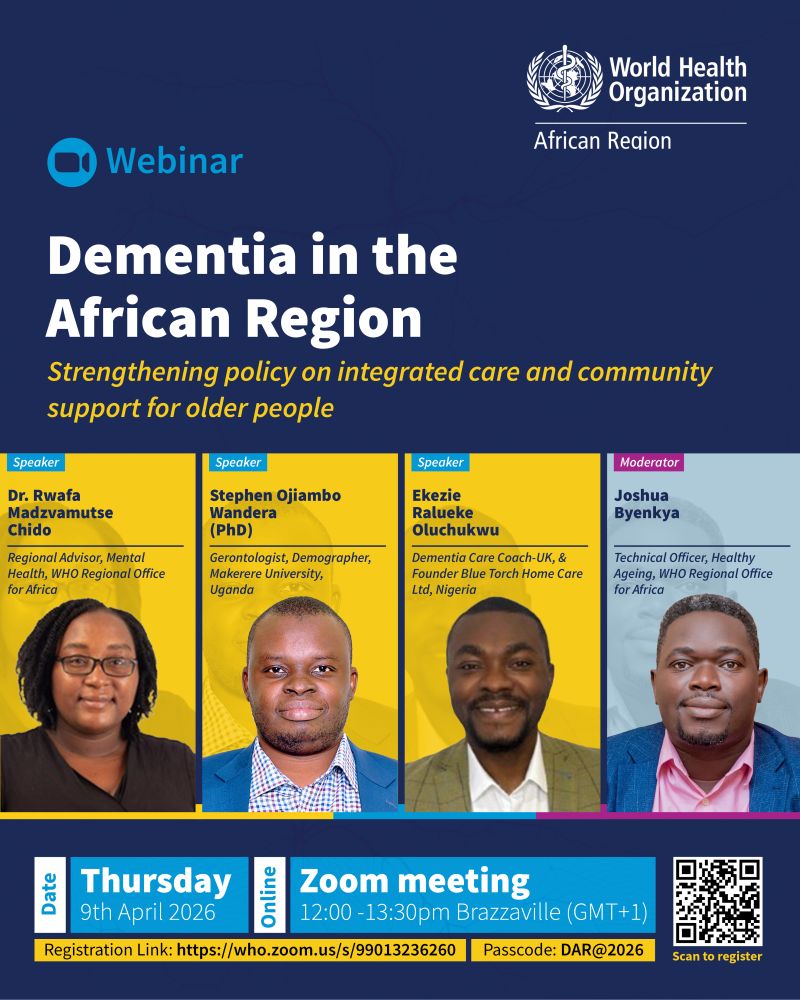
Stephen Wandera, cohort 2, Makerere University will be a speaker at an upcoming webinar on 'Dementia in the African Region', hosted by the World Health Organization. Scheduled for April 9, 2026, the session will focus on strengthening policy on integrated care and community support for older people, an area of growing public health importance across the continent.
Drawing on his expertise in ageing, demography, and public health, Wandera will contribute to discussions on advancing evidence-based approaches to dementia care and promoting healthy ageing. The webinar will bring together policymakers, practitioners, researchers, and advocates to explore practical strategies for improving care systems and support for older populations across Africa. Register here
| |
Alice Muhayimana, cohort 10, University of Rwanda contributed to the revision of two guidelines on Rwanda’s Obstetric Care and Neonatal Care. The revisions sought to align them with current evidence-based interventions and address persistent gaps hindering the reduction of maternal and neonatal mortality in the country. Building on her PhD work on Respectful Maternity Care (RMC), her expertise supported the integration of RMC principles into the updated guidelines. This effort was aimed at improving the quality of maternal and newborn healthcare in Rwanda and was conducted under the Ministry of Health, through the Rwanda Biomedical Centre (RBC), Maternal, Child and Community Health Division. The revision exercise took place in Rubavu District, Western Rwanda, on March 2 - 6, 2026.
| |
Godwin Anywar, cohort 6, Makerere University received the National Ethnobotany Award from the Uganda Ministry of Tourism, Wildlife and Antiquities during the World Wildlife Day national celebrations held in Entebbe on March 3, 2026. The award recognizes his outstanding contribution to wildlife conservation in Uganda through research on aromatic medicinal plants. He was presented the award by Uganda's Prime Minister of Uganda, Robinah Nabanjja, on behalf of the President.
During the 76th graduation ceremony of Makerere University, Godwin was awarded the Vice Chancellor’s Research Excellence Award (best mid-career researcher, College of Natural Sciences). He was also featured in the March edition of the German Alliance for Global Health Research (GLOHRA) newsletter and across their social media platforms for his contributions as a GLOHRA research partner for his work on TRACEPLANT, a project investigating Uganda's medicinal plant market to identify ways to improve transparency, traceability, and regulation.
| | |
In Uganda, CARTA fellow Flavia Matovu Kiweewa is helping reshape HIV prevention. By leading a landmark trial of a twice-yearly injectable, she has helped pave the way for a highly effective, easier-to-use alternative to daily pills.
Her leadership highlights how CARTA-supported African researchers are turning locally generated evidence into policies that improve lives and inform national health strategies.
| |
| |
Sustainable Strategies in Tuberculosis Management: Bridging Ethnobotanical Pharmacology, Advanced Drug Delivery, and AI-Driven Innovation
Journal of Evidence-Based Medicine, 2026
Authors: Reem Abou Assi, Antonia Morita Iswari Saktiawati, Isil Aksan Kurnaz, Devina Lobine, Godwin Anywar Upoki, Karen Jacqueline Cloete, Mareli Misha Claassens, Shymaa Enany
| | |
Our Reads & Watch
this Month
| | |
Kenya unveils bold Sh500 billion Blueprint to boost science research and innovation
A game-changing investment or an ambitious promise? This piece explores Kenya’s Sh500 billion plan to reimagine its research and innovation landscape, and what it could mean for scientists, institutions, and the country’s global competitiveness.
Facilitating collaboration between public health researchers and policymakers: a scoping review of global practices, barriers and facilitators
This scoping review unpacks what it really takes to bridge the gap between research and policy, highlighting global best practices, persistent barriers, and practical enablers for stronger, evidence-informed decision-making.
Webinar recording - Intersecting crises and cross-sector solutions: environmental justice and SRHR
The webinar explored how environmental justice and injustice—including extractivism, climate change, land dispossession and unequal resource governance—intersected with economic inequality and shaped sexual and reproductive health and rights, with a particular focus on women and girls.
| | |
Funding: Climate Impacts Awards
Wellcome invites proposals for the Climate Impacts Awards to support research that makes the health effects of climate change visible and drives urgent policy action. The program funds transdisciplinary teams to generate or synthesise evidence on climate-related health impacts and translate findings into policy and practice through engagement with decision-makers and affected communities. Details | Deadline: April 8, 2026
| |
Funding: Accelerating Cervical Cancer Elimination in Low- and Middle-Income Countries
UNITAID invites proposals to accelerate the elimination of cervical cancer in low- and middle-income countries. This initiative supports innovative, high-impact interventions for secondary prevention, including cervical cancer screening, diagnosis, and treatment, with a focus on solutions adapted to low-resource settings. Selected projects should strengthen national health systems, promote equity, and align with WHO elimination targets. Details | Deadline: April 9, 2026
| |
|
Funding: SGCI Capacity Strengthening Hub – sub‑Saharan Africa
The Science Granting Councils Initiative (SGCI) in sub-Saharan Africa, with funding from Canada’s International Development Research Centre (IDRC), the Government of Norway, the United Kingdom’s Foreign, Commonwealth and Development Office (FCDO), and Wellcome, invites proposals to establish the Capacity Strengthening Hub. The Hub will support national science granting councils to strengthen research and innovation management. The Hub recipient will receive a maximum of CAD500,000 over approximately 2.5 years, with potential for renewal. Details |Deadline: April 30, 2026
| |
Funding, Scholarships, and Global Opportunities
Check out the list from Opportunity Desk, a curated set of high‑impact opportunities for students, professionals, researchers, entrepreneurs, and change‑makers that are currently open with upcoming deadlines. Details
| | |
Fellowship: Globethics Emerging Leaders in Ethical AI Governance Program
The Globethics’ Emerging Leaders in Ethical AI Governance Fellowship 2026 offers a chance to gain skills and connections in this growing field. This program targets people from academia, government, civil society, and business. It focuses on ethical AI governance that includes diverse views and values. This fellowship suits early-career professionals aged 24 to 35. You should work in areas like civil society, interfaith groups, universities (with a Master’s, PhD, or postdoctoral role), government offices, or private companies in AI, tech, ethics, or innovation. Details | Deadline: April 16, 2026
| | |
Fellowship: Africa CDC Public Health Emergency Management Program 2026 (Cohort III)
African public health professionals are invited to apply for the Africa CDC Public Health Emergency Management (PHEM) Fellowship, a 6-month funded residential training programme designed to strengthen Africa’s ability to detect and respond to public health emergencies. The fellowship equips professionals with advanced skills in public health emergency preparedness, outbreak response, and Public Health Emergency Operations Center (PHEOC) management. Details | Deadline: May 10, 2026
| |
Fellowship: AfOx Visiting Program
The AfOx visiting fellowship is designed to allow exceptional African researchers to build international networks and focus on a project of their choice in collaboration with Oxford-based scholars. Fellows will be affiliated with the University of Oxford for 12 months, including ten months of virtual engagement and a two month in-person visit to Oxford between April to June (trinity term). During the fellowship, AfOx fellows are associated with a department and a college within the university. To apply for a fellowship, applicants must have an Oxford-based researcher named as their collaborator on their application. Details | Deadline: May 15, 2026
| |
|
Fellowship: Clinical Epidemiology and Data Science
The Global Health EDCTP3 program invites proposals to support early‑ and mid‑career African researchers through fellowships that build clinical research capacity, promote mentorship and mobility, and strengthen scientific leadership in sub‑Saharan Africa. Projects should foster sustainable career pathways, enhance expertise in clinical epidemiology and data science, and reinforce the region’s role as a hub for evidence‑based health policy. Details | Deadline: May 28, 2026
| |
Scholarship: DAAD Global Research Opportunities for the South (GROW) Program
Funded by the German Federal Ministry for Economic Cooperation and Development, the Global Research Opportunities for the South (GROW) program is designed to support development-oriented research. It targets scholars from countries on the OECD DAC list, particularly in sub-Saharan Africa, while also including Latin America and Asia. The core objective is not just academic advancement, but the application of research to real-world development challenges. Participants are expected to return to their home institutions with enhanced expertise, stronger networks, and the capacity to drive institutional and societal impact. Details | Deadline: April 30, 2026
| |
Scholarship Programme for Early-Career African Researchers
Coimbra Group Universities have been providing, since 2008, early-career researchers from universities in Sub-Saharan Africa with the opportunity to spend a short period (generally 1 to 3 months) at a Coimbra Group University to carry out part of their research there. The programme aims to support these scholars in continuing research related to their work at their home institution while fostering academic and research collaborations with scientists and institutions based in Europe. Female candidates are encouraged to apply under this scholarship programme and will be prioritised. Details | Deadline: July 31, 2026
| |
Call for Proposals: Evidence for AI in Health Initiative
The Evidence for AI in Health (EVAH) initiative invites proposals to evaluate AI-enabled decision support tools for frontline health workers in sub-Saharan Africa, South Asia, and Southeast Asia. Jointly implemented by the African Population and Health Research Center (APHRC) and Abdul Latif Jameel Poverty Action Lab, the initiative funds rigorous evaluations to generate evidence on the effectiveness, safety, and scalability of AI tools in health systems. Details | Deadline: April 10, 2026
| |
Call for Applications: Mental Health Leadership Program for Emerging Leaders
Applications are now open for the Mental Health Leadership and Advocacy Course 2026, organized by the Africa CDC in partnership with the American University in Cairo (AUC). Scheduled for May 10 – May 22, 2026, this is a high-impact, partially/fully funded opportunity for emerging leaders across Africa and the Eastern Mediterranean region. This course brings together emerging leaders from across Africa and the Eastern Mediterranean to strengthen advocacy, policy influence, and systems leadership in mental health. Details | Deadline: April 5, 2026
| |
Call for Applications: Methods and Challenges in Public Health Sciences Summer School
The Institut des Sciences Sociales, Population et Développement (ISPAM) at Aix-Marseille University invites applications for the 4th edition of Methods and Challenges in Public Health Sciences. This intensive program, running from June 8 - 19, 2026, offers in-person participation in Marseille as well as online attendance. The summer school provides students and early-career researchers with advanced training in public health methods, practical problem-solving skills, and opportunities for cross-cultural learning. Details |Deadline: April 12, 2026
| |
Call for Applications: AMR Surveillance Workshop, Rwanda 2026
The International Centre for Genetic Engineering and Biotechnology (ICGEB) invites applications for a One Health workshop on antimicrobial resistance (AMR) surveillance. The workshop will train scientists and public health professionals in molecular diagnostics, genomic analysis, and regional AMR monitoring. Details | Deadline: June 20, 2026
| | |
Access a wide range of opportunities related to the National Institute for Health and Care Research here:
latest-NIHR-funding-opportunities
Disclaimer:
The opportunities CARTA shares are mostly from external parties. Linking to an external site does not constitute endorsement by CARTA.
| | |
Survey: Introduction to Leveraging AI in Scholarly Communication Publishing
You are invited to complete a short survey to help better understand how researchers are currently using generative AI tools in their research and scholarly communication activities, as well as the opportunities and challenges they encounter. Your responses will help: Assess the current level of awareness and use of AI tools among researchers in the Research4Life community; identify training and capacity development needs related to AI in research and publishing; and inform the design of future Research4Life webinars, workshops, and guidance materials. The survey will take approximately 5–7 minutes to complete. Respond to survey
Deadline: April 13, 2026
| |
Webinar: Countdown to 2030 @20 Commemoration
Since its first global report in 2005, the Countdown to 2030 has played a critical role in tracking progress, strengthening data systems, and informing policy and programming worldwide. This webinar brings together global health experts to reflect on two decades of impact, share key lessons in evidence generation and country leadership, and explore the future of health data systems in driving better outcomes. Register
Date: April 9, 2026
Time: 4:00 - 5:30 PM, EAT
| | |
PopFam Seminar: Coming of Age with Generative AI - Adolescent Mental Health
Adolescents’ adoption of generative AI chatbots has skyrocketed, with unknown impacts for mental health and development. Drawing on passive sensing, keystroke dynamics, natural language processing, scale development, and longitudinal school-based surveys, Anne Maheux, PhD, of University of North Carolina at Chapel Hill will describe how youth engage with AI and the potential mental health implications of different usage patterns. She will close by outlining research priorities and potential intervention, design, and policy strategies to support youth well-being in the age of AI. Register
Date: April 9, 2026
Time: 11:30 AM - 12:45 PM, ET
| |
Webinar Series on STATA Tricks
Designed for graduate students and researchers, this hands-on series will equip participants with practical STATA skills for producing high quality research outputs. Sessions will focus on creating rich, descriptive data visualizations and on using OUTREG and OUTREG2 to generate journal quality regression tables suitable for research manuscripts. Register
Dates: April 9, 16 and 23, 2026
Time: 1:00 - 2:00 PM, UTC
| |
Master the Essentials of Good Grant Practice
Strengthen your grants management skills through APHRC’s good grant practice offerings. These include eight self-paced modules in English and French delivered through APHRC’s Virtual Learning Academy (VLA), an expert-led webinar series, and an interactive community of practice to support continuous learning and peer exchange.
| |
Grantsmanship Resources
Build your grantsmanship skills through a comprehensive suite of resources offered by APHRC's Afrique Research Support Hub (ARSH). These include expert-led webinar series and self-paced courses covering discovery research, proposal development, budgeting, research ethics, and grant resubmissions, designed to support early- to mid-career researchers in strengthening competitive grant applications. Access the full range of resources:
| | WE WOULD LOVE TO HEAR FROM YOU | | |
To be featured in the next CARTA Monthly, share with us your news and updates
via email to cartacomms@cartafrica.org on or before April 20, 2026.
Submissions should include but are not limited to:
Upcoming events, meetings, story ideas, new collaborations, new trials/updates, upcoming and published papers, policy briefs, community engagement activities, scholarships, what you are reading, if you won a grant, attending or about an upcoming conference, a call for applications/funding/papers, etc.
| | | | |