|
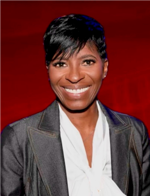
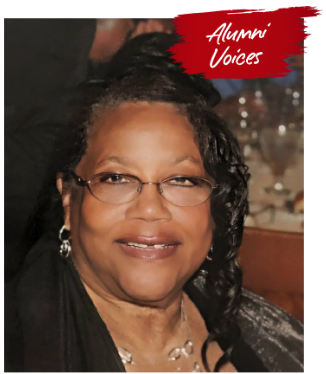
Victoria Smith, '73, '75
Retired Educator
Bachelor of Arts, Elementary Education, Clark College
Master of Elementary Education, Atlanta University
Victoria Smith, a proud graduate of Clark College (1973) and Atlanta University (1975), reflects on her journey from Harlem to the South, from student to teacher, and from struggle to community. In this interview, she shares—in her own words—the experiences and values that shaped her life.
What world events do you vividly remember as a student, and how did they impact your perspective?
“It was the civil rights era. You could go to churches and actually see civil rights leaders. Coming from the North, I didn’t feel the same tension—until I got to the South. I didn’t even realize I was in the middle of something until it happened. Riding the bus, someone would give you a look and you knew to move. That showed me what people had really been going through. I had to learn more and get involved.
Looking back, what was the most valuable lesson you learned at Clark College or Atlanta University that still guides you today?
When you give all of yourself, you’ll always get something positive back. I didn’t do well my freshman year. I didn’t like the South, and I wasn’t trying to like it. I ended up on probation the beginning of my sophomore year when I came back. I had come to the realization that I was disappointing my parents, my god father and all who were looking at me. Clark’s faculty and staff helped me get back on the right track. I got serious and let go of that New York attitude. That’s when I really understood what it meant to be at a Black college—a small college—“where you learn life values, not just academics.”
How did you navigate the challenges of your era, and what helped you persevere?
“I asked for help. I got tutoring. I started connecting with people I might not have talked to before. I even got involved in activities I once thought were silly. At first, I thought, ‘This is backwards.’ But I realized those were just parts of the culture, part of the community. Once I figured that out, I felt more at home and I became part of one big family.”
What are you most grateful for over the past 50 years since graduation?
“The friendships. The people I met at Clark are still my friends. We’re still close. That’s made all the difference.”
What was your greatest career achievement?
“My degree was in elementary education, but I was chosen to help high school students prepare for the state math exam. Ninety-eight percent of my students passed. To this day, they stop me and say, ‘This is my teacher—she helped me.’ That’s the kind of impact I’m most proud of.”
What role has faith, culture, or community played in your journey?
“When I got to college, nobody was telling me to go to church—I chose to go. I ended up organizing things like Mother’s Day services. I joined Delta Sigma Theta and started doing service. We helped Coretta Scott King’s team, folding envelopes and doing whatever was needed. I was a swimmer in New York, but Clark College didn’t have a pool, so I went to Morehouse College where my other Harlem teammates were. I showed up at every practice until the coach said I could swim with the team. I was the first woman to swim and practice with the all-male team. What a moment!
What are some innovations or changes in the world that truly amaze you today?
“There’s pressure to follow what the world tells you to do. TV used to have variety. Now it’s all negativity. People seem angrier. And they don’t value relationships the same way. The friendships I made at Clark are still going. Today, people drop each other like they’re disposable. That’s something I don’t understand.”
What do you believe young people today could learn from your generation?
“I would like this generation to know that there’s no guidelines or directions on how to have a successful and happy life. We are all unique and in our own unique ways, we will accomplish what we need if we do it together. As my generation talks to the younger generation we will tell them about our stories, which might have meaning or no meaning to them. But the most important thing I would like them to know is I want to hear their thoughts on life. I want them to know they are important.”
Who were your mentors or most impactful professors or staff, and how did they influence your path?
“Coach Epps was the first. He treated me like I was part of his family. Dr. Pearlie Dove kept me focused—she was also my soror. Dr. Lillian Drake in the cafeteria made sure I ate and followed the rules. At AU, I worked for Dr. Cole before he became president. He made time for everyone. Even later, when I was back on campus with my twins, he’d stop and talk to us. I also worked with Dr. Winifred Harris and Dr. Isabella Finkelstein in the biology department. We were like family. Dr. Harris and I are still close.”
What does a life well-lived mean to you now?
“Being able to share with others my experience. Looking back and saying, ‘Wow, I did have a lot of experience. Can I believe I did this or that?’ Giving back to the community. Giving to the world. I’m still here, trying to give to people. Thanking God every day.”
|