|
By Teresa Zawicki
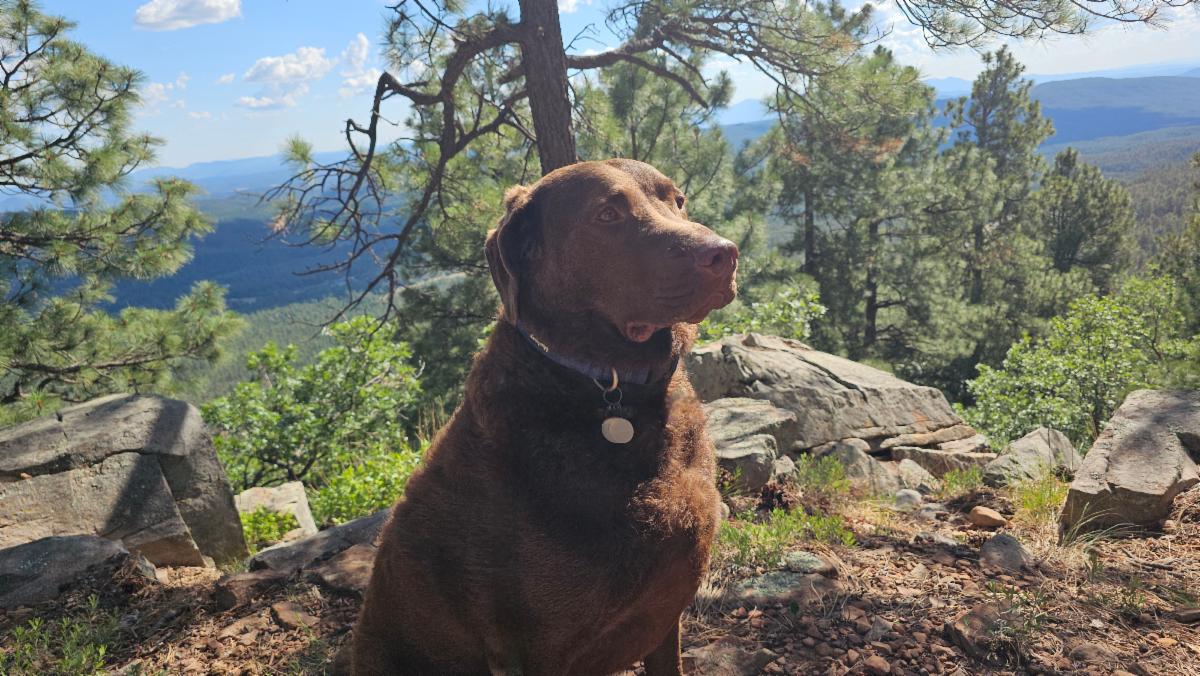
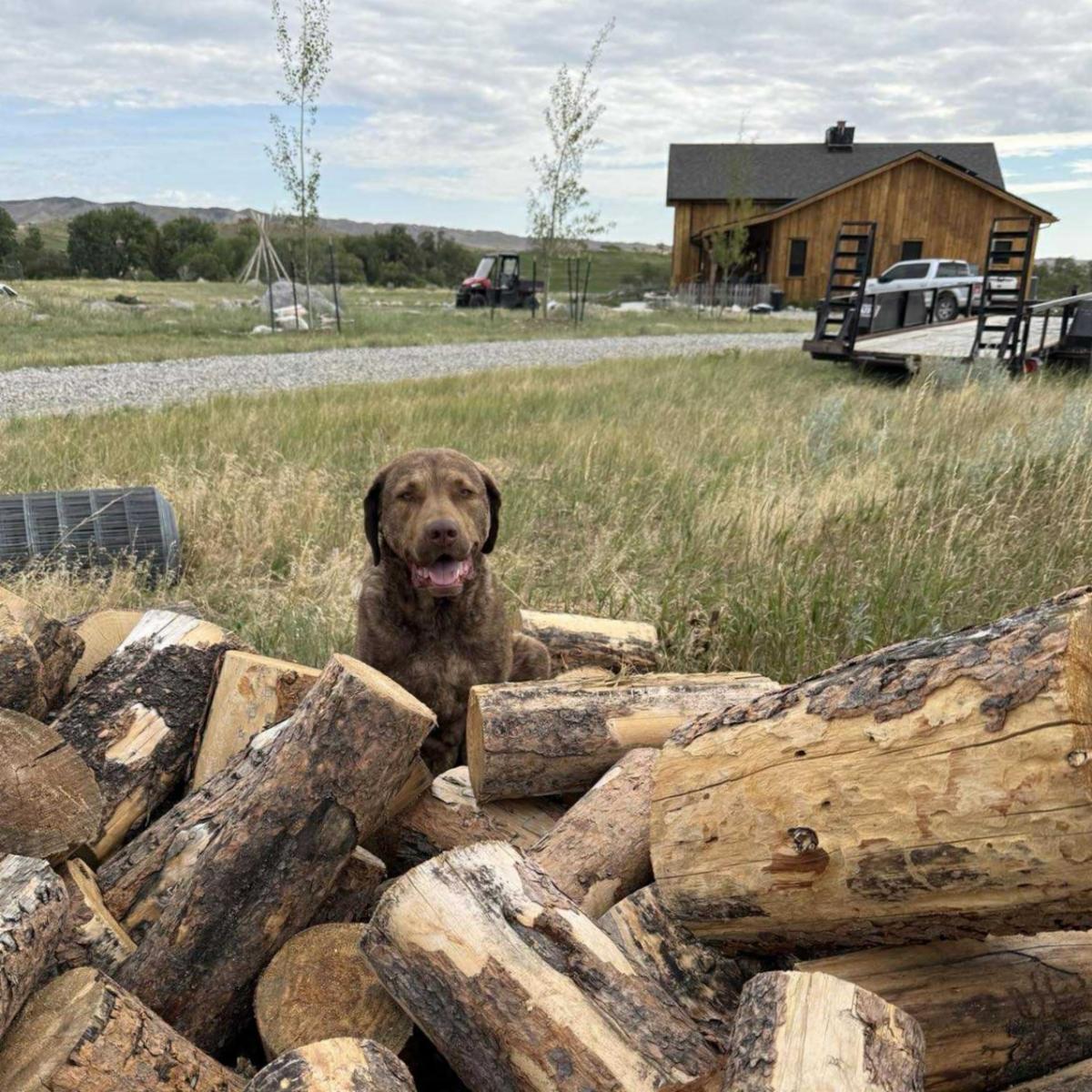
On July 31, 2023, we adopted two-year-old Flynn and brought him home to join our older female Chessie, Natasha. Flynn was our seventh Chesapeake Bay Retriever and our third rescue.
He had been raised by a boy who taught him bad habits, then hit him, excessively crated him, and eventually abandoned him at a shelter when he couldn’t handle his behavior.
Flynn was desperate for human connection but lacked self-control. He nipped constantly out of excitement and would barrel into people, sometimes taking out our knees. If we sat on the floor near him, he’d become overly excited—playfully biting hard enough to break skin and rolling his large body over us, often hurting us. This was dangerous for our grandkids. It took one to two hours for him to calm down. He ate food in a frenzy and was full of anxiety when awake. He slept only a few hours at night before waking and wandering around, and often couldnt sleep in his bed.
He couldn’t tolerate the sight of a crate, and being left alone for more than four hours made things worse. I spent over a year working to help him “settle” and “be a good gentle boy.” He didn’t trust that he was safe or loved, so we focused on building trust through consistency, patience, and care.
We were used to the intense energy of Chessies, but Flynn was the most amped-up dog we’d ever seen. It took daily physical and mental exercise, swimming, structure, and a lot of patience to make progress. Still, I believed the gentle boy inside him would come through.
In January 2025, Natasha died after weeks of declining health. Flynn stopped exercising, gained weight, and began shredding toys—something he’d never done before. The loss hit him hard and triggered a major setback.
Then on March 24, 2025, our family was overwhelmed by a series of hospitalizations and death. Life became chaotic and painful. While some might have seen this as a reason to give up a difficult dog, we made sure Flynn was supported, too. He stayed with family members who needed companionship, rest and recovery, while I juggled hospital visits, drove five hours each way to care for my parents (battling cancer and dementia), and helped my husband and stepdaughter deal with their life-altering strokes.
Now, in July 2025, two years after adoption, Flynn has transformed. He’s no longer anxious and over-energized—he’s become a gentle, loving presence for the entire family, and he can adapt to what life throws at us.
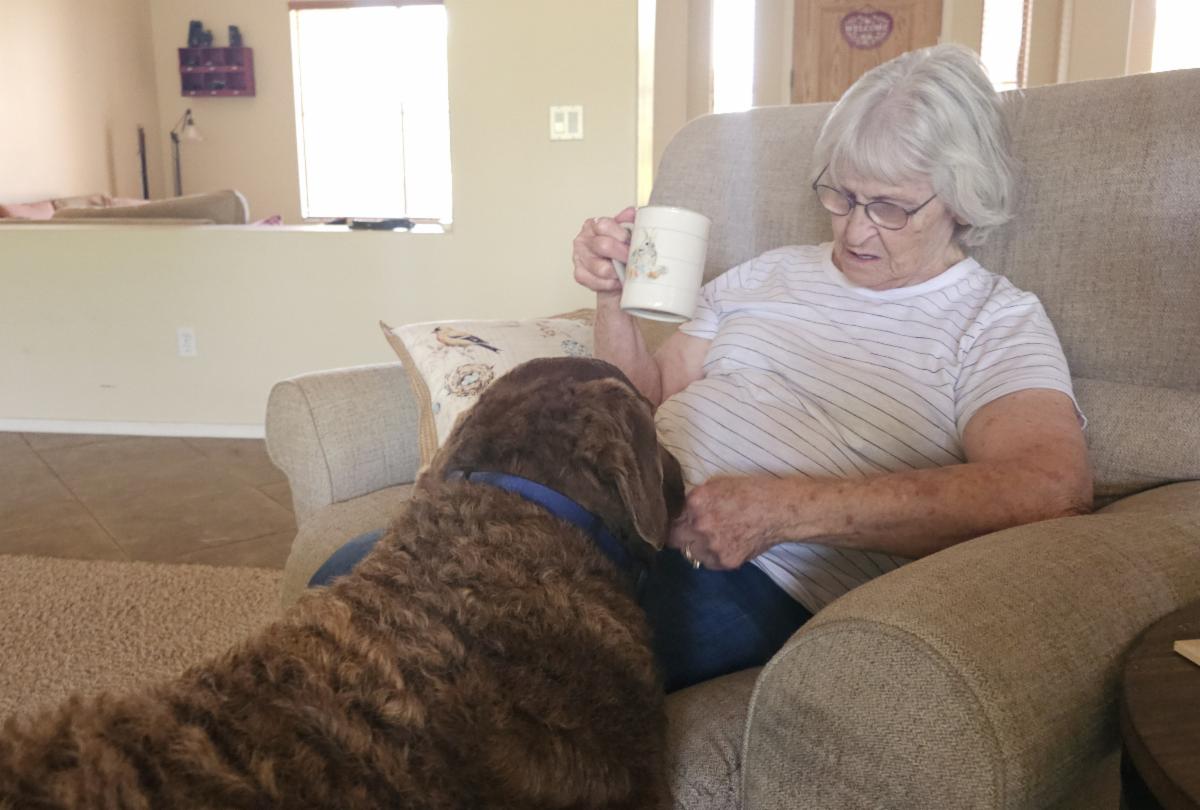
My mom, who now lives with us part-time after my dad’s recent passing, has advanced dementia. Flynn immediately chose her as his person. He stays close, gently “holding” her when she cries, and instinctively positions himself across her knees to stop her if he senses danger—something we never trained him to do. We only taught him to “be a good gentle boy.”
He’s chosen each family member to love, protect, and comfort. His goofiness makes us laugh when we need it most. When I’m upset, I lie beside him, and he lifts his big head just enough for a kiss—then we quietly snuggle.
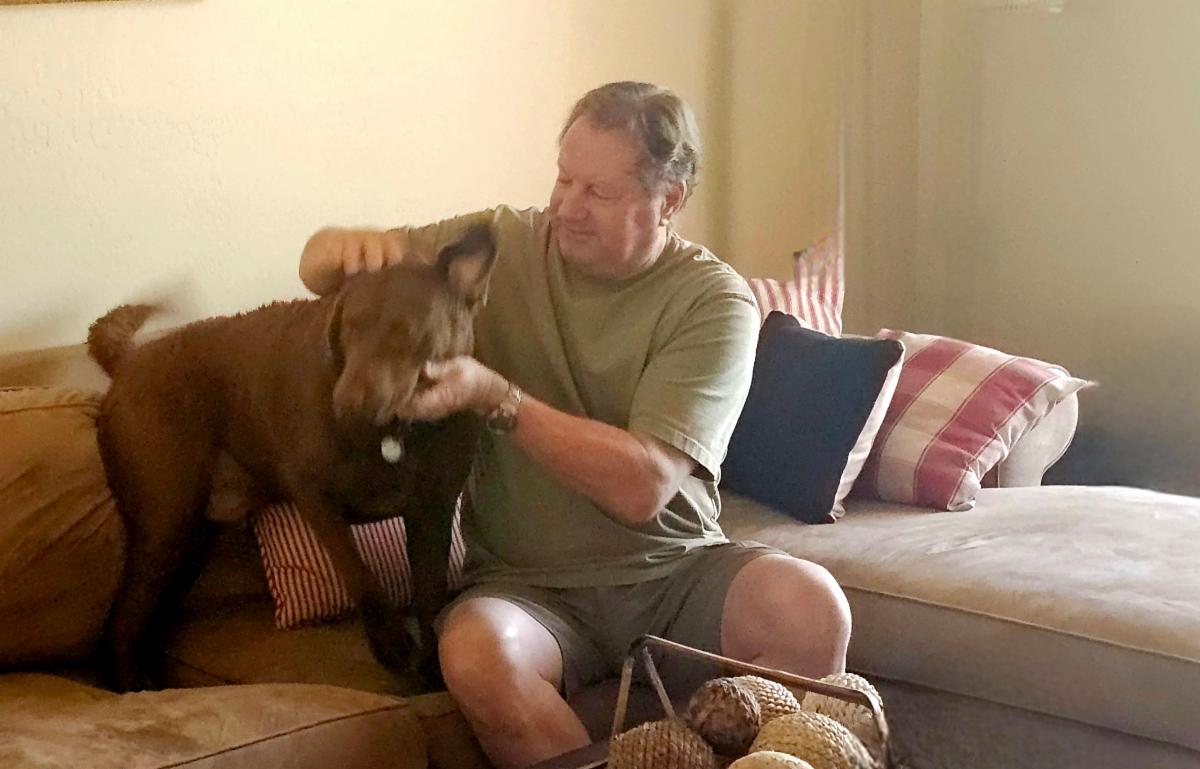
When he needs to release energy, he goes to the “gaming room,” where he’s allowed on the couch to play Grizzly Bear Wrestle Mania with my husband—a game reserved just for them. It always ends with calming hugs.
Flynn has learned to trust. It took two years, but we got there.
Like grief, learning to trust takes time. It’s different for everyone, full of setbacks and adjustments—but if we keep trying and don’t give up, healing happens.
|