|
This newsletter highlights the people, partnerships, and progress driving Connecticut's work to solve homelessness. Each edition features stories from across the field, innovative practices, provider and community highlights, and statewide initiatives that showcase what's working and where we're making progress together.
The work featured here reflects the dedication, expertise, and collaboration of providers, advocates, people with lived experience, state agencies, and community partners across Connecticut. Thank you for all you do to strengthen our homeless response system and move us closer to solving homelessness.
| |
|
Reflections on the NAEH Conference &
Capitol Hill Day
| | |
Learning, Sharing, and Advocating at NAEH 2026
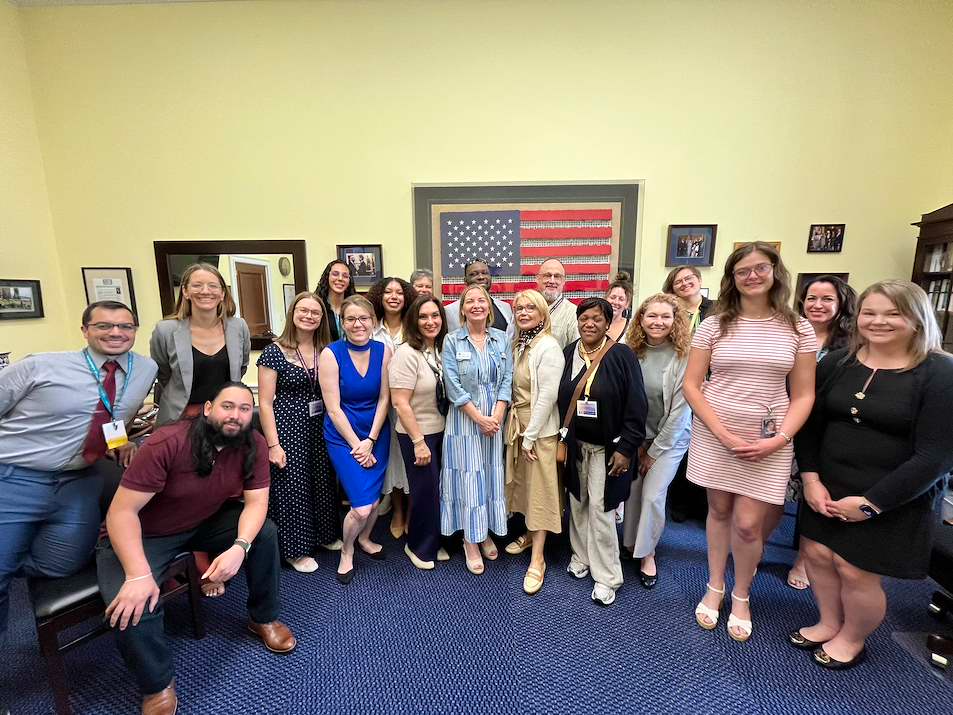
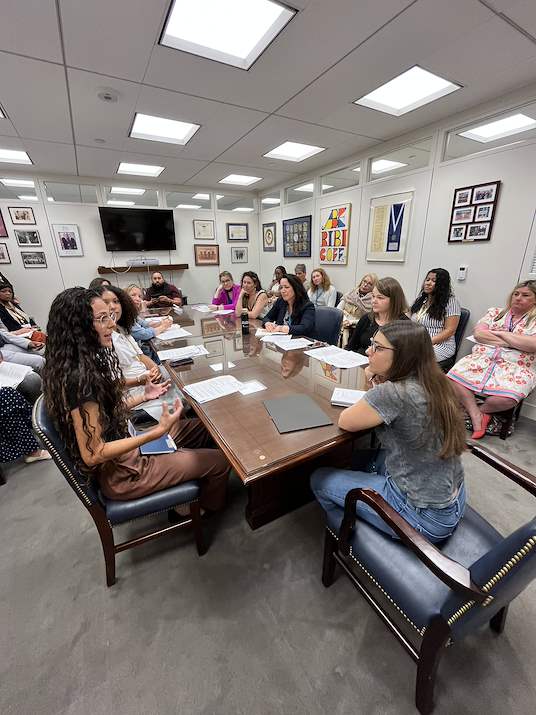
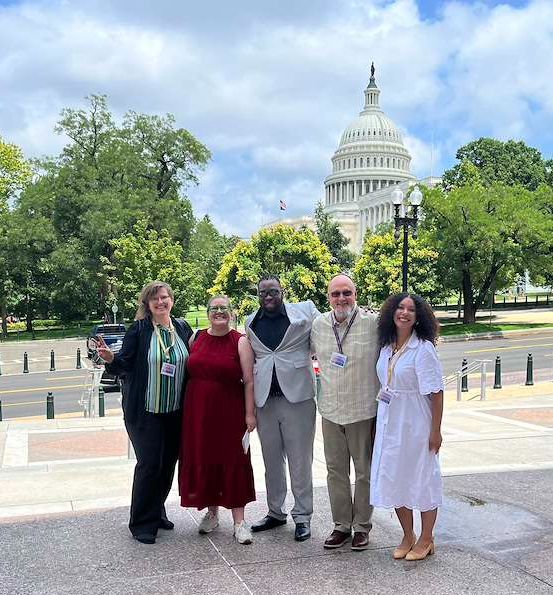
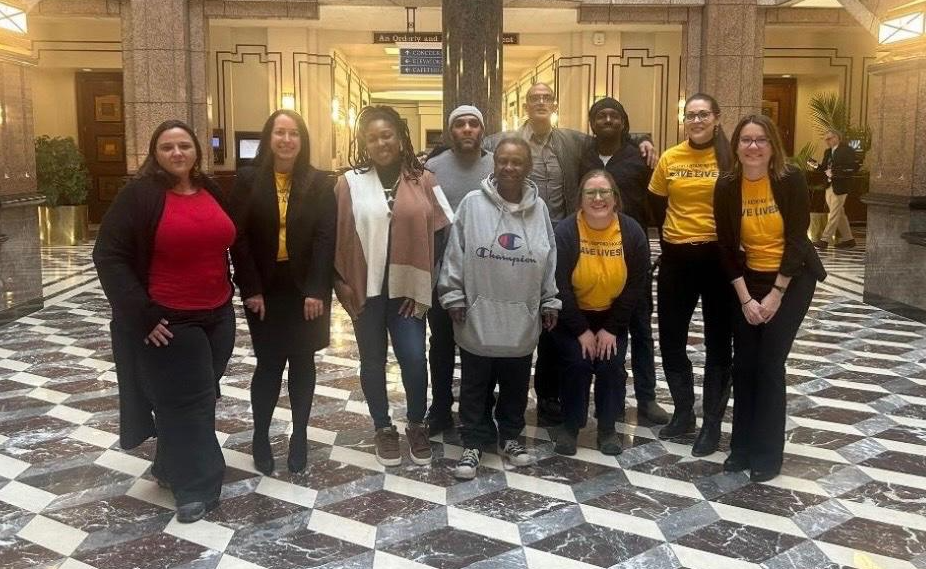
Several members of the CCEH team joined more than 1,600 service providers, system leaders, advocates, researchers, and people with lived experience at the National Alliance to End Homelessness’ 2026 National Conference on Ending Homelessness and Capitol Hill Day.
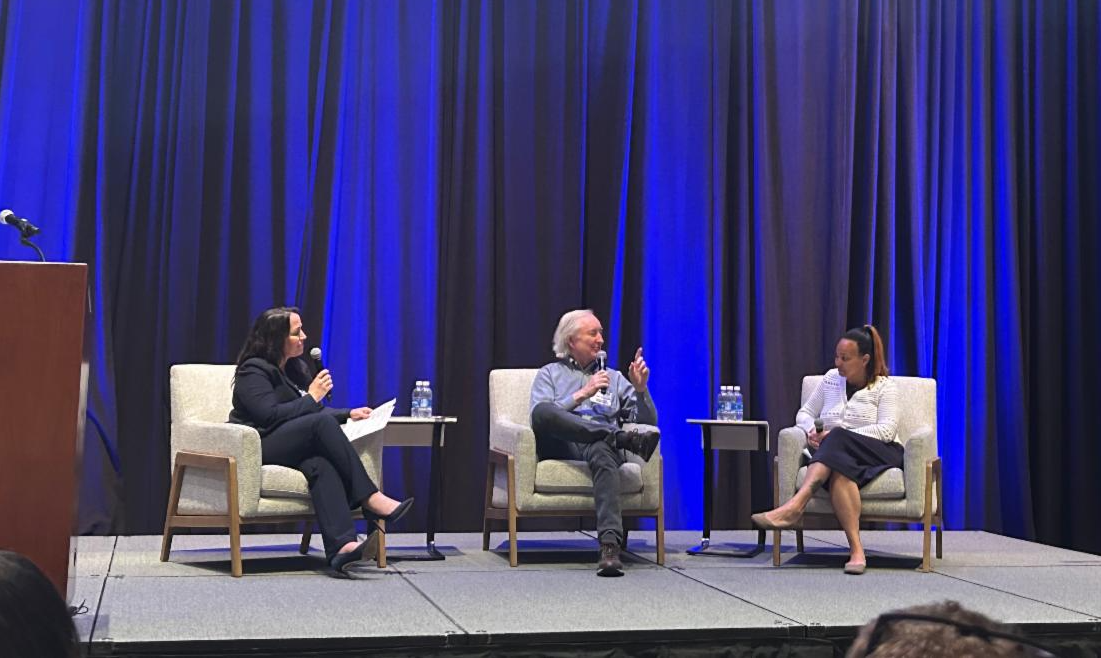
In addition to attending workshops and advocacy meetings, CCEH’s Director of Training, Technical Assistance and Community Impact, Amber Freeman, presented a three-hour Skills in Action workshop, Building System Flow: Applying Core Rapid Re-Housing Principles Across the System.
The session explored how the core components of Rapid Re-Housing, including housing-focused case management, landlord engagement, and flexible financial assistance, can strengthen an entire homelessness response system, particularly as communities adapt to changing funding and program structures.
| | |
Lessons from Across the Country
Across sessions, several consistent themes emerged, including the importance of shifting from crisis response to prevention, strengthening cross-sector partnerships, using data and local expertise to inform decisions, and ensuring people with lived experience hold meaningful leadership roles.
The conference also focused on the rapidly evolving federal landscape, including threats to evidence-based homelessness programs, proposed changes to HUD’s Continuum of Care Program, and the need for sustained advocacy to protect proven approaches such as permanent housing and Housing First.
Bringing Lessons Home to Connecticut
For Connecticut, the conference reinforced many priorities already guiding our work while highlighting opportunities to build on them. Participants brought back practical strategies for expanding prevention and diversion efforts, improving system flow, strengthening partnerships across healthcare, justice, and community systems, and thinking more creatively about how existing tools and resources can be used to achieve better outcomes.
Sessions also emphasized investing in workforce development, resilience, and shared learning so providers can continue adapting to change while delivering high-quality services. These insights will help inform future training, technical assistance, and capacity-building efforts across Connecticut.
| | |
Turning Ideas into Action
Perhaps most importantly, the conference reaffirmed that there is no one-size-fits-all solution to ending homelessness. Lasting progress depends on collaboration, innovation, and sustained advocacy, as well as the ability to translate new ideas into meaningful practice. Connecticut is well positioned to continue building on its strong foundation by learning from national best practices, investing in its workforce, and working together to improve outcomes for the people we serve.
| | |
Expand Your Skills
with the CT Housing &
Homeless Training Academy
| | |
Whether you're new to the field or a seasoned professional, the CT Housing & Homeless Training Academy offers free, online training to help Connecticut's housing and homeless service providers expand their knowledge and strengthen their skills.
The Academy is the result of a collaborative effort between Advancing CT Together, the Connecticut Coalition to End Homelessness (CCEH), Housing Innovations, Nutmeg Consulting, solutions4community, the Connecticut Department of Housing (DOH), and the Connecticut Department of Mental Health and Addiction Services (DMHAS). Together, these partners have created a growing library of self-paced and live learning opportunities designed to support professionals at every stage of their careers.
| | |
Featured Course: Diversion & Housing Problem Solving
Developed in partnership with Ed Boyte, The Listening Group, CCEH, and the Connecticut Department of Housing, this interactive course equips participants with practical housing problem-solving strategies and communication techniques for navigating challenging client conversations. The training explores real-world scenarios, including situations where preferred resources—such as housing subsidies—are unavailable, helping staff identify creative, client-centered solutions.
Coming Soon...
New live training opportunities will be added throughout the year, including:
Railway Safety & Homelessness
(with the Connecticut Department of Transportation and CTrail)
Conflict Mediation
Shared Housing
Self-Care & Workplace Burnout
And more!
Visit the CCEH Training & Events page to stay up to date on upcoming sessions.
Get Started Today
Ready to expand your skills? Visit the CT Housing & Homeless Training Academy Public Dashboard to browse available courses and register for a free account.
Getting started is easy:
-
Select Need Access?
- Complete the registration form.
-
Click Request CT LMS Access.
- Check your email to create your password.
- Log in and begin exploring the Academy's self-paced and live training opportunities.
Please Note: At this time, the CT Housing & Homeless Training Academy Learning Management System (LMS) is available only to programs funded by the Connecticut Department of Housing (DOH) and/or the Connecticut Department of Mental Health and Addiction Services (DMHAS).
If you are looking for training resources or have questions about the Academy, please contact Amber Freeman, Director of Training and Capacity Building, at afreeman@cceh.org or Angie Frias, Training and Technical Assistance Manager at afrias@cceh.org.
Have an idea for a future training? Submit a request through the CCEH Training Request Form and help shape the Academy's future learning opportunities.
| | |
Transforming Youth Justice
Through Collaboration
| | |
CCEH continues to strengthen partnerships across systems to improve outcomes for youth experiencing housing instability and involvement with the juvenile justice system.
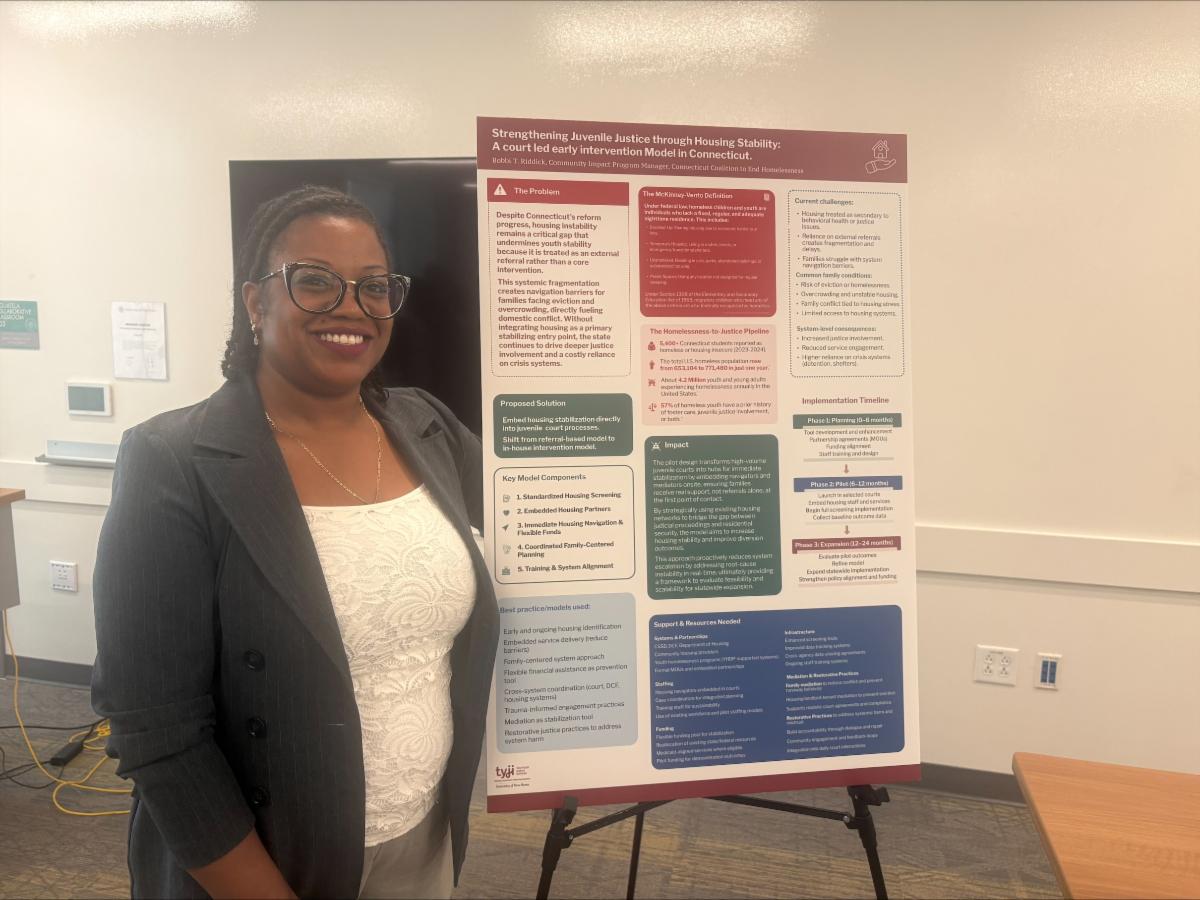
This spring, Community Impact Manager Bobbi Riddick-Jackson completed Cohort 10 of the Transforming Youth Justice Training Institute at the University of New Haven, an eight-month leadership program that brings together professionals from across Connecticut to explore innovative, collaborative approaches to youth justice.
From Training to Action
As part of the program, Bobbi developed a capstone proposal:
"Strengthening Juvenile Justice Through Housing Stability: A Court-Led Early Intervention Model in Connecticut"
The proposal explores how Connecticut's existing juvenile justice framework could be further strengthened by integrating housing stability into early intervention efforts through enhanced collaboration among juvenile courts, housing providers, child welfare, behavioral health, and community organizations.
Rather than proposing a new system, the concept focuses on strengthening existing partnerships and identifying opportunities to better support youth and families experiencing housing instability.
What's Next
CCEH looks forward to continuing to engage with partners across the housing and youth justice systems to explore innovative solutions that strengthen collaboration, promote housing stability, and improve outcomes for youth and families across Connecticut.
| | CCEH System Change Maker Nomination | |
|
The CCEH System Change Maker Nomination was created to recognize and celebrate individuals, teams, agencies, and community partners who are making a meaningful impact across Connecticut’s homelessness response system.
Whether through compassionate client engagement, housing-focused practice, innovation, collaboration, leadership, advocacy, frontline excellence, or improving how systems operate, System Change Makers help move our work forward and create stronger pathways to housing and stability.
| | |
System Change Happens Through People
Every day across Connecticut, professionals, volunteers, and community partners contribute to lasting change through their commitment, creativity, and dedication to supporting individuals and families experiencing homelessness. While these efforts may not always be visible, their impact strengthens communities and improves experiences and outcomes across the system.
Anyone Can Nominate - or Be Recognized as - a Valued Change Maker.
*Selected System Change Makers may be highlighted through CCEH newsletters, social media, conference events, training opportunities, and other statewide recognition initiatives.
| | One Year of Growth: Expanding Lived Experience Leadership Through CLIP | | |
Centering Lived Expertise in Systems Change
Over the past year, CCEH has continued to strengthen Connecticut's statewide Consumer Leadership Involvement Project (CLIP), expanding opportunities for people with lived expertise of homelessness to help shape policies, programs, and systems that impact their communities.
Originally launched in 2021, CLIP is grounded in the belief that people with lived expertise are essential partners in solving homelessness.
This year, CCEH expanded opportunities for CLIP members to participate directly in CT CAN committees and workgroups, while members also continued serving as voting members of the Connecticut Balance of State (CT BoS) Steering Committee, ensuring lived expertise helps inform statewide leadership and decision-making.
From Perspective to Action
Throughout the year, CLIP members brought valuable perspective to policy development, system improvement, training, and technical assistance efforts by identifying barriers, elevating emerging needs, and helping shape more effective responses.
Members also played an active role in advocacy through public testimony and statewide initiatives, while contributing to projects including partnerships with the Yale Undergraduate Prison Project, planning lived expertise focus groups, voter engagement efforts for people experiencing homelessness or housing instability, and the development of a statewide guide to support meaningful engagement of people with lived expertise.
Building Leaders Across the System
CCEH also continued investing in leadership development by providing ongoing training, education about Connecticut's homeless response system, and support to help CLIP members engage confidently in statewide conversations.
Following the 2026 legislative session, members identified priorities including deeper engagement across CT CAN, expanded focus group and community engagement efforts, and stronger collaboration with partners statewide.
People with lived expertise are not simply consulted - they are leaders whose knowlesge strengthens policy, practice, and our collective work to solve homelessness.
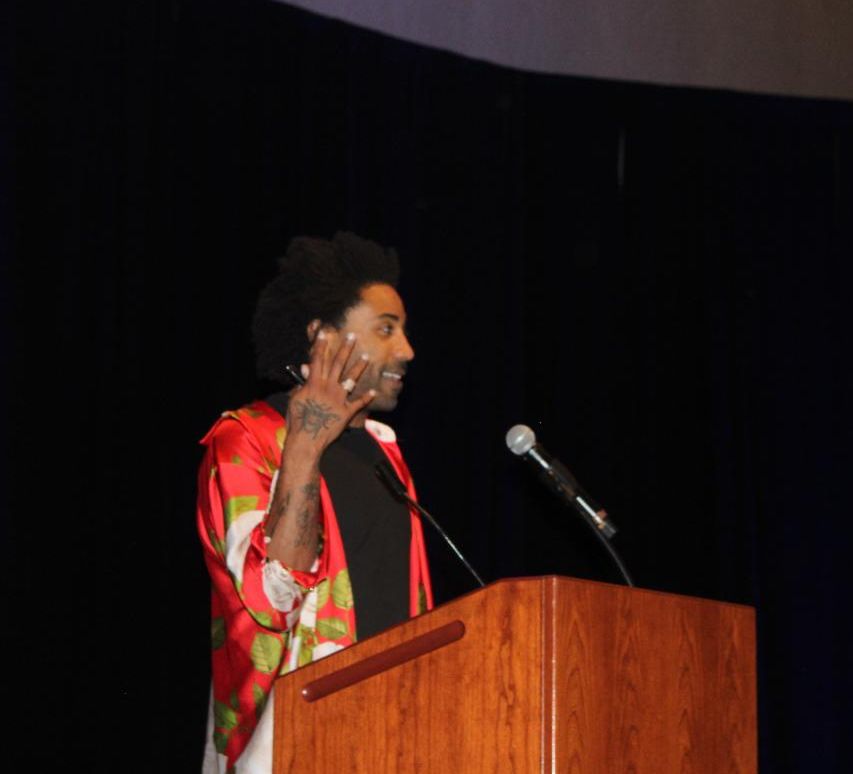
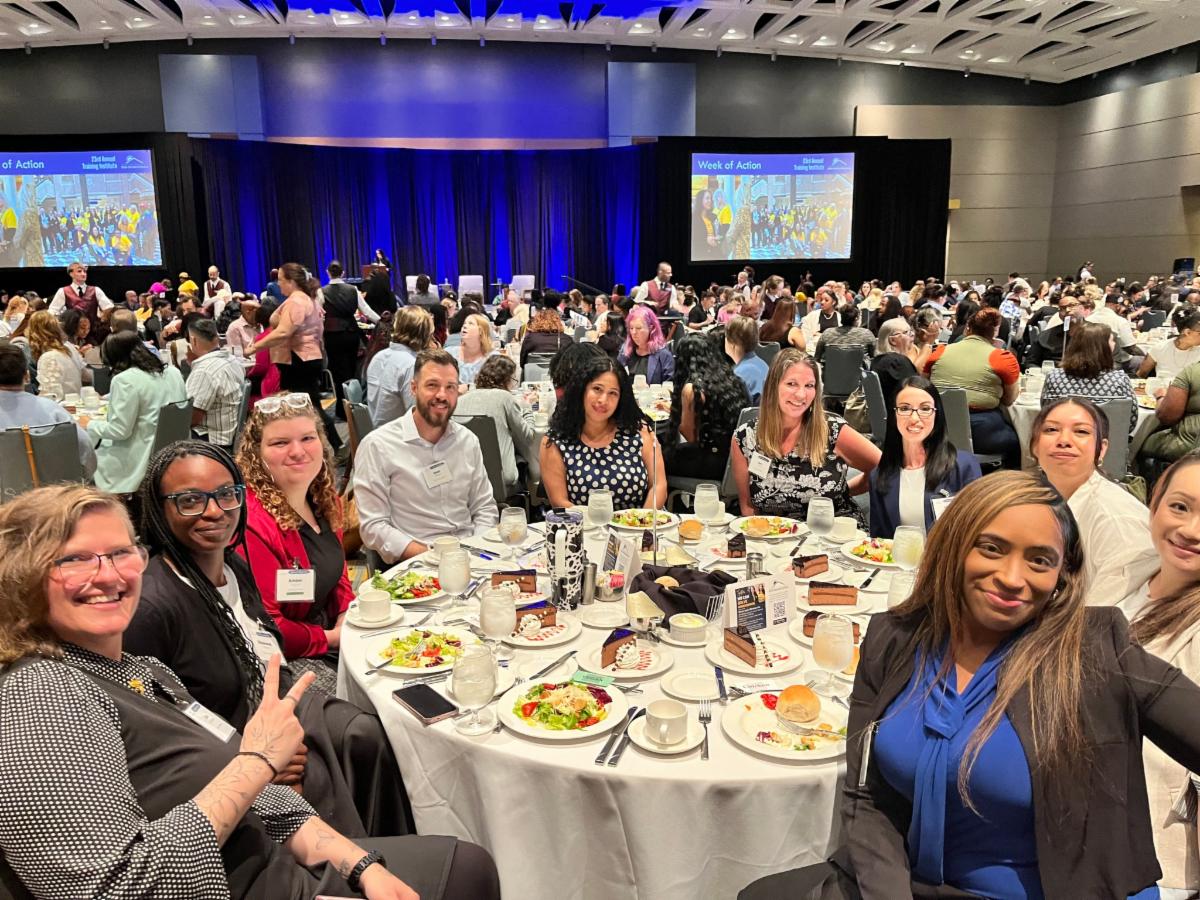
Their participation at CCEH's Annual Training Institute further reinforced the importance of ensuring people with lived expertise are not simply consulted, but recognized as leaders whose knowledge strengthens policy, practice, and our collective work to solve homelessness.
| | |
Annual Training Institute 2027
Save the Date
| | |
COMING MAY 19th, 2027
CCEH Annual Training Institute
Join us for Connecticut's premier training event for homelessness response professionals, bringing together providers, partners, and system leaders from across the state for learning, collaboration, and networking.
Additional details, including the official dates, theme, and registration information, will be shared in the coming months. *Date subject to change*
| | |
Your support makes it possible for CCEH to provide:
- Statewide leadership and coordination to align communities.
- Strong advocacy at the Capitol and in Washington.
- Training and technical assistance for frontline providers.
- A deep commitment to justice and equity.
| |
Connecticut Coalition to End Homelessness
| | | | |