Increase in Legionnaire’s Disease in

Northwestern Westminster

November 20, 2024

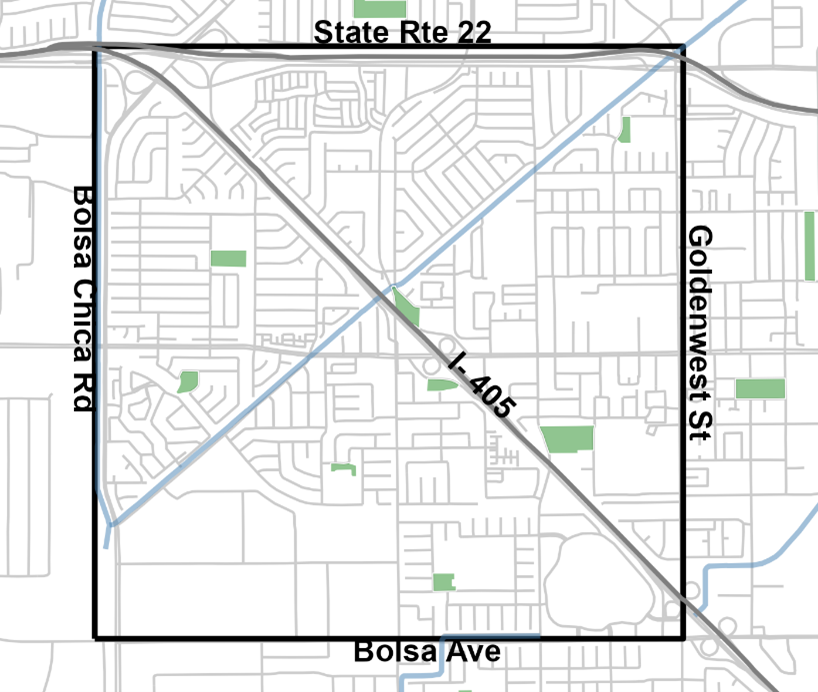
Seven residents of the northwestern portion (see map) of the city of Westminster have been diagnosed with Legionnaire’s disease in the last four weeks. Orange County Health Care Agency (OCHCA) is currently investigating the situation, but no common source of infection has been identified thus far.

Providers Should:

  • Consider testing for Legionnaire’s disease in any patient who develops pneumonia and lives in, works in, or has spent significant time in northwestern Westminster (see map) within 14 days of symptom onset.
  • The illnesses in this event have been caused by Legionella pneumophila serogroup 1. Urine antigen testing can be used to diagnose infection, but OCHCA requests that providers also test sputum PCR for Legionella when that test is available.
  • Report any suspect or confirmed case of Legionnaire’s disease immediately to Orange County Public Health at 714-834-8180 (after hours call 714-628-7008 to speak to the Health Officer on Call).

Background:

Legionellosis illness is caused by Legionella bacteria and usually results from inhalation of aerosolized water containing the bacteria. Less commonly, transmission can occur by aspiration of contaminated drinking water. Over twenty Legionella species have been implicated in human disease. Legionella pneumophila is the most common cause of infection, and the majority of L. pneumophila infections are caused by serogroup 1.


Legionellosis presents in two distinct illness patterns: 

  • Legionnaires’ disease presents as progressive pneumonia with a 2-10 day incubation period. The disease can also cause cardiac, renal and gastrointestinal involvement.
  • Pontiac fever is a self-limited, influenza-like illness without pneumonia that has a 1-2 day incubation period caused by an inflammatory response to L. pneumophila-produced endotoxin.


Patients at particular risk include those who are:

  • Immunocompromised
  • Have chronic lung disease
  • Smokers
  • 50 years of age or older

Diagnosis:

Urine Antigen Testing - Legionellosis can be diagnosed by testing for Legionella antigen in the urine of infected patients. Note that urine antigen testing only identifies L. pneumophila serogroup 1, not other serogroups.


Nucleic Acid Amplification (Commonly PCR) - Legionella of all species and serogroups can be identified by PCR from sputum and bronchoalveolar lavage. PCR-positive specimens can be utilized for whole genome sequencing analysis, which can assist in identifying community sources in public health investigations.


Culture – Legionella can be cultured from sputum or bronchoalveolar lavage samples, but culture testing is less sensitive than PCR.


Testing for legionellosis should be considered particularly in patients who have failed outpatient antibiotic therapy for community-acquired pneumonia and patients with severe pneumonia, such as those requiring intensive care.

Treatment:

Azithromycin or levofloxacin can be utilized to treat Legionnaires’ disease. Levofloxacin (or another fluoroquinolone) is the drug of choice for immunocompromised adults.

Environmental Sources of Legionella:

Legionella species are naturally occurring, ubiquitous aquatic organisms. Hot tubs are a common source of Legionella; proper hot tub maintenance is vital in preventing potential exposure. Other common sources include household showers, decorative fountains and cooling towers (parts of centralized air-conditioning systems for large buildings). Healthcare-associated legionellosis cases can occur and are related to contamination of the facility’s hot water supply. Any healthcare-associated infection requires assessment for potential ongoing risk.

Additional Information:

For additional information on diagnosis, treatment, or prevention of Legionellosis: https://www.cdc.gov/legionella/downloads/fs-legionella-clinicians.pdf


For additional information on water system maintenance:

https://www.cdc.gov/control-legionella/


For questions or concerns, visit https://www.ochealthinfo.com/legionella or contact Communicable Disease Control Division at 714-834-8180.

If you do not currently receive our Provider Advisories, you can add yourself to our email list via the button below.
Sign Up Now