|
By Katherine Lee
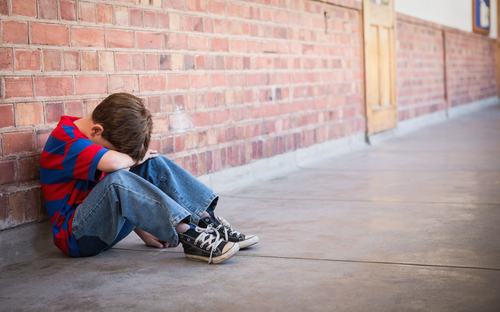
Signs of stress and anxiety in children often show up as physical or behavioral changes.1 Children respond differently to stress depending on their age, individual personalities, and coping skills, which can cause many parents to overlook the underlying issues that may be causing their child's behavior.
It is important for parents to recognize the signs of childhood stress and to look for possible causes. Parents can usually help children manage stress and anxiety, but some children may have an anxiety disorder and can benefit from professional help.
Signs of Anxiety in Children
Children may not recognize their own anxiety and often lack the maturity to explain their real or imagined stressful issues.1 This can cause a variety of physical and behavioral signs to emerge, and parents may be unsure whether these are symptoms of anxiety or a health problem.
Behavioral or Emotional
Anxiety can cause children to act out in ways that can be frustrating or confusing to parents, but it is important for caregivers to recognize that these behavioral and emotional issues may be related to feelings of anxiety. Some common behavioral signs of stress and anxiety include:
- Behavioral changes, such as moodiness, aggression, a short temper, or clinginess
- Development of a nervous habit, such as nail-biting
- Difficulty concentrating
- Fears (such as fear of the dark, being alone, or of strangers)
- Getting into trouble at school
- Hoarding items of seeming insignificance
- Refusal to go to school
- Withdrawing from family or friends
Physical Stress and anxiety can also manifest in physical complaints. Some of these signs include:
- Bedwetting
- Complaints of stomachaches or headaches
- Decreased or increased appetite
- Other physical symptoms
- Sleep problems or nightmares
It can help to think about whether these signs typically occur before or after certain activities, and whether there are physical symptoms, such as pain, fevers, rash, or diarrhea, that could signal a medical problem.
Common Causes of Childhood Stress
The source of anxiety and stress in children can be something external, such as a problem at school, changes in the family, or a conflict with a friend. Anxious feelings can also be caused by a child's internal feelings and pressures, such as wanting to do well in school or fit in with peers. Some common causes of stress in children include:
-
Academic pressure: Many children experience anxiety about wanting to do well in school. Academic pressure is particularly common in children who are afraid of making mistakes or who are afraid of not being good at something.
-
Big changes in the family: Major life changes such as divorce, a death in the family, moving, or the addition of a new sibling can shake your child’s sense of security, leading to confusion and anxiety. For example, a new sibling can make a child feel threatened and jealous. A death in the family can create alarm and grief and may trigger fears about death and dying.
- Bullying: Bullying is a serious problem for many children. It can be subtle, or obvious, and may lead to physical harm. Children who are bullied often feel embarrassed about being targeted, and they may hide the bullying from parents or teachers for fear of drawing attention to their perceived weaknesses.
- Catastrophic event on the news: News headlines and images showing natural disasters, terrorism, and violence can be upsetting for children. When kids see and hear about terrible news events, they may worry that something bad might happen to them or to someone they love.
- Parental instability: Money and job concerns, family turmoil, and parental agitation can lead to an overwhelming sense of powerlessness for children who may feel that they want to help, but don't have the means to do so.
- Popularity: For younger grade-schoolers, separation anxiety can be a common problem. As they get older, most children want to fit in with other kids and be liked; the pressure to fit in and be popular can be agonizing. Cliques and the feeling of being excluded usually become an issue once kids enter grade school.
- Overly-packed schedules: Constantly running from one activity to another can cause a great deal of stress for children who usually need some quiet downtime every once in a while.
- Scary movies or books: Fictional stories can also cause distress or anxiety in children. Children are commonly affected by frightening, violent, or upsetting scenes from a movie or passages in a book.
Some kids might be more sensitive to media content than others, and it's a good idea to know what might upset your child, to limit violent media content, and stick to age-appropriate movies, books, video games, and other media.
How to Help Your Child
There are healthy ways in which your child can cope and respond to stress, they just need some help and guidance. You can help in the following ways.
At Home
- Create a relaxed home atmosphere and commit to a routine. Family dinners or game nights can prevent anxiety and help relieve stress.
- Make your home a calm, safe, and secure place to come to.
- Monitor your child's television shows, video games, and books.
Keep Them Involved
- Allow for opportunities where your child can have control over a situation in their life.
- Give your child a heads up on any anticipated changes and talk through the new scenarios with them. For example, if you will be taking a new job in a new city, what will that mean for them in terms of a new school, new friends, and a new home?
- Involve your child in social and sports activities where they can succeed.
Your Actions
- Adopt healthy habits such as exercise and self-care to manage your own stress in healthy ways.10 Children often mimic their parents' behaviors.
- Keep an eye out for new signs and behaviors of unresolved stress.
- Learn to really listen to your child without being critical or solving problems for them. Provide guidance to teach your child ways to understand and solve the problems that upset them.
- Provide affection and encouragement.
-
Use positive reinforcement and methods of discipline that promote healthy self-esteem.
Seek the advice of a healthcare practitioner, counselor, or therapist if the signs of stress do not lessen or if your child becomes more withdrawn, depressed, or more unhappy. Problems in school or when interacting with friends or family is also another cause for concern.
|