Center for the Developing Mind June 2023 Newsletter

Center for the Developing Mind

Center for the Developing Mind celebrates all of our wonderful parents in the month of June Happy Mother's Day and Father's Day!

asian family pictures at home

Dear Readers,


Please excuse the fact that inadvertently we overlooked last month's acknowledgement of Mother's Day. To make amends, Center for the Developing Mind is using the month of June to celebrate all of our wonderful parents by recognizing and wishing a Happy Mother's and Father's Day! With that in mind, we include two poignant articles that address some of the most pressing questions posed by our wonderful families. Parents are frequently wanting to work on improving their skills as heads of their homes. This month's lead article features 5 timely tips to help your child tune into your words of wisdom. And because Center for the Developing Mind is aware of how daunting a task it is for parents of special needs children to pick just the right summer camp for their child, we've added a second article specific to the topic of what to consider when you are picking both a day and/or sleep away summer experience for your child with need. We continue to wish all of our readers a successful summer experience. 


Sending best wishes for your health and safety,


Esther Hess, Ph.D. and the staff at Center for the Developing Mind

5 Ways to Get Your Child to Listen

stubborn little kid with red hair_ freckles and an attitude ignoring parents scolding_ blocking his ears with hands against education problems_ grey background

Can You Hear Me Now? 5 Ways to Get Your Child to Listen


Is your kid constantly ignoring you? If so, you are not alone. Here are five ways to get (and keep) your child's attention.


By Leslie Garisto Pfaff


Remember that adorable chatty child who not long ago hung lovingly onto your every word? Now they often seems like a glassy-eyed pre-tween who's turned ignoring you into an art form and transformed even the simplest request ("Please turn off the TV" or "Put your socks in the hamper") into an exercise in mind-numbing repetition.


Your child isn't deliberately trying to drive you insane—successful though they may be—and their maddening new behavior has more to do with their sense of self than how they feels about you. Seven- and 8-year-olds are experiencing an increasing sense of control over their own lives, and they're focusing more than ever before on the outside world and the interesting things going on there, like school, friends, fads, and sports, says Mary Rourke, Ph.D., director of school psychology at Widener University's Institute for Graduate Clinical Psychology, in Chester, Pennsylvania. Their selective deafness is one way of testing the limits of their growing independence.


What to Do When Kids Talk Back


It's also a method of dealing with new pressures and responsibilities. "Kids this age spend most of the school day following instructions," says Carla Fick, Psy.D., a child psychologist and clinical director of the nonprofit Smart Love Family Services, in Chicago. "School is more demanding, so they have fewer opportunities to zone out, de-stress, and exercise their own choices." Because they feel safest at home, it's the place they're most likely to assert themselves and take the time they need to chill out. Often, the way they do that is by acting as if their parents have faded into the furniture. However, you can regain your child's ear without losing your voice or your cool just by listening to our advice—no bullhorn necessary.


Get Some Perspective


Yelling to get your kid's attention won't do either of you much good. "Instead, take a step back and recognize that your child isn't purposely trying to undermine you, they're just acting their age," says Joseph Shrand, M.D., an instructor of psychiatry at Harvard Medical School. Then, work on a better strategy. When Marianna Carnovale of Nutley, New Jersey has something important to tell her 7-year-old son, Christopher, she'll avoid the times when he's glued to the TV or a video game. She also asks him to repeat her instructions, a tactic that helps him remember what he needs to do.


Make Your Presence Known


As you're well aware, it's surprisingly easy for your 7- or 8-year-old to ignore what you say. But it's a lot harder for them to block you out in other ways. "Sometimes a simple tap on the shoulder will snap your child out of it, or you may have to physically place yourself between them and whatever they're focused on," says Mark Sharp, Ph.D., a psychologist in Oak Brook, Illinois. A little drama or humor doesn't hurt, either. When 8-year-old Carly is lost in a world of her own, her mom, Lonnie Lane, goes for a laugh. "My strategy is to say something completely off-topic, outlandish, and silly, like 'Hey, chicken lips!' " says the Portland, Oregon, mom.


Avoid the Echo


Calling your child's name over and over again will just get you a sore throat. As will the infinite repeating of "clear your stuff off the table; dinner's almost ready." Sit your child down and let them know that you're willing to remind them of your request once, but they'll have to deal with the consequences if they don't respond after that. For example, you could say, "I'm happy to ask you once to put on your shoes, but after that, I'm walking out to the car without you." Another option is to use a kitchen timer, suggests Dr. Shrand. Tell your child, "We're going to set this for three minutes, and then you need to stop watching TV and put your clothes away." Reinforce the three-minute warning with a reward: "After you put your clothes away, you can use the computer for 15 minutes before bedtime." If your child still doesn't pay attention, the next step might be to take away TV until they've come up with their own plan for being a better listener.


Choose the Message


Before you get yourself embroiled in a battle of wills, make sure you're concentrating on the things that really matter. Seven-year-old Bodhi Menice of Corrales, New Mexico has a talent for ignoring his mother, Danielle, when she asks him to do something he'd rather not do. So she weighs the importance of her requests. "If it's something essential, like setting the table before we sit down for dinner, then I'll make sure he gets it done," she says. If not, she'll either let it go or wait until later. "Because kids this age often feel overwhelmed, they're more likely to listen and cooperate if they feel that parents are only asking them to do the really important things," says Dr. Fick. Critical tasks like homework and family chores can take precedence over smaller issues that pop up during the day, like a pair of sneakers kicked off in the hallway or a candy wrapper that's fallen shy of the trash can.


Listen to Your Child


Sometimes, kids don't pay attention because they feel like no one's paying attention to them. "Parents are often so busy themselves that they don't always focus on things they consider to be insignificant, but those may be the very things that matter most to a child," says Dr. Fick. Harry Potter may be the last person you want to discuss at the end of a rough day, but what's going on at Hogwarts could be as important to your child as their unfinished homework is to you. When kids feel cared about, understood, and respected by you, they're a lot more likely to hear what you have to say.

5 Things to Consider When Picking a Camp for your Special Needs Child

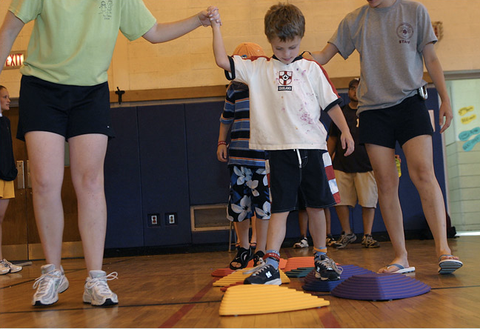
A stone-stepping exercise at the camp of the North East Westchester Special Recreation Program in Hawthorne, N.Y.Credit Susan Stava for The New York Times

A stone-stepping exercise at the camp of the North East Westchester Special Recreation Program in Hawthorne, N.Y.Credit Susan Stava for The New York Times

BY KJ DELL’ANTONIA


 “Special needs” is a broad category, including everything from orthopedic appliances and physical-care needs to speech defects, learning disabilities and behavioral deficits. What all of the children within that broad category have in common with respect to summer camp is that signing up isn’t usually just a matter of filling out the forms.


Lauren and Susan Kasnett, a mother-and-daughter team that runs Summer 365, an advisory service that’s free to parents looking to find the best summer camp experience for their children. They offered five ideas for families to consider while planning the summer for a child whose needs are different from her peers.


1. There’s a camp out there for your child. There are specialty camps designed for nearly every disability or need, some running for a full summer or a shorter session and some taking over another camp’s facility for a period of a few weeks at the end of summer. Mainstream camps may also work with some specific needs, and may surprise you. “Last summer, I saw a girl in a wheelchair having a wonderful time at a traditional summer camp,” Susan Kasnett said. “Depending on your child’s needs and the camp’s capabilities, things that might not seem like an obvious fit could work.”


2. Ask for advice in deciding if your child is ready. “We encourage parents to reach out to a child’s teachers, to psychologists — to anyone on their team — in deciding if a child is ready, in particular for a sleep away camp experience,” Susan Kasnett said. “One hint for a parent is if they’re feeling like a child has outgrown whatever they’ve been doing in past summers.”

Lauren Kasnett also suggested that you not rely on a child’s sense of whether she’s ready. “While you wouldn’t want to send a child who’s truly going to be anxious or miserable to the point of being unable to participate, it’s fine to nudge a child outside their comfort zone and encourage this new experience,” she said. A child who relies deeply on routine might never openly volunteer for a change, but could ultimately thrive in a new environment and learn from it.


3. Interview the camp. Camps focused on a particular disability or need tend to interview families, Susan Kasnett said, “but you have to interview the camp as well.” Key questions to ask: What is the camper-to-counselor ratio? How is the staff selected and trained? Is there any therapy programming offered? Have past campers been eligible for extended school-year funding or insurance reimbursement? How does the camp handle homesickness or other needs particular to your child? “The best way to get a feel for the camp’s culture, philosophy and accommodations is to visit while it is in session,” Lauren Kasnett said. “If time permits, we suggest touring camps the year before you plan to send your child.


4. Be honest with the camp about your child. “This is not the time to play down your child’s needs,” Susan Kasnett said. “Make sure everyone is on the same page.” If your child has behavior issues, let the camp know. If your child is physically independent at the beginning of the day, but by evening, needs far more help, make the camp aware of these things. “You do not want your child to attend a camp that’s not equipped to handle him. To prevent heartache and make sure your child succeeds, it’s best to be an open book.”


5. Be honest with your child about camp. “Talk to him about homesickness,” Lauren Kasnett suggested. “Share your personal experiences with it and let him know homesickness is natural but will pass.” Being at camp can be wonderful, but going away from home can be hard, and there’s no reason to gloss over that issue with any child. Those are normal feelings, and it’s particularly helpful for a child who may feel alienated from “normal” to know that in this case.

Announcements

Ongoing: Dr. Hess is continuing her work with the special needs community in Lodz, Poland. She now meets virtually on a weekly basis with the staff and parents associated with the Centrum Futurum Pre-School.

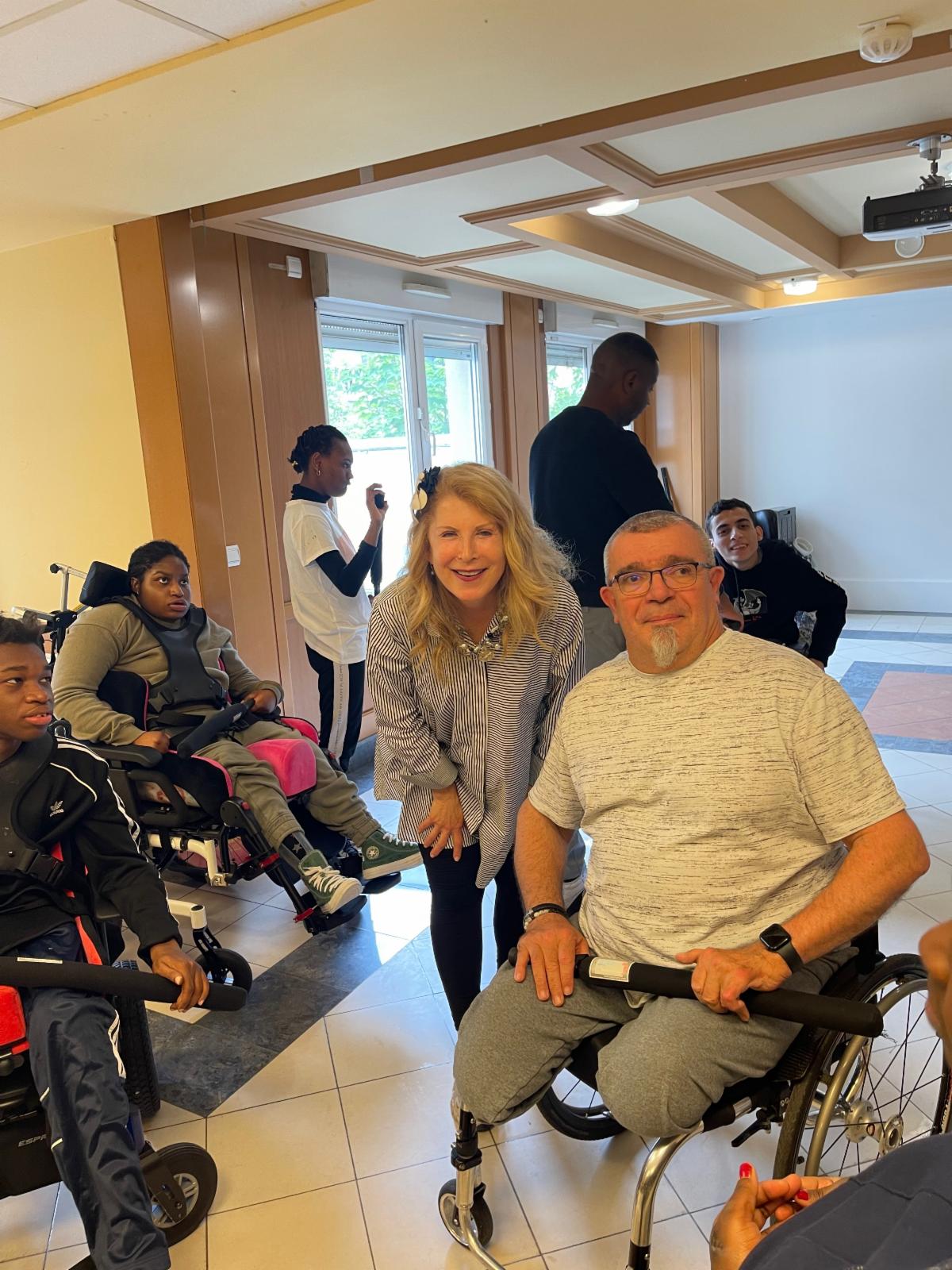
See some great photos of Dr. Hess and Allen Samson's recent trip Paris:

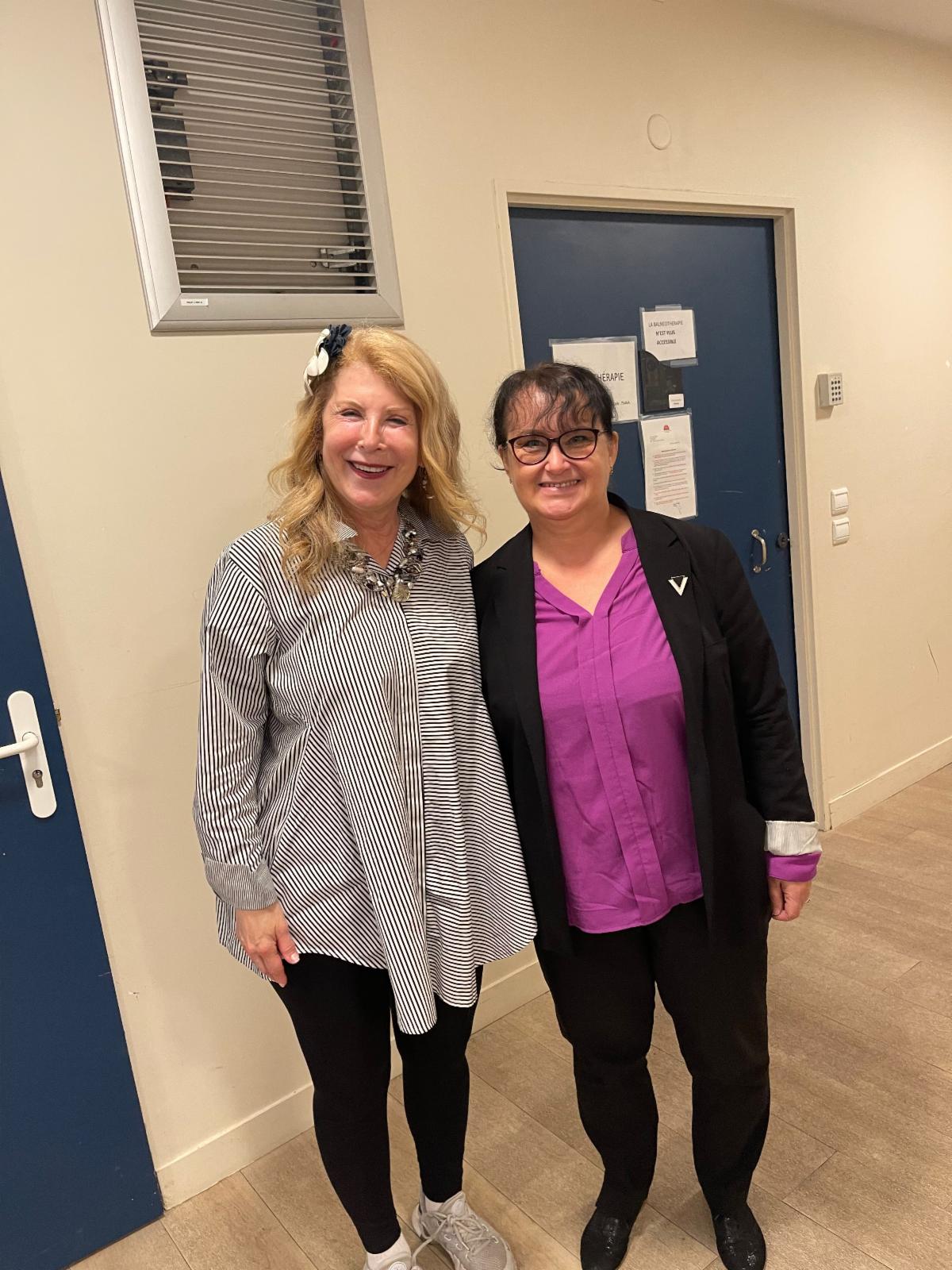
Dr Esther Hess pictured with Ronit Ben Dor, Israeli ambassador to France. While meeting in Paris, plans were discussed for future French/Israeli/American efforts to support globally, special-needs communities. 

Dr Hess is photographed with Dr. Ebtesom Al-Ketbi, special envoy for education and family support from the United Arab emirates. Future plans include a collaboration between Center For The Developing Mind and clinics throughout the Middle East to expand support for children impacted by developmental delays. 

Dr. Esther Hess and Dr. Aviva Munion, deputy Director of the Raphael Center in the 11th district of Paris. Together they brainstormed the future creation of an autism center as adjunct facility for individuals impacted by developmental delays.

Dr Hess posing with one of the instructors from the Raphael Center.

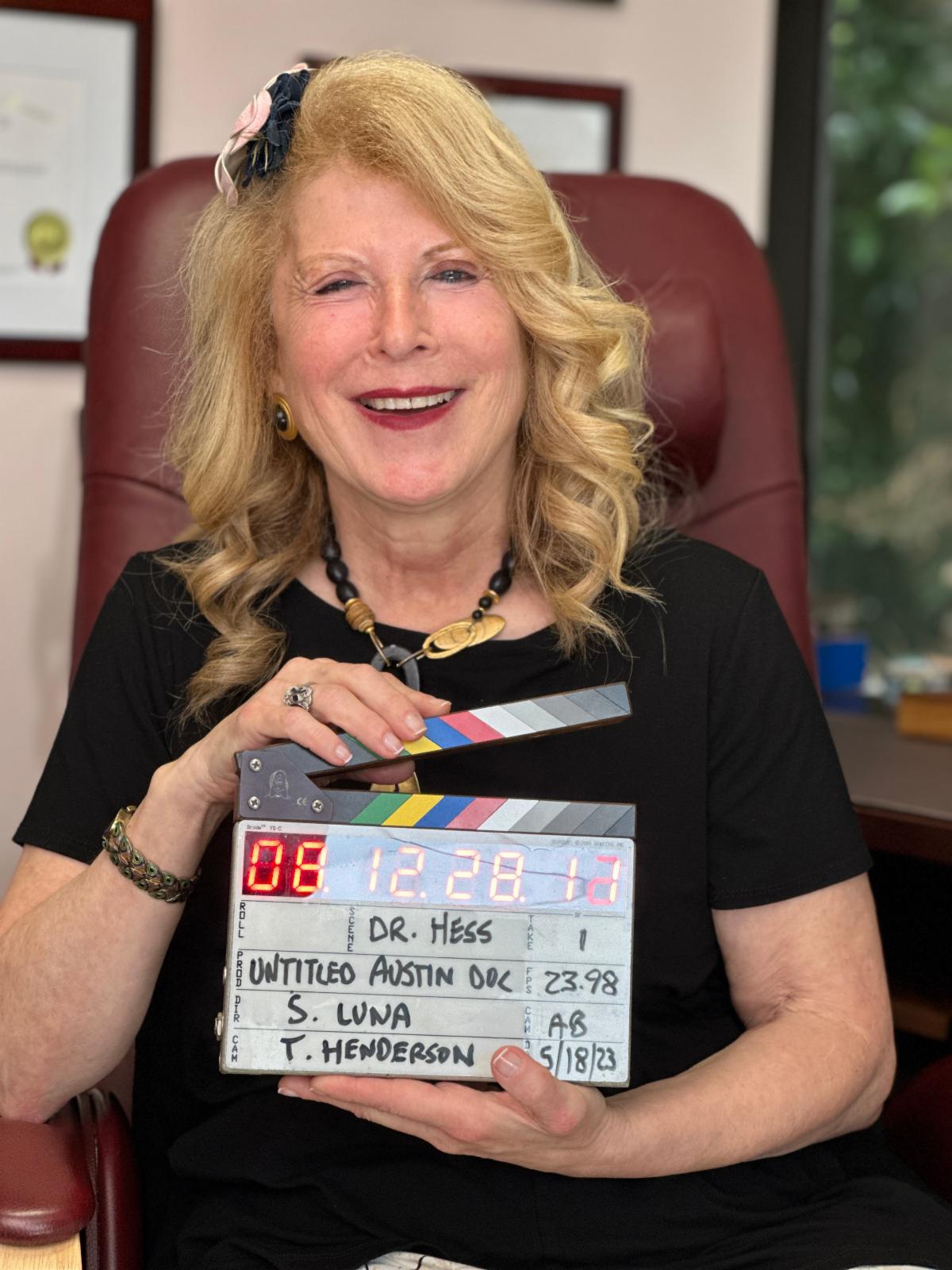
New Documentary includes Dr. Hess

Dr. Hess is seen been filmed for what is currently a not yet titled documentary about a young man with autism who becomes a stand-up comedian.

Groups
Friends Hipster Teenager Buddies Concept

Mr. Allen Samson continues to facilitate an in-person young adult Men's Group for Neuro-Diverse Men ages 25-40 years at Center for the Developing Mind. This month's topic discussion include finding and keeping a job; extensive opportunity to role play social scenarios. New timely topics include; how to successfully find and hold onto a Summer Job!


For more information and to register please contact Allen at http://www.centerforthedevelopingmind.com.

Second Group Just Added! Dr. Hess has expanded the original support group for parents/grandparents of children newly diagnosed with ASD/ADHD to a regular support series on Tuesday and now Thursday evenings. There are both in-person and virtual options for attendance. Topics covered include the first 100 days after the initial diagnosis and how to thoughtfully choose therapeutic supports for your child, including picking the right summer camp experience for your special needs child.


For additional information please contact Dr. Hess directly at Drhess@centerforthedevelopingmind.com.

New social skills group for Children impacted by SM returns to Center for the Developing Mind! Dr. Hess and staff will be facilitating a social support group for parents and their children impacted by selective mutism. The group will focus on children ages 5-8.


For additional information please contact Dr. Hess directly at Drhess@centerforthedevelopingmind.com.

Dr. Hess continues to facilitate a Thursday morning social support group for caregivers sponsored by Ogden Manor Home Care.


For additional information please contact Dr. Hess directly at Drhess@centerforthedevelopingmind.com.

New JWRC Concert!

THERE'S STILL TIME TO GET YOUR TICKETS! Dr. Hess continues to show off her healthy mental health strategies with her involvement in musical/choral experiences. She will be one of the featured singers in the Jewish Women's Repertory Company's rendition of 'Rogers and Hammerstein In Concert', June 1st & 4th, 2023 at the Museum of Tolerance, Los Angeles, CA. In fact, we've attached a virtual choral sample of one of Rogers and Hammerstein classics from the musical Carousel, "June is Busting Out All Over". 


As always, we continue to encourage you to contact us at the Center to share your healthy mental health strategies at Drhess@centerforthedevelopingmind.com.

FREE Dental Cleanings for Children
Career Opportunities

Center for the Developing Mind is Seeking Occupational Therapists

There are immediate openings at Center for the Developing Mind for California licensed occupational/physical therapists. Ability to work weekends, a plus. Salary and benefits are compensatory to experience.


For more information, please contact Dr. Esther Hess at (310) 652-7581 and/or Drhess@centerforthedevelopingmind.com

Center for the Developing Mind is Seeking Speech and Language Therapists

Center for the Developing Mind is Expanding It's Speech and Language Services. We are looking for licensed SLPs to work in our state of the art facility. Treatment model based on DIR/Floor Time. Ability to work weekends, a plus. Salary and benefits are compensatory to experience.


For more information, please contact Dr. Esther Hess at (310) 652-7581 and/or Drhess@centerforthedevelopingmind.com.

Are You Looking To Expand Your Own Private Practice While Being Part of a State of the Art Team For Children?
Center for the Developing Mind is now licensing space within a multidisciplinary facility. Suites available for speech pathologists, occupational therapists, physical therapists, and educators. For more information please contact Dr. Esther Hess: (310) 652-7581
Support Center for the Developing Mind

Center for the Developing Mind Foundation is the non-profit arm of our clinic, servicing children, adolescents and young adults with developmental and/or regulatory delays who might otherwise not get the support they need. Your donation during these precarious times can make all the difference in the world.


Thank you, in advance.


To learn more or to make a donation please visit centerforthedevelopingmind.com/non-profit.