Center for the Developing Mind September 2022 Newsletter

Center for the Developing Mind

For many students, the month of September now reflects perhaps the 3rd or 4th week of a new school year. With so many students starting or returning to an academic (and mostly indoor) environment, the concern of the rise in COVID cases is very much on parents' minds. This month's newsletter article, written by our colleague David Mills, discusses the trend in families who have children 5 and under. Many are either waiting for more scientific data or choosing not to give the youngest members of their family, a vaccine. This article will discuss the pros and cons of vaccinating our youngest children and the implications of not going forward with inoculation.


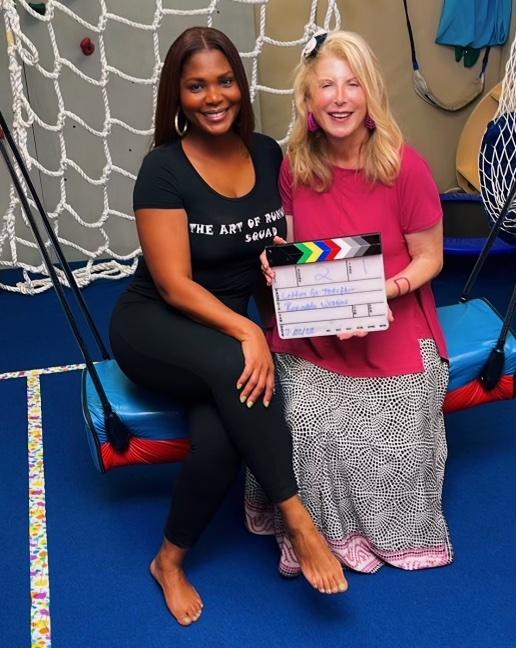
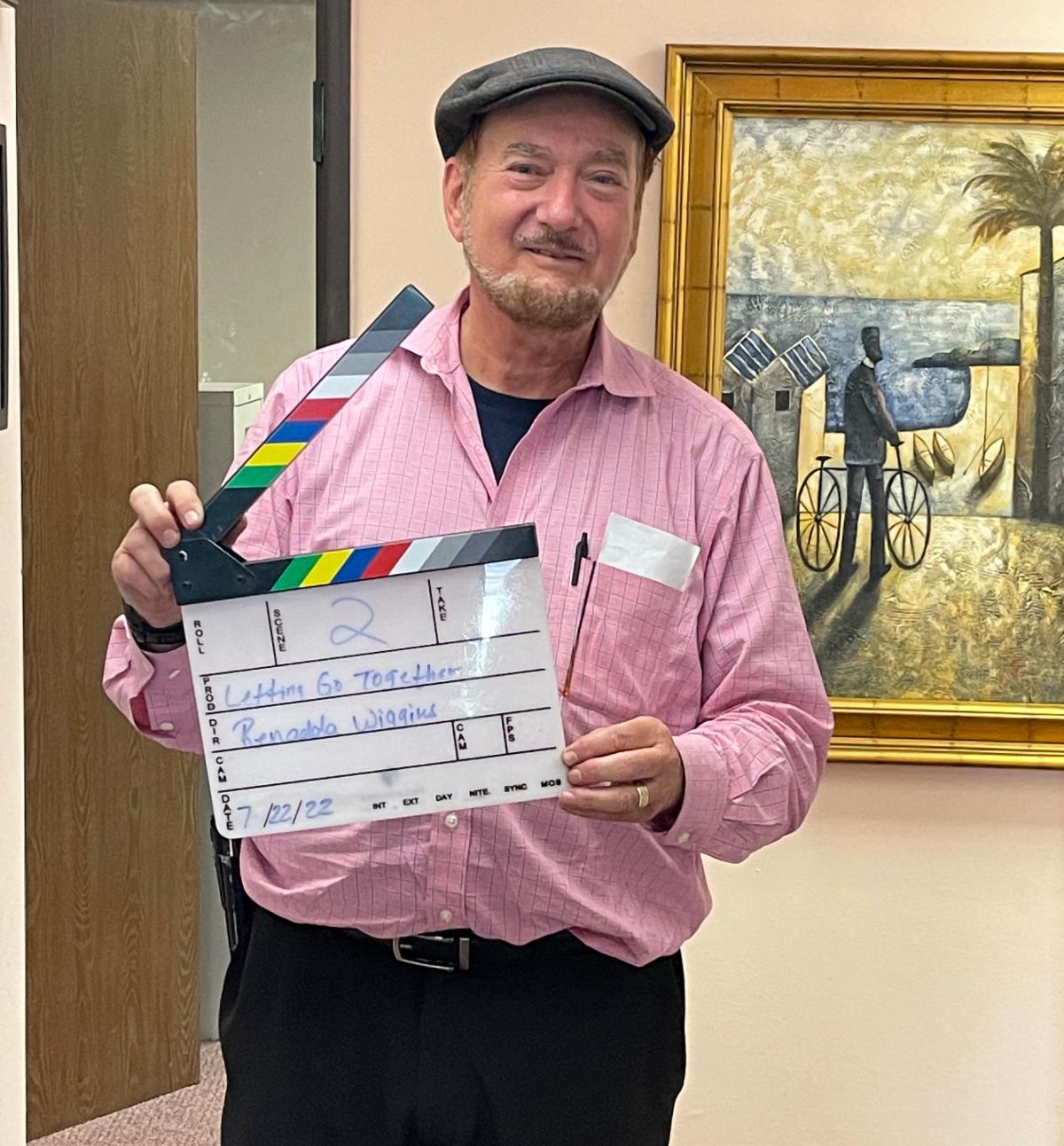
While discussing the youngest participants at the Center, we never forget that as our kiddos have aged, that we at Center for the Developing Mind, have grown right alongside them. This past month, Dr. Esther Hess and Allen Samson, head of the adult division at the facility, collaborated with documentarian Renada Wiggins in the filming of a documentary discussing the challenges that parents face when it's time to launch their young adults with special needs towards independence. Please check out our photos of the preliminary stages of filming.


Sending best wishes for your health and safety,


Esther Hess, Ph.D. and the staff at Center for the Developing Mind

3% of Kids Under 5 Have Received a COVID-19 Vaccine: What Are the Implications?

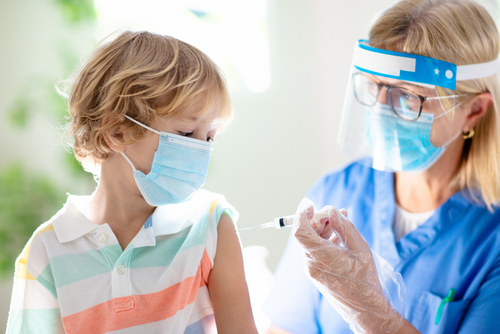
Coronavirus vaccination. Covid-19 vaccine. Doctor vaccinating child. Kids at clinic. Little boy getting flu shot. Pediatrician examining kid and giving injection. Virus prevention. Health care.

By David Mills


Some health experts are concerned about the low COVID-19 vaccination rates among children under 5 years old. 


Children as young as 6 months are now eligible to be vaccinated against COVID-19 in the United States.


However, vaccination rates for children of all ages have lagged behind what public health officials had hoped.


About 60% of children ages 12 to 17 are now fully vaccinated. However, only about 30 percent of children from 5 to 11 years of age are fully vaccinated.


Now, there are concerns that the rate could be even lower for children ages 6 months to 4 years.


Only about 3% of children in this age group had received at least one dose of the vaccine as of July 20.


In addition, a recent survey by the Kaiser Family Foundation reports that 40% of parents of children under 5 years old say they will “definitely not” get their child vaccinated against COVID-19. Another 20% said they would “wait and see” how well the vaccine works before getting their children immunized.


Another surveyTrusted Source indicated that about 50% of parents intend to get their preschool children vaccinated at some point, although only 20 percent plan to do so within the child’s first 3 months of eligibility.

Healthline spoke to two infectious disease experts about the consequences of not having the youngest members of society vaccinated against COVID-19.


Dr. Monica Gandhi, MPH, is a professor of medicine at the University of California San Francisco.


Dr. William Schaffner is a professor of preventive medicine at Vanderbilt University in Tennessee.


We began our question-and-answer session with the fact an estimated 75 percent of children have already contracted COVID-19 at some point and may have some immunity.


Why is it still important for young children to get vaccinated?


Schaffner: The most common hesitancy I’ve heard from parents is that COVID is less severe in children than in adults. Of course, that is correct but only partially correct. COVID in children may be less severe, but it is not harmless. Consider that [many] children in the U.S. have required hospitalization for COVID and that half of them were previously healthy children without any underlying illness. Not to mention the risk of long COVID and the multisystem inflammatory syndrome that can occur after the recovery from COVID. Clearly, COVID is not harmless and that is why the American Academy of Pediatrics urges all parents to vaccinate all their children.


Gandhi: Study after study at this point in the pandemic, especially with the Omicron variant, shows that “hybrid immunity” or infection followed by a vaccination (or vaccination followed by infection) is stronger than either infection or vaccination alone in preventing further infections. The strength of hybrid immunity has been demonstrated in children as well as in adults. Therefore, even if children have already contracted COVID, getting at least one dose of the COVID-19 vaccine will strengthen their immune response to last for a longer period and protect them from symptomatic infection.


Schaffner: Previous infection with COVID can confer some protection, but it is partial and wanes rapidly. Furthermore, we cannot easily identify children who have had a previous asymptomatic or mild infection. The most secure way to protect your child from severe COVID is to vaccinate them.

I already have been asked how we can make our schools as low risk as possible when they reopen later this summer. The answer is clear: do all we can to make sure that all the children and all the adults are vaccinated.


How effective are COVID-19 vaccines for young children?


Gandhi: Both the Pfizer 3-dose vaccine series and the Moderna two-dose vaccine series for children under 5 years of age were effective in generating neutralizing antibodies against COVID-19. The production of antibodies indicates that cellular immunity is likely generated since B cells produce antibodies aided by T cells. Although the confidence intervals in the clinical trials of each vaccine were wide, the Pfizer vaccine protected children from symptomatic infection by ~80% and the Moderna vaccine protected children by ~37%; the latter had a higher rate of side effects than Pfizer. There were no cases of severe illness in either pediatric trial (in either the vaccine arm or the control arm) which is not surprising since young children are not at major risk of severe disease with SARS-CoV-2.


Schaffner: COVID vaccine effectiveness against disease serious enough to require hospitalization is about 85% in young children. This is comparable to the vaccine’s effectiveness in adults.


What are the health implications if young children don’t get vaccinated?


Gandhi: The health implications are that vaccines generate cellular immunity which lasts a long time and protects individuals from severe disease with COVID-19. Although children may not be at risk for severe disease when very young, they grow up and we often give vaccines early on in life with the hope that they will provide long-lasting protection as the child ages. Moreover, COVID-19, even in its mild form, is very disruptive to work and school due to current isolation requirements, so getting children vaccinated and reducing symptomatic infections can help families and communities.


Schaffner: Unvaccinated children run the risk of becoming ill with COVID which could take them out of school or even require them to be hospitalized. I hope that, as parents take their children to their doctors in preparation for the onset of school, they will speak with their doctors and be reassured that COVID vaccination is the best way to protect their precious children.

Great Recent Photos!

Allen Samson and Dr. Esther Hess are part of a documentary!  This past month, Dr. Esther Hess with Allen Samson, head of the adult with disabilities unit at Center for the Developing Mind, met with film producer Renada Wiggins, who is creating a film to help parents feel comfortable enough to launch their adult children with special needs.  The films title is "The Art of the Runway".

Announcements

Dr. Esther Hess has been asked to be one of the keynote speakers at this year's Expressive Therapies virtual conference in early November 2022. She will be presenting a lecture on "The Transitional Challenges and Solutions for Adults Impacted by Autism Spectrum Disorder" followed by a panel of neurodivergent adults who will be discussing their own personal struggles and successes as they entered into adulthood. 


Please contact info@expressivetherapiessummit.com for more information and to register for the program.

Groups
 
Friends Hipster Teenager Buddies Concept
In-person Groups
  • Based on popular demand, Center for the Developing Mind, has expanded its second support group for neurotypical siblings! This group is a mixed gender group for younger siblings ages 7-9 years, and now there is room for 3 new participants. For more information and to register, please contact Dr. Hess directly at Drhess@centerforthedevelopingmind.com. 
  • Dr. Esther Hess continues to facilitate a mixed gender social skills support group for children ages 7-11 years impacted by Selective Mutism and Social Phobias. The group will be offered Sunday mornings starting August 21, 2021. For more information and to register, please contact Dr. Hess directly at Drhess@centerforthedevelopingmind.com.
  • Dr. Hess will be offering a social support group for neurodivergent young women ages 25-40 years of age. Currently the plan is to have this group meet in-person at the Center starting Tuesday evening October 4, 2022. For more information and to register, please contact Dr. Hess directly at Drhess@centerforthedevelopingmind.com.

Weekly Caregiver Support Group

  • Dr. Esther Hess continues to facilitate a weekly online support group for caregivers of special needs adults impacted by the COVID-19 pandemic, sponsored by Ogden Manor Home Care. For more information about this resource, please contact Dr. Hess directly at Drhess@centerforthedevelopingmind.com

Book Recommendation

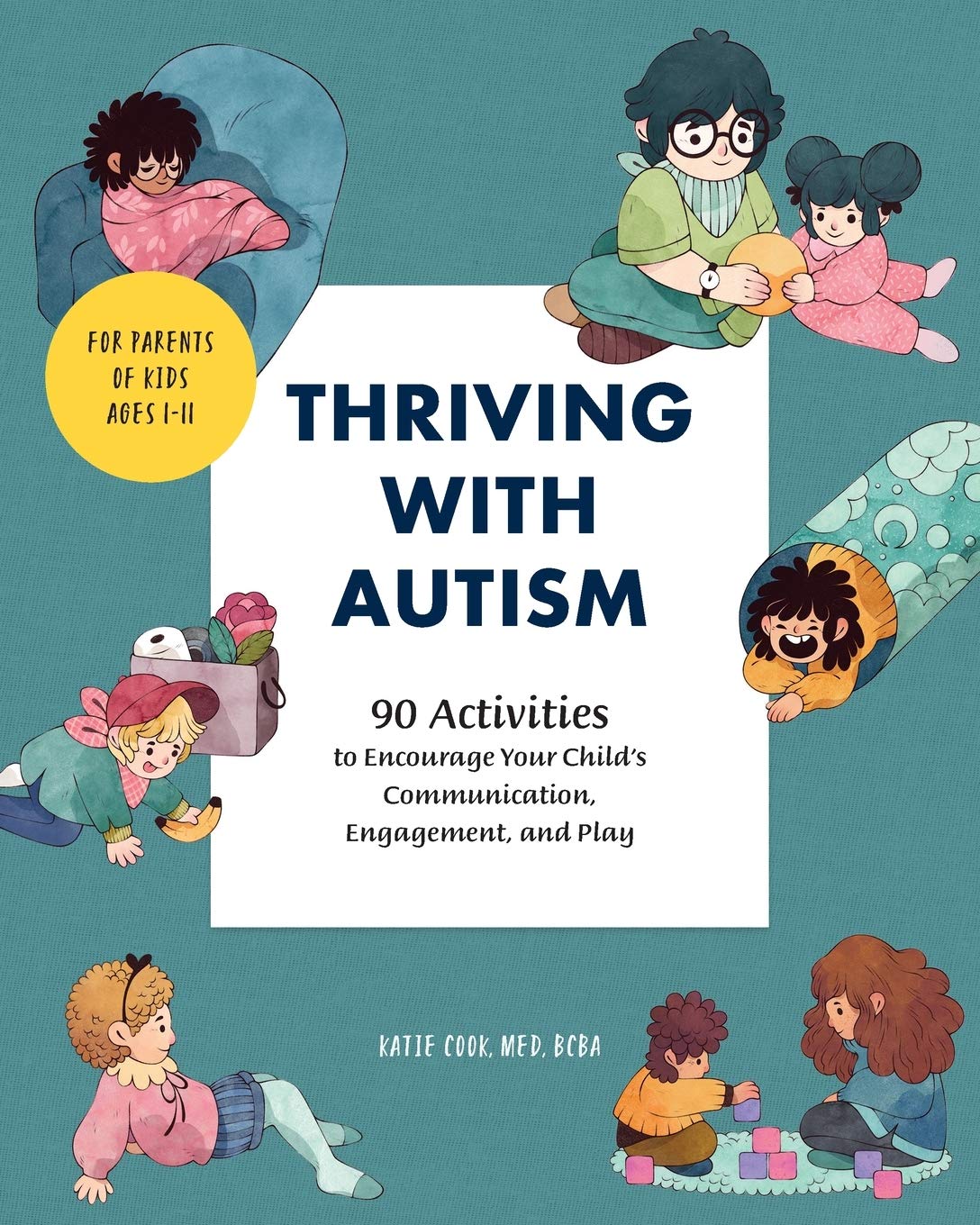
714Tj3MBUyL image

As a fun supplement to the rigors of the school day, Center for the Developing Mind recommends a unique activity book that you can easily access on Amazon. Thriving with Autism: 90 Activities to Encourage Your Child's Communication, Engagement, and Play is an interactive activities book perfect for building confidence and skills in children impacted by ASD. Games and exercises are enticing and fun ways for kids with autism spectrum disorder (ASD) to learn and grow. This standout among autism books for kids features 50 activities to help children regulate their emotions, communicate, and improve focus. Colorful and uplifting, this book empowers kids to build lifelong skills while celebrating their unique strengths and talents. 


Share with us your favorite activity book or planner. Contact Dr. Hess at Drhess@centerforthedevelopingmind.com with your suggestions and comments. 

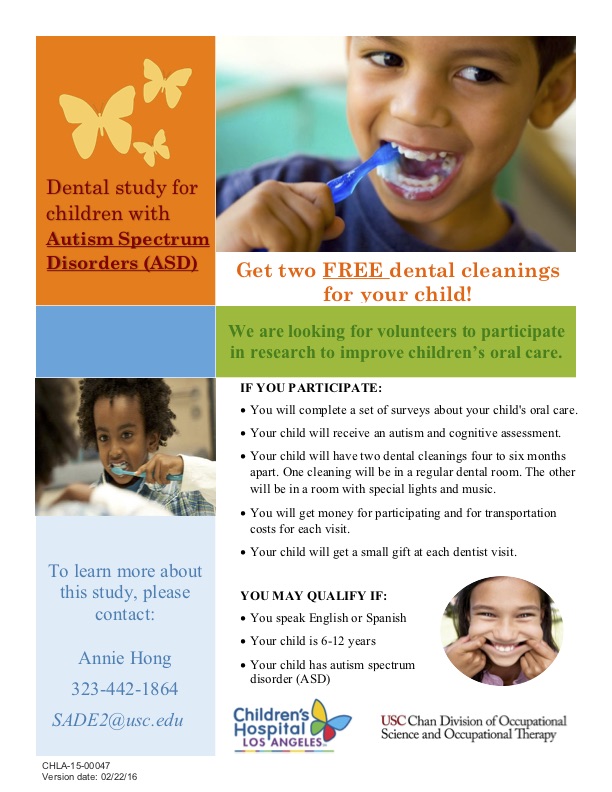
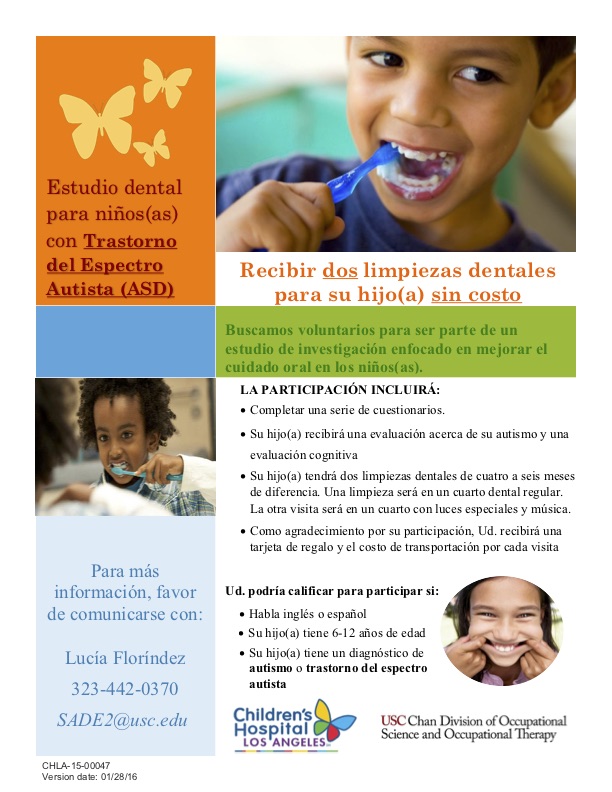
FREE Dental Cleanings for Children
Career Opportunities

Center for the Developing Mind is Seeking Occupational Therapists

There are immediate openings at Center for the Developing Mind for California licensed occupational/physical therapists. Ability to work weekends, a plus. Salary and benefits are compensatory to experience.


For more information, please contact Dr. Esther Hess at (310) 652-7581 and/or Drhess@centerforthedevelopingmind.com

Center for the Developing Mind is Seeking Speech and Language Therapists

Center for the Developing Mind is Expanding It's Speech and Language Services. We are looking for licensed SLPs to work in our state of the art facility. Treatment model based on DIR/Floor Time. Ability to work weekends, a plus. Salary and benefits are compensatory to experience.


For more information, please contact Dr. Esther Hess at (310) 652-7581 and/or Drhess@centerforthedevelopingmind.com.

Are You Looking To Expand Your Own Private Practice While Being Part of a State of the Art Team For Children?
Center for the Developing Mind is now licensing space within a multidisciplinary facility. Suites available for speech pathologists, occupational therapists, physical therapists, and educators. For more information please contact Dr. Esther Hess: (310) 652-7581
Support Center for the Developing Mind

Center for the Developing Mind Foundation is the non-profit arm of our clinic, servicing children, adolescents and young adults with developmental and/or regulatory delays who might otherwise not get the support they need. Your donation during these precarious times can make all the difference in the world.


Thank you, in advance.


To learn more or to make a donation please visit centerforthedevelopingmind.com/non-profit.