|
Dear CDOC Community,
This July, we invite you to promote Sarcoma and Bone Cancer Awareness as well as UV Safety Awareness!
First, we would like to request your input on some important efforts. Our annual 2024 CDOC Member Survey is now available! Please provide feedback to assist us with our evaluation efforts and inform us how we can serve you better. We also want to share the opportunity to provide feedback to the National Cancer Institute by August 18, 2024 on whole person-based research and clinical care for cancer prevention, treatment and survivorship. Click here to read more.
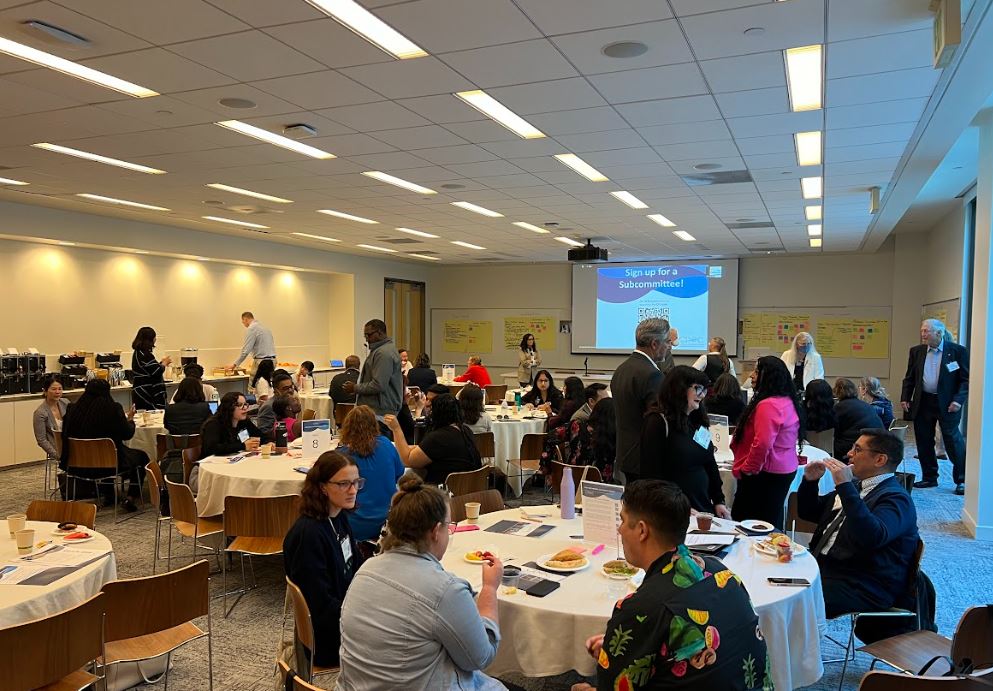
Second, we are excited to share the outcomes of several important efforts over the past month. CDOC hosted our in-person member engagement meeting on June 5th in Los Angeles where 80 attendees learned about the social determinates of health in relation to cancer from Dr. Amy Cummings, celebrated advancements in LGBTQ+ equity, and provided input on the fifth iteration of the State Cancer Plan.
| |
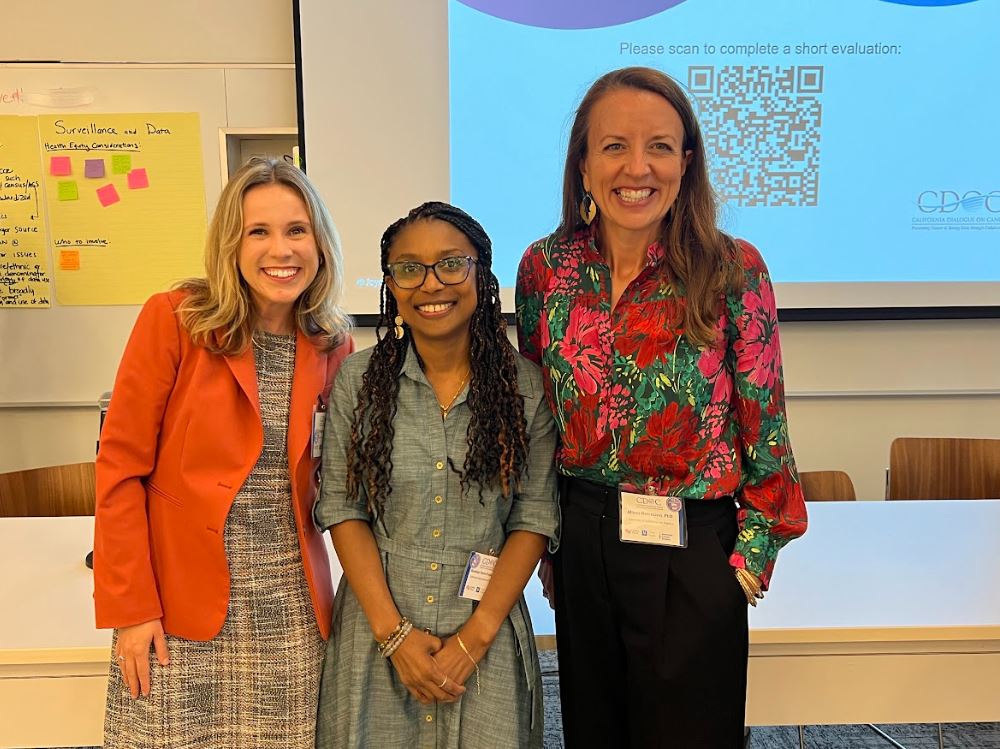
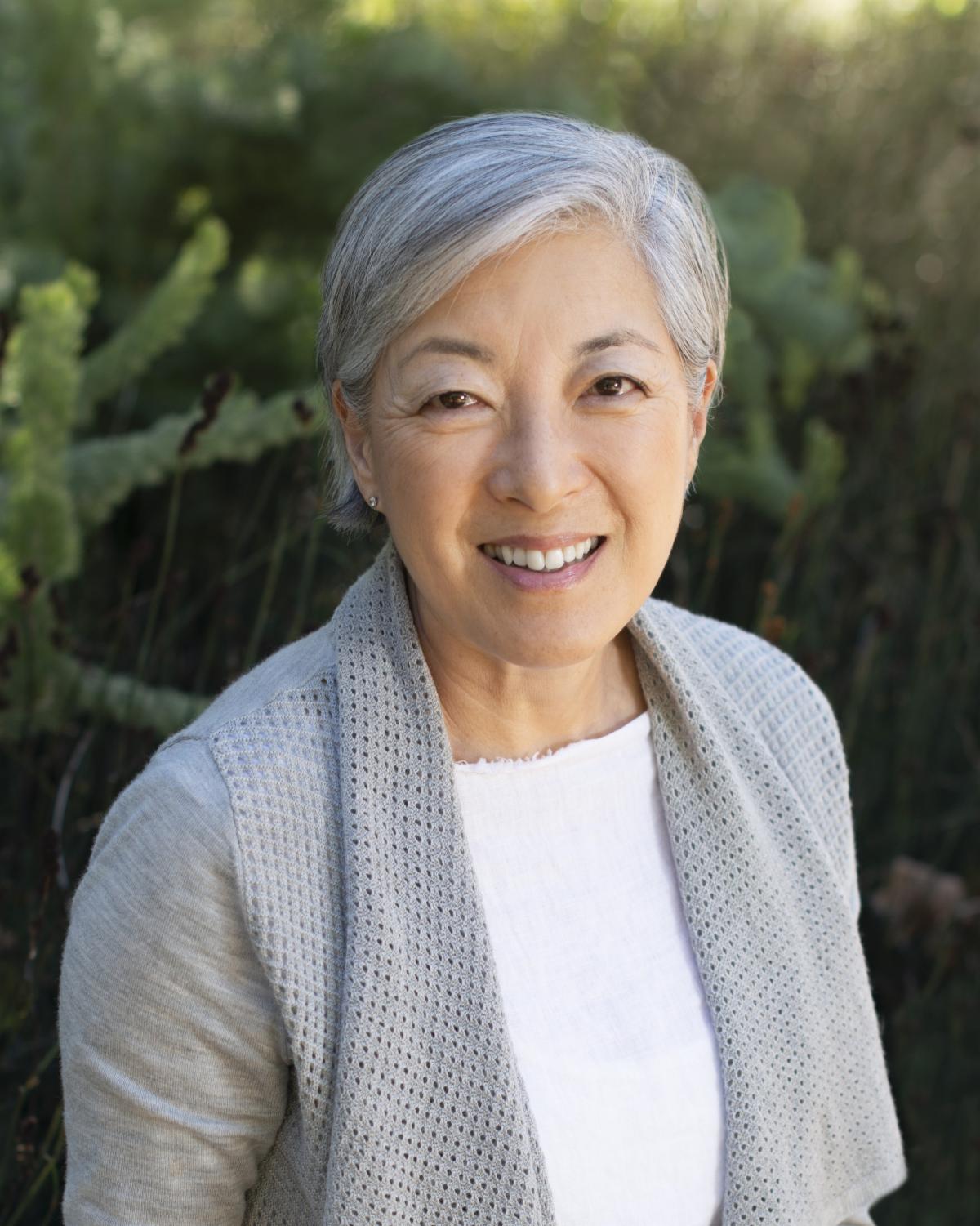
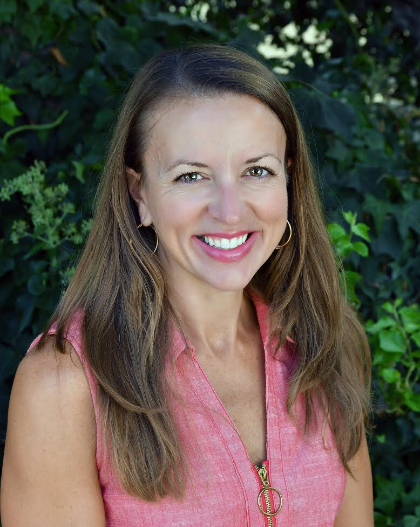
Bridget Freeley (CDOC Vice Chair), Shauntay Davis Patterson, MPH (CCCP Program Director), & Alison Herrmann, PhD (CDOC Co-Chair) | |
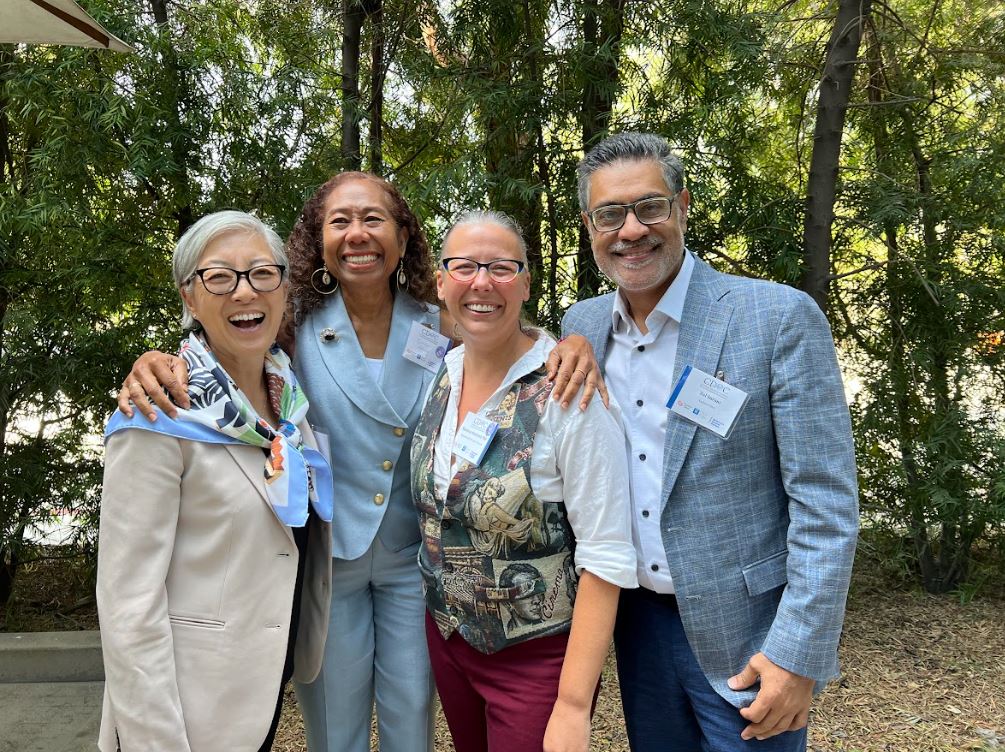
CDOC Health Equity Workgroup Co-Chairs: Sora Park Tanjasiri, DrPH, MPH; Kimlin Ashing PhD; Shannon Kozlovich, PhD; & Zul Surani | |
Alison Herrmann, PhD (CDOC Co-Chair)& Sora Park Tanjasiri, DrPH, MPH (CDOC Chair) | |
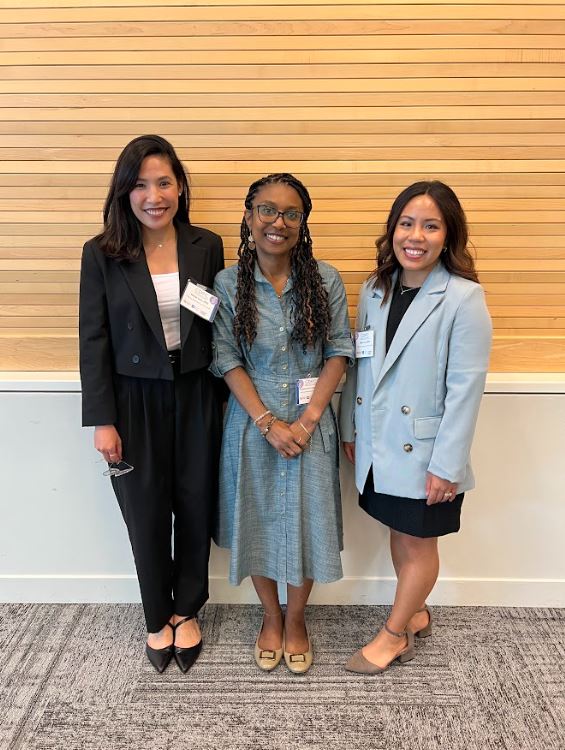
CDOC Staff: Sheila Seno, MPH; Shauntay Davis-Patterson, MPH; & Joyce Paraico Ceja, MPH | |
In addition, CDOC held two webinars on Implementing Nutrition and Physical Activity (NuPA) for Cancer Survivors. Webinar 1 was held on June 18th on "Nutrition and Physical Activity (NuPA) for Cancer Survivors: Evidence and Resources" presented by Kristen Sullivan, MS, MPH (The American Cancer Society) and Q&A facilitated by Christie Mangir, MS (CDOC Survivorship Workgroup Member, Consult Rhizome). You may view the recording here. Webinar 2 was held on June 20th on "Incorporating Nutrition and Physical Activity Into Programming for Cancer Survivors" presented by doctors Rusha Bhandari, MD (City of Hope) and Asher Arash, MD (Cedars-Sinai). The Q&A was facilitated by Natalie Ledesma, MS RDN, CSO, CLT (University of California San Francisco). You may view the recording here and resources shared during the webinar here. | |
|
Sincerely,
Sora Park Tanjasiri, DrPH, MPH
CDOC Chair
University of California, Irvine
Chao Family Comprehensive Cancer Center
Alison Herrmann, PhD
CDOC Co-Chair
UCLA Fielding School of Public Health Jonsson CCC, Kaiser Permanente Center for Health Equity
| |
|
We Want to Hear From You!
2024 Annual CDOC Member Survey
Every year we conduct a member survey of the California Dialogue on Cancer (CDOC). We ask that CDOC members provide feedback on work done in the past year and gather suggestions for upcoming work.
| |
Your responses help contribute to Comprehensive Cancer Control Program (CCCP)/CDOC evaluation efforts and we value your time and contributions!
Please complete the survey by July 18, 2024.
| |
|
At both the beginning and end of the survey form, you can opt to enter your email for a chance at a $25 Amazon Gift card raffle for completing the survey. Your responses will remain anonymous. Thank you for your participation.
| |
|
State Cancer Plan Revision Page
on the CDOC Website!
Revision of California's Comprehensive Cancer Control Plan, 2021-2025 is underway! California is developing a ten-year cancer plan that will include priorities and startegies to achieve by 2035. Action steps will be developed that will allow flexibility for routine revisions based on evolving evidence and emerging needs. To stay up to date with all State Cancer Plan activities, please visit the State Cancer Plan Revision page on the CDOC website.
| |
|
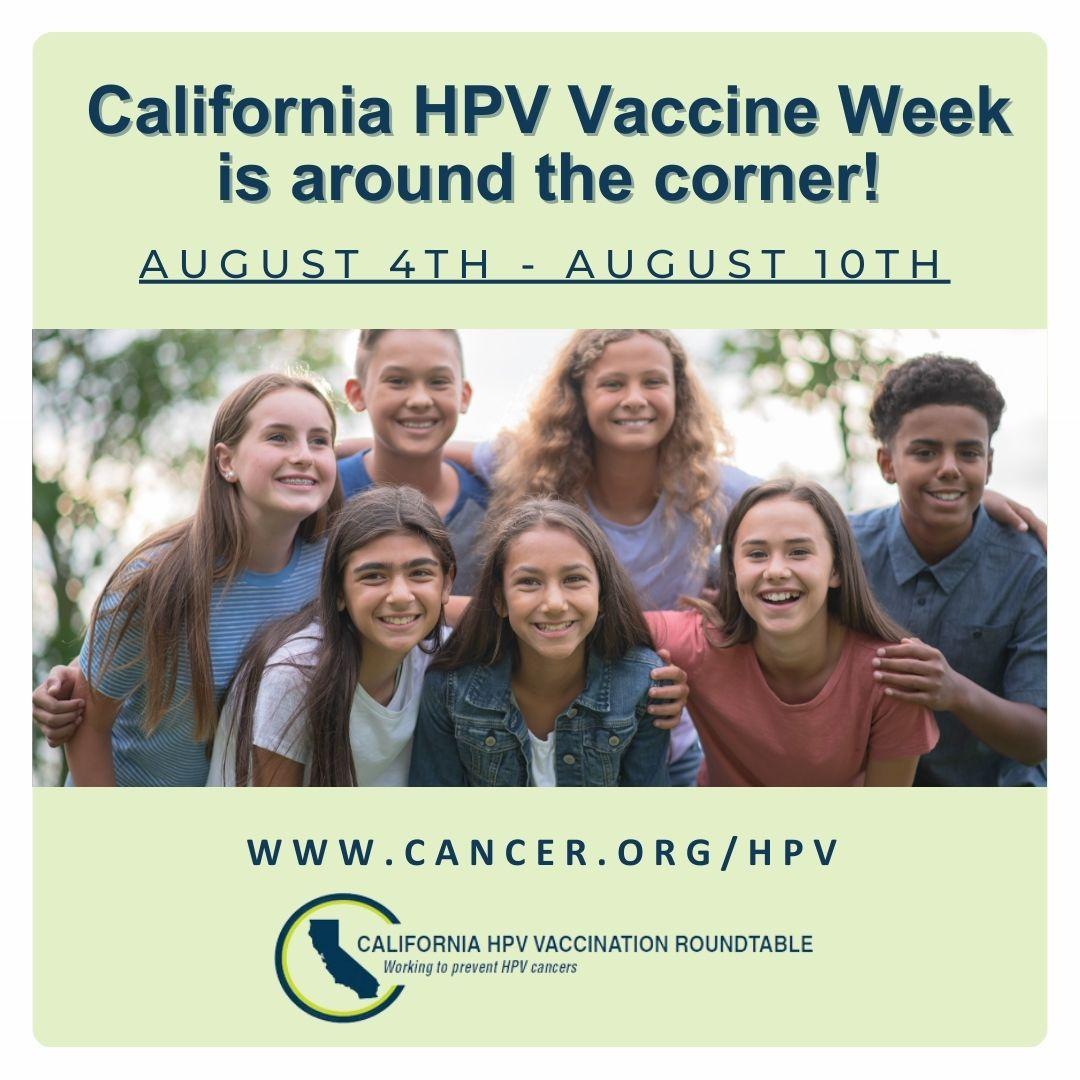
California HPV Vaccine Week
August 4th-10th!
| |
|
We are thrilled to share that the newly updated campaign materials supporting California HPV Vaccine Week 2024 (August 4th-10th) are now live! We warmly encourage you to check out the latest materials and share widely with your networks to promote adolescent HPV vaccination in California with a unified message!
What is California HPV Vaccine Week?
California HPV Vaccine Week is an annual observance held the first full week of August. The goal of this campaign is to increase awareness of the HPV vaccine and promote the vaccination of adolescents ages 9-13. California HPV Vaccine Week is a great way for families, providers, coalitions supporting children’s health, and local health departments to get out the message about the importance of the HPV vaccine as cancer prevention. This year, we recognize the awareness week from August 4th-10th.
How can you help?
-
Review the campaign toolkit and media assets and share content:
-
On Your Social Media - don't forget to use #caHPVvaxweek and #CaliforniaHPVFree in your posts and tag @CAHPVRoundtable!
- Via Your Newsletters
- During Your Webinars
-
Share the link with your networks to promote using and sharing of social media assets, content and key messages
-
Pitch local/regional media via your marketing and communications teams to highlight the awareness week featuring pediatricians/providers, public health practitioners, patient advocates and survivors, and community advocates to help raise the visibility of this important issue.
We encourage your use and sharing of these resources, and your feedback is always welcomed. Please help us make California HPV Vaccine Week a big hit by spreading the word of cancer prevention!
| |
|
Let Us Know How You Use
The State Cancer Plan!
| | |
|
|
State Cancer Plan Implementation Reporting Tool
Have you implemented a project, plan, or other relevant work that relates to content in the State Cancer Plan?
If so, we want to know about it! Please click here to fill out our 10 min reporting tool.
Your submission will provide insight on how the State Cancer Plan is being utilized.
| | |
UPCOMING
CDOC
MEETINGS
AND
EVENTS
(to read more click here)
| |
|
HPV Vaccination Learning Collaborative
Wednesday, July 17, 2024, 12-12:45pm
Cancer Centers Collaborative
Tuesday, July 30, 2024, 1-2:30pm
Colorectal Cancer Workgroup
Tuesday, August 6, 2024, 12-1pm
Lung Cancer Screening Workgroup
Tuesday, August 6, 2024, 1-2pm
Survivorship Workgroup
Monday, October 7, 2024, 12-1pm
Health Equity Workgroup
Thursday, October 10, 2024 2-3pm
Executive Committee
Monday, September 16, 2024, 1-3pm
| | |
2021-2025 State Cancer Plan Corner
July 2024 Cancer Plan Corner Highlight
Chapter 8: Early Detection and Screening
July 2023 Cancer Plan Corner
Early Detection and Screening
Melanoma
As temperatures rise across the country, it is important to remember to take care of yourself and your skin. In 2018, the latest year for which incidence data is available, 83,996 cases of melanoma were reported and 8,199 people died of this cancer in the United States alone (U.S. Cancer Statistics Working Group, 2021). For every 100,000 people, 22 new melanoma cases were reported and two people died of this cancer (U.S. Cancer Statistics Working Group, 2021). Melanoma accounts for the vast majority of skin cancer deaths (American Cancer Society [ACS], 2021).Read more here.
Please visit our website to read more on the cancer plan's Melanoma objectives. You may also access the specific chapter here.
Contact info: cdocshare@gmail.com
| |
MEETINGS, CONFERENCES & EVENTS
| | |
|
|
Dates and Times for 2024:
The third Wednesday for each quarterly month
January 17, April 17, July 17, October 16
12:00-12:45pm
| | |
|
Tomorrow!
Wednesday, July 17th
12:00 - 12:45 pm
HPV Vaccine Week (August 4th-10th, 2024)
and HPV Communications
The next HPV Vaccination Learning Collaborative is this Wednesday! All who are interested in increasing HPV vaccinations are invited to join this quarterly, virtual, lunchtime, learning opportunity. The Roundtable’s annual CA HPV Vaccine Week’s assets will be presented as well as a presentation on how to effectively use social media to promote the awareness week. To participate and for more information please visit our webpage at www.cahpvroundtable.org. Help spread the word and forward it to anyone in your network who may be interested in participating.
| |
|
REGISTER NOW!
The third “annual” Western CRC Consortium Conference (WC4) will be held as a hybrid event (in-person and virtual) hosted at the UC Davis Conference Center on September 26-27, 2024.
Poster Submissions (please read the submission guidance at the top of the form carefully). Click here to complete the Google Doc for your submission. If you have problems submitting via Google Docs, please contact: info@cacoloncancer.org. Poster Submission Deadline: Midnight, Sept. 6, 2024
| |
OTHER RESOURCES & OPPORTUNITIES | |
|
With back-to-school just around the corner in August, use this toolkit to implement evidence-based practices when communicating about HPV vaccinations for children, adolescents, and young adults. Visit the GW Cancer Control TAP website to learn more.
| |
|
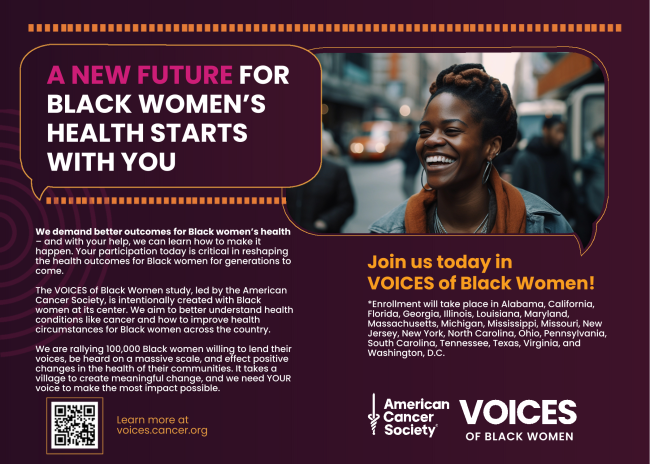
We need your help to change the future of cancer as we know it. Support our goal of reaching 100,000 Black women for VOICES of Black Women, a pivotal long-term study led by the American Cancer Society (ACS). This groundbreaking initiative will help us better understand health conditions like cancer to learn how to improve overall health and well-being among Black women. ACS is looking to mobilize local partners to share the study with their networks.
If you are interested in learning more about how you or your organization can support VOICES, please reach out to bridget.freeley@cancer.org for or if you have questions about the study, you can also contact thevoices@cancer.org.
| |
|
New! Action Requested: Rural Health Equity Partnership Survey from American Cancer Society
Thank you for being an American Cancer Society (ACS) partner in the rural health equity space. We have an exciting opportunity for you to share your efforts and challenges in addressing cancer care needs of individuals residing in rural areas. By completing this survey, you will inform how the American Cancer Society can best move forward in partnership with organizations like yours to reach rural communities and reduce rural cancer disparities.
We anticipate the survey to take 10-15 minutes of your time. Your survey responses will help us better understand the unique needs of cancer patients living in rural communities. You can complete the survey through July 26.
Please feel free to pass this request on to others in your network who might provide relevant insight to inform our work.
SURVEY LINK
Thank you for your support as we work to better understand rural health needs of those experiencing cancer.
For questions about this survey please contact Shay Bilinski (shay.bilinski@cancer.org) or Allie Bain (allie.bain@cancer.org).
New! Prevent Cancer. Cancer Prevention Works Summer 2024 issue is out now! In the latest edition of Cancer Prevention Works, you'll learn exactly what a skin check entails, what you need to know about skin cancer if you have a darker skin tone, alcohol's role in increasing cancer risk and key updates from the Hill on cancer prevention legislation. Explore this and more in your Summer issue. Read here.
NEW! The UCSF Helen Diller Family Comprehensive Cancer Center and The California Prostate Cancer Coalition (CPCC) co-hosted the 4th Annual Patient Conference on Prostate Cancer at the UCSF Medical Center at Mission Bay. A stellar faculty, including Eric Small, MD; Peter Carroll, MD, MPH; Matt Cooperberg, MD, MPH; Mack Roach III, MD; June Chan, ScD; Rahul Aggarwal, MD; and Thomas Hope, MD, presented at the conference. View the event recording here.
NEW! CANServ: Revolutionizing Cancer Patient Care Challenge (Due Aug 28)
Funding Opportunity: Leukemia & Lymphoma Society Building Evidence for Effective Interventions to Increase Therapeutic Cancer Clinical Trial Accrual: Promoting Access for Patients from Underrepresented Groups (Due Sep 12)
Funding Opportunity: Robert Wood Johnson Foundation Evidence for Action: Innovative Research to Advance Racial Equity (Open Until Filled)
The Leukemia & Lymphoma Society (LLS) - support resources available. Visit their website to learn more click here
NEW! Assessment Instruments for Measuring Community Engagement Validated instruments to assess meaningful community engagement including Trust. To learn more click here.
NEW! National Behavioral Health Network (NBHN) - Their newly released resource titled, Addressing Disparities and Increasing the Quality of Tobacco Treatment for African Americans is now available. This brief infographic highlights the increased risk for tobacco exposure and use, emphasizing mentholated cigarettes, among the Black and African American community, and offers 6 equity-driven approaches to addressing this disparity.
The President’s Cancer Panel’s Initial Assessment of the #NationalCancerPlan is now available! Informed by stakeholder activities happening across the cancer community, the report highlights recommendations in five priority areas to accelerate progress toward the National Cancer Plan goals. Learn more about the challenges and opportunities identified by the Panel to ensure that every person in the United States has access to the best possible resources and care for cancer risk reduction, detection, treatment, and survivorship, Read more here.
Read about the National Cancer Plan! We know that our continued progress against cancer is the direct result of advances made possible by investment from federal, state, and local governments, along with private investment, and by the sustained efforts of researchers around the world and millions of people with cancer, their caregivers, and advocates. Read more about the National Cancer Plan here.
| |
HEALTH EQUITY, CANCER & HEALTH DISPARITIES | |
|
Cancer affects everyone, but it does not affect everyone equally. LGBTQ+ individuals face unique obstacles in accessing health care, leading to disparities in cancer prevention and treatment. Explore the resources on the Prevent Cancer Foundation Website to find information on cancer screenings, tools to talk to your health care providers and much more.
Fact Sheet: ACS Cancer in People who Identify as Lesbian, Gay, Bisexual, Transgender, Queer, or Gender Non-conforming
Dr. Mandi Pratt-Chapman Advances Work on Sexual Orientation and Gender Identity Data in Cancer Continuum Mandi Pratt-Chapman, PhD, Associate Director, Community Outreach & Engagement, has co-authored a paper in the American Society of Clinical Oncology Journal on the significance of SOGI data in cancer research. She also gave an interview with The American Journal of Managed Care, which highlights factors affecting adequate, accessible health care for transgender patients and what she sees as the most pressing need to address in this community, and explores the potential for policy-level changes to benefit transgender patient care and experiences in clinical settings.
City of Hope – The California Cancer Care Equity Act (CCCEA) The California Cancer Care Equity Act (SB 987, Chapter #608, 2022), which took effect January 1, 2023, expands access to optimal cancer care for historically disadvantaged Californians by requiring Medi-Cal managed care plans (MCMCPs) to make a good faith effort to contract with National Cancer Institute-designated and other specified cancer centers so that patients with a complex cancer diagnosis may more easily access care at these centers. The law also authorizes Medi-Cal members diagnosed with a complex cancer to request a referral to any of those centers and requires MCMCP to notify all members of their right to do so. You may read more about it here.
| |
|
NEW! Prevent Cancer. “Historic bipartisan cancer prevention legislation passes unanimously in the House Ways and Means Committee.” On June 27, The Nancy Gardner Sewell Medicare Multi-Cancer Early Detection Screening Coverage Act (H.R. 2407) was marked up and passed by the House Ways and Means Committee by a unanimous, bipartisan vote of 38-0. As of July 12, the legislation is supported by more than 290 cosponsors in the House of Representatives and more than 60 in the Senate--the most support the bill has seen since its introduction to Congress--representing a substantial majority and strong bipartisan support. This legislation also has the support of more than 500 leading health care and advocacy organizations across the U.S., demonstrating the significant impact that it would have on a diverse set of communities throughout our nation. Passage out of committee is an important and crucial step in the legislative process. Now, the bill needs to move onto the House floor, be passed by both chambers of Congress and signed into law. Today, there are recommended routine screenings for only a few of more than 200 cancers, leaving most cancers undetected until symptoms appear, often in later stages. This legislation responds to the misalignment between advances in science and outdated policy. If passed, Medicare beneficiaries will have the possibility of access to multi-cancer early detection (MCED) tests once they are approved by the Food and Drug Administration (FDA) and shown to have clinical benefit. MCED tests, also called liquid biopsies, are blood-based tests designed to identify the presence of cancer for more than one cancer at a time.
NEW! CMS Newsroom. Expanding Preventive Services: Hepatitis B Vaccinations, Drugs Covered as Additional Preventive Services, and Colorectal Cancer Screenings CMS is proposing to expand coverage of the hepatitis B vaccine for people with Medicare who have not received the hepatitis B vaccine or whose vaccination status is unknown, with no cost to the individual. We are also proposing to allow people with Medicare to get the hepatitis B vaccine from pharmacies and to allow pharmacies and mass immunizers to roster bill Medicare consistent with current billing for flu, pneumococcal, and COVID-19 vaccines. CMS is also proposing to update and expand coverage of colorectal cancer screening to promote access and remove barriers for much needed cancer prevention and early detection, that may be especially important within rural communities and communities of color. Read more here
NEW! CMS Newsroom. CMS proposes for Medicare to pay an add-on to the AIR for high-cost drugs and biologics that significantly exceed the AIR. Addressing equity and access barriers is a critical part of the Biden Administration’s Cancer Moonshot, which the President and First Lady reignited as a national effort to prevent more than 4 million cancer deaths by 2047 and improve the experience of people who are touched by cancer. With this proposed rule, the Biden-Harris Administration is taking a significant step to support IHS and Tribal facilities in providing cancer care, and, importantly, establish a pathway for Tribal facilities seeking to expand the breadth of health care services, including oncology, that they provide to their communities to decrease health inequities and improve outcomes for those facing cancer. Read more here.
ACS CAN is happy to announce that SB 310 (Rubio, Statutes 2021) is now ready for implementation. SB 310, which allows cancer patients to coordinate with their physicians to donate their unused oral medication. The purpose of Senate Bill 310 is to reduce waste of cancer medication, save money, and increase timely access to these needed medications for those patients who cannot afford their medication or whose health plans forces untimely approval times. ACS CAN has worked diligently with SIRUM, and organization that works to connect people with surplus medication, to finalize the process. We are now reaching out to find oncologists who would like to participate in this program. Please see the flyer for more information here.
Cancer Support Community San Francisco Bay Area Announces new collaboration at UCSF-John Muir Health Jean and Ken Hofmann Cancer Center Location in Walnut Creek To read more click here.
"Communicating trustworthiness and fostering trust" by John C. Besley, PhD, Ellis N. Brandt Professor, Michigan State University. To read more click here.
The CRGC developed several strategies targeting the “point of entry” of a patient’s race; that is the source where the patient encounter would result in the capture of the patient’s race. The first of these approaches is the MD office follow back. The MD office directed follow back consists of identifying patients reported by MD offices with an unknown race. With assistance of the CRGC Business Analyst, who identifies the patients by performing a SQL query on a copy of the CRGC database and creates MD office packets in PDF format, the Data Collection staff fax out the packets to the MD offices. When the packets are returned, the results of the follow back are evaluated and when a known race is provided, the patient’s race is updated in the statewide database. To assist physician offices in understanding why we need this information, the CRGC created a letter that is included in the physician office packet describing the importance of a patient’s race. Click here to see letter.
| |
|
CDOC Newsletter and Announcement Content
Submission Process
| | |
|
CDOC is made up of a diverse group of stakeholders that engage in important and impactful work we'd like to showcase. We have a new process for submitting your trainings, events, articles, grant opportunities, and more.
We kindly ask you to email us any content by the 15th of each month to cdocshare@gmail.com. If there is time-sensitive information (e.g. upcoming training) that you would like to share, we will do our best to include, but cannot guarantee that it will make the newsletter or announcements.
Submission requirements:
- Include a title
- Include the exact verbiage you'd like for us to include. Please do not include an attachment and ask us to share, a title and verbiage must be included.
- Include a contact person for any inquiries
- Include any attachments in a pdf file if possible
We appreciate your patience and support at this time, and we look forward to your submissions.
| | | | |