|
|
For more than 22 years CEA has promoted a model for sustainable tourism---a model where social, economic and, most importantly, environmental spheres converge. But what encompasses these areas, and what is the glue that binds the concepts towards progress is strong community participation.
The decree of the Refuge Area for Marine Species of the Akumal Bay with about 1,600 hectares represents an opportunity for Akumal to put a sustainable development model into action. A conservation plan could be the means to ensure the collaboration of everyone, where sharing ideas, experiences and relevant information is fundamental by including short-, medium- and
long-term visions.
In recent years we have witnessed the degradation of representative and very fragile ecosystems in some Mexican Federal Protected Areas. One such case is the Marietas Islands off the west coast of Mexico, which has seen deterioration from overuse. In an attempt to conserve the biodiversity, the National Commission of Natural Protected Areas (CONANP) has taken the decision to close the Marietas Islands to the public indefinitely. We certainly do not want that for Akumal---but steps need to be put into place to minimize impact before the damage becomes irreversible.
Collaboration with the authorities is also fundamental. When rules are obeyed by everyone (tourists and local people), everyone can enjoy this beautiful destination today and well into the future in a sustainable way.
Hector A. Lizarraga-Cubedo
|
|
AKUMAL BAY MARINE REFUGE FOR PROTECTED SPECIES
AN UPDATE
On March 7, the federal government declared Akumal a refuge for protected marine species. But what has happened since?
- PROFEPA (The Federal Attorney for Environmental Protection) has established an office in Akumal pueblo and has met with various stakeholders.
- CONANP (The National Commission of Natural Protected Areas) will oversee the management of the refuge.
What's next?
- CONANP will collaborate with PROFEPA in the enforcement of guidelines that will be created in a management plan.
- It is expected that further information in regards to the management plan for the bay will be released by mid-month.
|
 |
|
|
Santos Gerardo and Raquel from the Telesecundaria in Akumal pueblo.
|
CICLOSIETE
For the first time, CEA participated in
CicloSiete
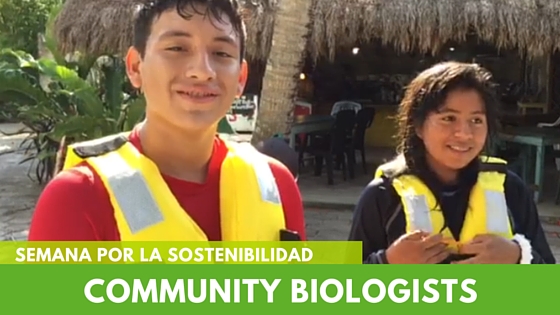
, or Sustainability Week (La Semana por la Sostenibilidad): a week-long event that focuses on promoting and highlighting experiences that strengthen sustainability throughout Latin America. Each day was given a specific theme and events were held throughout the region from April 16 to 22, leading up to Earth Day.
At CEA, we created three different events---Community Biologist, Zero Waste Day and Review/Renew Guide Certification---based on the given themes. Images and details following each event were posted to our Facebook page, Twitter feed and the blog on our website.
READ MORE ON OUR BLOG
|
|
ADDING COMMUNITY SERVICE TO A CORPORATE RETREAT
|
|
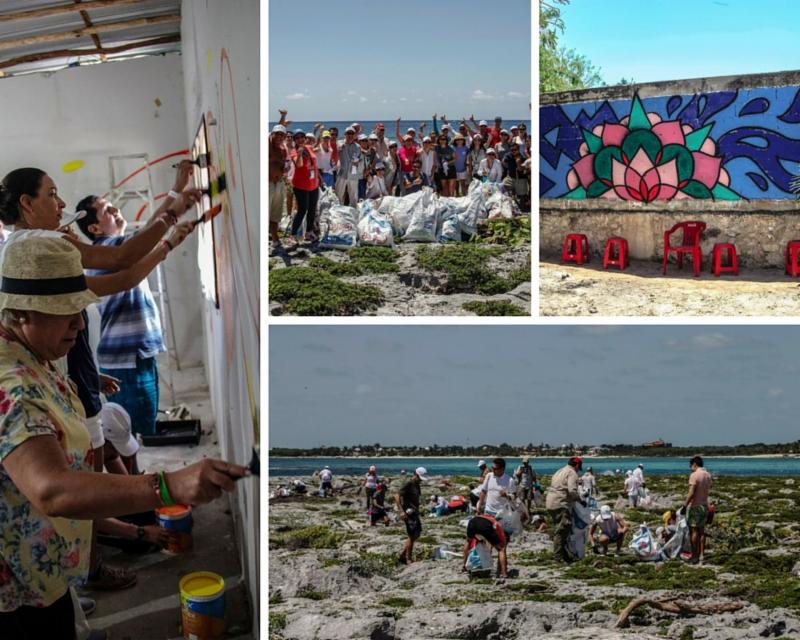
An area gaining popularity for corporate retreats is to foster team-building activities through community service work. So when a private international institution contacted CEA to see how they could get involved with various efforts as part of their corporate retreat, we were happy to put together a short-term volunteer plan for this large group.
On May 5, 80 employees arrived in Akumal to spend two hours digging in and giving back. Half of the group went to the rocky shore of Akumal, and the other half went to Hekab Be Biblioteca. Those who went to the rocky shore, did a marine debris clean up. And did they clean up---116 kilograms of trash was removed from the beach. The other half of the group went to the library to do a "refresh." A mural was created, classroom walls and benches were painted, and trees were planted.
Thank you to everyone who participated and to all those behind the scenes who helped plan and coordinate this activity.
|
|
REEF MONITORING: PHASE 1 OF 2016 WRAPS UP
|
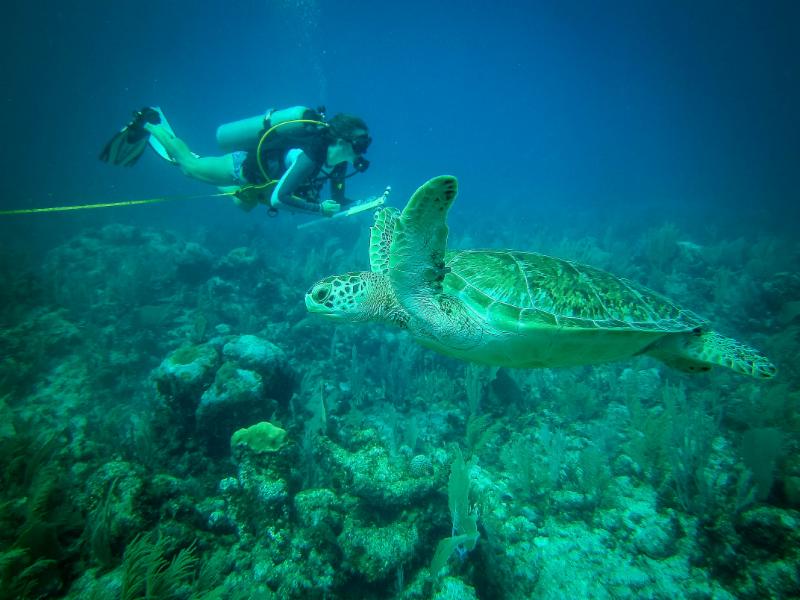
Phase 1 of the 2016 Reef Monitoring is almost complete. Since February, ongoing monitoring of the reefs and data collection has been taking place.
The data that is collected from the 13 sites in Akumal is compiled for our continued research and also shared with Healthy Reefs for Healthy People---an organization that works with various partners throughout the region from Mexico to Guatemala to create a biennial report card, which grades the health of the Mesoamerican Reef (MAR). The data is then presented and available for anyone, but specifically to enable policy makers and leaders to improve reef ecosystem management.
|
|
WATER SAFETY REPORT: APRIL + MAY 2016
|
Each month CEA is provides a monthly Water Safety Report. You will find these reports on our website's blog and Facebook page.
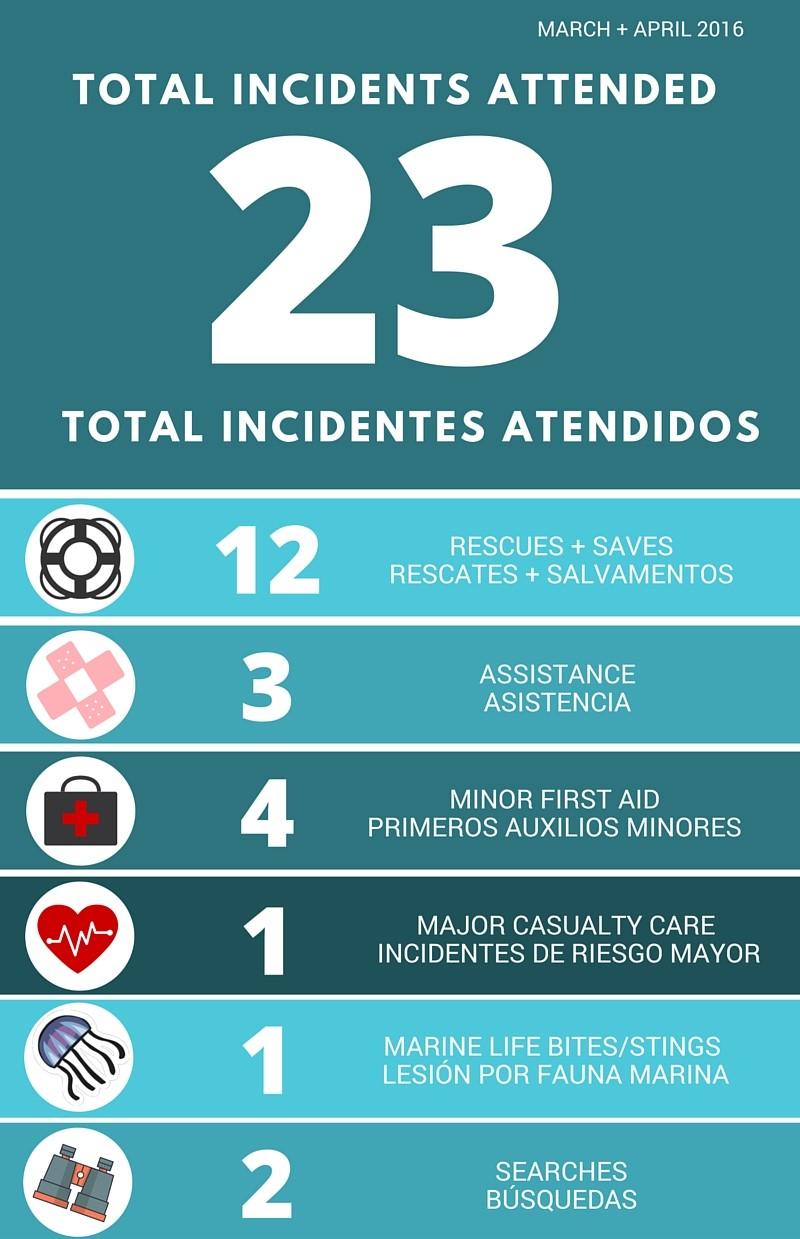
Here are the statistics for both March and April 2016 combined.
KEY TO INCIDENTS
RESCUE:
Lifeguard enters the water to provide assistance in a non-life-threatening situation. For example, helping an overturned kayak.
SAVE: Lifeguard enters the water to provide assistance in a life-threatening situation. For example, an unconscious snorkeler or panicked swimmer.
ASSISTANCE: Lifeguard provides assistance to individual who approaches lifeguard. For example, treatment of cuts or stings.
MINOR FIRST AID: Lifeguard is called away to attend a situation in which first aid is provided. For example, a person who has heat exhaustion or a broken limb.
MAJOR CASUALTY CARE: Lifeguard attends to an individual suffering from life-threatening symptoms.
|
SUERTE Y ADIOS TO MIGUEL
For the past three years, Oceanographer Miguel Angel Lozano Huguenin, coordinated the Coastal Management Program. Perhaps one of his biggest accomplishments while at CEA was playing an instrumental role in the design and creation of the ZRPA, or Akumal Fish Refuge.
As Miguel leaves CEA, we wish to express our appreciation for his dedication, involvement within the community and partner organizations, and his contribution to the research and progress of various ongoing projects. We all wish Miguel great success in his future endeavours and pursuits.
We are pleased that Marco A. Montes, our marine biologist and assistant to the Coastal Management Program, will now be overseeing the program and its projects.
|
 |
|
|
|
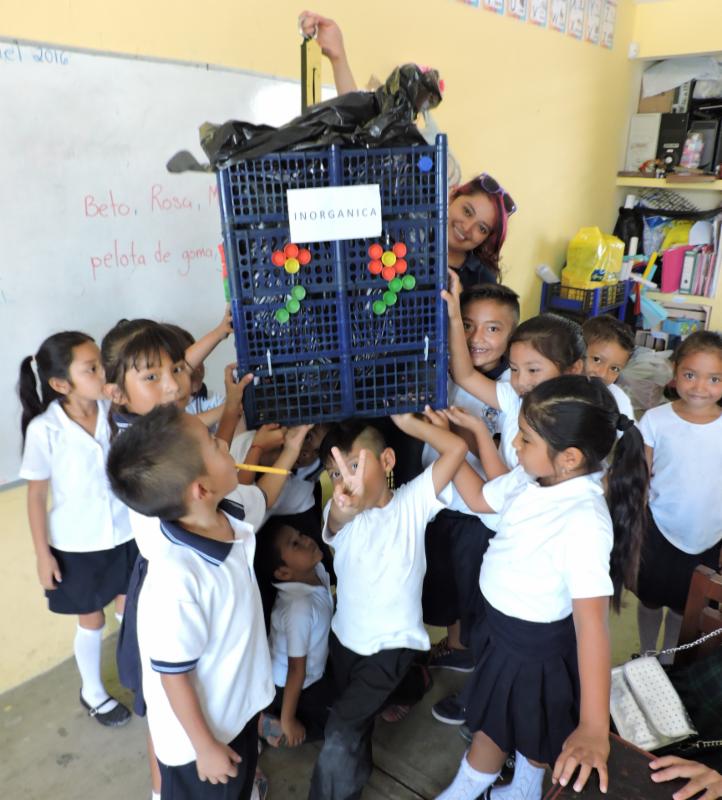
Students from the Primeria Franciso Sarabia weigh their trash and show their re-purposed trash bin. |
KEEPING UP WITH ZERO WASTE
The initiative of Zero Waste that was started for the CicloSiete event still continues with CEA's environmental education classes at Francisco Sarabia primary school and Telesecundaria José Vasconcelos high school in Akumal.
Each week, students separate the class trash (organic, recyclables and garbage) and weigh the amounts. The amounts are plotted on a graph and students discuss and plan ways to reduce the amount of trash for the coming weeks and set goals for the coming months. There is even healthy competition going on between the classes as to who creates the least trash.
The hope is to reduce the amount of trash overtime and eventually "Zero Waste" no longer will be a designated day but a routine habit.
|
|
2016 TURTLE SEASON HAS BEGUN!
|
GETTING READY FOR THE SEASON
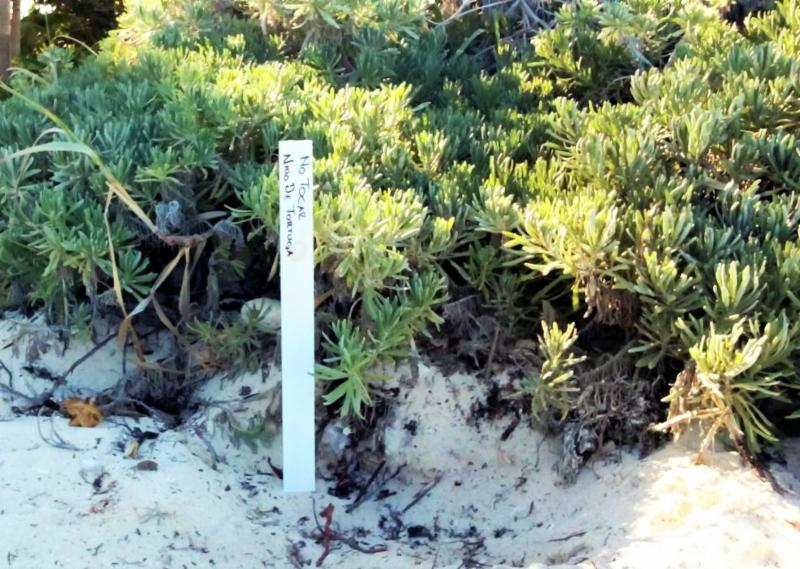
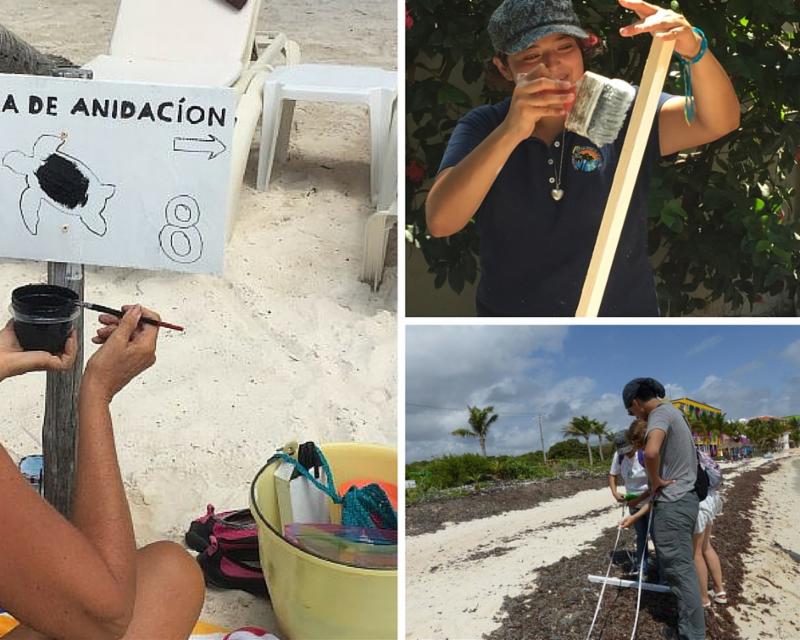
Over the course of the past few months, our staff have been gearing up and preparing for the 2016 season. Nesting stakes have been painted, beaches divided into 100 meter zones, zone signs created and painted, staff training and manuals assembled, equipment inventoried and resupplied, education and outreach to neighbours and security staff, and morning beach patrols conducted to look for signs of nesting. These are just a few of the things that have kept the team busy.
But it is the turtles that are now keeping them up at night!
|
|
|
|
The first nest of the season in Akumal
Half Moon Bay / May 1, 2016 |
FIRST NEST OF THE SEASON
The first nest on May 1 marked the beginning of the season and a time for our Tortugueros to switch over to the night shift. The five Tortugueros will cover four of the beaches in Akumal:
- Half Moon Bay (Bahia Media Luna),
- Akumal Bay (Bahia Akumal),
- Jade Bay (Playa Tortuga), and
- South Akumal (Akumal Sur)
As of May 13, we have a total of 11 nests.
Like we did last year, we will be doing nesting updates for our Facebook page on a regular basis.
|
|
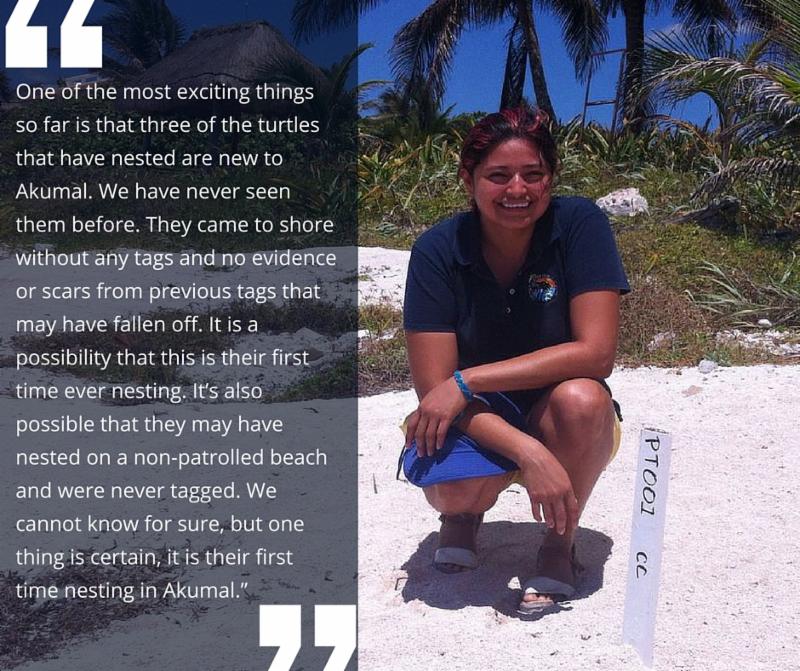
TURTLE TALK: Nancy Argüelles, CEA Tortuguera
|
2015 ENGLISH TURTLE REPORT
The official Turtle Report for 2015 was submitted to SEMARNAT in February in Spanish, of course. However, we have produced an abbreviated English version that gives the 2015 results and additional information about the program.
|
MOTHER'S DAY ADOPTIONS
Thank you to everyone who adopted a turtle, nest or family for their mom!
A total of $480 was raised through our adoption campaign.
The much-needed support allows us to continue with the work we do to patrol the beaches---from hiring seasonal staff, outfitting our staff with necessary equipment, and providing the required ongoing material needs: nesting stakes, paint, gloves and markers.
We'd also like to thank a few of our founding/board members who made personal donations to support the Turtle Protection Program with a grand total of $1800.
We can't wait to share updates on your nests and families in the coming months.
|
|
Volunteers are the heart and soul of CEA. Whether they are in the field monitoring and collecting data or inputting it for reports, their work plays a critical role in fulfilling our mission of conservation and protection through research, education and outreach.
|
|
Understanding Tourist Influence on Akumal Bay
|
Meet Dieu and Mari---two of our volunteers/interns that are getting involved in various projects to help them understand the tourist influence in the bay.
|
|
GETTING READY FOR IBERO STUDENTS
|
Did you know that it is mandatory for Mexican university students to complete a specified number of hours dedicated to social service/community volunteer work before they can graduate?
We have teamed up with IBERO University and accept graduating students to come to Akumal to fulfill their service hours while participating in a variety of activities and research at CEA. They have the opportunity to complete their required hours by using their strengths and talents while gaining new skills and experience.
This year, we will receive 15 students who have majored in everything from communications, graphic design and photography to mechanical and systems engineering.
What will they be doing?
There are several projects that the students will be working on, but a few include:
- Learning how to teach English to kids, then creating and delivering lessons five days a week at the Hekab Be Biblioteca
- Designing and implementing an early alert database for our Coastal Ecosystems Program
- Designing and creating visual assets to support upcoming activities and campaigns
- Participating in outreach activities including a water usage survey
Stories and updates to come.
|
|
In the News
We have been translating some of the interesting newspaper articles and posting them on our website with links to our Facebook page. In case you missed them:
All of these articles can be found on the Media Center page of our website.
|
A Manatee in Akumal
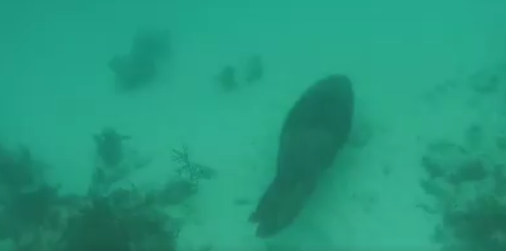
Manatees make their home in lagoons and coastal areas around Quintana Roo; they are no stranger to area. In April, a manatee was spotted several times around the mouth of Akumal Bay---an area close to the reef break, where currents can be strong.
There was an incident with a tour group requiring an all-team lifeguard rescue when they got into trouble trying to catch a glimpse of it. It seems the manatee in Akumal has moved on, as no sightings have been reported in the past few weeks.
|
|
Whether you are looking for an internship or ways to incorporate responsible tourism activities into your travel plans, drop us a line. We would love to hear from you and see how we can work together.
communications.ceakumal@gmail.com
|
If you wish to help support our efforts, donations can be made on our website: www.ceakumal.org
|
STAY CONNECTED


|
|
|
|
|