August 2026


Key Takeaways

The NEPOOL 12-month electricity strip fell 4.8% week-over-week to $78.22/MWh. Calendar strips for 2027 and 2028 saw a decline over the past week, while the 2029 strip experienced upward movement. The NYMEX prompt month went down $0.09 week-over- week, landing at $2.66/MMBtu. The NYMEX rolling 12-month strip decreased by $0.06/MMBtu to $3.13/MMBtu. Storage levels saw a net increase of 33 Bcf for the week ending July 31st. The 12-month rolling strip for Brent was down 3.7% week-over-week to $77.32/barrel and for WTI by 2.6% to $72.92/barrel. US and Iran are still in negotiations regarding the Strait of Hormuz. 


Read More

Hourly Matching Could Reshape Renewable Energy Procurement: What Buyers Need to Know

By Zac Bloom and Sandy Beauregard

The Greenhouse Gas Protocol (GHG Protocol) is undergoing the most significant revision to Scope 2 accounting standards since the release of the original Scope 2 Guidance in 2015. The proposed revisions aim to improve the accuracy and credibility of greenhouse gas accounting and emissions reduction claims. One major change that has been proposed is the introduction of.....


Read more

CES Helps Secure Grant | Geothermal Energy at UMass Dartmouth

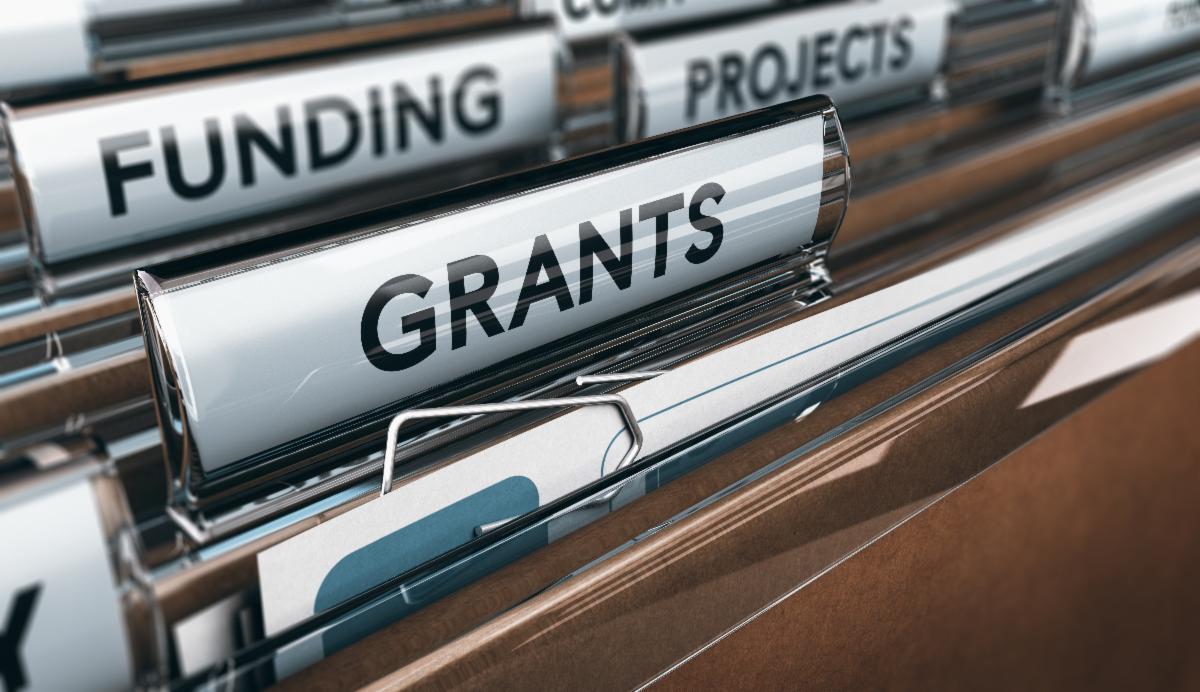
Competitive Energy Services (CES) supported UMass Dartmouth in securing a $1.1 million grant from the Massachusetts Department of Energy Resources (DOER) to expand the campus's geothermal energy system and advance long-term decarbonization efforts. 


As part of the ongoing restoration of the University's Liberal Arts and Sciences (LARTS) Building, CES helped UMass Dartmouth evaluate funding opportunities and develop a strategy to extend the benefits of the building’s new ground-source heat pump system to additional campus facilities. The newly awarded grant will fund the connection between the LARTS geothermal plant and the University Auditorium, allowing the neighboring building to benefit from clean heating and cooling generated by the system. 


The project builds on UMass Dartmouth's broader effort to modernize aging infrastructure, improve energy efficiency, and reduce greenhouse gas emissions across campus. The grant will support the piping, mechanical equipment, controls, and building modifications necessary to connect the two facilities while avoiding disruption to the ongoing LARTS restoration project. 


"This investment represents an important step in UMass Dartmouth's efforts to modernize campus infrastructure, expand the use of innovative clean energy technologies, and reduce long-term reliance on fossil fuels. By extending the geothermal system beyond the LARTS Building, the University is advancing its sustainability goals while creating a more resilient and energy-efficient campus for students, faculty, and staff for years to come,” said Eben Perkins, Chief Strategy Officer at Competitive Energy Services. 


Once completed, the expanded system is expected to significantly reduce the Auditorium's reliance on fossil fuels. Energy modeling indicates the geothermal system will meet the building's full summer cooling demand and provide approximately 39% of its annual heating needs. 

The LARTS restoration project, currently under construction, is scheduled for completion ahead of the spring 2027 semester. 


Ask an Expert | Should My Business Consider a VPPA?

By Lakshya Bharadwaj, Senior Energy Analyst


A Virtual Power Purchase Agreement (VPPA) is a direct and convenient path to reducing Scope 2 carbon emissions. By structure, it is a longer-term contract-for-differences (CfD), a purely financial arrangement, unlike a regular PPA where physical energy is delivered to the counterparty, requiring more hands-on market operations. Based on your sustainability goals and risk tolerance, a VPPA could be a suitable approach for your business. 


How does it work? VPPAs settle periodically, typically at the end of each month, at a contracted price. For hours when the market price of electricity is higher than the contract price, the developer owes you the difference between the two, and for hours when the market is lower, the scenario is flipped. At the end of the period, your business also receives Renewable Energy Credits (RECs) equivalent to the amount of energy you are subscribed to. Each REC offsets 1 MWh of “dirty” energy, bringing you closer to your sustainability goals. 


Despite inherent market risk with CfDs, the impact and additionality of providing steady economics that support renewable energy project development make VPPAs a powerful sustainability tool for businesses to consider.  


If you are interested in learning more about virtual power purchase agreements, reach out to a CES Energy Services Advisor. 

COMPETITIVE ENERGY SERVICES |

competitive-energy.com

 
Facebook  Twitter  Linkedin  Youtube