|
CESSRST-II Quarterly Highlights |
|
|
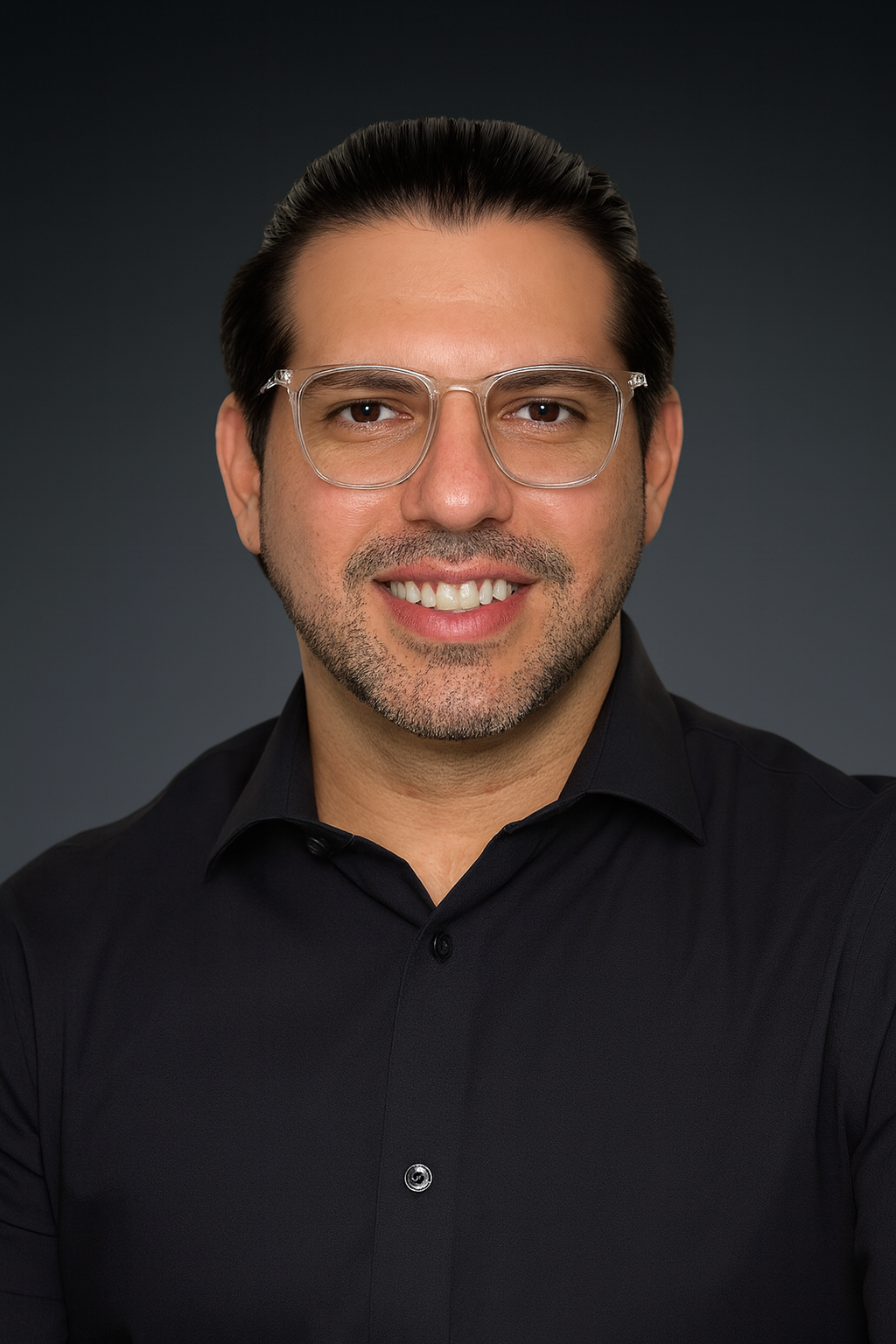
Dr. Fred Moshary
Director, NOAA Center for Earth System Sciences and Remote Sensing Technologies (CESSRST-II)
| | |
The past three months have been an exciting and productive period for the NOAA Center for Earth System Sciences and Remote Sensing Technologies (NOAA CESSRST). Our Center continues to advance its mission of supporting NOAA’s strategic goals through research, education, and workforce development in Earth system sciences, remote sensing, and environmental technologies.
At the heart of our efforts lies a continued emphasis on observational science and the technology that enables it—including remote sensing instruments, uncrewed observing systems, and the analysis of complex environmental datasets. We are also expanding our use of artificial intelligence (AI) and data science to enhance the value of these observations and to accelerate scientific discovery. This integration of AI-driven methodologies has been a key focus of our Cohort IV recruitment and has enriched the training and research activities featured during our recent CESSRST Symposium.
The 2025 CESSRST Symposium was a resounding success, reflecting the Center’s commitment to experiential learning and innovation. Fellows participated in interactive workshops on Generative AI, advanced Geographic Information Systems (GIS) applications, and interdisciplinary research design. Major highlight were our Citizen Science Day and the Annual Cohort Experience (ACE), during which fellows collaborated on a hands-on investigation of local heat risk and community vulnerability. These experiences strengthened their ability to bridge natural and social sciences—an essential skill in addressing today’s environmental challenges.
This past summer, eleven CESSRST fellows completed NOAA Experiential Research and Training Opportunities (NERTOs) at several NOAA line offices and laboratories, including NESDIS, OAR, and Fisheries. Their contributions underscore the Center’s role as a vital pipeline for developing a skilled future workforce. At the same time, we are pleased to welcome Cohort IV, consisting of three Ph.D. candidates, nine master’s students, and two undergraduates.
| | | | NOAA Experiential Research and Training Opportunities (NERTO) | | |
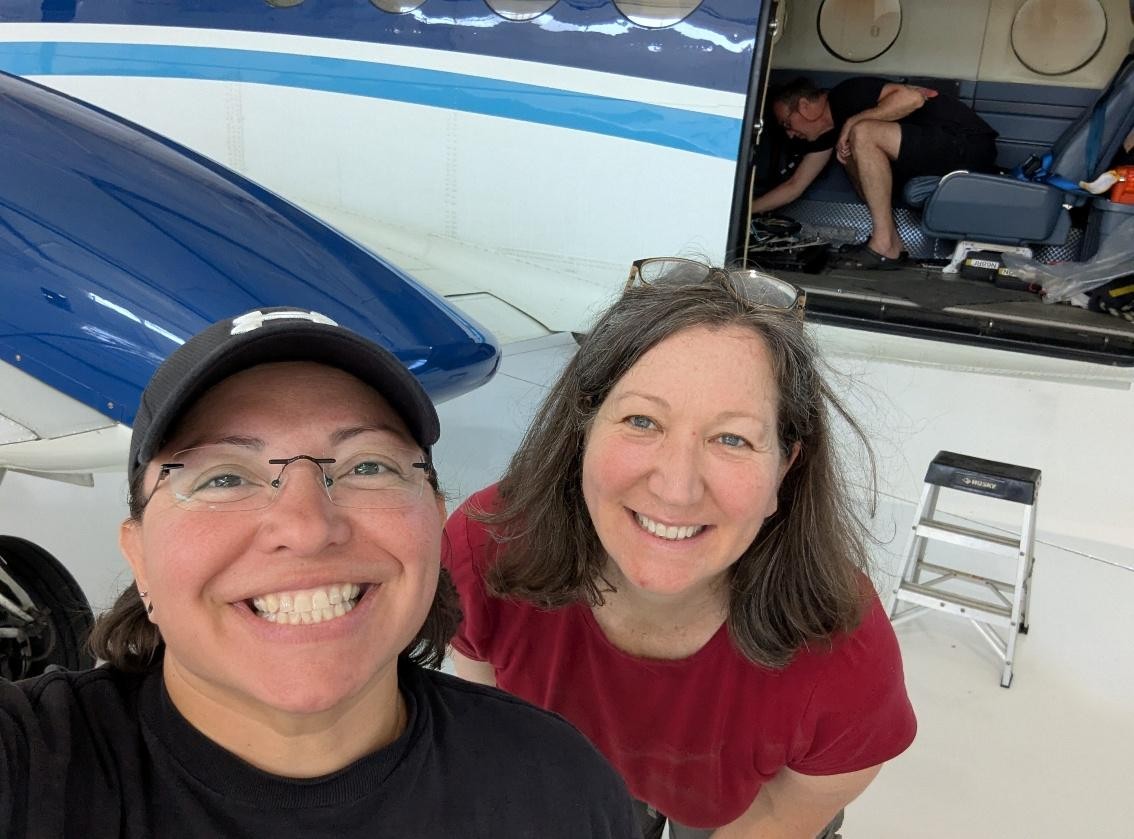
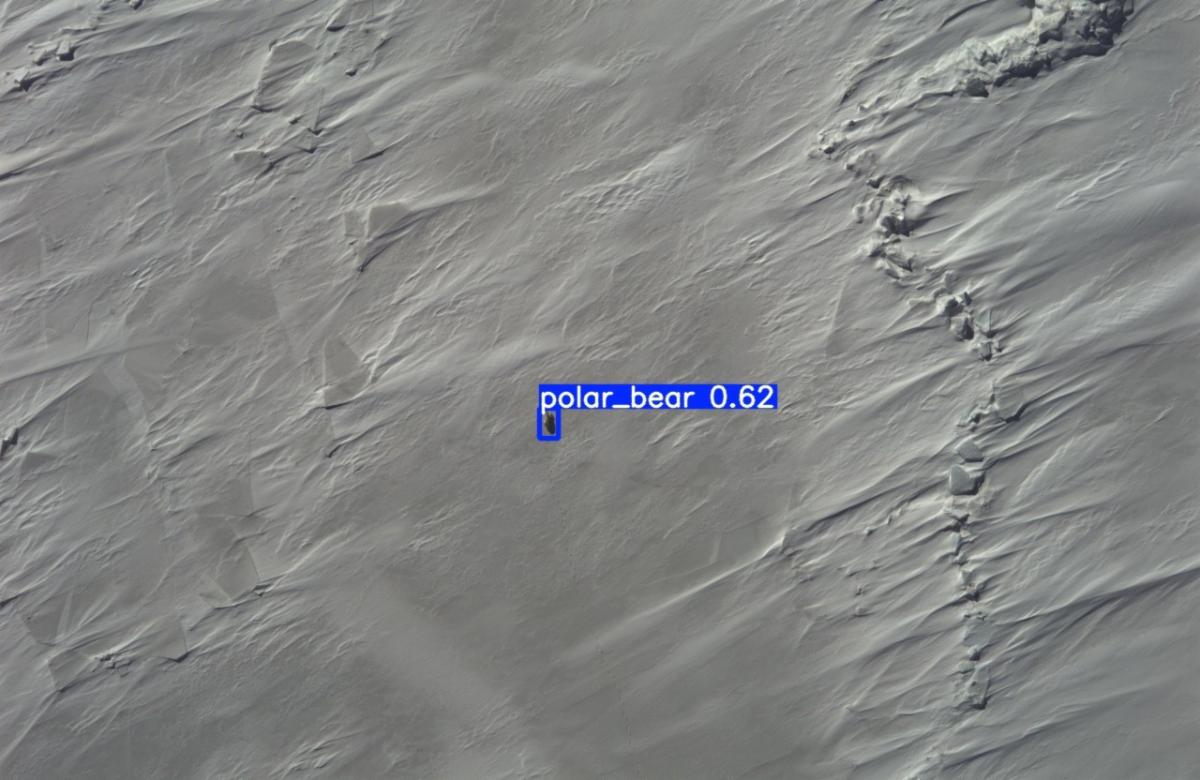
Eleven (11) CESSRST-II graduate fellows engaged in their NERTO internships this past summer at various line offices which provides a unique platform for them to interact with NOAA NERTO Mentors, who are federal employees. This opportunity allows the fellows to gain a deeper understanding of NOAA's mission and explore potential career paths within its workforce. By interning for a minimum of 12 consecutive weeks at a NOAA laboratory or office, fellows enhance their academic research through direct exposure to NOAA mission science and practical, place-based experiential learning opportunities. Cohort 3 M.S Fellow at UTEP, Leah Porras recently concluded her NERTO at NOAA's Alaska Fisheries Science Center looking at the "detection of seals and polar bears in multispectral aerial imagery" with Dr. Erin Moreland (Pictured right).
These fellows will present their experiences at the NOAA Seminar Series throughout the Fall 2025
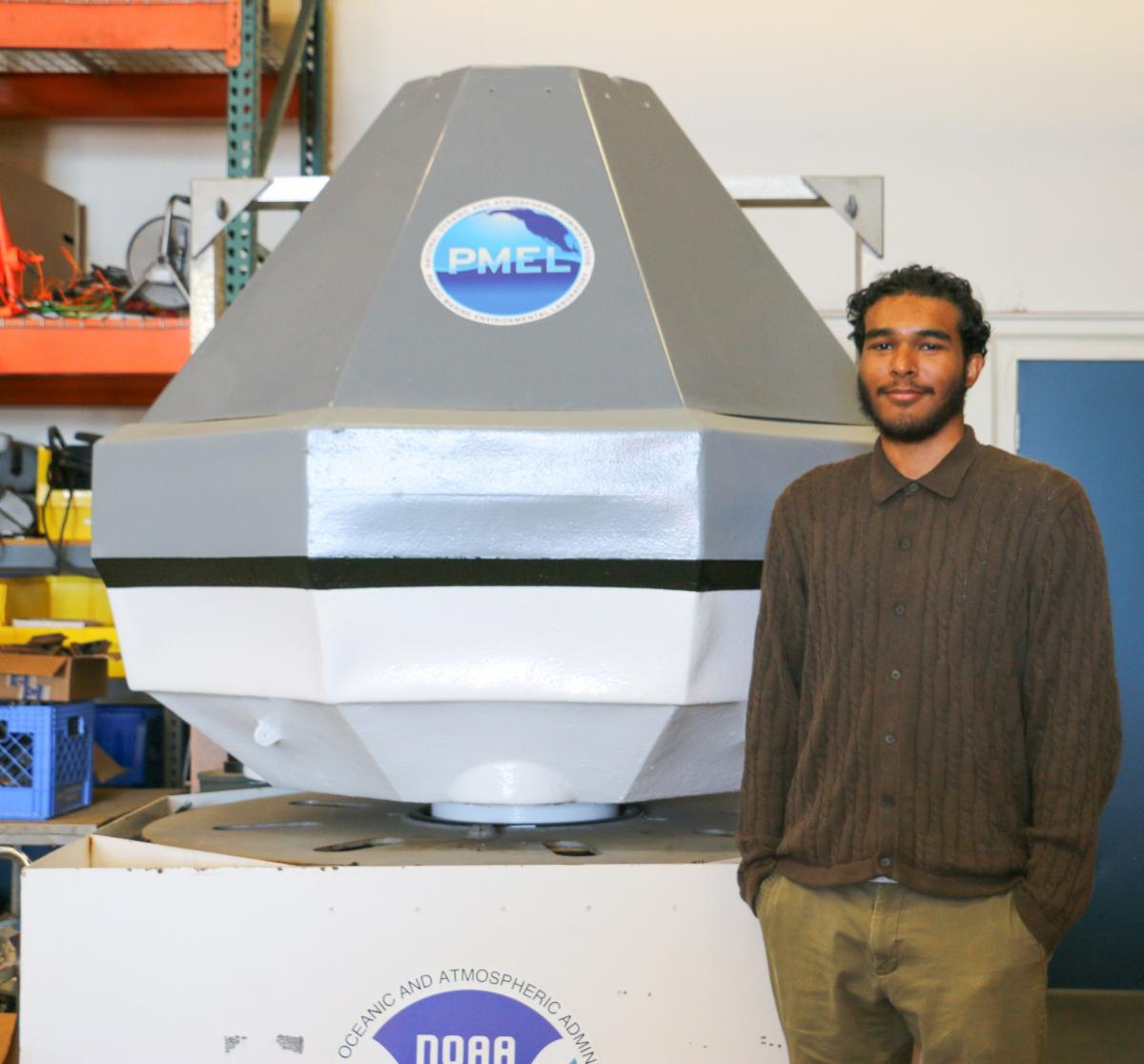
| | Leah Porras (left) with her NERTO Mentor, Dr. Erin Moreland (right). Below is an image of seal detection using a multispectral area camera | | Student Presentations and NOAA Seminar Series | | NOAA Seminar Series Presentations | | Andrew Dixon, Cohort 3, M.S Fellow at his NERTO in PMEL | | |
-
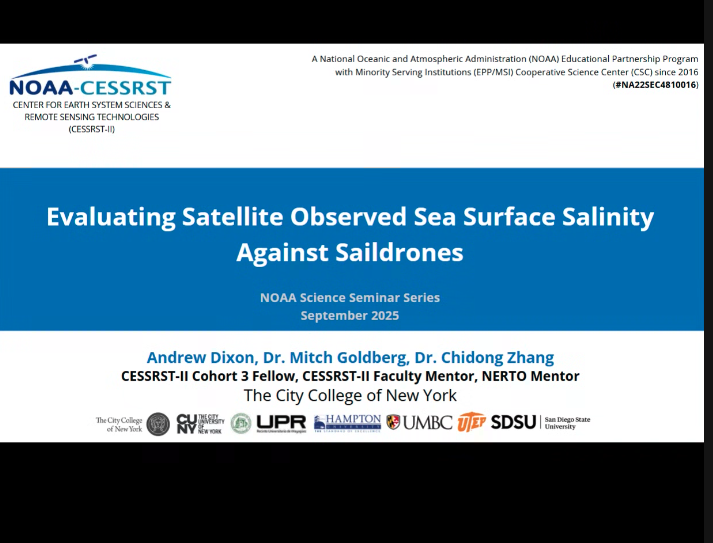
NOAA Seminar Series by Andrew Dixon (CCNY Cohort 3 M.S. Fellow): Quantifying the accuracy of satellite-observed sea surface salinity against in situ observations by saildrones" - Read More
-
NOAA Seminar Series by Biajani Gonzalez, (UPRM Cohort 3 M.S. Fellow): “Spatial Resolution Impacts on Remotely Sensed Product Uncertainty and Representativeness,” – Read More
-
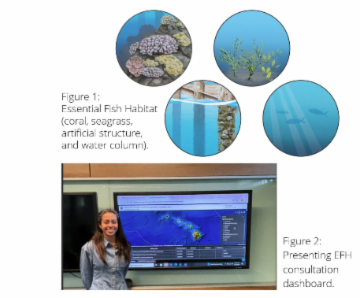
NOAA Seminar Series by Amy Carrillo, (CESSRST-II alum and Cohort 2 M.S. Fellow) presented “Mapping Cumulative Impacts of Essential Fish Habitat Consultations in the Pacific Islands Region,” – Read More
| |
Cohort 2 Ph.D. Fellow, Keneshia Hibbert completes her year-long NOAA Graduate Fellowship
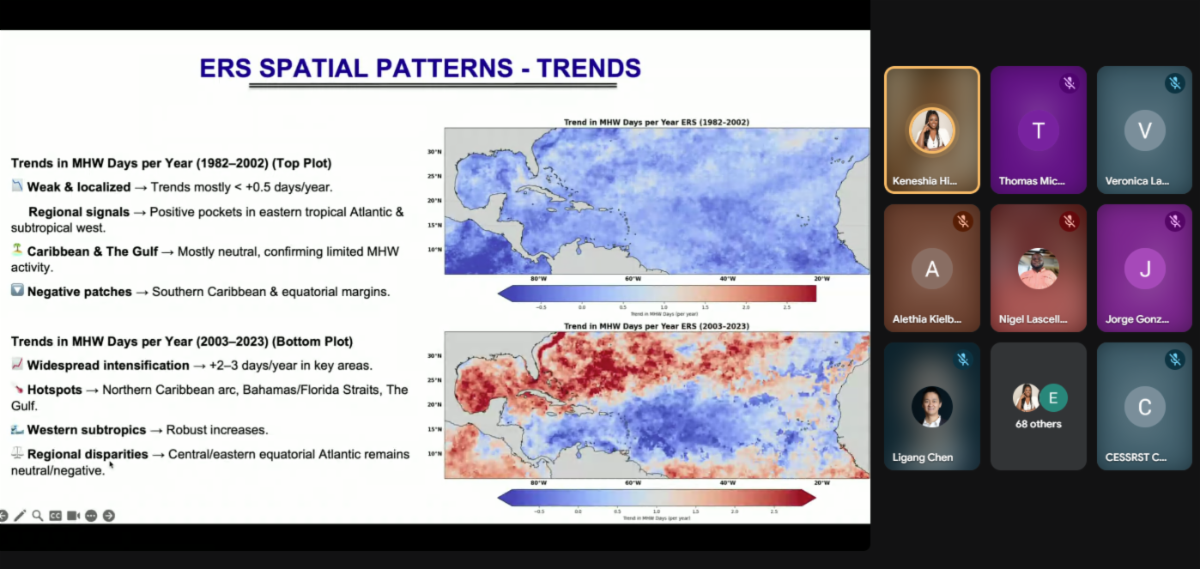
Keneshia completed her year-long engagement at NOAA National Environmental Satellite, Data, and Information Service’s Center for Satellite Applications and Research (NOAA/NESDIS/STAR) in College Park, MD, under the mentorship of Dr. Tom Smith and Veronica Lance. She presented her work on August 20,2025 titled “Marine Heatwaves in the Tropical Atlantic: Detection, Characteristics, and Trends in a Warming Ocean” at the NOAA Seminar Series – Read More
| | | Center & Research News Updates | | Third Annual CESSRST-II Symposium | | |
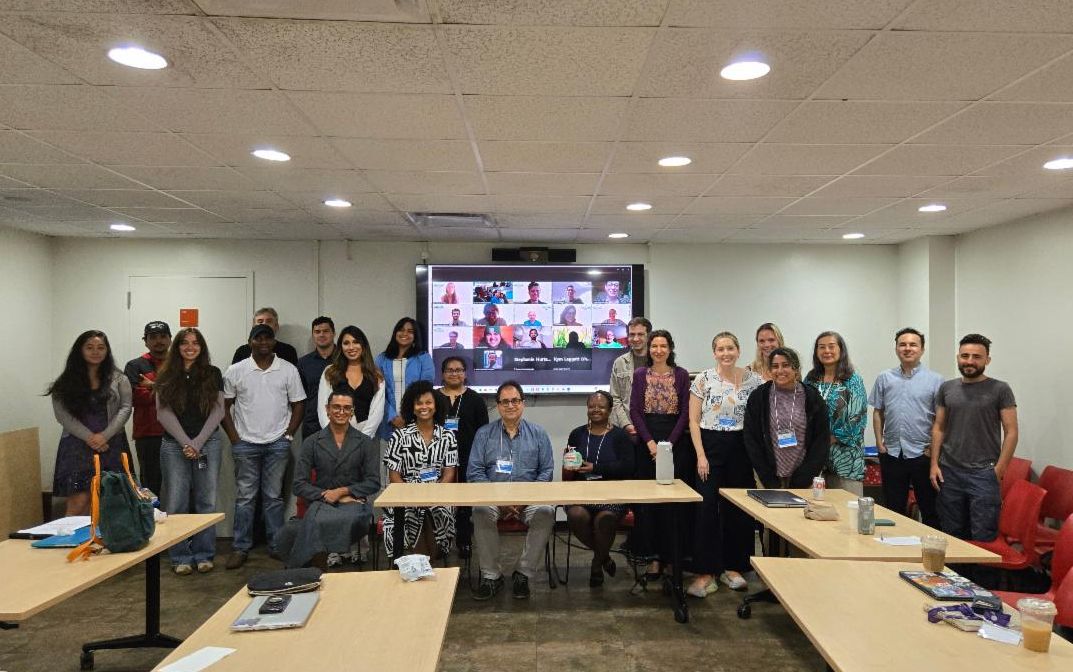
The Center held its Third Annual Symposium at the City College of New York from July 29 to April 1, 2025. This year’s symposium featured:
• Interactive workshops on Generative AI and Research
• A Citizen’s Science Day
• An Introduction to GIS using Arc Pro
• The Annual Cohort Experience (ACE)
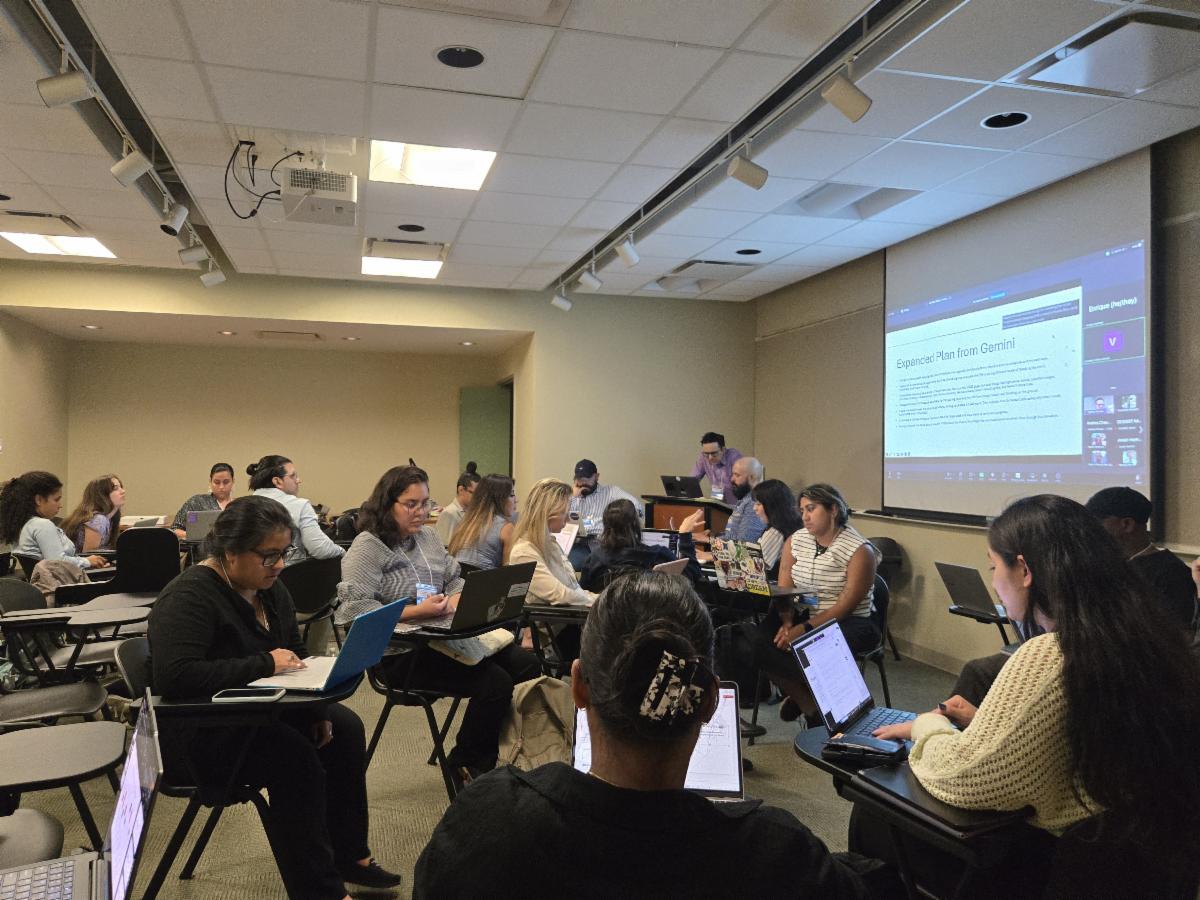
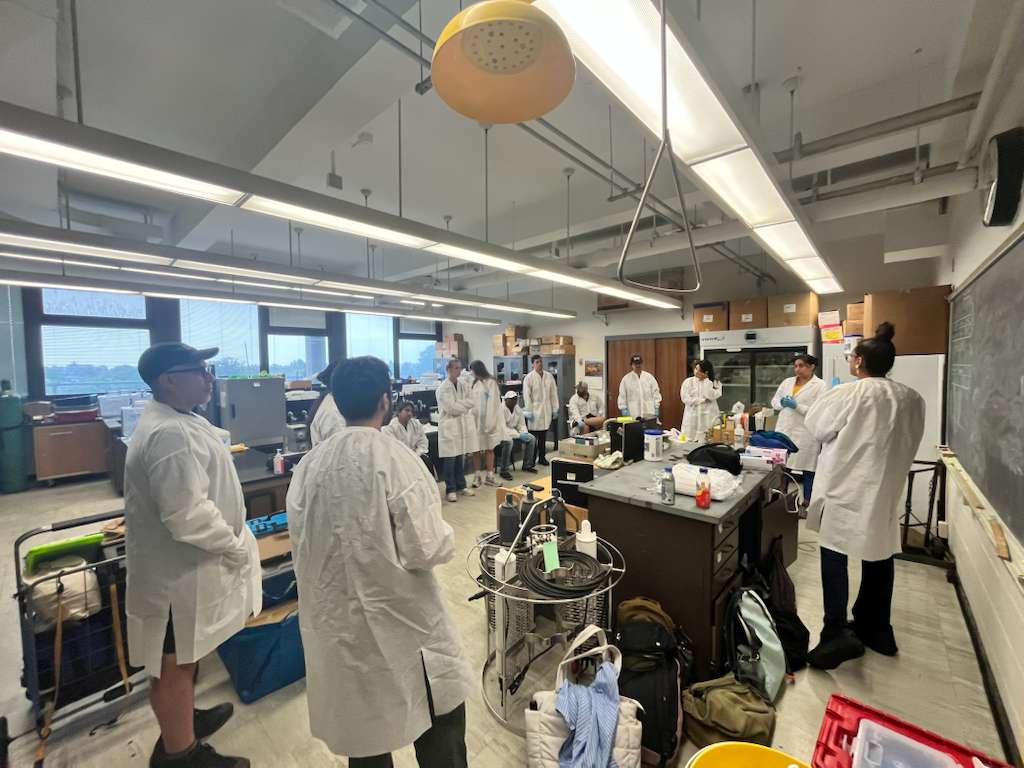
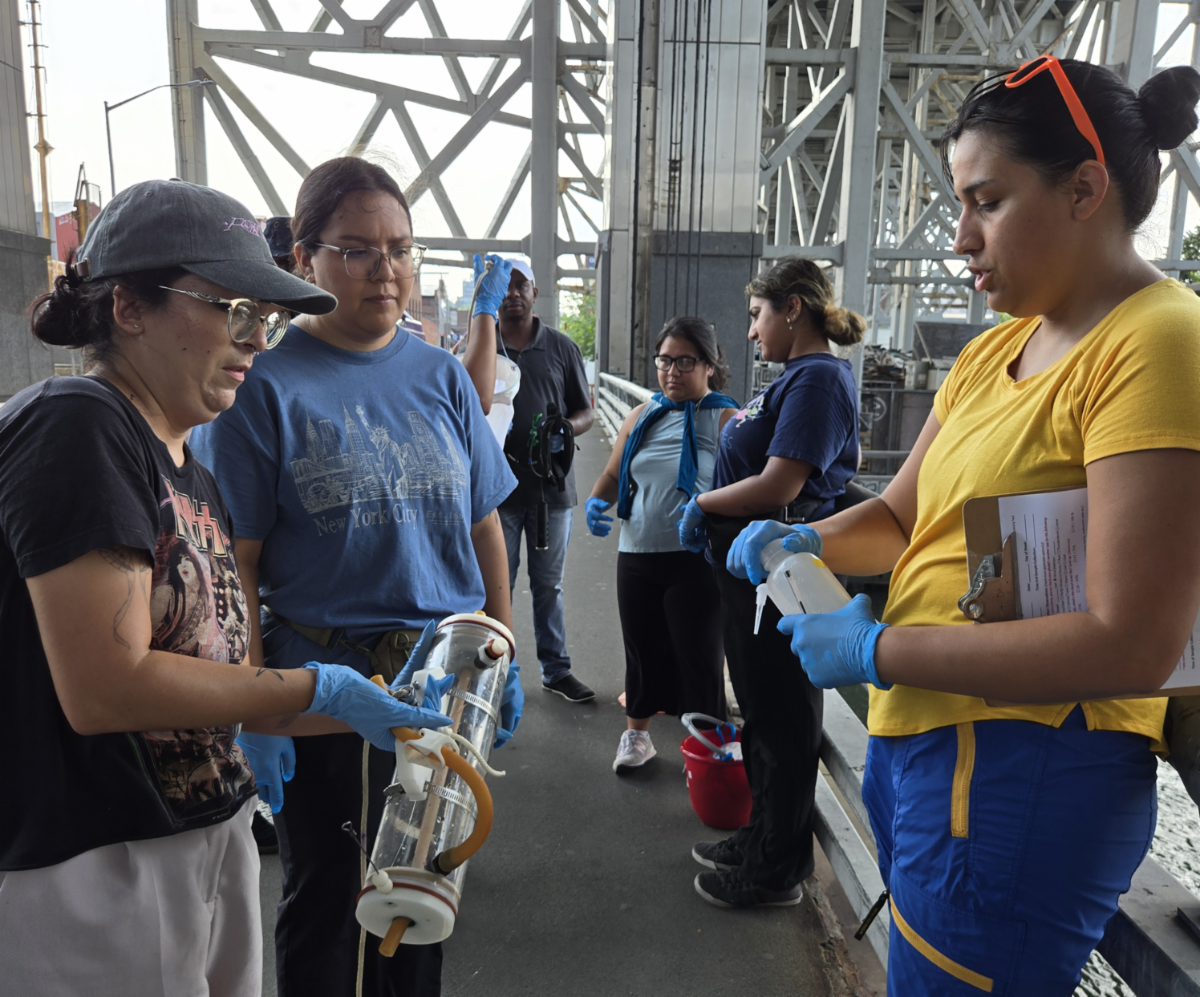
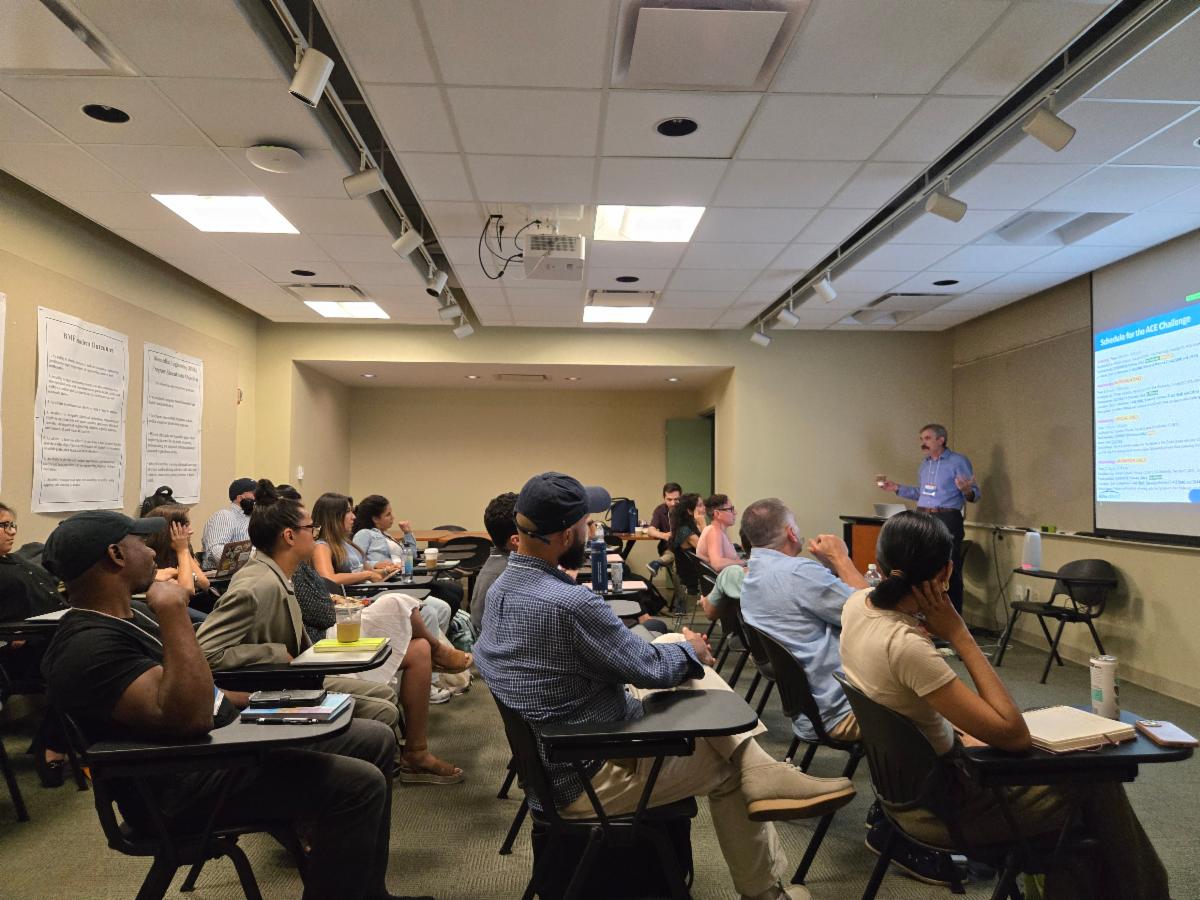
| | Generative AI, Prompt Engineering, and CESSRST-II Research Workshop, led by Dr. Hernan Moreno (UTEP) | | Fellows processing water samples from the Gowanus Canal at the Brooklyn College Lab | | Fellows collecting Gowanus Canal water samples as part of Citizens Science Day | | | |
2025 ACE Challenge
In this year's Annual Cohort Experience (ACE) Challenge, fellows participated in a hands-on exploration of local heat risk and vulnerability using natural and social science methods. They worked in three different groups to collect and analyze primary data of temperature and other environmental variables, conduct business owner interviews, and perform social media analysis using R. This edition’s challenge focused on the value of local community data analyses.
| | | |
"As you know, scientists, engineers, and researchers are somewhat protective of their knowledge and only share it in articles or presentations. This is not what happened at CCNY. At every opportunity, we discussed research, techniques, software, AIs, and more among ourselves. You may not have realized it, but there was much more than just knowledge transfer; techniques, technologies, skills, inspirations, passions, and recommendations on how to improve research were transferred among the fellows."
-Haniel Cordero (Cohort 3 PhD Fellow at UPRM)
on the Third Annual CESSRST-II Symposium
| | | | Seminar on the Joint Center Research and Development Project (JCRDP) | | |
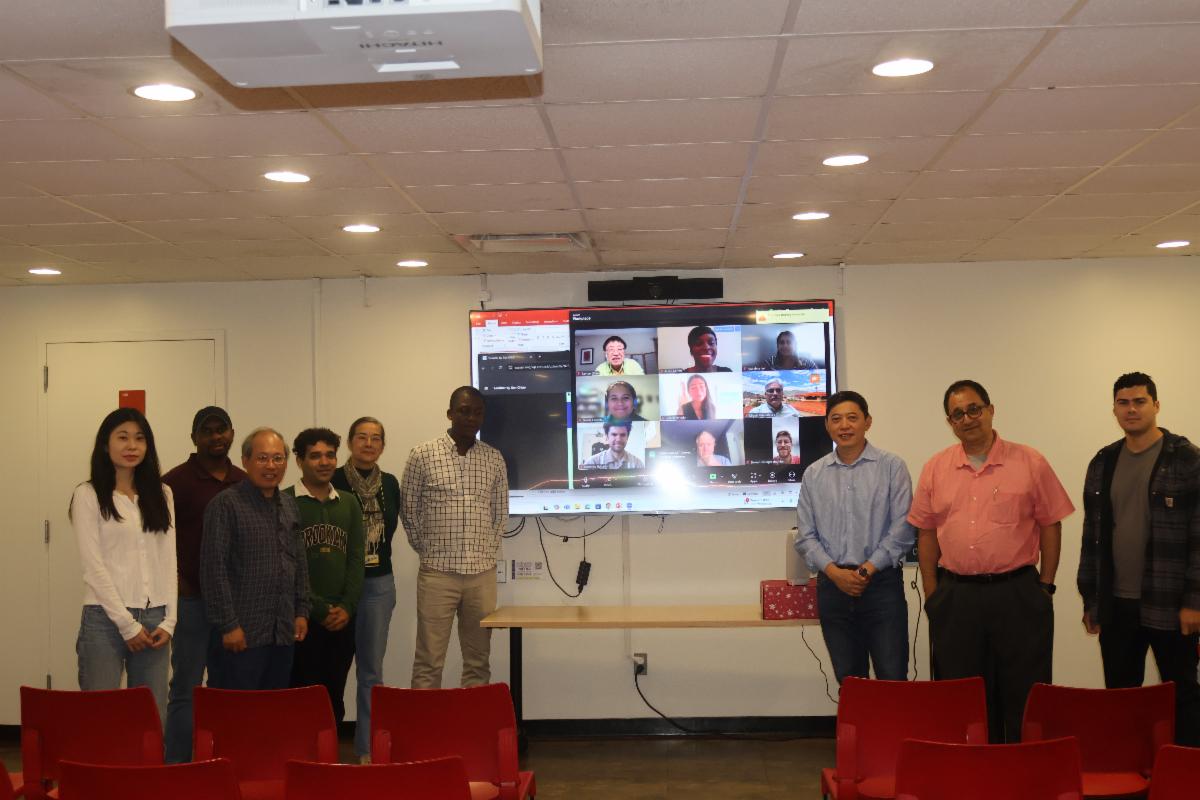
Dr. Sen Chiao, Director of the NOAA Cooperative Science Center in Atmospheric Sciences and Meteorology (NCAS-M) and a Professor of Interdisciplinary Studies at Howard University gave a talk on the Joint Center Research and Development Project between CESSRST-II and NCAS-M II. It is an urban boundary layer dynamics and composition research with overlapping capability and expertise for the two Cooperative Science Centers (CSCs), NOAA Center for Earth System Sciences and Remote Sensing Technologies (CESSRST II ) and NOAA
Center for Atmospheric Sciences and Meteorology (NCAS-M II). The two Centers have engaged with NOAA NESDIS and NWS, as well as NOAA Research (NOAA/OAR), to design a joint Collaborative Research and Development Project JCRDP with a focus on interdisciplinary research and training on urban meteorology, air quality, urban ecosystems, and communities. This effort brings together the two Centers’ expertise in analysis, modeling, and observation capabilities to build a framework to study air pollution causes and impact in the northeast corridor.
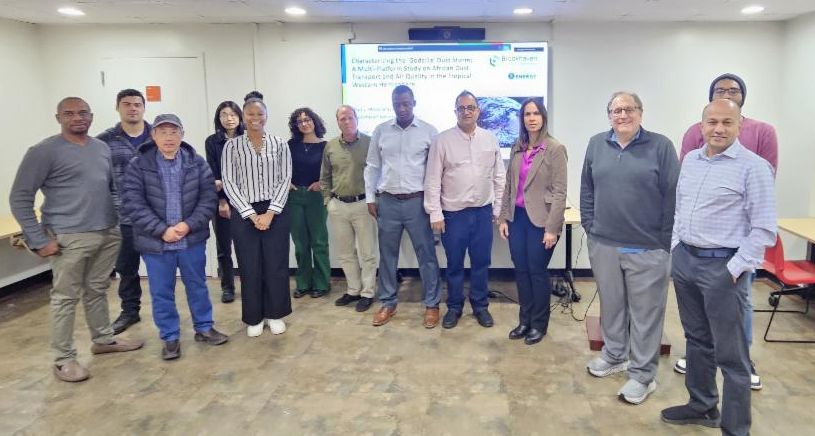
| | Seminar on Characterizing the Dust Storm: An Integrated Ground-Based, Satellite, and Model Study | | |
Dr. Olga L. Mayol-Bracero, an atmospheric scientist and the Lead of the Aerosol Observations Group in the Environmental Science and Technologies Department at Brookhaven National Laboratory (BNL) gave a talk titled "An Integrated Ground-Based, Satellite, and Model Study to Advance understanding of the Impact of African Dust on the Tropical Western Hemisphere". This work shows long-term research and monitoring efforts and how it is instrumental in improving the understanding of African dust transport and its regional consequences including its impacts air quality, weather, and climate in the Caribbean and surrounding regions.
| |
New Research Publications
Several CESSRST-II faculty members, fellows, and alumni recently published in peer-reviewed journals:
-
Jenniffer Perez-Perez (Cohort 1, Ph.D. Fellow at the University of Puerto Rico, Mayagüez) co-authored the paper, “Hypoxia Driven by Caribbean Sargassum Accumulation Events” in the Royal Society Open Science Journal – Read More
-
Dr. Hernan Moreno (UTEP CESSRST-II faculty member) co-authored the article, “Partitioning of Eddy Covariance Footprint Evapotranspiration Using Field Data, UAS Observations and GeoAI in the U.S. Chihuahuan Desert” – Read More
-
Elena Aguilar (CESSRST-II alum and Cohort I M.S. Fellow, SDSU), along with Drs. Trent Biggs and Dan Sousa, published the article, “Mapping Terrestrial Macroplastics and Polymer-Coated Materials in an Urban Watershed Using WorldView-3 and Laboratory Reflectance Spectroscopy” – Read More
-
Drs. Fred Moshary, Yonghua Wu, Dingdong Li and Cohort 3 Ph.D. Fellow at CCNY, Thomas Ely published a paper on "Synergic Lidar Observations of Ozone Episodes and Transport During 2023 Summer AGES+ Campaign in NYC Region" - Read More
-
Sam Shen co-authored a paper on "XSLICE: An Efficient Visualization and Diagnosis Tool for Four-Dimensional Climate Dynamics" - Read More
-
Cohort 1 Ph.D. Fellow at UPRM, Gerardo Trossi-Torres, Drs. Jonathan Munoz, Tarendra Lakhankar and Post Doc, Dr. Luisa Feliciano published an article in the journal of sustainability titled "Impacts of Precipitation Trends on Reservoirs and Rivers in Puerto Rico from 1990 to 2022" - Read More
-
Dr. Nir Krakauer co-authored a paper on "How Michaelis–Menten kinetics can represent ecosystem-scale respiration: scale and applicability" on Environmental Research Letters - Read More
| | | | Dr. Luisa Feliciano Joins Faculty at UPRM | | |
Center Postdoc, Dr. Luisa Feliciano-Cruz joins the department of Civil Engineering at the University of Puerto Rico, Mayaguez as an Assistant Professor. Her appointment started on July 1, 2025 and she begins teaching in Fall 2025.
As a post doc, Dr. Feliciano worked on Community-Based Flood Mitigation Strategies for Puerto Rico, with NOAA Mentor Dr. Ernesto Rodriguez (NWS-San Juan). She will continue as a CESSRST-II Affiliated faculty at UPRM mentoring future fellows.
| |
- Social Science Community of Practice - July 10, 2025
-
CESSRST Third Annual Symposium - July 29 - August 1, 2025
- Advisory Board Meeting - August 26, 2025
- Cohort 4 Orientation - September 17, 2025
-
Seminar on the 2025 Joint Center Research and Development Project (JCRDP) - September 26, 2025
- Social Science Community of Practice - October 3, 2025
-
NOAA Seminar Series: Quantifying the accuracy of satellite-observed sea surface salinity against in situ observations by sail drones - September 26, 2025
-
Seminar on Characterizing the Dust Storm: An Integrated Ground-Based, Satellite, and Model Study - October 28, 2025
- Education Experts' Seminar Series - October 23, 2025
- Write it Right Workshop: Using MS Word Strategically for CESSRST-II Reporting - October 24, 2025
- CESSRST-II Fall Caucus - October 31, 2025
| | |
Upcoming Events
- Social Science Community of Practice - November 14, 2025
- Education Experts' Seminar Series - November 18, 2025
- American Geophysical Union (AGU) Annual Meeting - December 15, 2025
-
106th American Meteorological Society (AMS) Annual Meeting - January 25, 2026
| | |
|
CESSRST-II program is funded by NOAA/EPP Cooperative Award # NA22SEC4810016
Connect with us!
|
| | | |