CHCF Alumni Newsletter

March 21, 2025

The Moment I Learned What Medicine Gets Wrong


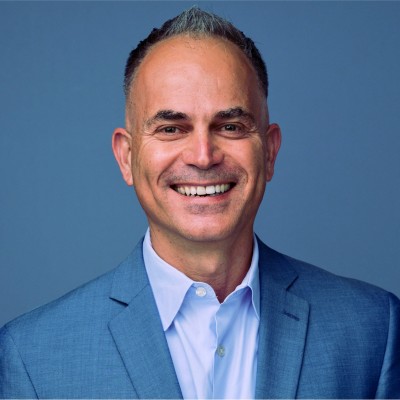
Alen Voskanian, MD, MBA, FAAHPM, FACHE, Cohort 10, Alumni Board Member and Board President-Elect

I’ll never forget my intern year. I saw patients with no chance of recovery—intubated, on dialysis, tubes in every orifice, their bodies kept alive while their quality of life was completely ignored.


No one was having conversations with them or their families about what was happening. No one was explaining the real impact of these treatments. The goal was clear: avoid death at all costs.


One patient in particular broke me. A patient, riddled with complications, lay intubated, on dialysis, with a Foley catheter and a rectal tube for C. diff—unable to speak, unable to decide. There was no conversation about goals of care. No discussion of the suffering these treatments were causing. The family had no idea they even had a choice.


When I asked my attending if we should talk to the family about goals of care, he waved me off. My senior residents warned me: Don’t push it. This isn’t your place.


But I couldn’t.


I called the family and had the conversation that no one else would. And you know what? They were grateful. No one had told them they had a choice. No one had explained what all these treatments actually meant for their loved one.


That moment changed me.


I later became board-certified in hospice and palliative care, largely because of what I witnessed during that year. But it wasn’t until my recent trip to Spain that I finally found the right term for what I had seen: encarnizamiento terapéutico.


Therapeutic cruelty.


A Spanish physician explained that over there, doctors call each other out when they see it. Not to shame, but because it’s the right thing to do. They understand that cruelty isn’t just excessive treatment—it’s failing to give patients and families all the information, failing to help them understand the trade-offs, failing to make them full participants in their own care.


We need to normalize this in the U.S. We need to speak up—not to shame, but to advocate. Every patient deserves to know the full picture: the benefits, the burdens, and most importantly, that they have a choice.

The Reality of End-of-Life Care in the U.S.


The numbers tell a troubling story:


  • Preference for End-of-Life Care Location: A significant majority of Americans prefer to die at home. According to a 2015 Kaiser Family Foundation report, 71% of individuals expressed a preference to die at home, yet many still die in hospitals or other facilities. kff.org


  • ICU Use in the Last Month of Life: Research indicates an increase in intensive care unit (ICU) utilization during the last month of life. A study by Teno et al., published in JAMA in 2013, reported that ICU use in the last 30 days of life increased from 24.3% in 2000 to 29.2% in 2009 among Medicare fee-for-service decedents. pubmed.ncbi.nlm.nih.gov

Cultural Differences in End-of-Life Care


Not every country approaches end-of-life care like the U.S.


  • In Spain, discussions about encarnizamiento terapéutico (therapeutic cruelty) are encouraged. Physicians are expected to intervene when aggressive treatment is misaligned with patient values.
  • In the Netherlands and Belgium, euthanasia and physician-assisted dying are legally available, reflecting a societal emphasis on autonomy.
  • Japan and South Korea tend to prioritize family decision-making, sometimes even shielding patients from a terminal diagnosis.
  • Scandinavian countries have some of the highest rates of palliative care integration, with a strong focus on dignity and patient preferences.


Meanwhile, in the U.S., we continue to prioritize intervention over conversation, technology over dignity, prolonging life at all costs—even when it causes suffering.

How Do We Change This?


It starts with us.


  • Normalize these conversations early and often—don’t wait for a crisis.
  • Educate patients and families about their rights and choices.
  • Push for better policies that integrate palliative care into standard practice.
  • Speak up when you see therapeutic cruelty.


I learned that lesson as an intern. I learned the language for it in Spain. Now, I want to bring that lesson home.


So I’ll ask you: Have you ever seen therapeutic cruelty in action? What did you do? How do we change this?


Join the conversation on LinkedIn: The Moment I Learned What Medicine Gets Wrong


Follow me on LinkedIn for more discussions on healthcare, leadership, and the human side of medicine: linkedin.com/in/alenvoskanianmd


About the Author

Alen Voskanian, MD, MBA, FACHE, FAAHPM (He/Him) is a Palliative Care Physician and the Chief Operating Officer of Cedars-Sinai Medical Network in Los Angeles. He is a graduate of Cohort 10 of the CHCF Healthcare Leadership Program. He’s the author of Reclaiming the Joy of Medicine: Finding Purpose, Fulfillment, and Happiness in Today’s Medical Industry. Outside the office, Alen channels his creativity into poetry, stand-up comedy, and the joys of parenting three sons with his husband.

Art Corner


Laura Bundesen: stitching together art & neuroscience


JAMA - Poetry and Medicine: Fireflies by Julia L. McDonald, DO, MPH

Cohort 25 Recruitment Open!


Applications due by May 23, 2025: Please share! Information and application is available on our website.

Regional Alumni Meeting


Thursday, May 1, 2025 3pm-7pm

RSVP by April 30th!

"Should I Stay or Should I Go" - a discussion on making the hard decisions when at a leadership career crossroads


Followed by Networking Dinner with C23 & C24


Hyatt Regency Newport Beach

1107 Jamboree Rd, Newport Beach, CA 92660


[Add to Outlook] [Add to Gmail]

Save the Date!


Annual Alumni Meeting & Cohort 23 Graduation


Thursday-Friday, September 25-26, 2025


Westin San Francisco Airport

1 Old Bayshore Hwy, Millbrae, CA 94030


[Add to Outlook] [Add to Gmail]

Sharing you CHIP or alumni updates

We would like to share alumni updates and promote successes of California Health Improvement Projects (CHIPs). Please submit an update [here]!

Join CHCF Alumni LinkedIn Group
Join Alumni Interest Groups

CHCF Alumni Network | https://tinyurl.com/chcfalumni


Healthforce Center at UCSF | http://healthforce.ucsf.edu

STAY CONNECTED:
Linkedin