California Indian Legal Services
Quarterly Newsletter - November 2024
| |
|
Dear Tribal Communities and Partners in Justice,
As Native American Heritage Month comes to a close, we reflect on the incredible strength, resilience, and contributions of tribal communities across California and beyond. This month has been an opportunity to honor the vibrant cultures, traditions, and histories of Native peoples, while also recommitting to our mission of advancing justice, defending sovereignty, and preserving cultural heritage.
Throughout November, California Indian Legal Services (CILS) has celebrated the power of Native leadership and the ongoing journey of protecting tribal rights. We honored the legacy of David Risling Jr., a founder of CILS and a visionary for Native rights and self-determination. His lifelong dedication to uplifting Indigenous communities and securing justice inspires our work every day and underscores the importance of strong leadership in shaping a future of sovereignty and equity for all tribes.
| |
Heather Hostler, Executive Director | |
|
CILS also highlighted the vital role of federal Indian law in defending tribal sovereignty and cultural preservation. From protecting sacred sites to advocating for the Indian Child Welfare Act, our work directly supports the legal foundations that uphold Native rights. We are proud to stand with California’s tribal communities, providing legal services that empower them to navigate complex legal landscapes and achieve justice.
As we close this month of celebration, the principles of Native American Heritage Month remain at the core of what we do every day. While November provides an opportunity to reflect and honor the contributions of Native peoples, our commitment to protecting tribal sovereignty and advancing justice is unwavering and year-round. Together, we will continue to uplift Native voices and ensure their rights are defended and respected.
In solidarity and gratitude,
Heather Hostler (Hupa)
Heather Hostler
| |
|
Celebrating Native American Heritage Month
Honoring the Past, Building the Future
| |
|
November is Native American Heritage Month, a time to reflect on the profound contributions, resilience, and cultural heritage of Native peoples throughout history.
For California Indian Legal Services (CILS), this month is not just a celebration, it’s a call to action. Across California, tribal communities continue to face unique legal challenges rooted in centuries of displacement, marginalization, and broken promises. Yet, they also embody extraordinary strength, perseverance, and leadership. At CILS, we are honored to work alongside tribes to protect their sovereignty, preserve their traditions, and secure justice for future generations.
This month, we encourage everyone to:
-
Learn: Explore the rich history and ongoing contributions of California’s 109 federally recognized tribes and many unrecognized tribes.
-
Support: Uplift Native voices by supporting tribal initiatives, Native-owned businesses, and community programs.
-
Advocate: Stand with Native communities in the fight for equity, cultural preservation, and recognition of their inherent rights.
In the face of challenges like land loss, cultural suppression, and legal battles, California tribes have persevered. Native American Heritage Month is a powerful reminder of their enduring legacy and the shared responsibility to create a more equitable future.
| | |
CILS Jointly Filed Amicus with CTFC in Groundbreaking Dezi C. Decision
The California Supreme Court recently issued its opinion in the landmark Dezi C. case, a decision that directly impacts how child welfare agencies comply with the Indian Child Welfare Act (ICWA). While CILS was not a party to the case, we we jointly file an amicus brief with the California Tribal Families Coalition, advocating for stronger protections for Native children and families.
Our amicus brief was referenced several times in the Court’s opinion—a testament to the importance and impact of our advocacy. Additionally, CILS was acknowledged as the sponsor of SB 678, the legislation that codified many provisions of the federal ICWA into California state law.
Impact and Moving Forward
This decision reinforces the accountability of child welfare agencies in ensuring ICWA compliance and highlights the ongoing need for robust tribal advocacy. By addressing the gaps in CPS procedures, this ruling provides a clearer path forward for protecting the rights of Native children and their families.
At CILS, we are proud to have contributed to this outcome through our amicus brief and legislative work. The Dezi C. decision serves as a reminder of the importance of collaboration, expertise, and dedication in the fight to uphold tribal sovereignty and family rights.
Key Issue in Dezi C.
The question before the Supreme Court was:
What happens when a child welfare agency, such as CPS, fails to properly conduct the inquiry to determine if a child is an “Indian child”?
Some California Appeals Court ruled that the answer to this question is “nothing: the failure to the conduct the inquiry generally is not a mistake big enough for an appeals court to reverse a judgment based on it if it is appealed” Other California Appeals Courts ruled that the answer is “any judgement after a failure to conduct the inquiry must be reversed if it is appealed, as the failure taints everything after it.” Since these answers cannot coexist, the Supreme Court adopted a compromise position in its decision. Here’s what the decision means in practice
1.When the agency fails:
If CPS does not adequately inquire into a child’s potential Native American heritage and the case is appealed, the Appeals Court must send the case back to the lower court (“remand” it) and order CPS and the lower court to perform a proper inquiry. This includes requiring that CPS document its efforts and detail who it contacted. What happens next depends on the results of the inquiry.
2.Determining ICWA Application:
If the inquiry identifies the child as Native, the lower court must throw out its prior rulings and restart the case and apply ICWA’s procedures and protections.
But if the inquiry does not identify the child as Native, any prior rulings stay in place and the case proceeds with applying ICWA.
| |
|
An Introduction into Public Law 280
By Dorothy Alther, Legal Director
If you are a California Native American chances are you have heard of Public Law 280 (PL 280) at some point in your life. But what does PL 280 really mean to you, to your tribe, and California tribal communities? The following is a short introduction and overview of PL 280.
Some Basics. As a general matter jurisdiction on Indian reservations cross the country is confusing and complex. PL 280 adds another layer to this complexity and confusion but are some of the basics that will help with your understanding of how PL 280 fits within the jurisdictional framework in California Indian Country.
| |
| |
|
PL 280 is a federal law passed in 1953 and applies in five states: California, Wisconsin, Minnesota, Oregan and Nebraska (commonly referred to as the “mandatory states”). Alaska was added in 1958.
There are two federal statutes that encompass PL 280: criminal jurisdiction under PL 280 is defined under 18 U.S.C. § 1162 and civil jurisdiction is defined under 28 U.S.C. § 1360.
PL 280 applies in “Indian Country” which is defined under federal law as: Indian reservations (tribal trust lands); Indian allotments (individual trust lands); and “dependent Indian communities”. (18 U.S.C. § 1151).
Tribes in the five mandatory states were not consulted with nor was tribal consent required before subjecting tribes and their members to PL 280 jurisdiction.
Click here to read more
| |
Bill Analysis Outcomes for California Tribes | |
|
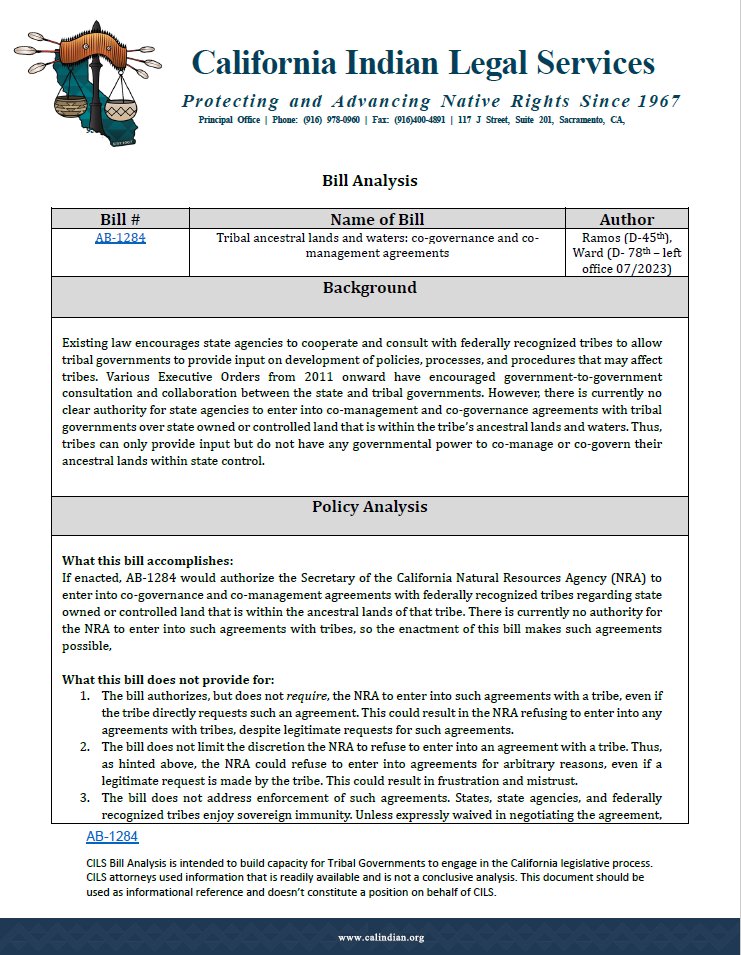
California Indian Legal Services (CILS) continues to be a strong advocate for tribal sovereignty and the advancement of federal Indian law. This year, we launched our first Legislative Bill Analysis initiative, aimed at providing in-depth reviews of key California legislation that could significantly impact tribal communities.
With the close of the 2023-2024 legislative session, we’re excited to share the final outcomes of the bills we tracked. Some were signed into law, others vetoed, and some didn’t advance past committee stages. Each outcome reflects months of dedicated advocacy and in-depth analysis by our team.
This Bill Analysis is a valuable resource designed to empower Tribal Leadership with insights into the California legislative process. Our summaries provide a snapshot of each bill, highlighting potential implications for tribal communities. While these are not exhaustive analyses, they serve as an informational tool for tribal leaders engaging with lawmakers on issues critical to their communities. Please note, this information is for general reference and does not represent an official CILS stance on any bill.
For questions or feedback, feel free to contact us at info@calindian.org. We appreciate your support in safeguarding and strengthening tribal sovereignty.
.
| |
To view the complete analysis prepared by our attorneys, simply click on the link below. | | |
|
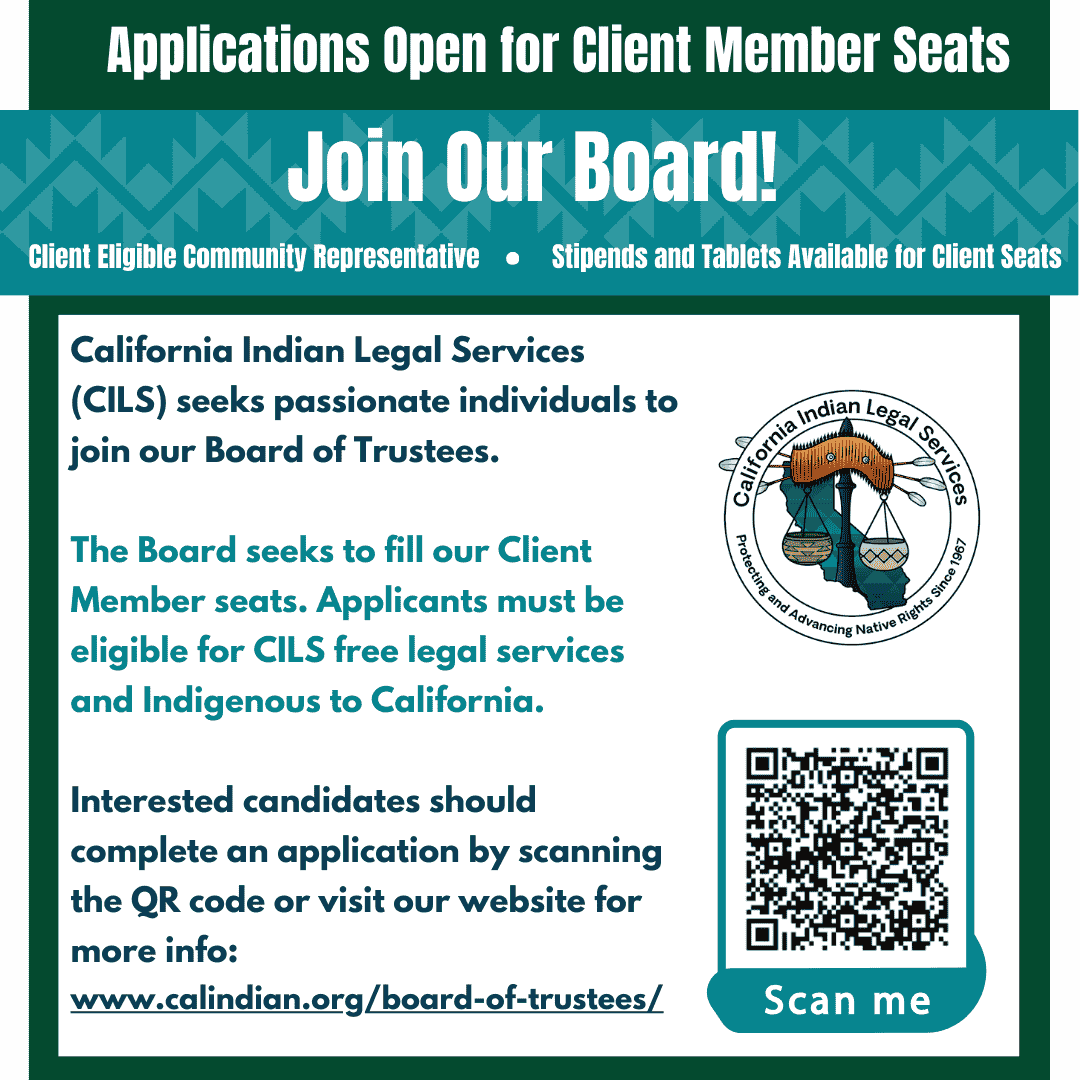
Join Our Board of Trustees!
Are you passionate about advocating for Native American rights? California Indian Legal Services (CILS) is looking for committed individuals to join our Board of Trustees!
Applicants must be eligible for our free legal services and Indigenous to California.
Client Board Members are eligible for a monetary stipend and will be provided a tablet to assist in participating in board meetings and business.
Click the link below to apply!
| |
|
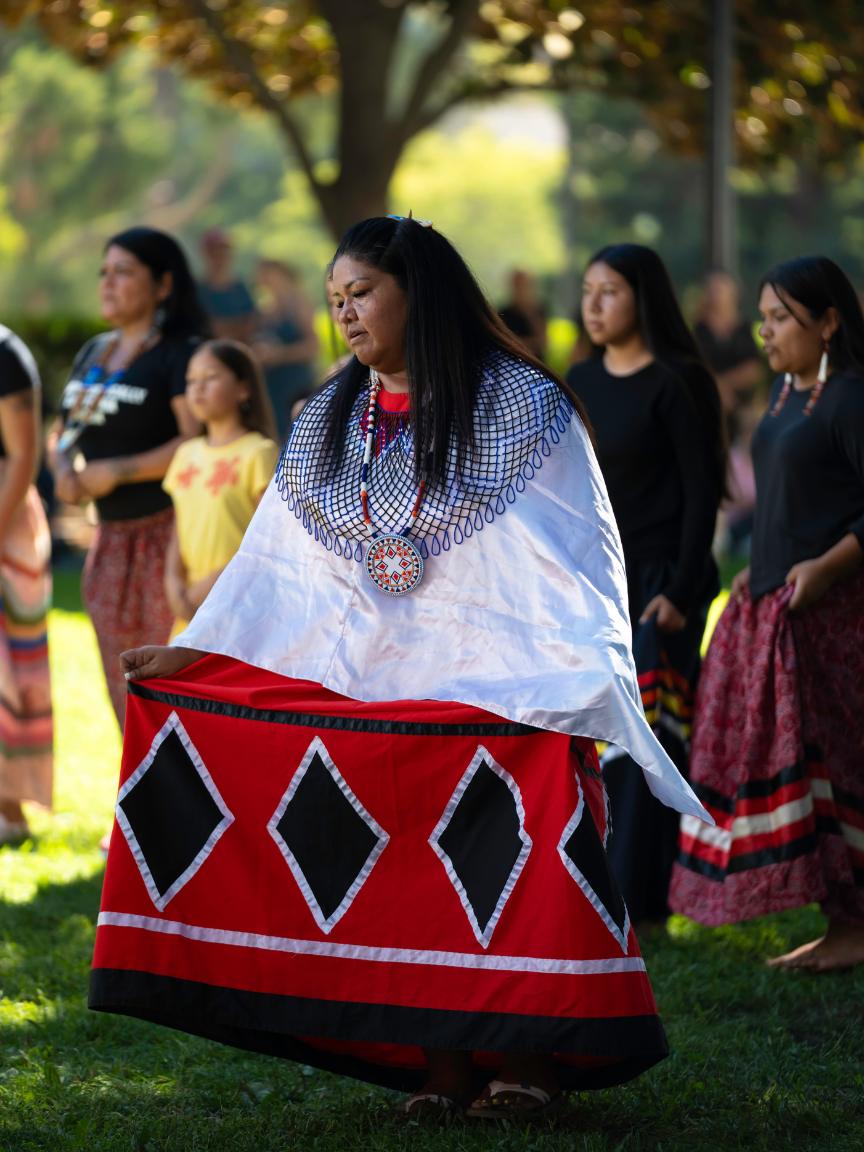
California Native American Day
State Capitol Sacramento, CA
| |
|
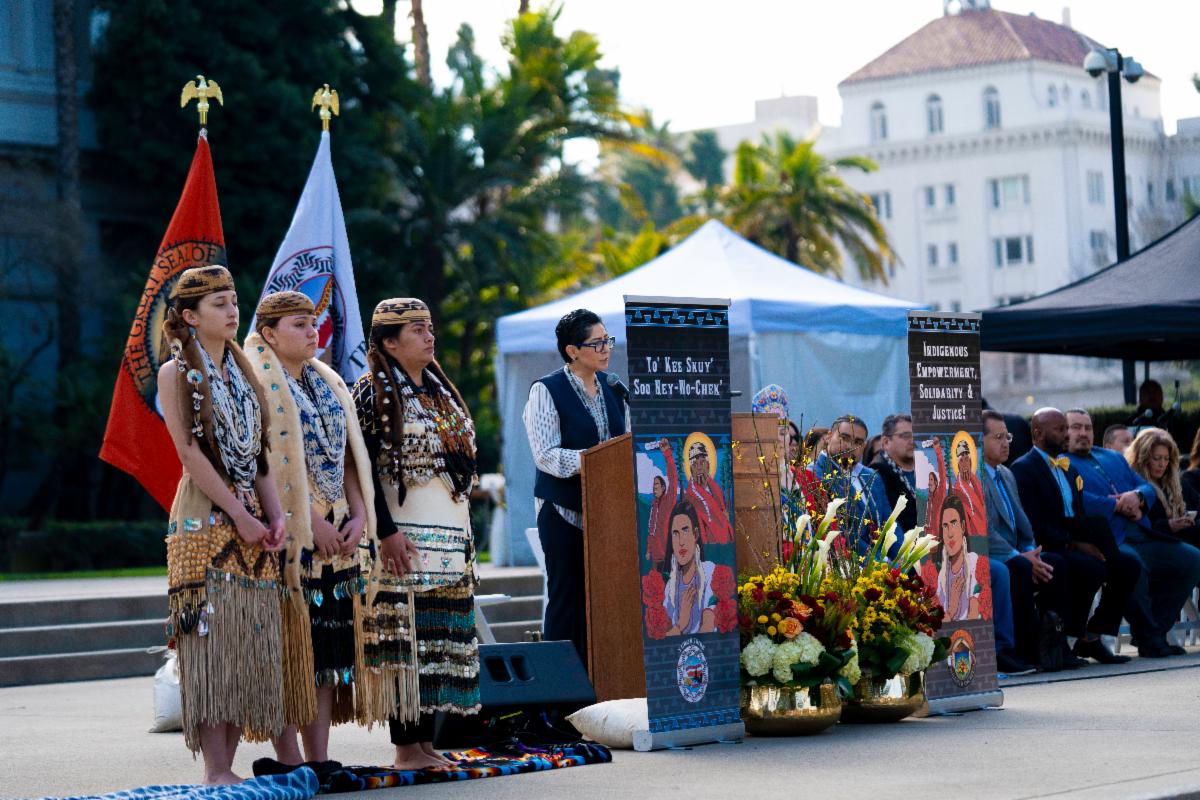
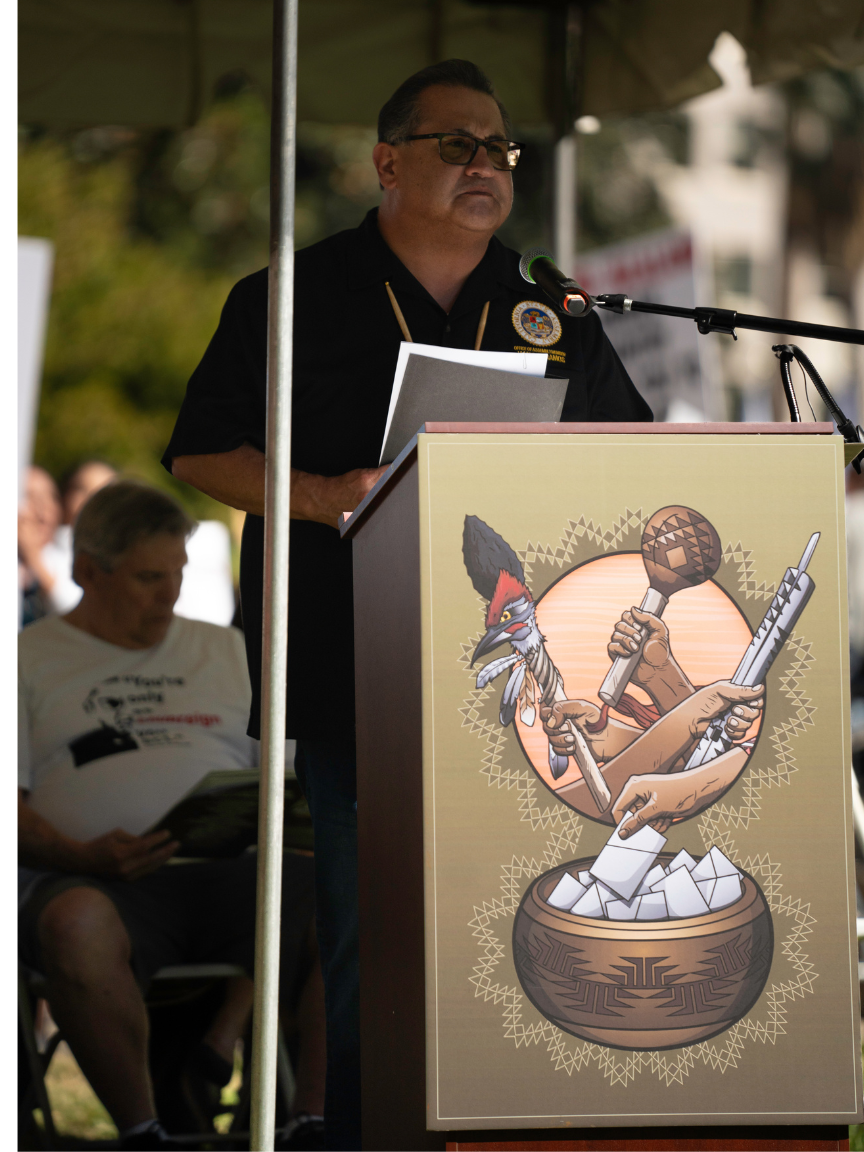
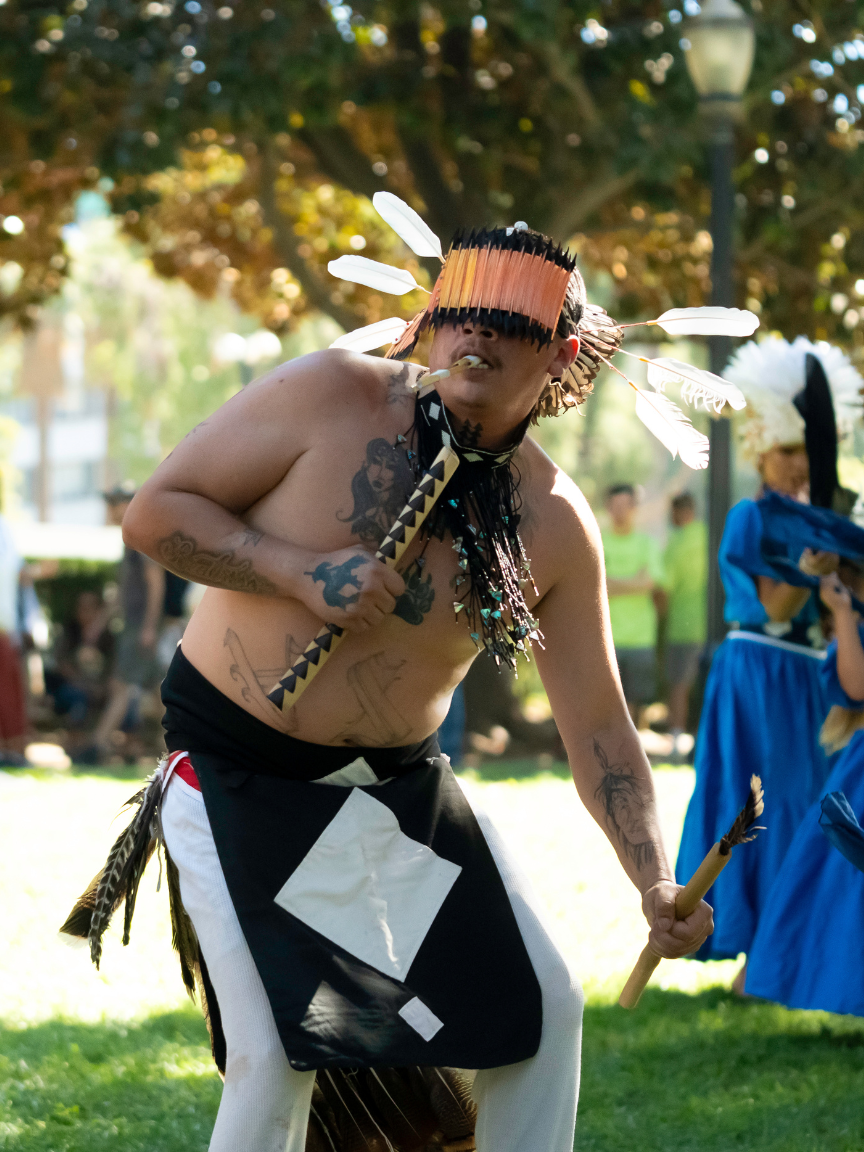
This year, the California State Capitol witnessed significant legislative advancements supporting California Native American communities. On September 27, 2024, Governor Gavin Newsom proclaimed Native American Day and signed several pivotal bills into law.
- AB 81 (Ramos): Strengthens protections under the federal Indian Child Welfare Act (ICWA) by codifying safeguards for Native American youth and their families into California's Welfare and Institutions Code.
- AB 1821 (Ramos): Mandates that California public schools include instruction on the mistreatment and contributions of Native Americans during the Spanish colonization and Gold Rush periods, ensuring a more comprehensive understanding of the state's history.
- AB 1284 (Ramos): Encourages the California Natural Resources Agency and its departments to enter into co-governance and co-management agreements with federally recognized tribes, promoting collaborative stewardship of ancestral lands and waters.
- SB 310 (Dodd): Authorizes agreements between the California Natural Resources Agency, local air districts, and federally recognized tribes to facilitate cultural burns in ancestral territories, supporting traditional land management practices.
These legislative measures reflect California's ongoing commitment to recognizing and addressing the unique needs of California Native American communities, fostering a more inclusive and equitable state.
| |
Expungement Services for California Native Communities: Clearing Records, Strengthening Futures | |
|
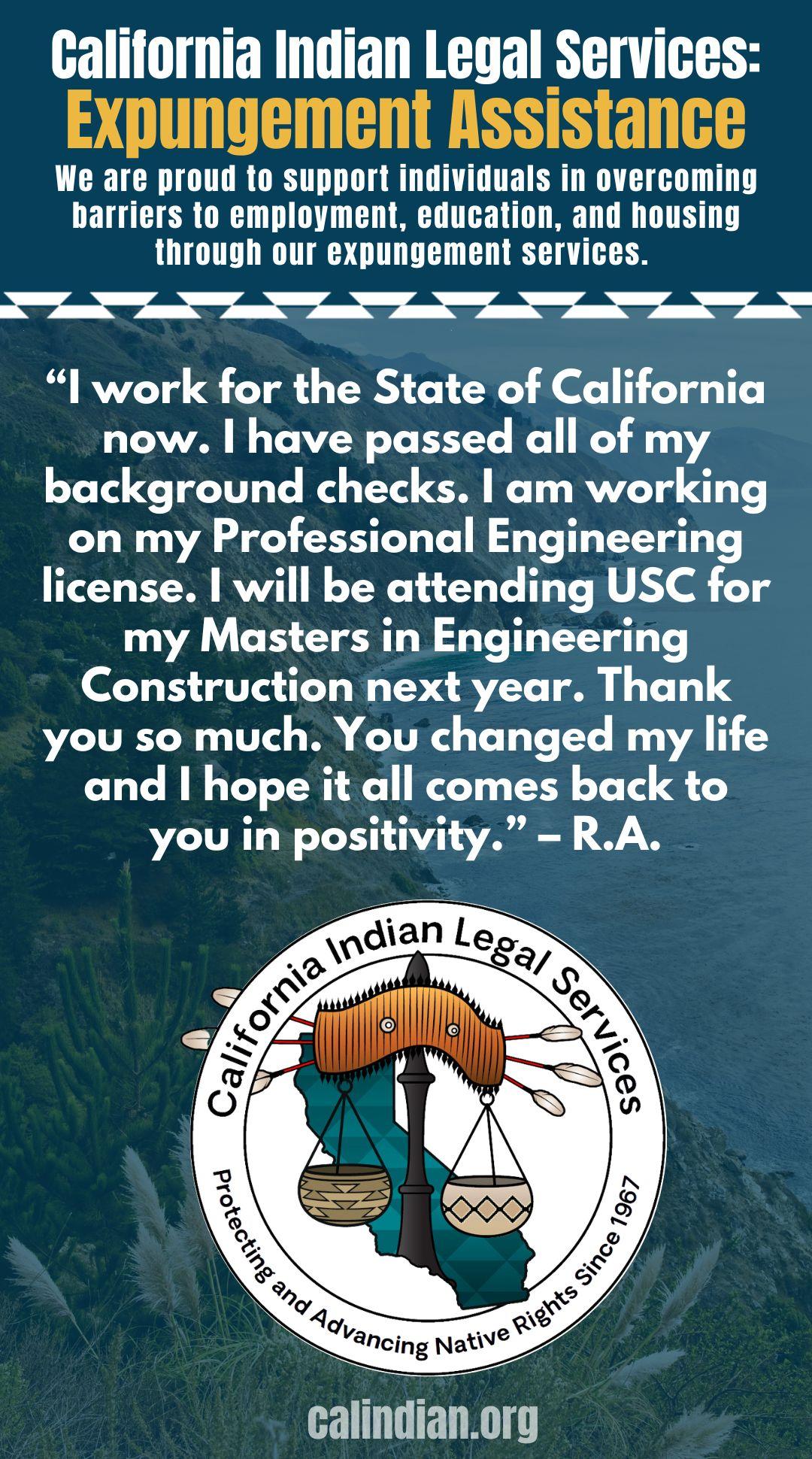
CILS offers expungement and criminal record clearing services to our California Native communities, who are disproportionally affected by racism in law enforcement and the criminal justice system. It is well documented that Native Americans experience disproportionate law enforcement contact, which directly results in disproportionate prosecutions and convictions. Studies show that a Native person is more likely to be arrested, charged with more severe crimes, and sentenced more harshly than a white person.
Although recent changes in California law have increased legal protections for job seekers with criminal records, it is still true that someone with a criminal record will have a harder time obtaining gainful employment. Although California employers are now more limited in the use of background checks in the hiring process, our experience shows that job seekers with criminal records still experience disproportionate rejections as compared to job seekers who have expunged their criminal record. Once your criminal record has been expunged, employers are significantly more limited in their ability to make hiring decisions based on convictions. This means that expunging criminal records can exponentially increase a job seeker’s employment prospects. Stable employment is a key part of strengthening our Native communities.
| |
| | |
If you have a criminal record, CILS can analyze your California Record of Arrests and Prosecutions (your “RAP Sheet”) to determine if your California state convictions are eligible for expungement. If you have convictions that are eligible, CILS can represent you in petitioning to expunge those convictions. Give one of our regional offices a call today to discuss our expungement and criminal record clearing services. | |
Community Outreach: CILS in the Field | |
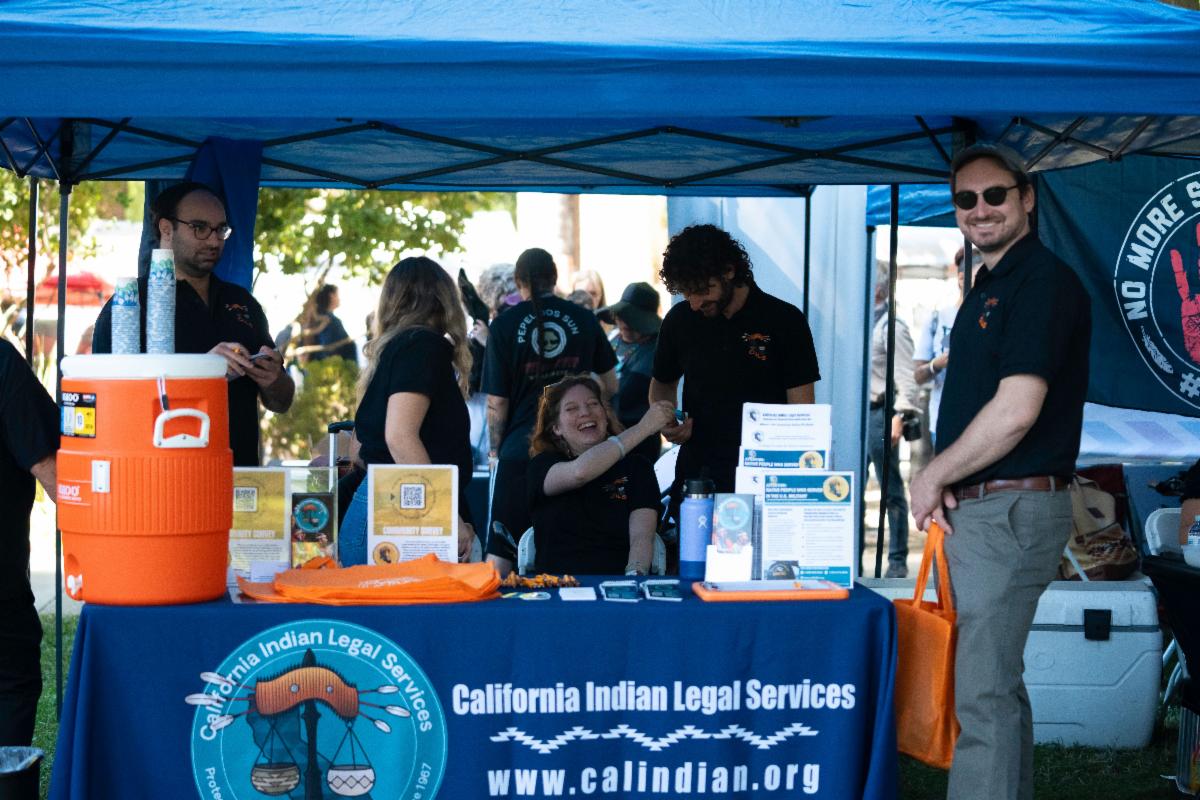
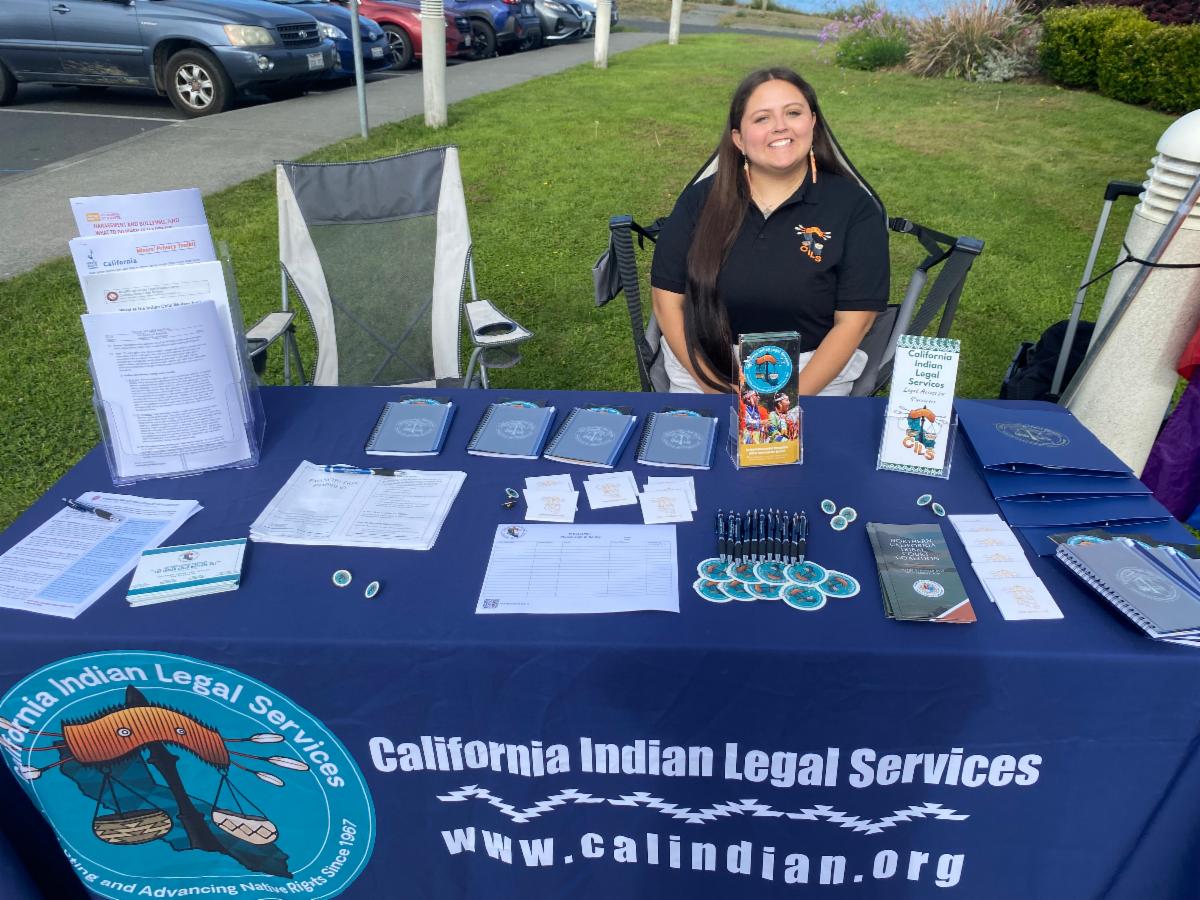
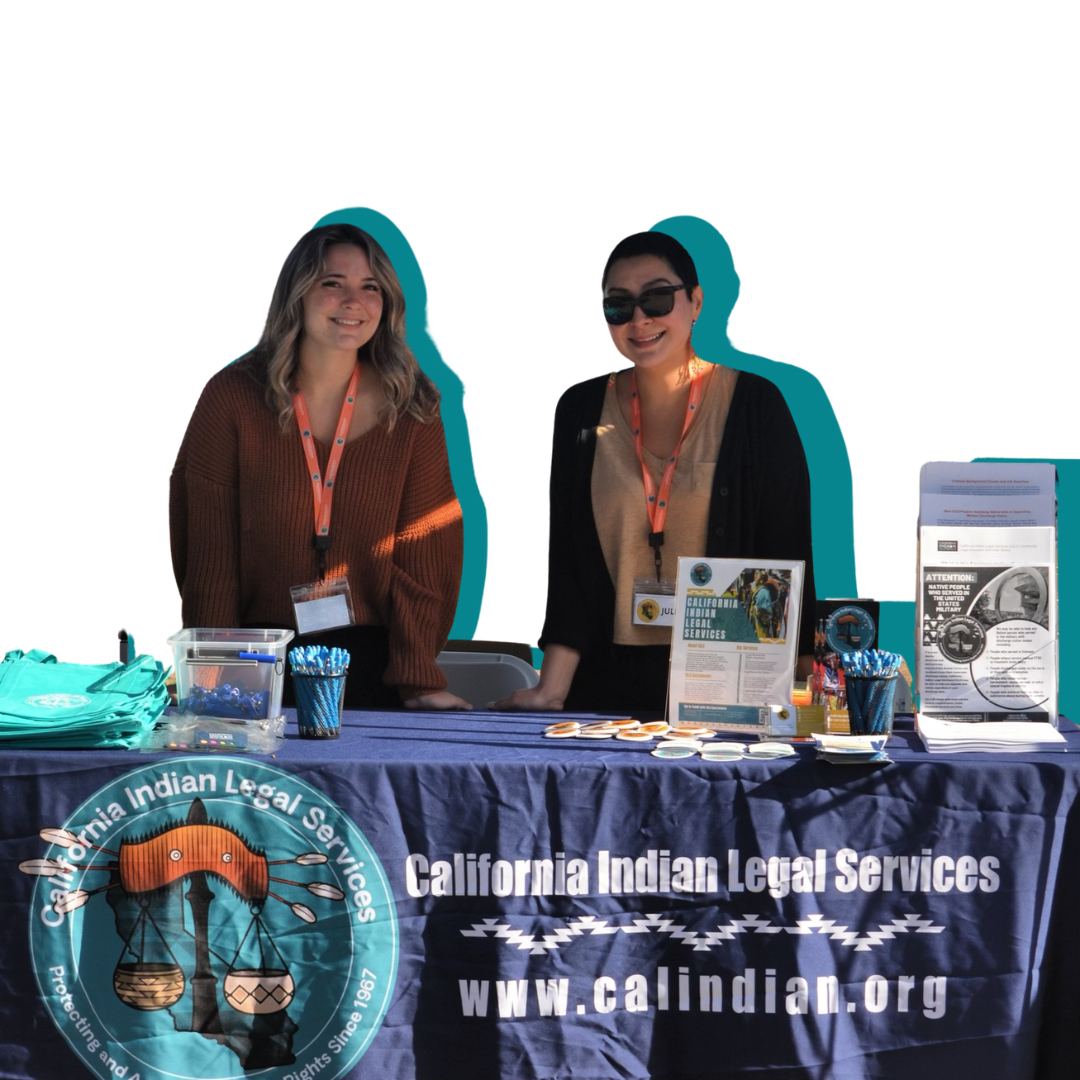
CILS Central Office proudly participated in California Native American Day, hosting our booth alongside Directing Attorneys from regional field offices. Together, we engaged with tribal community members, sharing expertise and highlighting how CILS can support their legal needs. | |
CILS Northern Office participated in the North Coast Two Spirit Conference in Eureka. Our team had the privilege of connecting with community members, sharing information about the vital legal services we offer, and showing support of the Two Spirit community in their pursuit of equality and justice. | |
|
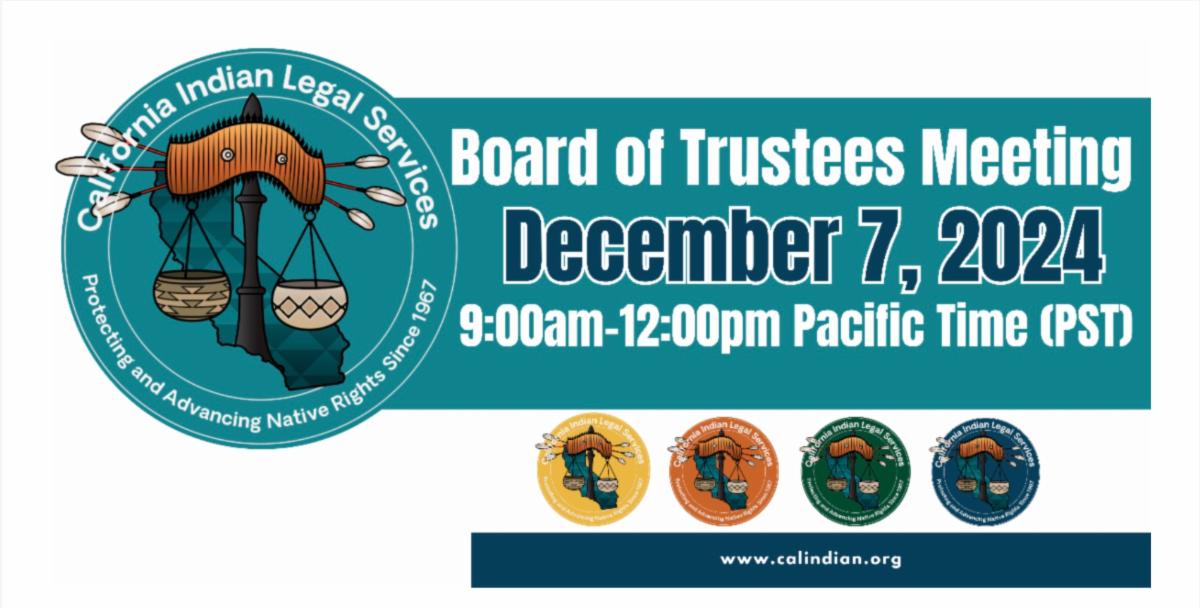
Board of Trustees Meeting | Join us for our Board of Trustees Meeting on December 7th, 2024 9:00am-12:00pm Pacific Time (PST)
Please register below to attend virtually. | | | |
Contact the CILS Office Serving Your County | | | | |