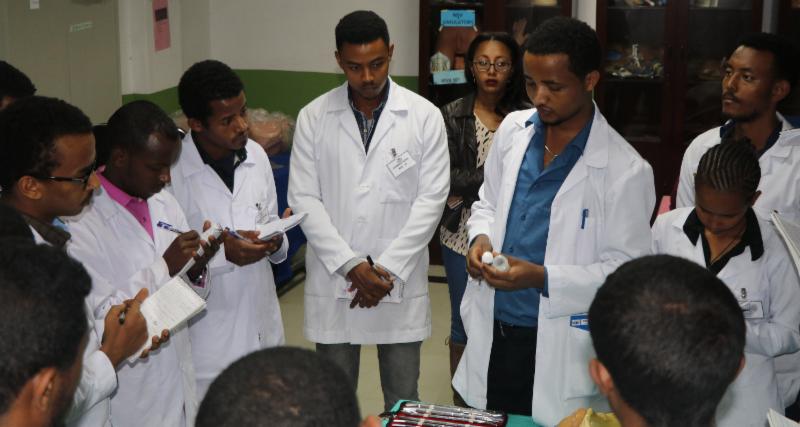
The Center for International Reproductive Health Training at the University of Michigan (CIRHT) partners with academic institutions in developing countries to strengthen capacity for life-saving reproductive health services through the integration of competency-based pre-service training in Family Planning and Comprehensive Abortion Care, revamping research culture and improving the quality of care.
This news review is one way we hope to keep an ongoing conversation with our partners and the global reproductive health community. (Hyperlinks in the text lead to relevant articles.)
|
|
The Center for International Reproductive Health (CIRHT) at the University of Michigan will be well-represented at the upcoming 2018 Consortium of Universities for Global Health (CUGH) annual conference. Thirteen abstracts covering a range of topics from implementing quality improvement and pre-service education programs to contraception and abortion care from CIRHT staff in Michigan and Ethiopia and five partner universities throughout Ethiopia have been accepted for presentation at the annual conference.
|
|
The Value of Family Planning
|
|
The UK Department for International Development (DFID) issued a tidy summary of
the value of money spent on family planning
: £225 million through 2022, “will every year help save the lives of over 6,000 women by preventing maternal deaths – that’s one woman every 90 minutes; support nearly 20 million women to receive voluntary contraceptives through family planning services; help avert 6 million unintended pregnancies; and help prevent the trauma of 75,000 stillbirths and nearly 44,000 new-born deaths.”
FP advocates in Senegal, where 90 percent of the population is Muslim, are finding
key allies in imams
, using the idea that “modern contraception is an extension of traditional Islamic practices… Advocates say that since imams started getting involved, birth control is beginning to enjoy far wider social acceptance. Since 2011, the number of married Senegalese women
using modern contraceptives
has doubled from 12 percent to about 23 percent.”
A UN 2012 report declared “
Contraception is a Human Right
” -- yet “the UN estimates that the lack of availability of contraception services affect 11 percent of sexually active women worldwide between 15 and 49 who either don’t want any more children or would like to delay the birth of their next child. In sub-Saharan Africa, this figure rises to 25 percent.”
Conflicting messages emanating from the Kenyan press: An editorial calls for
greater emphasis on preventing teen pregnancy
through “comprehensive sexual and reproductive health education and information into the school curriculum and other platforms.” Nevertheless, one MP called for his constituents to
ignore family planning
, using the argument, “It's good to give birth to many children since you don't know who will help you in future. You might give birth to one child who may end up being a thief.”
|
|
Individual Action for Change
|
|
Two studies show the importance of reaching individuals with information and counseling. From the Guttmacher Institute: “
Post-abortion contraception counseling
has the potential to help non-users [of contraception] find methods that meet their preferences and to help women better use their current methods.” And the corollary, threats to informed consent mean “
restricting comprehensive counseling
and referrals for all pregnancy options [which] seriously jeopardizes women’s health and well-being.”
And individuals can effect change. Pathfinder International and K4Health highlight
Marie Musifu
a girl from DRC who is “
fighting for young people’s sexual and reproductive health and rights
” by starting youth clubs to discuss family planning, an effort which has led the government to launch “the first national platform for including the youth leaders in decision-making about adolescent and youth sexual and reproductive health.”
A story from Girl’s Globe about the outgoing Dutch Youth Ambassador for SRHR
Sanne Thijssen
. “
One argument you make could resonate with one person and shift everything
.” She sees three barriers to getting young people involved in SRHR: “People in positions of power are afraid to let go of the reigns; Meaningful youth engagement needs investment; The added value of engaging young people is overlooked.” She insists, “Stay passionate and keep reaching out to other young advocates. Young people can shape the present!”
|
|
CIRHT works with partner institutions on pre-service training for doctors, nurses and midwives in Comprehensive Abortion Care. A new study from IPAS also calls for post-training support as well, providing “
a key to high-quality care
.”
Preserving access to safe and legal abortion remains a political battle in
Chile
, despite a recent change in the law. In
Brazil
, women are telling their stories of illegal and dangerous abortion to oppose proposed new restrictions. And Ireland is having an
open debate
about the upcoming
referendum
on repealing an anti-abortion constitutional article. A debate has also begun in heavily-Catholic
Malta
.
|
|
Research resources available
|
An in-depth research and clinical information resource on reproductive health is curated by Taubman Health Sciences Library at the University of Michigan. The materials are open access and include:
- RSS feeds to keep current in the biomedical and health sciences literature
- Research and clinical (point of care) databases
- Selected open access journals
- Freely available online health sciences books
- Health and epidemiology data sources
- Evidence-based medicine (EBM) guides and resources
- Selected freely available health-related mobile resources
|
|
|
Policy Frameworks Are Needed
|
|
The abortion debate in Namibia reflects ambiguity about
overturning Apartheid-era laws
, throwing off colonial laws but still striving to represent the consensus in a deeply religious country.
|
|
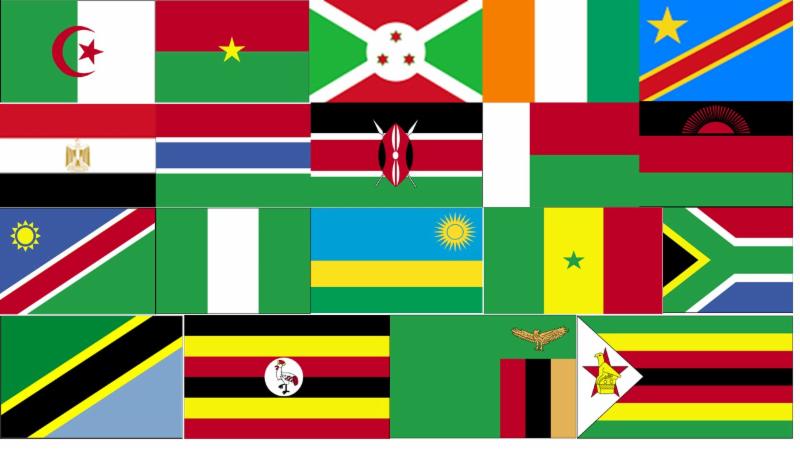
Selected News Source References
|
|
Academic
Algeria
Burkina Faso
Burundi
Cote d’Ivoire
DRC
Egypt
Gambia
Kenya
Madagascar
Malawi
Namibia
Nigeria
Rwanda
Senegal
South Africa
Tanzania
Uganda
Zambia
Zimbabwe
Global/General
USA
|
|
Reproductive Health Professionals Changing Lives
|
|
|
|
|
|
|