Summer Sustainability Series Kicks Off On July 23rd
Join the City of Chula Vista and your fellow community members for an interactive web series on a variety of local sustainability programs and learn how you can incorporate sustainable living tips into your daily life. This new web series will feature experts from the local sustainability movement and will share exciting ideas that will help you help preserve our natural habitats, conserve finite resources, reduce, reuse, repurpose, recycle and more! For more information or to register for the upcoming webinars, check
this
website. Recordings will be updated there after each event. Upcoming sessions include the following:
- July 23: South Bay Summer of Cycling
- July 30: San Diego Community Power, Coming Soon!
- August 6: Reduce Waste, Reduce Your Carbon Footprint
- August 13: Create a Lush NatureScape While Conserving Water
- August 20: Clean Energy @ Home
- August 27: Composting 101 & Other Best Practices for Gardening at Home
- September 10: Going Electric in Chula Vista
- September 17: Food Waste Solutions at Home and in Your Everyday Life
- September 24: Check it out - Sustainability at the Library!
Webinars are free and open to everyone. Just click the link above for all the information and to complete your registration. We hope you can join us!
|
|
2016 Greenhouse Gas Inventory Report Released
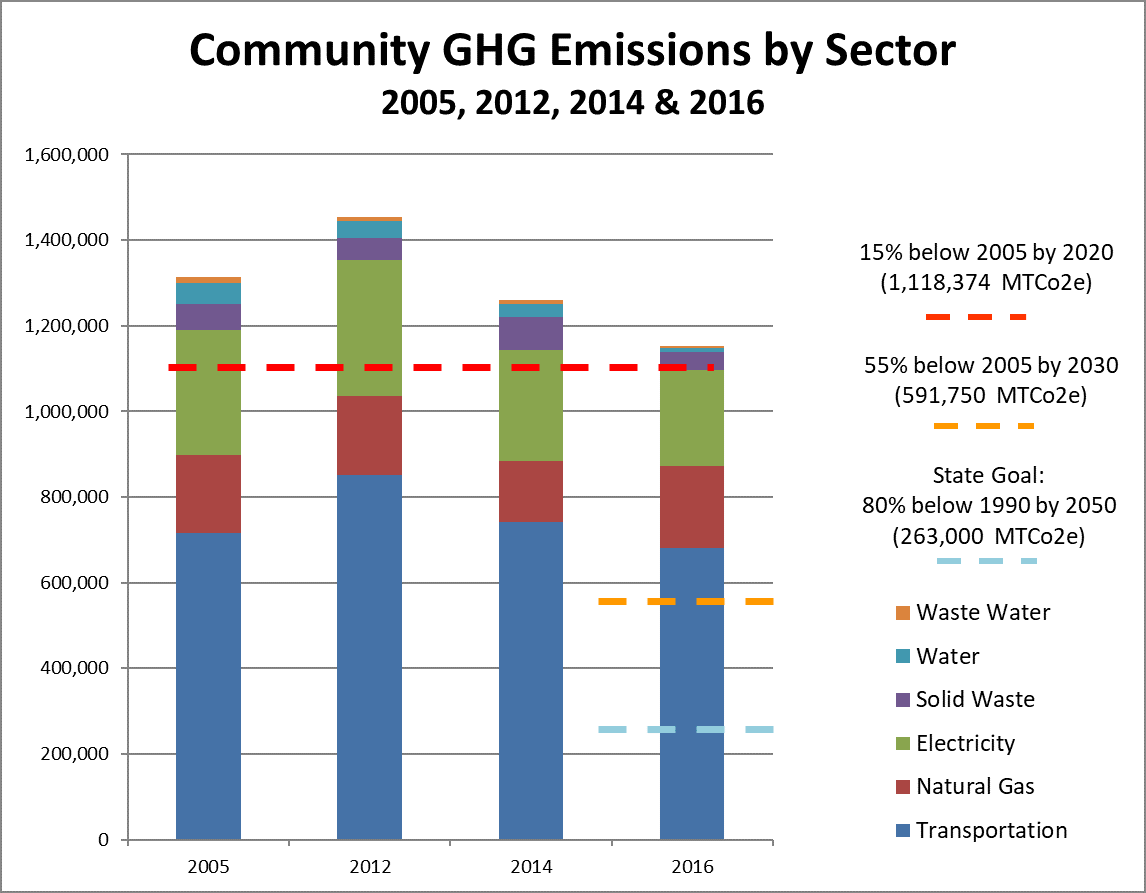
City Council recently adopted the 2016 greenhouse gas (GHG) inventories for both community and municipal actions. The GHG emissions report is part of the City’s climate action planning effort that aims to conduct GHG inventories every two years to track the City’s progress on meeting GHG reduction goals. The municipal report covers the GHG emissions created by City operations, such as from City operated buildings, street and traffic lights, vehicle fleet and waste generated at City facilities. It showed that 2016 municipal emissions continued to decrease and were 69% below their 1990 baseline and 21% below 2014 levels. These reductions come from implementing the City’s Clean Fleet Policy, which prioritizes alternative fuels and hybrid technologies when selecting new vehicles. As of 2016, 31% of the municipal fleet was converted to operate on electricity, propane, compressed natural gas or biodiesel. Additionally, with solar PV systems and LED lighting upgrades the City saved enough energy to offset the annual energy use of more than 500 homes.
|
|
The community inventory covers GHG emissions created within City boundaries, such as from homes and businesses, emissions from vehicles and emissions created from water usage or generation of waste. It showed 2016 emissions were 8% below their 2005 baseline and 12% below 2014 levels. When accounting for the 21% increase in population since 2005, the City’s per capita emissions have decreased 28% since 2005. This builds upon reductions seen in the last inventory in 2014 and brings the City within 3% of reaching the City’s 2020 GHG reduction goal. However, continued reductions are needed to meet the City’s 2030 and 2050 goals of reducing emissions 55% and 80% below 2005 levels. Emission reduction came from cleaner electricity on the grid and cleaner fuels for our vehicles. Vehicle fuels got 10% cleaner, although miles traveled went up by 2% and SDG&E increased the percentage of electricity that comes from clean renewable sources up to 43%, although there was also a significant increase of natural gas emissions that lead to a 3% increase in emissions from building energy usage. To view the full reports, please visit the “Climate” page at
www.chulavistaca.gov/clean.
|
|
Input Needed For The Chula Vista Climate Equity Index Report
The Covid-19 pandemic has shown how crises can impacts different residents differently and the climate crisis is no different. To help better understand this impact to our community the City of Chula Vista will be conducting a Climate Equity Index study and is looking for input from community members. The goal of the study will be to evaluate census tract level data about Chula Vista and find areas of the city most effected by historical inequalities and that are expected to be most impacted by climate change. The City of San Diego has completed a similar effort that can be found here:
www.sandiego.gov/sites/default/files/2019_climate_equity_index_report.pdf
. If you would like to participate in the citizen stakeholder group that meets monthly to helps inform this report please contact
conservation@chulavistaca.gov
or 619-248-7421.
|
|
Small Business Relief During COVID-19 Closures
County officials issued a new public health order that went into effect on July 7, 2020 and will last for three weeks. All indoor business activities are suspended in order to slow down the rate of contagion which applies to: restaurants (curbside pickup is still allowed), bars/breweries/brewpubs that don’t serve food, card rooms, wineries and tasting rooms, family entertainment centers, theaters, indoor zoo activities, indoor museums. There are resources available for small businesses, one of them is Paycheck Protection Program which was extended until August 8, 2020 with $125 billion allocated to it. The City is establishing a $1.5 million-dollar small business grant (Chula Vista CARES). We care about Chula Vista businesses and we are here to help and serve as a resource. Here is the link to the small business association with numerous resources related to COVID 19:
Here is a link to the Chula Vista Chamber of Commerce:
|
|
Local Company Turns Plastic Into Asphalt
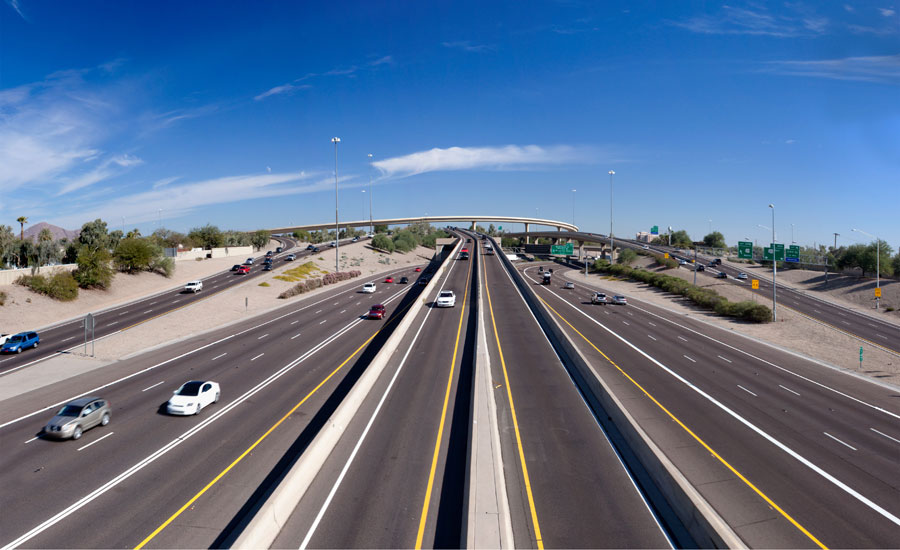
VISTA, Calif. (KGTV) -- California could become the first state in the nation to use recycled plastic as part of its roads and freeways. The state Senate unanimously passed SB 1238, which directs Caltrans to study thae use of plastics in asphalt for construction, or repair of a state highway or road.
"There's no other state in the nation that has more paved roads in California," said Sen. Ben Hueso, who wrote the bill. "So, imagine if California developed the use for a product that it's abundant in … This would be a game changer. This would be a great way to reuse plastic."
That's especially important now, as China has stopped buying recycled materials from the U.S. Prior to 2018, California sent 2/3 of its recyclable materials to China, which has since banned all plastic trash imports. Now, instead of going into the landfill, it could go into California’s roads.
"It would help create jobs in our state. It would help a local contractor that we have in our county, it would help improve the sturdiness of our roads and reduce the maintenance of our roads," said Hueso.
Hueso said he got the idea from a group of students at Bonita Vista High School in Chula Vista. He met with their Progressive Club and Green Club, challenging them to find solutions. The students introduced Hueso to MacReber Southern California, a Vista company that takes plastic and prepares it to be used in asphalt.
"It makes too much sense not to do," said MacReber CEO Rebeca Sparks. "With this technology, we can truly offset our footprint, and not only offset it but be do more than that to be plastic positive."
MacReber takes plastic out of the recycling and landfill chain, and then processes it. The company then sells the plastic to asphalt companies. They use the plastic mix instead of oil when making asphalt. MacReber said in addition to being more environmentally friendly, it also creates a stronger, sturdier road.
"It's going to look feel and move the same as a traditional asphalt," said MacReber President Chris Sparks. "But our product lends to a stronger, longer lasting asphalt road."
Hueso said finding a use like this for all of the plastic waste produced in California is vital to the environment, especially now that China has stopped buying the state's plastic waste. The bill still has to get approval from the state Assembly, and then it would need the governor’s signature to become law.
After that, Caltrans would be responsible for studying and implementing the idea.
|
|
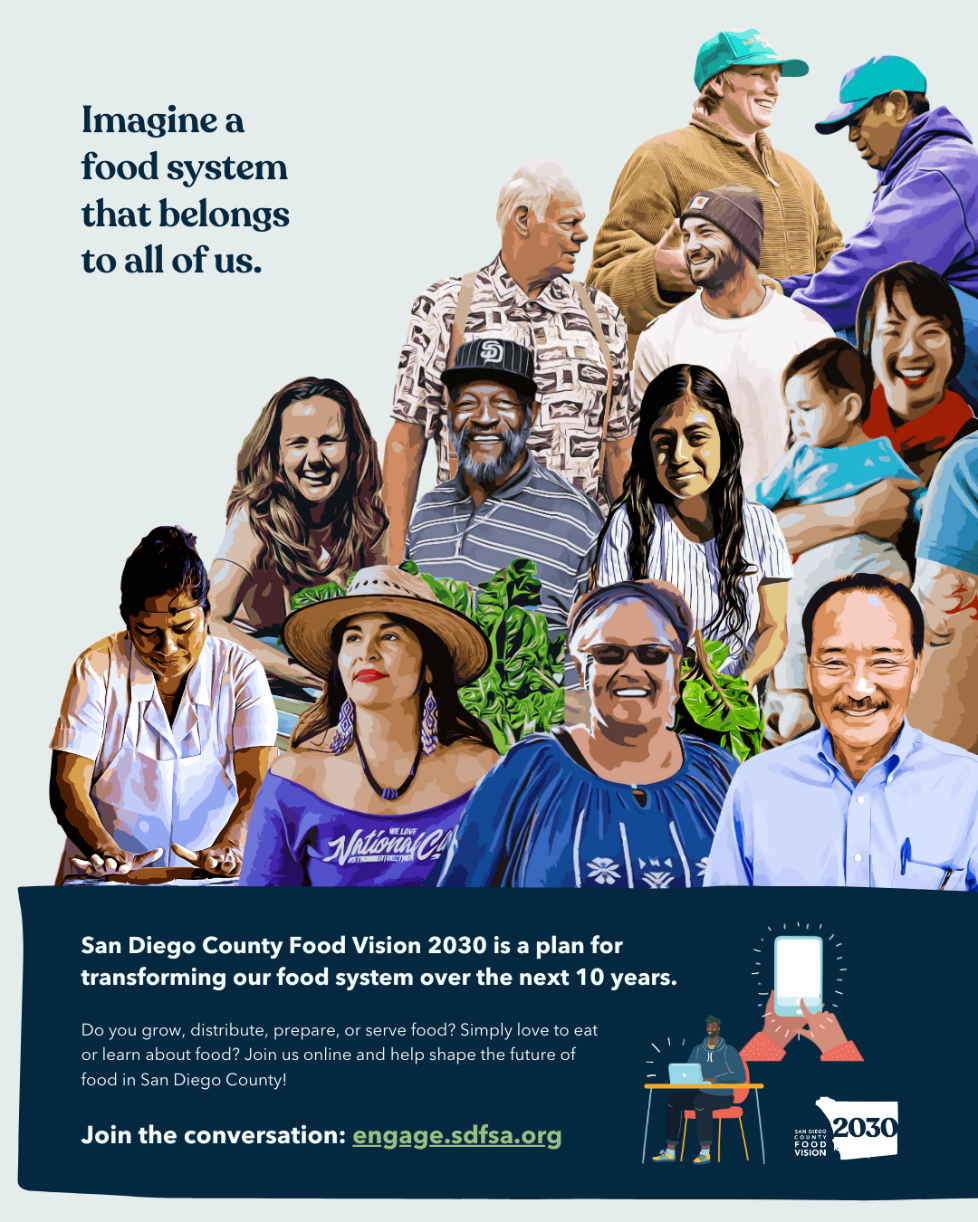
San Diego Food System Alliance Seeks Community Input For Food Vision 2030
The San Diego Food System Alliance is kicking off a digital engagement opportunity to plan for the future of food in San Diego County. This is part of Food Vision 2030, a 10-year strategic plan for moving the region toward a healthier, more sustainable and more just food system.
“We launched Food Vision 2030 with the understanding that the time to reimagine our food system is now,” said Elly Brown, Executive Director of the San Diego Food System Alliance. “There is no question that our current path is unsustainable, and transformations must take root at the community level. We want to incorporate the thoughts and ideas of our community and learn about the issues that are most important to them.”
To ensure broad participation, the Alliance is creating an inclusive process that engages the full community—open to the public and all San Diegans—including people that produce, prepare, distribute, serve, and eat food. “We need to build a shared vision,” says Sona Desai, Associate Director of the San Diego Food System Alliance. “One that includes the voices of all community members, particularly those most affected by current inequities in the food system.”
The online platform will include features like a virtual post-it note wall, short survey, and resources to learn about our food system. The digital engagement opportunity is open to the public now and through the month of July. To engage, please visit engage.sdfsa.org.
Community input will be used to help prioritize food issues, design goals and objectives, and direct resources in a way that meets the needs of all communities in San Diego County.
“The pandemic and recent events highlighting deeply entrenched racial injustices are reinforcing that developing Food Vision 2030 is more important than ever,” says Desai. “The decisions we make about food have a powerful ripple effect in all aspects of society. Changing the way we grow food, move food, share food, and think about food ultimately changes the way we treat the planet and each other.
For more information on the San Diego Food System Alliance and to get involved in Food Vision 2030, visit http://www.sdfsa.org.
|
|
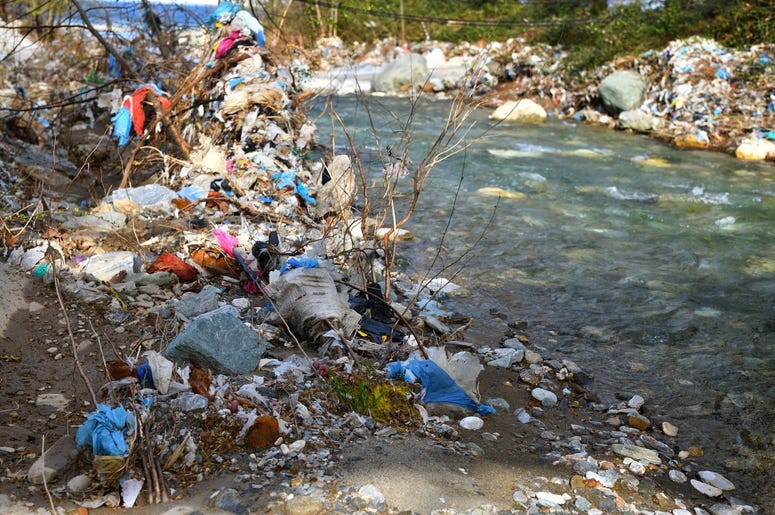
An Explosion In Plastic Production Amid The Pandemic And Beyond
International travel and industrial activity came to a halt with the onset of global lockdowns, causing oil demand and prices to plummet. Since most plastic is made from oil, its falling price has meant the cost of plastic resin production has also dropped, making it cheaper than ever to manufacture new plastic products.
Amid a glut of cheap virgin plastic, petrochemical companies could end up churning out even more to stabilize the demand for crude oil. That would make using recycled plastic material economically difficult and a low demand for recycled plastic causes the recycling industry to have fewer options to thrive. A decline in demand for recycled plastic material would cut into the profit margins of already ailing recycling companies. Lower revenue will delay investments in new plants and technologies and limit how effectively the system can improve recycling rates.
Policies aimed at stopping the flow of some plastics into our lives have also been affected by the pandemic. The British government has pushed back their nationwide ban on single-use plastics from April to October 2020 to ensure supply chains have enough time to source alternative materials for products like straws, stirrers and cotton swabs. If this delay affects a planned implementation of a plastic packaging tax on products with a recycled material content lower than 30%, currently pegged for April 2022, it could threaten the UK's goal to eliminate all plastic waste by 2043.
Many
multinational companies have recently committed to aggressive targets for replacing some of their virgin plastic material with recycled plastic. If these large plastic users keep their commitment it could help maintain investment in the recycling sector. Let’s hope that they do so we can create a true plastics circular economy that benefits us all.
And then there's you… the consumer.
We each drive demand for single-use plastics with our buying habits. Purchasing wisely and checking whether the packaging in the products we buy is recyclable is also extremely important. This will help you opt for recyclable options. Sometimes it is difficult to find your favorite products in recycled-content packaging, so make sure to voice your concern by contacting your preferred brand’s customer service social media accounts.
Reduced demand for non-recyclable plastic packaging and products and better sorting of household waste can collectively lead to a more effective and cost-efficient recycling system. Buying less goods that come with unnecessary plastic packaging and becoming more mindful of how we separate our plastic waste in the home will improve the efforts of local authorities and the recycling industry, and could also improve the odds of meeting ambitious recycling targets on time.
|
|
Have You Been Financially Impacted By COVID-19?
With the coronavirus pandemic causing financial hardships for many individuals and families, you may benefit from one of SDG&E’s assistance programs. You can
apply online
for these bill discount programs, which can save 30% or more off your utility bill. Many people who previously couldn’t take advantage of these income-based programs may now qualify due to lost wages – even if they’re receiving unemployment benefits. These programs include:
- California Alternate Rates for Energy (CARE): Provides a 30% or more discount on your electricity and gas bills. Qualification is based on participation in certain public assistance programs or household income as of today. Apply at sdge.com/CARE.
- Family Electric Rate Assistance (FERA): If a customer doesn’t qualify for CARE, they may qualify for FERA, which provides income-qualified households of three or more with a reduced electric rate (18% discount) on their monthly bill. Learn more at sdge.com/FERA.
- Low-Income Home Energy Assistance Program (LIHEAP): A federally-funded program that provides up to $1,000 to help low-income households with their energy bills. Find details on sdge.com/LIHEAP.
If you’re struggling to pay your utility bill, call SDG&E’s Customer Contact Center at 1-800-411-7343 to learn about flexible payment arrangements or other options available to you. Visit
sdge.com/coronavirus
for updates on the coronavirus pandemic and how SDG&E is helping, and learn more about SDG&E’s assistance programs at
sdge.com/assistance
.
|
|
|
|
|
|
|