CLOSING THE CIRCLE - FALL 2021


HOME | ABOUT | EVENTS CALENDAR | PUBLICATIONS


National Collaborating Centre for Indigenous Health (NCCIH)
3333 University Way, Prince George, BC, Canada, V2N 4Z9
T: (250) 960-5250 | F: (250) 960-5644
nccih@unbc.ca
nccih.ca


Follow the NCCIH on Twitter Like the NCCIH on Facebook Connect to the NCCIH on LinkedIn Watch NCCIH videos on Vimeo Watch NCCIH videos on YouTube Listen to NCCIH on SoundCloud Read NCCIH knowledge resources on ISSUU


Welcome


Tansi and welcome to the National Collaborating Centre for Indigenous Health fall newsletter. The air is cold and crisp on the unceded traditional territories of the Lheidli T’enneh First Nation, where the National Collaborating Centre for Indigenous Health is situated. As we enter into a time of colder weather and flu season, we encourage everyone to stay safe and healthy during the fourth wave of the COVID-19 pandemic.


The NCCIH would like to express our deepest and sincerest gratitude to healthcare workers for their commitment and dedication to providing care throughout the pandemic. We call on communities to once again come together, whether that’s virtually or physically distanced, to acknowledge and celebrate our healthcare workers. We can do this by drumming outside of hospitals, clapping, banging pots and pans and loudly cheering from our balconies.


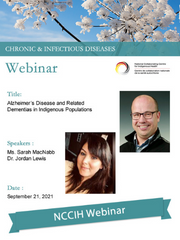
On September 21, we held a webinar on Alzheimer's Disease and Related Dementias in Indigenous Populations for World Alzheimer’s Awareness Day. Presenters Sarah MacNabb and Dr. Jordan P. Lewis helped participants understand the current context and risk factors for Alzheimer's disease and related dementias within Indigenous populations, identify innovative programming and research underway, and explore the development of engagement and education resources for Indigenous Peoples related to Alzheimer's disease and related dementias at the community, national and international levels. This webinar was recorded and is available on our website.


Throughout the early fall months, the NCCIH has participated in a number of virtual events to present our work, share our knowledge resources, and expand our partnerships and collaborations. These include International Meeting on Indigenous Child Health (Virtual, September 10-11, 2021), Child Care Now Town Hall (Virtual, September 14, 2021) and Public Health 2021 (Virtual, October 5-8, 2021).


We are pleased to announce the late Dr. Thomas A. Dignan (1942-2021) will be inducted into the Canadian Medical Hall of Fame in June 2022. Dr. Dignan is recognized for his lifelong dedication to improving the health and well-being of Indigenous Peoples in Canada, creating safe spaces for systemic change, and mentorship. We are thankful for the many years of guidance and support he provided as co-chair of the NCCIH Advisory Committee.


If you are interested in knowing about other publications, please see our visit our web site or subscribe to our mailing list to receive notifications of newly released NCCIH resources, upcoming webinars and our regular seasonal newsletters. Please enjoy and share our knowledge resources with your community and networks, and if you have not already done so, join us on Twitter, Facebook, LinkedIn, Vimeo, YouTube, SoundCloud, or ISSUU to participate in updates as they happen.


On behalf of all the staff at the NCCIH, we hope you stay safe, healthy and we look forward to sharing our work with you.


Meegwetch


Margo Greenwood, Academic Leader
National Collaborating Centre for Indigenous Health (NCCIH)


NCCIH News & Promotions

Healthy Land, Healthy People Collection

The Healthy Land, Healthy People Collection is a selective repository of resources that profiles connections between land and health for Indigenous peoples, and the importance of these connections to attain the best possible health outcomes for First Nations, Inuit, and Métis peoples living in urban, rural, remote and northern communities across Canada.


Indigenous Health Researchers Database

The Indigenous Health Researchers Database is a searchable feature on the NCCIH website. There are currently 387 researchers listed. However, we would like to see that number grow to 500 by the end of 2020. To request edits to an author's entry, or to request to be added to the database, please complete the online form.


Attended Events

Upcoming Events

International Meeting on Indigenous Child Health


Virtual event, September 10-11, 2021.


Conference website link


Public Health 2021


Virtual event, October 5-8, 2021.


Conference website link


NCCIH Webinar - Taking Stock of the Calls to Action on Sport and Reconciliation for First Nations, Inuit and Métis peoples


Virtual event, December 1, 2021.


Zoom webinar registration link


Please visit the online NCCIH calendar of events, which highlights conferences, workshops, and other events of interest in the field of Indigenous Health including regional, national and global listings.


New NCCIH Publication & Resources


Alzheimer’s Disease and Related Dementias in Indigenous Populations


The webinar resources for "Alzheimer’s Disease and Related Dementias in Indigenous Populations" (held September 21, 2021) with presenters Sarah MacNabb and Dr. Jordan P. Lewis are now available online.


Watch on Youtube | Listen on SoundCloud


Alzheimer’s Disease and Related Dementias in Indigenous Populations


Request NCCIH Knowledge Resources


Did you know you can request NCCIH publications free of charge? Send your request to us by filling out the “Request this Publication” form found at the bottom of each online publication page, indicate how many copies you’d like, a note about how you will utilize the resource, your name and mailing address. We will do our best to accommodate your request based on our current available printed inventory. If you have multiple publication requests, please use the “Request Publications” text link found in the top right hand corner of the NCCIH web site.


Do you have a particular NCCIH publication that you or your organization found to be an excellent resource? If so, we would appreciate you letting us know what it was and how you found it useful, by filling out the “Publication Feedback” form. We welcome your feedback.


All NCCIH materials can be reproduced in whole or in part with appropriate attribution and citation. These materials are to be used solely for non-commercial purposes. To measure the impact of these materials, we would appreciate your informing us of their use by filling out the “Publication Use Notification” form, including information about whether you distributed the resource to others, quoted it or cited it.


Online Resources


In support of creating a health community focused on knowledge synthesis, transfer and exchange we have chosen a sampling of current online resources to share. Please note the links provided in the NCCIH newsletters are for general interest only and do not indicate an endorsement. The views expressed in the linked resources do not necessarily represent the views of the NCCIH or our funder the Public Health Agency of Canada.


Send us an email to nccih@unbc.ca with "Online Resource" in the subject line if you have an online resource you would like added to our next newsletter.


National Indigenous Diabetes Association Fall 2021 Newsletter


Indigenous Mentorship Network of the Pacific Northwest (IMN-PN) Newsletter


First Nations Health Authority October Newsletter


Cultural Survival – Decolonize – Returning to Our Ways of Being and Knowing


First Nations Child and Family Caring Society E-news Fall 2021


Canadian Paediatric Society - Vaccine recommendations for children and youth for the 2021/2022 influenza season


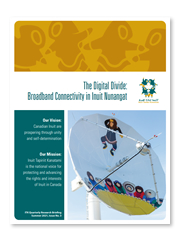
Inuit Tapiriit Kanatami - The Digital Divide: Broadband Connectivity in Inuit Nunangat


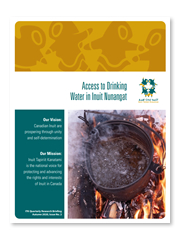
Inuit Tapiriit Kanatami - Access to Drinking Water in Inuit Nunangat


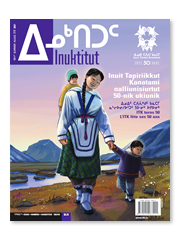
Inuktitut – Issue 128-129


International Journal of Indigenous Health - Educating Medical Students' 'Hearts and Minds': A Humanities-Informed Cultural Immersion Program in Indigenous Experiential Community Learning


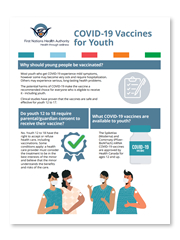
First Nations Health Authority - COVID-19 Vaccines for Youth)


Statistics Canada – The Daily – 4 new publications released


Online Multimedia


This section features infographics, interactives, apps or videos that we found interesting or educational. Please note the links provided in the NCCIH newsletters are for general interest only and do not indicate an endorsement. The views expressed in the linked resources do not necessarily represent the views of the NCCIH or our funder the Public Health Agency of Canada.


Send us an email if you have multimedia resources you would like included in our next newsletter to nccih@unbc.ca with "Multimedia Submission" in the subject line.


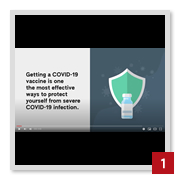
1) See the Public Health Agency of Canada's video The importance of COVID-19 vaccines and how to keep your community safe.


2) Watch First Nations Health Authority’s video "Talk to a Doc Video - Dr. Nel Wieman: Are there different side effects for youth?" on their YouTube channel.


3) See the Assembly of First Nations Alberta ''Treaty 6, 7, & 8 First Nations Youth Covid-19 Video Project: Protect Your Community.''


The NCCs of NCCPH

Established in 2005 and funded through the Public Health Agency of Canada (PHAC), the six National Collaborating Centres (NCCs) for Public Health (NCCPH) work together to promote the use of scientific research and other knowledge to strengthen public health practices, programs and policies in Canada.


A unique knowledge hub, the NCCs identify knowledge gaps, foster networks and provide the public health system with an array of evidence-based resources, multi-media products, and knowledge translation services.


Connect with the NCCs

The NCCs are located across Canada, and each focuses on a different public health priority.


The six centres are:


NCC for Indigenous Health (NCCIH), University of Northern British Columbia, Prince George, BC


NCC for Determinants of Health (NCCDH), St. Francis Xavier University, Antigonish, Nova Scotia


NCC for Healthy Public Policy (NCCHPP), Institut national de sante publique du Quebec (INSPQ), Montreal, Quebec


NCC for Infectious Diseases (NCCID), University of Manitoba, Winnipeg, Manitoba


NCC for Environmental Health (NCCEH), British Columbia Centre for Disease Control, Vancouver, BC


NCC for Methods and Tools (NCCMT), McMaster University, Hamilton, Ontario