It’s summer and everyone is relaxing – except those who have accepted new leadership positions. While others are enjoying the slower pace, you're diving headfirst into planning, building relationships, and preparing your team for the year ahead. This season of transition is filled with excitement, responsibility, and just a little bit of anxiety — but you’re not alone. We’re here to support your leadership journey with tools, insights, and encouragement every step of the way.  


FEATURED CONTENT

Why is instructional leadership so important?


Instructional leadership impacts every stakeholder and provides a critical linchpin for the success of all. The responsibility is tremendous, but when school leaders accept the role of instructional leader, the school community achieves great gains. 

What Fearless Instructional Leaders Do: 

  • Encourage risk taking, innovation, and creativity (Reeves, 2024). 
  • Celebrate teachers as they increase their growth, try new teaching approaches, ask questions, and collaborate to help each other be better. 
  • Plan for intentional data-based training. 
  • Implement faculty meeting learning sessions. 
  • Schedule time for peer collaboration. 
  • Embed growth opportunities such as coaching, mentoring, peer classroom visits, and relevant book studies throughout the school year. 
  • Provide the resources and development teachers need. 


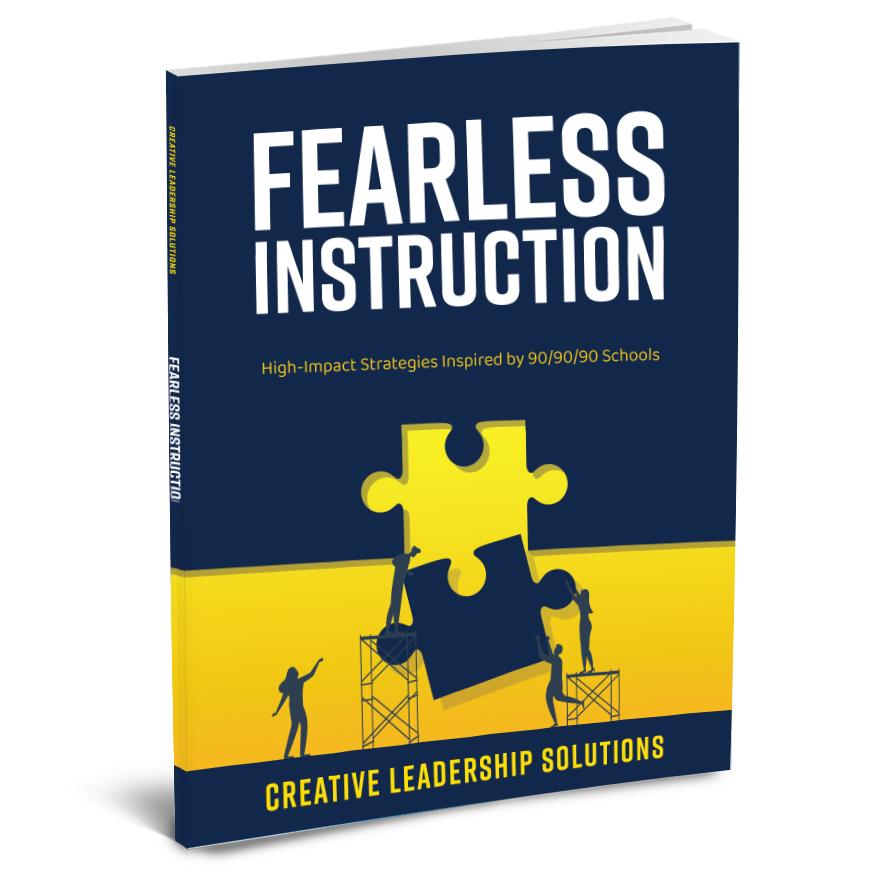
This section is a preview from our upcoming release Fearless Instruction – available July 2025! 


LEADERSHIP COACHING IN ACTION

Do You Want to Be Heard, Helped, or Hugged? 

Coaching Leaders Through the Real Work of School Improvement 


Having served as a principal, I know how lonely school improvement can feel. Even with a strong team, it’s hard to find someone who can both affirm your efforts and push your thinking. That’s why, as a coach, one of the most powerful tools I now use with leaders is a simple question from Charles Duhigg’s Supercommunicators (2024): “Do you want to be heard, helped, or hugged?” This framework (HHH) brings clarity to coaching conversations and matches beautifully with the three supporting roles coaches play.


  • Leaders who need to be heard benefit from coaching.
  • Those who want to be helped need consulting.
  • Those looking to be hugged often seek collaboration and emotional presence.


This year, I worked with one leader wrestling with district alignment, another struggling to build systems, and one who simply wanted feedback on her staff messaging. Each needed something different, and identifying what they needed first made all the difference. 


But identifying emotional needs is only the beginning. Once the type of support is clear, we can begin to diagnose the challenge itself. Harvard’s Adaptive Leadership (2009) model reminds us that some problems are technical, solved with systems and tools, while others are adaptive, requiring shifts in mindset, beliefs, and behavior. A technical issue like tardiness might be solved with a new bell schedule. But an adaptive challenge, like resistance to equity practices, requires relational work and long-term learning. Leaders at every level, including those without formal titles, benefit from naming what kind of challenge they’re facing and what kind of support they need to lead through it. 


To bring this framework into coaching conversations, I rely on targeted questions to help leaders reflect and respond with clarity. Matching the right question to the nature of the challenge creates focus, direction, and confidence. 


For technical challenges: 

  • What system or resource do you already have that could help? 
  • Who has handled this well before, and what can you borrow from them? 
  • What is one concrete step you could take today to move forward? 


For adaptive challenges: 

  • What conversations aren’t happening yet that need to? 
  • Whose perspective is missing here? 
  • What belief or mindset might need to shift for progress to happen? 


You can also make the HHH framework a visible and practical part of your leadership routines. Whether working one-on-one or with a team, these small shifts build relational trust and strategic thinking. 


  • Start coaching sessions by asking: What would feel most helpful today—do you want to be heard, helped, or hugged?” 
  • Use the HHH check-in during Collaborative Learning Teams (CLTs) to humanize the work and open up authentic dialogue to move the work forward. 
  • During planning or problem-solving, pause to ask: “Is this a technical issue or an adaptive challenge?”  This builds intentionality before jumping to solutions. 


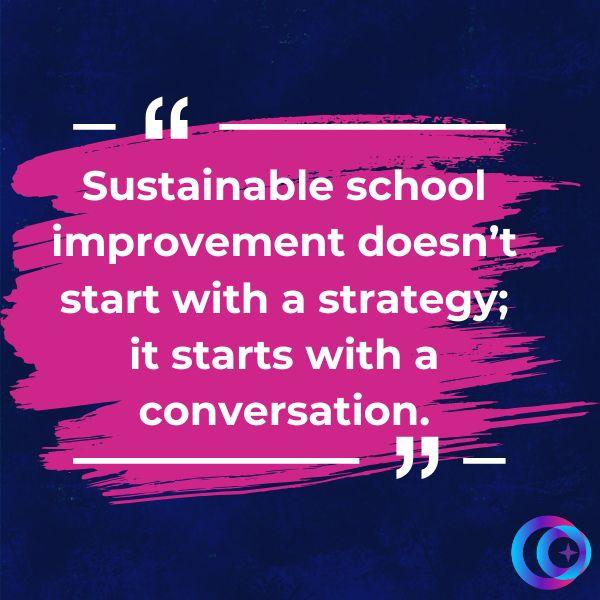
The combination of relational presence and diagnostic thinking is what allows leaders to move from feeling stuck to finding traction. Sustainable school improvement doesn’t start with a strategy; it starts with a conversation. And sometimes, all it takes is one question to unlock the next step forward.  


Whether you’re coaching leaders, building capacity in teams, or navigating your own next step, you don’t need to have all the answers. But you do need a framework that centers on empathy, strategy, and presence. 


Start with this one simple question: 

Do you want to be heard, helped, or hugged? 


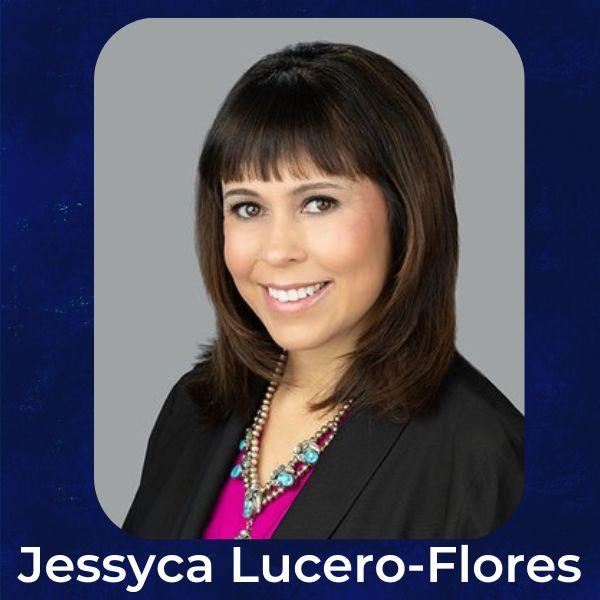
Written by Jessyca Lucero-Florez

Associate at Creative Leadership Solutions

IN THE LEADERSHIP COACHING SPOTLIGHT

How to Begin the Superintendency with Impact


I recently had the privilege of coaching two assistant superintendents to their first superintendency. Do you know what their first order of business was? Choosing the right team—individuals who not only move the work forward but also set the tone for district-wide leadership. 


It’s a powerful and complex question, especially when you are stepping into a community where you are new and unfamiliar with the folks who already call it home. The deeper challenge becomes this: How do you build a team when you don’t know the players, and the district urgently needs a turnaround? 


How do you identify leaders who stay focused on the mission undistracted by politics, drama, and competing agendas? Who has the heart for the work, the head for strategy, and the hands to do the lifting? 


I’ve walked into broken buildings and walked out building believers.  First things first: check your mindset. Turning around a school district isn’t about flashy programs; it’s about faithful people, focused systems, and fierce clarity of purpose. 

Turnaround work isn’t magic; it’s method and message. Here are the three leadership practices that change the game, that any superintendent can adapt with intentionality:


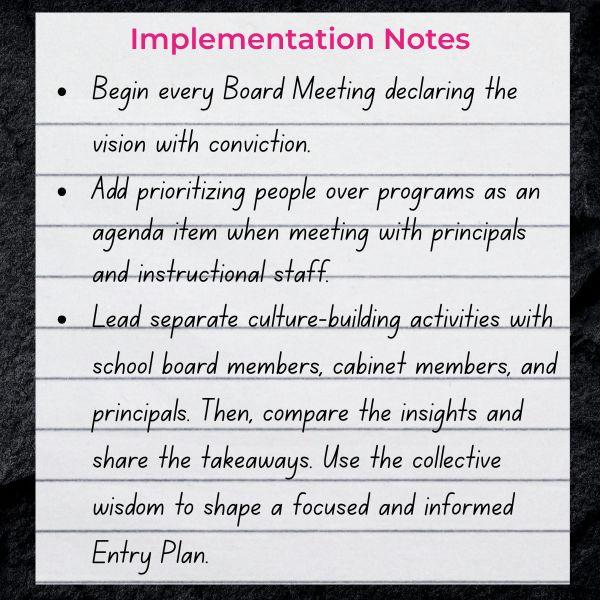
  1. Vision Before Victory: Define the “Why” Clearly, Early, and Often. Every turnaround starts with a crystal-clear vision. Anchor in rituals—Monday Memos, data celebrations, story sharing. Vision should live on websites, walls and in hearts. 
  2. People Over Programs: Build Adult Capacity. Programs are only as strong as the people delivering them. Prioritize instructional leadership coaching, leadership development, and data-driven collaboration. 
  3. Culture Is Curriculum: Establish Systems That Teach What You Believe and Reach Who You Serve. Build a culture that dignifies every student. Use behavior systems that teach, not punish; norms that lift instead of limit.

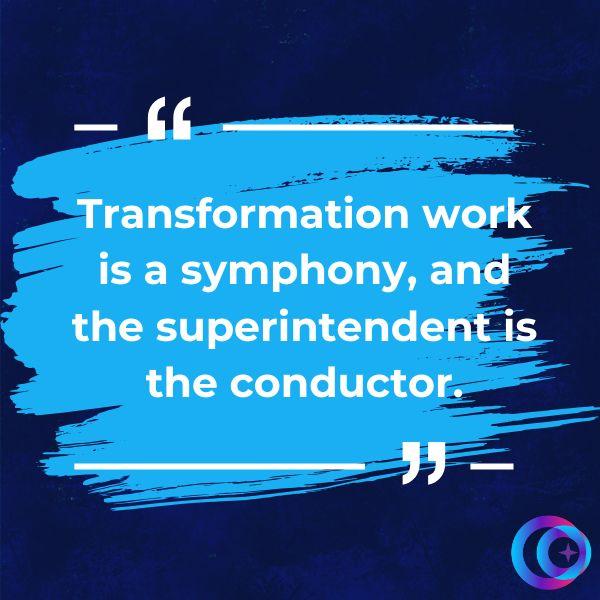
Closing Thought: Transformation work is a symphony, and the superintendent is the conductor. Hand your team the music—and as they play, remind them: every note matters. Harmony happens when everyone understands the score and plays with purpose. 


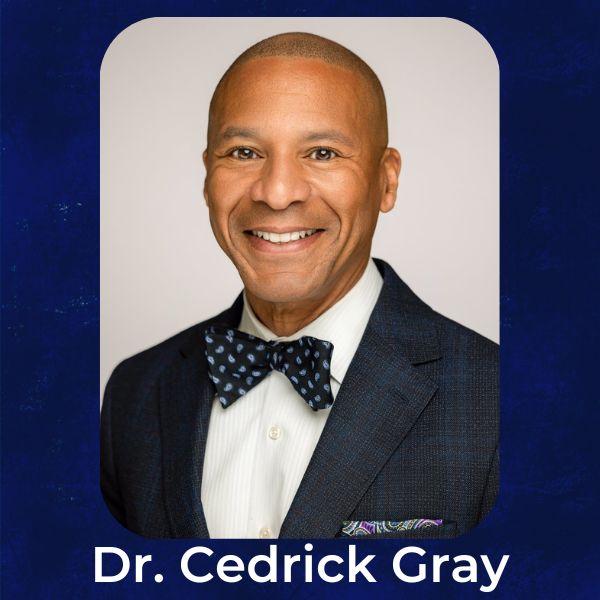
Written by Dr. Cedrick Gray

Associate at Creative Leadership Solutions

Dr. Cedrick Gray is a former principal and superintendent whose focus is developing culturally responsive schools and passion-driven leaders. He most recently served as Director of Education for Shelby County Government where he advised Mayor Lee Harris and county executives on policy and reform efforts related to education in Shelby County. As principal and superintendent, he led successful school and district turnaround efforts. Noted for his inspirational style of leadership, Dr. Gray has delivered keynote and plenary addresses to international audiences. As director, he led several policy initiatives including the County’s first ever joint ordinance with the City of Memphis to provide universal, needs-based Pre-K, established the County’s first ever virtual learning academy for students of County employees, and created a vocational-education program for high school students.

LEARN THROUGH LISTENING

The Fearless Schools Podcast

At The Fearless Schools Podcast, we believe that building bold, thriving schools starts with courageous conversations. Each episode brings you real stories, actionable insights, and strategies to help educators and leaders like you create stronger, more resilient learning communities. 


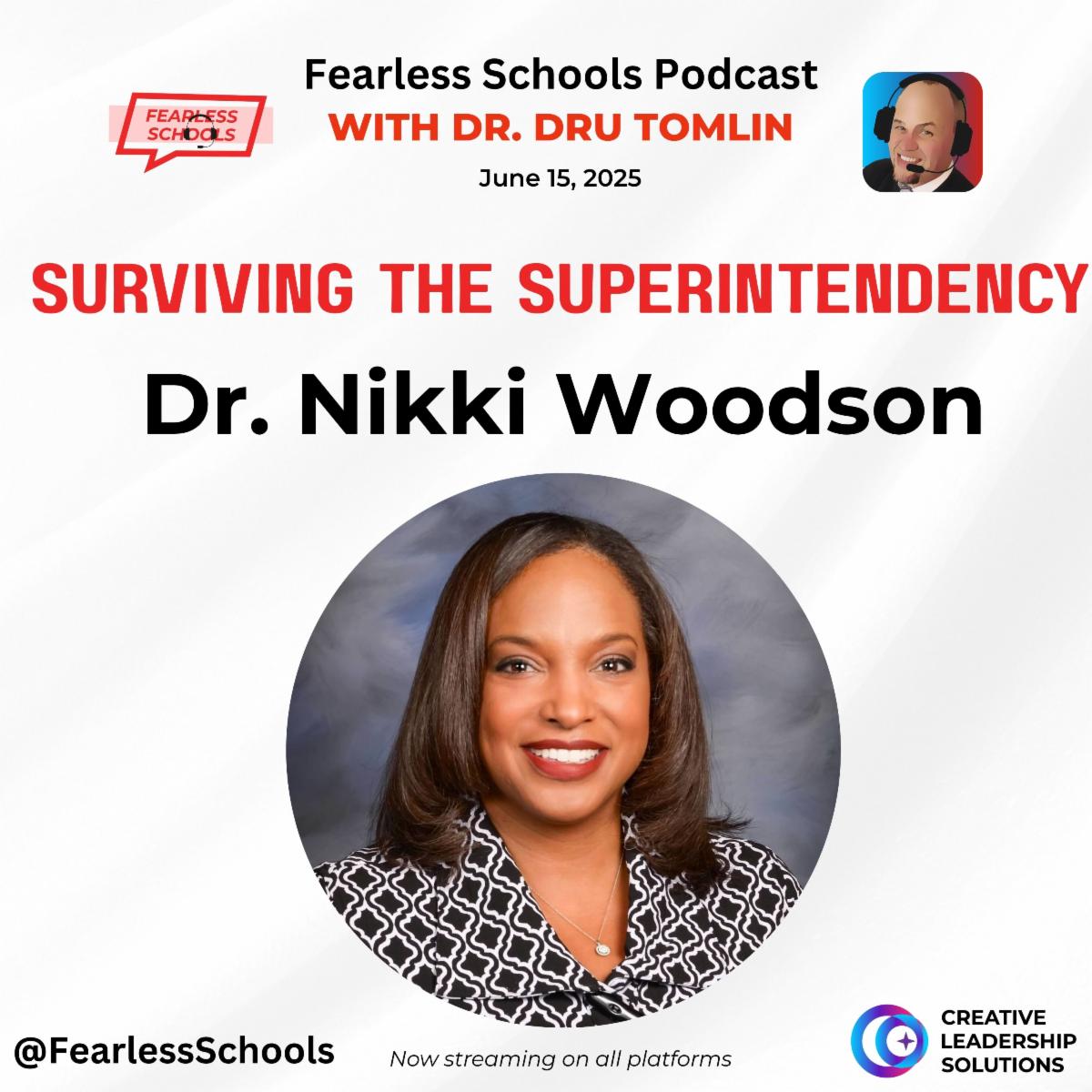
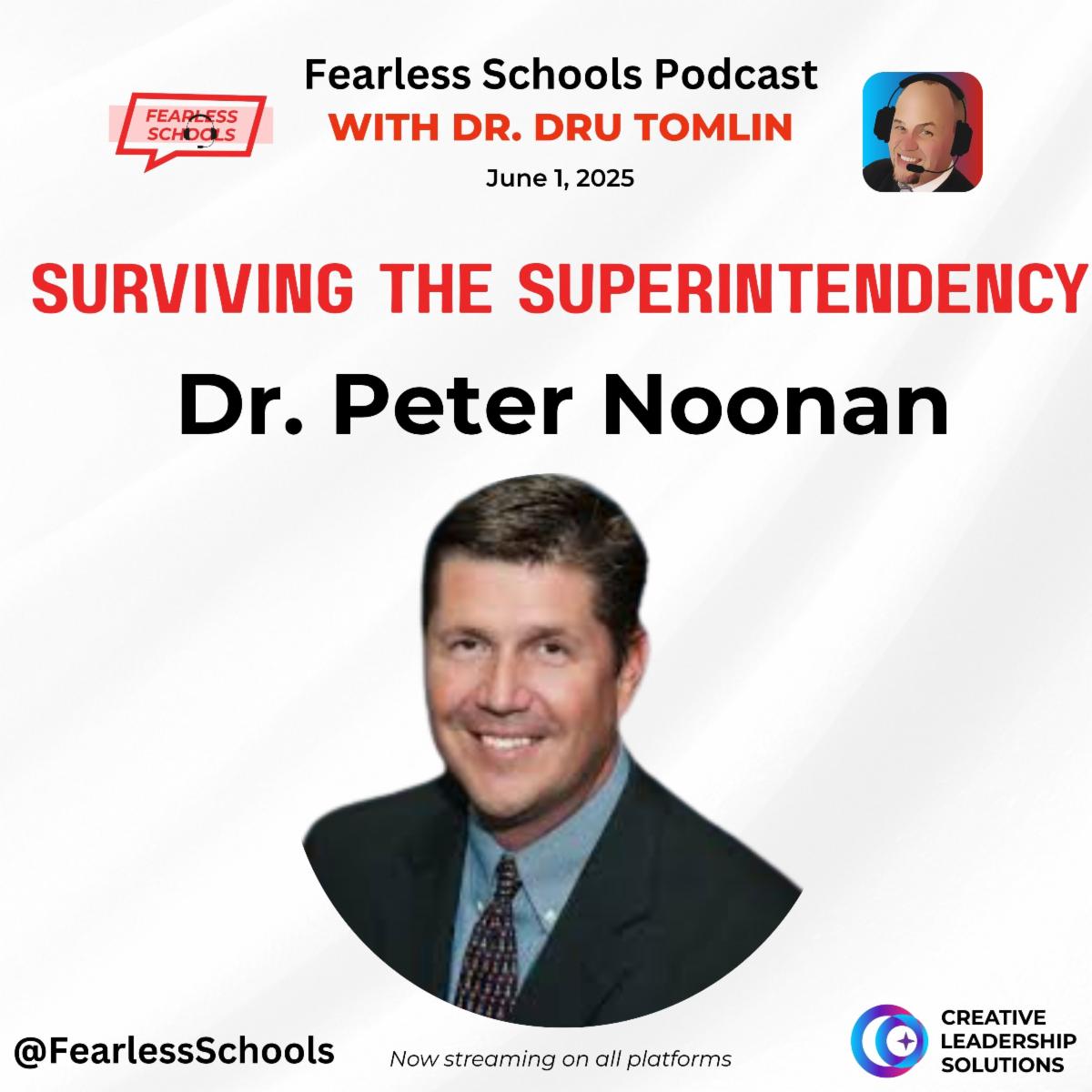
Looking for insights on being a superintendent? Listen to our June series "Surviving the Superintendency Parts 1 & 2.

CLICK HERE TO LISTEN

CLICK HERE TO LISTEN

New episodes drop on the 1st & 15th of every month


Creative Leadership Solutions is a leading provider of research and evidence-based professional development and coaching that helps districts and schools attain their goals, impact student learning, and improve performance. Our team of experts is dedicated to delivering personalized and differentiated learning opportunities. Let’s start a conversation – reach out to us directly at service@creativeleadership.net or 617-952-8542.

Never miss content from CLS by joining our mailing list! Click HERE to join.


Creative Leadership Solutions | Website
X  LinkedIn  Instagram