It’s the push to the end of the year. Big projects, standardized tests, evaluations, and the rush to make it to the finish line! Don’t let issues with grading get in your way. In this edition of the CLS Digest, we are covering all things grading. If you are looking for new ideas or confirmation that you are on the right track you can find it in this edition.

FEATURED CONTENT

Why Grading Reform is Stuck 


The standards movement is now more than two decades old, but the fundamental premise—that students should be evaluated based on their performance rather than comparison—remains mired in controversy. The failure of grading reform is often a self-inflicted wound, with schools succumbing to fads, unnecessary complexity, and silly controversies. When systems chase the latest trend rather than returning to core values like fairness and accuracy, reform efforts stall or backfire.


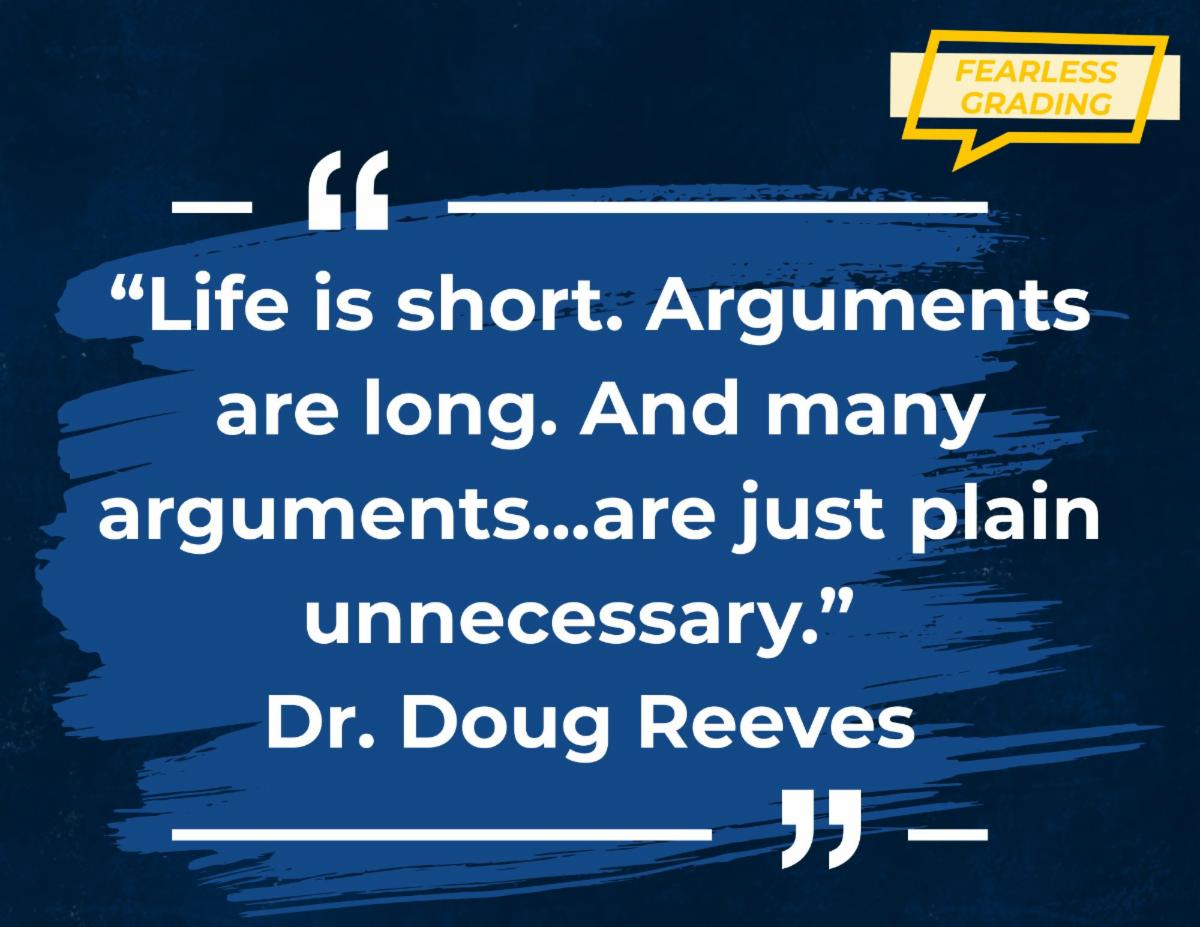
Dr. Douglas Reeves has outlined five ways to get grading reform unstuck. He argues that effective reform starts with values, not rules, and with simplicity, not complexity. Most importantly, it requires courage and the willingness to act even in the absence of perfection. These five insights offer a practical roadmap for educators ready to move beyond debate and toward sustainable change.


What if the real barriers to grading reform aren’t what you think? Click below to explore five powerful shifts that can move your school forward.

Read More

GRADING REFORM IN ACTION

It can be daunting to reform something that strikes a different chord with everyone involved. Teachers, students, and parents all have personal experiences with grading that influence their perspectives. When we tinker with perspectives, it can lead to arguments rather than healthy discussions if we don’t set the stage well. 


When we began the grading reform work in Denair Unified, we got stuck quickly because we were fighting unnecessary fights such as whether to use letters or numbers, whether to continue using a 100-point scale or if giving a zero was “allowed” when students didn’t complete an assignment. It felt overwhelming! 


These three concepts from Fearless Grading helped us to move the conversation forward: 

  1. There are a lot of things that won’t change when we change our grading practices. Students will still earn grades for each course. We will still have report cards, transcripts, and Honor Roll. We will still provide specialized instruction for English learners and students with disabilities. Reassurance that many of our practices won’t change can help people be open to examining one or two areas of change.
  2. Grades are feedback; a way to communicate how well students are doing with the concepts presented. We want to communicate with students and their parents accurately and we want to evaluate student performance fairly. Focusing on those two things – fair and accurate – requires us to rethink how we’ve been doing things and typically gains agreement.
  3. If we want students to improve their performance, we have to give them feedback that is specific and timely. It’s not enough to say, “You didn’t do well on this assignment.” Giving specifics and offering a chance to do something with that feedback helps students know what they need to do differently. Helping students take ownership of their learning is another area of agreement.


We centered our conversations around FAST (Fair, Accurate, Specific, and Timely) feedback as a way to improve outcomes for students, and it became our common WHY. Knowing the why allowed us to move on to the WHAT and the HOW collectively rather than each person holding tightly to their own perspective. 


Did it work? Let's look at the evidence. We measured our F rates in the fall from 2021-2024!

Fall 2021 - 36%

Fall 2022 - 12%

Fall 2023 - 16%

Fall 2024- 5%


Students expect FAST feedback and will name the teachers who give the best feedback. Parents report that their children can clearly tell them what is needed to improve their work or earn a particular score. Teachers are more focused in both their instruction and grading, and collaboration is much easier when we all speak the same language. 


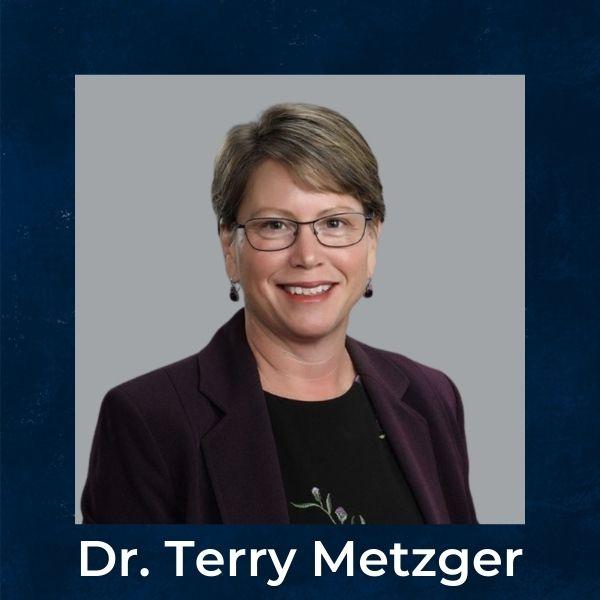
Written by Dr. Terry Metzger

Superintendent of Denair Unified School District in Denair, CA

IN THE GRADING SPOTLIGHT

Chasing Points or Chasing Learning:

A Shift in Focus

"How many points is this worth?"

"Are you going to grade this?"

"Can I do something for extra credit?"


These were questions I repeatedly heard from my students. Maybe you’ve heard them too. They weren’t trying to be difficult. They were just doing what they had been conditioned to do – to use points to understand the value of their work. Somewhere along the way, we unintentionally taught students that success in school was more about collecting points than learning. Of course, that was never our goal. But when points and grades become the focus of our conversations with students, the importance of learning becomes secondary.


During a meeting, a group of teachers reflected on new grading practices they experimented with this year, sharing how things were going. After a brief pause, one teacher spoke up. "I'll share," he said, "but I'm not sure if it's been successful."


He explained that he shifted from using varying point totals for assignments and assessments to using a 1-5 scale. As a result, the overall number of points shown in the gradebook was much lower than in previous years, and that difference was making him a little uneasy. I asked him to describe how he was using the scale.


He explained that each task had clearly defined success criteria, and students earned scores based on how well they met them. After he finished, he slightly shrugged and added, “But I just don’t know if it’s working.” 


I asked, “Do you feel like the grades your students are earning reflect their learning?” He paused and said, “Yes.” He continued with sharing that there were fewer A’s than in previous years—and, interestingly, no F’s at all. 


I asked again, “Do you think these grades are an accurate depiction of student learning?” With more confidence this time, he said, “Yes.” 


Our conversation continued as the group looked more closely at the grading practices they used. The list was long and varied, and how they were used was compared. 

  • Weighted averages 
  • Curved scores 
  • Dropping the lowest test 
  • Participation points 
  • How to handle missing or late work 
  • Make-up opportunities 


It became clear that no two teachers at the table used the same approach to determine the grades students received in their courses. As I listened, I couldn’t help but reflect on a powerful question that surfaced: Do we want to frame grades as a collection of points, or do we want grades to be a reflection of learning?


When students focus on earning points, their motivation is often centered on compliance, doing the minimum, or boosting their grade rather than truly understanding what is being taught. When we shift the focus to learning, something more meaningful can happen. 

  • Curiosity is sparked. 
  • Persistence increases. 
  • Students take ownership of their growth. 
  • Learning becomes the goal, not just the grade. 


What if we could get our students to chase learning instead of chasing points? Chasing learning is far more powerful and lasting than chasing points. Learning goes beyond the classroom and school walls. After all, points disappear after a course ends, but what students learn and how they learn stay with them for life. 


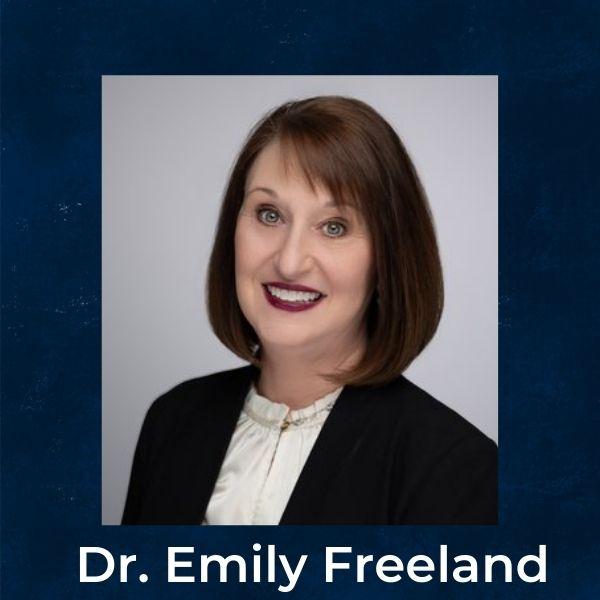
Written by Dr. Emily Freeland

Dr. Emily Freeland’s 29 years of experience includes administrative positions at the state, district, and school levels, as well as teaching science. Her work focuses on school turnaround principles, the effective use of data, closing achievement gaps, and increasing graduation rates. She has also worked with curriculum and assessment development, new teacher mentoring, at-risk programs, credit recovery, and instructional design.

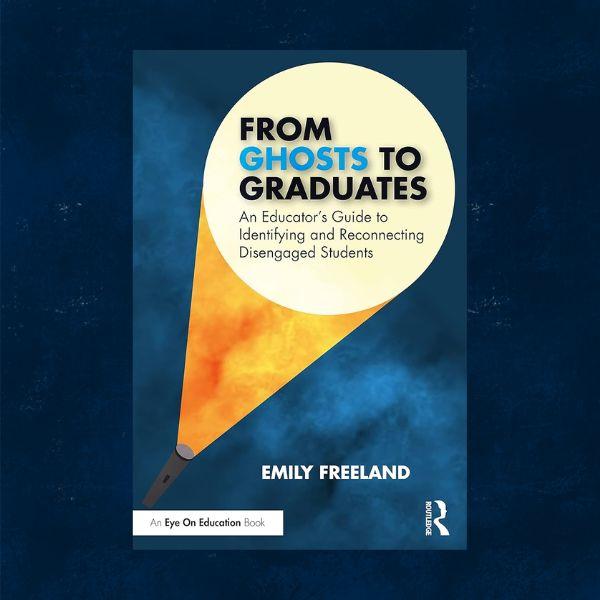
From Ghosts to Graduates is a timely resource that addresses the root causes of student disengagement after years of disrupted learning, helping educators reconnect with students who have become "ghosts" in the system. Grounded in research and filled with practical strategies, the book offers tools to identify, re-engage, and support students—changing the trajectory from dropout to diploma.

Order Your Copy

LEARN THROUGH LISTENING

The Fearless Schools Podcast

At The Fearless Schools Podcast, we believe that building bold, thriving schools starts with courageous conversations. Each episode brings you real stories, actionable insights, and strategies to help educators and leaders like you create stronger, more resilient learning communities. 

Ready to start your grading journey with confidence and inspire lasting change? Explore our grading episodes below! 

New episodes drop on the 1st & 15th of every month

Creative Leadership Solutions is a leading provider of research and evidence-based professional development and coaching that helps districts and schools attain their goals, impact student learning, and improve performance. Our team of experts is dedicated to delivering personalized and differentiated learning opportunities. Let’s start a conversation – reach out to us directly at service@creativeleadership.net or 617-952-8542.

Click Here to Learn About Our Grading Services

Creative Leadership Solutions | Website

X  LinkedIn  Instagram