In this November edition of the CLS Newsletter, we highlight the theme of gratitude. As the year draws to a close, we pause to reflect on the people, partnerships, and moments that have shaped our work. Gratitude is more than a feeling; it is a practice that strengthens our schools, our teams, and our leadership.  


This month, CLS CEO Lisa Almeida and field expert Jonelle Massey, share strategies for practicing gratitude and exploring its benefits both seen and unseen. We also extend our appreciation to our own CLS authors who are contributing to the field with their recent publications.


FEATURED CONTENT

The Deeper Levels of Thankfulness 


Dear CLS followers, family, colleagues, and friends, 

November is the time of year when thankfulness and gratitude are common languages that translate into action. Life is busy, and by the time November arrives, the year is almost at a close. 


I would like to thank everyone who is part of the Creative Leadership Solutions network, including my colleagues, family, business partners, and the thousands who follow and support our work.  

2025 has been a year of impact and growth. We have engaged in meaningful client partnerships, supported schools with scheduling and teacher team coaching, and expanded professional collaboration with colleagues contributing to Research Wednesday and the monthly newsletters. 2025 also marked the launch of the Fearless Schools Podcast featuring inspiring guests such as John Hattie, Anthony Muhammad, Michael Fullan, Principal Clinkscale, and Principal Kafele. In October, we launched the new CLS logo- a symbol of our momentum that will launch us into the next decade of K-12 education.  


At CLS, we model our thankfulness through action. We begin with Depth of Knowledge Level 1 (DOK 1), which involves recognizing the people and moments that make our lives brighter. It’s the quick “thank you” or the mental note of appreciation that grounds us in the present.  


CLS also strives for the deepest level, DOK 4, where gratitude becomes a creative and sustaining force. At this level, our appreciation moves beyond words and turns into action by designing habits and rituals that keep appreciation alive through handwritten notes, community service, and matching donations to nonprofits. We also give back to communities, to colleagues, and to clients (e.g., scholarship and fundraiser donations). Each act of giving, whether to community, colleagues, or clients grounds us in our values and keeps gratitude alive. 


May the upcoming breaks provide you with unscheduled time. Take a moment to enjoy a well-deserved rest as you refill your cup for 2026.  


Best, 

Lisa Almeida 

Chief Executive Officer 


GRATITUDE IN ACTION

Gratitude In Action: From Blessing to Contributions


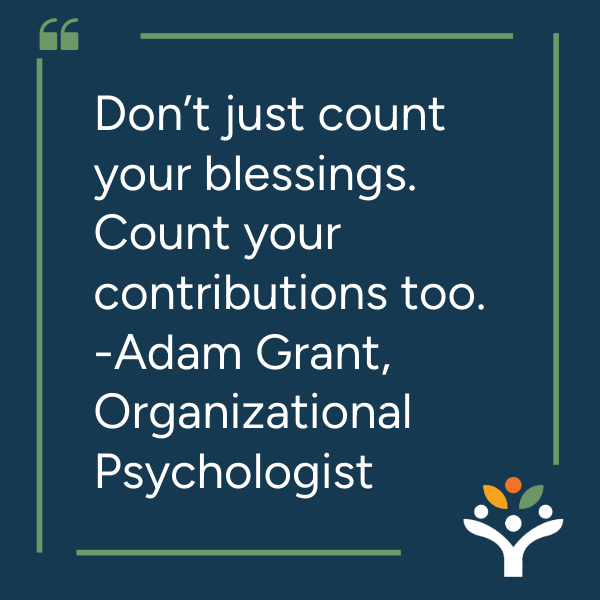
Dr. Adam Grant’s research shows that people who reflect on what they give, rather than only what they receive, voluntarily contribute more time and energy to others. This shift transforms gratitude from a feeling into a practice. 


As educators, we often express gratitude for: 

  • Moments of impact – When a student finally “gets it” or feels seen. 
  • The power of influence –The daily chance to shape knowledge & confidence. 
  • Growth through challenge – The difficult days that quietly build patience and grit. 
  • The ripple effect – Knowing our influence often reaches further than we’ll ever see. 
  • Collegial support – Fellow educators who remind us that we are not alone. 
  • Curiosity of students – The questions that keep classrooms alive. 
  • Community trust –Families who entrust us with their children’s learning & well-being. 
  • And yes....BREAKS to rest, reset, and enjoy family. 


When you look closely at this list of gratitude, many of these aren’t just blessings on the receiving end, but our own contributions to student success. Educators are already ahead of the curve when it comes to counting what we receive and give. 


Similar to Grant’s work on gratitude, Dr. Robert Emmons’ research shows that in moments of difficulty, focusing on what we can give and appreciate helps reframe stress and sustain optimism to do more. 


A Story of Gratitude in Action 

As a mental health and educational consultant, I began developing a mentoring program for high school student-athletes. My goal was to help them become stronger leaders and learn to manage stress and parental pressures in healthier ways. I wanted them to have someone who validated and understood their struggles but also encouraged resilience and healthy decision making as leaders in the hallways and classrooms, not just on the court and field. 


So, I created a program that paired college athletes with high school athletes through virtual mentoring. Each mentor acted as a therapeutic support system, a steady voice of encouragement and perspective. To make sure mentors were well equipped to provide impactful and appropriate care, each college mentor was assigned a clinical supervisor, a licensed counselor they could turn to if a mentee’s needs went beyond their scope. 


Halfway through the nine-week program, we held what was meant to be a simple logistical meeting between supervisors and mentors. Instead, it became a moving example of gratitude in action. 


One by one, mentors shared how grateful they were for the supervisors’ guidance and for having someone who supported them, while having the opportunity to be a listening ear for their mentee.  They described how those check-ins helped them process their own stress and stay grounded while supporting others. 


In that moment, I realized gratitude had quietly woven itself through the program’s generational layers of mentorship and support. 

  • High school athletes were grateful for their mentors. 
  • College athlete mentors were grateful for their supervisors. 
  • Supervisors were honored to serve such humble, grateful, and successful college athletes. 

And I, as the consultant, was grateful to witness this chain of care unfold. 


What started as a leadership and wellness initiative for high school students evolved into something deeper; a living example of how gratitude multiplies when people are given space to both give and receive. 


I am grateful to leverage my experiences as a former Division I athlete, college coach, and Division I coach’s wife, combined with over 20 years in school and clinical counseling to foster positive cultural change within high school athletics. My work focuses on strengthening

mental health and relationships among parents and coaches, ensuring that athletic programs contribute to a healthier, more connected school community. And gratitude has been a driving force behind this work!  


Ways to Make Gratitude an Action 

  • Create spaces where gratitude is exchanged, not just expressed.  
  • Gratitude Check-Ins: Identify “Who or what supported you this week.” 
  • Contribution Journals: Inspired by Adam Grant: List three ways you contributed to someone’s well-being. 
  • Pass It On – When you receive gratitude, pay it forward. 


When we put gratitude into motion, we don’t just feel better, we make things better for others.  


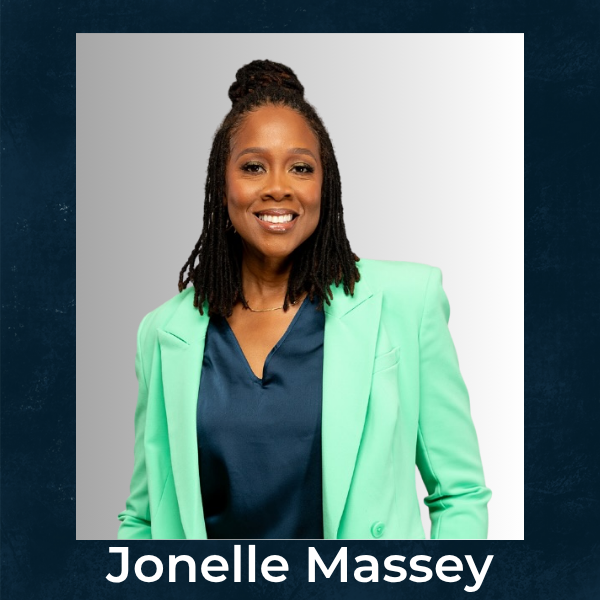
Written by Jonelle Massey, Nationally Board-Certified School Counselor & Licensed Mental Health Therapist and Associate at Creative Leadership Solutions

IN THE GRATITUDE SPOTLIGHT

CLS Associates have been busy writers this fall, and we are grateful for their contributions to the field. In this newsletter, we take a moment to highlight several of the latest resources our Associates have shared.

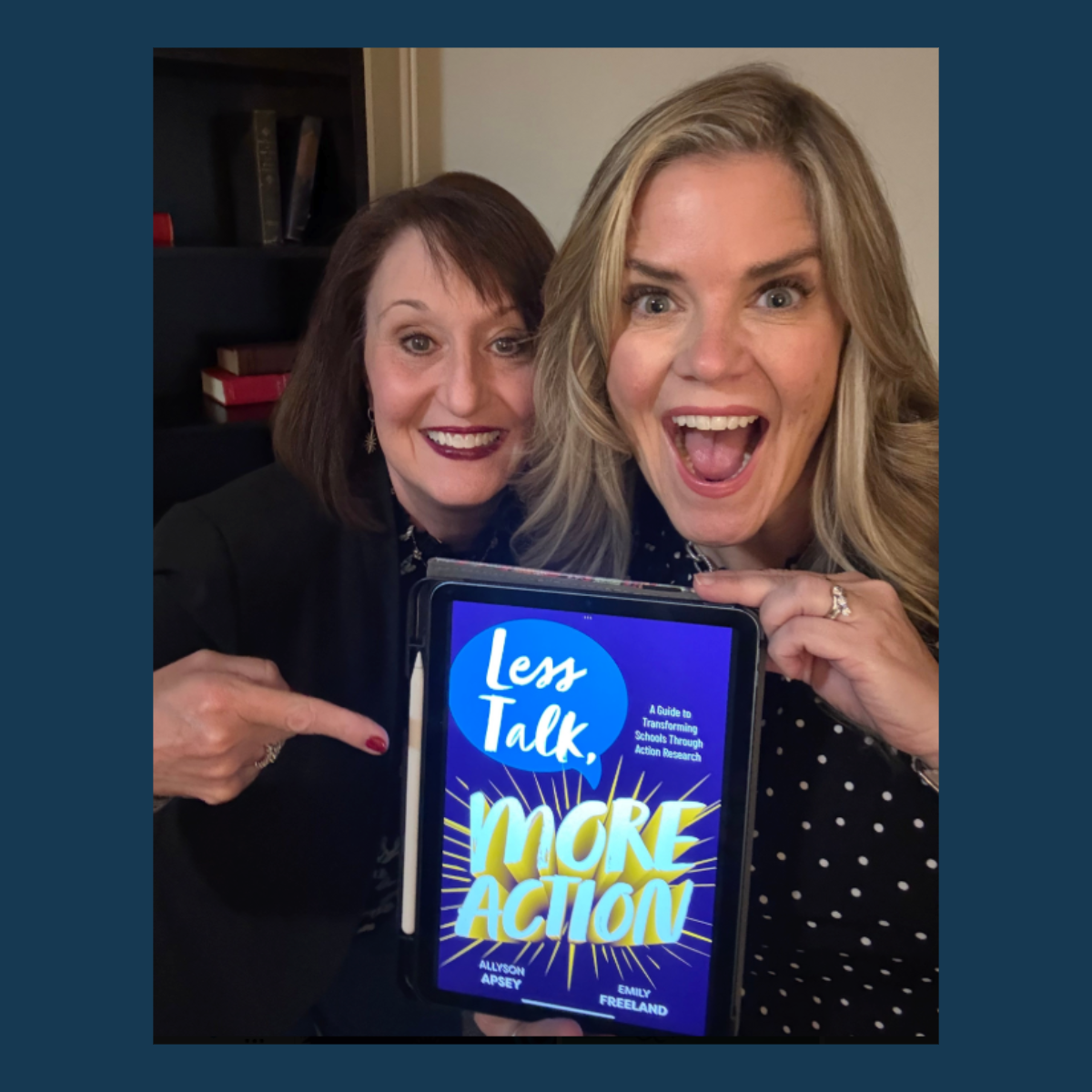
Less Talk, More Action

Allyson Apsey & Emily Freeland


As educators, we are natural problem-solvers who are always reflecting on what is best for our students. What if we could turn that reflection into real change? That is what Action Research is all about: taking a challenge, trying something new, and learning from what happens next. It is a simple, empowering way to bring curiosity, creativity, and courage into our classrooms so every student can grow right along with us.


Order Less Talk, More Action HERE


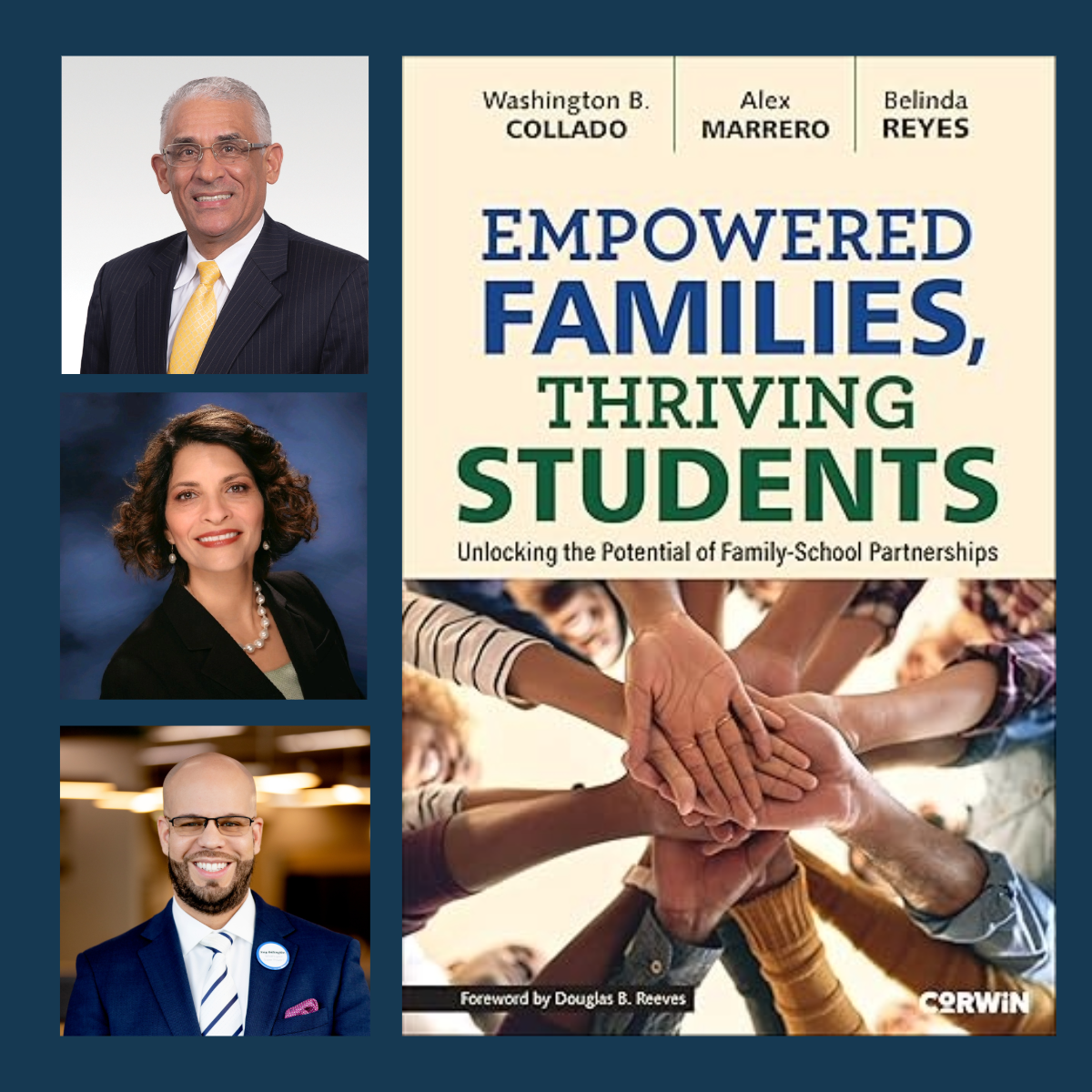
Empowered Families, Thriving Students: Unlocking the Potential of Family-School Partnerships 

Washington Collado, Alex Marrero, and Belinda Reyes


Family engagement is the foundation of student success. Empowered Families, Thriving Students invites educators to move beyond traditional involvement and build partnerships grounded in trust, equity, and shared purpose. With real stories and practical strategies, this guide shows how true collaboration between schools and families helps every student thrive.


Order Empower Families, Thriving Students HERE.


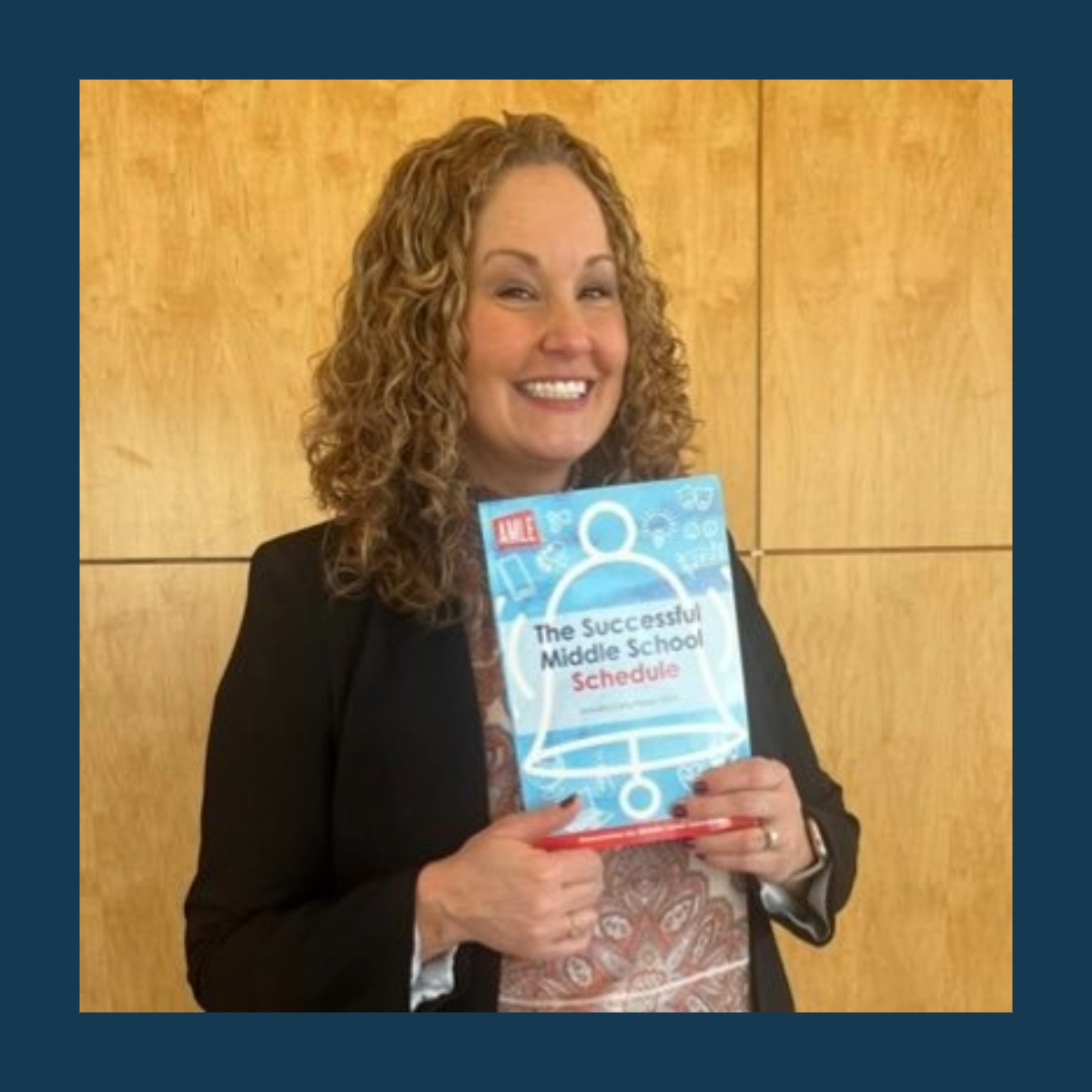
The Successful Middle School Schedule Second Edition

Ann McCarty Perez


The Successful Middle School Schedule, Second Edition builds on the original’s practical, student-centered strategies for making time work for learning. This updated edition introduces new insights, tools, and examples that highlight the vital role of leadership in creating responsive, data-informed schedules that serve both students and staff. It invites school leaders to rethink how every minute of the day is used and to sustain meaningful, measurable improvement through intentional reflection and action.


Order The Successful Middle School Schedule 2nd Edition HERE.

LEARN THROUGH LISTENING

The Fearless Schools Podcast

At The Fearless Schools Podcast, we believe that building bold, thriving schools starts with courageous conversations. Each episode brings you real stories, actionable insights, and strategies to help educators and leaders like you create stronger, more resilient learning communities. 

Creative Leadership Solutions is a leading provider of research and evidence-based professional development and coaching that helps districts and schools attain their goals, impact student learning, and improve performance. Our team of experts is dedicated to delivering personalized and differentiated learning opportunities. Let’s start a conversation - contact us at service@creativeleadership.net.


Creative Leadership Solutions | Website
X  LinkedIn  Instagram