|
Welcome to the latest CMHIS Community Connect newsletter, your bimonthly source for tools, insights, and opportunities to strengthen mental health practices.
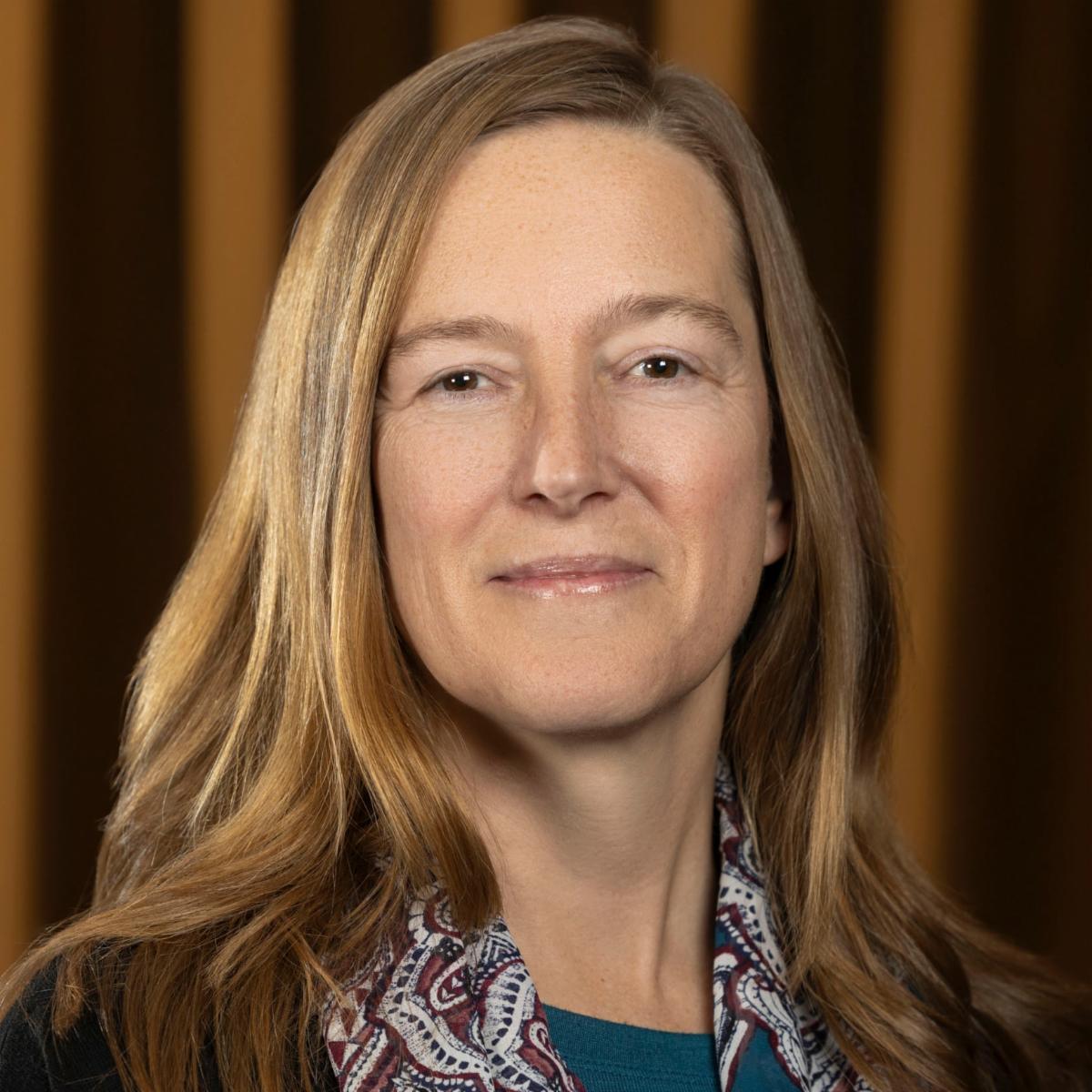
In this issue, you’ll hear from Heather Gotham, CMHIS director, on Measurement-Based Care (MBC), one of the CMHIS core topics. You’ll also find resources to deepen your work, including a new resource and an upcoming learning session on MBC, a spotlight on the Midwest Hub’s NIATx Change Leader Academy, and highlights from our partners’ recent initiatives.
Each edition is designed to bring you practical strategies and real-world examples to support implementation in your setting. As always, remember you’re part of a connected community advancing accessible, effective care. CMHIS is here to help chart the course and keep you moving forward.
| | Thoughts from our Director | | |
Dear colleagues,
This newsletter focuses on one of our eight core topics: Measurement-Based Care (MBC). From our website: “MBC takes a clinical approach to using regularly collected, patient-reported outcome measures to monitor progress and guide treatment decisions. These data track how a patient is responding to treatment and allow treatment to be adjusted for individuals who are not getting better. MBC helps clinicians and patients make informed decisions together, adjusting treatments based on real-time data to improve outcomes.”
MBC is often designed to use standardized patient-reported outcome measures (PROMs) that foster client engagement and can be implemented with limited technology infrastructure.
Although research shows that MBC can help improve patient outcomes and reduce dropout rates and cancellations, it is not frequently implemented in community mental health settings. Our CMHIS MBC Workgroup has curated a webpage and small set of impactful resources to help you get started on your MBC journey, including a vetted national repository of PROMs. Your CMHIS bi-regional Hub can also provide tailored support to help you navigate challenges to implementing MBC.
| | Understanding Measurement-Based Care: How It Differs from Program Evaluation and Continuous Quality Improvement | |
Measurement-Based Care (MBC), Program Evaluation, and Continuous Quality Improvement (CQI) rely on data to inform decisions and improve outcomes. Each process involves ongoing assessment and adjustment based on findings, but they differ in scope and application.
While outcome measures collected as part of MBC can be used for secondary purposes, the primary goal of MBC is to enhance person-centered care. This brief resource can help you navigate the differences between MBC, Program Evaluation and CQI, and offers cautions and recommendations for using data collected through MBC for other purposes.
| | At CMHIS, all of our learning opportunities and resources are free. | | Foundations of Measurement-Based Care | | The East Coast Hub is offering a virtual learning session designed for behavioral health leaders, administrators, implementers, and clinicians who want to strengthen their use of data to guide care. This one-hour session is open to system leaders, implementation leads, and frontline clinicians at the beginner to intermediate level who are interested in improving clinical decision-making and patient outcomes. | | | When: Sept. 18, 3-4 p.m. ET | | Midwest Hub: NIATx Change Leader Academy | | The Midwest Hub recently hosted the NIATx Change Leader Academy, a virtual training series open to behavioral health organizations nationwide. The academy has given thousands of organizations tools to make real changes that improve systems of care. | | | |
This interactive, expert-led program included four weekly 90-minute learning sessions designed to equip leaders, implementers and frontline staff with tools to improve systems of care through the proven NIATx process improvement model.
Over the course of four sessions, participants learned how to:
- Apply NIATx principles to motivate positive organizational change
- Build and lead effective change teams
- Integrate NIATx practices across programs and services
- Lead targeted change projects to improve specific processes in their settings
An optional organizational consultation was also available, giving participants the opportunity to put what they learned into practice with tailored support.
The program emphasized practical, actionable strategies that can be adapted across diverse behavioral health contexts. While this series has concluded, future opportunities from the Midwest Hub will continue to highlight evidence-based approaches that strengthen systems and improve care delivery. Check the Midwest Hub page for more information.
| | CMHIS, Kentucky Leaders Share Insights on System Support | | |
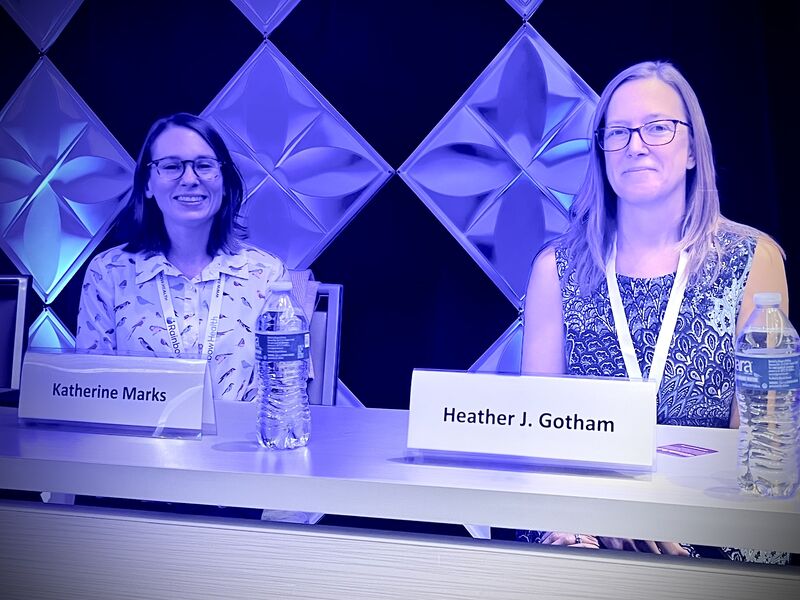
CMHIS Director Dr. Heather Gotham presented alongside Dr. Katherine Marks, commissioner of the Kentucky Department for Behavioral Health, Developmental and Intellectual Disabilities (DBHDID), at the 2025 annual meeting of the National Association of State Mental Health Program Directors (NASMHPD). Gotham shared information about CMHIS and the support it provides, while Marks described her experience bringing implementation science to her department and partnering with the East Coast Hub to support her staff within the Kentucky DBHDID.
The NASMHPD annual meeting is a national gathering of state mental health commissioners and their executive teams working to improve mental health systems across the country. Thank you to Gotham and Marks for highlighting an example of how we partner with organizations and systems to improve care.
| | Resource and eMpowerment Technical Assistance Center to Host Wellness Summit | | The Resource and eMpowerment Technical Assistance Center will host its first, free virtual Wellness Summit, “Stronger Together: Seasons of Strength,” from 10 a.m. to 2 p.m. CT on Wednesday, Sept. 24, 2025. The summit will bring together behavioral health professionals serving refugees, migrants, newcomers, and asylum seekers to explore trauma-informed, culturally responsive strategies that strengthen resilience. | | | Keynote speaker John “Jake” Edward Epperly, CSADC, an addiction treatment leader and international recovery advocate, will share insights from his trauma-informed, mission-driven work around the world. | | Implementation Science Corner | | PROMs—What Are They and How Do We Use Them? | |
As noted above, organizations implementing MBC are encouraged to use patient-reported outcome measures (PROMs). These measures should be brief, easy to collect, validated and sensitive to change. PROMs can measure symptoms, typically for a particular diagnosis, or other domains such as functioning and quality of life. Organizations may choose standardized measures or individualized progress monitoring approaches, which allow clinicians and clients to identify and track personalized goals over time. The CMHIS MBC Workgroup convened a panel of national MBC experts to compile a repository of PROMs. The process was guided by a review of the peer-reviewed literature as well as reports and white papers on MBC in community mental health settings.
The National PROMs Repository includes measures that:
- Are validated, brief, publicly available at no cost, and sensitive to change over time
- Apply to youth and adults
- Address symptomatic and functional outcomes
- Are both standardized and individualized
- Are applicable to a range of mental health conditions
The repository is a starting point for measure selection; other PROMs may also be useful in MBC.
| | |
We’d love to hear from you! Is there something you want us to cover in an upcoming CMHIS newsletter? Send us your thoughts, stories, or feedback.
What to Expect Next Month
In October, you’ll receive the newsletter from your local Hub, with updates and highlights from your bi-region.
We’ll be back in November with more CMHIS news, stories, and insights. In the meantime, feel free to visit our website, send us an email, or follow us on LinkedIn.
Request Support
The Center for Mental Health Implementation Support (CMHIS) and our bi-regional Hubs offer assistance to grantees funded by SAMHSA’s Center for Mental Health Services and organizations that oversee or directly provide mental health services. We can help your organization or system improve the delivery of mental health care by supporting you in preparing, implementing, and sustaining effective prevention, treatment, and recovery programs and services.
Please review our guidelines and submit a request.
| | | | |