CONNECTIONS - Cultural Awareness resources for First Nation, Métis & Inuit children, youth and their caregivers. Each month we spotlight a new theme and include resources, related activities and upcoming traditional events. We hope that caregivers use this newsletter as a tool to learn together with the kids in their care. This is a great resource for all families so don't forget to share with friends, family and community! | | |
This month's SPOTLIGHT is
Indigenous Spring Traditions
Indigenous spring traditions often focus on renewal, purification, and the reconnection with the land. Learn more about some of the Indigenous Spring traditions together with the children and youth in your care.
Enjoy the fun facts, coloring pages, read-a-loud stories and delicious recipes. Spend quality time in the kitchen together making Métis Spring Boulettes (Meatball Stew) with First Nations Dandelion Salad and Akutaq, a traditional Inuit "ice cream" for dessert!
Also included in this edition are upcoming traditional events, caregiver resources/training, youth awards and so much more!
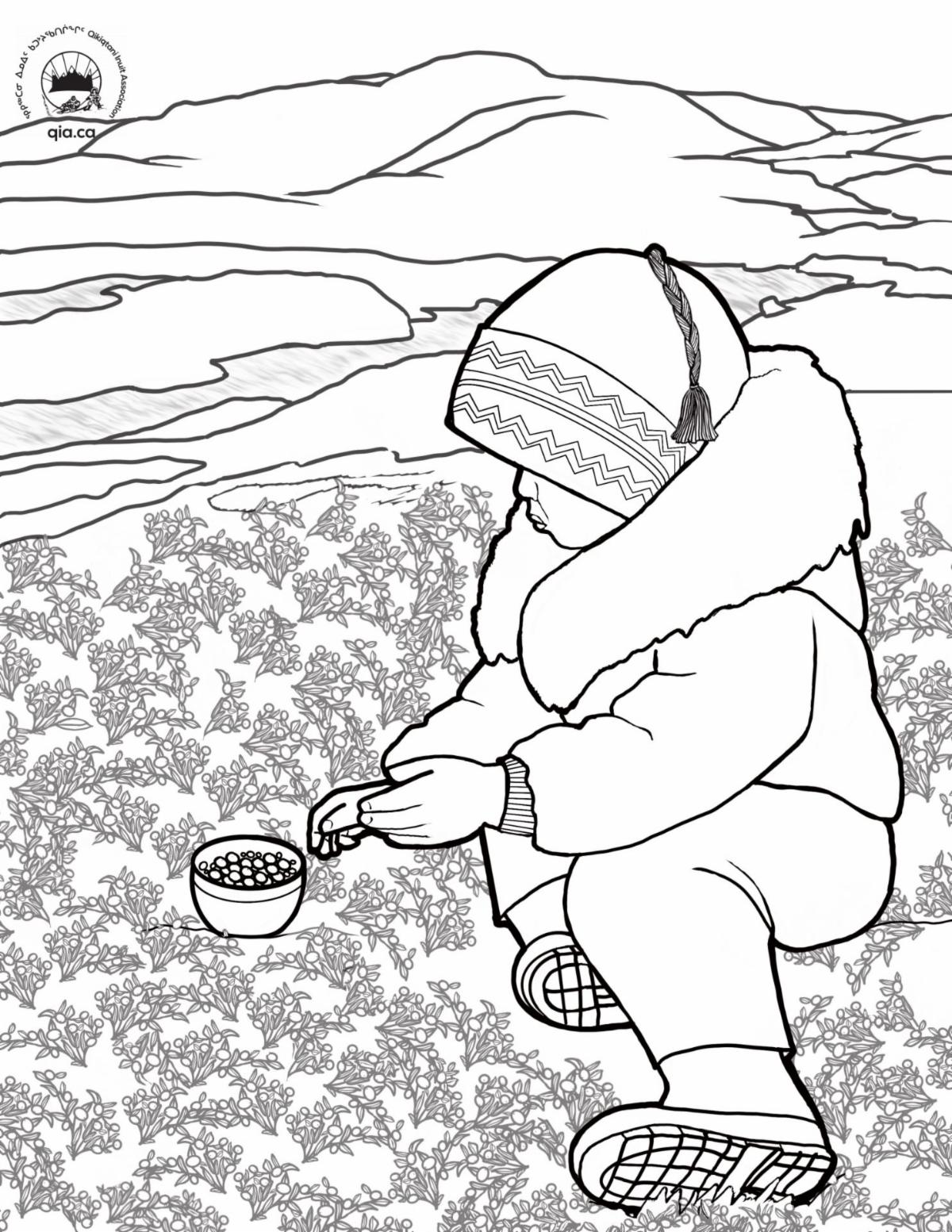
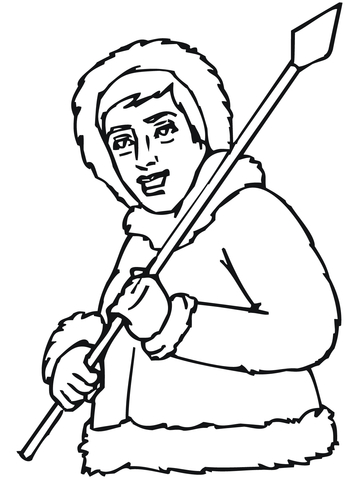
| | Harvesting Surface Plants In some regions of the Arctic, lingonberries—often called baby cranberries—are gathered during the spring melt after being naturally preserved beneath the snow all winter. As the snow begins to thaw, these berries reappear, still fresh and full of nutrients. This seasonal harvest is an important tradition, as it provides a valuable source of vitamins after the long winter months. | | Print Coloring Pages
((Qikiqtani Inuit Association) | | Print or Color Online
(SuperColoring.com) | | |
Fishing & Hunting:
Families historically moved from inland winter locations to the coast during spring to hunt. One of the most significant spring activities was hunting seal, which provided fresh meat, oil, and materials used for clothing and tools and, later, to fish for Arctic char, hunt migrating birds (geese, ducks, loons), and gather bird eggs from nesting areas, an important and nutritious food source.
| | |
Inuit Spring Books
Purchase the suggested books below or check with your local or school library for availability
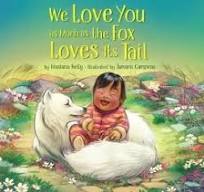
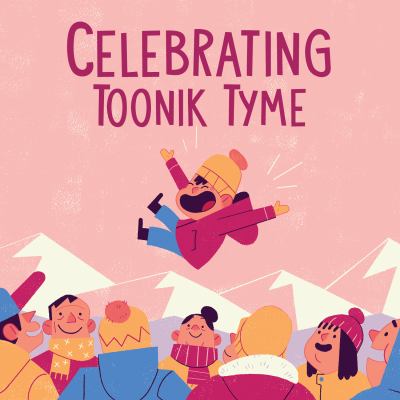
| | "We Love You as Much as the Fox Loves Its Tail" by Masiana Kelly: A rhyming picture book using the natural world of the Arctic tundra to express love, often reflecting the setting of new life in spring. Purchase Here | | Celebrating Toonik Tyme by Sammurtok, Nadia: A book celebrating Toonik Tyme, A story about the annual SPRING Iqaluit festival celebrating the return of spring and Inuit traditions. Purchase Here | | Inuit Akutaq
Akutaq (pronounced ah-goo-duck or agudak) is a traditional "ice cream" whipped-fat dessert, often mixed with berries. Traditionally, Akutaq was made by hand-whipping rendered fat until it became light and fluffy, resembling frosting. In modern recipes, solid vegetable shortening (such as Crisco) has largely replaced animal fat. | | |
Modern Recipe for Akutaq!
Whip 1 cup of Crisco with 1 cup of sugar until fluffy, then fold in 1–4 cups of berrie and chill.
| | The Arrival of Geese & Renewed Meadows
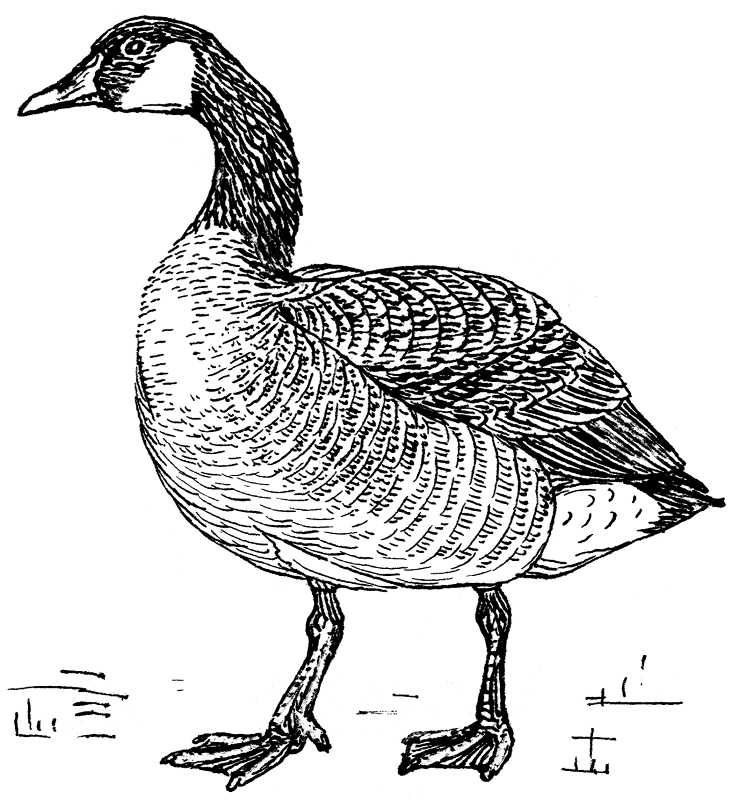
The Métis in Northern Alberta, track seasonal changes through signs like the arrival of geese ("Goose Moon" or Niskipisim), The sound and sight of geese flying overhead signals that winter is ending and new life is beginning, prompting the burning of old grass to renew meadows. | | Print or Color Online
(SuperColoring.com) | | Print or Color Online
(SuperColoring.com) | | Spring Buffalo Hunt
In the Spring, large groups of Métis families came together to organize buffalo hunts, an essential activity for restocking food supplies after the long winter. Families moved into temporary encampments or used Red River carts for transport and shelter during this time. | | |
Métis Children's Books & Novels
Purchase the suggested books below or check with your local or school library for availability
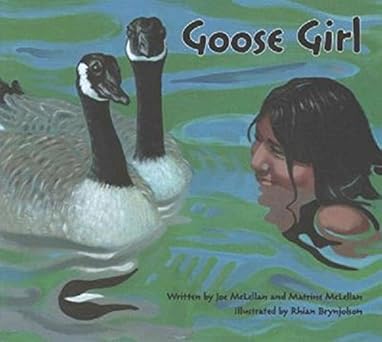
| | | | Goose Girl by Joe and Matrine McLellan Goose Girl introduces Marie, a 10-year-old Métis girl of Cree/French ancestry living in northern Canada who waits eagerly every fall for the Canada geese to arrive on a nearby lake. Marie’s remarkable affinity for the geese causes her Mishoom (grandfather) to host a feast at which he gives Marie her spirit name, Niskaw (goose). Purchase Here | | |
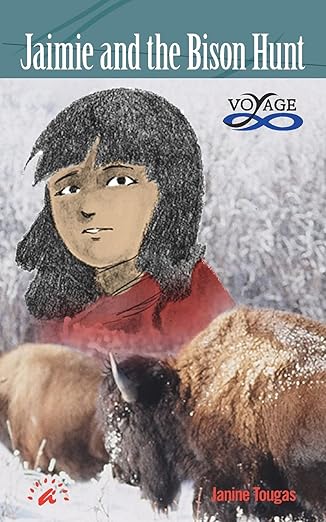
Jaimie and the Bison Hunt by Janine Tougas
How does the bison hunt, a Western Canadian Métis tradition that's 150 years old, transform Jaimie's life in modern times? By exploring the Métis bison hunt of the Canadian Prairies, Jaimie discovers her voice and her path as a storyteller. Through the bison hunt, Jaimie begins to understand the richness of her culture as well as her own immense potential.
Purchase Here
| | | |
Métis Spring Boulettes (Meatball Stew)
Focusing on foraging and using up remaining winter food stores in Spring, these meatball are often made with ground wild meat, but you can use any ground meat. They're so delicious they are enjoyed year around.
| | |
Recipe
-
Ingredients: 1 lb ground meat (moose, deer, buffalo or beef), 1 diced onion, 1 egg, 1/2 cup oatmeal or breadcrumbs, salt, pepper, 3-4 potatoes, 4 cups beef broth.
-
Method: Combine meat, onions, egg, and seasoning; shape into balls. Brown the balls in a pot, add broth, and simmer for 45 minutes. Add cubed potatoes and cook until soft.
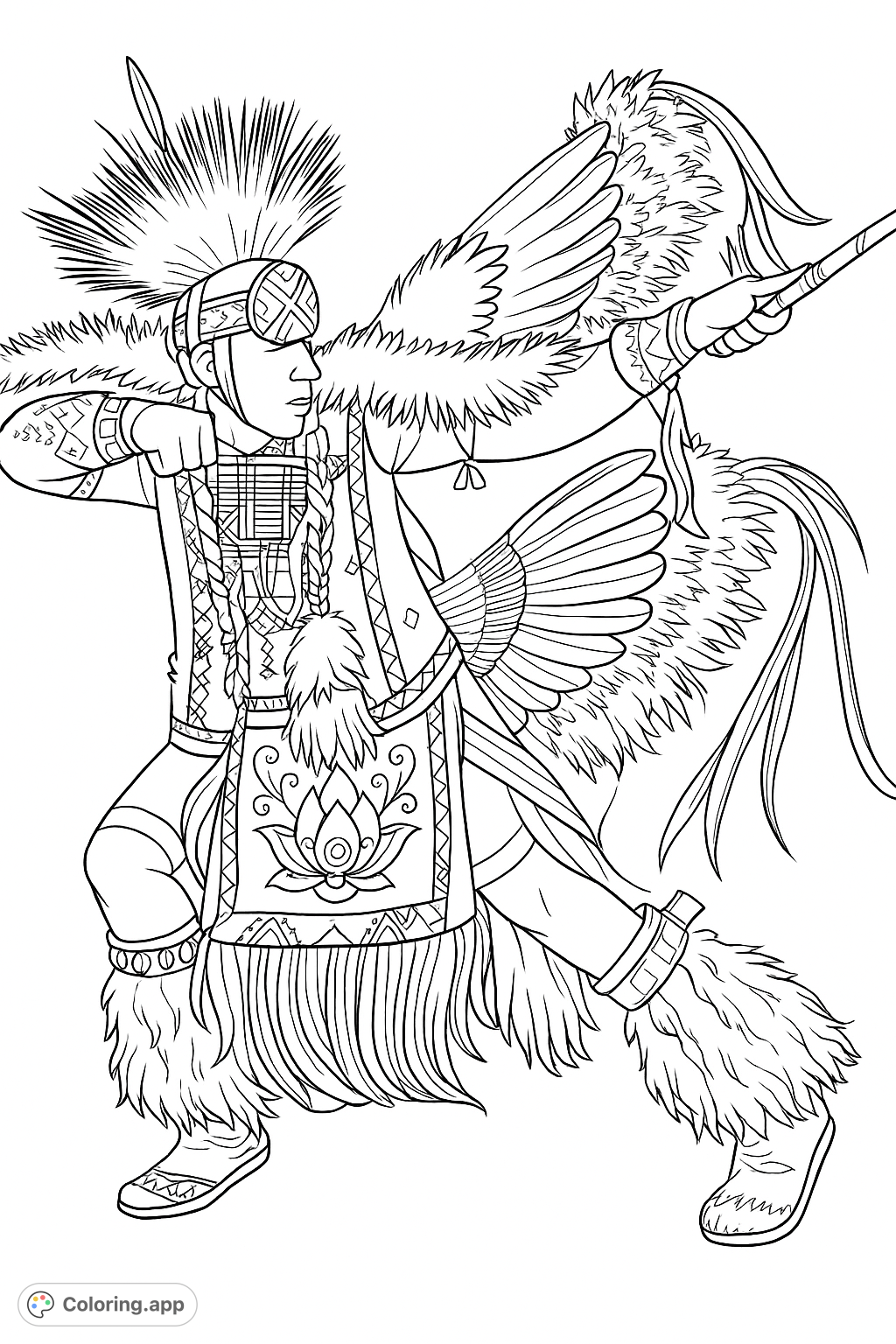
| | First Nations Spring Traditions | | First Nations Spring Traditions | | Ceremonies: Spring is time when special ceremonies are held to welcome the waking of hibernating animals and celebrate the new season. Spring ceremonies may include songs, dances, prayers, and offerings that welcome the waking animals and mark the beginning of a new cycle of life. These gatherings are not only spiritual but also social, bringing families and communities together after the long winter months. | | | Print or Color Online
(SuperColoring.com) | | Harvesting Birch Bark:
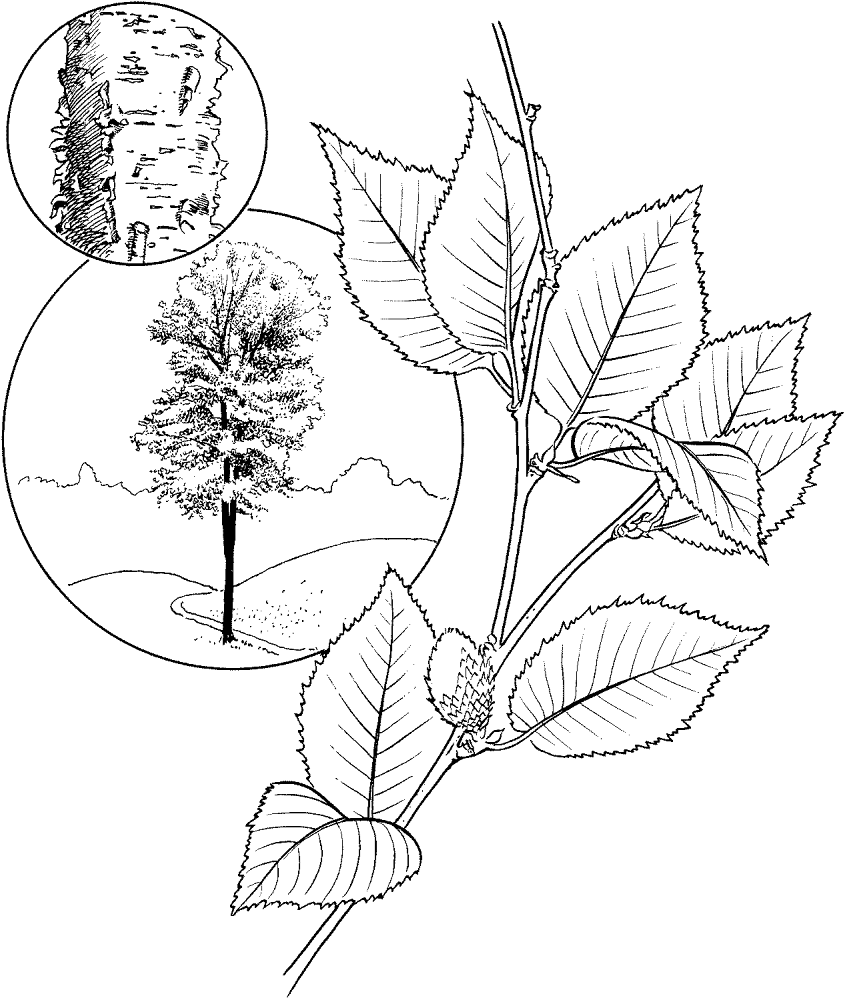
Spring was the time for stripping birchbark to build canoes. Birch bark is used for the exterior and spruce roots are used for sewing along with spruce gum/resin for waterproofing. Birch bark (maskwi) and the birch tree itself were also used for household, hunting, and survival tools. | | Harvesting Dandelions:
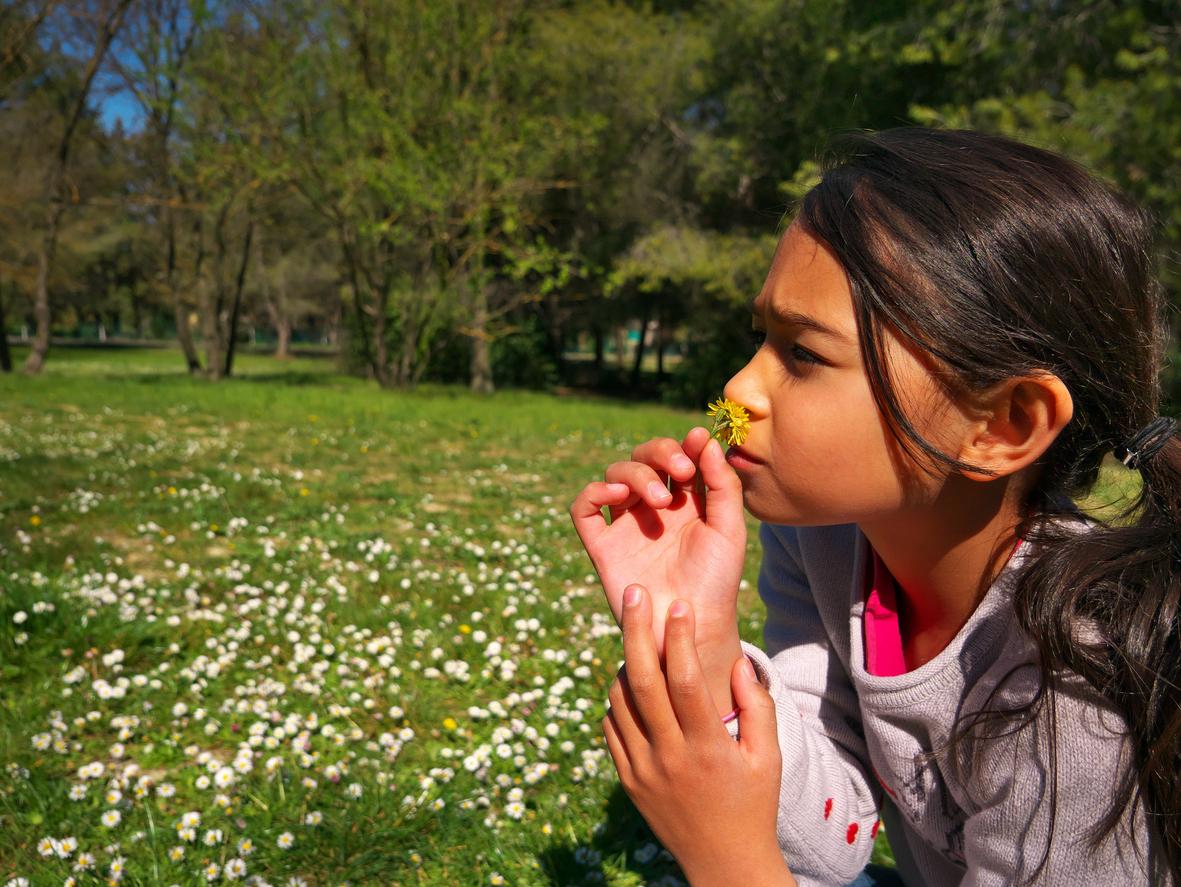
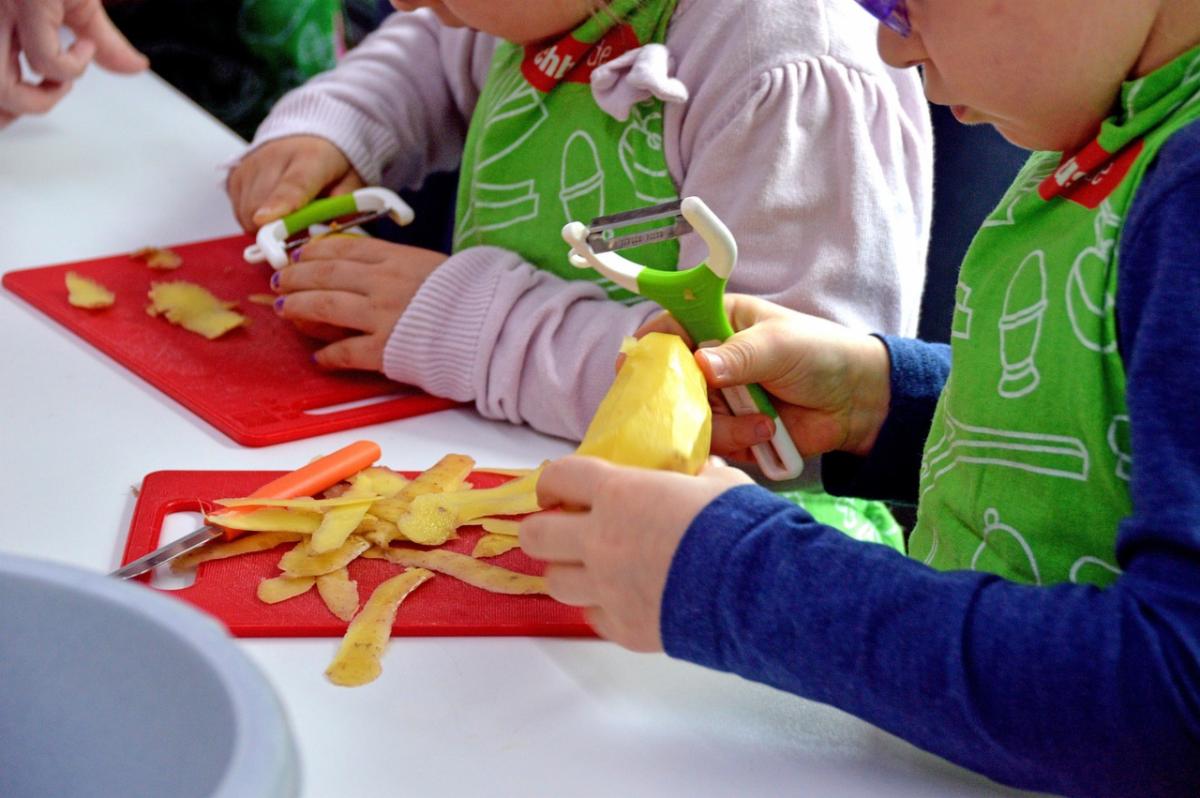
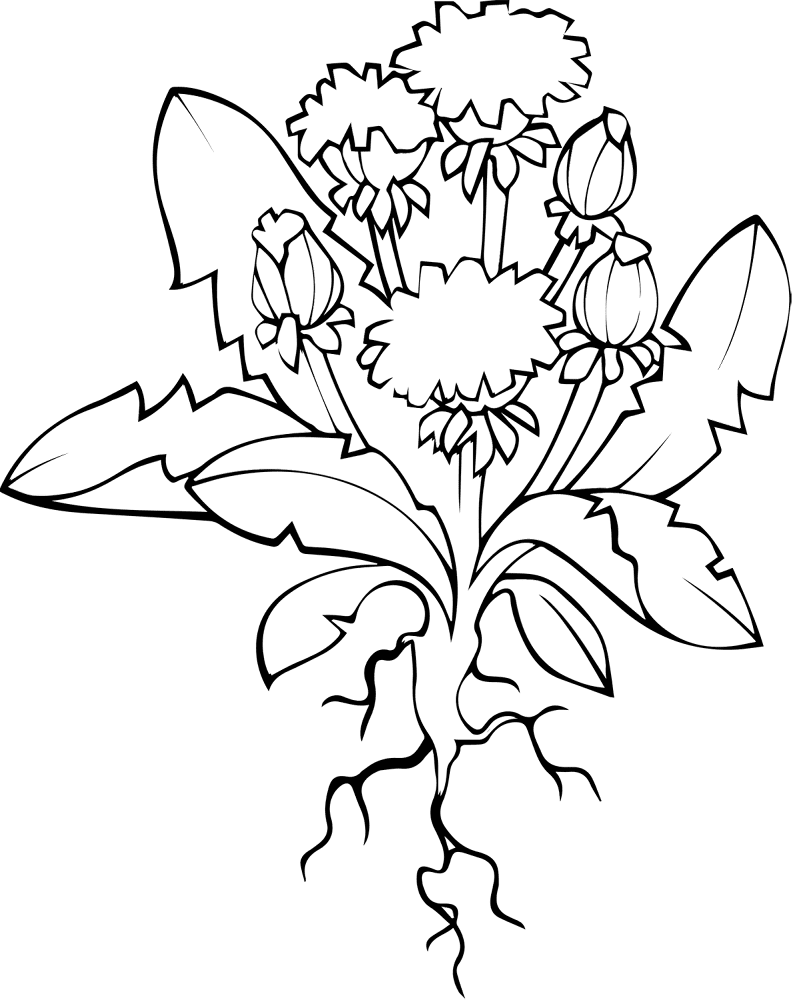
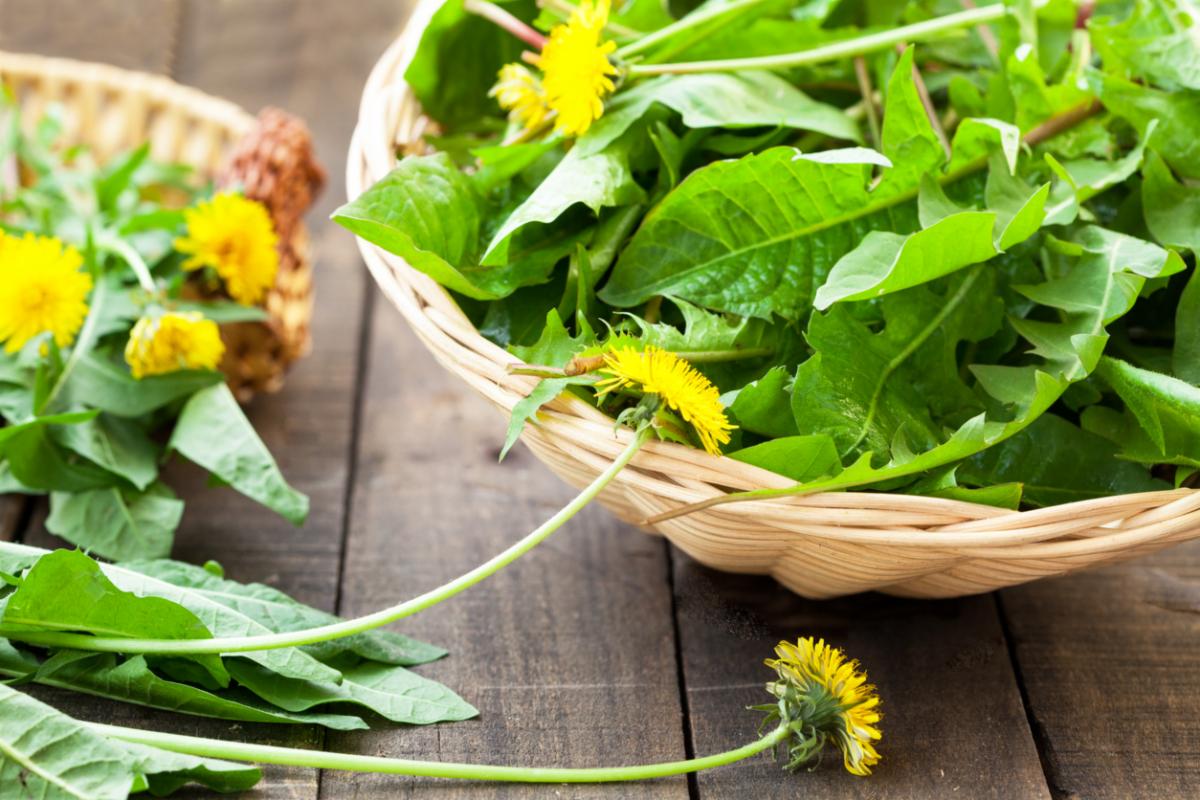
While the common dandelion is often considered non-native to North America, many First Nations on the Canadian Prairies incorporated it into their diets and medicinal practices. The young greens, roots, and flowers are often one of the first, readily accessible food sources in early spring and are full of vitamins A and C. | | | Dandelion Salad and Greens | CAUTION – Dandelions are considered nontoxic and safe to eat, but people with severe allergies to other members of the aster family (e.g. daisies, ragweed) should use dandelions with caution.
In towns and cities and along roads, weeds such as dandelions are often sprayed with herbicides. Always take care to collect plants only from pesticide-free areas and with an adult present. | | |
First Nations Spring Books
Purchase the suggested books below or check with your local or school library for availability
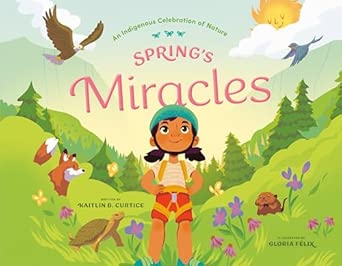
| | Read-A-Loud Spring's Miracles:
This story is a beautiful celebration of Indigenous traditions, family, and the beauty of spring as Dani explores the awakening woods finding inspiration in the new life Mother Earth brings forth each spring. | | | | | |
Read-A-Loud
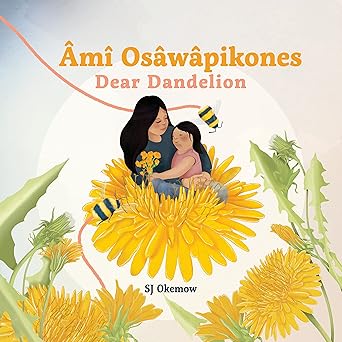
Âmî Osâwâpikones (Dear Dandelion) by SJ Okemow
Both a love letter to the dandelion and a call to love ourselves in a difficult world, Âmî Osâwâpikones reminds us that we are not defined as others see us. Following our young protagonist and the dandelions through the seasons, we are reminded that we are resilient, we are healers, we are funny, and we are loved.
| | |
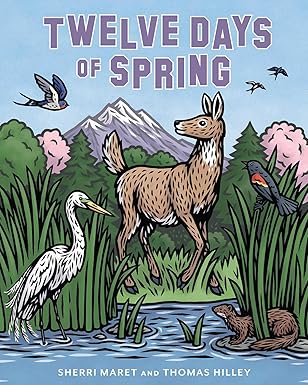
Twelve Days of Spring
Observe animals and celebrate wildlife in this seasonal twist and reimagined version of “The Twelve Days of Christmas.” In Twelve Days of Spring, each day reveals the wonders of wildlife and nature's vibrant transformations as we ease into spring.
Purchase Here
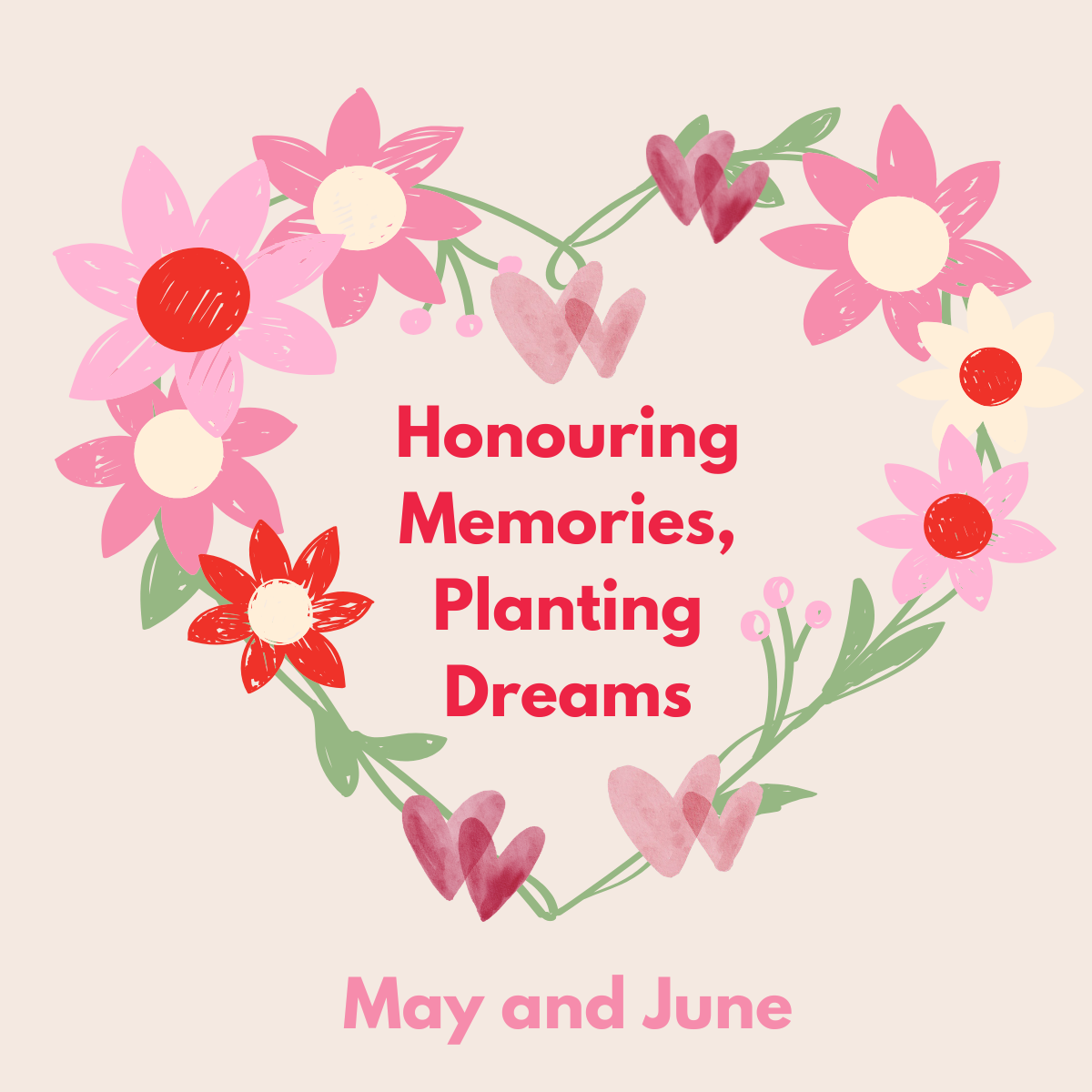
| | | Honouring Memories, Planting Dreams – May/June
Invites people of all ages to plant heart gardens in memory of children lost to the residential school system, to honour residential school survivors and their families, and support the legacy of the Truth and Reconciliation Commission (TRC). | | | Red Dress Day May 5, 2026
Honourng missing and murdered Indigenous women and girls.
View CBC Kids News: Red Dress Day: What it is and how it began CONTENT WARNING: Information about violence against Indigenous women and girls can result in an emotional response. Children/youth are advised to read information with a trusted adult. | | Bear Witness Day, May 10th
Bear Witness Day honours the memory of Jordan River Anderson and is dedicated to ensuring that First Nations children receive the services they need, when they need them, as outlined in Jordan's Principle. | | Moose Hide Campaign, May 14, 2026
The Moose Hide Campaign began as a BC-born Indigenous-led grassroots movement to engage men and boys in ending violence towards women and children. It has since grown into a nationwide movement of Indigenous and non-Indigenous Canadians from local communities, First Nations, governments, schools, colleges/universities, police forces and many other organizations – all committed to taking action to end this violence. | | AWARDS, SCHOLARSHIPS
& BURSARIES | | | | |
Spirit Bear Award
The Spirit Bear Award goes to a group of young people who demonstrate their commitment to reconciliation and the Truth and Reconciliation Commission’s Calls to Action. This year, two awards of $500 will be given to groups of young people to use as they would like toward their activities or simply to celebrate!
Deadline April 30, 2026, at 11:45 PM ET.
| | | | |
Shannen’s Dream Scholarship
The Shannen’s Dream Scholarship is named in honour of Shannen Koostachin, a courageous young leader from Attawapiskat First Nation who sparked a national movement for safe and comfy schools for First Nations students
Deadline May 31, 2026
| | AFKA Bursary
This bursary is designed to help in continuing education in a college, university, vocational institution or other special educational pursuits. The applicant must be a foster, former foster, adopted, or a biological child of a licensed foster or a kinship caregiver or a child currently placed with or formerly placed with a kinship caregiver. Deadline June 1st | |
| CULTURAL GATHERINGS & EVENTS | |
- Enoch Cree Nation Spring Powwow May 2 - 3, 2026
- Indigenous Walk 'n Drum on the Hill May 3, 2026 Calgary
- AFCC 3rd Annual Traditional Red Dress Powwow May 8, 2026, 6:00 PM – 10:00 PM Calgary
-
Peace River Traditional Powwow May 30 - 31, 2026
- Drumming/Singing Introductory Teachings from an Oral Perspective May 14, 2026 1:00 – 2:00 PM (MT) Virtual
- Lead by Example Powwow Blackfoot Crossing Historical Park June 6 - 7, 2026
- Saddle Lake Cree Nation #125 Powwow June 26 - 28, 2026
- FNHC Youth Teepee Summit, July 28 - 30, 2026, Edmonton
- Grande Prairie Traditional Pow Wow June 27 - 28, 2026
- Enoch Cree Nation Summer Powwow July 10 - 12, 2026
- Kainai Powwow & Celebration Red Crow Park Blood Tribe Alberta July 17 - 19, 2026
| | |
Youth in Transition to Adulthood Services (First Nations Health Consortium (FNHC) )
First Nations Health Consortium (FNHC) Youth in Transition to Adulthood services are about making connections and linkages between First Nations and Inuit youth in Alberta and required support services. A Youth Transition Coordinator will work with families, young people and those in early adulthood to assess, plan and collaborate to identify services or potential gaps in services that are required to meet the needs of youth transitioning into adulthood.
FNHC Transition Services Factsheet
Treaty Status Registration Services (First Nations Health Consortium FNHC)
Staff can support the application process for First Nations children and adults living in Alberta to obtain Treaty Status registration also known as ‘Indian Status’.
FNHC Treaty Status Registration Services Factsheet
| | |
Connect: Supporting Birth, Kinship & Foster Parents. An attachment based program for parents and caregivers
Developed by Marlene Moretti, Professor and Canada Research Chair, in collaboration with government stakeholders and mental health practitioners, this evidence based, manualized 10-week program promotes social, emotional and behavioural adjustment and attachment security in children and youth between the ages of 8 and 18 years of age. Different versions of the program are available for use with parents, kinship and foster carers, and for staff working in group home, residential and hospital settings.
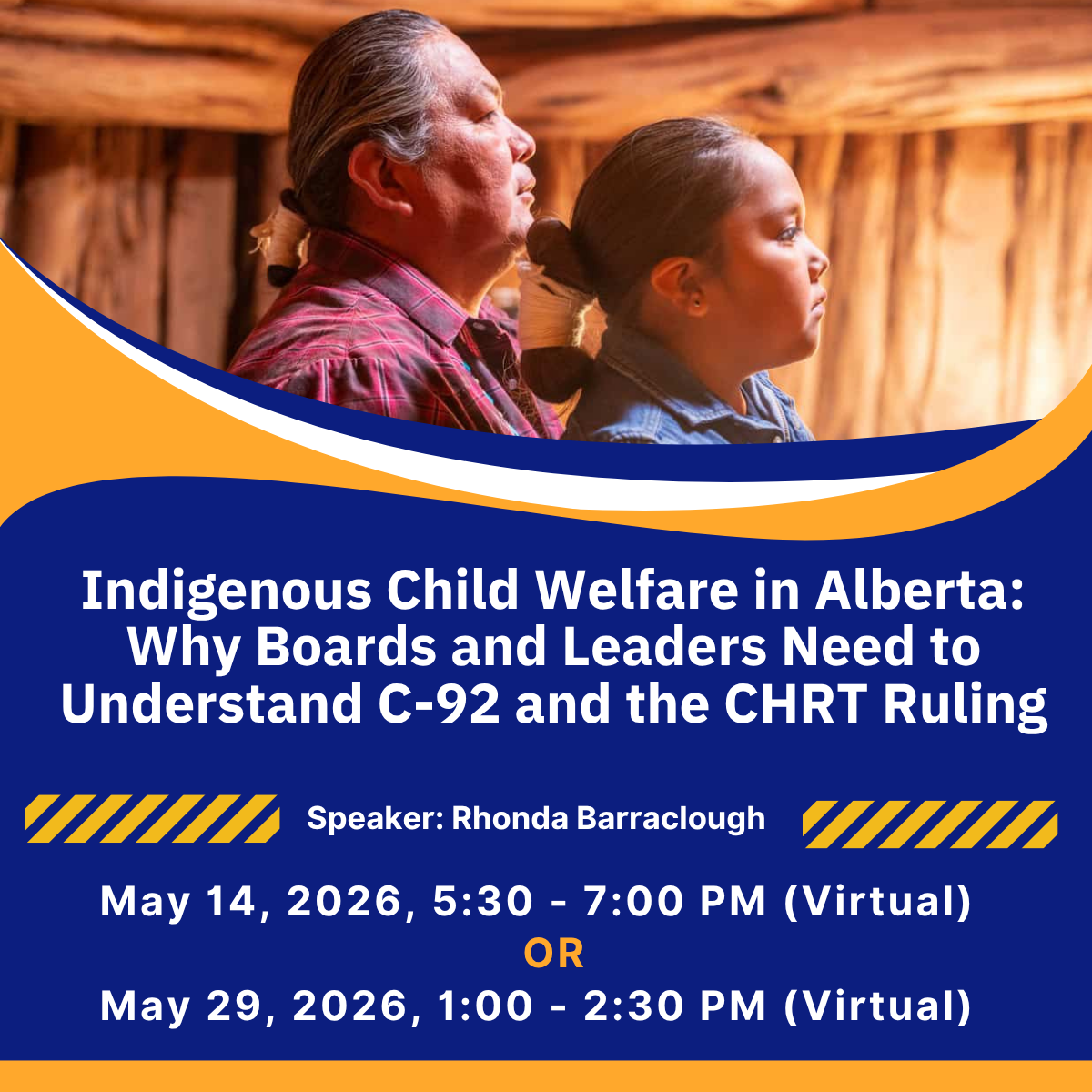
| | Across Canada, Indigenous child welfare is undergoing one of the most significant governance and funding transformations in decades. This session will provide practical governance insight, plain-language explanations, and strategic questions Boards and leaders should be asking now to prepare for the future.
May 14, 2026, 5:30 - 7:00 pm Register
May 29, 2026, 1:00 - 2:30 pm Register | |
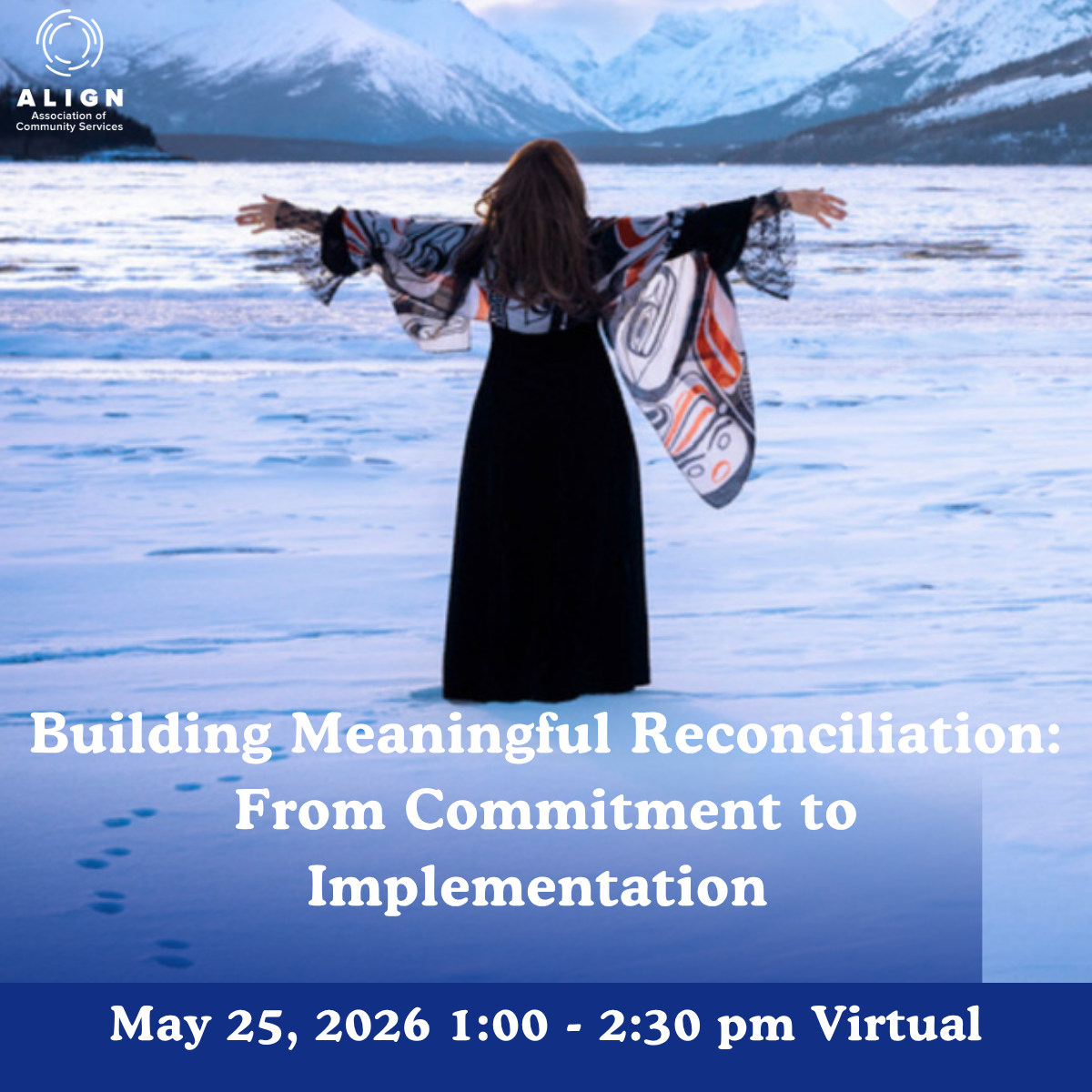
| ALIGN WEBINAR Building Meaningful Reconciliation: From Commitment to Implementation May 25, 2026 1:00 - 2:30 pm | | Reconciliation is not a checklist or a one-time activity—it is an ongoing process grounded in listening, learning, and meaningful action. For many organizations, the challenge is not intention, but knowing how to move from commitment to implementation in a way that is respectful, practical, and aligned with Indigenous perspectives.
May 25, 2026 1:00 - 2:30 pm Register | | | ALIGN OFFERING FOR CHILDREN/YOUTH | | |
ALIGN’S Indigenous Online Jigsaw Puzzles
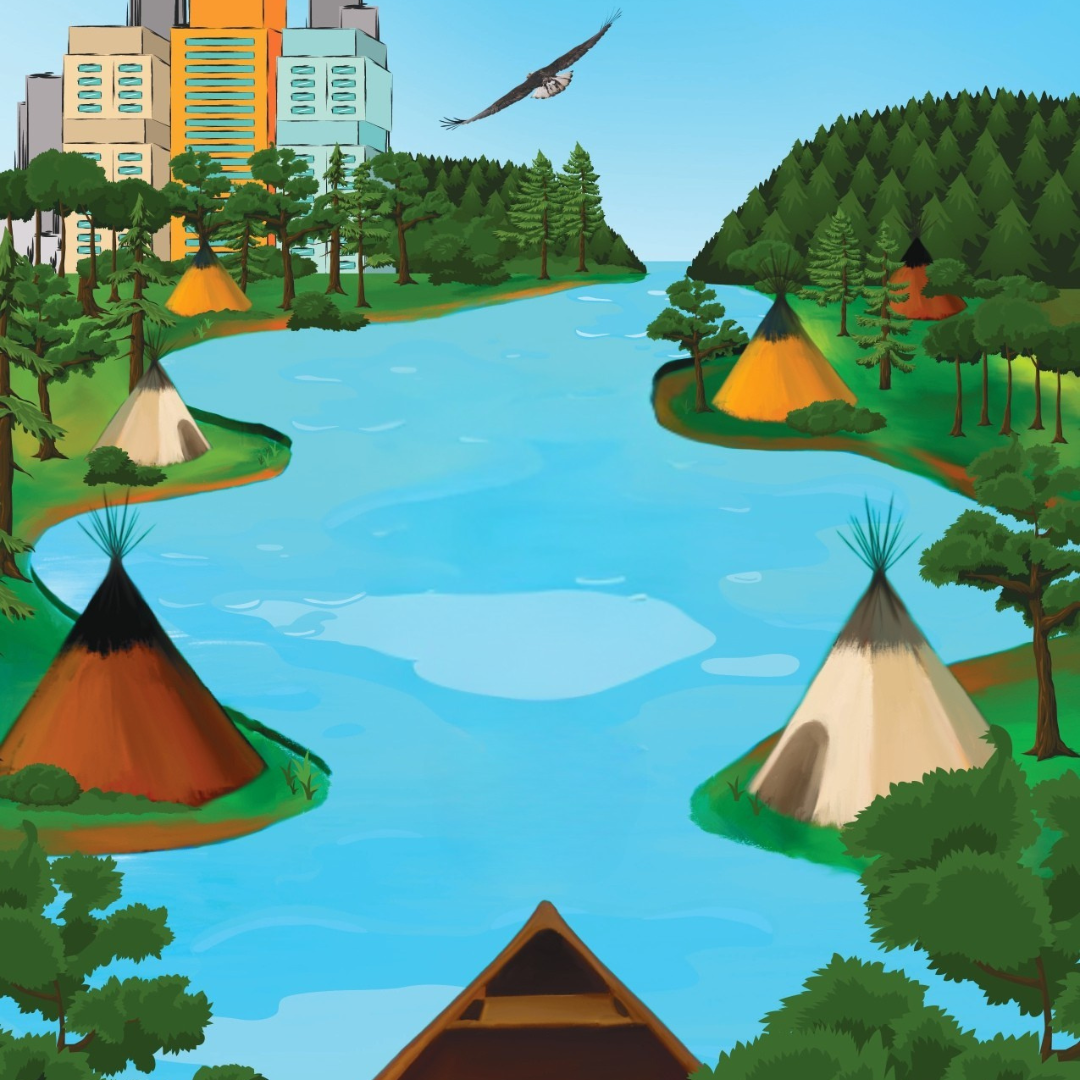
The best thing about jigsaw puzzles is that they require you to slow down and look at all the details as you piece the whole picture together. In a fast moving world filled with photos and graphics this is an opportunity for children, youth and adults to relax and appreciate the details of the traditional regalia, food, animals, teepees, totem poles and more!
| | | ALIGN OFFERINGS FOR PROFESSIONALS | | |
SUBMISSIONS - If you have cultural events, programs, activities or resources that you'd like to share or if you'd like to suggest newsletter content ideas or things you'd like to see more of, please send an email to starrd@alignab.ca
Subject Line - CONNECTIONS SUBMISSION
| | | | |