How Do We Build Self-Esteem?


Self-esteem is an important part of mental health.

In this month's guide, you will learn:


  • The definition of self-esteem
  • How self-esteem relates to exploitation
  • Factors that influence self-esteem
  • How to build up self-esteem in youth


THE DEFINITION OF SELF ESTEEM


According to the Kids Mental Health Foundation, "self-esteem is how children view themselves and their own abilities."


How does self-esteem relate to exploitation?

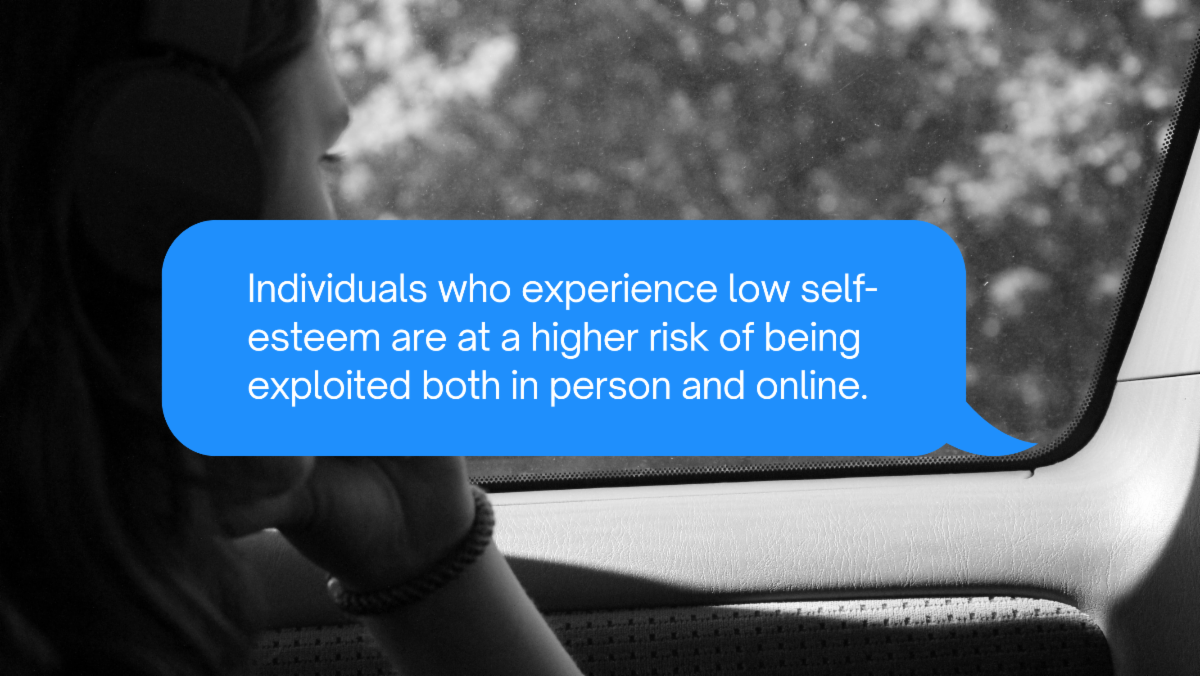
  • Individuals who experience low self-esteem are at a higher risk of being exploited both in person and online


  • Predators often seek out emotional vulnerabilities (insecurity, desire for belonging) to control or influence an individual


Source: The Kids Mental Health Foundation

Source: Power Over Predators

Source: Page, et. al., (2026), International Journal of Child Abuse and Neglect


THE FACTORS THAT INFLUENCE SELF-ESTEEM


Whether views on self-esteem are positive or negative, they are influenced by both internal and external factors.


Internal Factors:

  • Core Beliefs: Values, belief systems
  • Self Perception: Self-acceptance, self-respect


External Factors:

  • School: Grades, peers, friends/no friends, bullying
  • Social Media: Appearance, comparison
  • Workplace: Salary, employed/unemployed, coworkers, reviews/evaluations
  • Relationships: With family, friends, peers, teachers
  • Socioeconomic status: Income, education


Source; von Soest, et. al (2018), Journal of Personality and Social Psychology

Source: Harris, M.A., and Ulrich, O. (2020), Journal of Personality and Social Psychology

Source: Orth U. and Robins, R.W. (2014). Current Directions in Psychological Science


HOW CAN I BUILD UP MY CHILD'S SELF ESTEEM?


Traits for building a healthy self-esteem:

  1. A sense of security: They have a safe and trusted adult to come to.
  2. A sense of belonging: They are loved without conditions.
  3. A sense of purpose: Their goals matter.
  4. A sense of self-control: They have choices, their story matters.
  5. A sense of accomplishment: They are capable of doing and completing tasks on their own, they can trust their skills and problem-solving abilities.
  6. A sense of accepting mistakes & failures: They need to feel comfortable, not defeated, when they make mistakes or fail. Explain that setbacks are a normal part of living and learning and that they can listen, learn, and grow from them.


Early Childhood

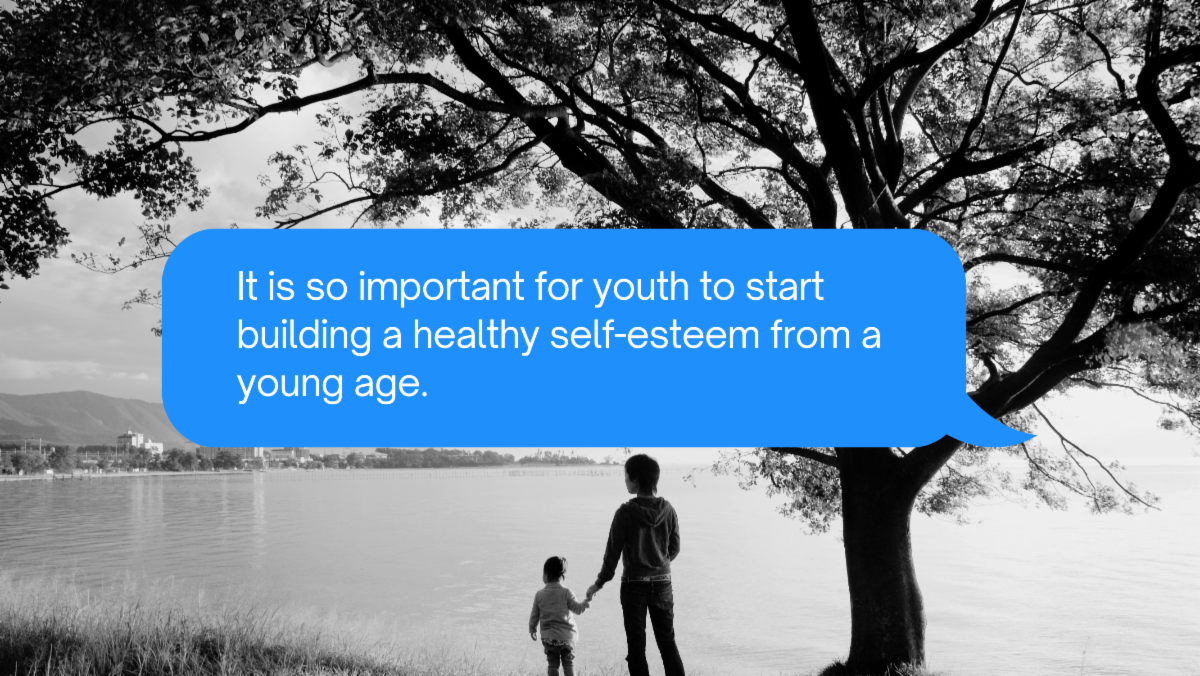
  • Give them encouragement and praise
  • Give them tasks to do: Giving them a sense of accomplishment and responsibility like "helping" with dishes or cooking or chores can build up their self-worth.
  • Let them wrestle with a problem: Letting them overcome struggles can build a sense of self-efficacy and accomplishment. They are capable of doing difficult things.
  • Help them feel seen


Elementary Years

  • Recognize their efforts: It's not necessarily about the result but the work they put into something.
  • Encourage healthy friendships
  • Teach positive self-talk


Tweens and Teens

  • Discuss the danger of comparisons: Comparison is the thief of joy.
  • Check in on their friendships: Do they feel like they have healthy friendships? Are they involved in clubs/activities that encourage friendships? Do those friends support and help them achieve healthy goals?
  • Check in on their social media use: What apps do they like to use? How is it making them feel? Should boundaries be set?


Source: Healthychildren.org

Source; Speak Up Be Safe

Source: The Kids Mental Health Foundation


Looking For More Prevention Resources?


Want additional talking points, situational drills, and a person to have direct Q&A? Request a FREE virtual or in-person speaker from C.A.S.T. for topics like:


  • Human Trafficking 101
  • Parent Workshops
  • Youth Presentations
  • Round Tables (small groups sessions for brainstorming and Q&A)


A SPECIAL THANK YOU


We want to acknowledge the important work that Desiree Wiesen-Martin and her students at the University of Wisconsin - River Falls have done for C.A.S.T.!


The research for this month's Preventative Power: Hope in Motion newsletter was done by the following students of the CRIM 241 Victimology Class:


  • Abby Biniek
  • Owen Carlin
  • Jaylee Ely
  • Taylor Sussner


We are incredibly grateful to Desiree and her students for their dedicated work and enthusiasm for making positive change! View the students full research and project by clicking on the button below.


Want to Share With Us How You Are Taking Steps Toward Prevention?


Want to help us keep our programming free for the community?


P.O. Box 251001,

Woodbury, MN, 55125

www.castmn.org

Facebook  Instagram