East Asia and Pacific Gender Innovation Lab |
|
THEME OF THE QUARTER:
Childcare Services and Women’s Unpaid Work
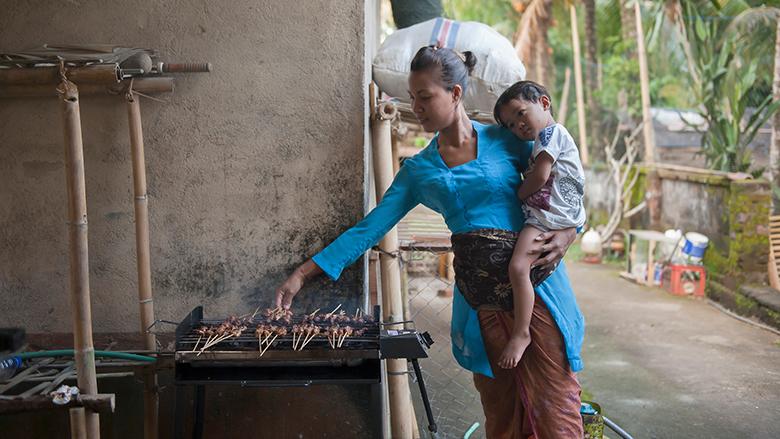
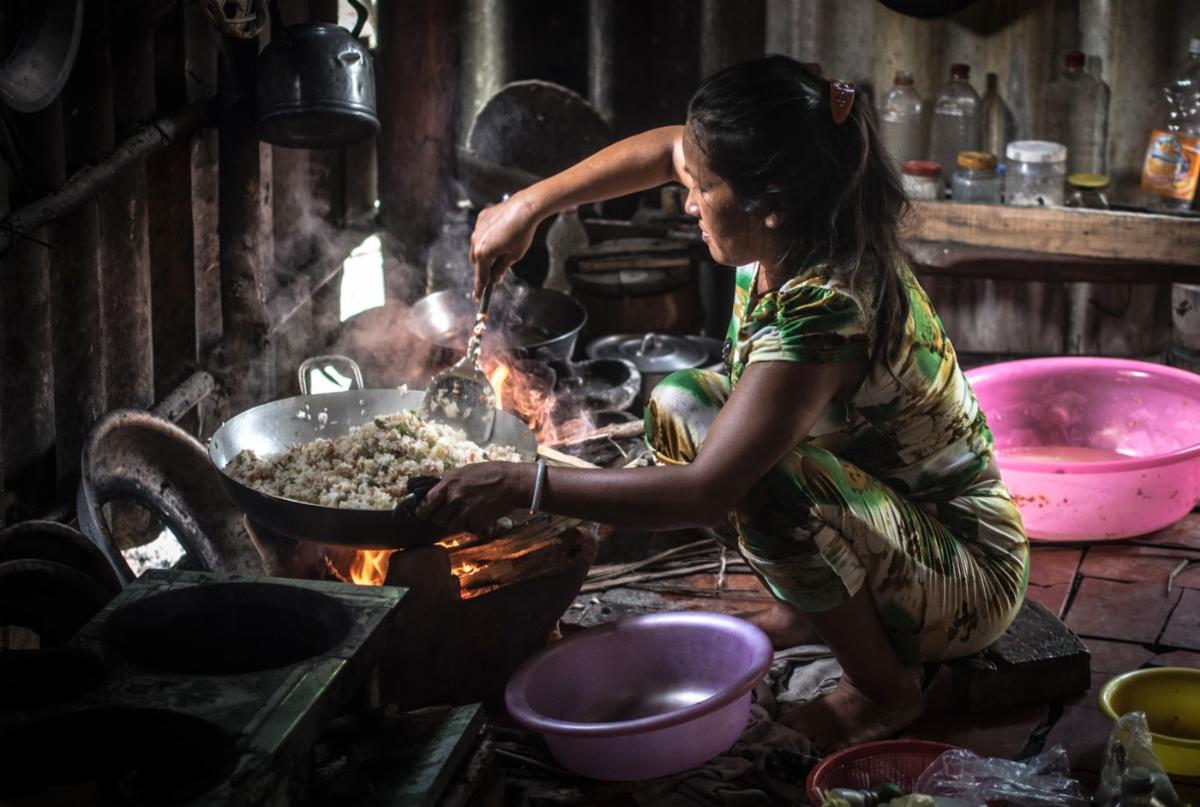
Home labor, including childcare, elder care, and other domestic work, has a global annual value of over 10 trillion dollars but is mostly unpaid and falls disproportionately on women. Its importance has become clearer than ever with the unprecedented social and economic shocks of the COVID-19 pandemic, when the lines between paid employment and unpaid domestic labor are increasingly blurred and women are more exposed to the economic and health impacts associated with care work. A recent phone survey by the World Bank in five countries in Southeast Asia finds that 60 percent of women report spending more time now on unpaid domestic work. EAPGIL has conducted extensive research on the ways care work affects women’s labor market outcomes and economic prospects in East Asia and the Pacific, and the policies that can help ensure equal opportunity and shared prosperity for all genders. In this newsletter we present some of the findings from our impact evaluations and inferential research in the region that are informing policy, best practices, and further research on gender, care work, and labor markets. |
|
Does access to preschool increase women’s employment? |
|
Female labor force participation (FLFP) in Indonesia lags behind other countries in the region. Building on previous work that shows that unmet childcare needs are associated with low FLFP in Indonesia, here, we look at the impact of childcare availability on FLFP. The findings suggest that an additional public preschool per 1,000 children raises the employment of mothers of age-eligible children by 13 percent. There is also a positive effect on mothers of younger children (not eligible for childcare yet), who may take future childcare options into account when making decisions about work. There is no measurable impact of private preschools on women’s employment. |
|
Why do Vietnamese Women work in lower paid occupations? |
|
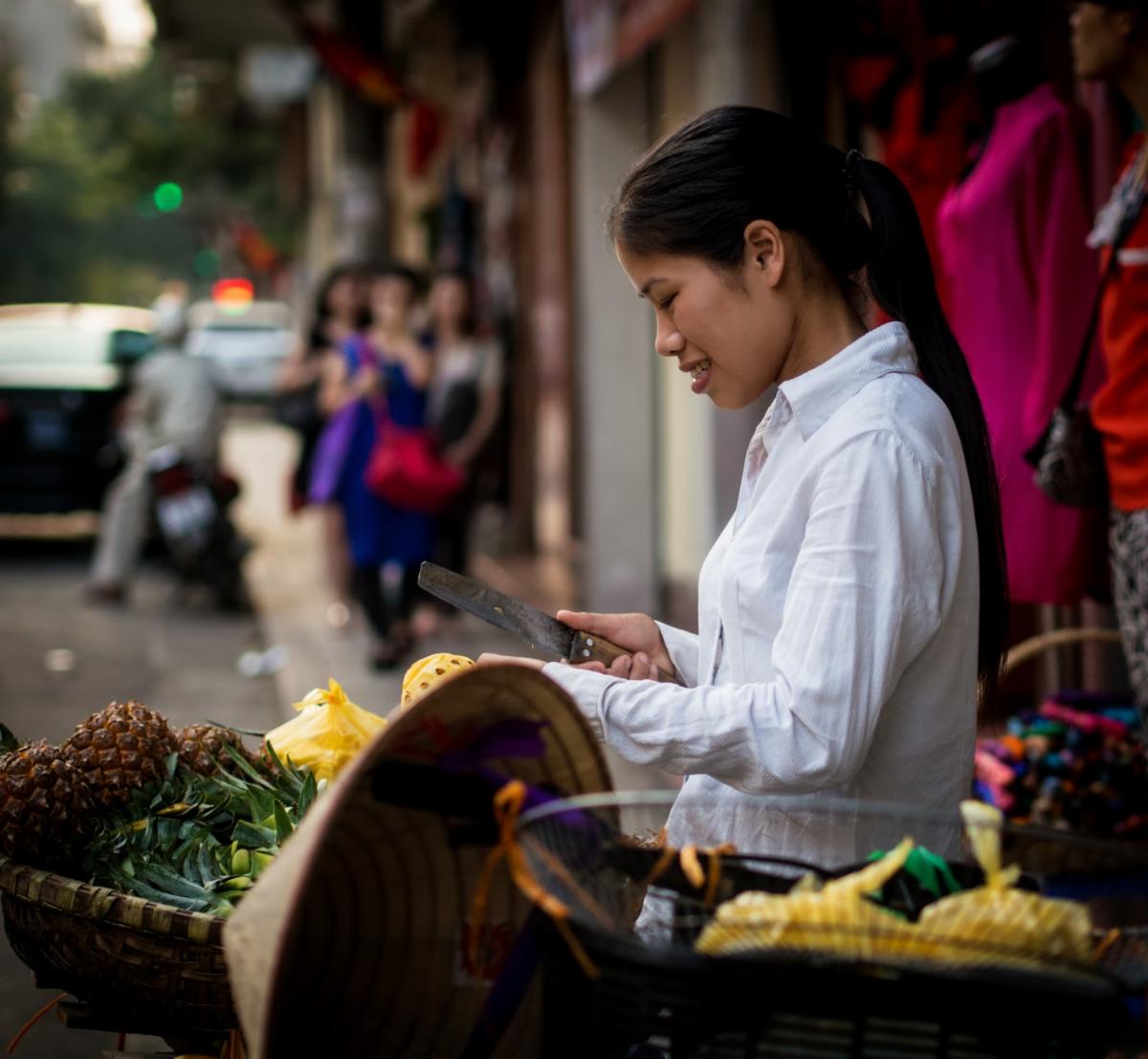
Vietnam has achieved important progress in closing the gender gap in education and increasing women’s participation in the labor force. However, income gaps still exist between women and men, with women in Vietnam earning on average 3 million dong less per year than men, about one month’s income. This gap persists despite equivalent education levels and is partly explained by women working in lower paid occupations. We find that women forego higher pay to work in occupations and industries which offer better non-monetary benefits: paid leave, lower weekly hours, health insurance and social insurance. This gap may be explained by unequal distribution of household work and care work. This research has been published in the Journal of Southeast Asian Economies. |
|
Why do Indonesian Men and Women Choose Undocumented Migration? Exploring Gender Differences in Labor Migration Patterns |
|
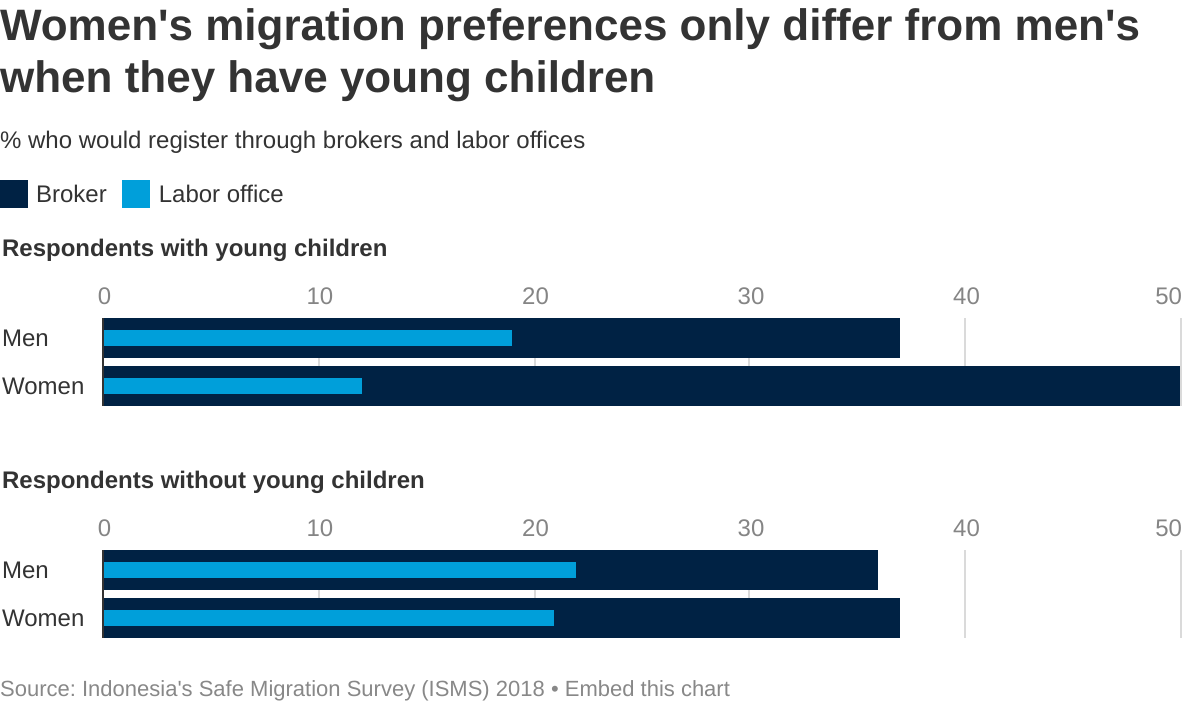
Migrant workers make up almost 7 percent of Indonesia’s labor force and send home over $11 billion in remittances annually. There are risks, however: only one third of current Indonesian migrant workers have signed a contract prior to departure, and more than half do not have the required documents for migration. In a survey of potential migrants in Indonesia, only about 10 percent of those interested in working abroad know the requirements for documented migration. Women are disproportionately much less likely to say that they would register with a formal agency. Childcare burdens likely play a key role in this choice: only women with young children at home are more likely to say they would choose to migrate with a broker (a form of undocumented migration), while there is no difference between men and women with no children under the age of 15. |
|
Can We Capture Exposure to Gender-based Violence (GBV) through Phone Surveys during a Pandemic? |
|
The unprecedented economic and public health shocks of the ongoing COVID-19 pandemic are bringing with them wide-ranging social consequences, including an increasingly documented surge in violence against women and girls. Timely data on the effects of the pandemic on gender-based violence (GBV) is a valuable resource for policy makers and helps them prioritize issues and response. However, just as there is a need for rapid measurement, it is also critical that these data are as accurate as possible and collected without compromising the safety of respondents.
In order to meet the need for accurate and timely data on the consequences of the pandemic, EAPGIL has been carrying out phone surveys with women in Lao PDR, Indonesia, and the Philippines. Our phone surveys measure the economic and social changes felt by our respondents since the onset of the pandemic, including their experiences of GBV and their mental health. To capture this, we use a variety of innovative approaches to measuring GBV that can capture our respondents’ experiences confidentially. EAPGIL is providing these modules on our website, along with further references for enumerator training and survey design, as a resource to practitioners who may wish to carry out similar work.
|
|
SOME OF OUR RECENT PUBLICATIONS |
|
Gender-Specific Impacts of Road Improvement: What Can Be Done to Ensure That Better Roads Expand Economic Opportunities for All? |
|
How and why do the benefits of better transport differ between genders? A non-experimental impact evaluation of a large-scale rural roads project in Vietnam combined with qualitative data collection suggests some possibilities. While roads improve trading opportunities for all households, only households headed by men are able to increase agricultural output and income. Lower levels of household labor and capital in female-headed households seems to constrain their ability to make similar changes. The implications for policy are that coordinating transport investments with complementary development programs can address constraints faced by female-headed and poor households and improve the benefits of better transport for them.
|
|
Can boosting savings and skills support female business owners in Indonesia? Evidence from a Randomized Controlled Trial |
|
This study tests the relative effectiveness and costs effectiveness of providing supply-side incentives to promote agent banking savings accounts, business and financial literacy training for female entrepreneurs, and the combination of the two in 401 villages in East Java, Indonesia. Though we find only small positive effects on the take-up of branchless banking services, both interventions had significant positive effects on the profits of female entrepreneurs. The impacts of the training and mentoring intervention seem to come in part from improved business practices, greater savings, increased business assets, and increased decision-making power. |
|
Can Teaching Growth Mindset and Self-Management at School Shift Student Outcomes and Teacher Mindsets? Evidence from a Randomized Controlled Trial in Indonesia |
|
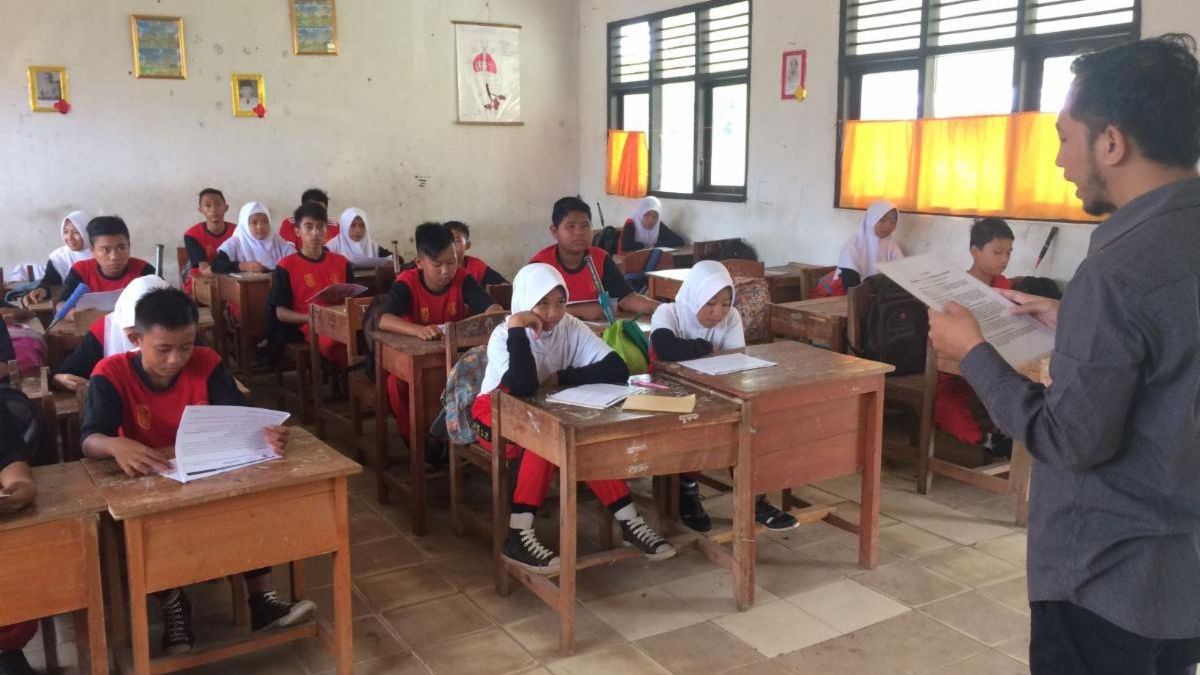
We evaluate the impacts of a socioemotional learning program teaching growth mindset and self-management to adolescent students in Indonesia. Using a randomized controlled trial in 2,097 lower secondary schools, we test two versions of the intervention: a six-session curriculum alone or paired with tools and activities for daily classroom use. Neither version of the intervention raised students’ national exam scores or aspirations for higher education, but both versions shifted some socioemotional skills and study behaviors taught in the training. Impacts were stronger for disadvantaged students, and there was some shift in teachers’ mindsets despite the fact they were not directly targeted. Although there were no short-term impacts on exam scores, socioemotional skills training delivered in schools can still be a worthwhile investment. The results show that it can create a more supportive learning environment and equip students with skills, beliefs, and behaviors that may improve their longer-term outcomes. |
|
In the turbulent times of COVID-19, organizations have a particular interest in targeting programs and interventions to those recipients who need them most. Could reliance on targeting by local leaders, with its promise of access to in-depth information about the community and cost-saving potential be a solution?
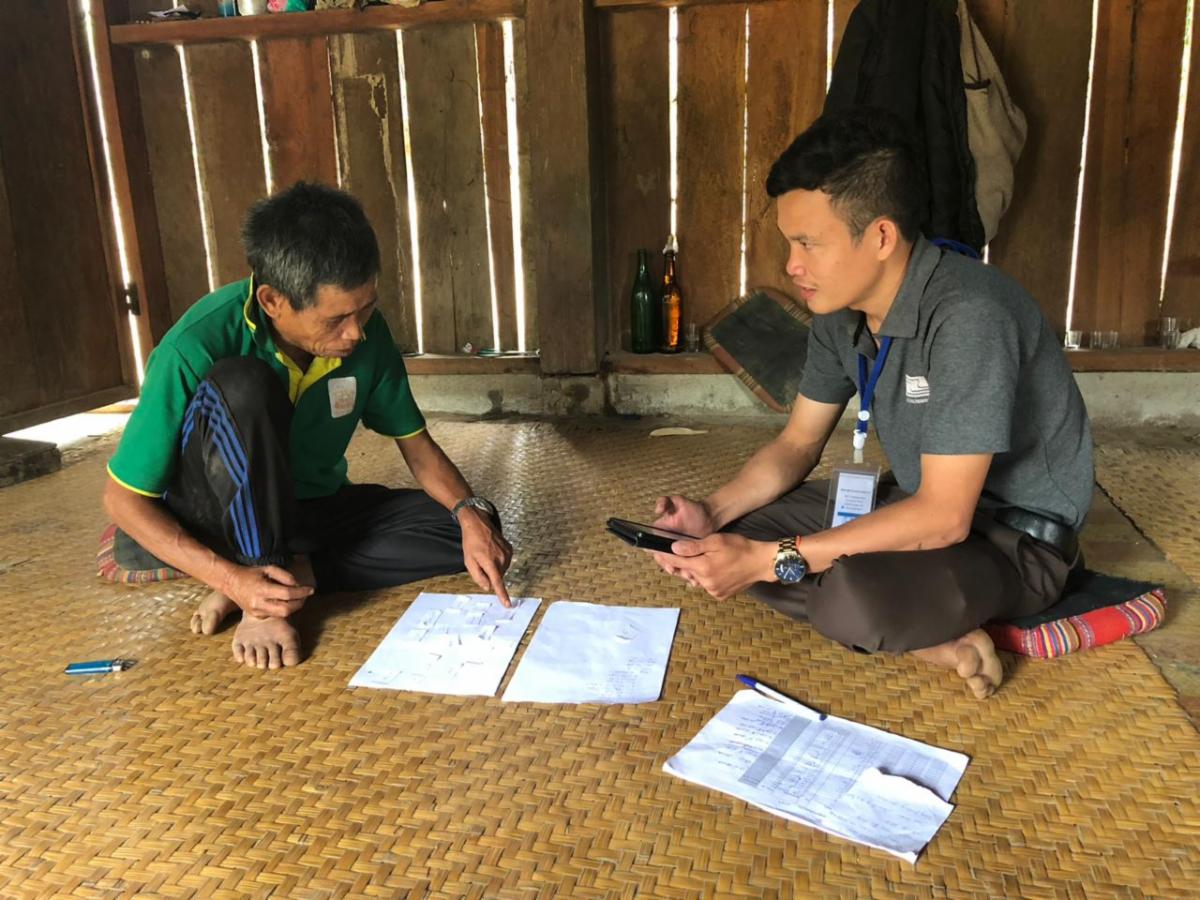
In a new paper EAPGIL analyzes how local leaders make targeting decisions in the context of a public workfare program in Lao PDR. We find that village heads are progressive in their targeting and prioritize the poorer households in their villages (as well as a proxy means method would). But how do village heads make these decisions? What information do they rely on? To answer these questions, we designed and administered a new measurement tool: a set of exercises to rank villagers on land ownership, access to nutrition, and experience with recent shocks – indicators which are likely to differ in their observability to village heads and could plausibly be associated with need for public support. Watch Webinar with EAPGIL Senior Economist Elizaveta Perova to find out the results of this measurement exercise here, or see our research paper below. |
|
Community-Based Childcare in Cambodia Will Soon Help to Reduce the Burden on Factory Workers and Improve Early Childhood Development |
|
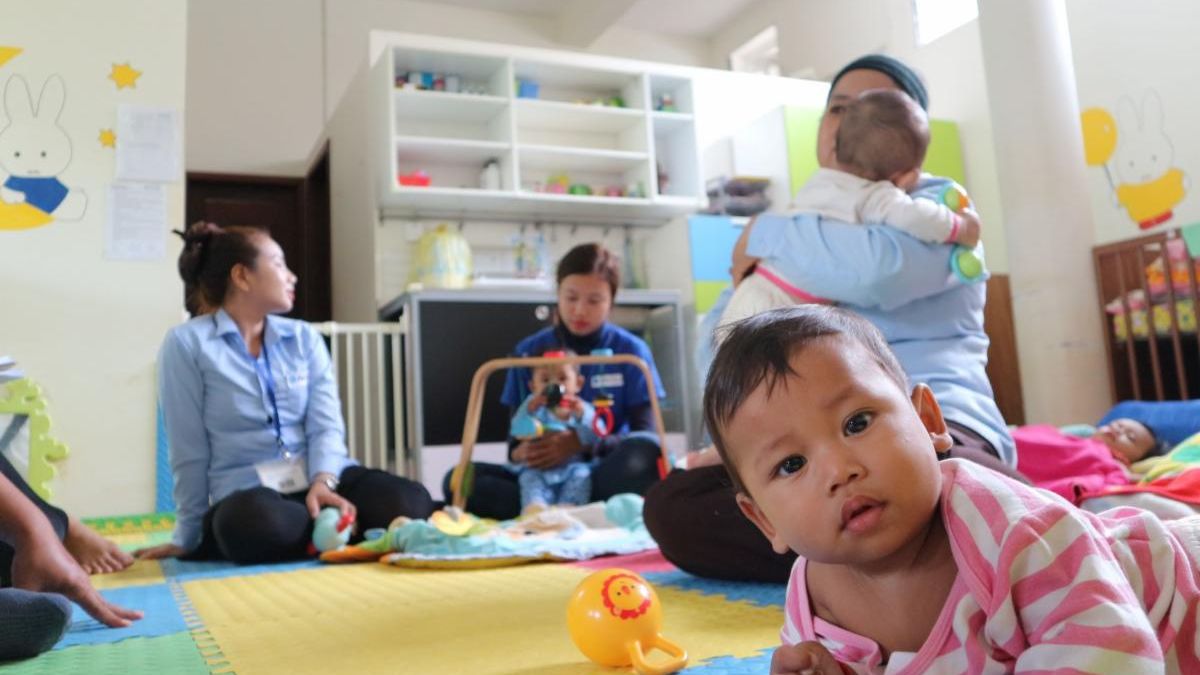
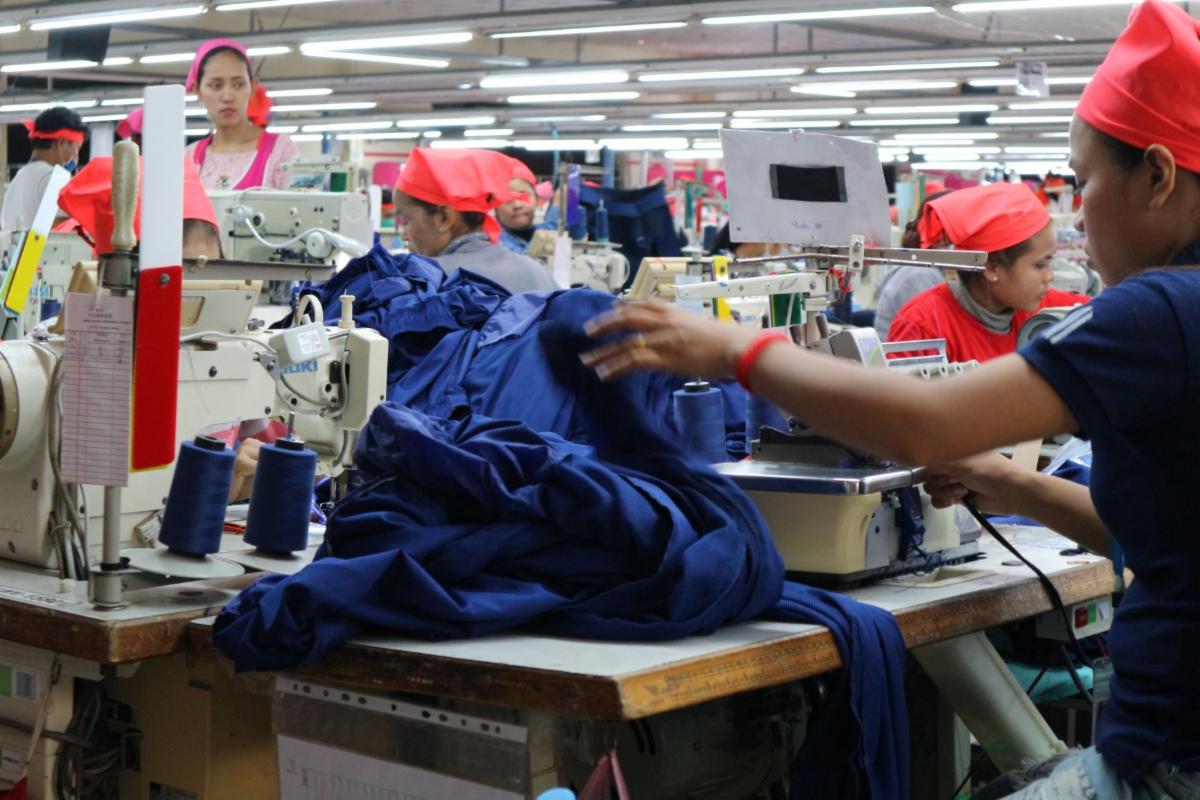
A planned impact evaluation headed by EAPGIL aimed to evaluate enterprise-sponsored childcare programs meant to benefit garment factory workers and their households in Cambodia. However, preliminary research found that loopholes in Cambodia’s labor law meant that regulations requiring employers to provide childcare services to their workers were sufficiently ambiguous that factories were unwilling to engage with the program. EAPGIL in collaboration with GP Social met with the Cambodian Ministry of Labor and Vocational Training and Ministry of Education, Youth and Sport, who agreed to sponsor a national sub-decree to clarify labor laws. In the meantime, the World Bank, with funding from the Japan Social Development Fund, has provided a $2.7 million grant to a French NGO, Planète Enfants & Developpement, to develop community-based childcare facilities in Cambodia. An EAPGIL IE of this initiative is underway.
|
|
Why care about unpaid care work in East Asia? |
|
An increasing body of evidence shows that women’s domestic roles in the household limit or orient their participation in the labor market in East Asia. In this blog post, EAPGIL Economist Hillary Johnson explores evidence on the impact of unpaid care work on women’s labor force participation and other economic outcomes, and potential policy solutions to alleviate the domestic work burden or close the gender gap in unpaid domestic labor.
|
|
About East Asia and Pacific Gender Innovation Lab |
|
Part of the East Asia and Pacific Office of the Chief Economist, EAPGIL carries out impact evaluations and inferential research to generate evidence on what works in closing gender gaps in assets, economic opportunities, and agency, and how closing these gaps can help achieve other development outcomes. Ultimately, EAPGIL seeks to increase the welfare of women and men in East Asia and the Pacific by promoting the uptake of effective policies and programs identified based on evidence. We gratefully acknowledge funding from the Umbrella Facility for Gender Equality (UFGE) to carry out this work. EAPGIL is supported by UFGE in partnership with the Australian Department of Foreign Affairs and Trade. UFGE has received generous contributions from Australia, Bill & Melinda Gates Foundation, Canada, Denmark, Finland, Germany, Iceland, Latvia, Netherlands, Norway, Spain, Sweden, Switzerland, United Kingdom, and the United States. |
|
|
|
|
|
|