|
The Latino Men’s Health Forum Round-UP
Issue 6, August 20, 2025
| | | |
What's Missing? Building Equity
in Latino Cancer Research & Care
Latino communities face critical gaps in cancer care, from identifying the underlying causes, cost and access barriers to healthcare workforce shortages and ever increasing climate-driven health risks. TLCI's 2025 Forum Series brings together experts and community voices to discuss these urgent concerns as they impact Latino men, who up to now, have not been the focus of our inquiry. Whether you're a healthcare provider, researcher, community advocate, or someone personally impacted by cancer, your participation matters.
| |
Upcoming Forum Dates for Latino Men's Health: Spotlighting Cancer, an Unanswered Burden
| | |
Forum 1
September 12
Why Are Latino Men at Higher Risk for Cancer — and How Is It Impacting Patients, Communities, and the U.S. Economy?
| | |
Forum 2
October 3
Machismo, A Key Driver of Latino Male Health and Risk!
| | |
Forum 3
October 24
Building an Equitable Latino Healthcare Workforce — from Medical Students to Clinicians
| | |
9:00 AM – Noon Pacific Time, Virtual
Across all three forums, TLCI weaves together the science of cancer — prostate, liver, stomach, colorectal, testicular, lung — and the potential consequences of vaping. We address the lived realities of Latino men, from obesity and diabetes to environmental risks, the impact of machismo, and the unanswered burden of a cancer diagnosis exacerbated by lack of psychosocial support. We launch with "Ask the Men" — a powerful conversation with three Latino cancer survivors sharing their journeys from diagnosis to recovery.
You can register once to attend any or all three Forums --- no need to sign up separately for each one.
| |
Forum Series Spotlights:
Experts Shaping the Future of Latino Health
| | Forum 3 - Building on Decades of Latino Health Leadership | | | | |
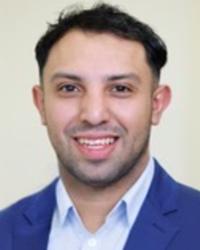
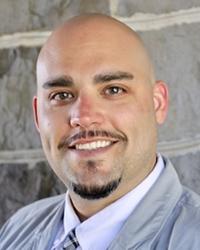
Cristhian Gutierrez Huerta, 6th-year MD/PhD Student– President, Latino Medical Student Association
Latinos are nearly 19% of the U.S. population but only 6% of doctors. "This gap means many Latino patients, especially those who do not speak English or who are undocumented, face challenges as they access healthcare," notes Gutierrez. He'll share how the next generation of Latino physicians is stepping up, despite intensifying Trump administration policies impacting academic DEI inclusion, educational loan repayments and caps that often don't cover medical school tuition.
| | | | |
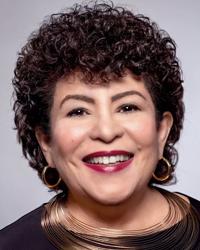
Dr. Elena Rios – CEO, National Hispanic Health Foundation
"NHHF's mission is to transform the healthcare system with leadership, research and education to improve the health of Hispanics," shares Dr. Rios. Founder and former 30-year leader of the National Hispanic Medical Association, she brings unparalleled experience to Forum 3. Her work focuses on clinical trials workforce development and mentoring, ensuring Latino health professionals have clear pathways to success.
| | Forum 2 - The Masculine DNA of Latino Machismo | | | | |
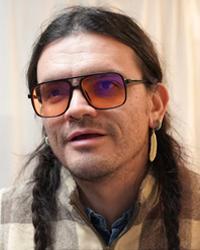
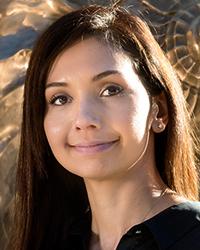
Luis Arturo Valdez, PhD, MPH, Assistant Professor, Drexel University, PA
Dr. Valdez explains machismo as both a health barrier and a coping mechanism, and how that increases Latino cancer risk. Is this social practice intergenerational or are younger Latinos showing different health practices?
| | | | |
Forum 2 Special Guest - Climate Change as a Cancer Driver
Leticia Nogueira, PhD, climate scientist, returns to present urgent findings on environmental degradation's impact on Latino communities. Her research connects climate change to cancer risk, particularly for Latino agricultural workers and families in environmentally compromised areas. Dr. Nogueira's work and mentorship contributed to TLCI's recent climate change and cancer journal article, positioning environmental justice as crucial for cancer prevention and treatment equity.
| | Forum 1 - Economic Toll of Cancer Disparities | | | | |
Mateo Banegas, PhD, University of San Diego
Dr. Banegas delivers our Forum 1 keynote, examining: What is the true cost of cancer— to individuals, families, and our entire labor force? He will present research on productivity loss versus cancer diagnosis costs, revealing how delayed care creates ripple effects throughout Latino communities. His economic analysis provides compelling evidence for why health equity isn't just a moral imperative—it's an economic necessity.
| | Psychosocial Support That Saves Lives | | | | |
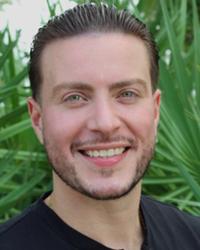
Too few services exist for Latino men facing cancer. Javier Rosario, mental health therapist and Information Specialist at the Leukemia & Lymphoma Society, our major sponsor, works daily with men balancing strength, silence, and family expectations. His message: "Strength is not about silence but about the courage to be authentic."
Rosario's Forum 3 presentation explores how culturally responsive care transforms treatment outcomes. For many Latino men, cultural expectations about masculinity make expressing vulnerability nearly impossible. But breakthrough moments happen when men feel truly understood: "Culturally responsive support is not a bonus but a lifeline."
This presentation connects to Forum 1's "Ask the Men" session, where three Latino cancer survivors address cultural silence while sharing their journeys — from diagnosis to treatment to the dynamics of machismo in health behaviors.
| | Moving Beyond the Latino Monolith with FORCE | | |
One size fits none when it comes to Latino health research. TLCI continues advocating for disaggregated population data that recognizes genetic and health differences within Latino subgroups.
Consider prostate cancer: Afro Latino men face substantially higher risks than men of Mexican ancestry due to genetic and environmental factors. Yet most research treats "Latino" as a single category, missing critical distinctions that could save lives through targeted screening and prevention.
| | | | This precision approach underlies TLCI's continuing collaboration with FORCE on hereditary cancer education, ensuring genetic counseling reflects the true diversity of Latino experiences and risk factors. | |
TLCI Forums: Scientific Depth + Community Insight
We don't just discuss disparities — we reveal the genetic, biological, cultural, and environmental mechanisms that create them. These forums address the cancers hitting Latino men hardest and the research that's changing outcomes. Some insightful information that we will go over is:
-
Potentially life-saving early detection strategies for prostate, liver, colorectal, stomach, testicular, and lung cancers affecting Latino men at disproportionate rates
-
Economic revelations showing how delayed cancer care costs Latino families and communities billions in lost productivity and wages
-
Genetic research explaining why certain Latino subgroups face higher cancer risks — and what precision medicine means for prevention
-
AI and digital innovations specifically designed to improve cancer diagnostics and outcomes in Latino communities
Building Community and Connecting Latino Health Equity Champions
With nearly 100 registrants and growing, TLCI's 2025 Male Health Forum Series is uniting Latino health equity champions from coast to coast. Our virtual platform brings together academics, researchers, clinicians, community health workers, and advocates from across the United States and internationally, including participants from Colombia.
| | |
Take Action Today
Share: Forward to healthcare providers, researchers, and community leaders
Support: Donate to ensure this level of scientific programming continues despite funding cuts
Connect: Follow our updates @thelatinocancerinstitute on Facebook, Instagram, LinkedIn and Threads
| | TLCI Engagements & Featured Resources | | | | NAHJ 2025 Conference: TLCI Founder Ysabel Duron moderated "The Story Behind the Cancer Divide in Hispanic Communities" at the National Association of Hispanic Journalists conference in Chicago. With over 3,000 NAHJ members nationwide, this platform elevates Latino cancer risk discussions — because when journalists understand the stakes, our stories reach the families who need them most. | | | | AACR Keynote Preview: This fall, Duron will deliver the Patient Advocate keynote at the American Association for Cancer Research, highlighting the 197+ researchers who have collaborated with TLCI over the years both teaching and learning. Her presentation, "What's in a Name," will highlight how her journey from journalist to cancer survivor to Latino advocate has enlightened and enabled her ability to learn and lead. | | | | Recognition & Awards: TLCI's advocacy work gains recognition at the Disability Rights Legal Center gala this October in Los Angeles, where Duron will receive an award for health equity leadership. | | | | Great News! Latino leaders are launching the National Hispanic Health Research Institute (NHHRI) on August 26th — the first national institute led by Hispanics dedicated to addressing Latino underrepresentation in clinical trials and research funding. | | This directly responds to action items TLCI and our forum presenters have championed for years. More than 50 partners are uniting to ensure Latino voices are at the forefront of health research and policy. | | |
Let No One Face Cancer Alone
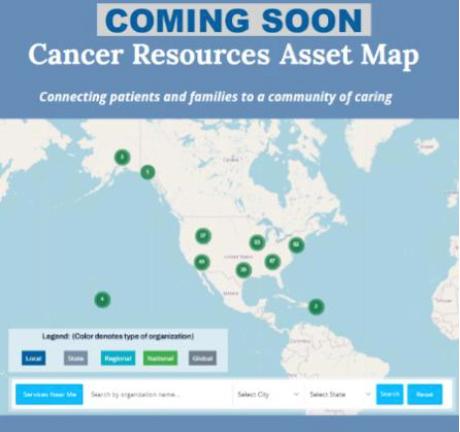
This fall, we'll also launch our Cancer Resources Asset Map — an online searchable directory connecting Latino families to more than 300 organizations offering pathways to care, connection, and hope for Latino families, so no one faces cancer alone.
The map will serve patients, families, community health workers, navigators, and healthcare teams. WE’LL PREVIEW IT AT OUR FORUMS.
| | |
|
Get Involved: Ways to Make an Impact Today
When federal research fails our communities, we need to step up!
We welcome your feedback, thoughts, and suggestions for this exciting work. To share your story or learn more about getting involved, email us at: contactUs@latinocancerinstitute.org.
| | | | | | |
Moving Forward Together
Thank you for joining us as The Latino Cancer Institute advances Latino health equity. We depend on your support to continue driving impactful conversations and initiatives that address health disparities and improve lives.
| | | | |