Mission statement:The CORaL Network empowers our region by collaborating, learning from one another, and sharing scientific, cultural, and traditional knowledge. We foster community co-creation and responsiveness to meet the needs of our partners and their service communities.
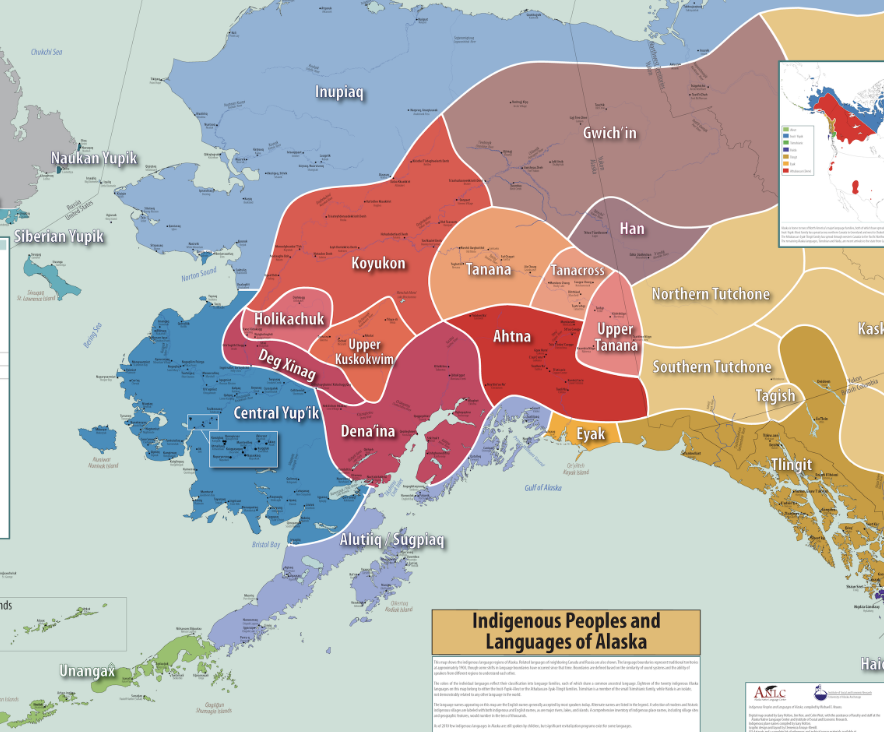
We respectfully acknowledge that the land on which we gather and work is the ancestral territory of the Alutiiq/Sugpiaq, Eyak, and Dena’ina peoples. We want to take a moment to also acknowledge our elders/mentors, folks from research, your hard work, and your willingness to work together!
In this Issue
Spotlight Story: 2026 Kachemak Bay Shorebird Festival I Songs of Plankton I 8th Prince William Sound (PWS) Natural History Symposium (Whittier) I Upcoming Programs & Events I Community Corner: 2026 Lowell Wakefield Fisheries Symposium (Kodiak) I
Jobs & Internships I Featured Resources
Spotlight Stories
2026 Kachemak Bay Shorebird Festival
The Kachemak Bay Shorebird Festival is hosted every spring in Homer to celebrate the thousands of shorebirds that migrate through the area. It began in 1993 when Homer residents organized to come up with a way to educate the public about shorebirds and wetlands, and promote economic and cultural interests. 34 years later the festival is still going strong, with this year being their biggest one yet! The festival featured educational workshops, birdwatching tours on land and at sea, crafts, and more
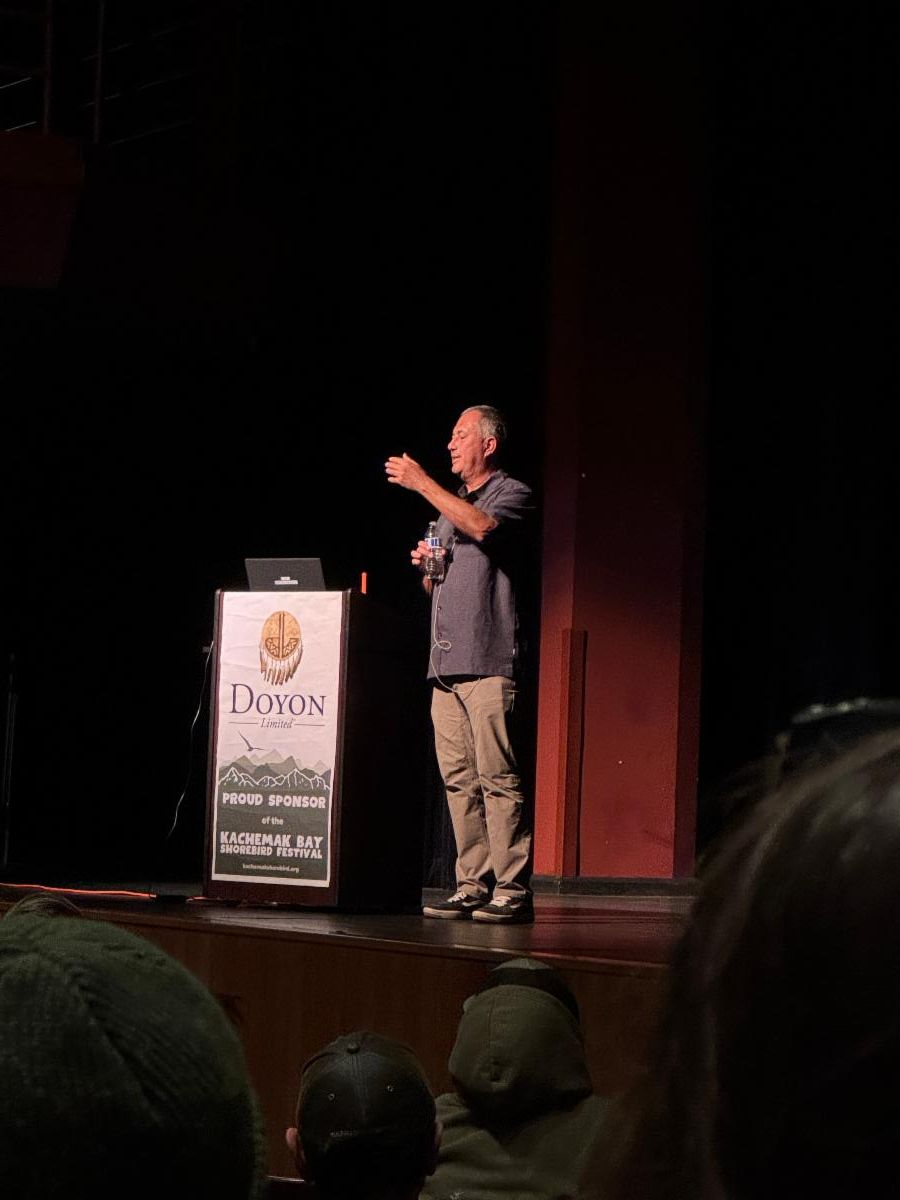
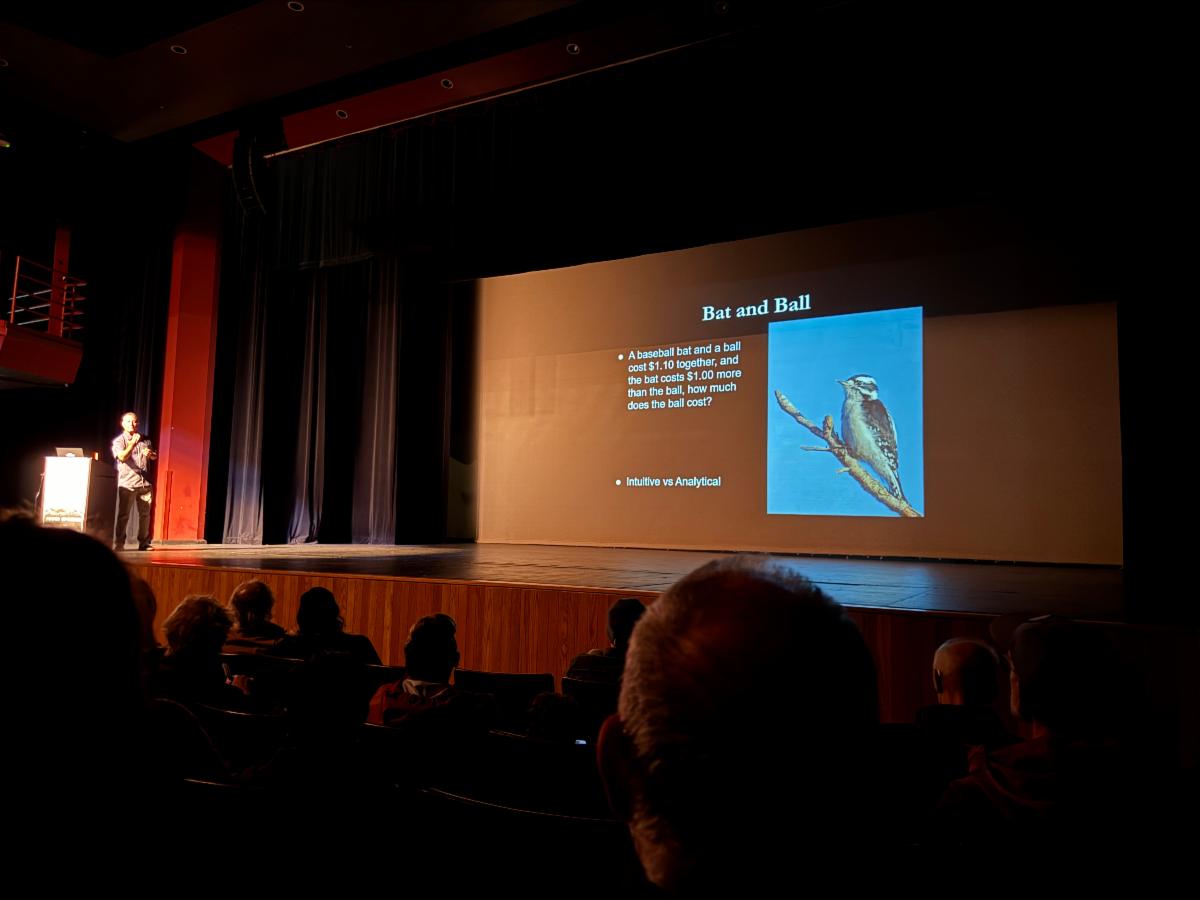
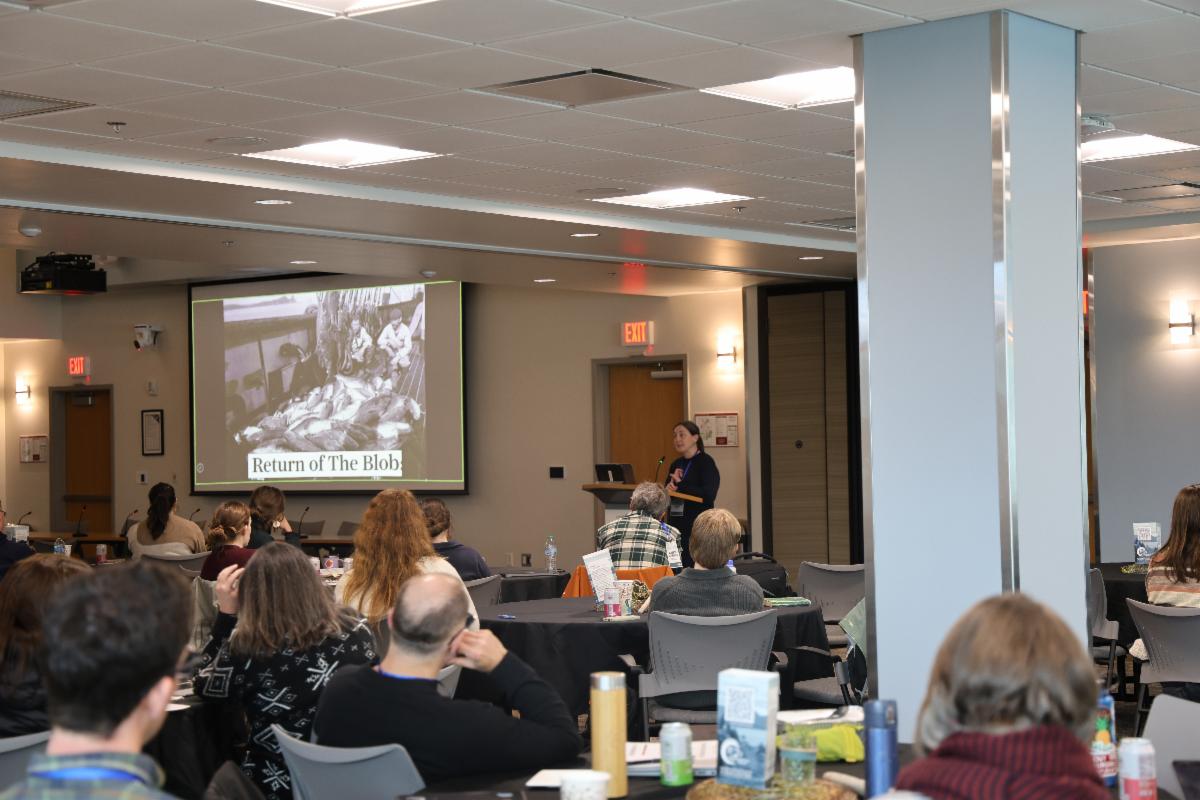
A highlight of the festival was the Keynote Speech: Birding Fast and Slow by Alvaro Jaramillo. His speech focused on how birding affects the brain and brings us closer to nature. According to Jaramillo, it all starts with noticing. Someone might notice little red birds returning to their yard every autumn. Then one day they ask themself what those birds are and look it up. The little red birds are cardinals, but what about the little yellow birds that show up in summer? And so it begins. Recognition becomes identification, which then becomes connection. From there, Jaramillo explained how birding is actually good for the brain. Looking for and identifying birds is a good grounding exercise because it engages system 2 thinking. The brain operates on two systems. System 1 is fast, unconscious, intuitive thought. You know a pigeon when you see one, no need to think about it. System 2 is slow, effortful, conscious thought. It is for making complex decisions- like trying to identify a new bird. In working through the steps of bird identification, the brain is forced to slow down and focus on the moment. Jaramillo described it as meditative for him. The talk then wrapped up by reminding the audience that birding is supposed to be fun. Avoid getting bogged down with trying to check every single bird off a massive list and just enjoy connecting with nature.
Many thanks to all of the hardworking and dedicated volunteers that helped make this year’s festival a success. And thank you to the Friends of Alaska National Wildlife Refuges, the Alaska Maritime National Wildlife Refuge for organizing this event. None of this would be possible without them.
Jaramillo gives keynote speech: Birding Fast and Slow.
Slide from Birding Fast and Slow.
Song of the Plankton: Celebrating Ocean Connections Through Art and Science
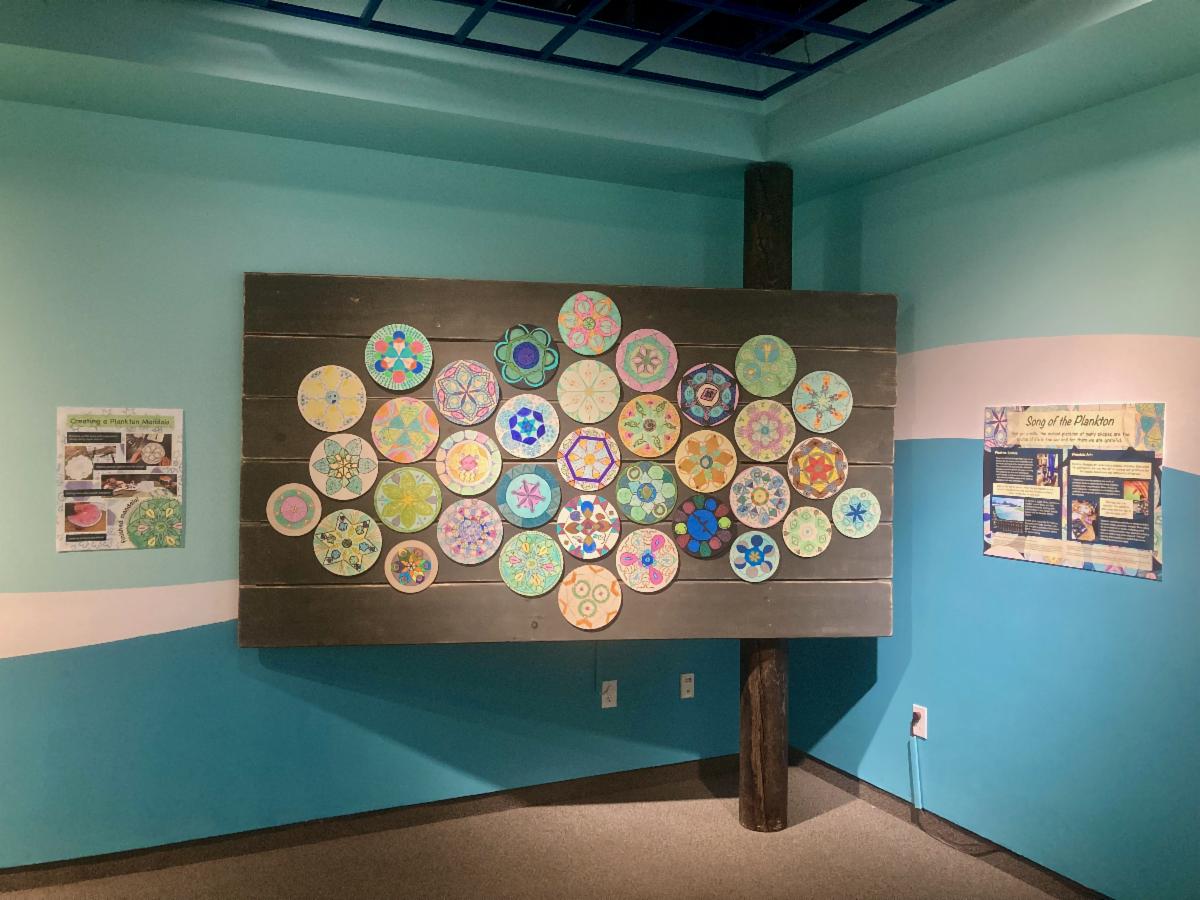
Plankton mandala exhibit at the Alaska SeaLife Center for World Oceans Day
As part of the Alaska SeaLife Center's World Ocean Day celebration, community members were invited to explore the hidden beauty of the ocean through Song of the Plankton, an interdisciplinary project that demonstrates the powerful connection between science and art.
Led by local artist Kim McNett, the project brings the fascinating world of plankton into classrooms and communities across Alaska. In partnership with the University of Hawaiʻi, with scientific expertise provided by Petra H. Lenz and Lauren N. Block, and coordinated by Katie Gavenus of the Center for Alaska Coastal Studies, the initiative has engaged hundreds of students and community members through the support of CORaL Network partners.
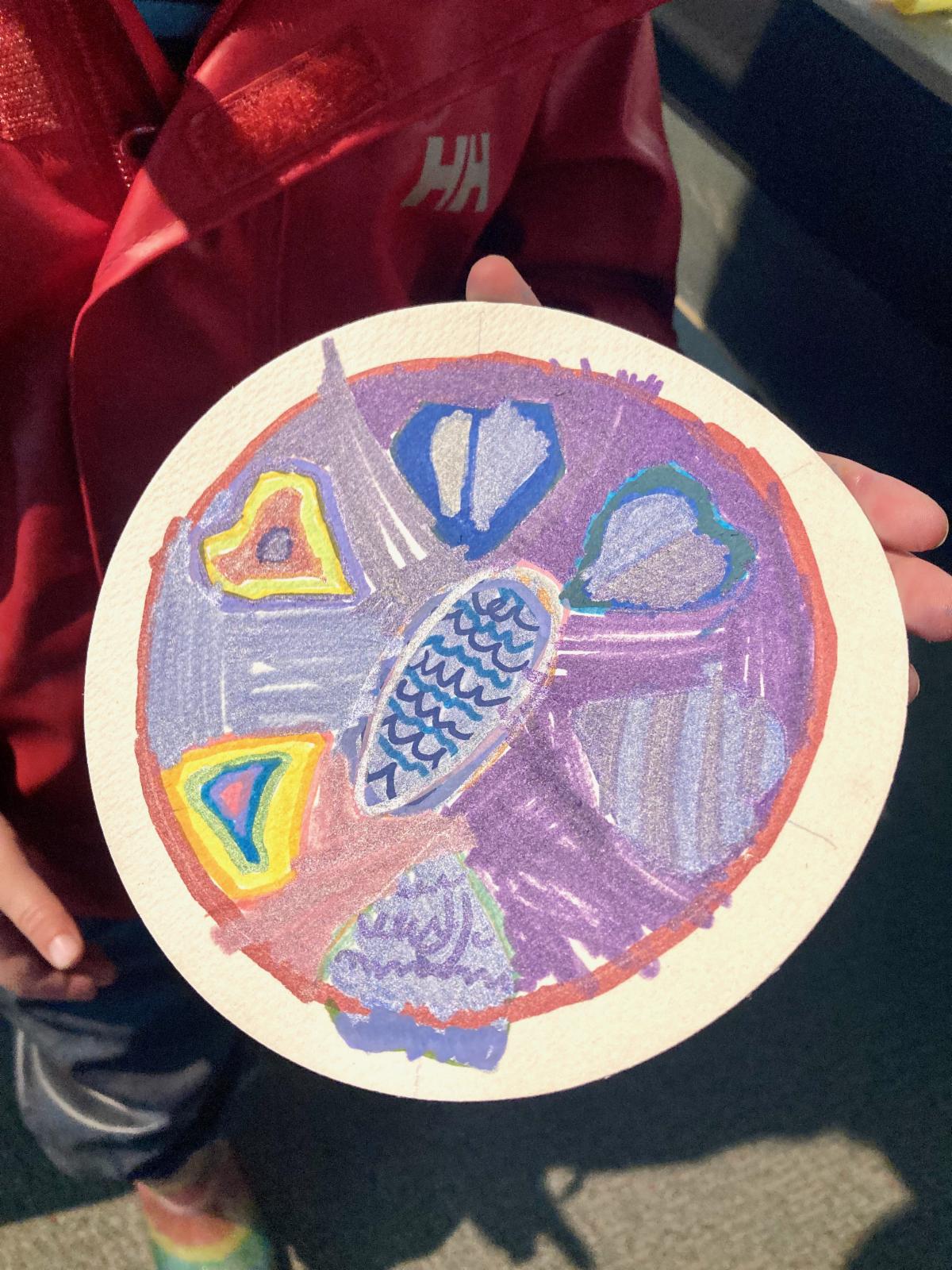
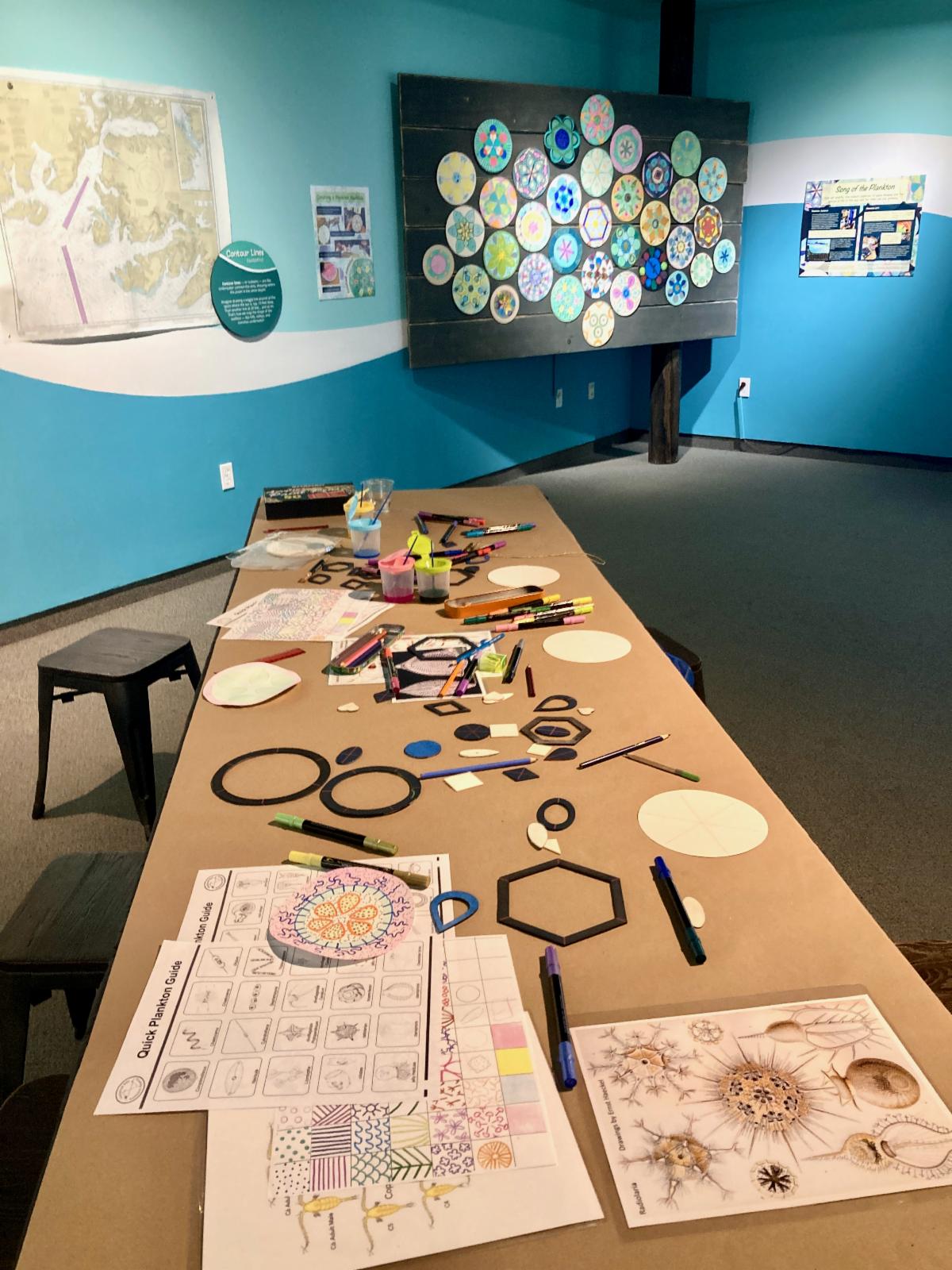
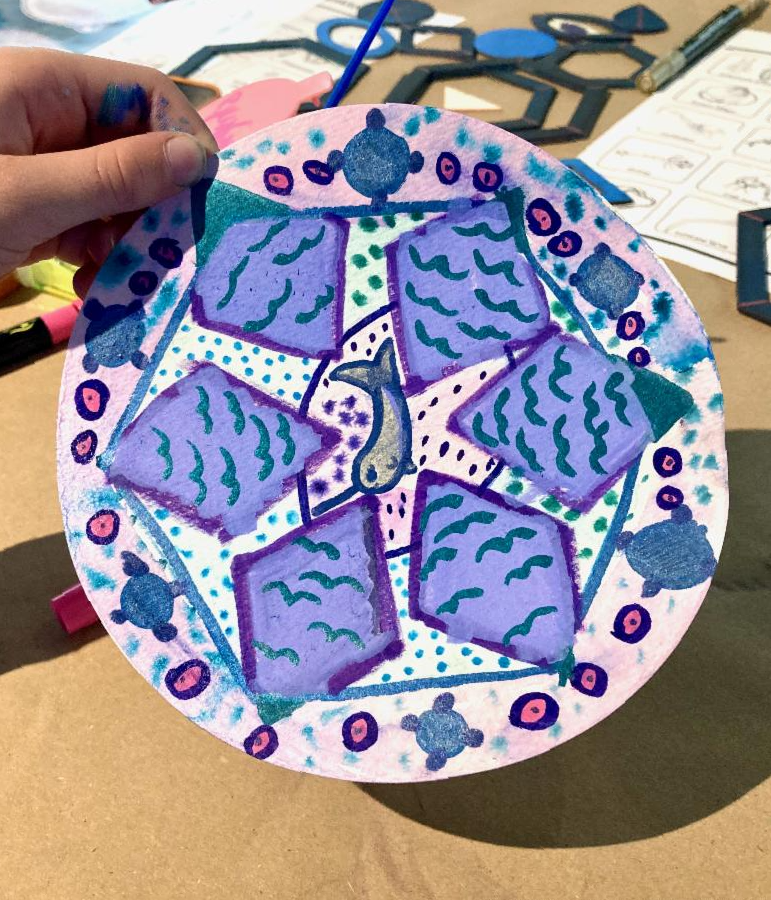
During the celebration, visitors viewed artwork created by students and community members inspired by the extraordinary diversity of plankton. Through mandala-style art, participants explored themes of biodiversity, movement, adaptation, seasonal migration, and marine food webs. Guests were also invited to create their own plankton-inspired mandalas, reflecting on the beauty, abundance, and complexity of life beneath the ocean's surface.
A highlight of the event was the opportunity to observe plankton under microscopes. Visitors identified copepods, ctenophores (comb jellies), chaetognaths (arrow worms), jellyfish, and diatoms, organisms that form the foundation of healthy marine ecosystems.
Song of the Plankton illustrates how artistic expression can deepen scientific understanding and foster a stronger connection to the natural world. As the project continues to expand throughout coastal Alaska, it inspires stewardship by revealing the wonder found within some of the ocean's smallest, yet most important, inhabitants.
Plankton mandala made by a visitor
Plankton mandala creation station
Plankton mandala made by a visitor
8th Prince William Sound (PWS) Natural History Symposium (Whittier)
PWSHNS logo
Last month, PWS Stewardship Foundation held its 8th annual Natural History Symposium in Whittier. What began as a pre-summer training day for outdoor educators, guides, and naturalists has grown into a highly anticipated community event, kicking off the summer season with all things Prince William Sound (PWS). ‘Sound Reflections’ was this year's theme for the two-day symposium, bringing together practitioners from all over PWS to discuss the latest news and research priorities, including marine debris, invasive species management, and tourism and boating safety.
This year’s panels included topics on land management, bathymetry, sea stars, landslides, and ocean monitoring.
Allison Carl, Biology Lab Manager with Chugach Regional Resource CRRC’s Alutiiq Pride Marine Institute, led a discussion on community-based ocean monitoring techniques to understand marine health, and the pathways for communication and organized action.
Alaskan Native culture and influence are woven deep into the natural history of PWS, from land management to hunting and subsistence to art to clothing. Leigh Lubin, Marine Education Specialist with Alaska Sea Grant, led a Cultural Connections Training, designed for non-Natives in speaking and sharing the history, culture, and language of Alaskan Natives accurately and respectfully.
This self-paced, free, modulated course is free and available online through Alaska SeaGrant and the University of Alaska Fairbanks (UAF). If you’re interested in learning more about and best practices for sharing Alaskan Native history and culture, sign up for Cultural Connections Training here.
5:00-9:30pm, June 13th I Cordova Center, Cordova Alaska Marine Policy Forum 1:00-2:00pm AKDT, July 15 I Online Nature Art- Mini Camp Date: 9:00am-3:00pm, June 22-23 Location: PWSSC dock, Cordova Grades: Rising 2-3 Cost: $150 Are you ready to look at nature through a different lens? We will be out and about all over Cordova blending sticks, rocks, paint, seaweed and more! This is a day camp and we will be spending our time exploring, playing, and learning throughout the Copper River Delta. H2O: Headwaters to Ocean Day Camp Date: 9:00am-3:00pm, June 29-July 2 Location: PWSSC, Cordova Grades: Rising 3-4 Cost: $350 H2O Day Camp is a great time to be active and have fun in the outdoors while learning about the amazing landscape that surrounds Cordova. Each day is filled with hands-on science activities, games, and adventures.
Where the Wild Things Are Day Camp Date: 9:00am-3:00pm, July 21-24 Location: PWSSC, Cordova Grades: Rising 3-4 Cost: $350 Stomp, romp, and roar your way through the Prince William Sound while discovering the animals who share our home! We will hike the rainforest and imitate the squirrels, comb the delta looking for moose, and get wet with the tide pool creature. Campers will develop a deep understanding of the special adaptations of our local creatures. Dino Mania Day Camp Date: 9:00am-3:00pm, July 28-29 Location: PWSSC, Cordova Grades: Rising 2-3 Cost: $150 What do Pachyrhinosaurus, Hadrosaurus, and Nanuqsaurus have in common? They are all dinosaurs that lived in Alaska. Budding paleontologists will develop the skills needed to delve into dinosaurs and discover adaptations of Alaskan dinosaurs. You will even get to participate in a mock dig. The Wisdom of Plants Day Camp Date: 9:00am-3:00pm, August 4-7 Location: PWSSC, Cordova
Grades: Rising 5-6
Cost: $350
Learn to identify the plants around us as well as their unique properties. In addition to hiking, wading, and exploring we will be learning how plants can be used for art, medicine, and food! Summer Day Camp Date: 9:00am-4:00pm Monday-Thursday, June-August Location: Wynn Nature Center, Homer Ages: 7-9yrs Cost: $350 Spend the summer outside with our weekly day camp. Sign up for a single week or more (up to 5 weeks)! Outdoor activities will include games, art, and exploration from the forests of our Wynn Nature Center to the beaches on the Homer Spit. Each week has a different theme with different activities to explore. Knee-High Naturalists Date: 10:00am-11:30am Fridays, June-August Location: Wynn Nature Center, Homer Ages: 0-5yrs Cost: Free Our popular Pre-K program is one day a week and perfect for families. Naturalists will provide an engaging program for you and your toddler to explore the outdoors with a special story, a short walk, and a craft. Activities will change every week. Wynn Exploration Camp Date: 1:00-5:00pm Tuesdays, June-Aug Location: Wynn Nature Center, Homer Ages: 10-12yrs Cost: $175 This day camp offers the perfect opportunity to dive deep into the forest and watershed of the Wynn Nature Center. Campers will learn about wild edible plants, wildlife, art in nature, wilderness survival skills, and so much more! All while exploring the trails around the Nature Center with our staff.
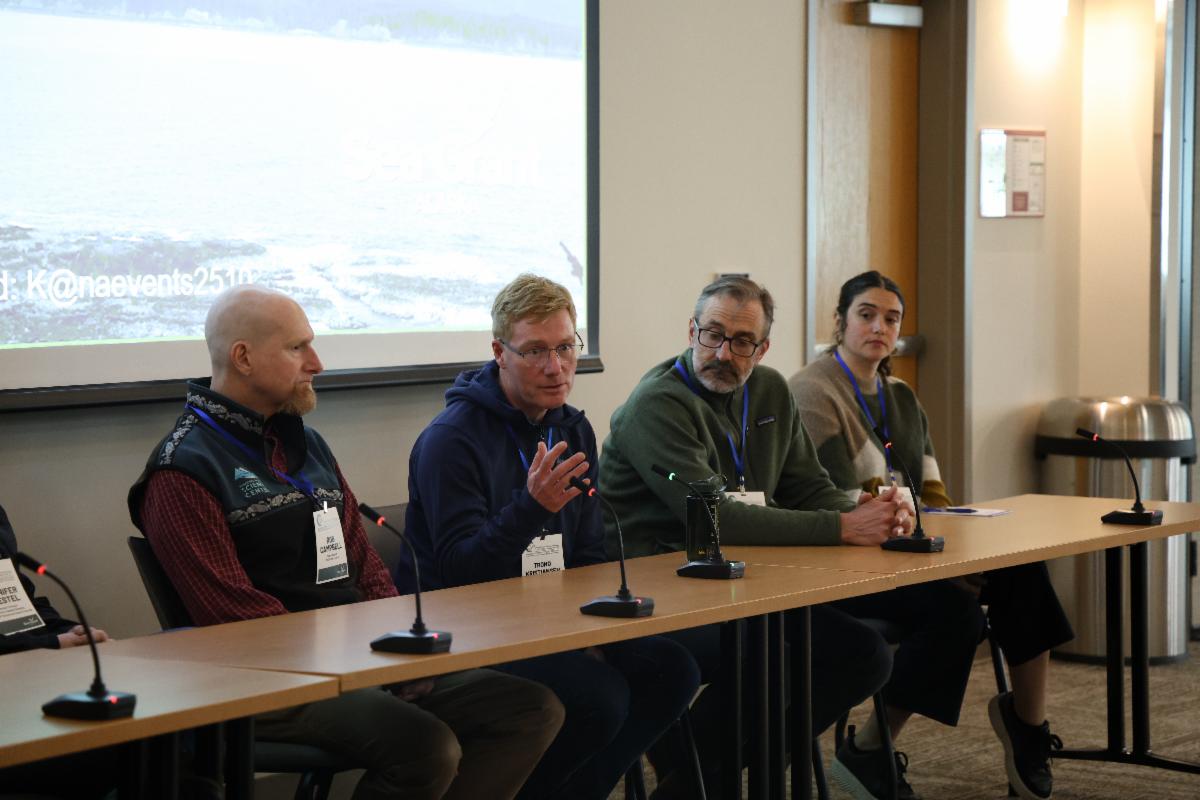
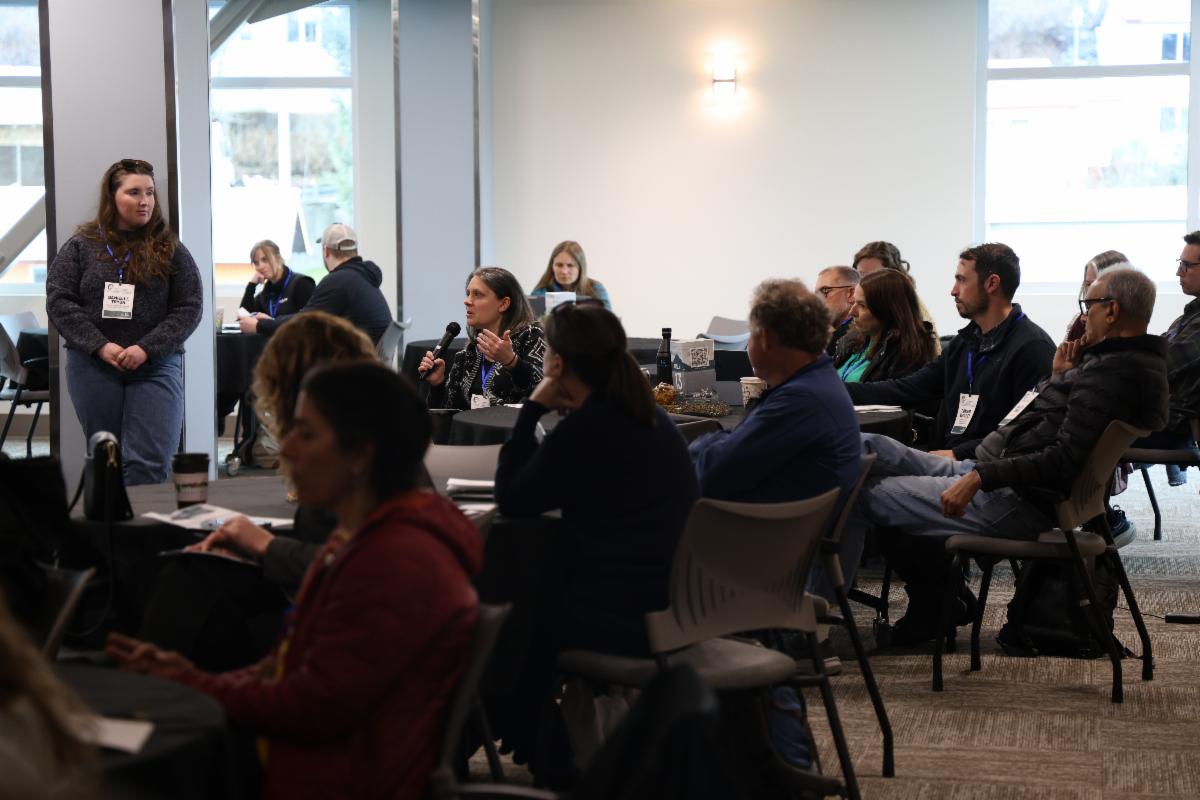
Last month, representatives from the Prince William Sound Science Center (PWSSC) and Alaska Sea Grant (ASG) attended and presented at the 2026 Lowell Wakefield Fisheries Symposium. This Symposium brings fishery researchers, managers, and other professionals together to share knowledge, experience, and learn about marine heatwaves at high latitudes. Through this interactive Symposium, attendees explored the impacts of extreme warming events on high latitude fisheries and discussed tools and strategies to build resilience in fishery management.
Alaska Sea Grant has been sponsoring and coordinating this Fisheries Symposium since 1982, with support from local Alaska partners. Some Alaska Sea Grant presenters include Ginny Eckert, who gave the opening welcome, and David Holen, who co- presented on building resilience to marine heat waves and other changing ocean conditions to promote thriving fishing communities in the Gulf of Alaska. From the Prince William Sound Science Center, Dr. Rob Campbell (PWSSC) presented on recent changes in the plankton ecosystem of Prince William Sound.
Panel discussion during the Lowell Wakefield Fisheries Symposium
Credit: Lowell Wakefield Fisheries Symposium
Audience questions during Lowell Wakefield Fisheries Symposium
Credit: Lowell Wakefield Fisheries Symposium
Jobs and Internships
(Seward, AK) Multiple Positions- Alaska SeaLife Center (ASLC) Multiple positions currently available across animal care, operations, facilities, administration, IT, accounting, and security. Visit our website for a complete list of openings.
Recruiting candidates for a position located on the University of Alaska campus in Fairbanks. This will be a part-time, student assistant position. Successful candidates will be placed on the UA student salary schedule, based on education and experience. Contact Ashley Lindsoe. (Cordova, AK) Graduate Research Position: Salmonid Evolutionary Ecology and Conservation Lab Department of Fisheries- Prince William Sound Science Center (PWSSC) The Salmonid Evolutionary Ecology and Conservation Lab in the Department of Fisheries att he University of Alaska Fairbanks (UAF) invites applications for a funded graduate student position (M.S. or Ph.D.) under the supervision of Dr. Peter Westley. The position will contribute to a collaborative research project housed at and administered through the Prince William Sound Science Center (PWSSC) examining the fitness consequences of salmon straying in Prince William Sound, Alaska. Interested applicants should contact both Dr. Peter Westley (pwestley@alaska.edu; www.seec-lab.com) and Dr. Peter Rand (prand@pwssc.org) with a brief statement of research interests, CV, and the names of potential references. Interviews with top candidates are expected over Zoom. (Kodiak, AK) Welcome Center Intern - The Alutiiq Museum (AMAR)
Join the center as a paid intern.Gain valuable hands-on experience in retail, tourism, and cultural education. Support local artists, connect with visitors, and share Alutiiq heritage. 25 – 30 hours a week, starting fall 2026 at $18 an hour. Apply!
A new arctic marine science exhibition opening opening at the Anchorage Museum on May 15th, 2026. Anchorage Museum and North Pacific Research Board (NPRB), will host a new exhibit on arctic marine science that focuses on the UAF research vessel, the R/V SIKULIAQ. The exhibit will feature images and science from NPRB's Arctic Integrated Ecosystem Research Program (IERP).