|
Benchmarks' Friday Membership
Webinar Recording and Update
|
| Benchmarks Membership Webinar
September 25, 2020 |
NC Cases: 198,189
Cases Hospitalized: 902
NC Deaths: 3,356
Positive Tests: Hovering around 5% the last two weeks
Young Adults Leading COVID Infections
The study published Wednesday suggests that 20-somethings are helping to drive the spread of the virus. "Given the role of asymptomatic and presymptomatic transmission, strict adherence to community mitigation strategies and personal preventive behaviors by younger adults is needed to help reduce the risk for infection and subsequent transmission of SARS-CoV-2 to persons at higher risk for severe illness," study authors wrote.
During pandemic, growth of U.S. adults with mental health issues jumps to 53 percent
By Linda Searing, Washington Post
A growing number of U.S. adults are struggling with mental health issues linked to worry and stress over the novel coronavirus, increasing from 32 percent in March to 53 percent in July, according to a new report from the Kaiser Family Foundation. Those experiencing symptoms of anxiety or depression, for example, reached 40 percent this summer, up from 11 percent a year ago. In addition, a similar assessment from the Centers for Disease Control and Prevention found that, by late June, 13 percent of adults had started or increased alcohol consumption or drug use to help cope with pandemic-related woes, and 11 percent had seriously considered suicide in the past month - a number that reached 25 percent among those ages 18 to 24.
Social isolation, loneliness, job loss and economic worries as well as fear of contracting the virus are among factors cited as contributing to people's mental health problems. Kaiser researchers found that 59 percent of those who have lost income because of the pandemic experienced at least one adverse effect on their mental health and well-being, as did 62 percent of those with higher-than-average risk for covid-19 because of such chronic conditions as lung disease, asthma, diabetes or serious heart disease.
Overall, both reports found that negative mental health effects from the stress of coronavirus were more common among women than men. Suicidal ideation, however, was more common among men. Also, the CDC report says that people described as "unpaid caregivers," meaning they care for other adults at home, are considerably more likely than others to start or increase substance use to cope with coronavirus-related stress or to have suicidal thoughts.
F.D.A. Requires Stronger Warning Label for Xanax and Similar Drugs
The Food and Drug Administration said on Wednesday, Sept 23 that it would require a new warning label on a class of common psychiatric drugs, called benzodiazepines, to better warn the public and health professionals about the serious risks of abuse and addiction.
Benzodiazepines are prescribed for anxiety, insomnia, seizures, panic disorders and other health problems. They are also often given before certain medical procedures. They slow brain activity, causing sedation or calming effects.
The drugs are enormously popular. In 2019, according to the agency, roughly 92 million prescriptions for benzodiazepines - such as the highly prescribed Xanax, Klonopin and Ativan - were dispensed in the United States.
In a press statement, Dr. Stephen Hahn, the F.D.A. commissioner, said he was concerned about widespread misuse of the drugs, especially when they are taken with opioid pain relievers, alcohol or other medicines. The National Institute on Drug Abuse reports that more than 30 percent of opioid overdoses also involve benzodiazepines.
"We are taking measures and requiring new labeling information to help health care professionals and patients better understand that while benzodiazepines have many treatment benefits, they also carry with them an increased risk of abuse, misuse, addiction and dependence," Dr. Hahn said.
The current labeling information on the drugs "does not provide adequate warnings about these serious risks and harms associated with these medicines," the F.D.A.'s announcement said. The agency also warned that people could become physically dependent on the drugs in a matter of days and might have difficulty stopping them safely. Withdrawal can take months, the agency said. It called on doctors to be more careful when prescribing benzodiazepines with opioids or other medicines that depress the central nervous system. Such combinations can cause serious side effects, respiratory distress or death.
The F.D.A. action followed a review of reported serious side effects - known as "adverse events" - and scientific studies of the drugs. The agency did not disclose how many adverse events had been reported in its database.
Lead Testing
Greg Barnes, NC HEALTH NEWS, 9/21/20
The coronavirus pandemic has resulted in thousands of families skipping or delaying well-child visits to pediatricians, where many children would have been tested for lead poisoning or received vaccinations. A survey of pediatric offices across North Carolina taken near the beginning of the pandemic found that 85% reported a patient decrease of 40% or more, said Elizabeth Hudgins, executive director of the North Carolina Pediatric Society. "What we're hearing anecdotally is that that is picking up, but, you know, it would have to be through the roof to make up for all the lost ground," Hudgins said.
Figures from the state Department of Health and Human Services bear that out. In April, the number of lead screenings in North Carolina had declined 52% from the previous year, DHHS spokeswoman Sarah Lewis Peel said in an email. Peel said the decline has since been reduced to 24%. Children in North Carolina whose parents are on Medicaid are required to be tested for lead at 12 and 24 months of age. The Centers for Disease Control and Prevention and North Carolina recommend that all children be tested at those ages.
Young children with high lead levels typically don't exhibit early signs to their parents. That's one reason that skipping a pediatric visit where a lead test would have been conducted has serious ramifications, said Jennifer Hoponick Redmon, a senior environmental health scientist and chemical risk assessment specialist with RTI International in Research Triangle Park. When a child is found to have a high lead level, it triggers a government investigation to determine and eliminate the source and stop additional exposure, Redmon said.
Redmon said North Carolina is trying to become proactive, finding and eliminating sources of lead before they can harm children. She said she and other researchers are now engaged in a project to detect lead sources across the state, including in older and poorer communities. Redmon is the project director of the state's "Clean Water for Carolina Kids" program, which earlier this month won Harvard University's prestigious Roy Family Award for Environmental Partnership. "Clean Water for Carolina Kids" is a partnership among RTI International, NC Child, the Duke Environmental Law and Policy Clinic, and the North Carolina Division of Public Health. It aims to protect children and infants from exposure to lead in drinking water at licensed child care centers and Head Start pre-K programs in public elementary schools.
Last year, the partnership's work led to a state requirement that licensed child care centers and pre-K programs begin testing for lead in their tap water within a year. Redmon said that while testing continues at centers that remain open, the time limit has been informally relaxed because of the pandemic.
DHHS COVID Contact App
DAWN BAUMGARTNER VAUGHAN, THE NEWS & OBSERVER, 9/22/20
There's a new app that can alert you to COVID-19 exposure that over 50,000 people have already downloaded. The N.C. Department of Health and Human Services launched the app Tuesday, available for free in the Google Play Store or Apple App Store. Called SlowCOVIDNC, once you download it, you need to enable Bluetooth and exposure notifications on your smartphone. Your device will then share random IDs with other phones nearby. DHHS said the app is anonymous and the connections are "a string of random letters and numbers which changes every 10-20 minutes," according to the app.
The app is designed to add to existing contact tracing already in place across the state. The app is voluntary, so the more people who use it, the more interactions between devices. Bluetooth signal strength is also recorded on your phone to estimate the distance between phones, so exposure follows the definition of "close contact" of six feet or closer for at least 15 minutes. If you are exposed, you will get push notifications. However, those notifications will only happen if someone who has a positive COVID-19 test shares their results by entering a PIN provided to app users. Notifications will tell others if they were exposed a certain number of days ago, according to DHHS. Location data is not stored.
DHHS Secretary Dr. Mandy Cohen called it "another powerful tool to help slow the spread of COVID-19 right in their pockets."
"Downloading SlowCOVIDNC is a practical step each of us can take to protect ourselves, our loved ones and our state," Cohen said in a DHHS news release Tuesday.
New DHHS Headquarters
Ed Crump, WTVD NEWS, 9/23/20
For the past six months, North Carolina's residents have heard from the state Department of Health and Human Resources almost every weekday. But there's a lot about DHHS that many people may not know, such as the fact that the agency is planning for a new headquarters in Wake County that will consolidate all of its offices and most of its 4,000 employees in one place. "A critical component of state government right now is health. In these unique times that department is playing a key role in the success of our community," Jeff Murison told ABC11 from his Raleigh office.
Murison is the executive director of the Blue Ridge Corridor Alliance. The corridor is the area around a three-mile stretch of Blue Ridge Road in West Raleigh. The relatively new National Guard Joint Force Headquarters, which houses the state's Emergency Operations Center is on that land as is the Office of the Chief Medical Examiner and the State Laboratory of Public Health and the brand new North Carolina Agriculture Department's Agricultural Science Center.
But the buildings directly across Blue Ridge Road from the North Carolina Museum of Art are old and spread out among open acreage. "The state land directly across from the museum of art is a little underutilized. It's been the goal of the organization for a decade to see that redeveloped," Murison said. And since DHHS has to vacate the Dix property downtown in a few years to make way for the City of Raleigh's planned park, he sees a possible move of its 4,000 employees to the Blue Ridge as a big boost to the Blue Ridge Corridor.
A spokeswoman for the Department of Health and Human Services confirmed for ABC11 that the plan is in the works. Kelly Haight said in an email, "DHHS has received $15 million for planning purposes. While the design process has started, we are still working on the formal agreement with the NC Department of Administration to transfer the Blue Ridge Road site to DHHS."
Buncombe DSS Director Subpoena for General Assembly Committee
Lynn Bonner, THE INSIDER, 9/23/20
Sen. Chuck Edwards wants to know more about why Buncombe County social workers wouldn't step in when Black Mountain police told them the father of a 9-year-old girl -- after police found he was holding drugs -- instructed officers to leave his daughter with a man she didn't know in a hotel room where police reports say they found drugs and needles.
The Joint Legislative Oversight Committee on Health and Human Services voted Tuesday along party lines to subpoena Buncombe County Health and Human Services Director Stoney Blevins to appear at an Oct. 13 meeting. House members and senators sit on the committee and they voted 15-8 to issue the subpoena.
Edwards, R-Henderson, said the subpoena was the best way to get information that Blevins told him was protected by confidentiality laws. "I think we can all agree something went wrong here," Edwards said.
Democrats asked why a subpoena was necessary since Blevins had agreed to appear voluntarily, and whether legislators should look at individual cases and seek personal information. They suggested Edwards work through the local health board and the state Department of Health and Human Services.
"Shouldn't we work on the issues rather than just drag one man in?" Sen. Mike Woodard, D-Durham, asked. "Let's roll up our sleeves and get to work on the broader issues you say are important to you." The North Carolina Child Well-being Transformation Council, led by two legislators, issued a final report in July with recommended policy and law changes.
Rep. Becky Carney, D-Mecklenburg, worried about setting a precedent for bringing in a local health director to talk about a specific case. "I think we're going to potentially be opening up the door to bringing in every director when there's a problem," she said. "I know the issue within that one county is horrible, but I'm sure there have been others like it."
Edwards said he didn't know what legislators would learn by subpoenaing Blevins for questioning, but said there's likely more to the case than he's been told.
Extension of Foster Care Reimbursement Increase
As part of the on-going effort to address these needs, the General Assembly passed Session Law 2020-4, the 2020 COVID-19 Recovery Act, which appropriated federal CARES Act funding for children receiving foster care services. County DSS access to these funds for children in their custody, has been made available through a process described in a Directors Letter (BG-08-2020) dated June 15, 2020, and updated in Directors Letter (BG-11-2020) dated September 16, 2020.
Initially, these additional funds, consisting of a supplemental stipend payment of $100 per month, were available for each child or youth receiving foster care services during the months of April, May, and June 2020. The funding has been increased and will now include the months of July, August, and September 2020.
HCA Union
Kate Martin, CAROLINA PUBLIC PRESS, 9/22/20
Thursday's Mission Hospital nurse union vote in Asheville made national news as the largest health care union victory in the South since 1975. Hours after what National Nurses United called a "landslide victory," Mission Hospital's new owner, HCA Healthcare, sent an email to all employees nationwide thanking them for their role in weathering the COVID-19 pandemic so far.
"HCA has cared for almost 60,000 COVID-19 inpatients, significantly more than any other health system in the country," the email read in part. The Tennessee-based company cut costs at the start of the pandemic, including withholding annual raises and temporarily cutting some salaries. Last week's email announced the return of those wage levels and raises. In addition, all full- and part-time workers would also get a one-time bonus, the email from CEO Sam Hazen said. Members of the 19 established bargaining units at HCA were excluded. An HCA spokeswoman said this includes the newly formed unit at Mission Hospital.
The timing of the message was calculated, said Alex Kivett-Kimbro, a nurse in the recovery room at Mission, who was among those spearheading the organization effort. "I think that's HCA's way of showing their divisiveness toward the union," he said Friday.
A bargaining director with the National Nurses Organizing Committee said she expects the hospital's executives to be in touch with the union by January to start the contract negotiation process. The union process at Mission Hospital has been contentious from the start, Kivett-Kimbro said. HCA spokeswoman Nancy Lindell said HCA would review the vote, for which 965 nurses, or 70%, approved. "In the coming days, the hospital will thoroughly examine the election process and the manner in which the election was conducted," Lindell said.
Last week's email to workers announced an end to the chain's cost-cutting measures starting in November. Workers who had their pay reduced will get bonuses that equal half of the pay they should have received, and others will also get a one-time bonus. However, the email read in part, the restoration of pay and other benefits does "not apply to union-represented colleagues" subject to the collective bargaining process. Kivett-Kimbro said normally nurses receive an annual 2-3% cost-of-living raise. He said he's under the impression that those raises for Mission's nurses won't happen this year. "This action underlines the importance of us having a collective bargaining agreement at HCA because they are able to take away anything they want to, and to give whatever they want and answer to nobody but the shareholders and themselves," Kivett-Kimbro said.
Unemployment Rate
Sophie Kasakove, THE NEWS & OBSERVER, 9/18/20
North Carolina's unemployment rate dropped to 6.5% in August from 8.5% in July, according to a report Friday from the North Carolina Department of Commerce. That's the lowest unemployment rate since March, before the pandemic set in, when it was 4.3%. But not all of those people have returned to work. The decline also reflects a drop in the workforce overall. Between July and August, the seasonally adjusted workforce shrank from 4,897,607 to 4,825,921, a decline of more than 70,000 people, or 1.5%. The unemployment rate only reflects jobless people who are actively looking for work.
The numbers suggest that with so many companies closed due to the pandemic, many jobless North Carolina residents have given up looking for work. In North Carolina, the largest employment increases in August were in the trade, transportation and utilities sector, which gained 7,300 jobs; the professional & business services sector, which gained 4,400 jobs; and the government sector, which gained 4,300 jobs. The industries that saw the largest decreases were construction, which lost 1,800 jobs; leisure and hospitality services, which lost 1,300; and the information sector, which lost 1,000 jobs. County unemployment rates for August are scheduled for release on Sept. 30.
|
NC Medicaid Receives Approval for Expanded Flexibilities for Home and Community Services - NC Innovations Waiver
NC Medicaid has received federal approval of additional flexibilities during the COVID-19 pandemic for the NC Innovations Waiver, for individuals with intellectual and developmental disabilities (IDD).
During federally declared emergencies, states can submit requests to ease certain waiver requirements through an Appendix K. The following language is additive to the state's current approved waiver definition for this service:
Respite may be utilized during school hours for sickness, injury, when a student is suspended or expelled, or School hours during the public health emergency that necessitates remote learning.
Previous Behavioral Health Special Bulletins related to COVID-19 are shown below.
- SPECIAL BULLETIN COVID-19 #105: NC Medicaid Receives Approval for Expanded Flexibilities for Home and Community Services - NC Innovations and NC TBI Waivers - July 8, 2020
- SPECIAL BULLETIN COVID-19 #97: Webinar Update for Behavioral Health and I/DD Providers - June 10, 2020
- SPECIAL BULLETIN COVID-19 #94: Second Increase in Therapeutic Leave Days for ICF/IDD Facilities Due to COVID-19 - June 2, 2020
- SPECIAL BULLETIN COVID-19 #76: Telehealth and Virtual Patient Communications Clinical Policy Modifications - Behavioral Health Service Flexibilities - (b)(3) Services - May 1, 2020
- SPECIAL BULLETIN COVID-19 #75: Telehealth and Virtual Patient Communications Clinical Policy Modifications - Behavioral Health Service Flexibilities - Innovations and TBI Waivers Appendix K and Developmental Disability State Funded Benefit Plans - May 1, 2020
- SPECIAL BULLETIN COVID-19 #63: NC Innovations and NC TBI Waivers Community-Based Services (HCBS) Flexibilities - Retainer Payments - April 24, 2020.
- SPECIAL BULLETIN COVID-19 #60: Fidelity Reviews Delayed for Current Individual Placement and Support (IPS) and Assertive Community Treatment (ACT) Teams - April 23, 2020
- SPECIAL BULLETIN COVID-19 #59: Telehealth Clinical Policy Modifications - Outpatient Behavioral Health Services - April 23, 2020
- SPECIAL BULLETIN COVID-19 #55: NC Medicaid Receives Approval for Expanded Flexibilities for Home and Community-Based Services - April 21, 2020
- SPECIAL BULLETIN COVID-19 #46: Behavioral Health Service Flexibilities - April 16, 2020
- SPECIAL BULLETIN COVID-19 #45: Increase in Therapeutic Leave Days for ICF/IDD Facilities Due to COVID-19 - April 15, 2020
- SPECIAL BULLETIN COVID-19 #35:
Telehealth Clinical Policy Modifications - Enhanced Behavioral Services - April 7, 2020SPECIAL BULLETIN COVID-19 #34: Telehealth Clinical Policy Modifications - Definitions, Eligible Providers, Services and Codes - April 7, 2020- SPECIAL BULLETIN COVID-19 #23:NC Innovations and NC TBI Waivers Community-Based Services (HCBS) Flexibilities for Waiver Beneficiaries Enrolled in 1915(c) HCBS Waivers - March 27, 2020
LME-MCO Joint Communication Bulletin # J376-Session Law 2020-80 Coronavirus Relief Funding for Group Homes
The purpose of this communication is to inform stakeholders of processes related to Session Law 2020-80 group home funding. Session Law 2020-80, Section 3.3 (67) states the following: $5,000,000 to the Department of Health and Human Services, Division of Mental Health, Developmental Disabilities, and Substance Abuse Services, to be allocated to group homes for individuals with intellectual or developmental disabilities, or both, to support the implementation of recommended Centers for Disease Control and Prevention guidance for preventive measures to address the introduction and spread of COVID-19 among residents and staff of these facilities.
As used in this subdivision, "group home" means any facility that (i) is licensed under Chapter 122C of the General Statutes,(ii) meets one of the definitions of a supervised living facility under 10A NCAC 27G .5601(c)(1) through 10A NCAC 27G .5601(c)(3), and 10A NCAC 27G .5601(c)(6),and (iii) serves minors or adults whose primary diagnosis is mental illness or a developmental disability but may also have other diagnoses. Group homes fall under 10A NCAC 27G .5601, which states "[s]upervised living is a 24-hour facility which provides residential services to individuals in a home environment where the primary purpose of these services is the care, habilitation or rehabilitation of individuals who have a mental illness, a developmental disability or disabilities, or a substance abuse disorder, and who require supervision when in the residence."
Each group home is eligible to receive a payment of $791.98 per bed the home is licensed. There must be at least one active consumer residing in the home to receive this funding. For example, if the home is licensed to serve 3 individuals (i.e. 3 beds), regardless of the current number of individuals currently served, the group home would receive $2,375.94 as long as at least one individual is actively served.
Facilities with more than twelve (>12 beds) that are licensed under Chapter 122C of the General Statute and do not operate as a private residence/home environment are eligible to receive $250 in funding per facility. Funding shall be utilized to support the implementation of recommended CDC guidance for preventative measures to address the introduction and spread of COVID-19 among residents and staff of these facilities.
Examples include, but are not limited to:
- Purchase of Personal Protective Equipment (PPE), hand sanitizer and/or approved Environmental Protection Agency (EPA) registered disinfectants related to increased group home demands related to COVID-19
- Expenses related to increased or emergency staffing * Purchase of thermometers
- Expenses related to higher costs of essential travel for the resident (i.e. going to and from work, grocery shopping, accessing public transportation, in-person medical/dental/behavioral health appointments)
- Preparation related to visitation for family members, close relatives or friends
- Purchase of equipment to support digital platforms to engage with family and friends in the community
- Purchase of equipment or supplies needed to coincide with the facility's policy (or Infection Control Plan, where applicable) on visitation, communal dining, and group/outside activities
- Expenses related to COVID-19 related training for provider agency staff
The following requirements are also applicable in order to receive this funding:
- The provider agency must have an active mental health licensure (applicable licensures defined above),
- The provider agency plans to provide services throughout the remainder of the state fiscal year, and
- Allowable use of this funding is limited to expenses for the preventative measures outlined above during the time period of July 1, 2020, to Dec. 30, 2020.
Sites Not Eligible for this funding:
- Intermediate Care Facilities (ICFs)
- Unlicensed AFL (Alternative Family Living) homes
- Providers with a "Summary Suspension"
- Licensed facilities that are not currently serving individuals in the group home.
Group Home providers contracted with an LME-MCO should contact their respective LME-MCO regarding their processes. Provider agencies should initiate contact with the LME-MCO in the catchment area where the group home is located. If the provider is not contracted with that specific LME-MCO, providers should contact the LME-MCO with which the provider site contracts for further direction.
Group homes that do not contract with an LME-MCO will have payments processed through DMH/DD/SAS and should adhere to the following process:
- Submit a W-9 (Attachment 1) and Provider Attestation/Invoice (Attachment 2) to COVIDghFunding@dhhs.nc.gov.
- If a W-9 is not on file, the Provider Attestation/Invoice is unable to be processed. It could take up to 30 days to process the W-9 prior to being able to process the Provider Attestation/Invoice; therefore, the entire process could take up to 60 days.
|
|
2021 Checkwrite Schedules Available and Provider Training Available in October
2021 Checkwrite Schedules Now Available
The 2021 checkwrite schedules for DHB and DMH/DPH/ORH have been posted to the NCTracks website. The new checkwrite schedules can be found under the quick links section of the NCTracks Provider page. Providers are encouraged to review this important information and download the checkwrite schedules for reference.
Oct. 2020 Provider Training Available
Registration is open for the Oct. 2020 instructor-led provider training courses listed below. Slots are limited. WebEx courses can be attended remotely from any location with a telephone, computer and internet connection. Please note that as of January 1, 2020, the WebEx information has changed. See the Training Enrollment Instructions below for details.
Prior Approval Medical (WebEx)
Tuesday, Oct. 20, 2020, 9:30 a.m. - 12:00 p.m.
This course shows authorized users how to electronically submit and inquire about, and void prior approvals for different kinds of medical services. At the end of this training, authorized users will be able to:
- Submit Medical Prior Approval requests
- Inquire about Prior Approvals
- Void a Prior Approval
Submitting a Professional Claim (WebEx)
Tuesday, Oct. 20, 2020, 1:00 p.m. - 4:00 p.m.
This course will show authorized users how to submit Professional (CMS-1500/837P) Claims using the NC Tracks web portal. The user will learn what they need to know to file a claim and how to easily navigate the claims entry screens. At the end of this training, authorized users will be able to:
- Create a Professional claim
- Save a claim draft
- Use the Claims Draft Search
- Submit a claim
- View results of a claim submission
- Check claim status
- Copy a claim
- Resubmit a claim
- Void or Replace prior claims
Prior Approval institutional (WebEx)
Thursday, Oct. 22, 2020, 9:30 a.m. - 12:00 p.m.
The purpose of this training is to show authorized users how to submit Prior Approvals electronically via NCTracks. The Prior Approval functional area accepts PA data from provider-initiated information entry through the NCTracks web portal. This course will cover:
- Submit an Institutional Prior Approval Request
- Inquire about Institutional Prior Approval Requests
Submitting an Institutional Claim (WebEx)
Thursday, Oct. 22, 2020, 1:00 p.m. - 4:00 p.m.
This course will provide instructions for authorized users to submit institutional claims electronically in NCTracks. At the end of this training, authorized users will be able to:
- Create an institutional claim via the NCTracks web portal
- Save a claim draft
- Submit a claim
- Search claim status
- Review claim status
- Copy a claim
- Void or replace a previous claim
Provider Web Portal Applications (WebEx)
Tuesday, Oct. 27, 2020, 1:00 p.m. - 4:00 p.m.
This course will guide you through an overview of the Enrollment, Re-enrollment, Re-verification, Abbreviated Manage Change Request, Manage Change Request, Maintain Eligibility, and Fingerprinting required application processes. At the end of training, authorized users will be able to:
- Understand the Provider Enrollment Application process
- Navigate to the NCTracks Provider Portal and understand how to complete the following Provider Enrollment Application processes:
- Provider Enrollment
- Out-of-State (OOS)
- Ordering, Prescribing, and Referring (OPR) Lite
- Re-enrollment
- Re-verification
- Abbreviated Manage Change Request
- Manage Change Request (MCR)
- Maintain Eligibility
- Fingerprinting Required
Prior Approval Pharmacy(WebEx)
Wednesday, Oct. 28, 2020, 1:00 p.m. - 2:30 p.m.
The purpose of this training is to show authorized users how to electronically submit and inquire about pharmacy Prior Approvals. At the end of training, authorized users will be able to:
- Submit Pharmacy Prior Approval Requests
- Inquire about a Pharmacy Prior Approval
- Void a Prior Approval
Provider Re-Credentialing/Re-verification (WebEx)
Thursday, Oct. 29, 2020, 1:00 p.m. - 2:30 p.m.
This course serves as a refresher for the steps taken by the provider for re-verifying their credentials and qualifications through NCTracks. At the end of training, authorized users will be able to:
- Explain why provider Re-Verification is requested and what the process entails.
- Complete the Re-Verification process in NCTracks.
- Update Owners and Managing Relationships if necessary while completing the Re-Verification application process.
Training Enrollment Instructions
Providers can register for these courses in SkillPort, the NCTracks Learning Management System. Log onto the secure NCTracks Provider Portal and click Provider Training to access SkillPort. Open the folder labeled Provider Computer-Based Training (CBT) and Instructor Led Training (ILT). The courses can be found in the sub-folder labeled ILTs: Remote via WebEx.
To access WebEx online training sessions:
If this is your first time using the new GDIT Web Meeting, it is suggested that you begin the process 15 minutes prior to the start of the call. This will allow you sufficient time to download the required software to access the Web Meeting. To hear the audio portion of the class, dial 1-866-523-9994. Enter Access code 711 563 557.
Refer to the Provider Training page of the public Provider Portal for specific instructions on how to use SkillPort. The Provider Training page also includes a quick reference regarding Java, which is required for the use of SkillPort.
New Webinar Series, Behavioral Health Policy Update and Four New Special COVID-19 Medicaid Bulletins Available
New Webinar Series for Medicaid Providers and Practice Leaders
The North Carolina Department of Health and Human Services and North Carolina Area Health Education Centers (AHEC) are offering two monthly evening webinar series to help prepare providers, practice managers and quality managers engage with NC Medicaid. One series is specifically for Medicaid Managed Care going live on July 1, 2021 and the second is a focus on Quality and Performance on clinical criteria.
Hosted by the Chief Medical Officer of the NC Division of Health Benefits, Shannon Dowler, MD, the two series will feature changing topics on Medicaid Managed Care on the first Thursday of each month and Clinical Quality on the third Thursday of each month.
The first series kicks off on Oct. 1, 2020, with a high-level introduction to Medicaid Managed Care featuring the Chief Medicaid Officers from all of the Prepaid Health Plans (PHPs) and is followed by the second series on Oct. 15, 2020 to review pediatric immunization trends during COVID-19.
Better with Time: Medicaid Transformation, the State of Things
Thursday Oct. 1 | 5:30 - 6:30 p.m.
Behavioral Health Policy Update
On Nov. 6, 2019, the NC General Assembly approved Session Law 2019-240 Senate Bill 537. The session law amended the licensure names for Licensed Professional Counselor (LPC) to Licensed Clinical Mental Health Counselor (LCMHC) and Licensed Professional Counselor Associate (LPCA) to Licensed Clinical Mental Health Counselor Associate (LCMHCA).
The session law also amended the certification name for Certified Substance Abuse Counselor (CSAC) to Certified Alcohol and Drug Counselor (CADC). NC Medicaid behavioral health clinical coverage policies (CCP) that have been amended to comply with Session Law 2019-204 Senate Bill 537 are as follows:
- CCP 8A-1- Assertive Community Treatment (Act) Program
- CCP 8A-6 - Community Support Team (CST)
- CCP 8B - Inpatient Behavioral Health Services
- CCP 8L - Mental Health/Substance Abuse Targeted Case Management
SPECIAL BULLETIN COVID-19 #133: COVID-19 Exposure Notification App Available
The North Carolina Department of Health and Human Services announced the launch of a COVID-19 Exposure Notification app called SlowCOVIDNC. The app will help North Carolinians slow the spread of the virus by alerting them when they may have been exposed to someone who has tested positive for COVID-19. More Information
SPECIAL BULLETIN COVID-19 #134: Clarification of COVID-19 Temporary Rate Increases and Clinical Policy Changes
This bulletin replaces SPECIAL BULLETIN COVID-19 #119 in its entirety.
This bulletin provides information on extensions of the COVID-19 rate enhancements and Clinical Coverage Policies in response to the extension of the federal Public Health Emergency declaration. This bulletin clarifies and further updates information provided.
SPECIAL BULLETIN COVID-19 #135: Expectation to Comply with Infection Control and Prevention Measures
Strong infection prevention and control practices are critical to reducing the transmission of COVID-19 within long-term care facilities. NC DHHS is reiterating its expectation that providers participate in the infection prevention and control activities. More Information
SPECIAL BULLETIN COVID-19 #136: NC Medicaid Receives Approval for Expanded Flexibilities for Home and Community Services - NC Innovations Waiver
NC Medicaid has received federal approval of additional flexibilities during the COVID-19 pandemic for the NC Innovations Waiver, for individuals with intellectual and developmental disabilities (IDD). More Information
All Board Certifications Now Required on Applications and Details on Prescribing
NCTracks now requires all board certifications (including optional/non-required certifications) to be listed on provider applications. Although providers may add this at any time through the Manage Change Request (MCR) process, providers must submit this information on their next application. It is important for providers to submit this information because some board certifications will provide sufficient documentation to eliminate the need for NCTracks to request a school transcript from the provider, which shortens the processing time of the application.
Details on Prescribing Provider DEA Requirements
Effective Oct. 1, 2020, a change is being made to the Provider Permission Matrix (PPM) to designate certain providers as prescribers. These prescribing providers will be required to provide their Drug Enforcement Administration (DEA) certification number on their initial enrollment, re-enrollment or MCR applications. Once the DEA number is submitted, NCTracks will automatically verify this number. If the name and DEA number on the application matches the information on file with DEA, the application will continue to be processed. If this information does not match, the provider will be sent an Application Incomplete letter explaining the issue and the actions required to resolve it.
If a provider designated as a prescriber on the PPM* does not have a DEA number, they must:
1. Enter 123456789 as the DEA certification number.
- The prescribing provider is currently working on obtaining their DEA license (it is in process or is still pending). They must elect a temporary alternate prescriber to write prescriptions for controlled substances on their behalf until they have a valid certification. The form must be completed providing the alternate prescriber's information.
- The prescribing provider elects not to prescribe controlled substances themselves but prescribing controlled substances is in their scope of practice. They must identify another doctor to write these prescriptions on their behalf. The form must be completed providing the alternate prescriber's information.
- The prescribing provider does not prescribe or refer prescriptions for controlled substances because they believe their patients do not require controlled substances. In this circumstance, the provider must sign the statement on the form indicating this and describe their process for handling instances when a patient requires a controlled substance.
3. Upload this form to the Upload Documents page under Status Management when submitting an application.
Further communications will announce the arrival of the form and provide more information. Providers are encouraged to check their email and NCTracks provider announcements regularly.
|
|
Urban-rural Differences in Suicide Rates, by Sex and Three Leading Methods: United States, 2000-2018
Key findings
Data from the National Vital Statistics System, Mortality
- Suicide rates for urban and rural areas increased overall from 2000 through 2018, with the pace of increase greater for rural suicide rates, compared with urban, after 2007.
- In 2018, the rural male suicide rate (30.7 per 100,000) was higher than the urban male suicide rate (21.5); the rural rate for females (8.0) was higher than the urban rate (5.9).
- Over the period 2000-2018, the rural male suffocation-related suicide rate more than doubled (3.7 compared with 8.8), and in 2018, the rural male firearm-related suicide rate (18.7) was 63% higher than the urban male firearm-related suicide rate (11.5).
- Over the period of 2000-2018, the rural female suffocation-related suicide rate more than quadrupled (0.5 compared with 2.4), and firearms remained the leading method of suicide in rural females.
|
In its annual report, the Substance Abuse and Mental Health Services Administration (SAMHSA) presents data on the use of illicit drugs, alcohol, and tobacco, as well as trends in mental health and access to treatment. Statistics cover a range of demographic and geographic characteristics, including comparison of urban and rural.
|
|
CMS Issues Urgent Call to Action Following Drastic Decline in Care for Children in Medicaid and Children's Health Insurance Program Due to COVID-19 Pandemic
Today, the Centers for Medicare & Medicaid Services (CMS) released preliminary Medicaid and Children's Health Insurance Program (CHIP) data revealing that, during the coronavirus disease 2019 (COVID-19) public health emergency (PHE), rates for vaccinations, primary, and preventive services among children in Medicaid and CHIP have steeply declined. This decline may have significant impacts on long-term health outcomes for children, as Medicaid and CHIP cover nearly 40 million children, including three quarters of children living in poverty and many with special health care needs that require health services.
Further, as many schools remain closed for in-person instruction, many of the key services children receive may be delayed, such as child screens and vaccinations prior to the start of the school year or in-school services such as speech therapy, physical therapy, and occupational therapy. Because preventative and routine healthcare is crucial to ensuring that children stay healthy, CMS is releasing this preliminary data to raise awareness of the vital services Medicaid and CHIP provides, and calling on stakeholders to take action to make services more readily available so that we can begin closing the gap in care for children.
|
|
Documentary Explores Emancipating From Foster Care System (Audio)
NPR
The new documentary "Unadopted" explores what happens to teenagers in foster care as they approach the point of "aging out" of the system. NPR's Noel King talks to Noel Anaya about his film.
Foster Youth and Alumni Speak Up for Special Groups Among Them
Imprint
Foster youth often feel misunderstood and marginalized by society as a whole. Within the larger foster youth community, however, certain groups must deal with even more stress. Those groups, and how to help them build fulfilling lives, are the subjects of the latest set of policy recommendations by the National Foster Care Youth and Alumni Policy Council. The council focused its 11-page September policy briefing on the needs of these "special populations" of foster youth.
|
|
Trump Administration Pushing Program That Moves People Out Of Institutions
Medicaid officials are looking to "jump-start efforts" to move people with disabilities from institutions to community-based settings and they're offering up millions of dollars to do so.
The Centers for Medicare & Medicaid Services said this week that up to $165 million is available to states for a program called Money Follows the Person. The Medicaid program provides funding to states to cover employment supports, housing and other services so that individuals with disabilities can transition from nursing homes and other institutional facilities to homes in the community.
|
|
Audio Commentary-Markets & Economic Update
The number of new U.S. COVID-19 cases and deaths have begun to trend downward amid the enhancements in treatment and testing capabilities around the nation. Although the pandemic has had profound ramifications on the global economy, market participants have recently seen improvements in labor markets and estimates for economic activity. Historically cheap credit has led to a flurry of corporate bond issuance in 2020 as companies have taken advantage of the low interest environment underpinned by the Fed rate cut back in March. Equity markets experienced a market correction during September as uncertainty continues to loom around corporate profitability and the upcoming presidential election.
Investors and market participants will continue to monitor developments around coronavirus cases, economic data points and the impending election going forward. As we turn our attention to the fourth quarter, WST expects an uptick in market volatility through the close of the year while anticipating economic growth in 2021.
Click here to listen to our most recent audio commentary uncovering these key themes.
|
Monday: September 28, 2020
Central NC: Regional Policy Institutes
Time: 9:00 am thru 11:30 am
Keynotes: Deputy Director, Child Welfare Services Lisa Cauley
NC Child Welfare Family Advisory Council - Gina Brown
Advocacy 101: Melea Rose-Waters, Prevent Child Abuse NC
Counties Include: Gaston, Mecklenburg, Union, Rowan, Rockingham, Caswell, Person, Guilford, Davidson, Randolph, Montgomery, Cabarrus, Stanly, Alamance, Lee, Moore, Anson, Richmond
|
Monday: September 28, 2020
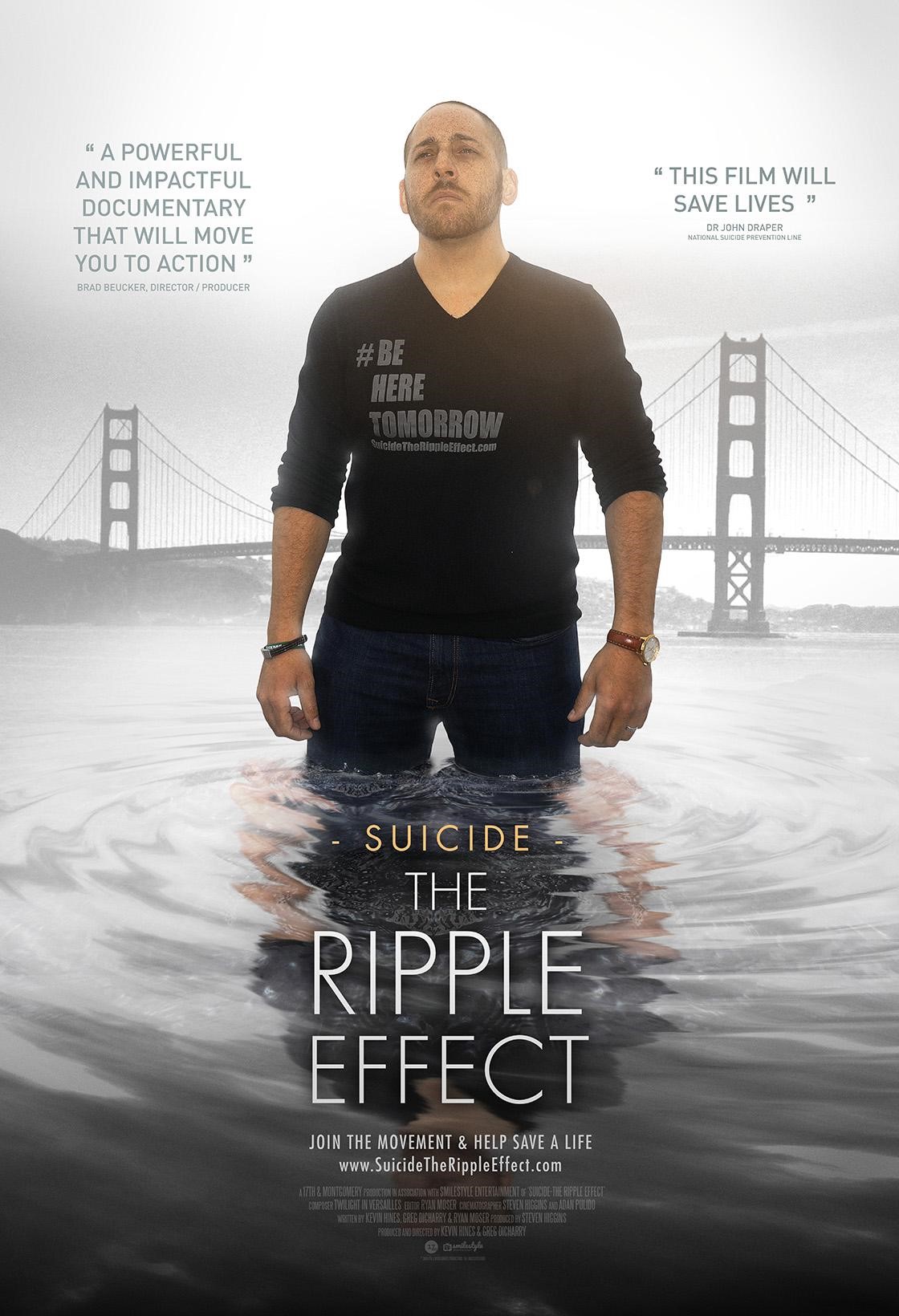
"Suicide: The Ripple Effect" Documentary Film Viewing
Time: 1:00 pm thru 2:30 pm
|
New: Monday: September 28, 2020
Joint DMHDDSAS and DHB (NC Medicaid) COVID-19 Update Call For BH/IDD Consumers, Family Members and Community Stakeholders
Time: 2:00 pm thru 3:00 pm
|
New: Tuesday: September 29, 2020
Yoga Livestream Discussion and Demo
Time: 12:00 pm
|
Tuesday: September 29, 2020
"The Anonymous People" Documentary Film Viewing
Time: 1:00 pm thru 2:30 pm
|
Tuesday: September 29, 2020
The Value of Youth Peers Serving on Community Boards
Time: 2:00 pm
|
Tuesday: September 29, 2020
Building the Plane While Flying It, Part 2: Health Care for the Homeless, Telehealth, and COVID-19
Time: 2:00 pm thru 3:00 pm
|
Tuesday: September 29, 2020
Exercise as a Human Right: Providing Inclusive Physical Fitness Opportunities to People with IDD During the Pandemic and Beyond
Time: 2:00 pm thru 3:00 pm EST
|
Tuesday: September 29, 2020
NC AHEC and CCNC Navigating COVID-19 Webinar Series
Time: 6:00 pm thru 7:00 pm
|
New: Wednesday: September 30, 2020
Time: 1:00 pm thru 2:00 pm
|
Wednesday: September 30, 2020
The Children's Budget Summit
Time: 2:00 pm
|
Wednesday: September 30, 2020
Identifying the Enabling Services Workforce for Social Determinants of Health Screening and Documentation
Time: 2:00 pm thru 3:00 pm
|
Wednesday: September 30, 2020
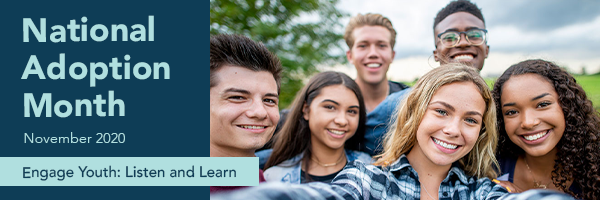
Save the Date! National Adoption Month Webinar "Engage Youth: Listen and Learn"
Time: 2:00 pm thru 3:30 pm
|
Thursday: October 1, 2020
Time: 1:00 pm thru 2:00 pm
|
Thursday: October 1, 2020
Better with Time: Medicaid Transformation State of Things
Time: 5:30 pm thru 6:30 pm
(Continues on the first Thursday of each month)
|
New: Friday, October 2, 2020
Dave Richard Joins Benchmarks' Friday Membership Webinar
Time: 8:30 am thru 9:30 am
|
Friday, October 2, 2020
18th Annual Peer Support Workshop
Time: 10:00 am thru 3:00 pm
|
Monday: October 5, 2020
Get the SCOOP on Compassion
Time: 11:30 am thru 12:30 pm
|
Tuesday: October 6, 2020
Eastern NC: Regional Policy Institutes
Time: 9:00 am thru 11:30 am
Keynotes: Deputy Secretary, Behavioral Health & Intellectual and Developmental Disabilities - Kody Kinsley
Associate Director, NC Families United - Stacy Justiss
Advocacy 101: i2i Center for Integrative Health
Legislative Panelists:
Senator Don Davis - Greene/Pitt
Representative Donna White - Johnston
Counties Include: Vance, Warren, Halifax, Northampton, Nash, Edgecombe, Wilson, Harnett, Cumberland, Hoke, Scotland, Robeson, Bladen, Harnett, Sampson, Duplin, Wayne, Pender, New Hanover, Brunswick, Columbus, Onslow, Jones, Lenoir, Greene, Pitt, Carteret, Beaufort, Craven, Pamlico, Hyde, Dare, Washington, Martin, Bertie, Currituck, Perquimans, Pasquotank, Gates, Hertford, Camden, Chowan, Tyrell
|
Wednesday, October 7, 2020
Town Hall discussion specifically for self-advocates, family members, caregivers, and service providers.
Time: 2:00 pm
|
New: Thursday, October 8, 2020
Lisa Cauley Joins Benchmarks' Thursday Child Welfare Webinar (No Friday Webinar on Oct. 9, 2020)
Time: 8:00 am thru 9:00 am
|
Saturday: October 10, 2020
Save The Date: NAMI's 2020 Annual Conference
Virtual and Free
|
Monday: October 12, 2020
Time: 11:30 am thru 12:30 pm
|
New: Tuesday: October 13, 2020
A Primer on ABLE Accounts
Time: 2:00 pm EST
|
Thursday: October 15, 2020
Immunizations and Keeping Kids Well: Trends and COVID-19
Time: 5:30 pm thru 6:30 pm
Continues on the third Thursday of each month
|
Monday: October 19, 2020
Get the SCOOP on Ok to ASK for Help
Time: 11:30 am thru 12:30 pm
|
New: Thursday: October 22, 2020
Benchmarks FAR Meeting-Legislative Agenda Planning
Time: 8:00 am thru 10:00 am
|
Monday: November 2, 2020
Time: 11:30 am thru 12:30 pm
|
Monday: October 26, 2020
Triangle: Regional Policy Institutes
Time: 9:00 am thru 11:30 am
Keynotes: Youth Transition Program Director, NC Families United - Lacy Flintall
MomsRising - Sheila Arias
Advocacy 101: Beth Messersmith, MomsRising
Legislative Panelists:
Senator Valerie Foushee - Chatham/Orange
Senator Natalie Murdock - Durham
Representative Verla Insko - Orange
Counties Include: Wake, Johnston, Chatham, Orange, Durham, Franklin, Granville
|
Please click on each of the following links to view details sent out from each LME/MCO.
Benchmarks' wants to be sure to make the following list handy for our members to visit and suggests a peek at least once per week to find information that may be pertinent to your agency and contracts.
|
|
|
|
|
|