|
STAKEHOLDER ENGAGEMENT
PRESS RELEASES since the last update include:
NEW graphics and media resources:
UPDATED guidance since the last update include:
UPDATED reports since the last update include:
Joint Communication Bulletin J372- IDD Medicaid and State-Funded Service Delivery During School Hours The purpose of this communication bulletin is to provide guidance to Innovations Waiver, (b)(3) services and state-funded beneficiaries regarding service delivery related to the return to school during the COVID-19 State of Emergency identified by the state of NC. This is applicable to individuals who are younger than twenty-two (22) who are enrolled in school.
NC Medicaid has received guidance from The Centers for Medicare & Medicaid Services (CMS) that both Virtual and Blended School Days equate to a traditional school day. As a result, Virtual and Blended School Days are subject to current policies for the Innovations Waiver, (b)(3) services and state-funded service definitions. This guidance will be updated based on further collaboration by NC DHHS, NC Department of Public Instruction, and CMS. During the Spring 2020 Semester, schools were abruptly canceled due to COVID-19 and neither virtual nor blended school days were organized on a consistent basis. Non- school hours were able to be utilized as school days were no longer consistently organized.
NC Medicaid Will Cover COVID-19 Testing Costs for the Uninsured
Effective Sept. 1, 2020, NC Medicaid will begin reimbursing COVID-19 testing costs for uninsured individuals enrolled in the NC Medicaid Optional COVID-19 Testing (MCV) program. This option was made available to all states through Section 6004(a)(3) of the Families First Coronavirus Response Act (FFCRA). A provider webinar on the MCV process will be held in the future.
Individuals must be uninsured, a resident of North Carolina, and meet the citizenship and legal immigration status requirements of the Medicaid program. Individuals must meet eligibility qualifications at the time the test was obtained. Note that uninsured individuals currently enrolled in NC Medicaid's limited "Family Planning Only" benefit and who have no other health insurance coverage will automatically be enrolled in the MCV program and will not need to complete an application.
A simple online application for the MCV program will be available in September, and individuals will be able to apply using the Internet or mobile device. Until the online application is ready, we encourage Medicaid-enrolled providers who perform COVID-19 testing to download paper applications, available in English and Spanish, and collect them for mailing to the Medicaid address on the form. Paper applications are estimated to take 2-6 weeks for processing.
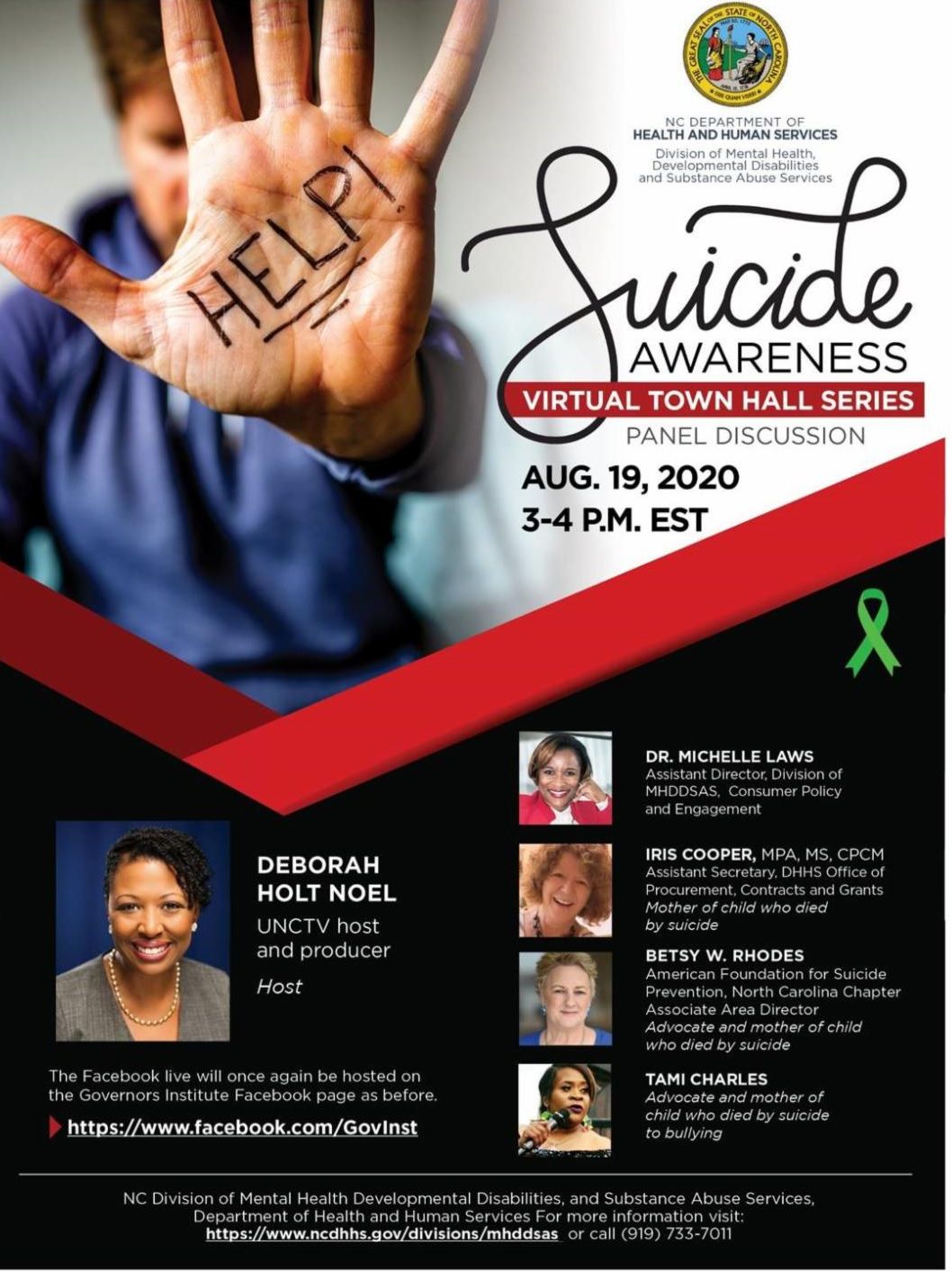
Upcoming Virtual Suicide Awareness Townhall
NCI Staff Stability Survey
From LaToya Chancey:
Good afternoon,
I hope you are well! I am reaching out to request your support with encouraging providers to complete the NCI Staff Stability Survey. Before sending this email to you all, I sent reminder emails from the system to all agencies that had not completed the survey. I will try to reach out through our NCISurvey email address as well to encourage participation. Nonetheless, of 431 potential providers, there are 254 that have not opened the survey to review its contents and 66 that have completed the survey. Unfortunately, that is only 15% of NCs home and community provider agency pool. (ICFs are currently excluded from this survey.) Any support you can provide to encourage participation is greatly appreciated as this survey is due August 31, 2020. Please feel free to spread the word widely as this data is needed to determine trends among NC provider agencies to make recommendations for policy change. Below is the email that I sent to providers on January 22, 2020 informing them of the survey. I referenced creating a snapshot of the data, which is still on the horizon, but was derailed a bite due to COVID-19. However, this is still something we plan to complete and use to compare to FY 19 data, as well has have data ready and prepared for legislative inquiries. Any additional questions or concerns can be sent to me at this email address or NCISurvey@dhhs.nc.gov.
Thank you in advance for any support you are able to provide!
I hope this email finds you doing well! North Carolina will be participating in the National Core Indicators ™ Staff Stability Survey again this year and we need your support! Using this survey, NC will gather essential data regarding the Direct Support Professional (DSP) workforce in NC. You have been listed as the point of contact for your agency by the LME-MCO or through direct communication with me last year. If you are not the correct person to receive this survey, please notify me of who this survey should be sent to within your agency. Providers who employ staff to provide habilitative and non-habilitative services through all funding sources (i.e. Medicaid, waiver, state-funded) are included in this survey. If you only provide ICF services, only have staff employed via contract services (i.e. 1099), or do not employ staff for direct care/support services, please respond accordingly so that your contact information can be removed. Include in the response the reason for the removal request. (ICF providers may be included in future surveys.) Please note that we are only able to send the survey link to one designee within your agency. The most recent National Core Indicators ™ Staff Stability Survey results were recently published, which includes NC data from calendar year 2018. We are in the process of reviewing this information and compiling a document to be shared widely regarding how we are using and plan to further use this data. Your feedback will be greatly appreciated regarding this document. Below details additional information for your reference: The NC Division of Mental Health, Developmental Disabilities and Substance Abuse Services (DMH/DD/SAS) has decided to participate in this survey to examine statewide workforce data (such as wages and turnover rates) and to make improvements through policy and systems changes. It is vitally important that we hear from our providers about issues affecting the DSP workforce. This survey seeks information from I/DD providers of all settings who provide direct support to adults (18 and over) with intellectual/developmental disabilities. The survey responses are completely confidential; DMH/DD/SAS staff will not have access to the answers of individual providers The process for this survey is as follows. - HSRI (Human Services Research Institute) will enter each provider agency's email address into the state's NCI online data portal. Using this portal, DMH/DD/SAS staff will be able to track completion of provider surveys. The portal does not provide access to view specific provider responses.
- Once all provider contacts have been entered and the surveys are available, survey links will be sent to each provider agency's email address for survey completion. We expect this to be some time in February 2020. The email will be titled "NC NCI Staff Stability Survey 2019." Providers will have access to a video tutorial and webinars on how to complete the survey.
- Once the survey closes and all responses are collected, the data will be aggregated and made publicly available in reports. Previous NCI Staff Stability Survey Reports can be found here. It is important to note that each provider's responses are anonymous-- The data are reported by state, and there is no way to identify how a particular provider responded.
Below are a few questions and answers that provide additional insight into this process:
How can you help? - Our goal is to have 100% participation from all provider organizations in NC.
- Because some providers work in states other than NC, ensure the data submitted in the survey is a true reflection of NC specific DSP staffing trends.
What information would be helpful to start considering now? - Develop a plan to gather data about DSP staffing during the period from January 1st to December 31st , 2019. The information requested by the survey includes DSP wages, numbers, benefits, turnover, services provided, etc.
- Where can that information be found in your provider agency's databases or records?
- Is there someone in particular who has the best access to this information?
What should you do if you have questions? - Direct questions to the Division of Mental Health, Developmental Disabilities and Substance Abuse Services at NCISurvey@dhhs.gov.
How long will the survey be open? - The survey will be open from February 2020 - June 30, 2020. You may receive reminders if you have not completed the survey throughout the duration of this survey.
What will happen after the survey closes? - NCI will produce a national Staff Stability report with state specific data. This report will be publicly available.
- DMH/DD/SAS will examine report results to determine system or policy changes that might be needed to increase DSP quality and stability in NC.
DMH/DD/SAS is excited to be a part of this wonderful opportunity to hear directly from providers about the DSP workforce. We know that DSP workforce related challenges such as high turnover and worker shortages are affecting several provider agencies, the individuals we serve and their families. It is our sincere hope that you will be able to provide as much information as possible so that we can have a true picture of DSP staffing trends across the state of NC. If you have any additional questions, comments, or concerns, please feel free to reach out to LaToya Chancey at NCISurvey@dhhs.nc.gov.
|
Duration of Isolation and Precautions for Adults with COVID-19
At this time, we do not know if someone can be re-infected with COVID-19. Data to date show that a person who has had and recovered from COVID-19 may have low levels of virus in their body for up to 3 months after diagnosis. This means that if the person who has recovered from COVID-19 is retested within 3 months of initial infection, they may continue to have a positive test result, even though they are not spreading COVID-19.
Interim Guidance for Rapid Antigen Testing for SARS-CoV-2
Note: Antigen tests can be used in a variety of testing strategies to respond to the COVID-19 pandemic. This interim guidance is intended for clinicians who order antigen tests, receive antigen test results, and/or perform point-of-care testing, as well as for laboratory professionals who perform antigen testing in a laboratory setting or at the point of care and report those results.
Coping with Stress
The COVID-19 pandemic may be stressful for people. Fear and anxiety about a new disease and what could happen can be overwhelming and cause strong emotions in adults and children. Public health actions, such as social distancing, can make people feel isolated and lonely and can increase stress and anxiety. However, these actions are necessary to reduce the spread of COVID-19.
Hand Hygiene
Hand hygiene is an important part of the U.S. response to the international emergence of COVID-19. Practicing hand hygiene, which includes the use of alcohol-based hand rub (ABHR) or handwashing, is a simple yet effective way to prevent the spread of pathogens and infections in healthcare settings.
Guidance for General Laboratory Safety Practices during the COVID-19 Pandemic
This guidance is to address the general workflow safety concerns of laboratory personnel during the COVID-19 pandemic. All laboratories should perform site- and activity-specific risk assessments to determine the most appropriate safety measures to implement for particular circumstances. In addition, facilities should adhere to local policies and procedures as well as all applicable federal, state, and local regulations and public health guidelines.
|
The Moment Is Now
This dedicated special edition is a call to action across public, private, philanthropic, and faith-based sectors to chart a different course to strengthen families through primary prevention and create a more just and equitable system focused on child and family well-being.
It is a consensus statement that stresses how we must all value and invest in families and communities. The contributors of this edition (Youth Villages, Alia, the Birth Parent National Network, the Children's Trust Fund Alliance, the Port Gamble S'Klallam Tribe, the American Bar Association Center on Children and the Law, The Children's Village, the Annie E. Casey Foundation, Bethany Christian Services, Lutheran Services in America, the Center for the Study of Social Policy, the American Public Human Services Association, the Association of State Territorial Health Officials, the National Center for State Courts, the Children's Home Society of North Carolina, the Jewish Child Care Association, Prevent Child Abuse America, the National Association of Counsel for Children, FosterClub, the National American Indian Court Judges Association, the National Council of Juvenile and Family Court Judges, the Alliance for Strong Families and Communities, the National Indian Child Welfare Association, and other leaders in the field) join their voices in saying the time for change is now.
Together, we can create a system that supports the conditions for strong and thriving families and communities where children reach their best potential. Read a message from Jerry Milner, Associate Commissioner of the Children's Bureau, and David Kelly, special assistant to the Associate Commissioner, that challenges systems that care for families to embark on a mission to focus resources on child and family well-being that will enable families of all backgrounds, incomes, races, and creeds to achieve their full potential.
|
Tuesday: August 18, 2020
Employment Resilience: People with IDD are Critical Frontline Workers
Time: 2:00 pm thru 3:00 pm
|
Tuesday: August 18, 2020
Trauma-informed, Resilience-oriented Crisis Navigation Webinar
Time: 2:00 pm thru 3:00 pm
|
Wednesday: August 19, 2020
Time: 9:00 am thru 10:00 am
|
Wednesday: August 19, 2020
|
Wednesday: August 19, 2020
Exploring the Intersectionality of Peer Support and Person-Centered Planning Across Disability
Time: 2:30 pm thru 4:00 pm
|
New: Wednesday: August 19, 2020
Upcoming Virtual Suicide Awareness Townhall
Time: 3:00 pm thru 4:00 pm
|
Wednesday: August 19, 2020
Oral Health & Behavioral Health: Models of Coordinated and Integrated Care
Time: 3:00 pm EST
|
Thursday: August 20, 2020
Peer Support! A Webinar Produced for our North Carolina Peer Community by the National Association of Peer Supporters, Chicago Health Disparities Center and a Dissemination Team
Time: 11:00 am
|
Thursday: August 20, 2020
Time: 1:00 pm thru 2:00 pm
|
Thursday: August 20, 2020
Crisis Leadership and Resiliency: A Trauma-informed Approach to COVID-19 Response
Time: 1:00 pm thru 2:00 pm
|
Tuesday: August 25, 2020
Addressing Emotional Health Needs of People with IDD During a Pandemic: A Model Demonstration Project to Promote Engagement and Comfort During a Crisis
Time: 2:00 pm thru 3:00 pm
|
Wednesday: August 26, 2020
QuitlineNC: Supporting Patients to Become Tobacco Free During COVID-19
Time: 12:00 pm thru 1:00 pm
|
Wednesday: August 26, 2020
Time: 2:00 pm thru 3:00 pm
|
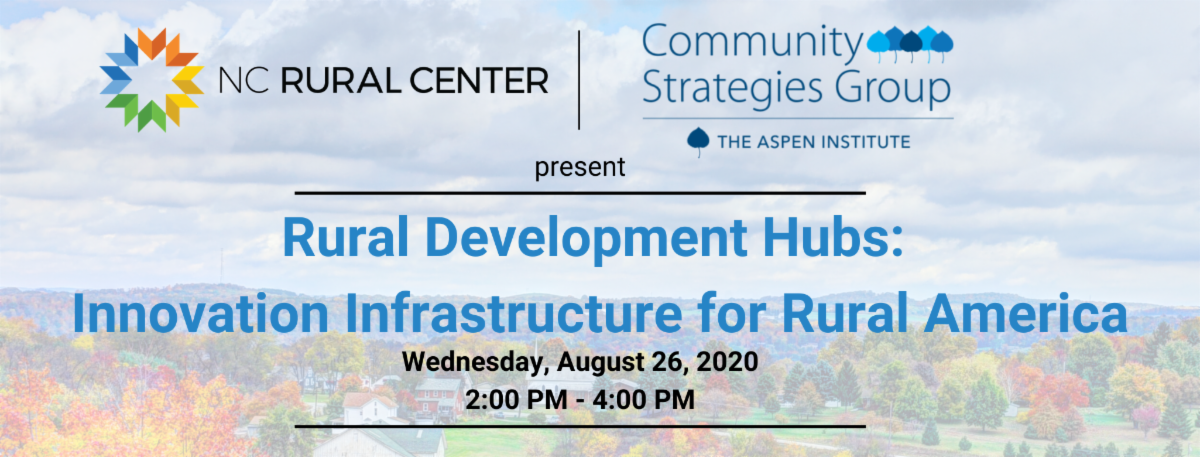
New: Wednesday: August 26, 2020
Rural Development Hubs Webinar
Time: 2:00 pm thru 4:00 pm
|
Thursday: August 27, 2020
Fetal Alcohol Spectrum Disorders Webinar Series
4 Part Series (Aug. 27, Sept. 3, Sept. 10, Sept. 17)
Includes CEOs & Contact Hours-Free of Charge
Time: 9:00 am thru 4:45 pm
|
Thursday: August 27, 2020
INDIVIDUAL AND COMMUNITY RESILIENCE IN TIMES OF CRISIS
Time: 10:00 am thru 11:00 am
|
Thursday: August 27, 2020
Complimentary Webinar: COVID-19 Q&A Webinar for Behavioral Health Care Accreditation
Time: 1:30 pm thru 3:00 pm EST
|
New: Thursday: August 27, 2020
Time: 2:00 pm thru 3:00 pm
|
Tuesday: September 1, 2020
Community Support Safeguards During the COVID-19 Pandemic
Time: 8:00 am thru 9:00 am
|
Thursday: September 10, 2020
Benchmarks' Child Welfare Webinar feat: Karen McLeod & Lisa Cauley
Time: 8:00 am thru 9:00 am
|
Monday: September 14, 2020
Western NC: Regional Policy Institutes
Time: 9:00 am thru 11:30 am
Deputy Secretary Juvenile Justice, Billy Lassiter
Advocacy 101: Adam Sotak, NC Child Legislative Panelists:
Terry Van Duyn - Buncombe
Representative Sarah Stevens -Alleghany/Surrey/Wilkes Counties Include:
Cherokee, Graham, Clay, Macon, Jackson, Swain, Haywood, Transylvania, Madison, Buncombe, Henderson, Polk, Yancey, McDowell, Rutheford, Cleveland, Lincoln, Burke, Caldwell, Mitchell, Avery, Watagua, Ashe, Alleghany, Surry, Wilkes, Yancey, Catawba, Alexander, Iredell, Yadkin, Davie, Stokes, Forsyth
|
Monday: September 28, 2020
Central NC: Regional Policy Institutes
Time: 9:00 am thru 11:30 am
Keynotes: Deputy Director, Child Welfare Services Lisa Cauley
NC Child Welfare Family Advisory Council - Gina Brown
Advocacy 101: Melea Rose-Waters, Prevent Child Abuse NC
Counties Include: Gaston, Mecklenburg, Union, Rowan, Rockingham, Caswell, Person, Guilford, Davidson, Randolph, Montgomery, Cabarrus, Stanly, Alamance, Lee, Moore, Anson, Richmond
|
Tuesday: October 6, 2020
Eastern NC: Regional Policy Institutes
Time: 9:00 am thru 11:30 am
Keynotes: Deputy Secretary, Behavioral Health & Intellectual and Developmental Disabilities - Kody Kinsley
Associate Director, NC Families United - Stacy Justiss
Advocacy 101: i2i Center for Integrative Health
Legislative Panelists:
Senator Don Davis - Greene/Pitt
Representative Donna White - Johnston
Counties Include: Vance, Warren, Halifax, Northampton, Nash, Edgecombe, Wilson, Harnett, Cumberland, Hoke, Scotland, Robeson, Bladen, Harnett, Sampson, Duplin, Wayne, Pender, New Hanover, Brunswick, Columbus, Onslow, Jones, Lenoir, Greene, Pitt, Carteret, Beaufort, Craven, Pamlico, Hyde, Dare, Washington, Martin, Bertie, Currituck, Perquimans, Pasquotank, Gates, Hertford, Camden, Chowan, Tyrell
|
Saturday: October 10, 2020
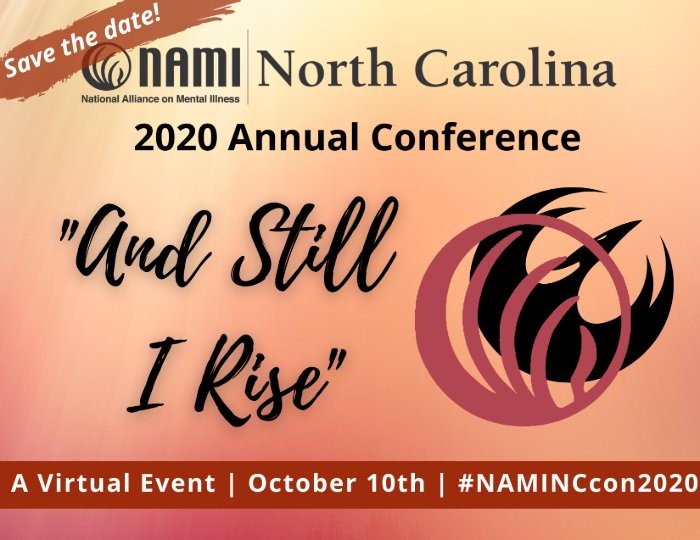
Save The Date: NAMI's 2020 Annual Conference
Virtual and Free
|
Monday: October 26, 2020
Triangle: Regional Policy Institutes
Time: 9:00 am thru 11:30 am
Keynotes: Youth Transition Program Director, NC Families United - Lacy Flintall
MomsRising - Sheila Arias
Advocacy 101: Beth Messersmith, MomsRising
Legislative Panelists:
Senator Valerie Foushee - Chatham/Orange
Senator Natalie Murdock - Durham
Representative Verla Insko - Orange
Counties Include: Wake, Johnston, Chatham, Orange, Durham, Franklin, Granville
|
Please click on each of the following links to view details sent out from each LME/MCO.
Benchmarks' wants to be sure to make the following list handy for our members to visit and suggests a peek at least once per week to find information that may be pertinent to your agency and contracts.
|
|
|
|
|
|