COVID-19 & Myeloma InfoBulletin
Important information & links for our myeloma community
|
|
January 15, 2021 - Edition #28 |
|
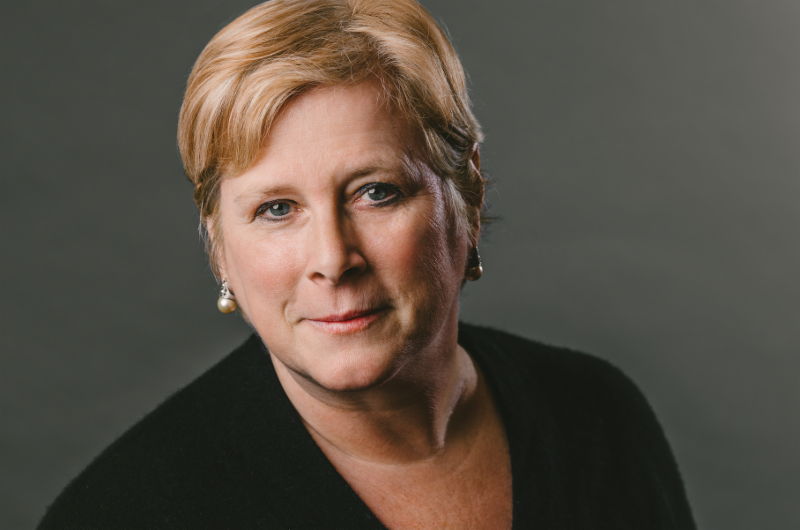
Martine Elias - Executive Director |
|
On behalf of everyone at Myeloma Canada, we hope this finds you all feeling well and rested from the holiday break.
We wish you and your loved ones all the very best for a healthy and happy New Year.
|
|
Thank you to everyone who has reached out to Myeloma Canada with questions regarding the COVID-19 vaccinations. As you know, our COVID-19 update/InfoBulletin is featured in our monthly e-newsletter, Myeloma Matters, but we wanted to get this to you before our next issue comes out at the end of this month. We hope you find the information that follows useful.
As a patient organization we cannot provide medical advice, however, we can steer you toward reliable references and share information on established medical findings. The best route is always to check with your current healthcare team treating your myeloma. Along with you, they’re the ones who know you and your particular situation best and can therefore make the most appropriate decisions with you regarding COVID-19 vaccination.
Please note that the information provided below is based on what we know as of January 13, 2021. Federal and provincial governments are updating their strategies on a constant basis. To ensure that you’re up-to-date with the most current information, please check the federal and your provincial governments’ websites regularly. Links to these important sites may be found within Myeloma Canada’s COVID-19 web subsection, COVID-19 and Canada on our website ( myeloma.ca).
|
|
Answers to some of your questions |
|
Are the current Pfizer and Moderna vaccines safe? |
|
With respect to those living with cancer, we do know that several physician groups are looking further into questions surrounding the safety and efficacy of the current vaccines. Some have been asked to provide their provincial government with guidance to this regard.
|
|
|
As always, it’s best to speak with your healthcare providers about your unique situation for any specific questions or concerns you may have. |
|
Why has the COVID-19 vaccine not yet been recommended for those who are immunocompromised? |
|
As of today, the reason for why the COVID-19 vaccines have not yet been recommended for those that are immunocompromised is because they have not been tested in immunocompromised people or people with hematologic malignancies.
"The COVID-19 vaccine should not be routinely offered to individuals who are immunosuppressed due to disease or treatment until further evidence is available." (Strong NACI Recommendation). However, a complete series with a COVID-19 vaccine may be offered to individuals in the authorized age group in this population if a risk assessment deems that the benefits outweigh the potential risks for the individual, and if informed consent includes discussion about the absence of evidence on the use of COVID-19 vaccine in this population. (Discretionary NACI Recommendation)
|
|
Are the vaccines effective for immunocompromised people and/or those of us on chemotherapy? |
|
|
|
People who are immunocompromised, including those who are on chemotherapy regimens, receiving a transplant, and/or high doses of corticosteroids (i.e., dexamethasone), could have a decreased or absent response to a COVID-19 vaccine.
However, even if the expected protection rate is lower than the general population, most experts do recommend vaccination as long as the vaccine is given under safe circumstances (as outlined below).
|
|
What is the prioritization for immunocompromised individuals?
Across the board (first-line workers aside), populations that have been most affected by the virus are being prioritized to receive the vaccine. As of January 13, 2021, people with hematologic malignancies are not at the top of federal and provincial government lists. This may change at a moment’s notice so it’s best to keep checking the federal and your provincial websites (links are provided on our COVID-19 and Canada subsection on Myeloma Canada’s website, myeloma.ca.)
Myeloma Canada is working with our healthcare partners and other patient organizations to do what we can to advocate for you. As soon as we have anything to share, we will let you know.
|
|
Is it possible to receive a COVID-19 vaccine while on chemotherapy or after a stem cell transplant? |
|
We recommend that you consult with the hematologist/oncologist who is treating your or your loved one’s myeloma. The risks and benefits for immunocompromised patients receiving a COVID-19 vaccine should be weighed on a case-by-case basis. Some factors to consider could include the patient’s level of immunosuppression and incidence of infection in their community. |
|
|
In general:
- vaccinations can be given several weeks before immunosuppressive therapies (i.e., chemotherapy), stem cell transplant, or even some surgeries (i.e., removal of the spleen);
- for people already receiving immunosuppressive therapy, vaccination is usually considered several months after the therapy to increase the likelihood of developing COVID-19 immunity;
- inactivated or “dead” vaccines (such as the Health Canada approved COVID-19 vaccines) can generally be started 3-6 months after a stem cell transplant.
|
|
Below are relevant links to the Public Health Agency of Canada (PHAC) and the Government of Canada’s National Advisory Committee on Immunization (NACI), agencies that are responsible for making recommendations on the use of vaccines in our country.
Information regarding the COVID-19 vaccines, COVID-19 vaccine safety monitoring and Coronavirus (COVID-19) disease:
Guidance on the prioritization of initial doses of COVID-19 vaccine(s), as well as preliminary guidance on key populations for early COVID-19 immunization:
NACI guidelines are subject to change as more information becomes available. Given the current context, it’s best to visit the site regularly for the latest updates and information.
|
|
It’s very important to remember that vaccination does not change precautionary measures such as wearing masks, physical distancing, and frequent hand washing.
We hope that you find this InfoBulletin helpful as we continue to tread through these unchartered waters. We are doing our utmost to keep you informed on important news and updates as we learn them on our end. However, we cannot stress enough that the situation regarding vaccination in Canada is evolving daily, even hourly, so please be sure to check the following frequently to ensure you have the most up-to-date information possible:
- a trusted Canadian news outlet (i.e., CTV, CBC, TVA, Ici Radio-Canada Télé…)
- your provincial government’s website
-
the NACI and Health Canada websites.
Again, we encourage you to consult with your healthcare providers for medical advice that’s adapted to your own personal history and circumstances before making any decisions regarding vaccination or any other issue surrounding your health.
Take care, stay safe and stay well,
Martine
|
|
Additional references & resources: |
|
|
|
We’re here to help.
As always, if you have any questions, please send them to Gabriele Colasurdo, Myeloma Canada’s Manager of Education & Patient Services at gcolasurdo@myeloma.ca.
|
|
|
Even though we’ve moved to a monthly schedule within our Myeloma Matters e-newsletter, our COVID-19 web section on myeloma.ca is updated regularly so be sure to visit it often. |
|
For any specific issues or questions, it's always best to speak with your healthcare professional. But, we are here for you. If we can be of any help, please contact us at contact@myeloma.ca, or toll-free: 1-888-798-5771. |
|
COVID-19 & Myeloma Webinars |
|
The webinars below, presented at no charge by either Myeloma Canada or other organizations, focus on myeloma, COVID-19 and/or related topics. Be sure to check out our website as well as our monthly Myeloma Matters e-newsletter for more information, and to stay up-to-date on other webinar announcements.
|
|
Upcoming webinars: January 26, 2021
- For more information, click on the links below.
-
Click here to see a partial list of other recently held Myeloma Canada InfoWebinars that you may have missed.
- To register, click on the "Register here" button.
|
|
January 26, 2021, 7:00 pm EST
Join Dr Kaedby as he discusses the current coronavirus situation in Canada for those living with myeloma.
- Dr Rayan Kaedbey - Director, Autologous Stem Cell Program & Apheresis Unit Division of Hematology, Jewish General Hospital, McGill University, Montreal, QC
*Please note that the presentation will be in English, however there will be an opportunity to ask Dr Kaedby questions in both, English and French.
|
|
|
|
|
Past webinars
-
To see a partial list of other recently held Myeloma Canada InfoWebinars that you may have missed, click here.
-
Remember, all Myeloma Canada’s InfoWebinars are available for free viewing on our Myeloma Canada YouTube channel
|
|
For more information, resources and updates on the COVID-19 virus, we recommend the agencies below: |
|
|
Of course, always remember to call your healthcare provider if you have any concerns about your health. |
|
In these difficult times, you, our community, remain our number one priority.
Now more than ever, we appreciate your support. Your donation enables us to continue providing you with the best information, resources, programs and services - across as many technology platforms as possible - to stay empowered, informed and connecte
Thank you for your generosity.
|
|
We're always here to answer any questions or concerns you may have.
|
|
Follow us on social media for the most up-to-date information and resources: |
|
|
|
|
|
|