|
|
Dear Benchmarks' Members,
We are sharing with you the latest information from today related to guidance, information and resources for your consideration.
Take care of each other and stay safe and healthy!
The Benchmarks' Team
|
Benchmarks' Child Welfare Providers
Thursday Mornings at 8:00 am
Benchmarks will holding weekly webinars/conference calls for our child welfare service providers, beginning next
Thursday, April 2, 2020, at 8:00 am.
We will be joined by DSS staff, Linda Waite and Lisa Cauley, to share issues and concerns and work together to craft solutions.
Benchmarks' Child Welfare Call
Thursday, April 2, 2020
8:00 am thru 9:00 am
One Tap Mobile: +16465588656,,944285382# US (New York)
Dial in:
+1 646 558 8656 US (New York) Meeting Id: 944 285 382
We hope you will join us!
|
BENCHMARKS' HAS ZOOM!!!
Friday Mornings at 8:30 am
Please update the information in your calendar for
Benchmarks' Friday Morning Call with Members
with the following information!
Topic: Benchmarks' Membership Webinar
Time: Apr 3, 2020 08:30 AM Eastern Time (US and Canada)
Every week on Fri, until May 15, 2020, 7 occurrence(s)
Apr 3, 2020 08:30 AM
Apr 10, 2020 08:30 AM
Apr 17, 2020 08:30 AM
Apr 24, 2020 08:30 AM
May 1, 2020 08:30 AM
May 8, 2020 08:30 AM
May 15, 2020 08:30 AM
Please download and import the following iCalendar (.ics) files to your calendar system.
Weekly:
https://us04web.zoom.us/meeting/u5Yrf-itrTwjiKJ47yZU4tCyQ4nR03zZHg/ics?icsToken=98tyKu-qqDMrH9eSuVyCa7QvW4X5bM_2iHhlgPcKhSXQVzRwezKiONASYahFON-B
Join Zoom Meeting Friday Morning
Meeting ID: 626 815 379
Password: 081879
One tap mobile
+19292056099,,626815379# US (New York)
Meeting ID: 626 815 379
|
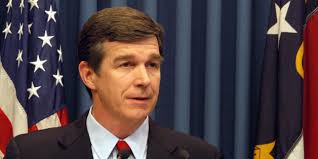
Governor Roy Cooper signs executive order to stop utilities from being cut off for people who can't pay for next 60 days
Governor Roy Cooper announced on Tuesday that he has signed an executive order to stop utilities from being cut off for people who can't pay.
Electric, gas, water and wastewater services cannot be shut off for the next 60 days.
The executive order also encourages banks not to charge overdraft fees and other penalties.
Cooper announced that the first unemployment benefits are set to be paid this week.
The stay-at-home order says unless people are doing essential things or running essential organizations or businesses, they're required by law to stay at home.
Local law enforcement agencies say their goal is to get voluntary compliance from people and businesses in the community, but that doesn't always happen.
Greensboro police say a group of people were participating in a non-essential activity outside A Woman's Choice clinic in Greensboro on Saturday.
Four of them refused to leave voluntarily and were charged with violating the county's stay-at-home order.
Three of the individuals continued to refuse to leave and were charged with resist, delay and obstructing a public officer.
"Our goal is to gain compliance, not to make arrests, so I ask you to please help everyone and help your community by staying at home to reduce the spread," said Greensboro Police Chief Brian James.
|
House Select Committee Working Group on Economic Support
(
VERY helpful information and links included in the following documents for businesses, grants and loans thru the CARES Act.)
Documents from today's meeting-March 31, 2020:
House Select Committee Working Group on Continuity of State Operations
Documents from today's meeting-March 31, 2020:
|
NCTracks/NC Medicaid/DHHS Announcements
|
Unmet Child Care Needs Resource: Email from Zack Wortman, COO Human Services, DHHS
Dear health care, emergency, and first responder partners,
Thank you for your incredible work and partnership in fighting the COVID-19 pandemic. We know a critical priority right now is maximizing your team's capacity to work. We realize that staffing shortages, including those caused by unmet child care needs, must be resolved.
To achieve that goal, the North Carolina Department of Health and Human Services (NCDHHS) is offering a service to try to connect interested health care, emergency, and first responder employers looking to buy 10 or more emergency child care slots with a child care provider near your facility in order to help your critical workers find available child care.
Here is how the process works:
- A critical employer looking to buy 10 or more slots at one or more child care facilities fills out this short request form: https://zackwortman.typeform.com/to/CqLlwB.
Note: Please fill out one request form for each facility or physical location where you would like to buy slots. To fill out the form, you will need to identify approximately how many slots you would like to buy and identify a point person to be connected with one or more child care facilities.
- NC DHHS will determine whether there are open child care facilities near your physical location who have capacity available to provide child care to families.
- If we are able to find one or more child care facilities that appear to be a good fit, we will connect you to them directly via email.
- You will need to work out financial and logistical information directly with the child care facility. Child care slots will be paid for by the employer.
For employers who want to help individual employees with finding available child care, please direct employees to call 1-888-600-1685 to find high-quality, safe child care for infants through children age 12. This hotline is open from 8:00am to 5:00pm.
We hope this service will be helpful in ensuring that your teams are able to meet their child care needs in these challenging times.
More from DHHS:
- Governor Cooper Signs Executive Order to Get Equipment to Healthcare Workers, Schools, Local GovernmentsMONDAY, MARCH 30, 2020 Today, Governor Roy Cooper signed Executive Order No. 122 to help schools and local governments access state surplus property to help bridge gaps during the response to COVID-19. The Order also provides transfer or donation of personal protective equipment (PPE) that state government may have and not need.
- Families to Receive Enhanced Benefits to Ensure Food AccessMONDAY, MARCH 30, 2020 To help families access food during the COVID-19 pandemic, the North Carolina Department of Health and Human Services is temporarily increasing benefits for March 2020 and April 2020 to current Food and Nutrition Services (FNS) recipients in North Carolina.
- Governor Cooper Announces First COVID-19 Unemployment Benefits will be Paid This Week SUNDAY, MARCH 29, 2020Governor Roy Cooper announced that the first payments for the unemployment claims related to coronavirus will begin going out this week.
|
- Medicare Telehealth
- Virtual Check-Ins & E-Visits
- Remote Patient Monitoring
- Removal of Frequency Limitations on Medicare Telehealth
- Other Medicare Telehealth and Remote Patient Care
- Workforce
- Patients Over Paperwork
- Medicare appeals in Fee for Service, Medicare Advantage (MA) and Part D
- Additional Guidance
WASHINGTON (AP) - Medicare said Tuesday it will immediately expand coverage for telemedicine nationwide to help seniors with health problems stay home to avoid
the coronavirus.
The new option will allow millions of older people to take care of ongoing medical problems as well as new concerns, while heeding public health advice to stay home during the outbreak.
For example, a patient with diabetes wouldn't have to postpone a regular follow-up visit with the doctor to keep safe - he or she could do it via Skype. And people concerned they may have the virus could "see" their doctor or nurse practitioner virtually to find out how to get tested in person.
"It helps us prevent the spread of the virus," said Medicare administrator Seema Verma.
For seniors who don't navigate technology, relatives or friends can assist. "If it's your mom, you may need to go over to her house to help her do this," said Verma. Bring your smartphone - but remember, don't visit if you're feeling sick.
Risk of serious illness from the coronavirus is greater for older people and those with underlying health problems such as lung conditions, diabetes or heart problems. Many Medicare beneficiaries are managing chronic health issues that put them at heightened risk. The telemedicine expansion is geared directly to this vulnerable group.
Current telehealth coverage under traditional Medicare is limited. It's available in rural areas, and patients need to go to specially-designated sites for their visits. Since last year Medicare has also been paying for brief "virtual check-ins." Tuesday's announcement goes beyond that, allowing clinicians and hospitals to bill Medicare for visits via telemedicine that previously had to take place in person, at a medical office or facility.
The policy change carries out a waiver of Medicare rules recently authorized by Congress, and set in motion under emergency declarations from
the Trump administration. Expanded telemedicine coverage will remain in effect during the outbreak.
At Tuesday's White House briefing, Verma said the federal Centers for Medicare and Medicaid Services is also encouraging states to expand the use of telehealth in their Medicaid programs for low-income people. Separately, Medicare Advantage plans offered by private insurers have been allowed to offer telemedicine as a supplemental benefit, like dental coverage or a gym membership, for several years now. The private plans serve about one-third of Medicare's more than 60 million beneficiaries.
|
Financial Relief for Nonprofits
Small Business Administration (SBA) 7a Forgivable Loans for Nonprofits(500 Employees or Less)
Provides funding for special emergency loans of up to $10 million for eligible nonprofits to cover payroll, operations, debt services, etc. Loans can cover payroll and associated costs, health insurance premiums, facilities costs, and debt service. The loans have a maximum interest rate of 4% and are available as an incentive for employers to hire back as many workers as is feasible. Authorizes administration of new loans until Dec. 31, 2020. The size of the loans would equal 250% of an employer's average monthly payroll. Provides lenders authority to make determinations on a borrower's eligibility and creditworthiness without going through all of SBA's regular channels. Eligible borrowers will need to make a good faith certification that the loan is necessary due to the uncertainty of the current economic conditions caused by COVID 19. Most likely, organizations cannot participate in both Economic Injury Disaster Loans (EIDL) through SBA and SBA 7a and will have to choose one or the other.
- Loan Forgiveness: Loans can be forgiven, in whole, for organizations that maintain employment from March 1-June 30, 2020, essentially turning the loan into a grant. Amounts forgiven cannot exceed the principal amount of the loan.
- Loans Disbursed through Any Government-Backed Lender: An application through SBA is not necessary. Any major lenders should be able to start making loans within a few weeks of final passage of the bill. Stay tuned for more details and start talking to your government-backed lender now about how to get ready.
- Medicaid Exclusion Successfully Removed: The Alliance advocated to remove a dangerous provision to the small business loan program that would have prohibited any nonprofit that receives or is eligible for Medicaid reimbursement from getting access to these critical loans. After an uphill battle, this provision has been removed. If left in place, this would have barred most of our sector from accessing critical capital during a difficult time.
Access to Small Business Administration (SBA) Economic Injury Disaster Loans (EIDL)
These grants are available now, and the CARES bill dumps more money into them. They go directly through the SBA in any area that has a declared disaster (the entire U.S. is covered by that right now). Allows eligible entities who have applied for EIDL loans to request an advance of $10,000, which the SBA must distribute within three days. Loans are up to $2 million total. The CARES Act eliminates creditworthiness requirements and appropriates an additional $10 billion into the program. Authority to grant these loans until Dec. 30, 2020. Most likely, organizations cannot participate in both EIDL and SBA 7a and will have to choose one or the other.
Access to Loans for Medium-Large Nonprofits
(500 Employees or More)
A
new loan relief package for mid-size nonprofits was created that would provide loans with a 2% interest rate to organizations with 500-10,000 employees. The funds received must be used to retain at least 90 percent of the recipient's workforce, with full compensation and benefits, through Sept. 30, 2020. The loans would not accrue interest or require any payments for the first six months. Borrowers must demonstrate that alternative financing is not reasonably available to them. There is not a clearly indicated borrowing limit, but we presume payroll would be part of the bank's calculation. There is no statutory dollar cap.
Employee Retention Payroll Tax Credit
Available to nonprofits with over 500 employees that do not qualify for the SBA 7a loan program. Creates a refundable payroll tax credit of up to $5,000 for each employee on the payroll when certain conditions are met, such as operations are fully or partially suspended due to COVID-19 shutdown order or significant gross receipt decline. The availability of the credit would continue each quarter until the organization's revenue exceeds 80 percent of the same quarter in 2019. For tax-exempt organizations, the entity's whole operations must be taken into account when determining the decline in revenues. Notably, employers receiving emergency SBA 7(a) loans would not be eligible for these credits.
*Thank you to the National Council of Nonprofits for thorough
summaries and analysis of loan and tax provisions.
Paid Sick & Family Leave for Nonprofits
Lowers the amount that employers must pay for paid sick and family leave under the Families First Coronavirus Response Act that was enacted last week to the amounts covered by the refundable payroll tax credit (i.e. $511 per day for sick leave or $200 per day for family leave).
Rebate Checks for Adults & Families
All U.S. residents, with adjusted gross income below $75,000 ($150,000, if married), who are not dependents and have a work-eligible social security number will receive a $1,200 ($2,400 married) rebate from the federal government, plus $500 per child. The rebate will decrease by $5 for each additional $100 in income up until $99,000 ($198,000 married with no children), at which point the rebate phases out entirely. Individuals and households with no income, as well as income from non-taxable means-tested benefits programs, like SSI, are eligible for the rebate.
Charitable Giving Incentives
To bolster charitable giving in a time of economic downturn, the Alliance and other advocates secured a $300 above-the-line tax deduction for charitable giving, eligible to both itemizers and non-itemizers alike. This is not a permanent provision and will expire at the end of tax year 2020. It is our hope that this will spur more charitable giving in your communities in 2020 to make up for lost revenue and we will continue to advocate for making a universal tax deduction permanent.
Unemployment Insurance
The bill would increase unemployment benefits by $600 per week for laid off workers through July 31, 2020. This $600 supplement, together with the traditional state unemployment insurance benefit, should replace 100% of lost income for the average U.S. worker. The bill also expands coverage to workers not usually allowed to access these benefits, like self-employed individuals, independent contractors, and "gig economy" employees. This expanded coverage will last for 13 weeks longer than states usually allow, through Dec. 31, 2020.
Regarding nonprofits, which traditionally pay 100% of the cost of unemployment compensation for laid off workers, the federal government will now cover 50% of these costs. These workers will also be eligible for the additional $600 in benefits provided by the federal government.
Appropriations by Federal Agency
Department of Health and Human Services (HHS)
General Provisions
- Public Health and Social Services Emergency Fund: $100 billion to reimburse health care providers-through grants or other mechanisms-for health care-related expenses or lost revenues that are directly attributable to COVID-19 (for example, purchase of personal protective equipment; laboratory testing to detect positive cases; infection control and mitigation at the local level to prevent the spread of the virus; and other public health preparedness and response activities).
- Low-Income Home Energy Assistance Program: $900 million in grants to states to support immediate home energy assistance for low-income households.
- Community Services Block Grant: $1 billion to help communities address challenges of unemployment and economic disruption
Department of Health and Human ServicesAdministration for Children and Families (ACF)
- Child Welfare Services: $45 million for grants to states to support the child welfare needs of families and to help keep families together.
- Family Violence Prevention and Services: $45 million to provide additional support to family violence shelters and $2 million in additional support for the National Domestic Violence Hotline.
- Runaway and Homeless Youth Program: $25 million for additional immediate assistance to current programs providing critical services and housing for runaway and homeless youth.
- Child Care and Development Block Grants: $3.5 billion for (1) state, territory, and tribal general revenue funds for child care assistance; (2) financial support to child care providers in the case of decreased enrollment or closures; and (3) child care assistance to health care sector employees, emergency responders, sanitation workers, and other workers deemed essential.
- Head Start: $750 million for grants to all programs to help them respond to needs of children and families including making up for lost learning time.
- Summer Programming: $500 million operating supplemental summer programs through non-competitive grant supplements to existing grantees.
Department of Health and Human Services Substance Abuse and Mental Health Services Administration (SAMHSA)
- Certified Community Behavioral Health Clinics: $250 million to increase access to mental health services in communities.
- Emergency Response Grants: $100 million in flexible funding to address mental health, substance use disorders, and provide resources and support to youth and the homeless.
- Suicide Prevention: $50 million to provide increased support for those most in need of intervention.
Department of Health and Human ServicesAdministration for Community Living
- Administration for Community Living: $955 million for aging and disability services programs including senior nutrition, home and community-based support services, family caregivers, elder justice, and independent living.
Federal Communications Commission
- Telehealth Initiatives: $200 million to support the efforts of health care providers by providing telecommunications services, information services, and devices necessary to enable the provision of telehealth services.
Department of Education
- Education Stabilization Fund: $30.8 billion to address basic needs of students, transition to online learning, and support college students experiencing increased costs and challenges (e.g., housing and food) due to closed campuses.
- $13.5 billion to state education agencies (SEAs) for grants to local education agencies (LEAs). SEAs must allocate funds to LEAs based on the relative share of federal Title I funding they received last year. Funds can be used for a variety of K-12 purposes including purchasing educational technology to support online learning; supporting mental health; afterschool and summer programming; and making up for lost learning time.
- $14.3 billion to Institutions of Higher Education (IHEs).
- $3 billion in flexible funding to governors for K-12 and IHEs.
- Project SERV (School Emergency Response to Violence): $100 million to supplement funds otherwise available for Project SERV to help clean and disinfect affected schools and to address the impact of this emergency on students including their mental health.
Department of Agriculture
- Child Nutrition Programs: $8.8 billion to ensure children receive meals while school is not in session. National School Lunch Program, the School Breakfast Program, the Special Milk Program, the Child and Adult Care Food Program, and the Summer Food Service Program are included.
- Distance Learning, Telemedicine, and Broadband Program: $25 million to help improve distance learning and telemedicine in rural areas of America.
- Supplemental Nutrition Assistance Program (SNAP): $15.81 billion to provide additional funding for SNAP to cover waiver authorities granted in H.R. 6201 and anticipated increases in participation. Provides $15.51 billion to cover anticipated increases in participation as a result of COVID-19; $100 million for food distribution on Indian reservations; and $200 million for grants to the territories for nutrition assistance.
- The Emergency Food Assistance Program: $450 million for additional commodities, $150 million of which may be used to distribute emergency food assistance via community partners.
Department of Housing and Urban Development
- Community Development Block Grant: $5 billion for CDBG to provide communities and states with funding to provide a wide range of resources such as services for senior citizens, the homeless, and public health services and funds for community health facilities, childcare centers, and food banks.
- Rental Assistance Protections for Low-Income Americans: $3 billion to support Public Housing Agencies to keep 3.2 million Section 8 voucher and public housing individuals and families housed.
- Emergency Solutions Grants: $4 billion to address the impact of COVID-19 among individuals and families who are homeless or at risk of homelessness and to support additional homeless assistance, prevention, and eviction prevention assistance. Eviction prevention activities including rapid rehousing, housing counseling, and rental deposit assistance to mitigate the adverse impacts on working families.
- Housing for the Elderly: $50 million to maintain housing stability and services for low-income seniors, who are at particular risk of contracting COVID-19.
- Housing for Persons with Disabilities: $15 million to make up for reduced tenant payments as a result of coronavirus.
Department of Homeland Security
- Emergency Food and Shelter Program: $200 million for shelter, food, and supportive services through local service organizations.
Department of Labor
- Employment and Training Administration: $360 million, of which $345 million are for services for dislocated workers, seniors, migrant farmworkers and homeless veterans.
Additional Resources
Legislative summaries of the coronavirus relief package:
Webinars (Whoo Hoo!)
Tuesday, March 31 from 3:30-4:30 p.m. CT
This webinar will cover five key steps organizations can take to help them lead and make strategic decisions during times of crisis. We encourage chief executives, CFOs, and fund development executives to participate as a team.
Thursday, April 2 from Noon-1 p.m. CT
During this webinar, three CEOs from Washington state will share how COVID-19 has affected their operations and mission impact as well as how they continue to maneuver the pandemic.
Thursday, April 2 from 10-11 a.m. CT
This webinar will feature OhioGuidestone's transition to telehealth including successes, lessons learned, and tips and tricks for pivoting to provide critical care during this pandemic.
|
As the NADSP continues to monitor the impact of COVID-19, we have added more links and videos to our resource page for Direct Support Professionals. We have added the most recent recording of The Role of DSP and the Coronavirus: Part Two and a Meditation for DSPs by Director of Educational Services, John Raffaele. In addition to these new webinars, we have added two webinars from our library focused on grieving and dealing with death in the workplace.
We are committed to sharing resources for Direct Support Professionals to support them through this difficult time. If you have additional resources that would be beneficial for other Direct Support Professionals, please email ndama@nadsp.org. To view the updated COVID-19 Resources for Direct Support Professionals page, click here to learn more.
|
|
|
Self Care for DSPs in a Crisis
**********
|
|
|
|
Meditation for DSPs in times of stress
|
**********
|
|
|
The Role of the DSP and the Coronavirus
|
**********
|
|
|
The Role of the DSP and the Coronavirus: Part Two
|
**********
|
|
|
Frontline Initiative; Self Care for Direct Support Professionals
|
|
The Trump administration is warning states and health care providers not to discriminate against people with disabilities as coronavirus spreads.
"As such, persons with disabilities should not be denied medical care on the basis of stereotypes, assessments of quality of life, or judgments about a person's relative 'worth' based on the presence or absence of disabilities," reads the bulletin. "Decisions by covered entities concerning whether an individual is a candidate for treatment should be based on an individualized assessment of the patient based on the best available objective medical evidence."
The six-page guidance document comes amid worries about how people with disabilities will fare as hospitals become overwhelmed by COVID-19 patients and may be forced to ration care.
Already, disability advocates lodged complaints with the HHS Office for Civil Rights last week about coronavirus response plans in
Washington state,
Alabama,
Kansas and
Tennessee that they claim would jeopardize people with disabilities. And, a group of 27 members of the House of Representatives and five senators
wrote to Secretary of Health and Human Services Alex Azar and Attorney General William Barr urging them to clarify to states that "existing disability nondiscrimination laws are not waiveable during the outbreak."
The civil rights office said that existing laws and regulations bar discrimination based on race, color, national origin, disability, age and sex as well as exercise of conscience and religion, but in the current pandemic the office is "particularly focused" on ensuring that people with disabilities aren't discriminated against.
"Our civil rights laws protect the equal dignity of every human life from ruthless utilitarianism," said Roger Severino, director of the HHS Office for Civil Rights. "Persons with disabilities, with limited English skills and older persons should not be put at the end of the line for health care during emergencies."
|
Blog Author:
Julia Watson
"Social distancing." "Isolation." "Quarantine." In the ongoing life adjustments to the coronavirus pandemic, we are all being bombarded with these words on a daily basis. With many of us now working from home, juggling our work, care of children, parents or other family members, coordinating with other household members also working from home and much more, it is understandable we may start to experience mental and emotional tolls. At the Center, we are looking at this topic both professionally and personally. We believe that, as advocates, we may be particularly well equipped by our experiences, organizing practices and instinctive networking skills, to help counteract the negative effects of social isolation during this period of necessary social distancing.
Social isolation is defined as an absence of social contact and can be triggered by a number of things, such as a loss of mobility, unemployment, health issues, etc. and can lead to loneliness. Many health care providers - long before this pandemic began - have considered social isolation and loneliness to be a hidden health crisis in our country. More people than ever report feeling socially isolated or lonely. It is believed that 25 to 60 percent of older Americans are affected by loneliness. African American men and women are more likely to experience isolation than white men and women.
The coronavirus pandemic has exacerbated this problem for tens of millions of people. While older adults and others at elevated COVID-19 risk due to health reasons are especially vulnerable to the risks of social isolation while homebound, now many more adults will be newly affected, and for an uncertain length of time. Experts are concerned that even after this pandemic is over, social isolation may continue at an even higher rate across societies globally as an expanding chronic crisis. We all need to work together to connect people to others during this pandemic and beyond. So what can advocates be doing to combat social isolation?
|
|
|
Intertwined - Social Distancing
for Connected Households |
Stop-motion video to explain social distance for connected households during the COVID-19 pandemic. Written and narrated by
Jubilee Association of MD
Executive Director Steve Keener.
Fun ideas and resources to consider:
|
People with intellectual and developmental disabilities wrote these tips. The Coronavirus or COVID-19 is changing our lives in many ways for a while. These tips can help you deal with the changes.
On March 20, 2020, SARTAC held a focus group online with peer leaders from across the country. We talked about issues we are all facing working with support staff during the Coronavirus.
Download Here
|
Follow these links to find the latest posted updates from the LME/MCOs.
We suggest you read the announcements related to new codes, services, and rates carefully as there continue to be differences in the way that LME/MCOs are each handling services and providers in the midst of this epidemic.
We have heard from DHHS that if one LME/MCO has received approval for a certain "in-lieu" of service that it is MUCH easier for that service to be duplicated and quickly approved in other LME/MCOs. If you have had one "in-lieu" of service approved in one area to be sure to ask across the board.
|
NC DHHS COVID-19 Ambulatory Testing & Management Guidance
TUESDAY, MARCH 24 FROM 5:30 TO 6:30 P.M.
On Tuesday, March 24, the North Carolina Department of Health and Human Services (NC DHHS) hosted a webinar on updated triage, assessment, and testing guidelines and an overview of telehealth coverage changes and billing codes for COVID-19.
NC AHEC and the Office of Rural Health (ORH) Telehealth Webinar Series
EVERY MONDAY FROM 12 TO 1 P.M. BEGINNING MARCH 30
The Office of Rural Health (ORH) and NC AHEC are co-sponsoring a weekly webinar series to address the role of virtual visits in responding to COVID-19. The webinars will enable providers to pose questions directly to telehealth subject matter experts.
Using Telehealth: Practice Support for COVID-19 Preparedness
EVERY MONDAY, WEDNESDAY, AND FRIDAY FROM 7am TO 8am
Get free drop-in assistance from Mountain AHEC to help your practice expand telemedicine services including telehealth, virtual check-ins, e-visits, and telephone visits. Learn more about platforms, billing, and workflows. You'll have an opportunity to ask questions, share resources, and learn from practices who are transitioning to telemedicine services during the COVID-19 outbreak and beyond. Participants must register to attend.
DPH and NC AHEC Weekly Forum for Health Care Facilities and Home-based Providers
EVERY TUESDAY FROM 11 A.M. TO 12 P.M.
Access the recording (coming soon), slide deck (coming soon), and transcript (coming soon) from March 31, 2020.
Co-sponsored by the Division of Public Health (DPH) and NC AHEC, this weekly forum will connect health care facilities and home-based providers with subject matter experts to receive a brief update on new developments on COVID-19 and respond to questions received before or during the forum. The forums will continue until they are no longer needed.
Please submit any questions for subject matter experts to prepare for in advance before 5 p.m. on the Sunday preceding the webinar to
questionsCOVID19forum@gmail.com.
Primary Care COVID-19 Collaborative
EVERY TUESDAY AND THURSDAY FROM 7 A.M. TO 8 A.M.
Join Mountain AHEC for free drop-in support and regional updates on COVID-19 cases, clinical workflows, screening and triaging patients, and testing availability and turnaround times. You'll have the opportunity to ask questions and participate in virtual case discussions with providers who are already diagnosing and managing patients with COVID-19. Participants must register to attend.
NC DHHS and NC AHEC Weekly Business Forum
EVERY WEDNESDAY FROM 11:30 A.M. TO 12 P.M.
The NC Department of Health and Human Services' Division of Public Health (DPH) and NC AHEC will hold weekly forums for the NC business community. The forums will enable members of the business community to obtain timely information on COVID-19 and to pose questions directly to public health subject matter experts.
Please submit any questions for subject matter experts to prepare for in advance to
questionsCOVID19businessforum@gmail.com. Questions must be received no later than 5 p.m. on the Monday prior to the forum.
NC Medicaid, CCNC, and NC AHEC Webinar Series for Providers
EVERY THURSDAY FROM 5:30 TO 6:30 P.M.
Featuring subject-matter experts from NC Medicaid, CCNC, and NC AHEC, this weekly webinar series will address Medicaid policies including new options for telephonic and telehealth delivery of care for Medicaid beneficiaries, provide a one-stop location gathering the latest information from NC DHHS, and deliver practice support coaching to help practices implement new clinical workflows in response to the changing demands of COVID-19.
Please submit any questions for subject matter experts to prepare for in advance to
medicaid.covid19@dhhs.nc.gov before 5 p.m. on the Wednesday preceding the webinar.
DPH and NC AHEC Weekly Forum for Providers
EVERY FRIDAY FROM 12:30 TO 1:30 P.M.
Co-sponsored by the Division of Public Health (DPH) and NC AHEC, this weekly forum will provide the latest updates on COVID-19 and allow health care providers the opportunity to ask questions. Subject matter experts from DPH will provide a quick update on any new developments and respond to questions received before or during the forum. The forums will continue until they are no longer needed.
Send any questions for DPH subject matter experts to be prepared to answer to
questionsCOVID19forum@gmail.com. Questions must be received no later than 5 p.m. on the Wednesday prior to the call.
|
COVID-19 2020 State & Local Government Report Legislative, Executive, Regulatory, and Local Status
The State and Local Government Responses to COVID-19 Report includes State Legislation and Executive Orders related to paid leave proposals, mandated business closures, appropriations for state responses to the outbreak and Executive actions such as the creation of task forces and declarations of emergency. Selected agency, regulatory and rulemaking actions are also being included as they are announced or emerge. We are also identifying those legislatures that are suspending activities as a result of this crisis. |
|
|
|
|
|